
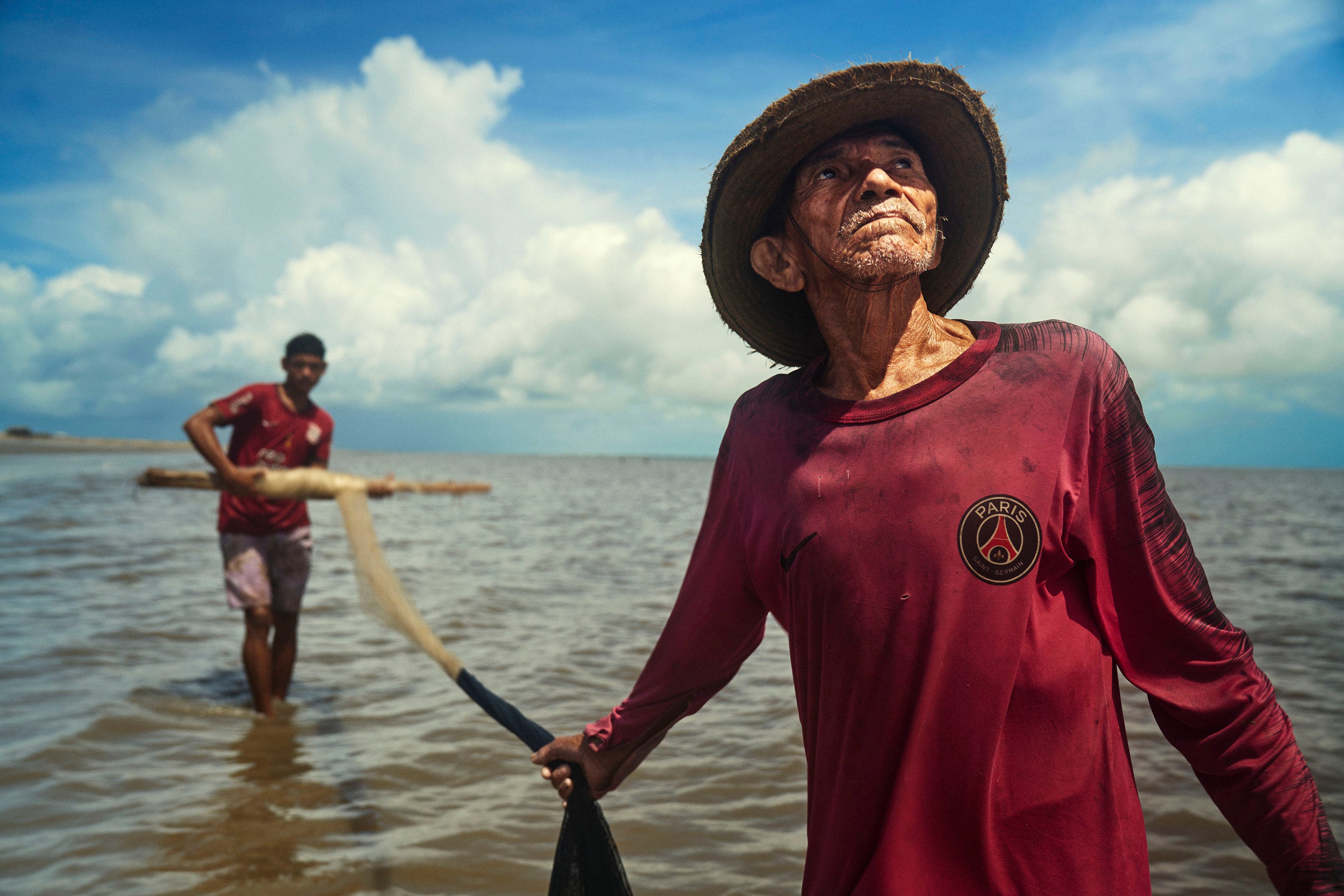
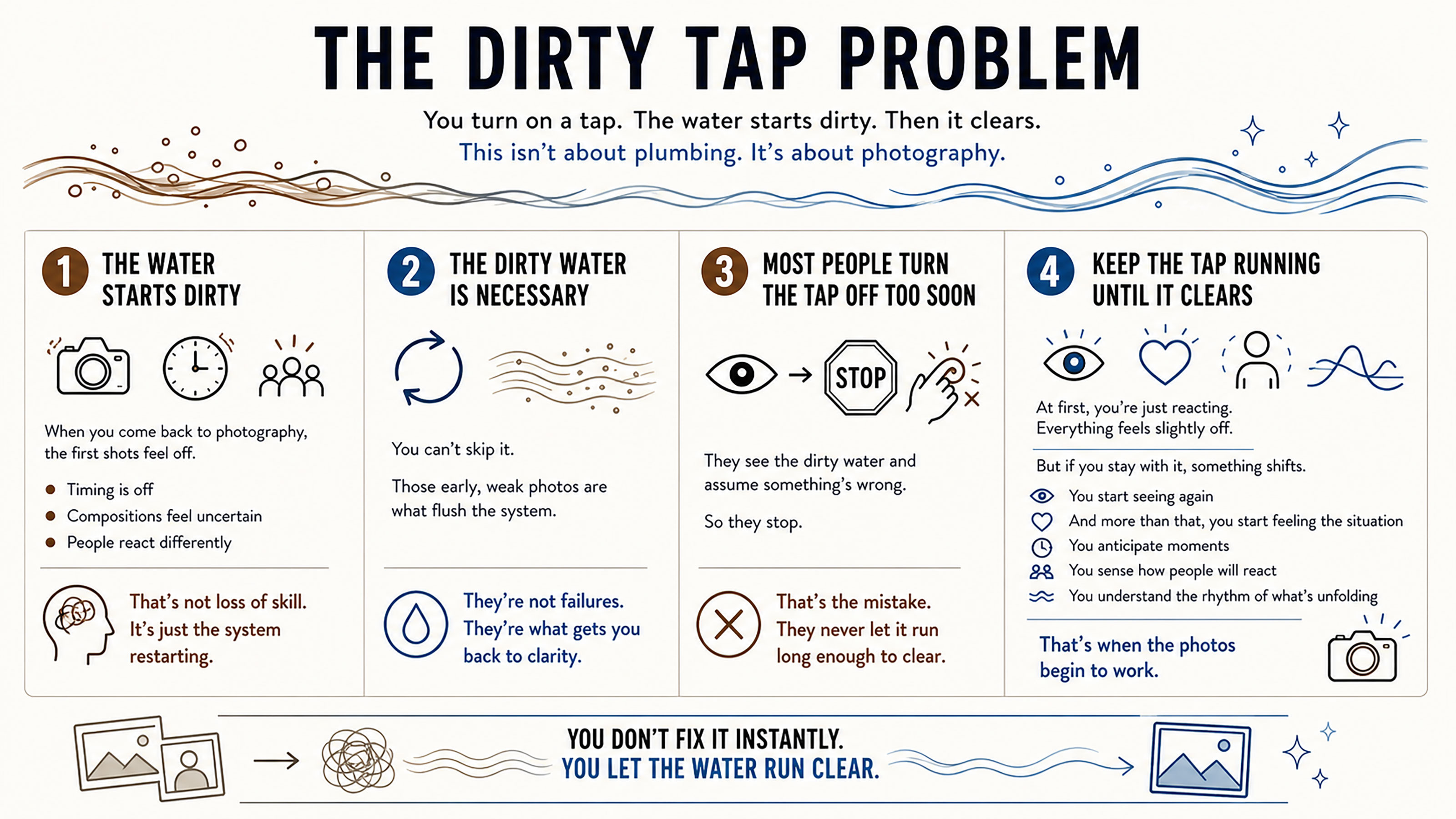
Of course, this isn’t about plumbing. It’s about photography.
After a break from making photos, whether it’s a week, a month, or just a stretch of not shooting anything seriously, your first images are almost always weak. Your timing isn’t quite there. Your compositions feel uncertain. People react in ways you didn’t expect. It could be subtle, but enough to make you question yourself.
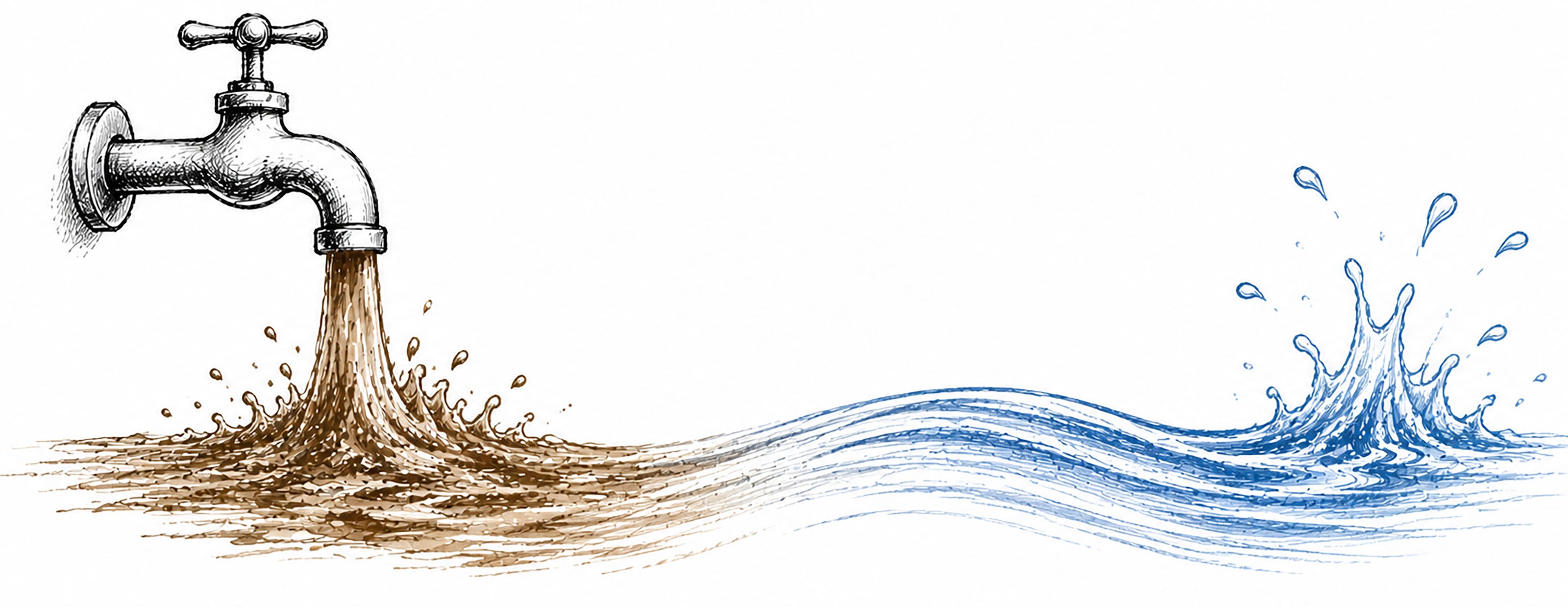
Most photographers interpret this moment in the worst possible way. They assume something isn’t working. That they don’t have what it takes anymore.
But that’s not what’s happening.
You’ve just turned the tap on.
Think something is wrong here? No. This is how it’s supposed to start.
I’ve felt this very clearly over the last year. I was shooting far less than usual, living in one place, out of photographic rhythm.
Every time I went out again, it felt awkward. Like I’d lost something.
But I hadn’t. I simply hadn’t done the reps.
So I’d make a conscious effort to just go out and shoot without pressure. To warm up. Calibrate myself. And eventually it would click again.
That’s where this idea comes from.
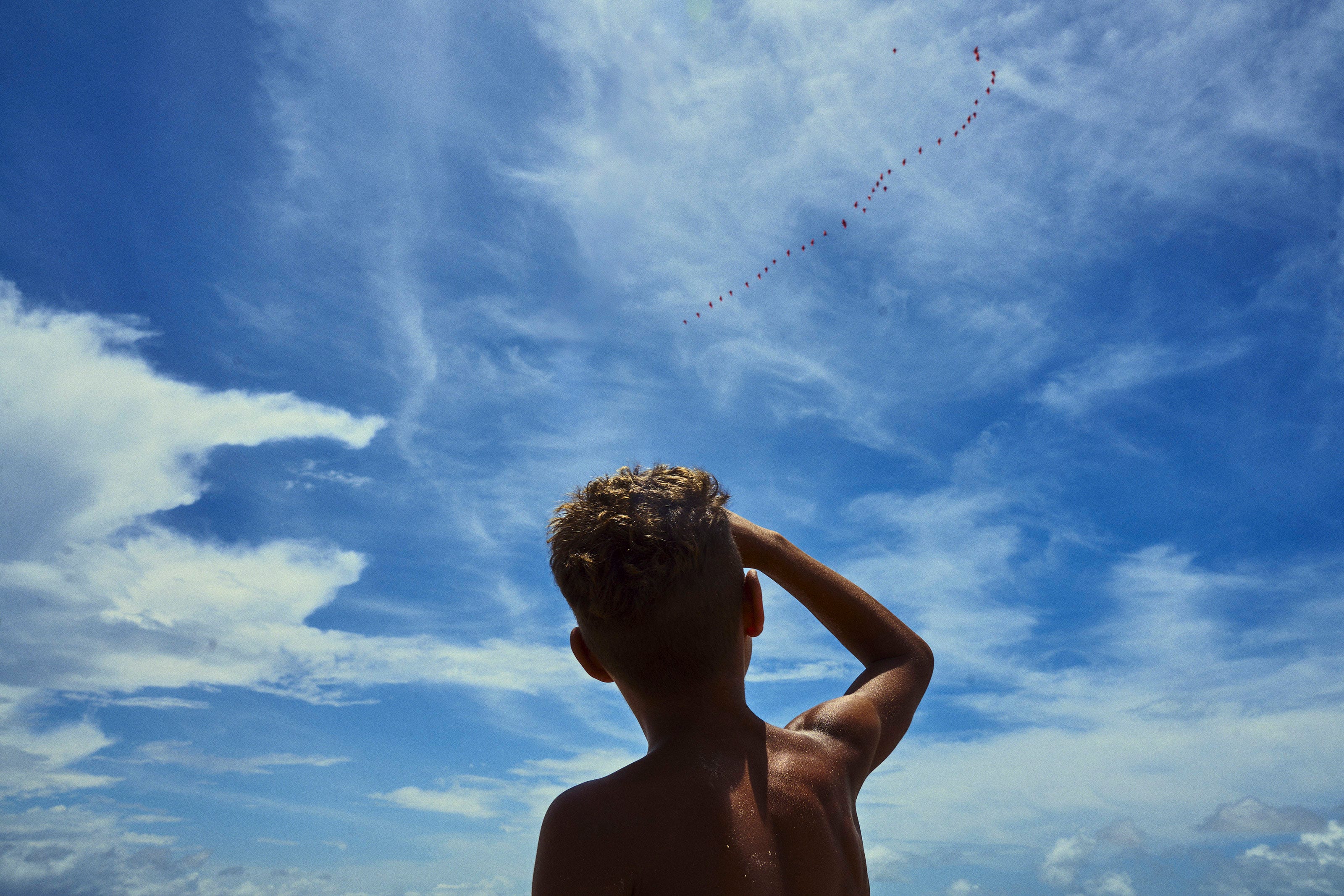
This is especially true when working with people. With landscapes or still life, things stay predictable, still. But people don’t.
When you’re getting back into it, photography isn’t only about seeing. It’s about getting a feel for what’s happening. You’re reading reactions, testing space, sensing energy, figuring out what’s allowed and what isn’t. The subject is reading you while you’re reading them.
Sometimes you’re shooting just to see what happens. A small gesture. An awkward smile. A moment of hesitation. These aren’t finished photos. They’re experiments.
What you’re doing is calibrating.
And that takes time. If you’ve been away for a while, it’s not something you fix in one session.
There’s no shortcut through this. It takes reps.
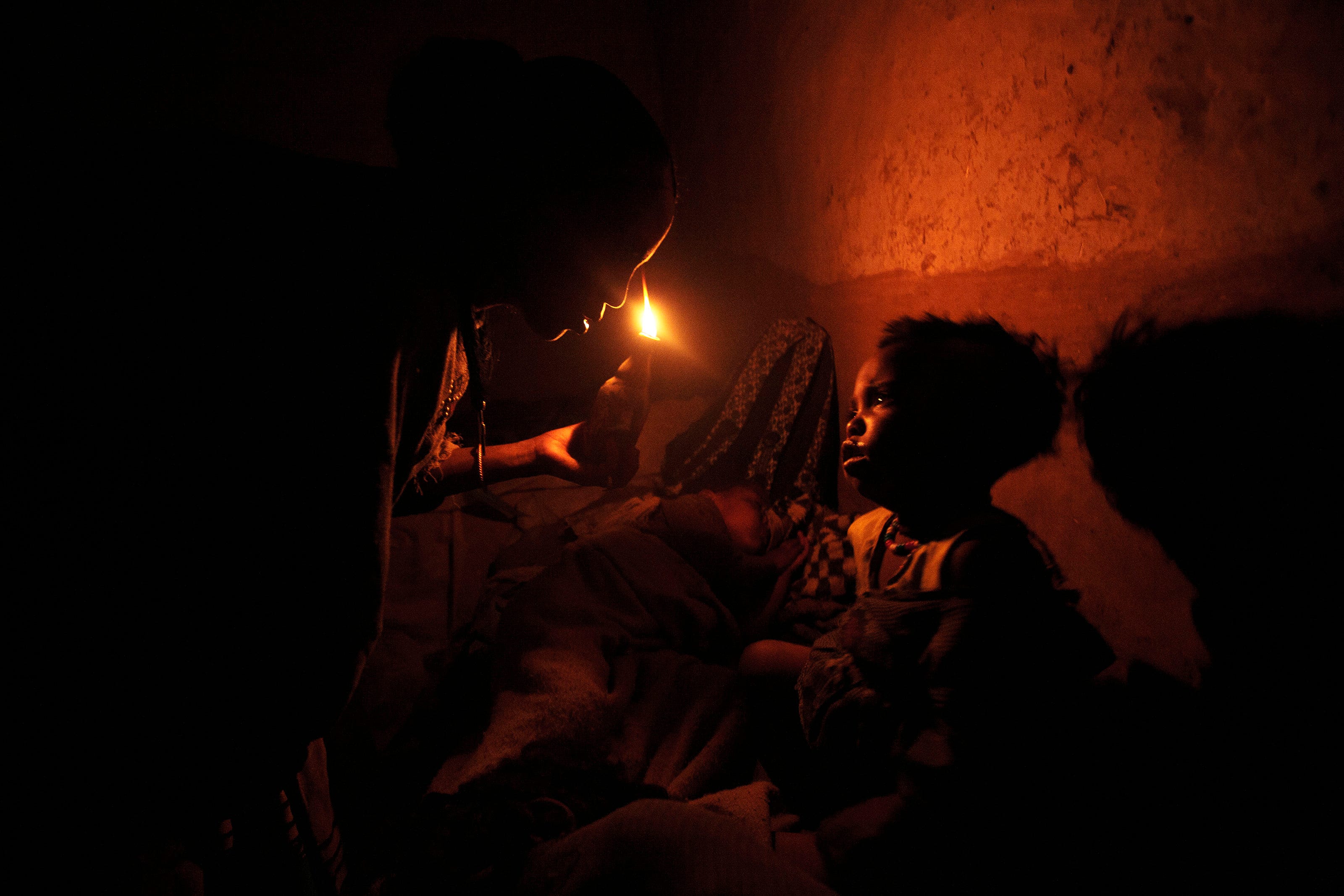
Then things start to stand out.
A hand gripping something tightly. A facial expression. Light falling across a face in a very particular way. A gesture that carries tenderness.
These aren’t random details. They’re meaningful signals.
They’re visual cues.
And this is the shift most photographers never fully make.
Anyone can photograph a scene in front of them. The best photographers learn to recognise what actually matters within it.
Most people see a scene. Very few learn to interpret it.
At the beginning, you miss these cues or you recognise them too late. But as you keep doing the reps, your awareness sharpens. You begin to anticipate instead of react.
And that’s when your photos start to change.
Not because you tried harder. Nor because you got lucky. But because you got back into rhythm.
Not just in a shoot, but across time.
You go out once, the photos feel off, and you pull back. You hesitate to go again. You start to doubt whether you really have it, whatever “it” is.
But what you don’t realise is that you stopped right before things were about to get good.
Most photographers don’t fail because they’re bad. They fail because they stop too early.
Everything was already moving in the right direction.
Quitting early doesn’t just slow you down. It resets the process every time.
So often, the only thing missing is more reps.
This is where awareness starts driving your choices.
You adjust your position slightly. You wait a fraction longer. You shift your angle with purpose. Not randomly, but because what you’re noticing, the visual cues, the body language, and the way the moment is unfolding, is guiding your decisions.
Those visual cues that were barely visible before now become anchors. You start building your image around them.
It might not feel like a breakthrough. But you feel in control. Things become predictable in a good way, like you understand what’s happening as it unfolds.
Every time you step away for a while, or enter a completely new environment, everything resets. New culture, new reactions, new visual language. The tap’s been off. Now it turns on again. And the water starts out dirty.
The difference is that now you understand it. You don’t overreact. You don’t take it personally. You just get back to the reps.
Instead of asking, “Is this a good photo?” ask, “What am I noticing? What can I learn from this?”
Watch how people react. Look for small cues. Pay attention to what feels slightly different, slightly off, or out of place.
Use those early frames as information, not judgment.
Keep showing up.
Because this isn’t something you fix in a moment. It’s something you rebuild through rhythm and repetition.
Photography is not just about capturing moments. It’s about recognising what’s meaningful within them and building your image around it.
And that doesn’t switch on instantly.
You have to settle back into it. Your eyes need to adjust. Your awareness needs to sharpen again.
The dirty water is part of that process.

Has this been useful? Pass it on to another photographer.
The goal isn’t to avoid bad photos. It’s to move through them and back into form, because on the other side of that awkward phase is where your best work lives.
The images where timing, awareness, and intent finally come together. Where you’re no longer reacting, but seeing clearly and acting on it.
The dirty tap never fully disappears. But once you understand it, everything changes. You stop doubting yourself. You stop quitting too early. You stop mistaking the beginning for the result.
And instead of turning the tap off…
you keep it running until the water clears.
Comments
Nothing yet. Say the first thing.
Sign in to join the conversation.