
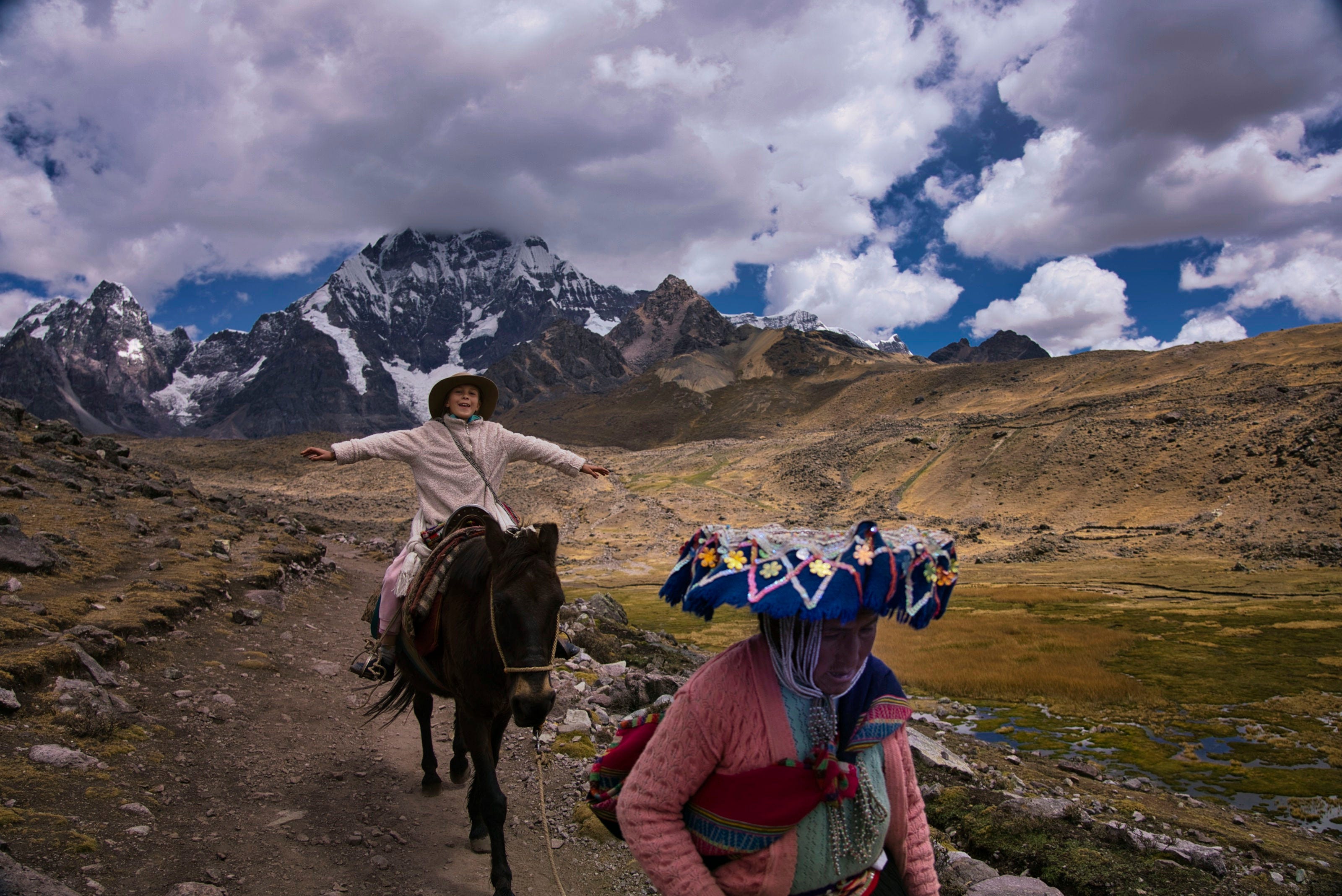
That’s the honest truth. But in other areas, I’ve found it incredibly useful. Everyday questions, eating habits, exercise. When my daughter Mia had dengue, it even gave me peace of mind.
I’d already spoken to a doctor and knew what to do, but I wanted guidance through the whole process, every other minute. No doctor is going to stay on call for that, so I kept asking ChatGPT questions, and it genuinely helped calm me down.
Not long ago I experimented with some of the newer image models.
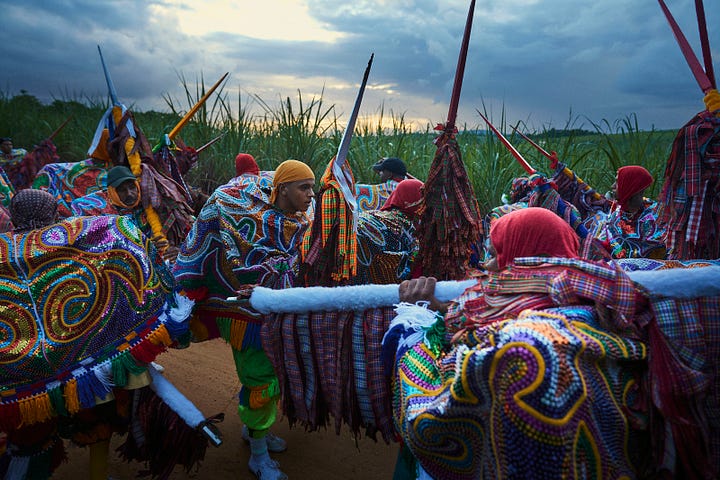
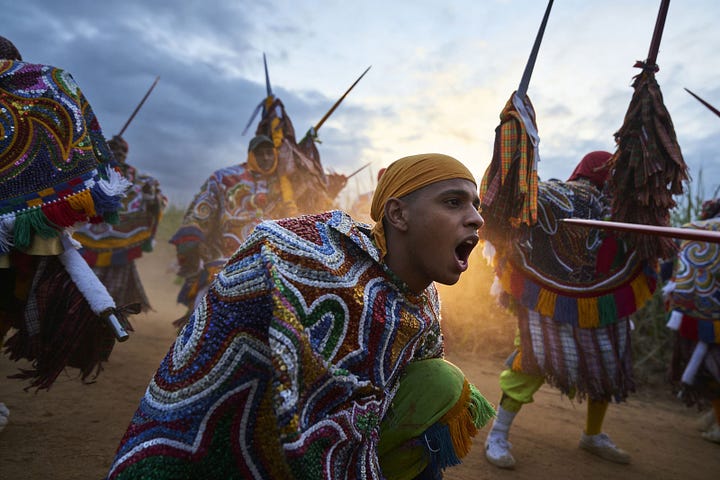
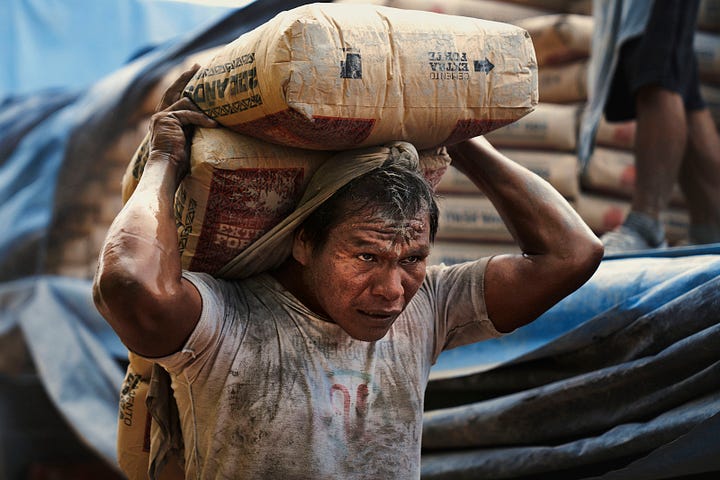
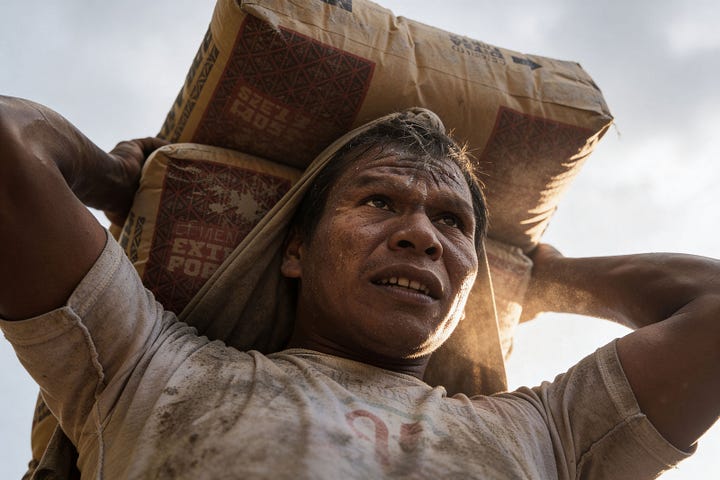
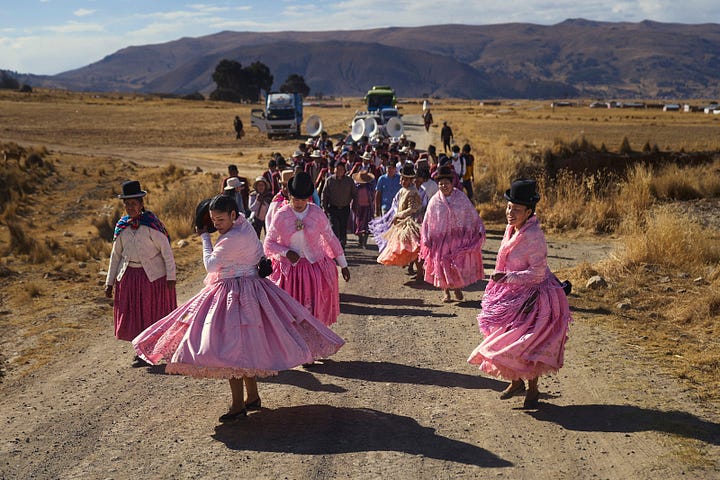
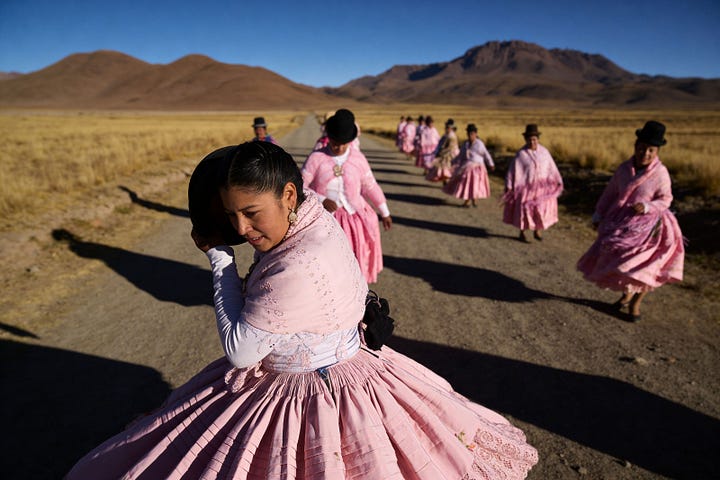
Because let’s admit it, the images look good. Sometimes unbelievably good. You can move closer toward perfection. Effortlessly. Every other week there seems to be some new development. The videos are getting more realistic. The music and sound design are incredible. The image models, as you can see from the photos above are ridiculously good. These tools can already do things that felt impossible not long ago.
But if I don’t keep my finger on the pulse, it feels very easy for all of this to pass me by. And… I don’t want to spend my life glued to screens, constantly trying to keep up with the latest model or workflow. It’s always this double-edged sword.
By the time most of us understood what was happening, it was already done. There’s no going back now.
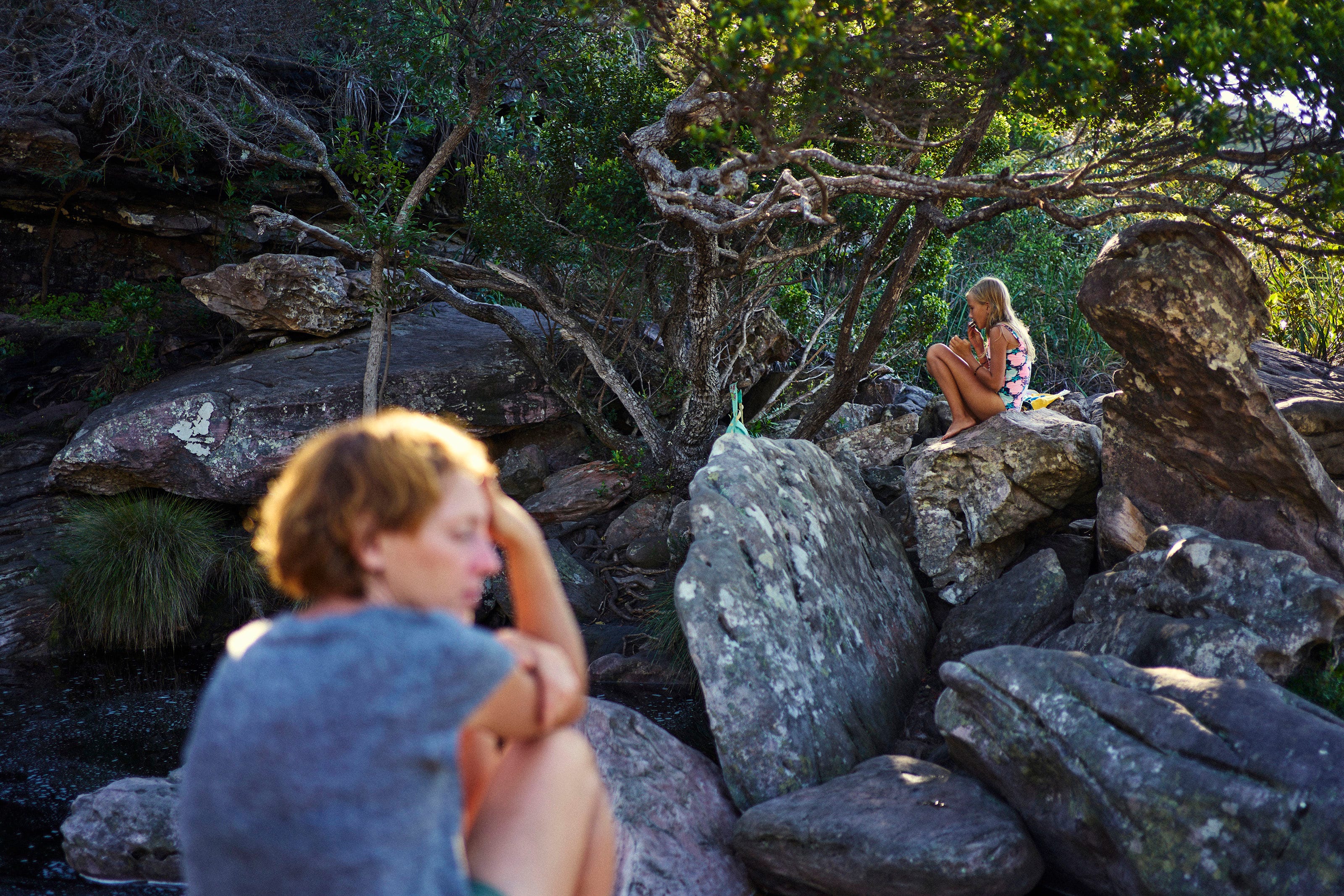
But, there’s always the other side. AI has actually pushed me closer to what mattered to me about photography in the first place. Less about perfecting an image, more about stories, experiences, and interactions with the people I photograph.
It’s also made me value photographs of friends and family more than ever, because those images mean something beyond aesthetics. I want to see my family as they really were. I’m sure most of you feel the same. And this raises a question worth sitting with: will imperfect photographs, the ones full of life and flaws and chance, become even more valuable because of all this? I’m starting to think they will.
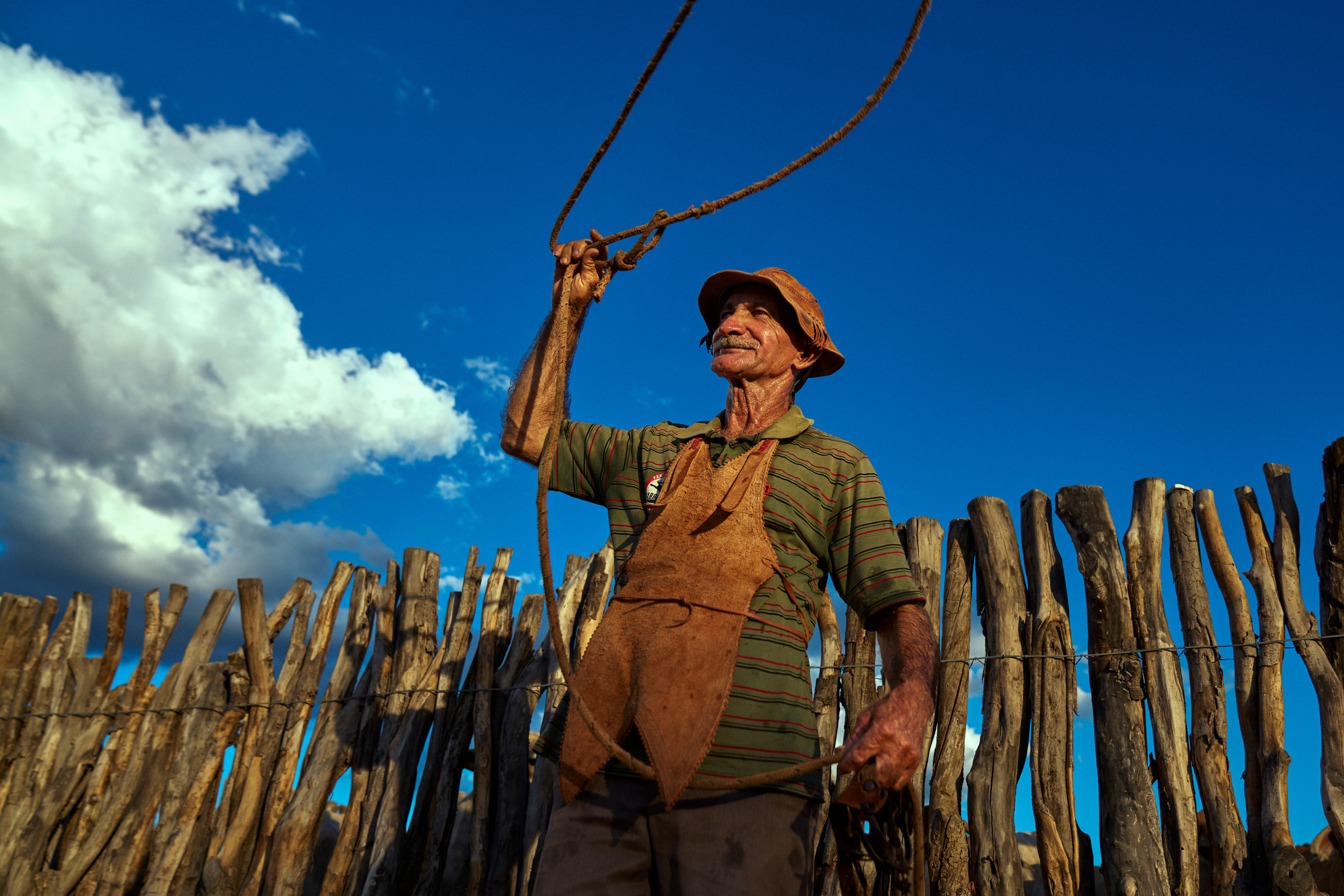
Here’s a part about AI, which has surprised me. I’ve used it to help with my actual photography, as a kind of visual cues coach. Some of you might say, “But, you made the image yourself. You teach photography. Surely you already know what AI is going to tell you.” And yes, I do. But for me it’s less about being taught something new and more about holding myself accountable to my own standards.
I even built a more personal version of that AI coach for myself, something I never released publicly, and it actually helped me when selecting images for Travel Photographer of the Year. Out of curiosity, I uploaded the judges’ biographies and backgrounds to see what kinds of images might resonate with them. In the end, the photos I selected won in the Culture and Heritage category. Make of that what you will.
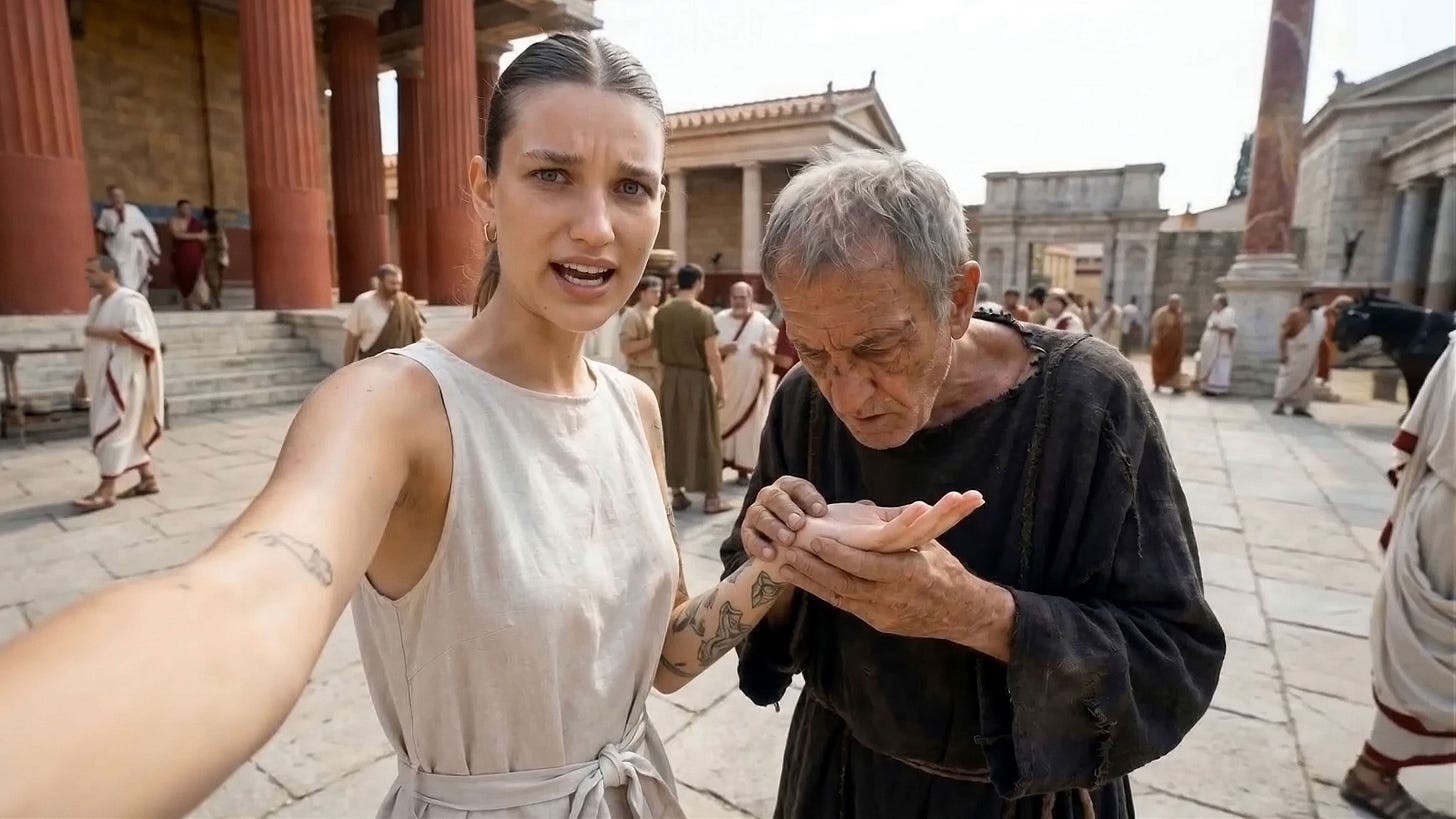
We’re already seeing AI-generated vlogs set in ancient Rome, historical recreations of Brazil during slavery, all sorts of ambitious ideas that would have been impossible for ordinary people to produce before. The quality varies, but the potential is obvious.
Video still isn’t quite as convincing as the companies claim (for most part). There are still moments where something breaks and pulls you right out of the experience. But I don’t think we’re far away. And here’s what I’ve noticed: people with genuine imagination and vision are already making compelling things with AI.
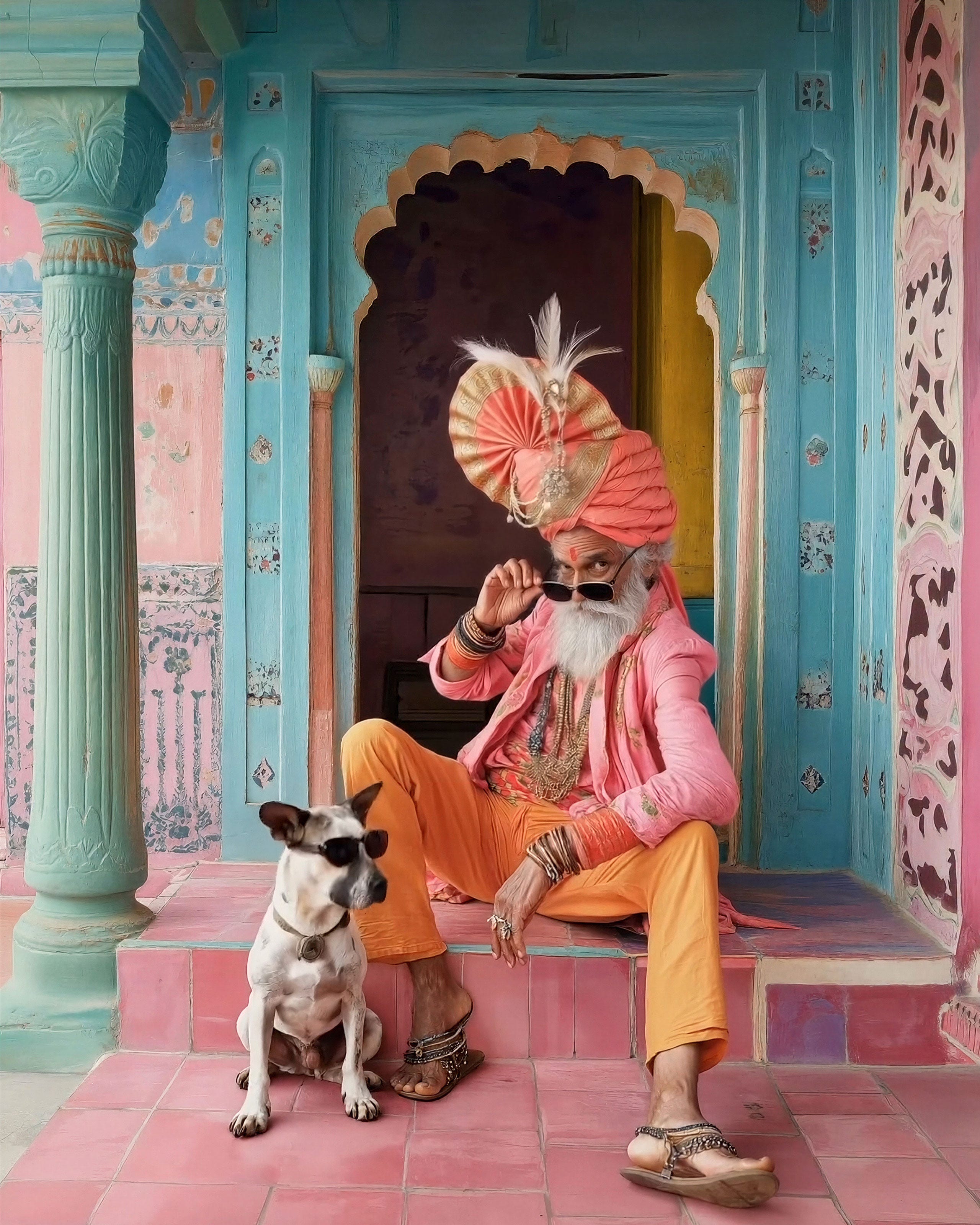
Above is a still from a reel of one Instagram account. I find it inspirational, and it’s 100% AI. Let’s be honest, when something is truly good, you stop caring about the medium. We don’t watch great animated films and complain that it isn’t real life. We get immersed in it.
I noticed that recently while watching anime with my daughter. The visual style wasn’t really my thing, but the overall atmosphere and storytelling completely pulled me in. I’ve recently had the same reaction to certain pieces of AI art or AI-generated video. For a moment, I forgot how they were made and just got absorbed by them. That’s probably what interests me most, and worries me most, at the same time.
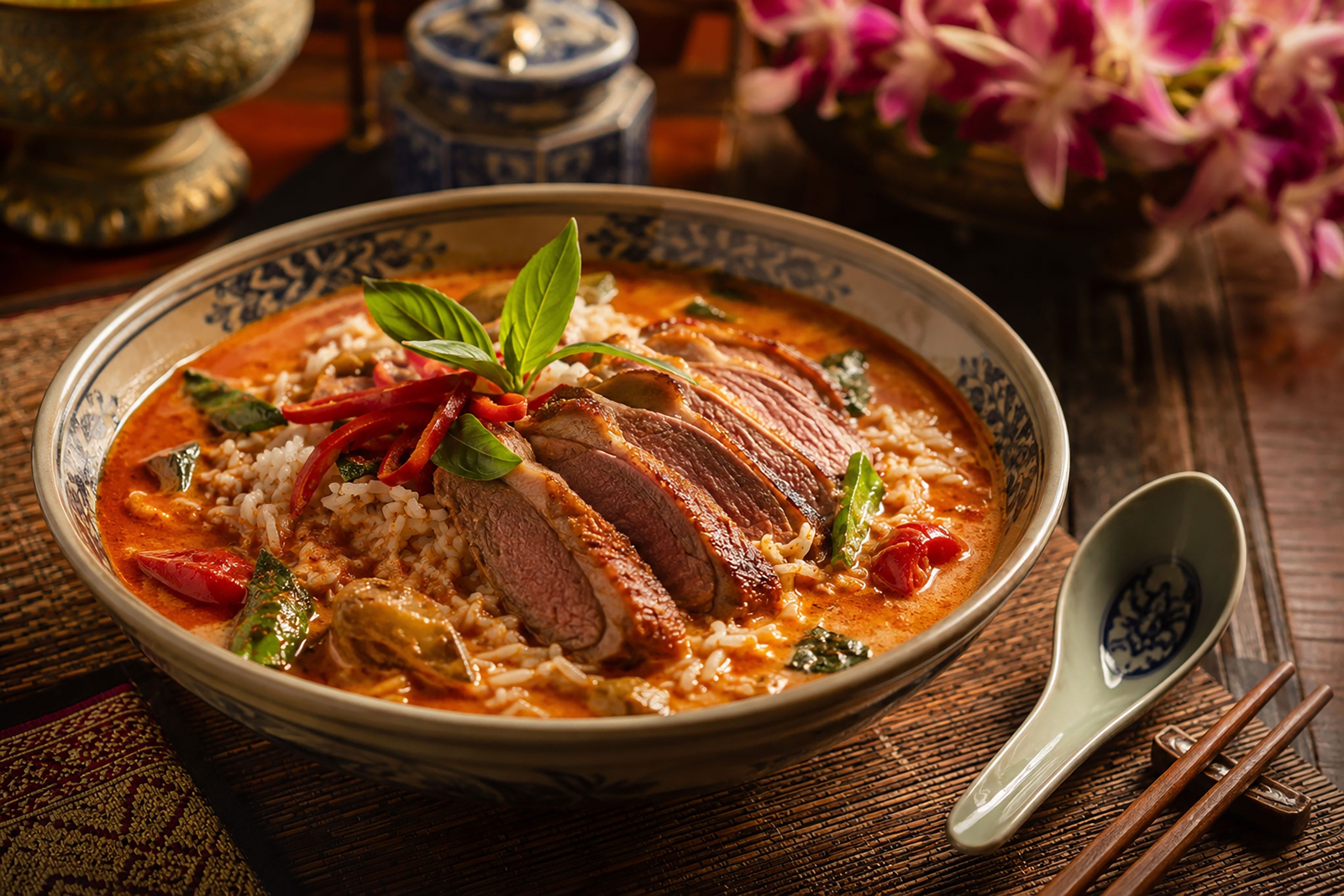
Some will use it creatively. Some practically. And, like many shifts in history, a lot of it will be dictated by economics. If something can be done faster and cheaper with AI, like the above photo of a Thai curry meal (think menus, cookbooks, websites) especially when authenticity doesn’t matter much, then eventually it will be.
But there are still things people value precisely because they’re real. Travel photography. Family photographs. Personal memories. Human presence. AI can imitate those things, but it can’t replace the experience behind them. And that might be the whole point.
That someone was actually there. So I can see myself walking both sides of that tightrope for a while longer. I suspect many of you are doing the same. I’m curious where you stand on it.
Has this given you food for thought? Pass it on to another photographer.
Comments
Nothing yet. Say the first thing.
Sign in to join the conversation.