
A friend scrolls through her camera roll, showing me photos from her last vacation.
“Ugh. A picture never does it justice,” she complains.
Yeah, because trips aren’t just what you saw; they’re everything.
Your pictures represent everything on the periphery: scents, sand at your feet, the fabric of a new shirt, somebody whispering something. It’s the whole psychology of the trip too. That you needed to be there. That you’re finally there.
And when you get home? Those pics are just a poorly framed version of some of the things you saw. A flicker of what it was like.
Your photos shouldn’t be like that. Photos should pull you in, and take you back to the moment. They should be like a great novel that you stay up way too late reading, or a daydream that distracts you from less meaningful work.
Bottom line:
If you want your pictures to “do it justice,” you need to engage the other senses.
But how do you engage the senses of taste or hearing with a two-dimensional visual slice of time?
Enlist texture.
Because texture bridges the senses of vision and touch.
First, you see texture, and then you touch it.
When you see texture in a photo, you naturally imagine the physical sensation. Every photo engages the sense of sight, but texture goes beyond sight by engaging the sense of touch through the imagination.
Chances are, the last time you walked through a clothing store, you intuitively reached out and touched the fabric as you walked by. First you saw, then you touched.
When fabric is involved, it can provoke a full-body experience of wrapping ourselves in the fabric.
This is good news for the visual art of photography, because it means that if we fill our photo with the visual sensation of texture, it can provoke the desire to touch.
When you’ve engaged one sense by way of the imagination, it’s easier to engage the other senses too.
The ability to engage the other senses through the imagination will make people engage more deeply with your photos.
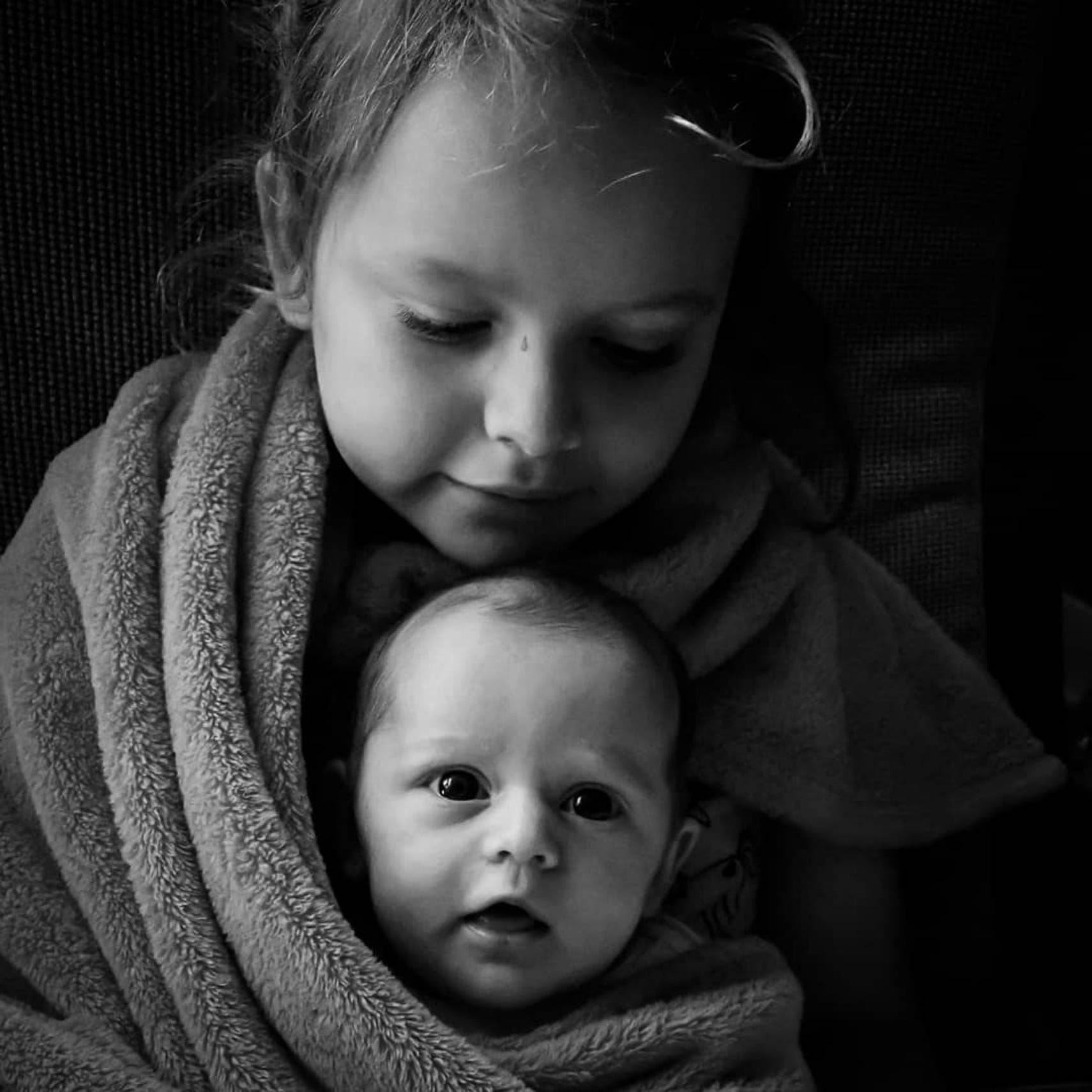
Texture is the sensation you get from a surface when you touch it. It could be rough, smooth, coarse, soft, prickly, or slick.
As a surface protrudes and expands into the third dimension, moving from smooth to rough, for example, the texture becomes more distinct, intertwining texture with the element of form.
Everything has texture; therefore, everything you photograph has texture.
Our photographs are based on real-world scenes and objects rather than ones we create purely through our imagination.
And yet we arrange our compositions using the same elements and principles as other visual artists.
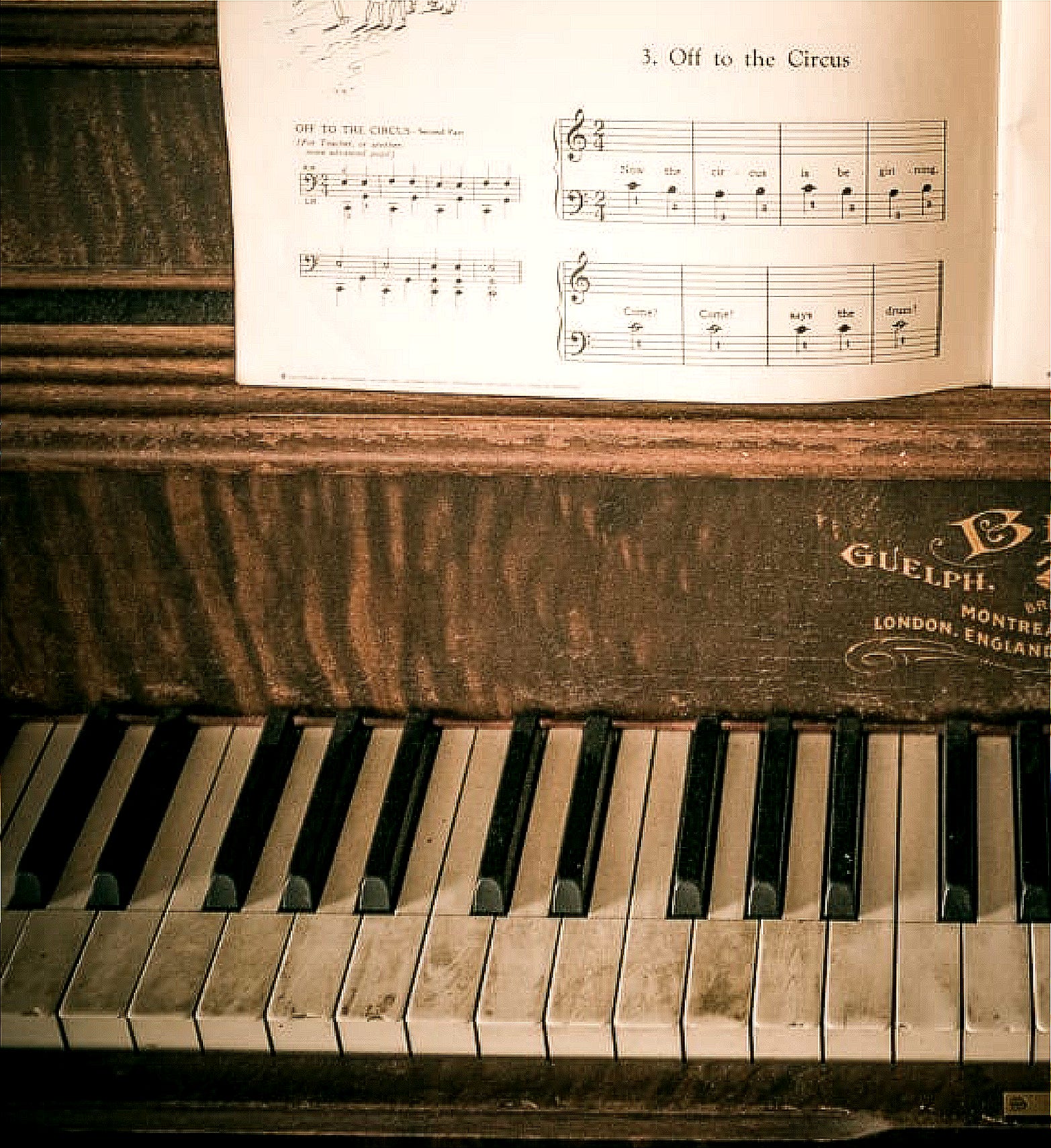
Which means that as photographers, we discover the fundamental elements of art already present in the physical world.
Then the question is, how intentionally are we using or arranging these elements in our photos?
Part of the magic of macro photography is that it takes us into the world of texture.
What we might describe as simply soft and fluffy or rough and chunky becomes a world of three-dimensional form to explore.
Often it is surprising, even shocking, the level of detail that a macro lens shows us.
Texture hides another world within itself. You just need to be small enough to explore it like Ant-Man or Honey, I Shrunk the Kids.
Fabrics are all about texture and how they feel wrapped around us.
Food too is about texture and how it feels in our mouths. Junk food scientists know how to combine salt, fat, sugar and texture in a way that you cannot resist.
As silly as it may sound at first, aim to make a photo that a viewer would want to wrap themselves with or take a bite of.
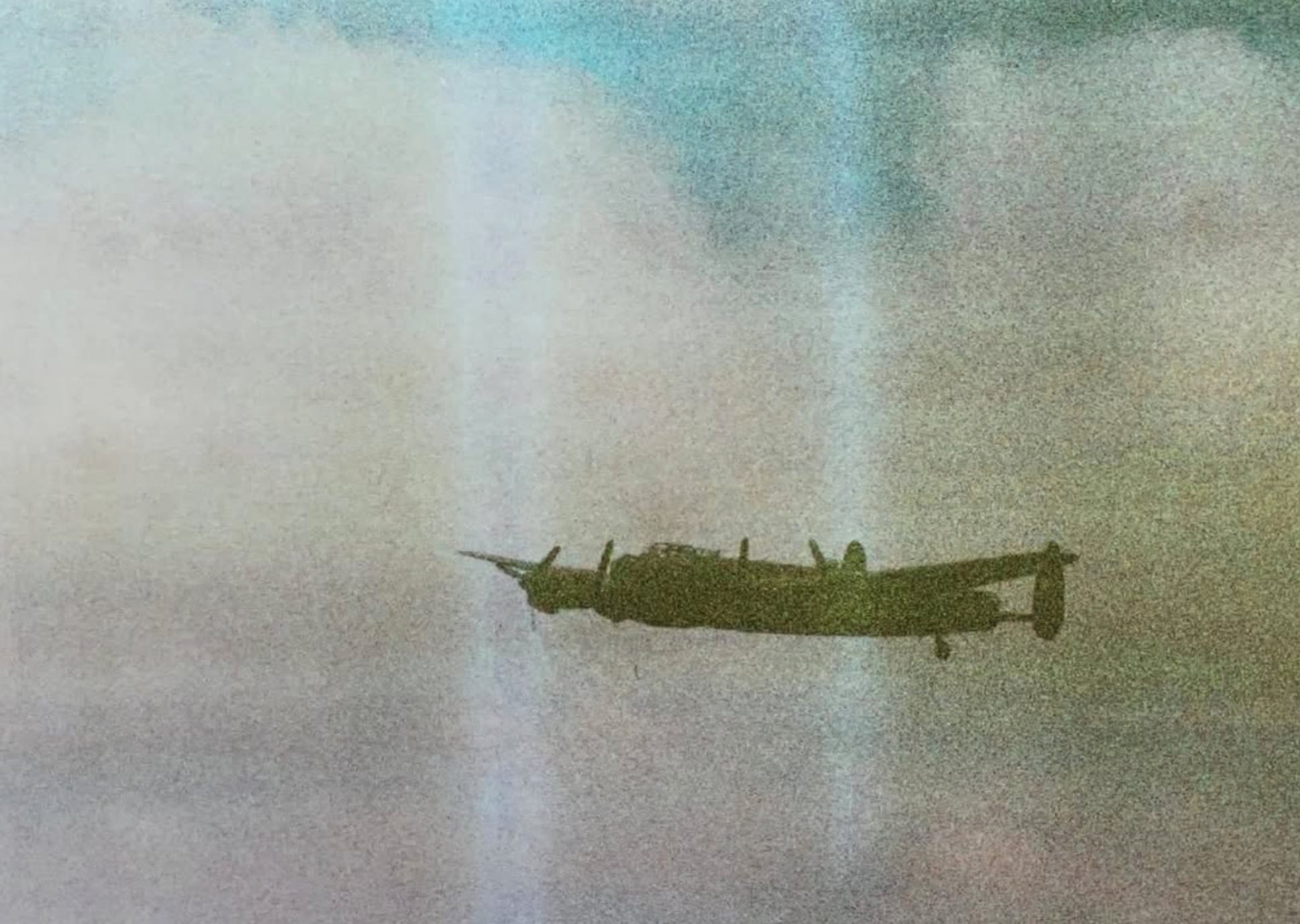
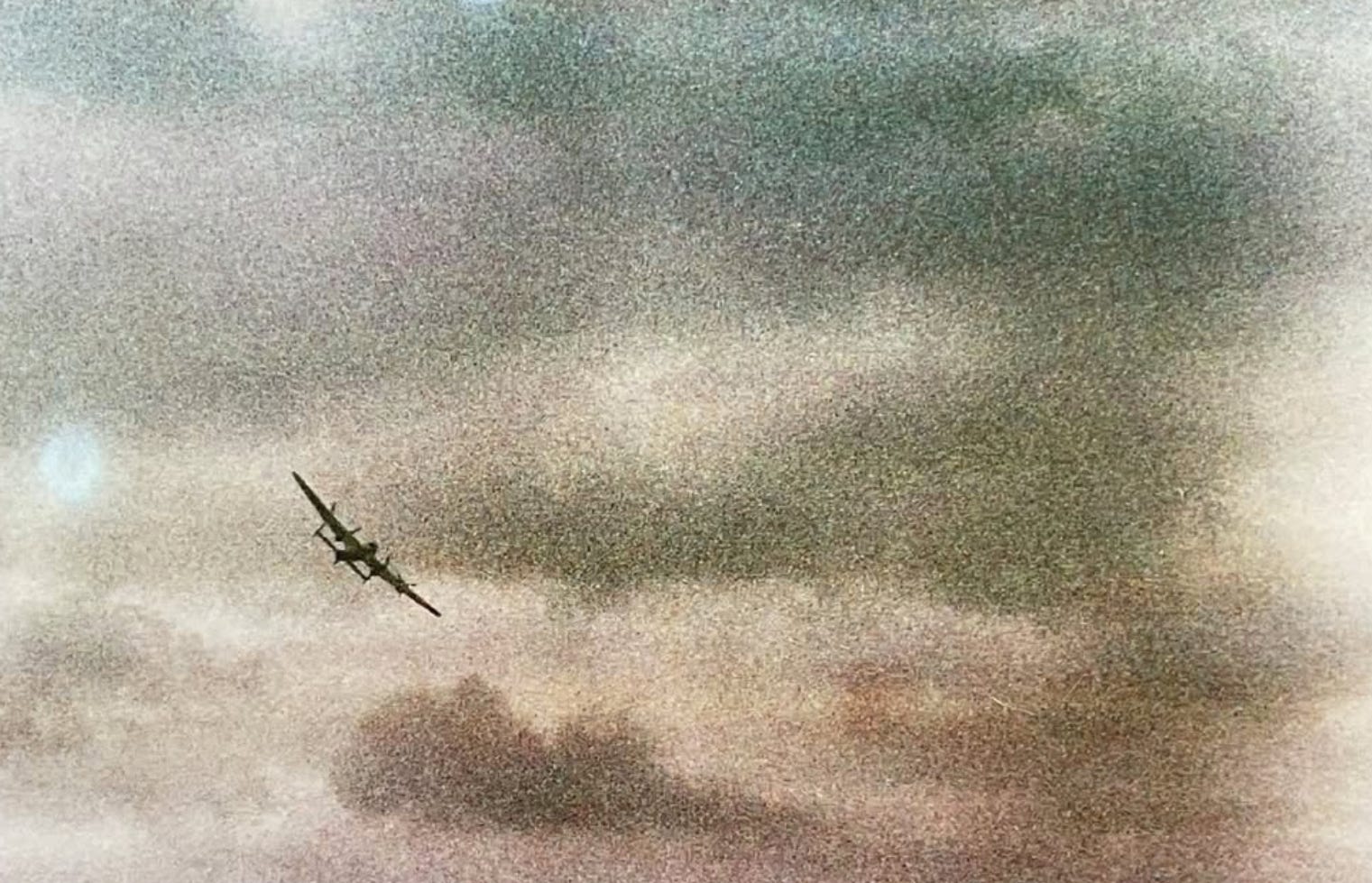
Grain is the stock and substance of film photography. It’s the medium that records our picture and the visual texture in our negatives and prints.
Historically, most photographers tried to minimize the visual appearance of grain. But today we embrace film grain as part of a film’s textural beauty.
I have a box full of disposable film cameras that expired around the time that disposable cameras went out of vogue.
The distorted colours and obvious film grain are the charm that entices me to pay $25 per roll to develop.
There are 2-3 main steps toward emphasizing texture in your photos.
Always - Recognize types of texture in the natural world
Try to - Light people and places so that texture is visible in your photo
If desired - Use clarity and texture sliders carefully during the post-processing phase
Remember the 6 types of texture you’re looking for:
rough
smooth
coarse
soft
prickly
slick
If everything we photograph has physical texture, how do we best show that texture visually?
Use light.
Flat light tends to visually minimize rough or coarse surfaces. The lack of contrast created by highlights and shadows leaves the image looking flat and the texture type indiscernible.
Generally, an overcast sky produces flat light, but so does bright sunlight that falls over your shoulder, evenly lighting the scene you’re photographing.
It’s best to have your light source, whether it’s the sun or something artificial, hitting your subject from the side or from behind.
The light skims across your subject, creating peaks and valleys on roughly textured surfaces and slight glare on smooth or slick surfaces. Even prickly or coarse surfaces stand out more in the right light.

After finding and lighting texture, I use 3 sliders in Lightroom to enhance the texture in my photos. All editing apps have some version of these.
Make sure you capture a sharp photo, or use a sharpening app, as the first step.
Contrast: brightens the highlights and darkens the shadows. Great for big texture in a landscape or close-up.
Clarity: perfect for enhancing texture in medium details like wrinkles in fabric, leaves in a landscape, or the grit of a good trail run.
Texture: brings out the contrast in tiny details. Think dandelion spores and stuff like that.
Sliders affect the entire photo, so try using a brush to apply contrast, clarity or texture to a certain part of your photo.
Remember: it’s never texture for the sake of texture.
Visual texture draws us into the photo and engages the sense of touch through our imagination. If your editing techniques are too exaggerated, our imagination won’t fall for it.
Your goal is to draw us deeper into your world.
You can do anything you want with your photos, but if you’re not happy with them, ask if you’ve been heavy-handed with your post-processing.
We use the principles of art to organize the elements of art.
So, play with the principle of contrast in your photo by contrasting two different textures, such as silky and rough textures
I think that’s part of the power behind all those silky waterfall photos. It’s the contrast between the smooth water and rough rocks.
Use a tripod to keep the camera still, keeping the shoreline sharp while allowing the water to become smooth with a long shutter speed.
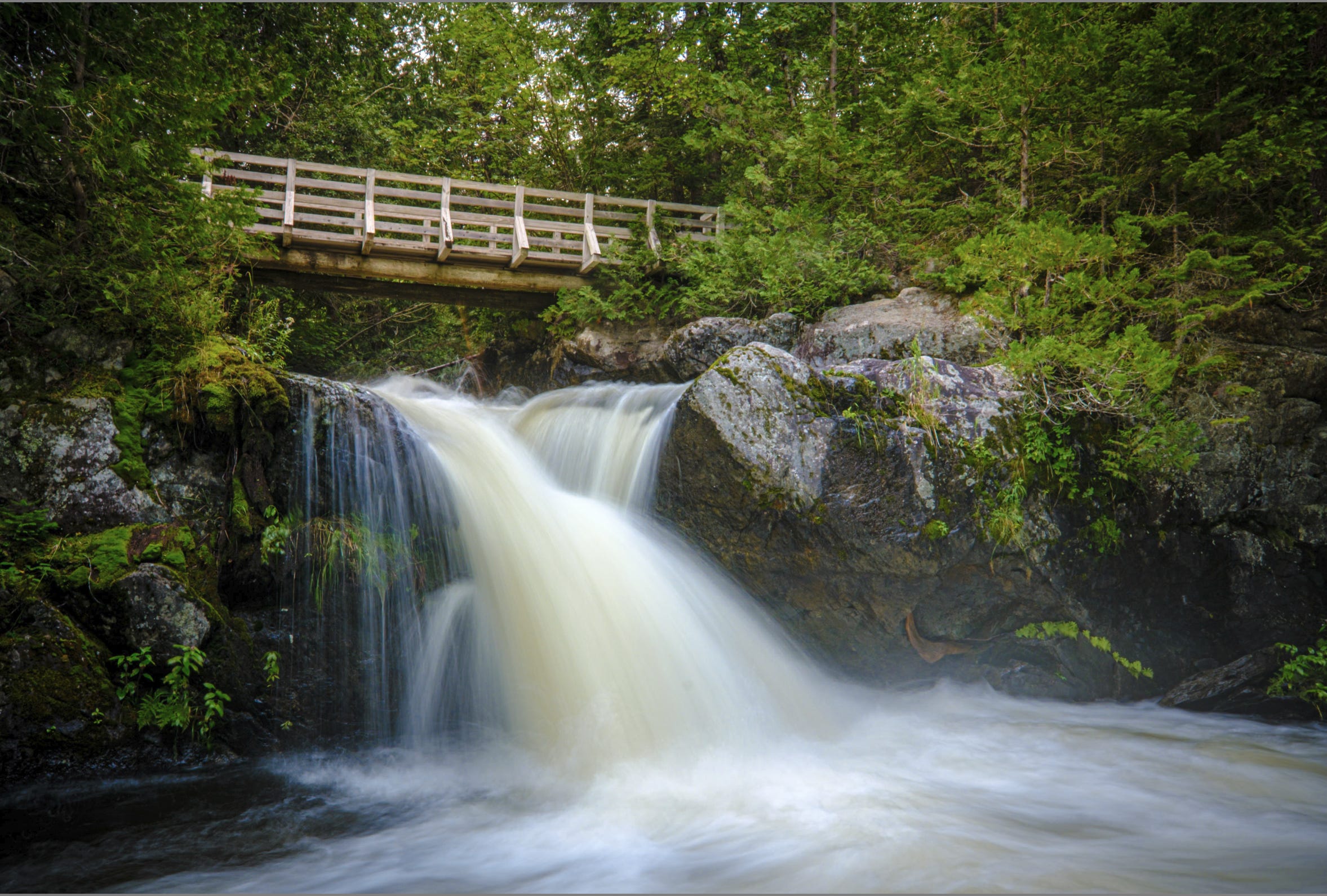
Before studying the elements and principles of art and design, I used to think that camera tricks made photos like this look good. Now, I understand that, along with other aspects of composition, it’s the visual language of contrast and texture that makes these photos visually appealing.
I know how my friends feel when they come home with photos that don’t quite capture what they experienced.
After dragging Naomi and our two toddlers on a road trip through the East Coast of Canada so that I could get “amazing” photos, I came home with mostly junk.
I’m sitting at our cramped dinner table set up as a makeshift office in our two-bedroom house. I squirm in discomfort while sifting through hundreds of my bad photos. So, I navigate away to social media and scroll through countless photos that are infinitely better than mine. Maybe if I’d travelled to Iceland I could have got better photos…
But all I’m doing is comparing visuals. Which utterly misses the point of photography.
Comparing visuals may engage the ego and its negative emotions, but not the imagination.
Honestly, though, a few pictures I took do stand out to me.
Like Naomi and our son playing in the low tide slime.
The sunset reflecting on the smooth rubber of my boots.
Or, the rough shoreline of Hall’s Harbour.
You, of course, recognized texture in all those moments.
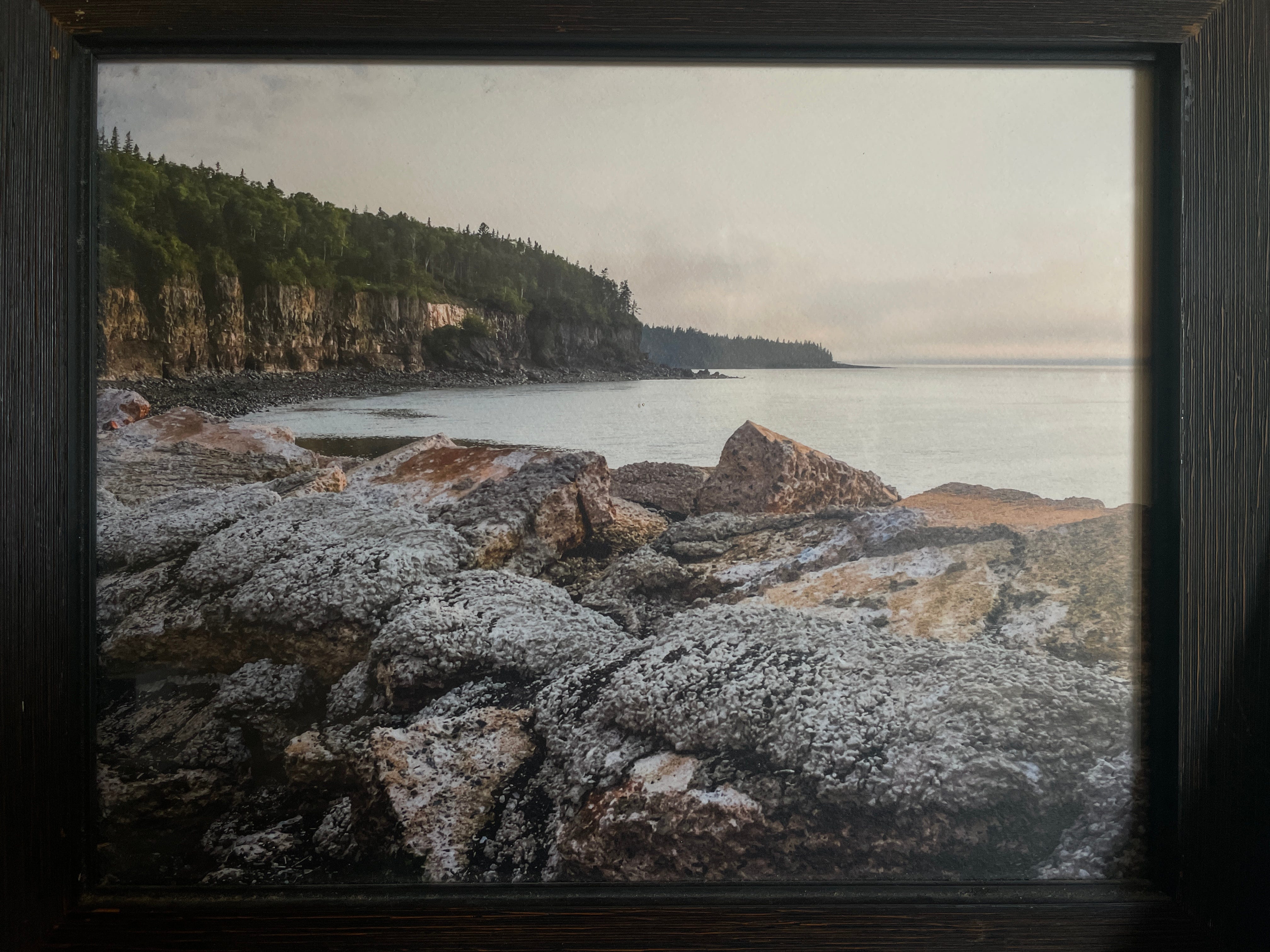
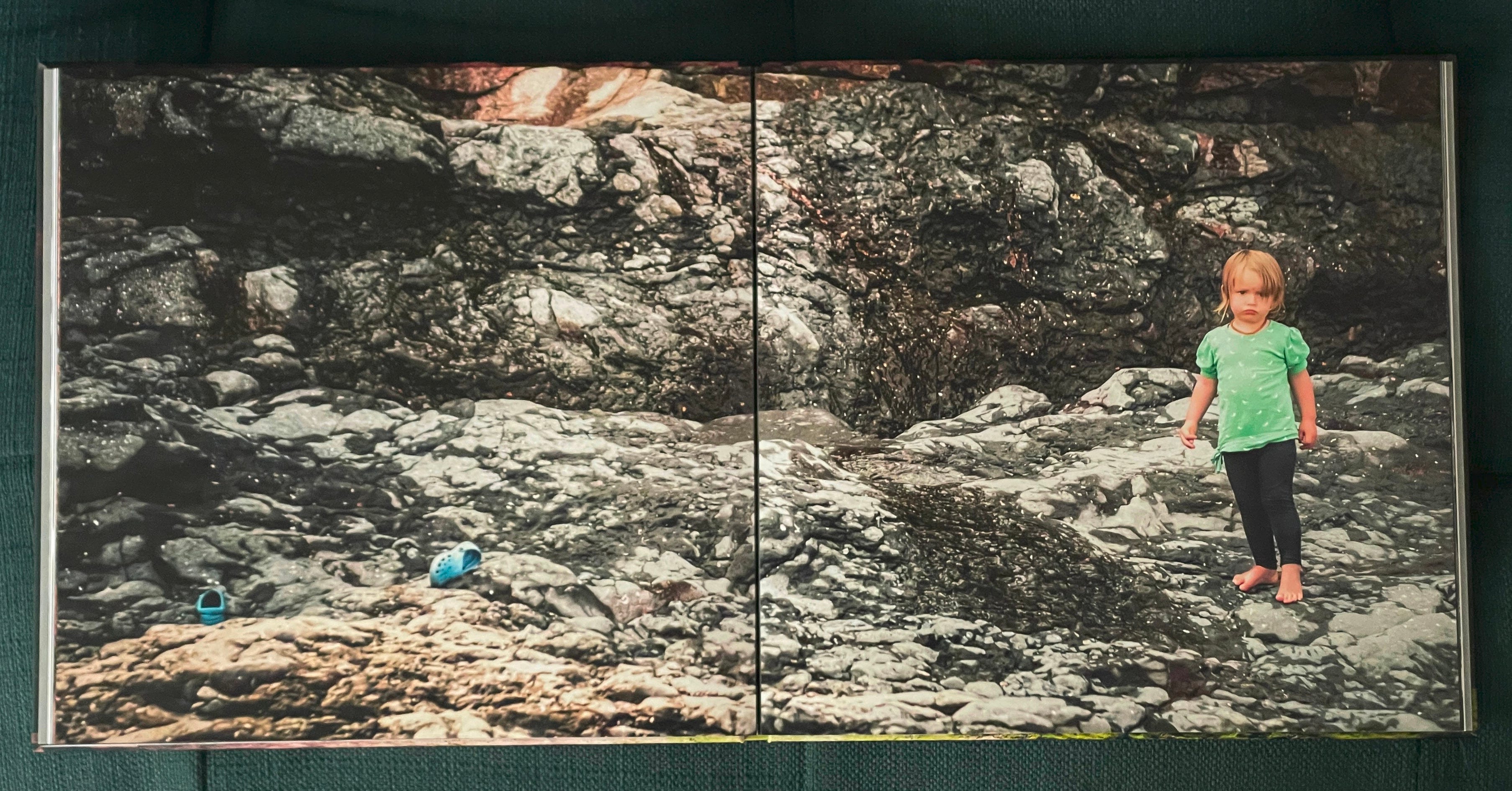
When you look back at your own work, the photos that you love the most, you will notice how often the elements of art, and texture in particular, make the moment the star of the show.
There is something burning deep inside of you that is expressed in your photography, as it represents the natural world that you explore, and the photos that stand out most are the ones when (intentionally or not) the elements of art convey what the photo is about, not just what it’s of.
The playful moment in the low tide slime came after a morning of moodiness.
The sunset reflecting off the smooth toe of my boots after several days of defeat.
The rough shoreline of Hall’s Harbour after giving up on photography and focusing on my family.
Now, perhaps those photos don’t immediately communicate that on their own, but as part of a collection along with the stories from our adventure, they are about our travels and not just of it.
A picture may never do the original experience justice, but maybe that never should have been the point.
The only real problem is when a snapshot simply fails to engage the imagination.
When a photograph provokes a longing to hold the newborn, the itch to shoot a roll of film, or a decision of what’s for dinner tonight, it’s done its job. And it’s often the skillful use of texture that we can thank.
It begins visually, provoking the sense of touch, causing us to linger on the photo.
The longer we linger, the further along our imagination goes, enlisting the other senses, one by one, as if they are really sensing.
Mat usually says that he writes from Canada. But he should specify that many of those thoughts began on road trips through the United States and Mexico. Nevertheless, the writing gets done at the kitchen table when the kids are in bed.
Comments
Nothing yet. Say the first thing.
Sign in to join the conversation.