

Slava Ukraini! In early 2022 I began a Telegram channel aggregating news from a number of sources daily on the war in Ukraine. In June 2023 I began providing a daily draft for the Ukraine War Brief Podcast collecting news from over 70 sources daily, which formed the basis of the script. While the Podcast no longer exists I have continued to make this Brief available for my subscribers here on Substack and anyone who wishes to keep up with the news from the war.
If you find the Brief informative I would appreciate it if you shared it with others.
For: Aug 14, 2026
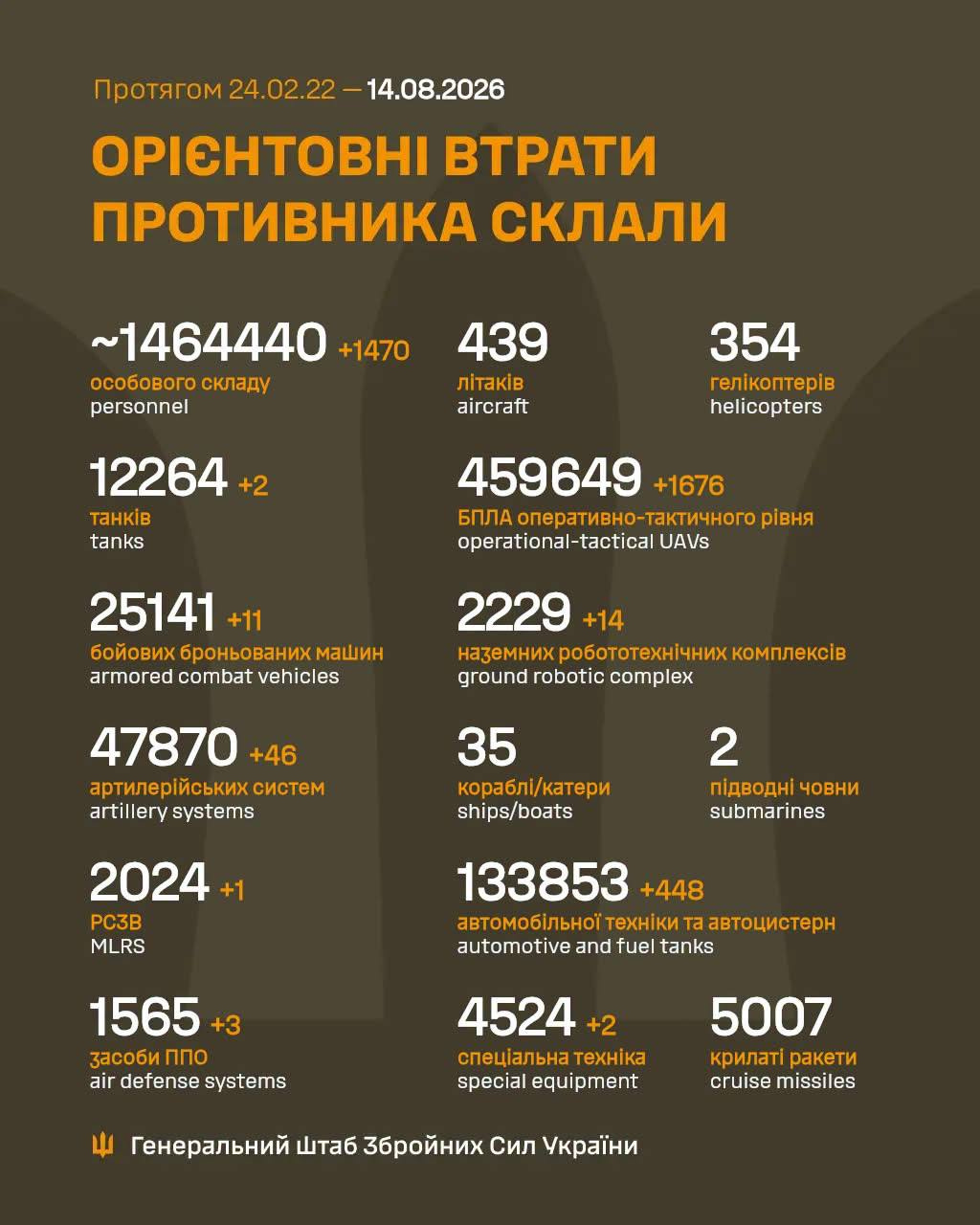
The General Staff of the Armed Forces of Ukraine in its Operational Information update at 08:00 on Aug 14 stated that day 1633 of the full-scale invasion of the Russian Federation against Ukraine had begun.
Ukrainian defenders continue to actively conduct the systematic destruction of the enemy and offer effective resistance in all areas of the front, causing them significant losses in personnel, equipment and technology. The AFU are exhausting the enemy along the entire front line and disrupting their plans to advance deeper into the territory of Ukraine.
Over the past 24 hours, 222 combat engagements took place.
During the past day, aviation, missile troops and artillery of the Defense Forces of Ukraine hit 14 areas of concentration of enemy manpower and two control points of unmanned aerial vehicles.
Over the past 24 hours, the enemy carried out 76 air strikes, used 10,027 attack drones and carried out approximately 3,010 attacks on populated areas and the positions of Ukrainian forces.
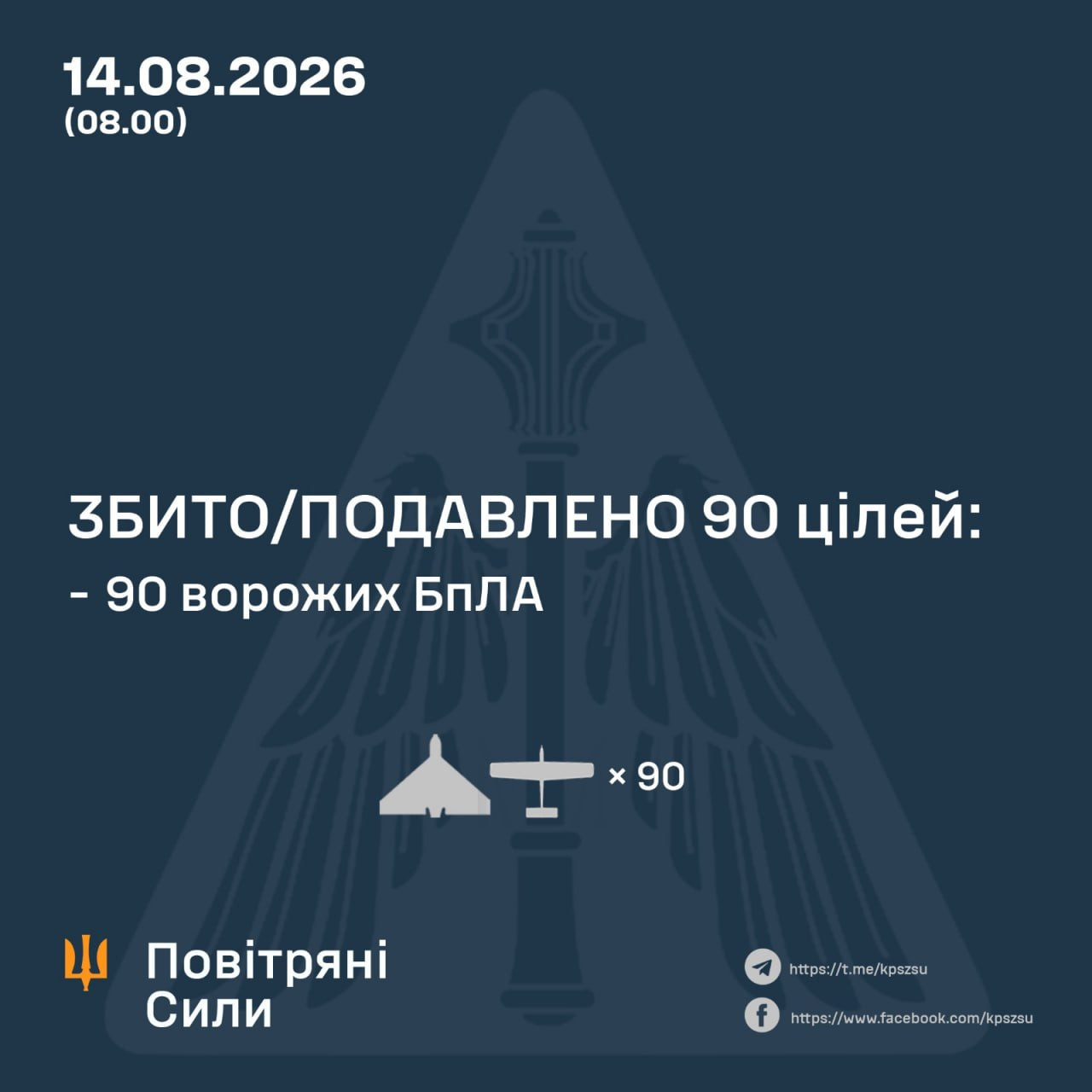
90 ENEMY TARGETS SHOT DOWN/SUPPRESSED
➖➖➖➖➖➖➖➖➖
During the night of Aug 14 (from 18:00 on Aug 13), the enemy attacked with 112 attack drones of the Shahed type (including jet-powered ones), “Gerbera,” loitering munitions called “Bandera,” and imitation drones of the “Parody” type, launched from the directions of: Kursk, Orel, and Millerovo (Russia), as well as from the temporarily occupied Donetsk region and the temporarily occupied Autonomous Republic of Crimea (near Gardiivske).
The air attack was repelled by aviation, anti-aircraft missile forces, electronic warfare units, and unmanned systems, as well as mobile fire groups of the Ukrainian Defense Forces.
According to preliminary data, as of 08:00, the air defense forces had shot down/suppressed 90 enemy drones of the Shahed, Gerbera, and other types in the north, south, and east of the country.
Hits by enemy air attack assets were recorded at 11 locations, and debris from downed drones fell in 6 locations.
This section of the Brief is compiled from information taken from the Institute for the Study of War (ISW), a US based think tank, in their daily Russian Offensive Campaign Assessment.
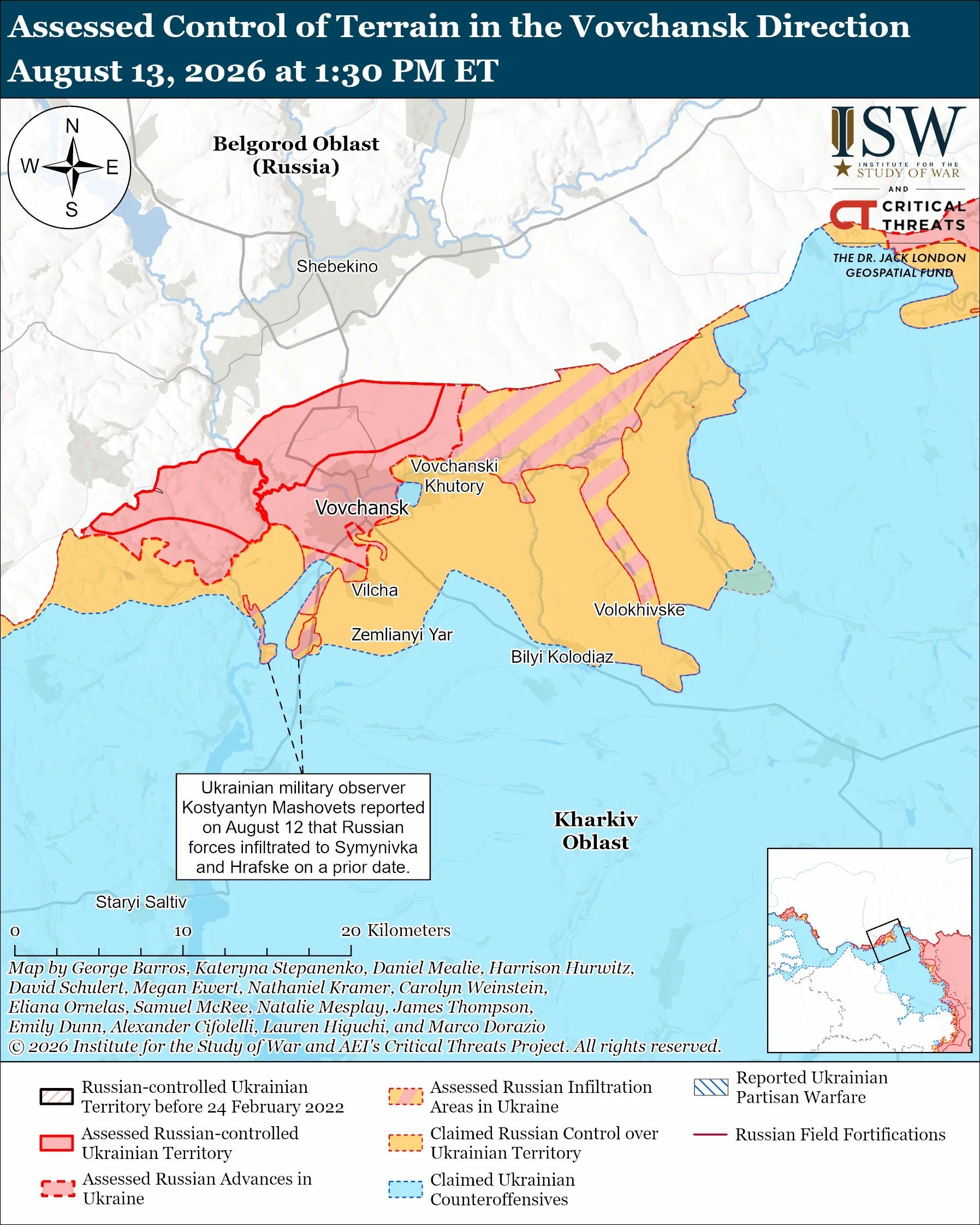
Kharkiv Sector: Russian forces are struggling to advance south from Vovchansk (northeast of Kharkiv City) amid continued offensive operations along the international border east of Vovchansk.
Ukrainian military observer Kostyantyn Mashovets reported on Aug 13 that forward Russian assault groups penetrated Ukrainian lines from positions across the international border along the vectors of Marino toward Zybyne (northeast to east of Vovchansk), Krasnoye toward Volokhivka (northeast to east of Zybyne), and Dehtyarne toward Budarky (both northeast of Volokhivka) but have failed to make significant gains along their main line of effort from Vovchansk toward Bily Kolodyaz (south of Vovchansk).
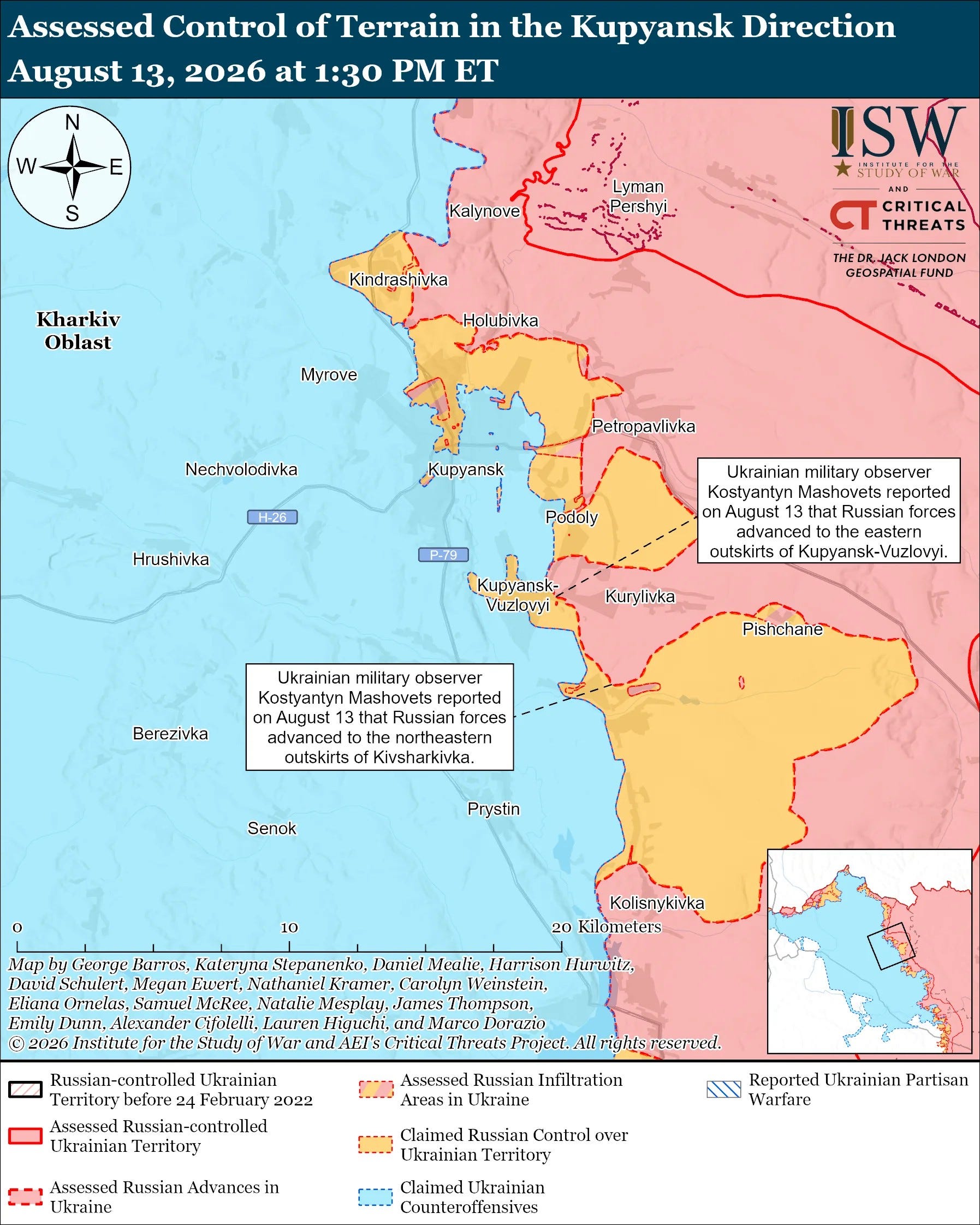
Kupyansk Sector: Russian forces advanced marginally in the Kupyansk direction.
Ukrainian military observer Kostyantyn Mashovets reported on Aug 13 that Russian forces east of Kupyansk are focusing offensive operations in the Pishchane direction Kupyansk-Vuzlovyi direction (east of Kupyansk) in order to divide the Ukrainian bridgehead into a northern and southern half, then to push Ukrainian forces from the northern half before doing the same in the southern half
Mashovets reported that elements of the Russian 47th Tank Division (1st Guards Tank Army [GTA], Moscow Military District [MMD]) reached the northern bank of the Lozovatka River, consolidated in Kurylivka and on the northeastern outskirts of Kivsharivka, and reached the eastern outskirts of Kupyansk-Vuzlovyi (all southeast of Kupyansk) in the past two days (since Aug 11).
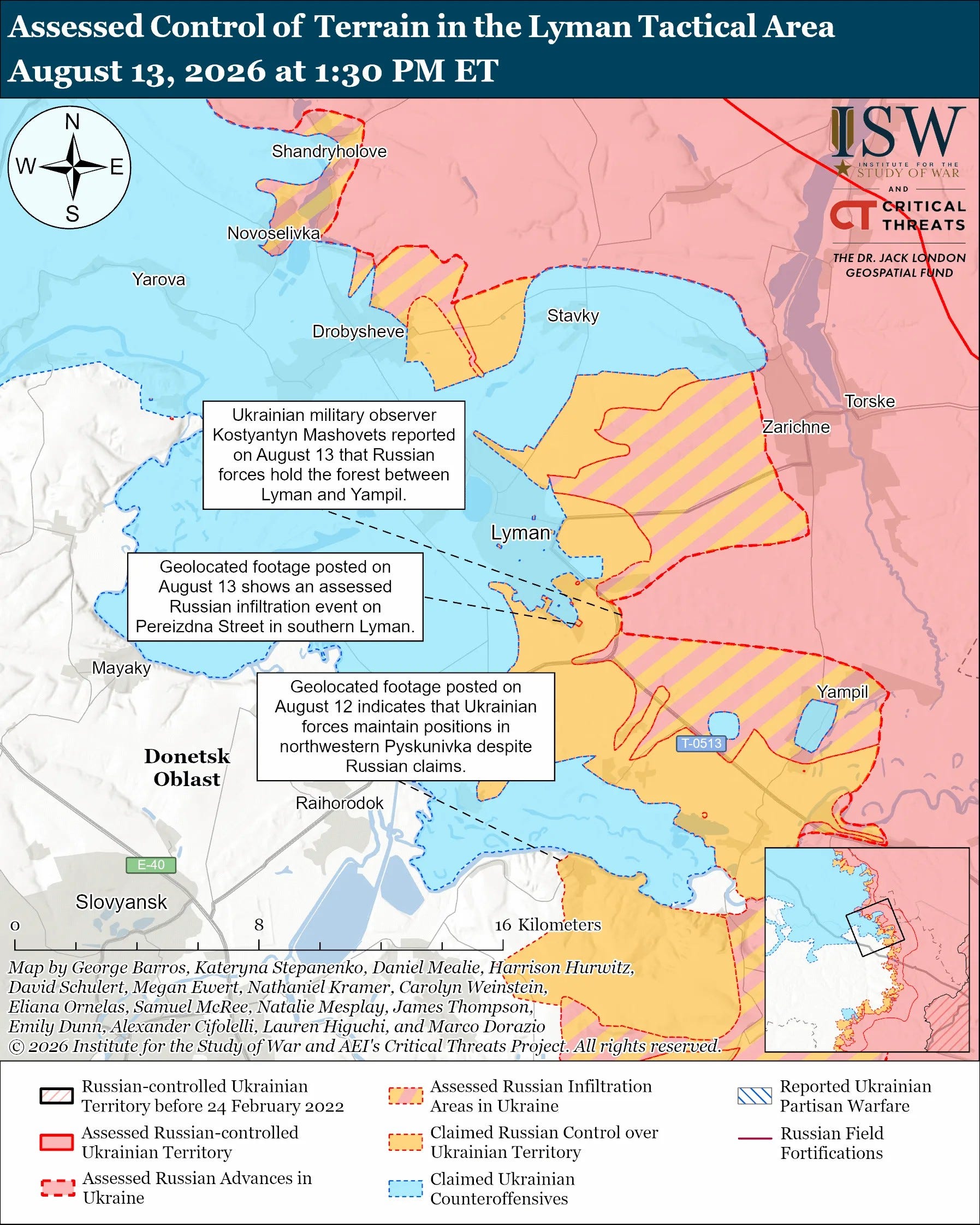
Slovyansk - Lyman Sector: Ukrainian forces recently advanced or maintained positions southeast of Slovyansk as Russian forces continue infiltration missions in the area.
Geolocated footage published on Aug 12 shows Ukrainian positions in the northwestern outskirts of Pyskunivka (southeast of Slovyansk), where Russian sources had previously claimed that Russian forces held positions.
Additional geolocated footage published on Aug 13 shows Ukrainian forces striking a Russian position in southern Lyman after what was likely a Russian infiltration mission.
Nothing major to report.
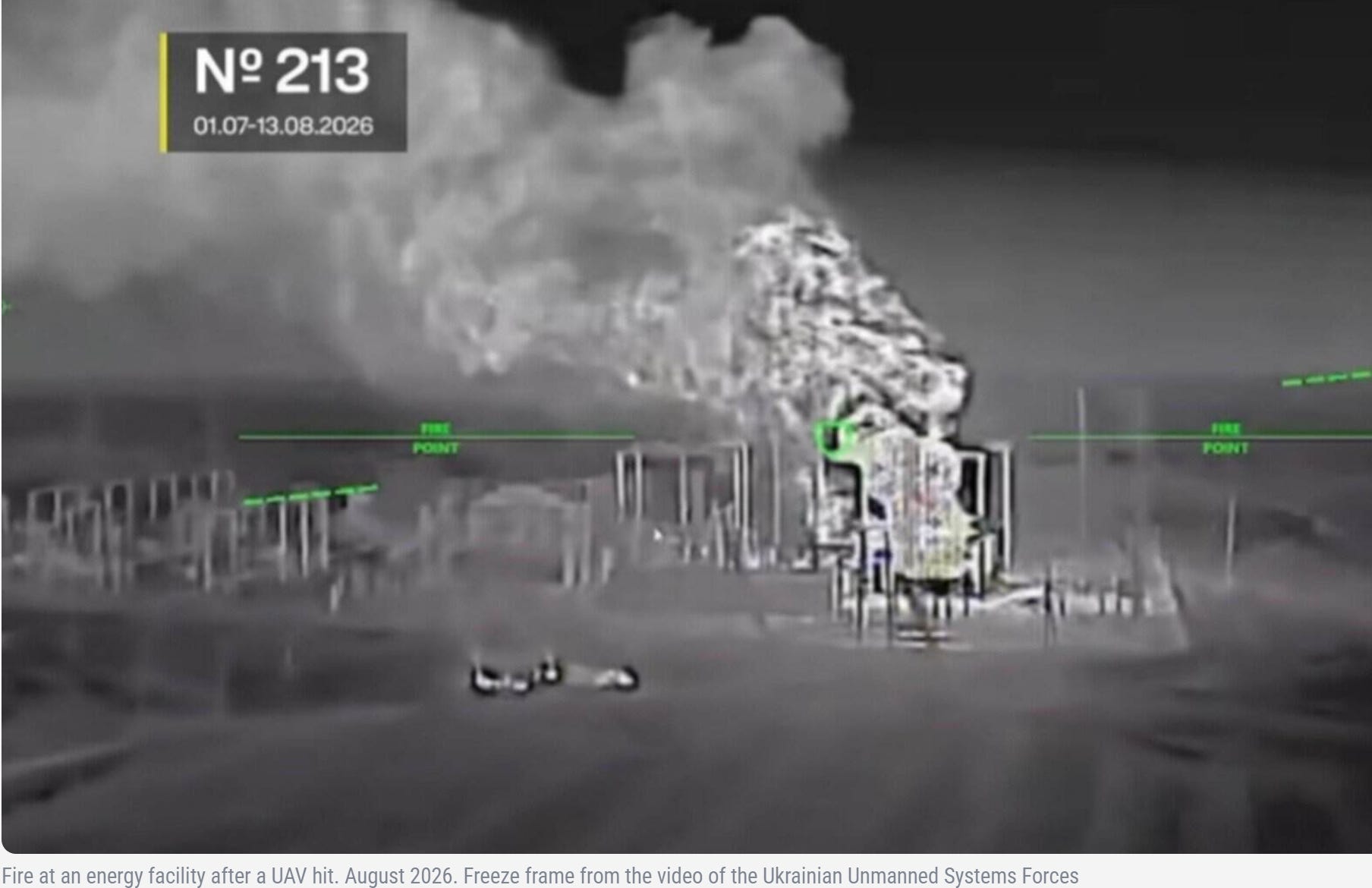
The Unmanned Systems Forces of Ukraine hit 29 energy facilities in occupied Crimea and Southern Ukraine, Militarnyi reported citing Commander Robert ‘Madyar’ Brovdi.
Brovdi said the strikes targeted energy facilities used by Russian forces and released footage of the attacks. The strikes were carried out as part of the Crimean Switch-Off operation.
Among the latest targets, Brovdi named the Balaklava Thermal Power Plant in Sevastopol. A fire at the facility was reported late on August 12.
Overall, according to the commander of the Unmanned Systems Forces, Ukrainian forces successfully struck 240 energy facilities between July 1 and August 13.
Brovdi also said that cutting power to stationary radars and other elements of Russia’s air defense disrupts the protection of its airspace.
This creates an opportunity for Ukrainian forces to use drones for striking important Russian military targets on the peninsula.
Recently released satellite imagery confirmed damage to hangars, a fuel depot, and the runway following a Ukrainian Defense Forces strike on the Hvardiiske military airbase in Crimea on August 7.
Two aircraft hangars were also hit. Russian forces reportedly used the hangars to store and prepare Shahed/Geran and Gerbera strike drones.
Satellite imagery also recorded impacts on the airfield’s runway. Fires broke out at the impact sites, but it is unclear what exactly was burning.
Russian attacks killed at least four people and injured 60 others across Ukraine over the past day, the Kyiv Independent reported citing local authorities on Aug 14.
In Kherson Oblast, Russian forces targeted 31 settlements, including the regional center of Kherson, injuring 14 people over the past day, the local military administration said.
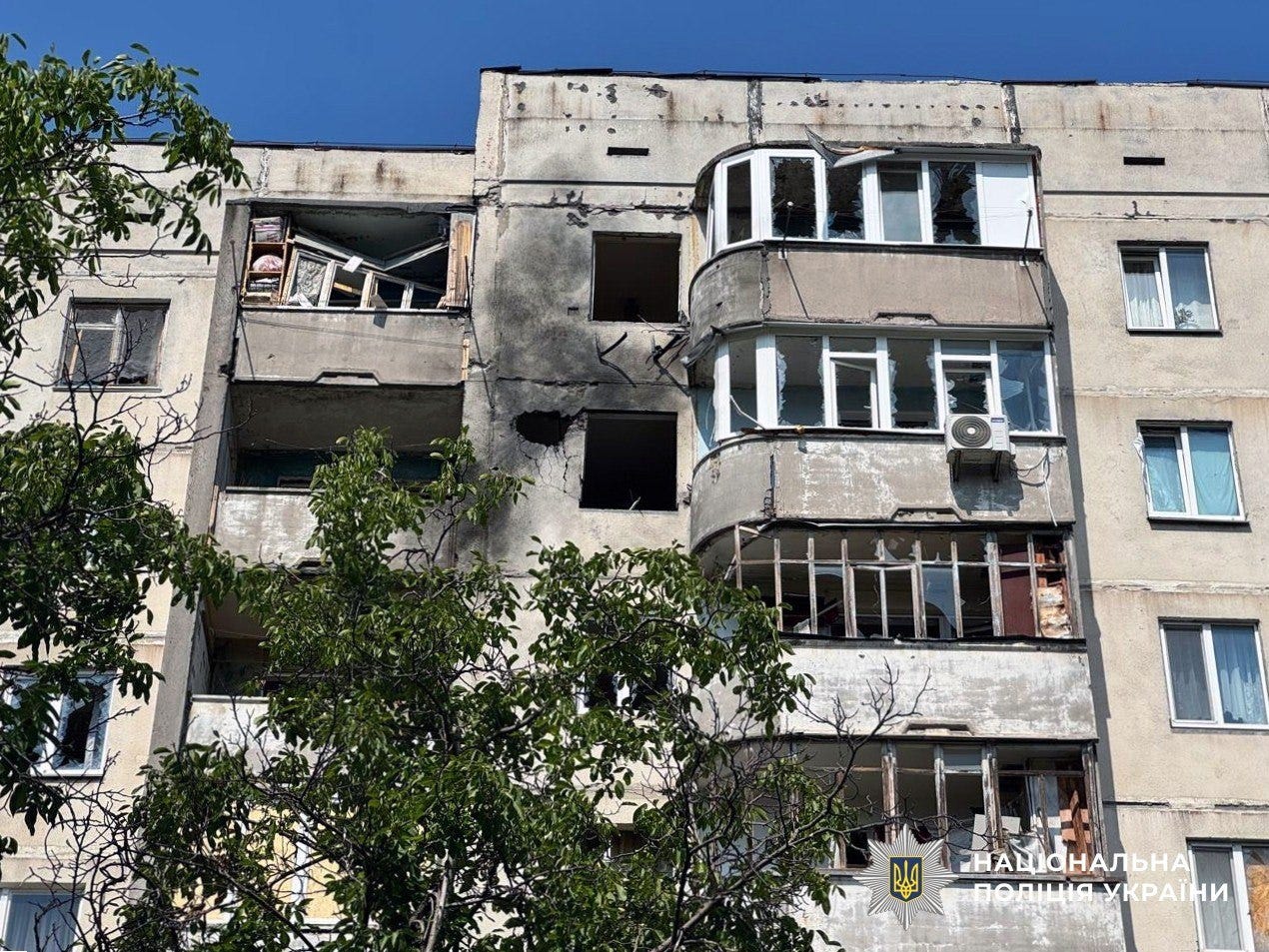
In Sumy Oblast, Russian attacks killed three people and injured nine others, according to the local military administration.
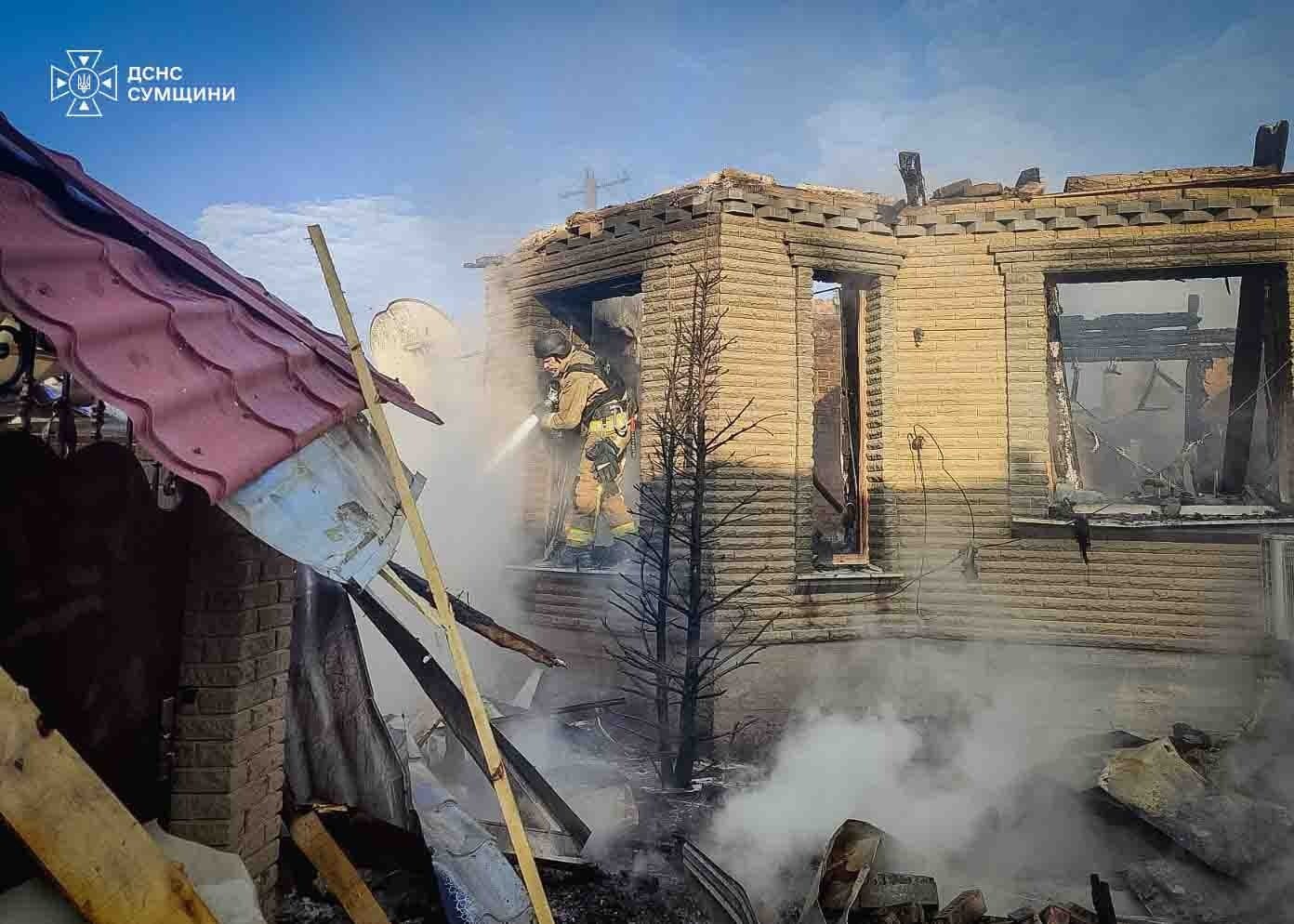
In Donetsk Oblast, Russian forces killed one person and injured 23 others across the eastern region, Governor Vadym Filashkin said.
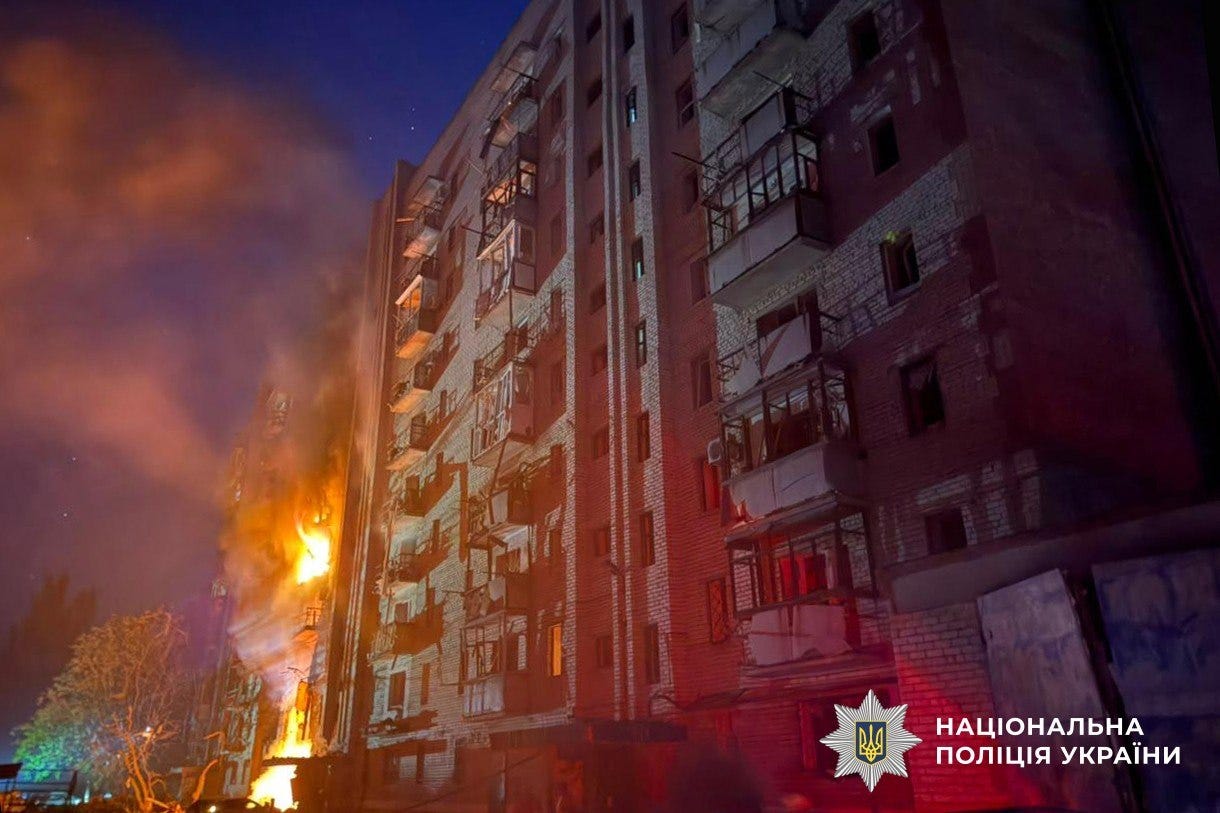
In southeastern Zaporizhzhia Oblast, Russian attacks injured two people over the past day, according to local authorities.
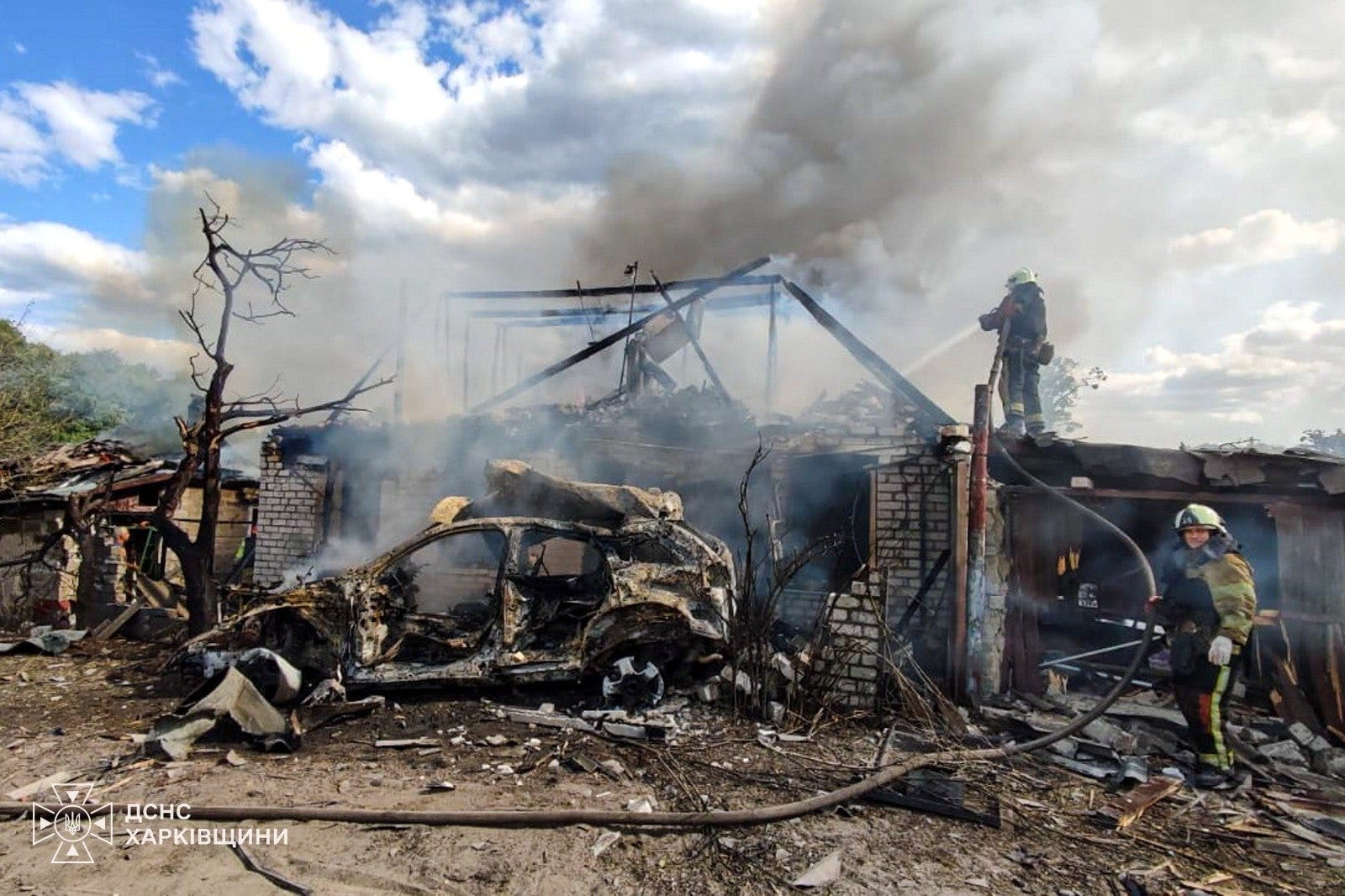
In northeastern Kharkiv Oblast, five people were injured in Russian attacks, Governor Oleh Syniehubov said.
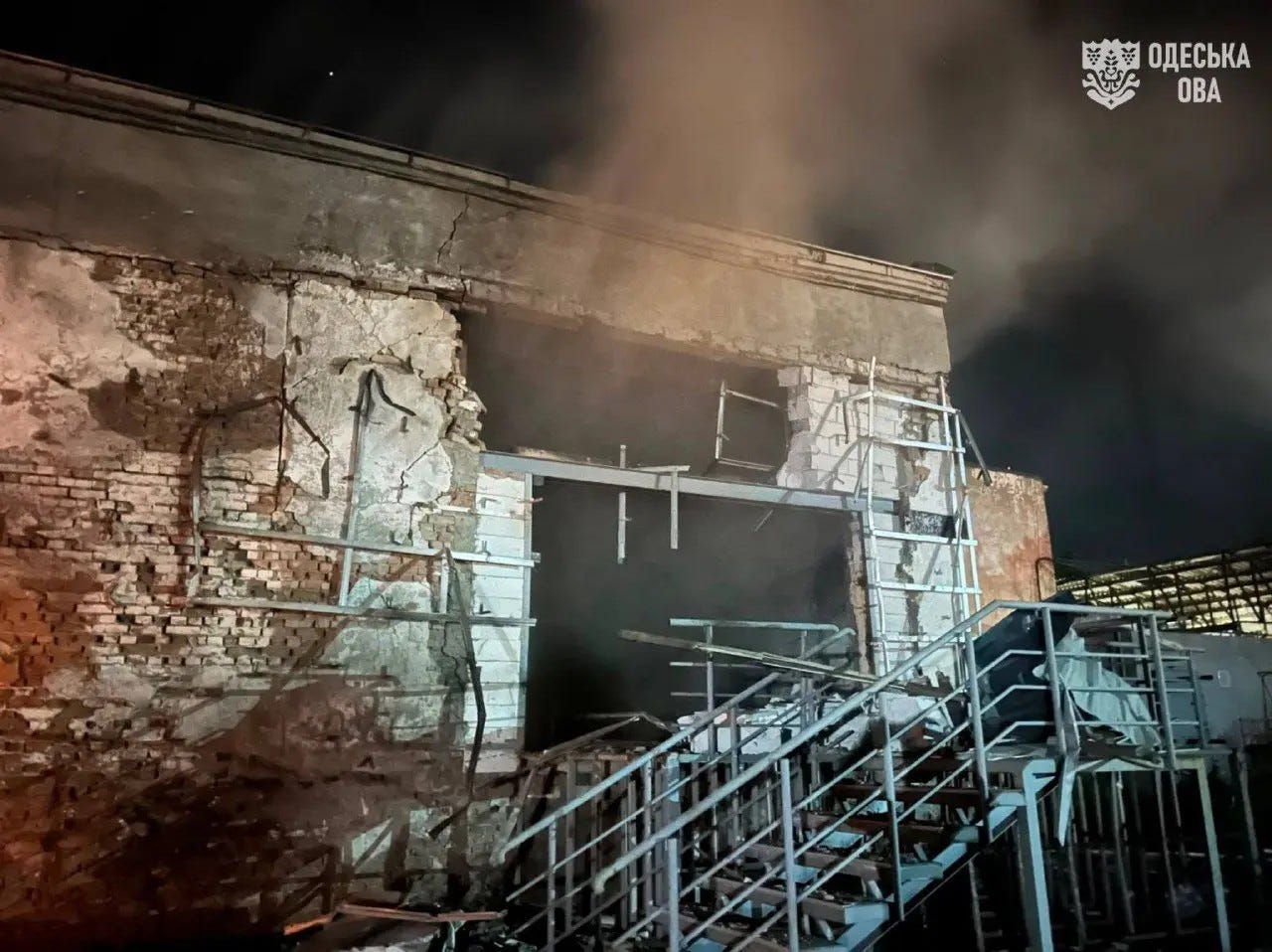
In Odesa Oblast, one person was injured during Russian attacks, Governor Oleh Kiper said.
In northern Chernihiv Oblast, two people were injured in a Russian drone attack over the past day, Governor Viacheslav Chaus said.
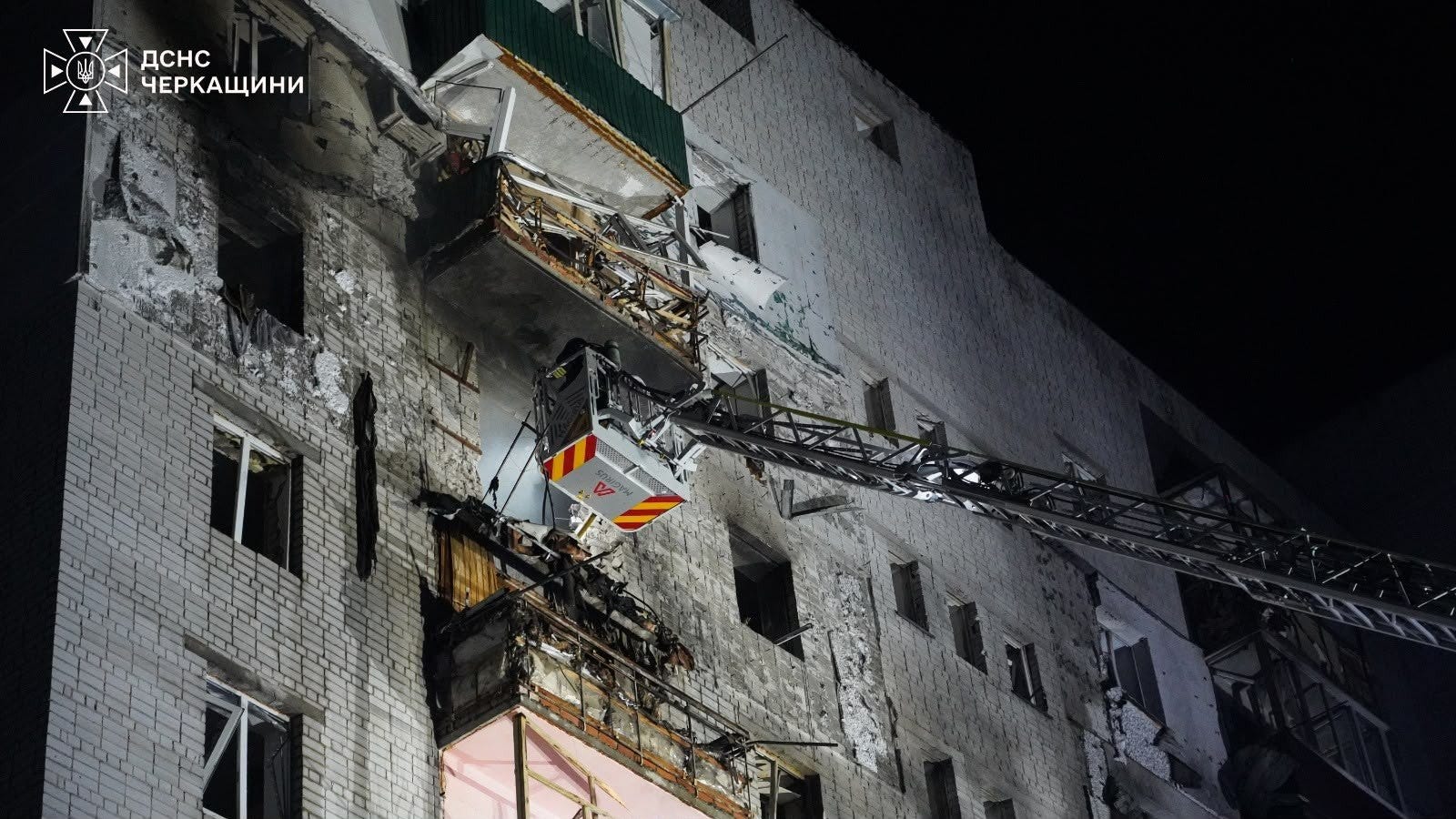
In Cherkasy Oblast five people were injured due to Russian drone strikes on the city of Smila.
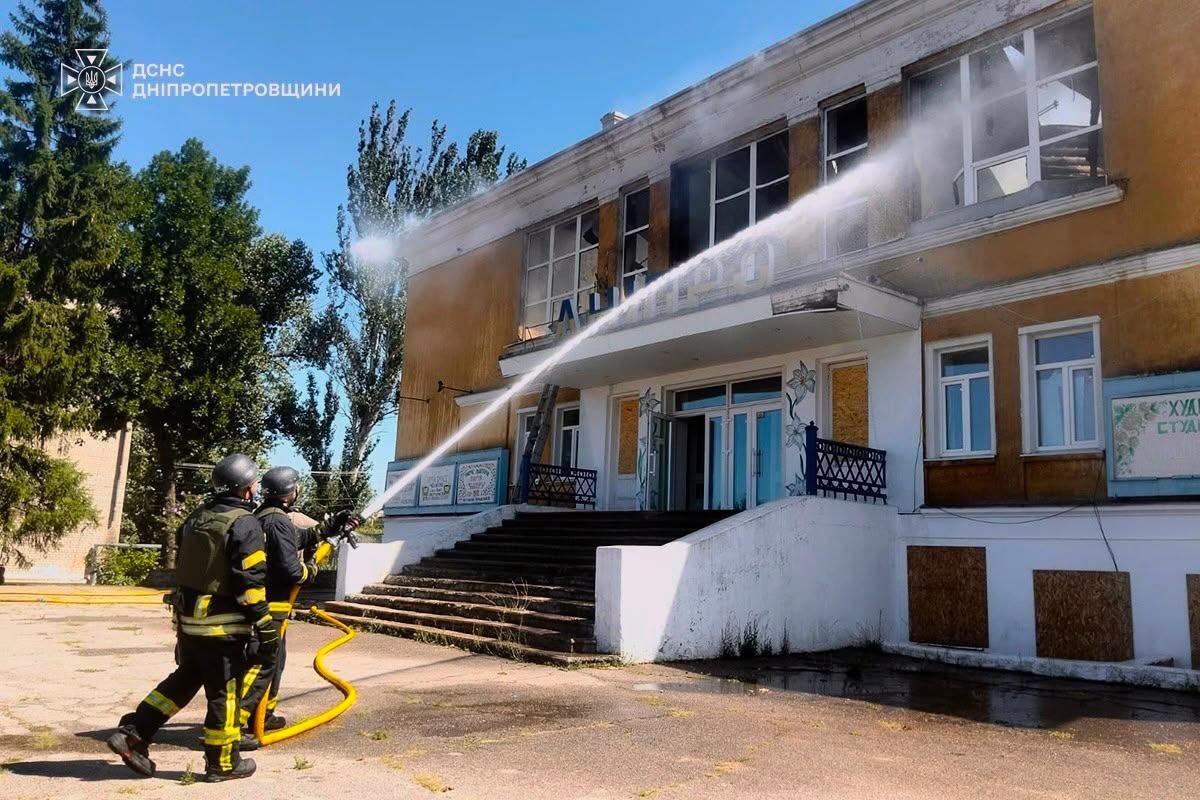
In Dnipropetrovsk Oblast, four people were injured in more than 10 drone attacks, Governor Oleksandr Hanzha said.
Ukraine struck the Ust-Luga port in Russia’s Leningrad Oblast overnight on Aug. 14, damaging two processing plants and sparking a fire, the Kyiv Independent reported citing the General Staff.
Ust-Luga is one of Russia’s largest ports on the Baltic Sea and home to an oil terminal that serves as a major hub for the export of crude oil and petroleum products. Located west of St. Petersburg, far from Ukraine’s border, the port plays an important role in generating revenue for the state budget.
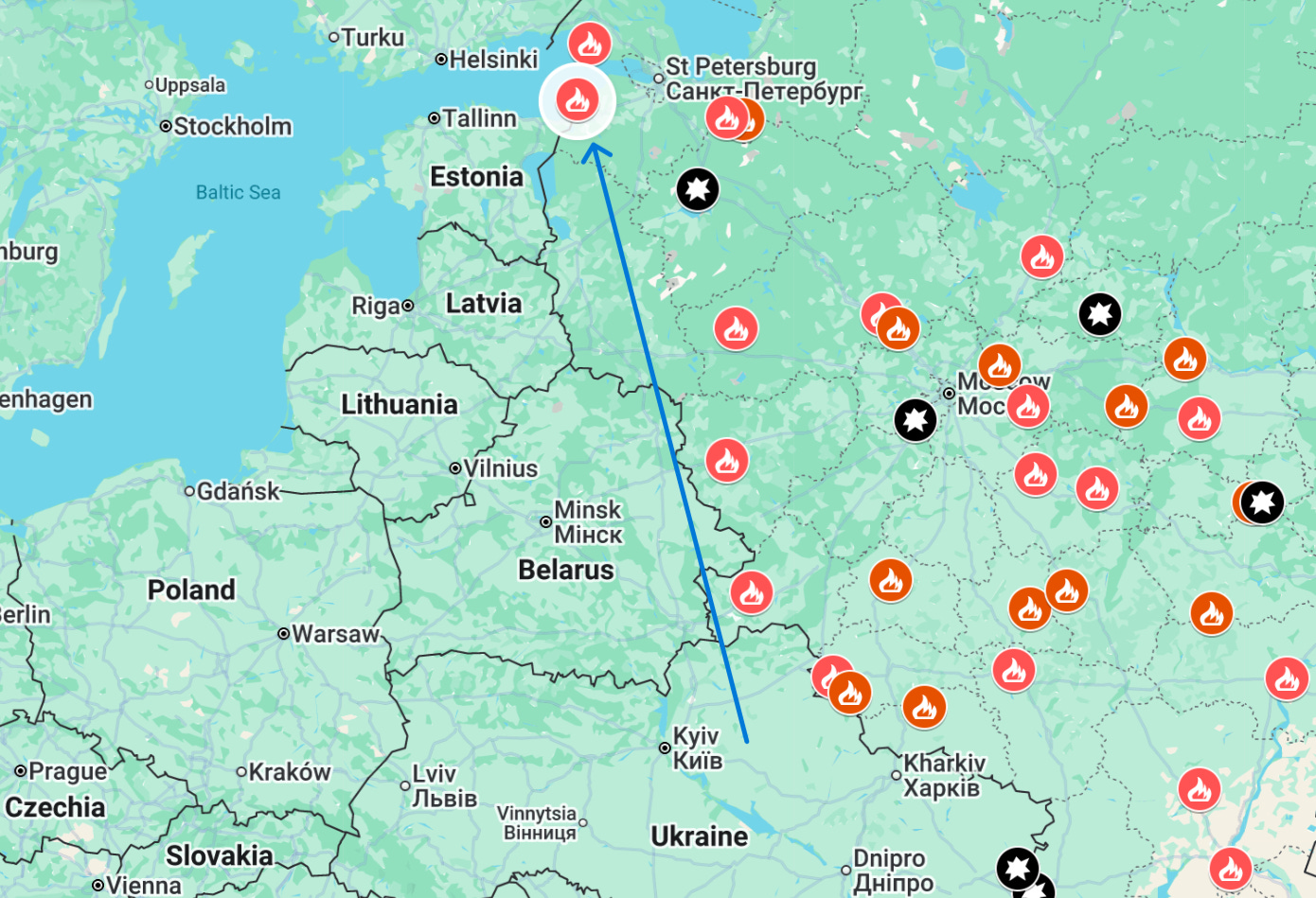
Regional Governor Alexander Drozdenko earlier reported that “port infrastructure” had been hit and that a fire was burning at the port amid a wide-ranging drone attack on the region. Officials claimed that 51 Ukrainian drones were downed over Leningrad Oblast.
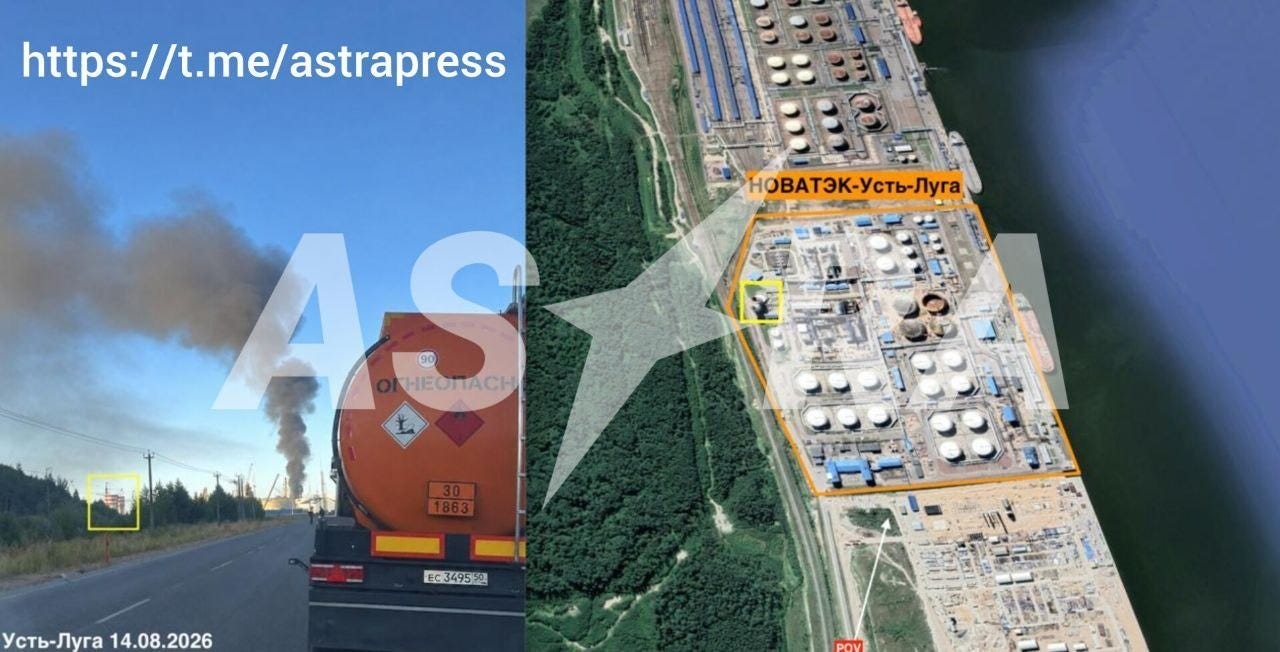
As Kyiv steps up its attacks on Russian oil infrastructure, the Ust-Luga port has repeatedly served as a target of attacks in recent months. The Ukrainian military carried out a series of deep strikes against the Ust-Luga port in March and April of this year.
Ukraine has been waging an increasingly successful deep strike campaign against Russian oil infrastructure, striking oil depots, disrupting production at major facilities, and in some cases halting operations indefinitely.
Ukraine’s oil infrastructure attacks have mounted pressure on the Kremlin by aggravating a domestic fuel supply crisis that has already caused export bans, price hikes, and sales restrictions across Russia.
Earlier on Aug. 13, the governor of Russia’s Orenburg Oblast reported that an oil refinery in the city of Orsk has “completely” halted processing following a recent Ukrainian drone strike on the facility, with repairs expected to keep the facility out of operation for months.
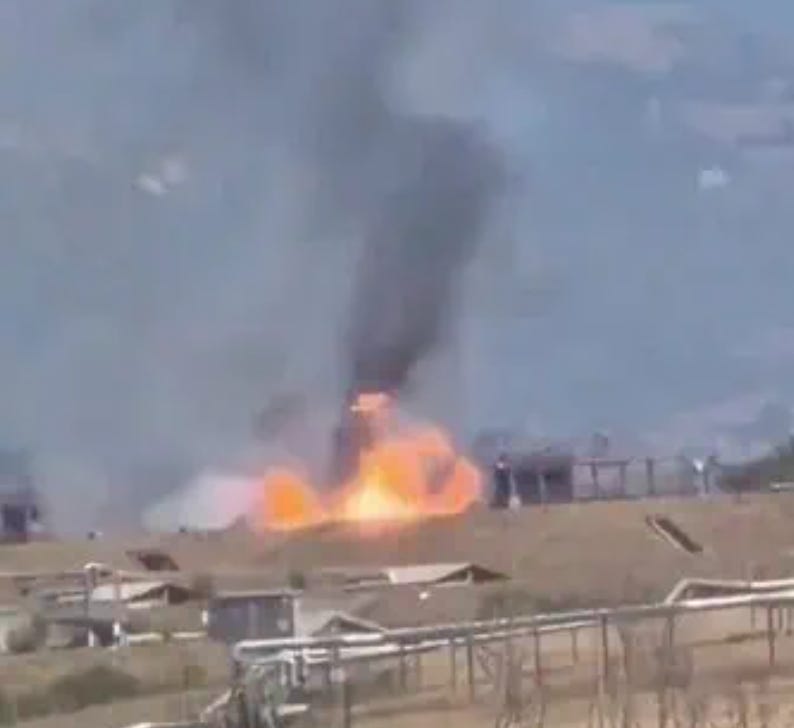
A powerful explosion ripped through a munitions factory near the town of Colleferro, southeast of Rome, on Thursday, with the blast heard for kilometres around, Reuters reports.
The explosion occurred when firefighters and police were already at the site responding to a fire, local media reports said.
No injuries were reported, said the Franco-German defence group KNDS. The plant is operated by KNDS Ammo Italy, which is a subsidiary of the group.
“It would have been a tragedy” if the blast had not happened during the summer holiday when the plant was closed, Colleferro mayor Giulio Calamita told reporters. He said efforts were underway to put out the last fires.
“The circumstances surrounding the incident are currently being investigated and assessed by the teams on site,” KNDS said in a statement.
The plant makes medium- and large-calibre ammunition for land and naval defence systems, as well as solid propellants for aerospace launch vehicles, according to its website.
The company is among the contractors on European Defence Agency 155-mm ammunition framework agreements concluded in 2023, EU documents show.
Large plumes of smoke rose above the industrial site as emergency services worked, television footage showed.
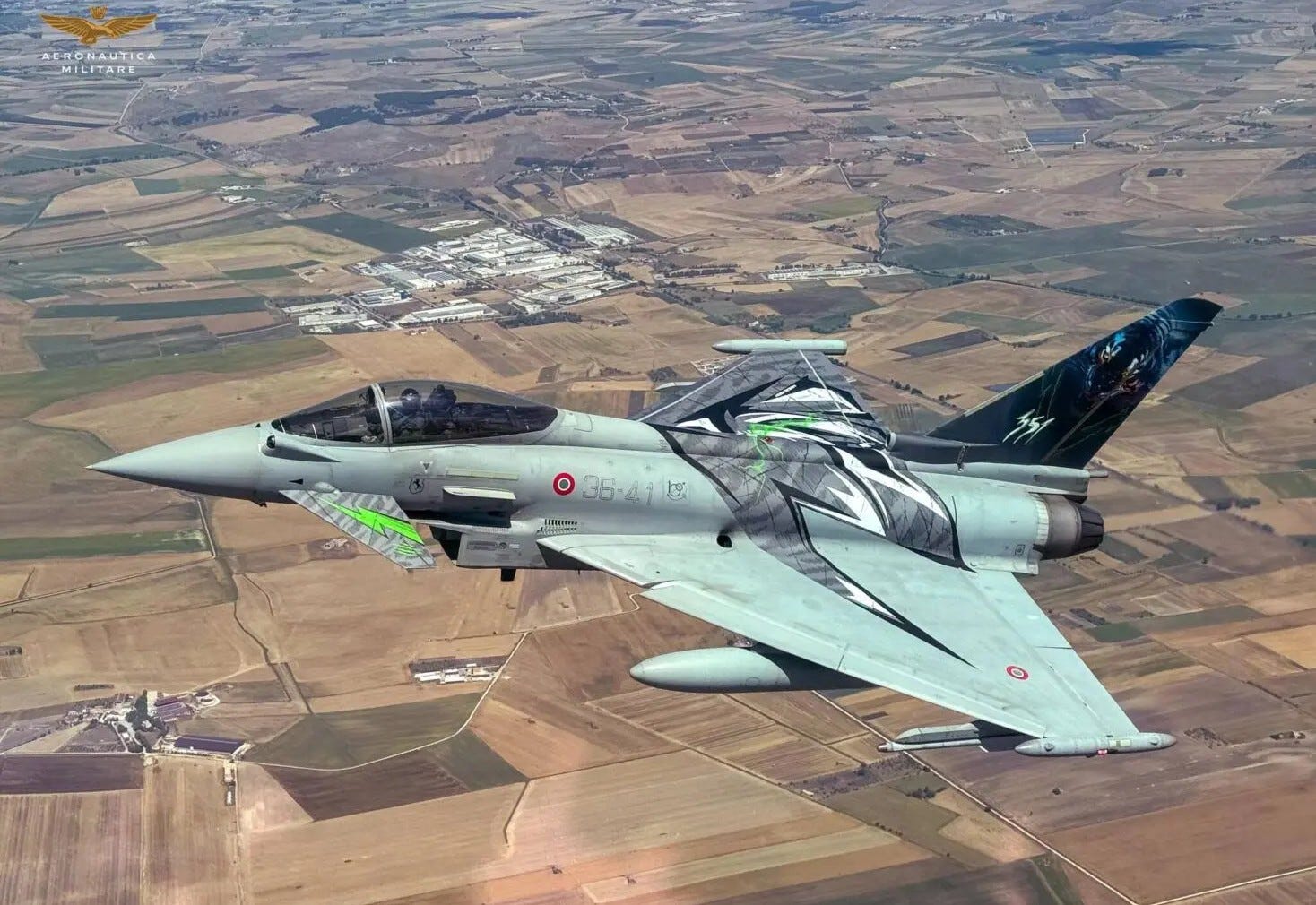
An Italian fighter jet, part of a NATO mission, shot down a drone of unknown origin that entered the airspace of NATO and EU member Latvia on Friday during Ukrainian attacks on Russian ports, Reuters reported citing the defence pact and Latvian authorities.
Latvian soldiers were searching for debris from the drone around midday in a wooded area near the village of Rugaji — around 35 km (22 miles) from the Baltic nation’s border with Russia — which was identified as a potential crash site.
“We can’t give information about the origin of the drone as the area is not yet searched,” Latvian military spokesperson Iveta Berzina told public broadcaster LSM.
Ukrainian military drones have strayed into the Baltic nations’ airspace several times this year.
Before Friday’s incident, Ukraine had been attacking Russian ports overnight near St Petersburg, which is located close to Finland and the Baltic countries. Local regional governor Alexander Drozdenko said on Telegram that Russian forces had shot down 15 Ukrainian drones during the strikes.
Two Italian Eurofighter jets took off from Lithuania and two Turkish F-16s were scrambled from a base in Estonia in response to the detection of the drone over Latvian airspace, NATO spokesperson Allison Hart said.
One of the Eurofighters identified and shot down the drone.
“All aircraft were operating under NATO command. An investigation is ongoing and NATO is in close contact with the Latvian authorities,” Hart said.
“NATO is ready and able to react to any potential threats, 24/7, to safeguard our territory and protect our people.”
Located on the edge of the Ukraine war, in which both sides have extensively deployed drones in cross-border attacks, the Baltic nations have seen a recent increase in incursions into their airspace.
A Romanian F-16 shot down a Ukrainian drone in May in Estonia, and a French Rafale downed another in Latvia in June.
“I have to say that all these incidents are related to Russian electromagnetic warfare activities, which contributes to these unmanned aerial vehicles entering Latvian airspace,” Berzina said.
Finland, another EU and NATO member, temporarily restricted areas for aviation and maritime traffic in the eastern Gulf of Finland on Friday morning, its defence forces said on social media, as a precautionary measure.
A Latvian military commander involved in the search for the downed drone told Reuters the location of the suspected crash site was complicating efforts to find the wreckage.
“This area is highly forested with relatively sparse farmsteads, making the terrain challenging. Of course, forests, bogs, and varying types of vegetation mean that the search is far from easy,” he said.
Russia’s NATO neighbours are tightening security around dams, power plants and natural gas infrastructure in a sign of mounting concern that Moscow will stage a “false flag” attack on them using Ukrainian drones.
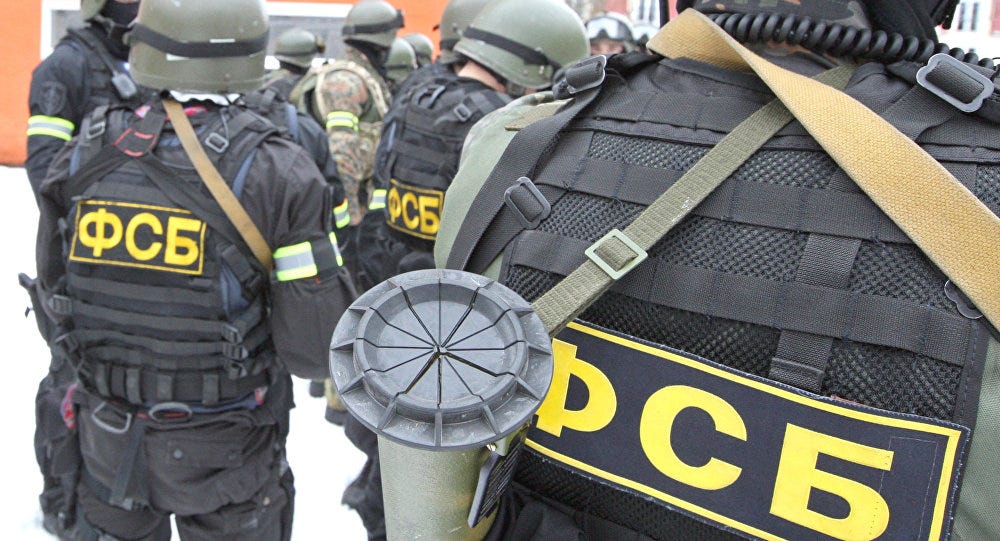
A Russian court has sentenced Georgy Pirogov to 23 years in a high-security penal colony for spying for Polish intelligence, with the FSB announcing the verdict the day after Poland said it had detained a Russian national suspected of planning an assassination in Warsaw, EuroNews reports.
The FSB said Pirogov left Russia after the start of the full-scale invasion of Ukraine, established contact with a representative of Polish military intelligence in Poland in April 2022, and was then tasked with collecting and passing classified information about Russian weapons used in the war.
The FSB’s statement did not explain when or how Pirogov returned to Russia or provide any evidence to back its claims.
On Thursday, Polish Prime Minister Donald Tusk announced a Russian citizen had been detained on 7 August on suspicion of preparing an assassination in Warsaw.
Tusk said Russian security services had recruited the suspect and added that the Kremlin chose the intended target because it saw him as a threat.
“He was inconvenient from the point of view of Putin’s regime,” Tusk said. The Polish premier declined to name the target, citing legal restrictions.
Pirogov’s trial opened in May and was held behind closed doors. The FSB said he used contacts in Russia’s defence industry to obtain restricted information on the production and use of missile systems, as well as personal data of individuals with access to state secrets.
The indictment also alleged he made cryptocurrency transfers to support Ukraine’s armed forces, bought equipment and organised its delivery from Poland to Ukraine.
The independent Russian outlet Mediazona reported that Pirogov moved to Georgia after the invasion began and worked as an industrial climber, citing relatives and human rights activists. In the summer of 2024 he travelled to Uzbekistan on a business trip and then disappeared.
In July 2024 it emerged he was being held at Matrosskaya Tishina remand prison in Moscow. Independent Russian media said they did not know who detained him or under what circumstances he was brought back to Russia.
Russia has significantly expanded its espionage and treason laws since launching the full-scale invasion of Ukraine in February 2022.
The maximum sentence for treason rose from 20 to 25 years after legislative changes in 2022 and 2023, and the definition of state treason was broadened to cover a wider range of contacts with foreign states and organisations.
The FSB has also been given expanded powers to detain and prosecute individuals suspected of espionage without the same evidentiary threshold previously required.
Treason cases in Russia numbered in the single digits annually before 2014, when Russia’s initial invasion of Ukraine and annexation of Crimea prompted the first significant spike.
Last year, almost 500 people, including Ukrainian citizens, were convicted in Russia on espionage and treason charges.
Since Russia’s full-scale invasion, Poland has become one of Ukraine’s most significant military supporters, providing weapons, ammunition and training. Poland also hosts a large US military presence.
Warsaw has expelled Russian diplomats and closed the Russian consulate in Kraków over espionage concerns.
Poland’s counter-intelligence services have reported a major increase in Russian malign interference, including sabotage and recruitment operations on Polish soil since 2022, targeting infrastructure, Ukrainian diaspora networks and individuals critical of the Kremlin.
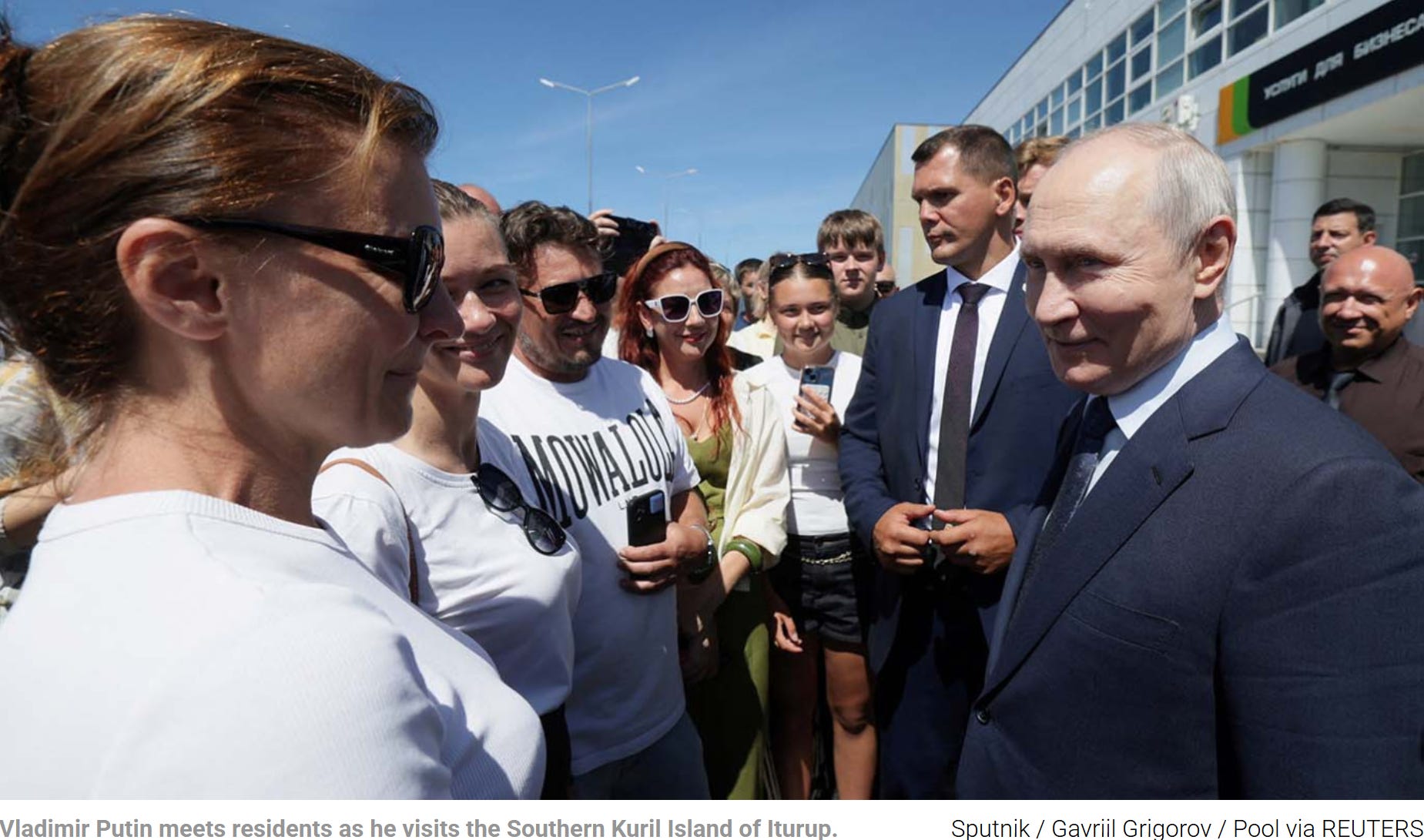
President Vladimir Putin visited Russia’s far-eastern Kuril Islands for the first time on Thursday, prompting protests by Japan, which also claims the territory, the Moscow Times reports.
Russian-Japanese relations have long been dogged by the contested islands, known in Japan as the Northern Territories and seized by the Soviet Union in 1945.
The Kremlin posted a video of Putin on one of the four main islands of the Kurils, with Russian media reporting that he visited a fish-processing plant and was given caviar.
“The Northern Territories are an inherent part of Japan’s territory, both historically and under international law,” Japanese Prime Minister Sanae Takaichi told reporters.
Putin’s visit “offends the sentiments of the Japanese people and is absolutely unacceptable,” she said, adding that it “made it more difficult to restore relations in the medium to long term.”
Putin travelled to the Kurils after visiting the nearby Russian island of Sakhalin on Wednesday, where Russia’s navy was conducting drills.
In Sakhalin, Putin held a meeting “on ensuring the security of Russia’s eastern borders,” RIA Novosti said.
Also on Thursday, Japan’s Foreign Minister Toshimitsu Motegi summoned Russian ambassador to Japan Nikolai Nozdrev to lodge a “strong protest” against Putin’s surprise move.
Motegi told the ambassador in the meeting that Putin’s visit would “have an extremely negative impact on Japan-Russia relations,” already complicated by Moscow’s invasion of Ukraine, according to the ministry’s statement.
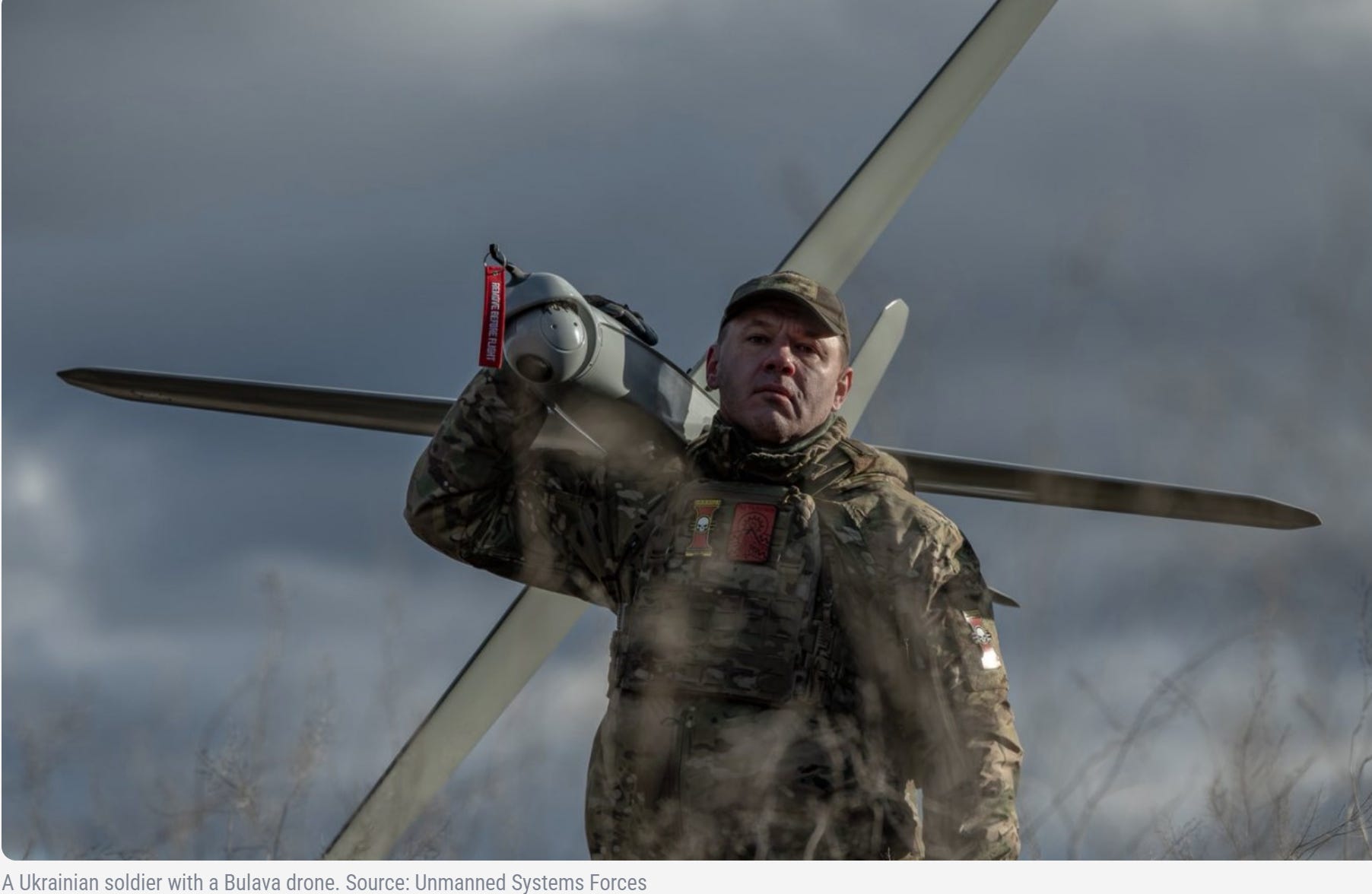
In July, the Ukrainian Defense Forces carried out an average of over 250 strikes per day using medium-range strike drones, Militarnyi reported citing statistics on drone operations published by the General Staff.
In total, over the course of the month, the Ukrainian military carried out approximately 7,800 strikes with drones of this class, which is 126% more than in June.
In July, unmanned systems units carried out a total of 449,000 missions, marking a 3% increase from the previous month. As a result, 226,000 enemy targets were struck, a 13% increase compared to June.
The Ukrainian military also maintained its advantage in the use of FPV drones, with a ratio of 1.6 to 1 in Ukraine’s favor. Over the month, units carried out 376,000 missions using FPV drones, a 6% increase over June’s figure.
In addition, the Defense Forces have significantly expanded the use of ground-based UGVs. Over the course of the month, these systems carried out more than 23,700 missions, representing a 41% increase.
Earlier, Militarnyi reported that Ukrainian Airborne Assault Forces units, together with other units, liberated 26 settlements in the Oleksandrivka sector.
-
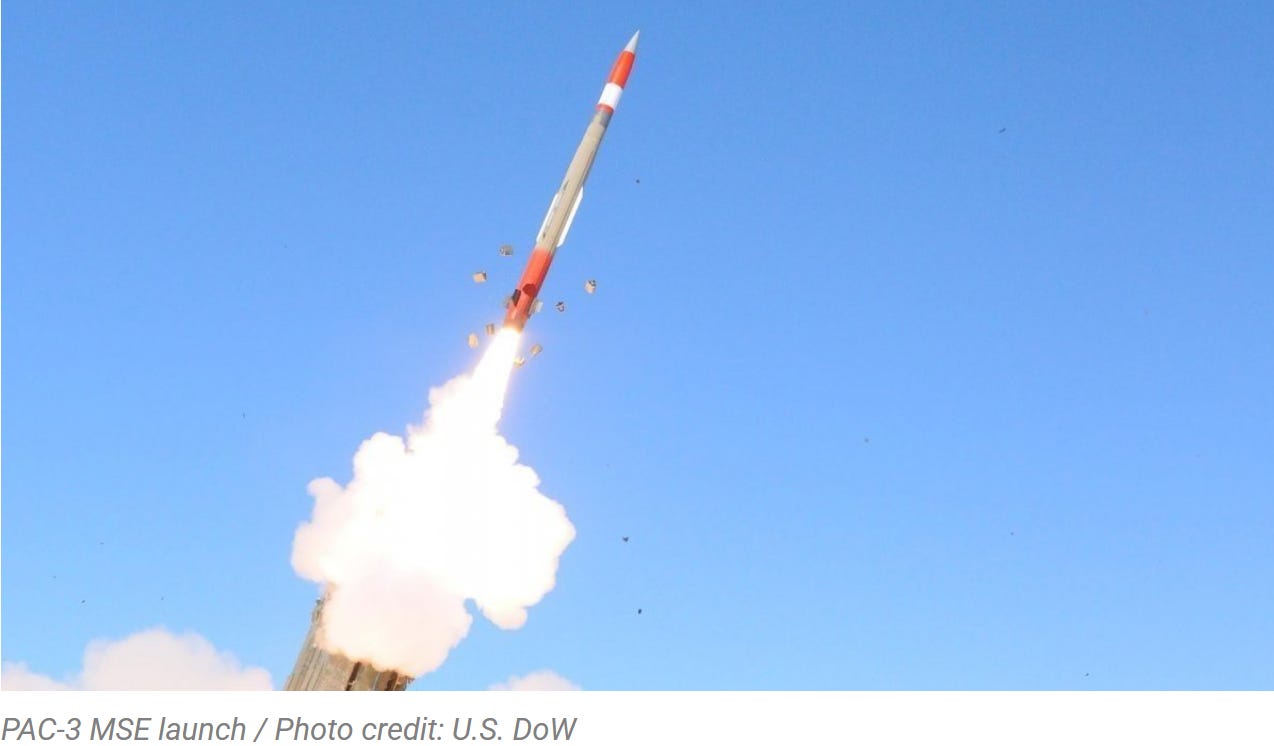
Poland may decide to provide Ukraine with additional missiles for its Patriot air defense systems in the coming days, Defense Express reported citing statements by Polish deputy Minister of Defense Magdalena Sobkowiak-Czarnecka.
During her appearance on RMF FM, she emphasized that the decision to send missiles to Ukraine must also take into account the security implications for Poland, adding that they “need to weigh all the arguments.” Although Sobkowiak-Czarnecka does not specify which missiles she is referring to, it is clear that she means PAC-3 MSE missiles, which are operated by the Polish Armed Forces and are urgently needed by Ukraine.
The decision to transfer PAC-3 MSE anti-ballistic missiles to Ukraine is not only a political issue. Previously, such a transfer caused a political scandal in Poland, prompting the government to officially disclose that five missiles had been transferred.
According to open sources, Poland had only 208 PAC-3 MSE interceptors prior to the transfer to Ukraine. The transfer reduced that stockpile by just five missiles, leaving Poland with 203. Given that two interceptors are required to shoot down a single ballistic missile, this stockpile would theoretically provide enough interceptors to engage hundreds of enemy ballistic missiles, assuming 100% effectiveness. At the rate at which Russia is currently using ballistic missiles in its attacks on Ukraine, such reserves could be sufficient to repel several attacks.
If a positive decision is made, Poland could potentially transfer a relatively small number of PAC-3 MSE anti-ballistic missiles to Ukraine on short notice—perhaps a few dozen.
It is also important to note that, in exchange for transferring the previous five missiles, Poland secured very favorable terms from the U.S. The U.S. promised to provide Poland with 50 missiles immediately, within 24 hours of a real threat to the country arising.
The question remains whether Poland will negotiate new terms if it agrees to transfer additional PAC-3 MSE anti-ballistic missiles to Ukraine.
That’s it for today’s Brief folks if you would like to keep up with events in Ukraine daily please consider subscribing, it’s free!
Comments
Nothing yet. Say the first thing.
Sign in to join the conversation.