The Paradox of Jinnah's Pakistan
Almost eight decades after its creation, Pakistan needs India not as a mere rival, but as an explanation for Pakistan itself.

Commentary on Pakistan’s political power struggles, security dynamics, foreign policy, military-industrial nexus, and insurgencies.
Live Last read · last published · next check
Almost eight decades after its creation, Pakistan needs India not as a mere rival, but as an explanation for Pakistan itself.
The question now is whether the CJP India protests will remain a fleeting moment of social-media-driven political energy, or translate into something meaningful for the youth of Pakistan
The story of Pakistan's iconic political anthem, the underground disco movement that created it, and why it still echoes across generations.
The answer lies not in choosing between talks and no talks, but in rethinking the nature of engagement.
The question of state-driven nationalism and pluralistic ethnic identities continues to remain central to Pakistan’s existential discourse.
This Paigham shifts its focus on the streets of Lahore, which are being rechristened.
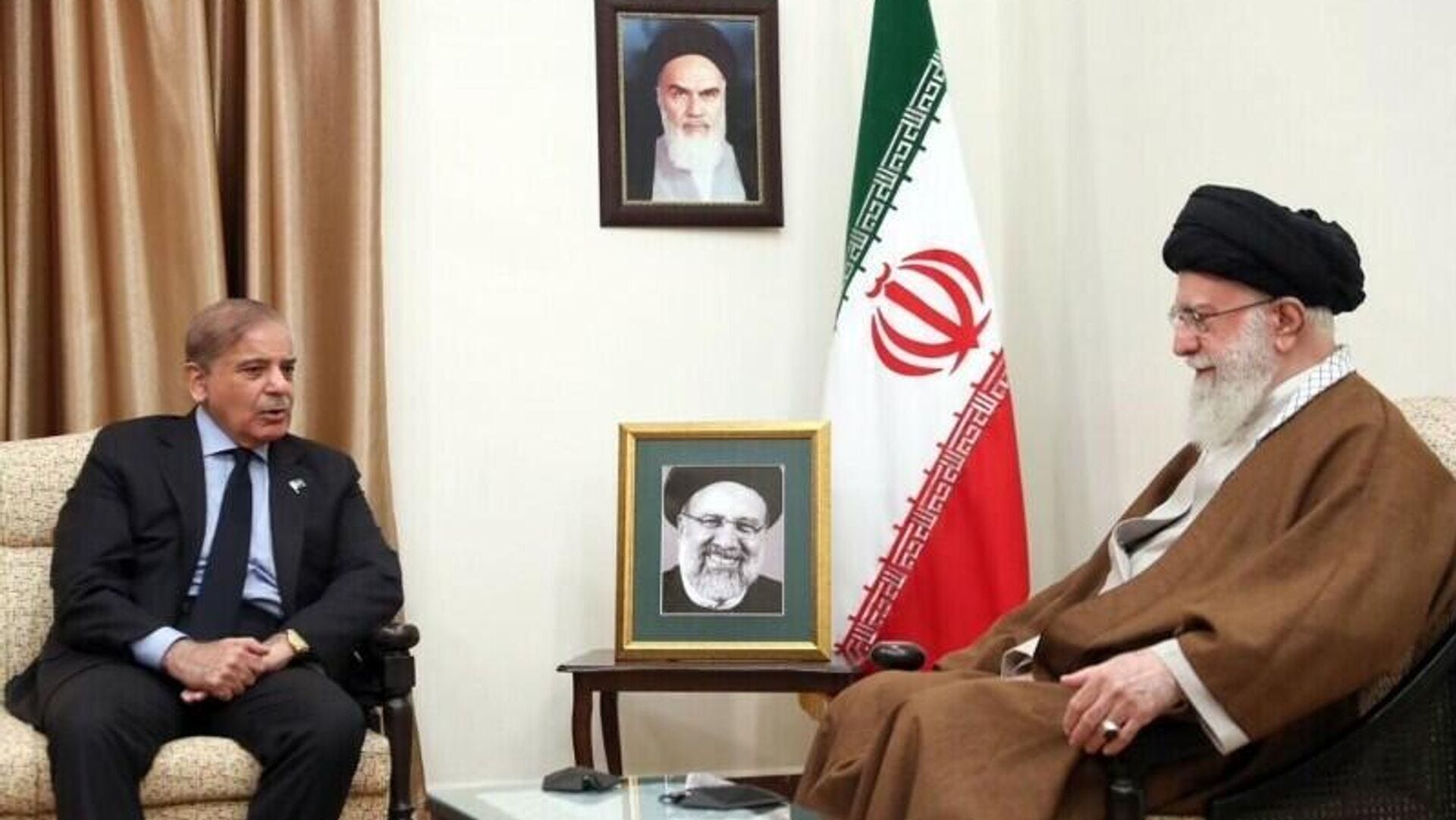
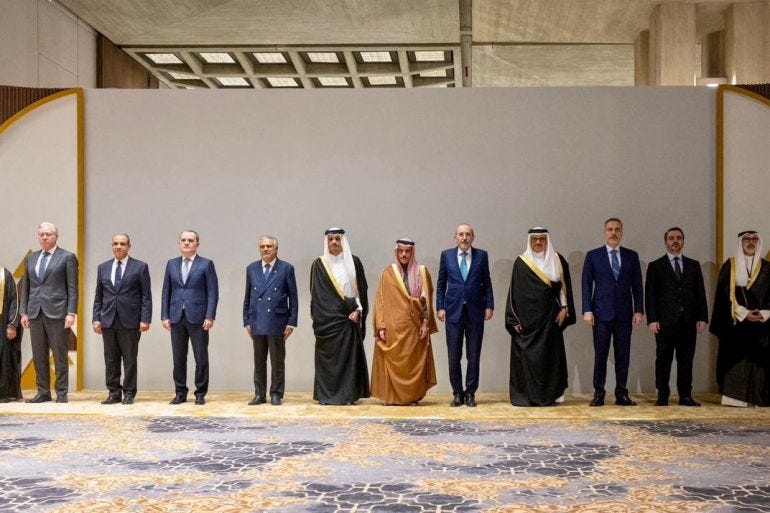
In this Paigham, I present a visual tracker that traces Pakistan’s timeline in the West Asia conflict.
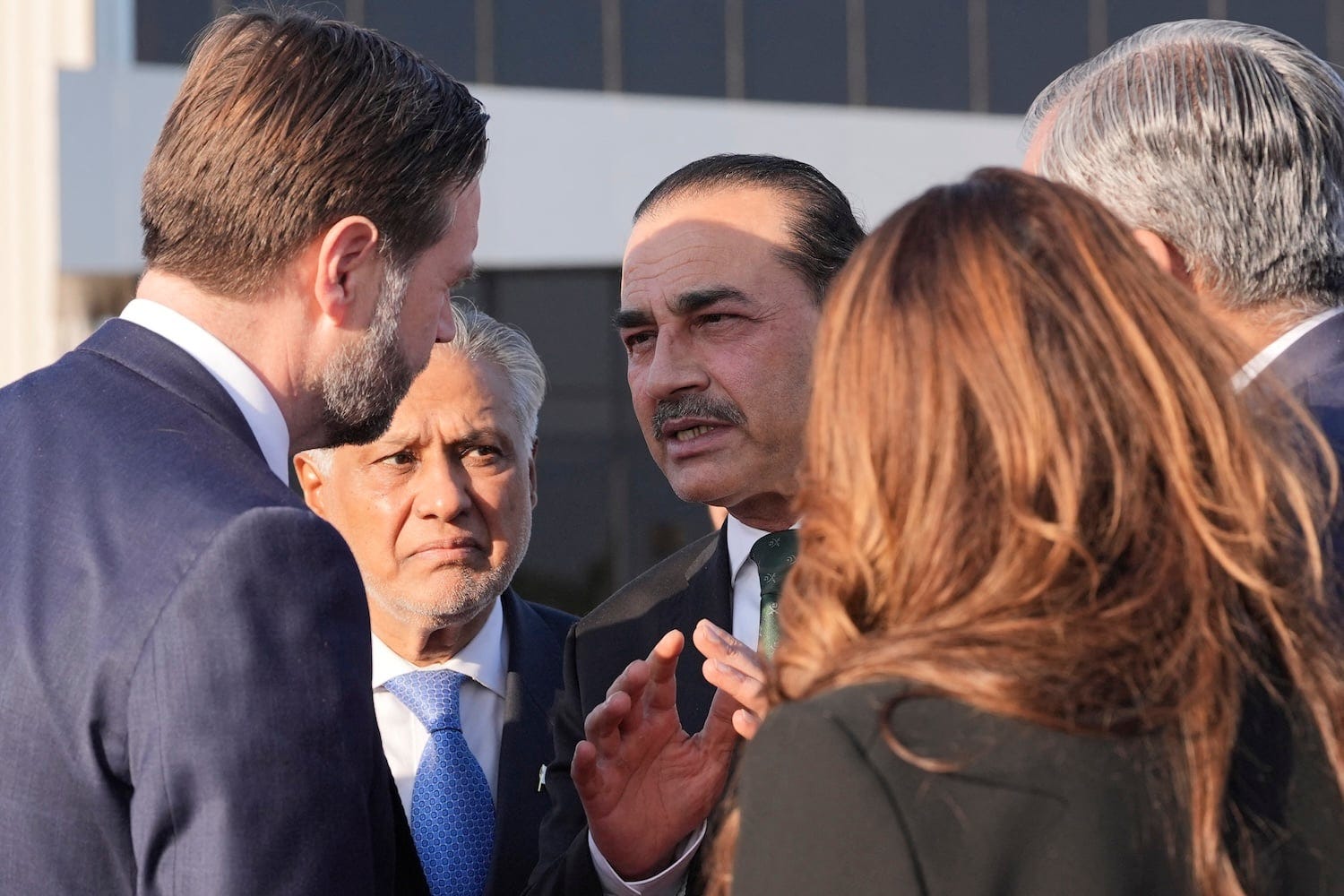
Pakistan has managed to keep itself relevant again, and for Munir relevance remains a victory.
This Paigham is an attempt to explore how two structurally similar rivalries have produced two very different escalation stories
Scenario-building Pakistan’s strategic, economic, and internal security risks as the West Asian conflict deepens