
Last month, we wrote about our visit to Bintan with a friend from the Orang Suku Laut community. They had been facing an expansion of industrial activity in the area since Galang Batang was designated as a Special Economic Zone (SEZ) in 2017. The year after, PT Bintan Alumina Indonesia (BAI) began construction works, disrupting the ecosystems the Orang Suku Laut depend on and encroaching on their homes and sacred spaces.
On 27 Jan 2026, the Orang Suku Laut community was informed by workers near their ancestral burial grounds in Kampung Masiran that action would be taken at the cemetery within six days. The burial grounds, established in 1970 and currently housing 22 graves, are vital to the spiritual heritage and intergenerational continuity of the Orang Suku Laut community. The community, with whom we have remained in contact over the past few months, reached out in great distress at the prospect of losing these burial grounds. In response, Orang Laut SG and our Bintan counterparts posted on social media to draw public attention and support.
On 28 Jan 2026, the Sekretaris Daerah (Sekda) Bintan, a top-ranking civil servant for the local government, contacted our Bintan counterparts over video call and invited them to an in-person meeting to clarify the situation.
The meeting, held on 29 Jan 2026, was attended by our Bintan counterparts, representatives from the Orang Suku Laut community, the Sekda of Bintan, district and village Leaders, and representatives from PT BAI.
We would like to share the following updates as discussed by the community:
Damage to the sacred Nipah palms
The government and PT BAI representatives explained that the dredging around the Nipah Palms was meant to demarcate the land area belonging to PT BAI. However, we note that other markers have been used throughout the area, including concrete stakes labelled “BAI”. As such, we question the intention of the dredging, which we understand has caused damage to the Nipah palms, which are sacred to the community. We were told that no consultation had been carried out with the Orang Suku Laut community present, particularly regarding the cultural significance of flora and fauna in the area, including Nipah palms.
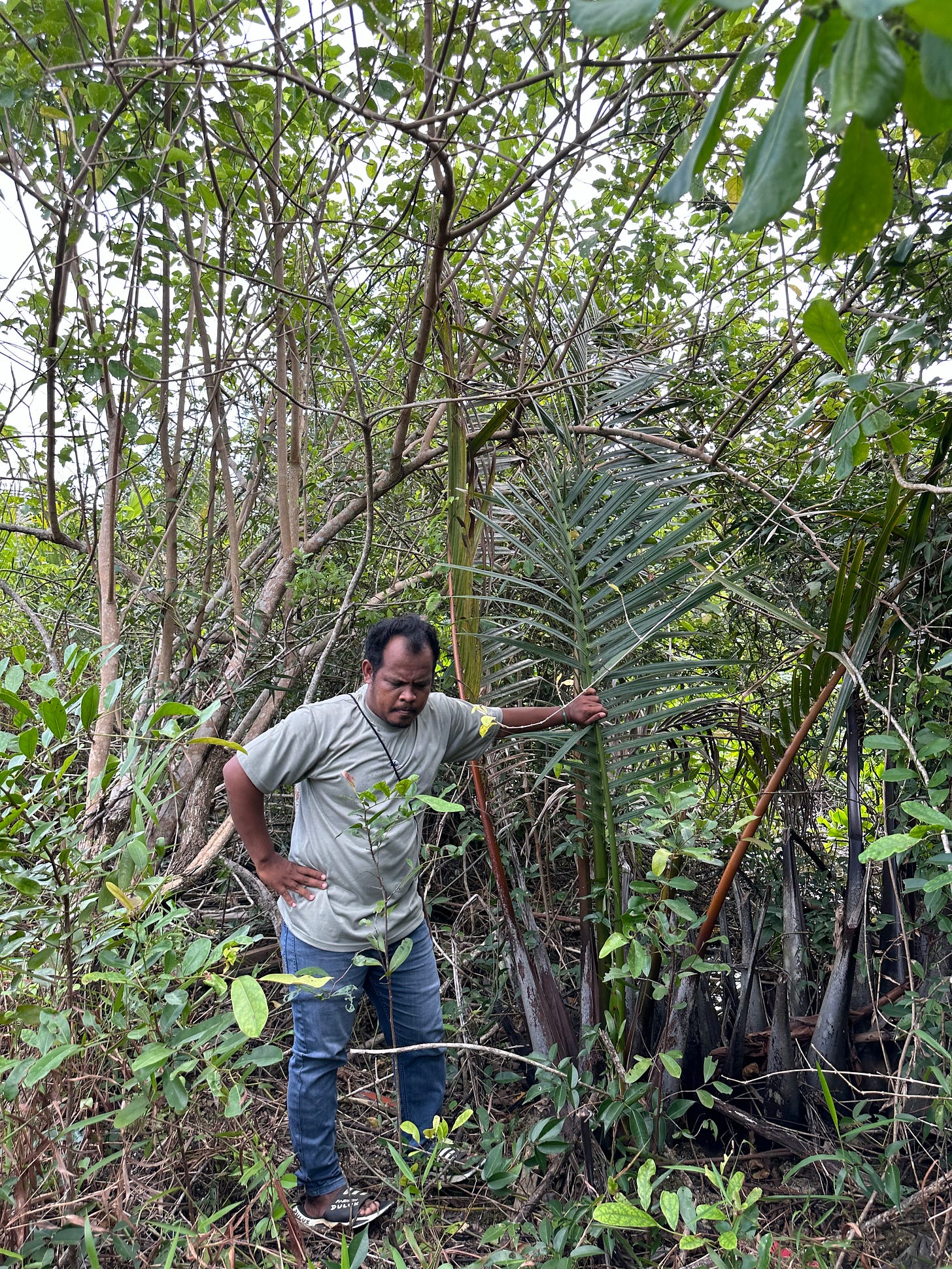
Johanes with the last Nipah palm near the Orang Suku Laut burial grounds on 21 July 2025. As of January 2026, there are no Nipah palms left in the area. Orang Suku Laut burial grounds
During the meeting, PT BAI representatives verbally stated that there is no written instruction or company policy regarding the relocation of the Orang Suku Laut burial grounds. They explained that the proposed land use in Kampung Masiran involves the development of a temple and/or religious site, and that the burial grounds would therefore not be relocated. At the same time, the seven Orang Suku Laut members present at the meeting acknowledged receiving verbal messages about the cemetery’s relocation from individuals working on site.
While the explanations given during the meeting provided some reassurance, the Orang Suku Laut community emphasised the importance of formal legal certainty in written form. The community was advised by the authorities to independently secure Tanah Wakaf status for the cemetery grounds, to formally register the site to be used for religious or ceremonial purposes.
Currently, we are ensuring that the Orang Suku Laut is fully supported in the legal process to secure the cemetery grounds, and we are thankful for the help of pro-bono human rights and environmental lawyers.Coastal homes, mangroves and marine ecosystems
The government representatives also clarified that they had not asked any Orang Suku Laut in Kawal to relocate from their coastal homes. However, the community shared that three families had moved from the village to live on land, following impacts on their fishing livelihoods linked to land reclamation, sedimentation, and restrictions on access to mangrove and marine ecosystems; however, this was described by government representatives as a “voluntary” decision. With ongoing development activities near the Orang Suku Laut coastal homes in Bintan Regency, the community remains concerned about the potential relocation of their coastal homes, the ecological health of the mangrove and marine environments they rely on, and the long-term sustainability of their way of life and livelihoods in the area.
The outpouring of support in response to our initial post has been tremendous. From the bottom of our hearts, thank you. In total, we have received $5,006.82 from 85 supporters, which will go directly to the Orang Suku Laut to be used as they deem necessary. We are working closely with Johanes and his community to ensure they receive the protection, support, and legal recourse they urgently need. As the community continues to navigate the challenges associated with industrial development in the area, we have identified several key areas that the funding will support:
Travel costs and administrative fees for the Orang Suku Laut as they go through legal proceedings
Visitations to other Orang Suku Laut community leaders in Mapur, Air Glubi, Numbing, and Malin Island, who have supported the Kawal community
Restoration of awnings and large wooden structures within the burial grounds
Upkeep of burial grounds and future logistical costs
Latest updates on the Orang Suku Laut’s burial grounds:
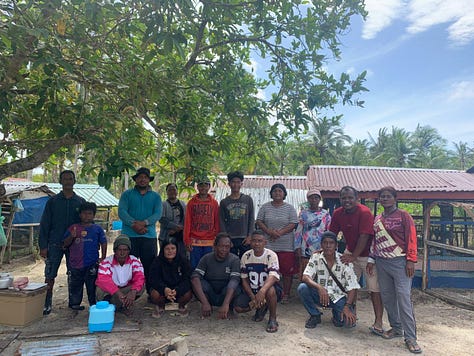
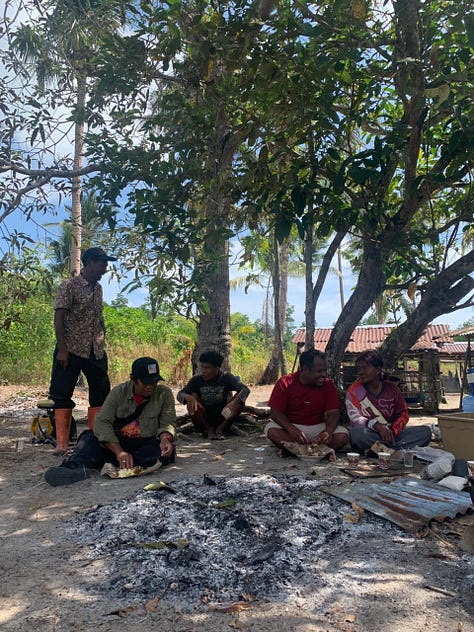
To begin, the Orang Suku Laut community in Kawal, together with friends in Bintan, organised a clean-up at the cemetery on 3 Feb 2026. About 50 community members from different islands gathered at the burial grounds to care for the graves and clean up the surrounding areas. The funding helped cover simple but essential needs such as food, drinks, and car transport for the community.
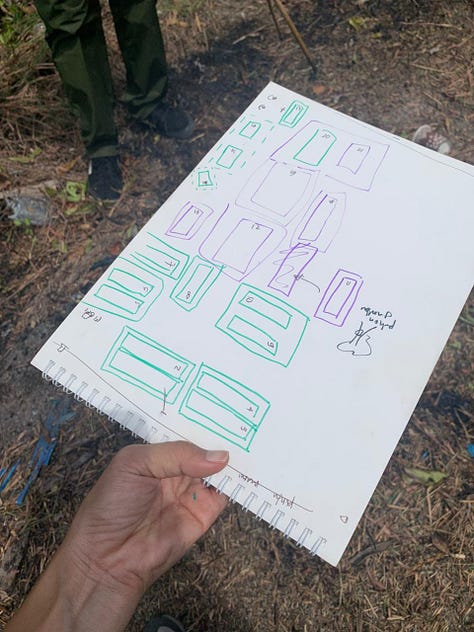
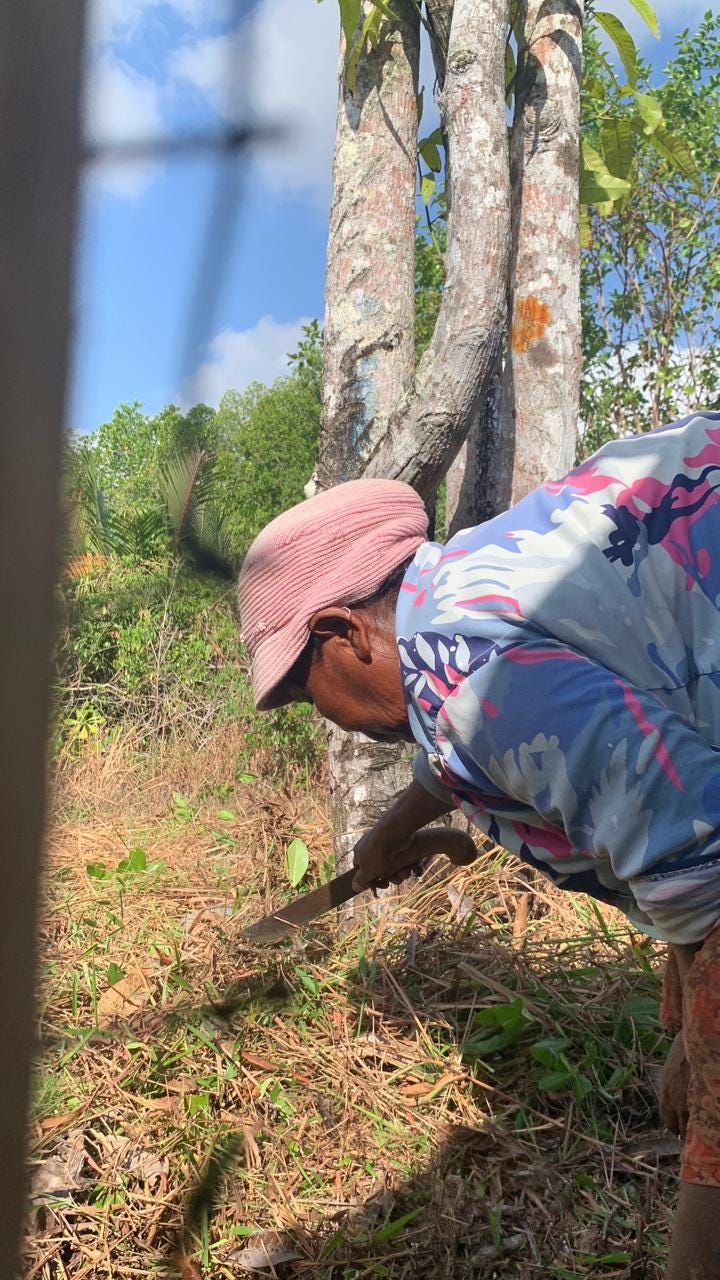
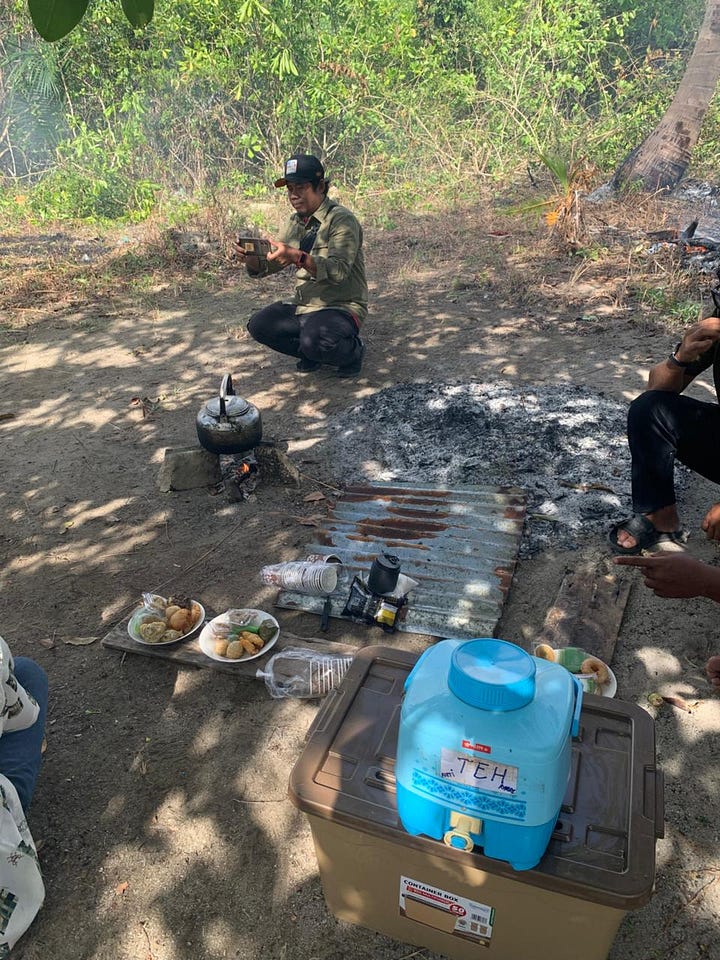
At the same time, we are still cognisant that the Orang Suku Laut remain in a precarious position. For one, there is the staggering scale of environmental degradation the community has had to contend with in recent years.
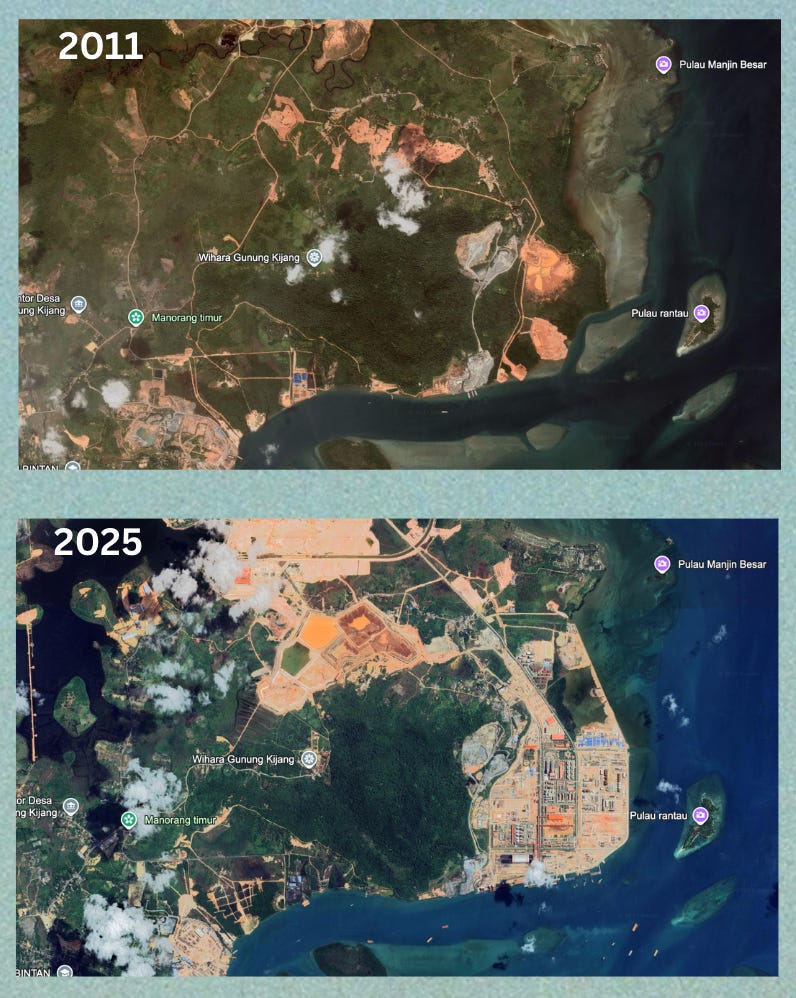
Additionally, for the Orang Suku Laut, daily visits to the cemetery are meant to be preceded by ceremonial practices involving the harvesting and smoking of parts of the Nipah palm. The destruction of the last Nipah palm stand near the cemetery is one example of how the impacts of industrial activity extend beyond its ostensible boundaries, affecting the continuity of the community’s way of life, culture, traditions, and identity.
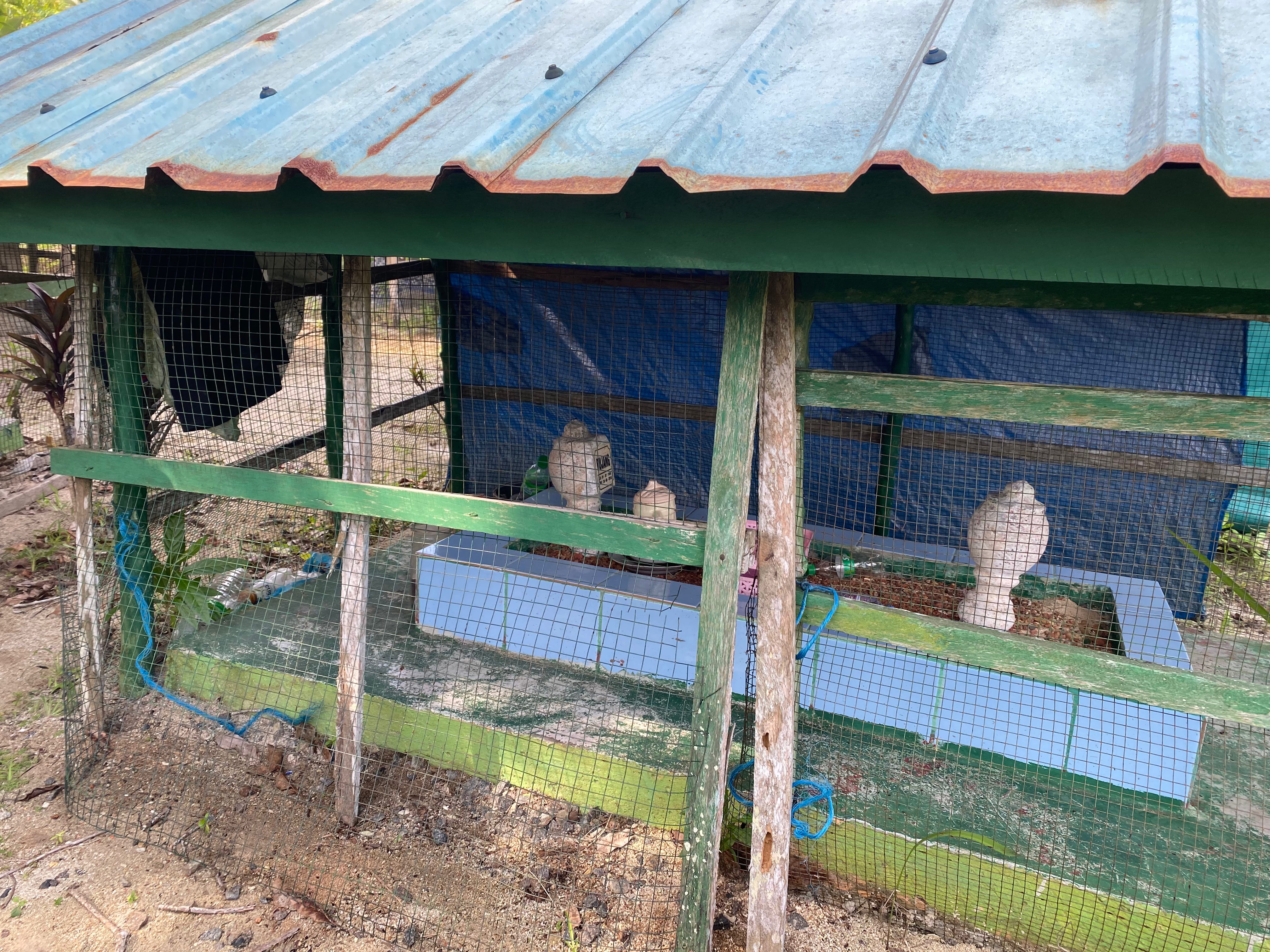
Based on our understanding, Indigenous land rights in Indonesia are potentially contentious. Under Indonesia’s Agrarian Law 1960, any land or territory without a land title or land certificate is deemed state property, thereby automatically overriding Indigenous claims to ancestral lands without formal documentation (Chairul 2024). The ILO Convention 169 is an international treaty that mandates governments to respect and recognise the rights of Indigenous communities over their ways of life, including their ancestral lands. These lands (and their sacred uses as cemeteries or places of worship) cannot be separated from the transmission of cultural identity to future generations. Loss of ancestral land could have also jeopardised the Orang Suku Laut community’s recognition as an Indigenous Law Community (Masyarakat Hukum Adat, MHA), further marginalising their participation in development decision-making processes.
It is therefore concerning that significant environmental changes have occurred in areas surrounding the Orang Suku Laut, changes that the community has had little choice but to contend with. During the meeting held on 29 January 2026, the local government asserted that it did not intend to resettle the community and instead highlighted plans to improve livelihoods through investments in cultural tourism and infrastructure, such as the construction of a jetty.
While these intentions were presented as beneficial, we remain concerned about the extent and depth of consultation and agency that the community has been afforded to date. In this context, and in relation to any future impact assessments or planning processes, we question:
In the context of the Galang Batang National Strategic Project (PSN) in Bintan, how will consultation processes with coastal communities be designed and implemented to meaningfully identify, address, and limit potential environmental and cultural impacts?
As plans are discussed to improve accessibility through infrastructure such as a bridge, and to position the community space as a tourist attraction, how will the Orang Suku Laut community be involved on an ongoing basis in shaping these decisions, particularly in ways that prioritise their wellbeing, priorities, and long-term needs?
As our friends and Indigenous neighbours, we will continue to stand with the Orang Suku Laut and advocate for the community’s rights and wellbeing. We are immensely moved by the care and solidarity that you have shown the Orang Suku Laut and us over this past week; these efforts have amplified the voice of the Orang Suku Laut and empowered Indigenous communities to stand together. We will continue to share updates on the situation as it unfolds and invite you to remain engaged.
Back on our shores, West Coast Park (WCP), along with Singapore’s greater Southern Waterfront, is on the cusp of redevelopment. As the National Parks Board (NParks) seeks to reimagine this stretch of coastline as a destination park, many ideas are floating around about what it could become.
This moment presents a rare opportunity. Through NParks’ Southern Parks Enhancement Plan survey, one of the few avenues for public input to shape long-term planning, we invite you to lend your voice in support of our recommendations. Your response can help ensure the space is recognised as a permanent, community-led space for cultural practice, learning, and sharing.
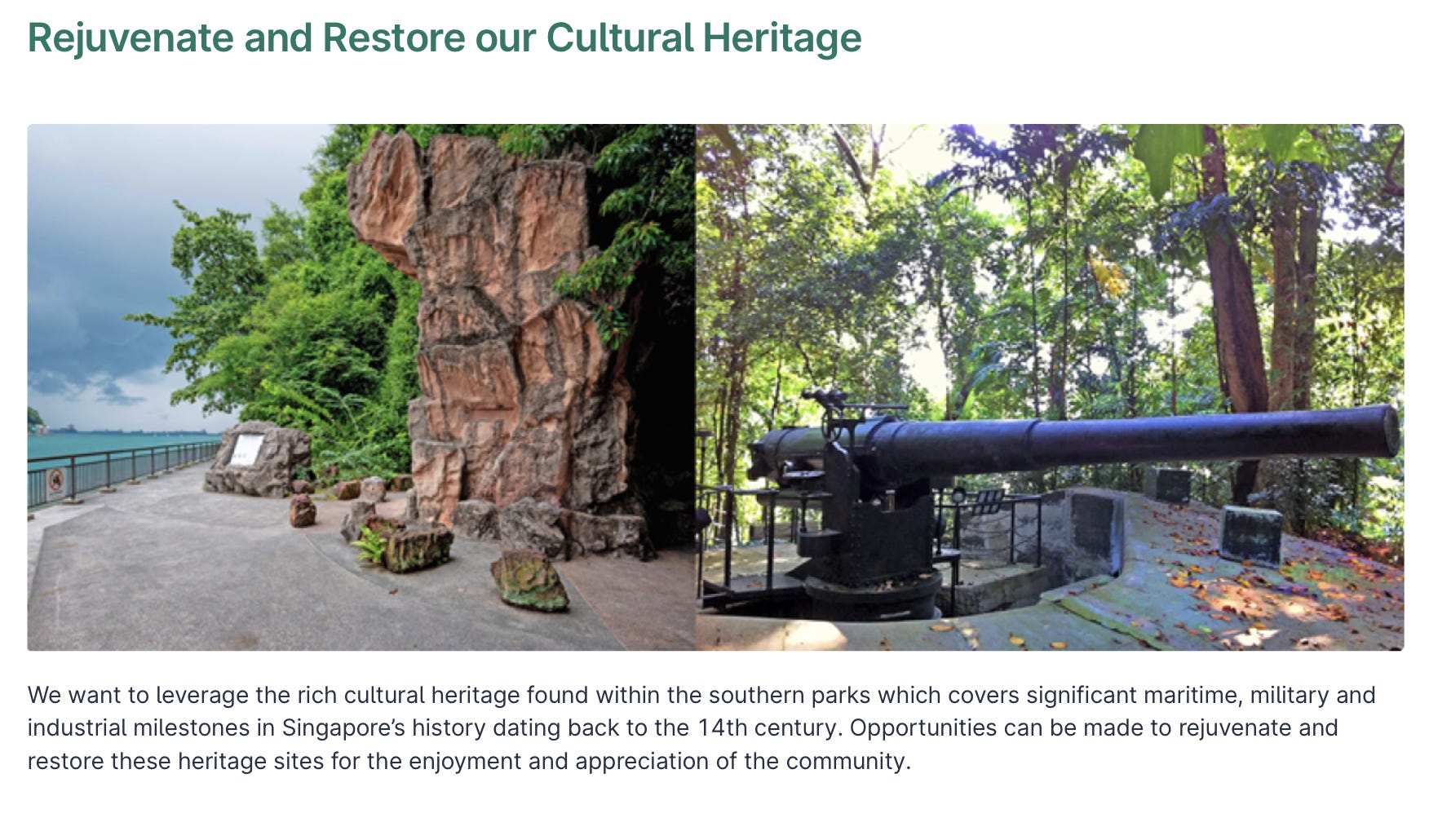
According to NParks, the destination park seeks to honour the rich maritime history of our coastal areas. For generations, the Orang Laut and other Southern Islander communities have shaped Singapore’s maritime identity. Their knowledge, skills, and values – passed down through the years – are part of our living heritage, and can teach us lessons on resilience, care for the environment, and belonging.
In this context, WCP is a significant location that holds meaning and many memories for our Southern Islanders. Historically, while they were still residing on the islands, WCP served as a key landing point where islanders brought their catch to sell to the mainlanders and villagers who had settled along the shores of Pasir Panjang.
If you’ve ever walked along the water breakers at West Coast Park and noticed a fenced-off area with boats by the shore, you might have wondered what it was. That space is made up of simple shacks and shelters, hand-built over time by former Southern Islanders as a special space to gather and reconnect.
Our community members call this space tepi pantai (by the beach) – a small space by the coast that still carries the everyday heritage of Singapore’s Southern islander communities.
It is here that community members continue to practise and pass down ecological knowledge and skills such as bubu trap weaving and fishing. These living practices have recently been recognised as part of Singapore’s Intangible Cultural Heritage (ICH), following our nomination of Cik Hamzah. Today, fewer than 10 Southern Islanders continue to practise this craft.
The space not only allows the community to maintain access to the sea but also provides an avenue for intergenerational knowledge transfer, ensuring that these maritime traditions, ecological knowledge, and cultural practices continue to thrive.
Furthermore, for the community, having a dedicated physical space to come together is also essential to sustaining social bonds.
As one former Pulau Sudong resident shared with a researcher, when asked what he missed about the island:
“Miss? There is nothing to miss. What is the point of missing anyway? I miss the people most, and when we gather, that feeling goes away.”
When asked if he would return if given the chance, he replied:
“Of course I would. I would leave in a heartbeat. Ask anyone here, and they will tell you the same.”
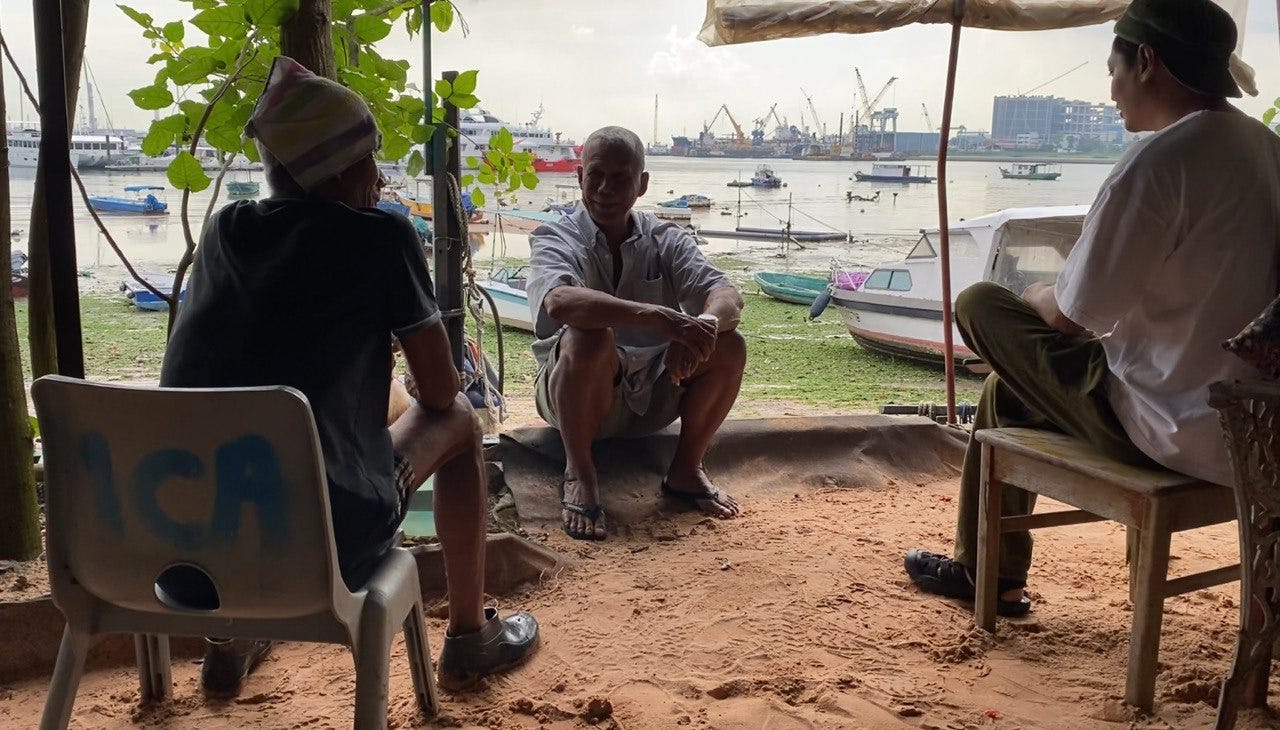
The upcoming redevelopment presents a critical opportunity to reshape the space in ways that can better serve the community and support the revitalisation of this lesser-known heritage.
Over the past years, our team has gathered community perspectives and conducted research on how WCP could house a more secure, accessible space for Orang Laut communities.
From this work emerged a longer-term vision.
Almost a year ago, mainstream media recognised Hari Orang Pulau as a celebration of Singapore’s Indigenous people. This recognition affirmed the importance of acknowledging Singapore’s Indigenous maritime communities and their continued presence within our national story.
Building on this momentum, we hope to establish Singapore’s first Indigenous Learning Centre (ILC) – a dedicated space for the history, living knowledge and practices of our Orang Laut communities. While Singapore’s constitution and other cultural institutions recognise Malays as Indigenous to Singapore and the wider region, we wish to create a space to focus on Indigenous maritime communities through this ILC. Alongside the ILC, we advocate for protected and permanent mooring spaces for boats manned by community members, essential for maintaining maritime traditions and intergenerational knowledge transfer.
Our heritage garden, Tanah dan Air, currently serves as a pilot for this vision. Through public programmes - including native plant showcases, cultural workshops, heritage walks, oral history sharing, and research projects - we have demonstrated both the relevance and demand for an Indigenous Learning Centre. These efforts have also supported capacity-building within the community itself.
However, as a ground-up organisation, our work remains constrained by limited manpower and financial resources.
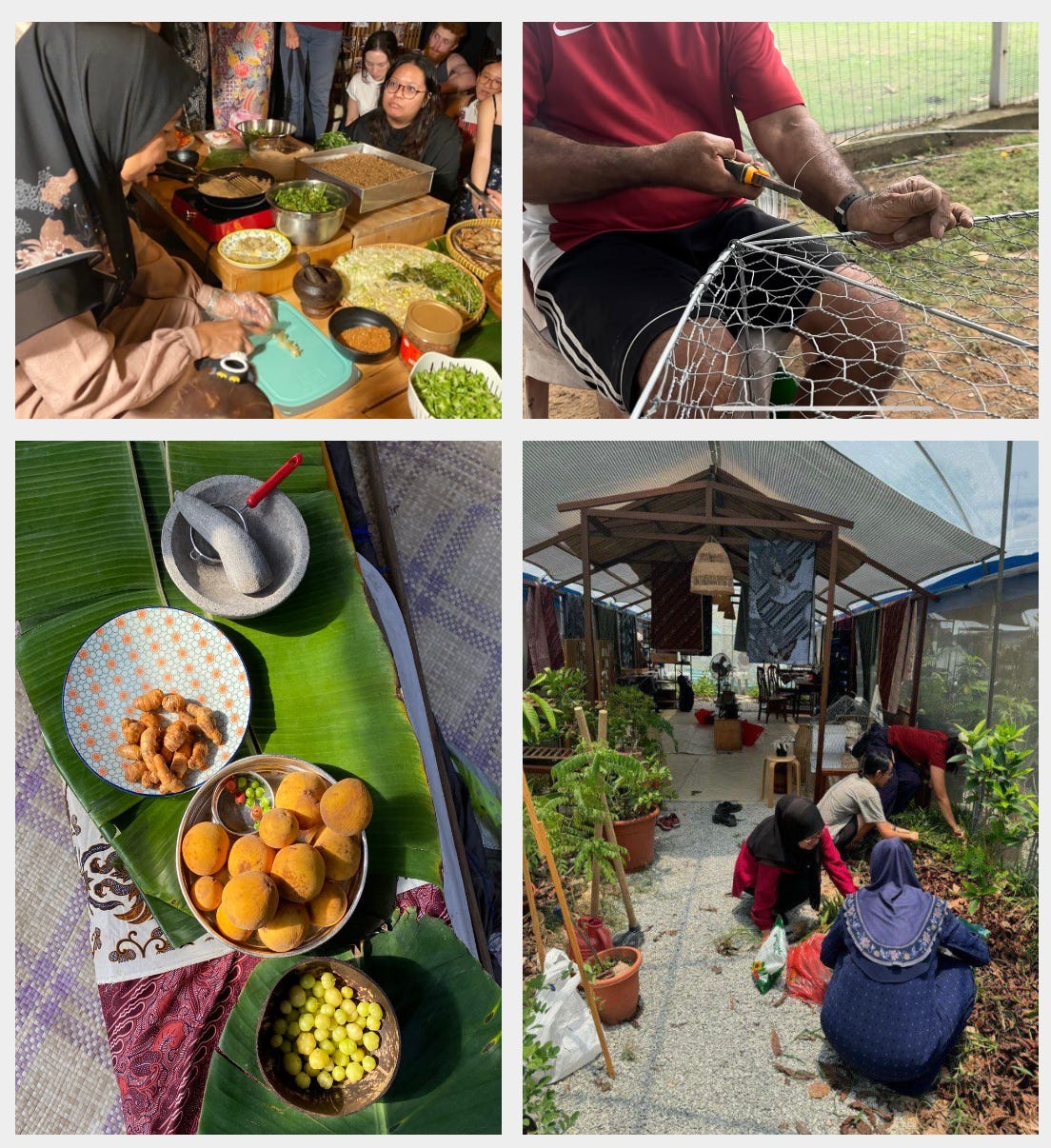
With a formally recognised heritage site, stable funding and appropriate infrastructure support, an ILC – guided by Orang Laut Communities* and allies – can become a sustainable, accessible space for heritage education. With increased financial and manpower capacity, the ILC could:
Support other community groups and individuals advocating for Singapore’s coastal heritage, like Asnida Daud, Wan’s Ubin Journal and the Brani project
Lead ecosystem restoration: Community-led coastal planting, conservation, and documentation initiatives in partnership with environmental organisations and researchers
Offer immersive learning experiences for schools, public institutions, and government agencies
Serve as a public resource centre for students, researchers, educators, policymakers, and the wider public
And most importantly, ensure the community retains autonomy over how their heritage, histories, and knowledge systems are presented and shared
*Singapore’s Indigenous communities include the Orang Selat from the Southern Islands, as well as other Orang Laut groups such as the Orang Gelam, Orang Seletar and Orang Kallang.
Internationally, Indigenous cultural centres in neighbouring countries like Malaysia, Laos and Indonesia (as well as further abroad in New Zealand and Australia) demonstrate that sustained public investment in Indigenous heritage spaces strengthens national narratives, supports community livelihoods, and contributes to tourism diversification. An Indigenous Learning Centre would similarly bring Singapore closer to its goals of heritage preservation, inclusive growth, and social cohesion.
Equally crucial to this vision is the protection of mooring spaces. Current regulations make it difficult for Orang Laut families to sustain maritime practices across generations. Mooring spaces are personal-to-holder; upon the death of a licence holder, the space is automatically terminated, and successors must source new moorings independently.
As operating a sampan and going out to sea is integral to Orang Laut culture, these processes disrupt the continuity of maritime traditions and create barriers - especially for younger generations.
While navigating differing needs among multiple stakeholders, public support matters. By participating in the NParks Southern Parks Enhancement Plan survey, you can help ensure that redevelopment meaningfully includes Orang Laut communities and their living heritage.
Our recommendations for NParks to include the Orang Laut community in this Southern Parks Enhancement Plan are to:
Recognise and preserve West Coast Park as an Orang Laut community and heritage space
Protect and maintain mooring spaces for Orang Laut communities’ boats
Work with Orang Laut SG to build Singapore’s first Indigenous Learning Centre (ILC)
We invite you to take part in the NParks Southern Parks Enhancement Plan survey and share your thoughts on the future of West Coast Park. If these hopes resonate with you, we encourage you to reflect them in your response to show public support for recognising living heritage, Indigenous communities, and community-led spaces.
Share your thoughts here!
On 14 June 2025, we organised our inaugural public festival, Hari Orang Pulau. What began as a hopeful idea turned into a truly unforgettable day, with an estimated 5,000 people joining us. We held various showcases, activities and talks during the festival, bringing to light our rich narrative and culture. The turnout exceeded anything we could have imagined, and we were deeply grateful for your presence. It was heartwarming to see islanders and the public alike enjoying their time together on this day!
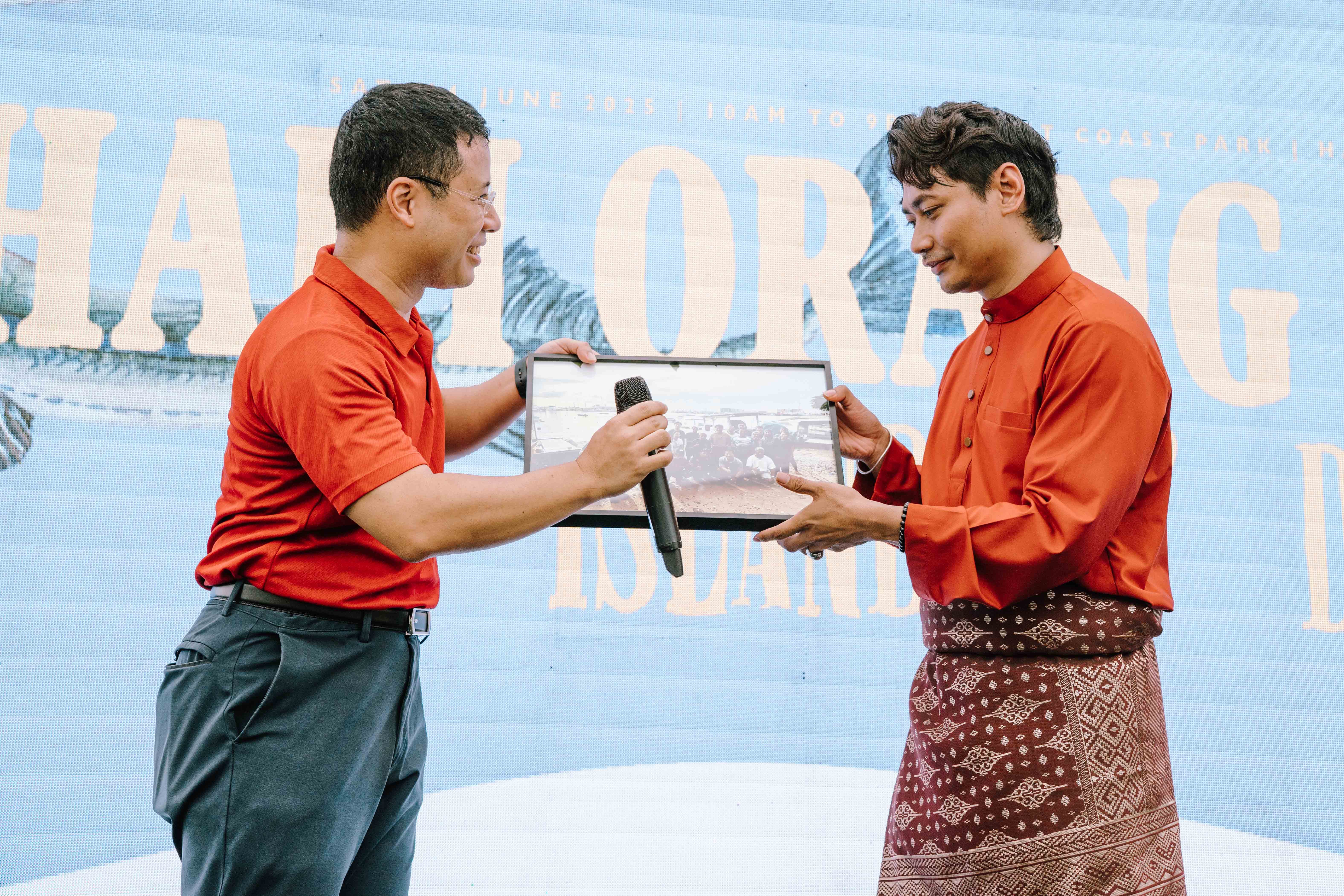
That same day, Minister Desmond Lee announced the formation of a working group by the Ministry of National Development, together with URA, SLA, MPA, and NParks, to better support the Orang Laut community. It was encouraging to know that our voices are finally being heard and included at the policy level, and we will do our best to continue to steward our community’s priorities and aspirations meaningfully.
We were also honoured to share a meal with President Tharman and First Lady Jane Ittogi, alongside former islanders Mak Ni, Mak Ani, Cik Am and Kak Asnida. The meal included our homemade bubur lambuk ikan tenggiri, lovingly prepared by Mak Ni and Mak Ani, which marked a meaningful step forward for our community!
We also expressed our culture through the arts, using diverse mediums to centre our narrative and make it accessible and engaging for wider audiences. While many moments have been meaningful, a few stand out for the connections they fostered and the stories they shared. We performed Ikut Arus with Zarina Mohammad as the opening/closing performance of Sama-Sama, an exhibition that brought together 60 artists to reflect on Singapore’s evolving history and cultural identity. We also launched a publication, Jemput Lagi, with Shooshie Sulaiman at our garden. In the spirit of community, one of our interns and her friends even hosted a garden music fundraiser, Meriah Bersama!
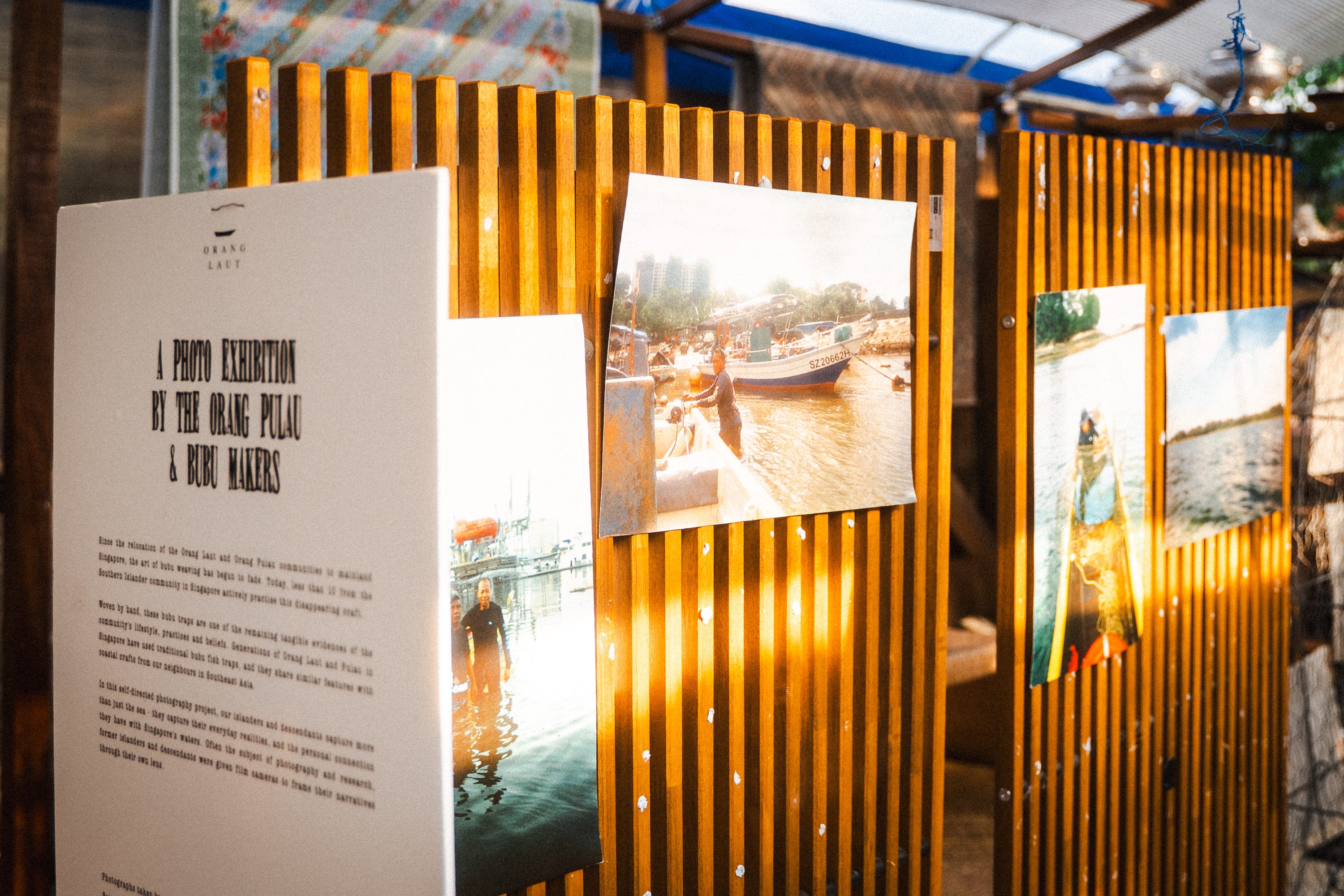
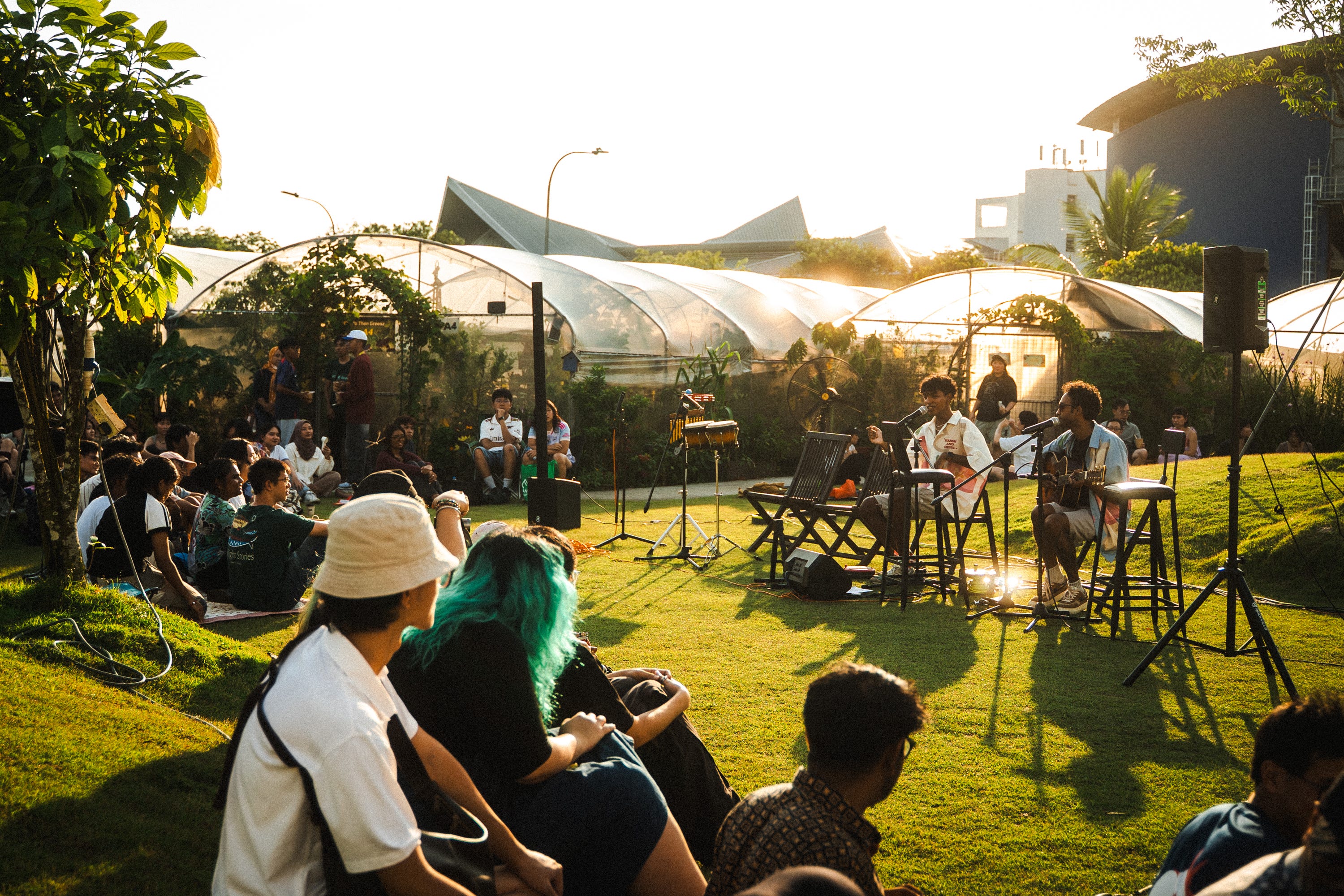
The past five years have been filled with moments of coming together - through walks, conversations, and shared gatherings. These experiences have reminded us how important shared spaces are for staying connected, especially as the landscapes around us continue to change.
Our outreach events have brought us closer to more people and helped grow our community of allies. More to come this year (with some on Culture Pass too), promise!
Working with different schools has also been especially rewarding, as it allows us to share Indigenous knowledge and values with the next generation of Singapore. One particularly special memory was leading a trail at West Coast Park with over 300 students from Hua Yi Secondary School, who have been working with us to pilot and refine programmes for secondary school students. Together, we explored the area and participated in activities such as identifying native plants important to our community.
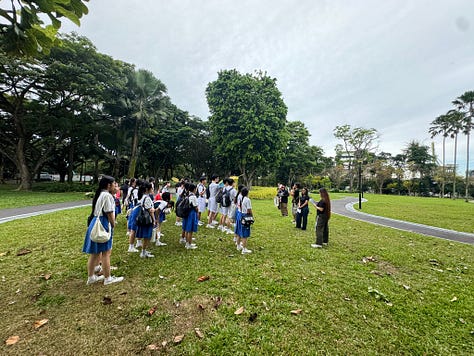
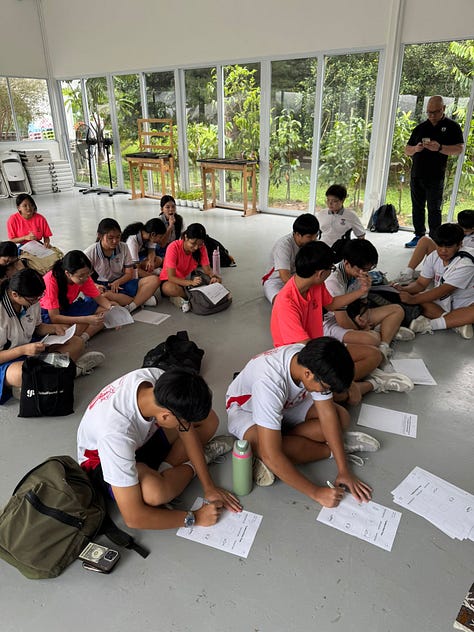
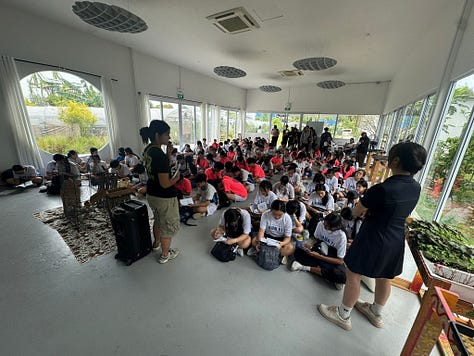
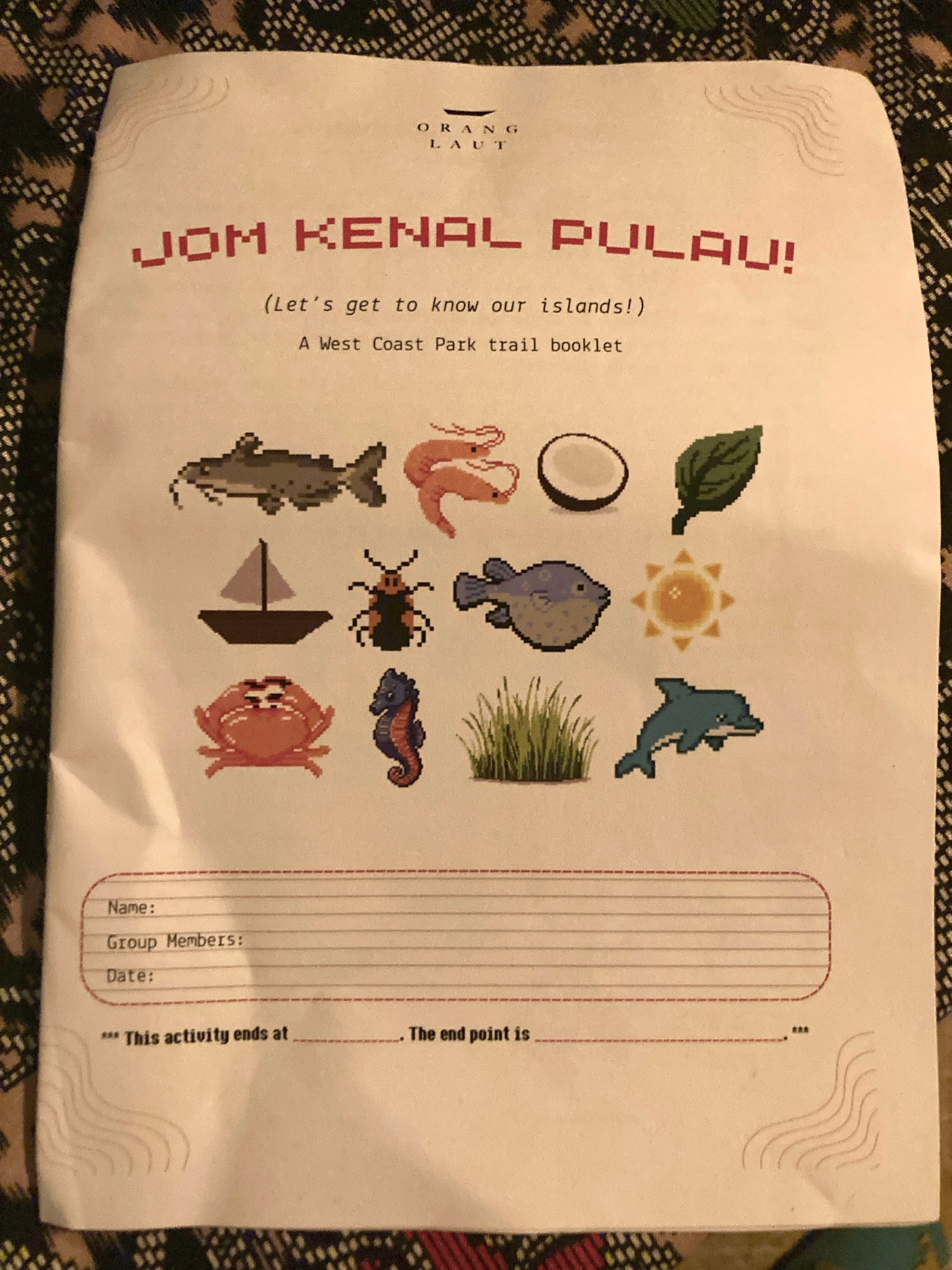
If you’re interested in working with us on school or corporate programmes, we’d love to hear from you :-) drop us an email at hello@oranglaut.sg. Through these outreach and educational initiatives, we can continue to share our food, culture, and stories in ways that are engaging, meaningful, and thoughtfully tailored to different audiences.
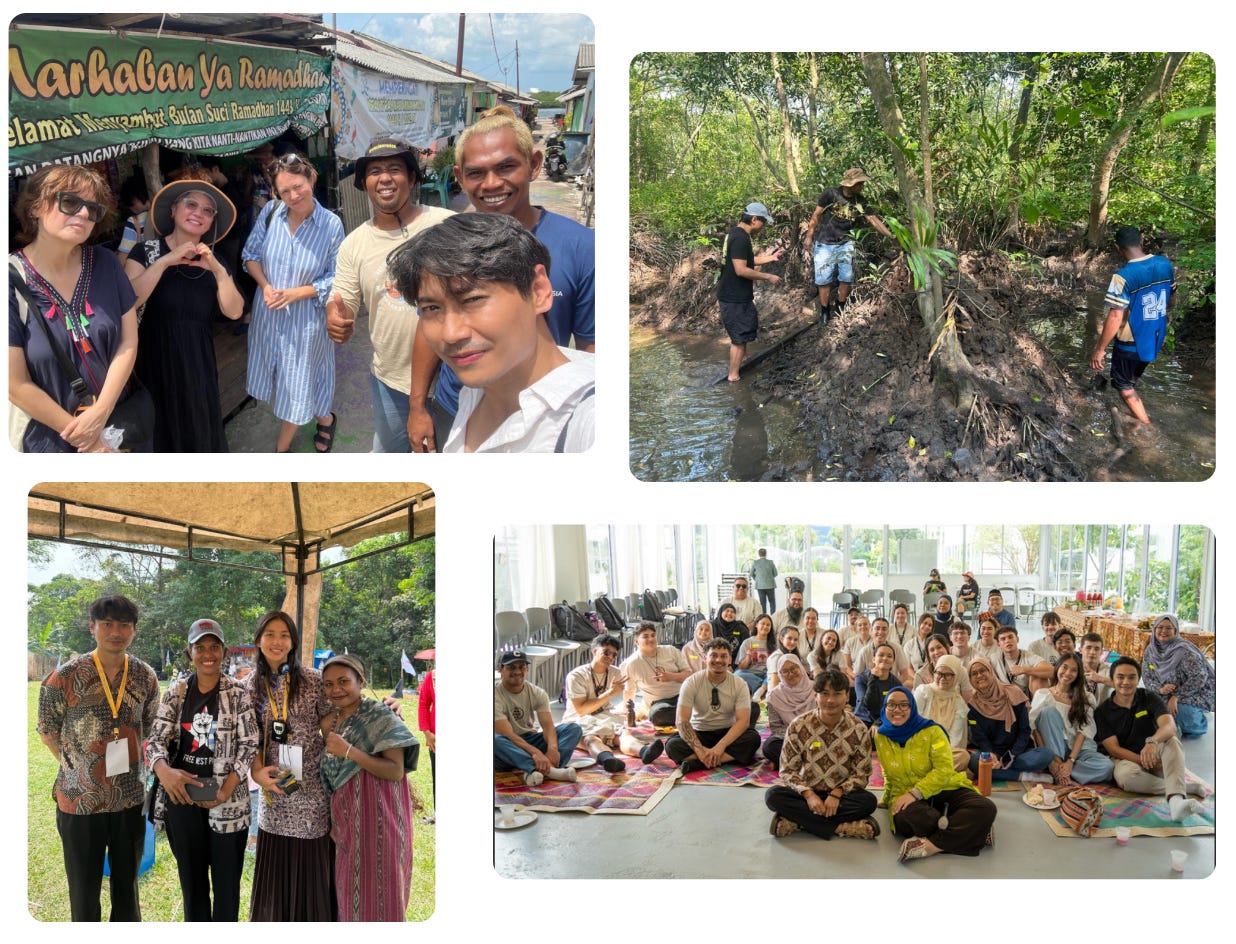
Finally, we also had the privilege of meeting with other Indigenous communities, including the Orang Suku Laut in Bintan, the Orang Seletar in Johor, Māori youths, and various Indigenous groups at the 2nd Southeast Asia Regional Forum 2025: Indigenous Peoples’ Rights and Climate Change in a Digital Era in Bogor. These exchanges enabled us to connect, learn from one another and build solidarity across Indigenous communities.
We would not have achieved so much without the dedication of our volunteers and organisational partners. We are deeply grateful for your support, which keeps our programmes running and allows us to continue advocating for the Orang Laut community.
We also extend our heartfelt thanks to our readers, event participants, and supporters. Your interest, presence, and care strengthen our work and give momentum to our community’s stories; we are truly grateful for a network that keeps our heritage alive and fuels our movement.
Thank you, and here’s to even deeper connections in the year ahead. We look forward to seeing you soon!
No posts
Comments
Nothing yet. Say the first thing.
Sign in to join the conversation.