
If you’re not a supporter, no worries, I open most content on this post so you’ll be able to read everything and missed nothing. But if you decided to support, it truly means a lot! 🙇🏻♂️
Lucky isn’t new to the film photography world. They’ve actually been around for quite a long time. But recently, they’ve made a comeback with the release of the New Lucky 200 and I got my hands on it, both in 35mm and 120 format. Big thanks to my friend Kota, who helped me get it straight from China.
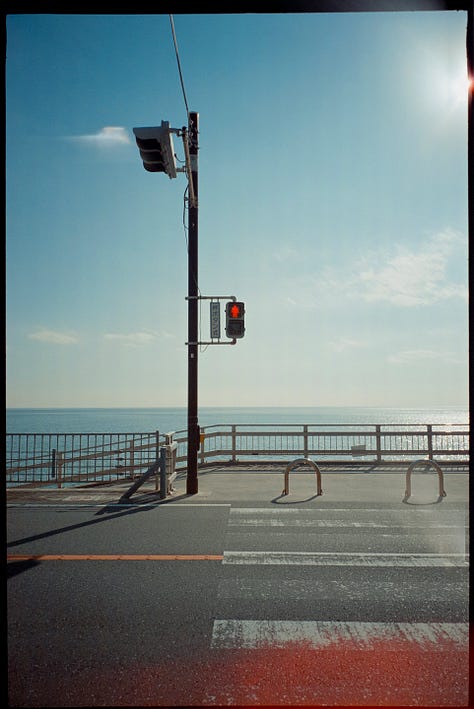
From what I’ve read, this is a newly produced color negative film emulsion, and one of its standout traits is its strong, clean reds. It’s a different color signature compared to Kodak’s warm yellows or Fuji’s signature greens, which makes it quite interesting to try out.
I spent the last couple of weeks testing it out in different locations and shooting conditions to get a better feel for how this film performs, and to figure out where its strengths.


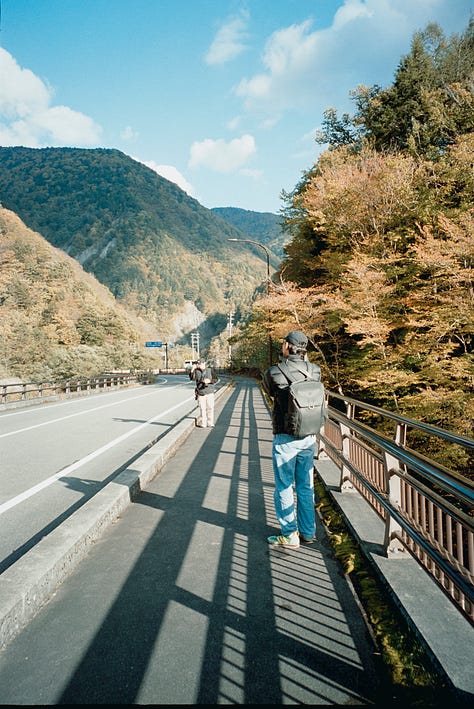
I tested shooting New Lucky 200 on foggy days, sunny days, and even in low light conditions. I also shot both 35mm and 120 versions under the same lighting to give you a direct comparison. Overall, I’d say the colors lean pretty neutral, with a noticeable red cast — just like they claimed.



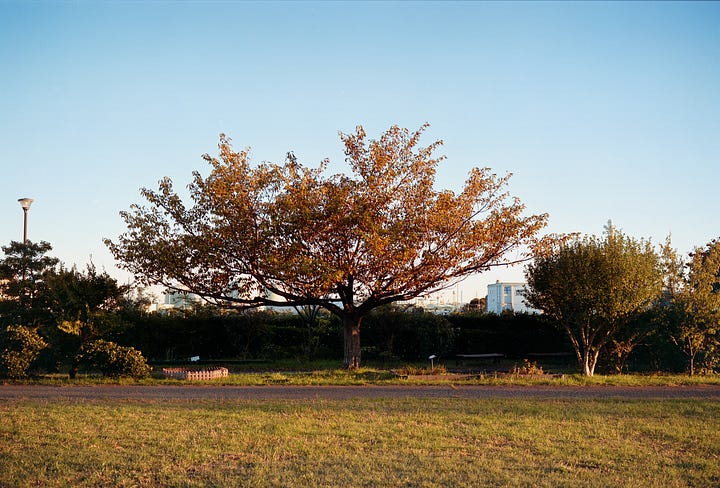

From the rolls I tested, Lucky 200 delivers surprisingly fine grain and solid sharpness for a 200-speed film. Grain is well-controlled, contrast is punchy, and overall rendering feels very clean. In practice, it can go head-to-head with Kodak Gold 200 IMO. Given the current pricing in Japan (imported directly from China), I can genuinely see myself mixing Lucky 200 into my Gold 200 rotation.


For a budget film, it has surprising latitude. It retains decent detail in both highlights and shadows, provided it is shot in daylight. Both 35mm and 120, if metered correctly, it can produce a good results.

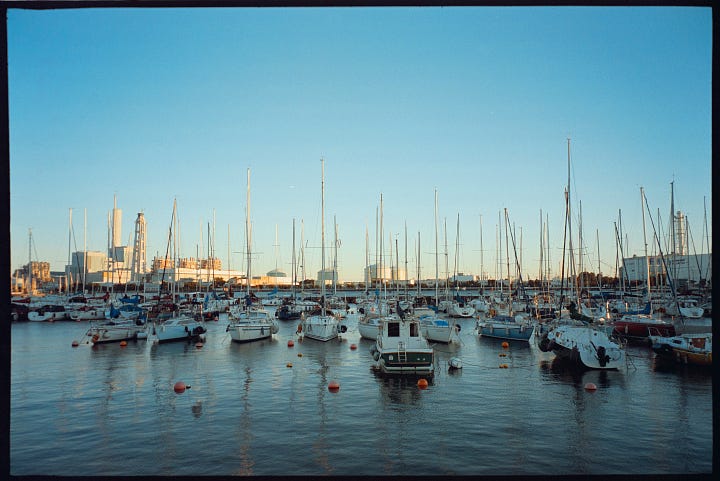
This one honestly surprising to me. In low-light conditions, Lucky 200 produced results that were cleaner and sharper than I expected, especially in 120. The medium-format version holds detail well, stays sharp, and renders skin tones nicely, even as light drops.
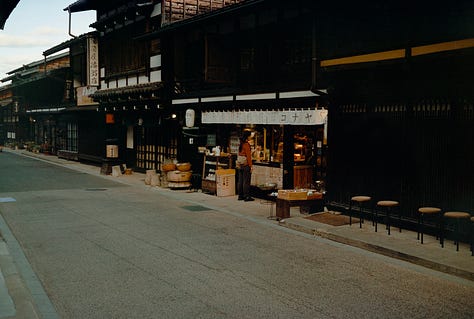
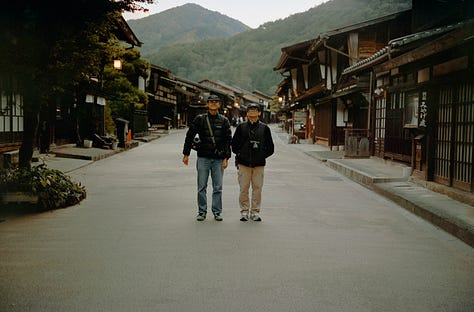
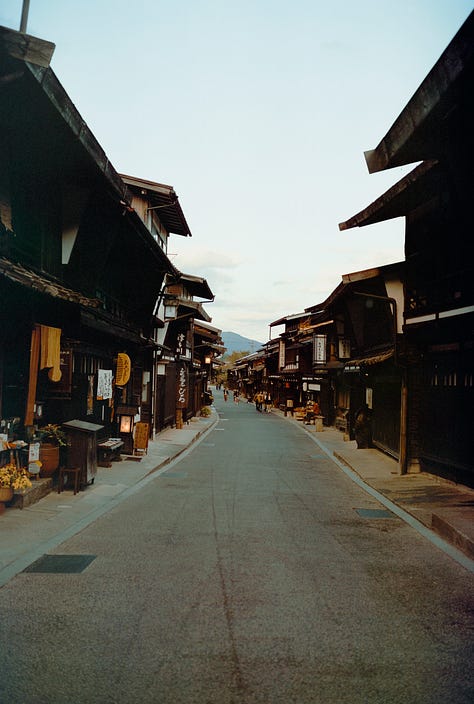
The 35 mm results were less convincing in the same conditions, but that’s likely down to my setup. I shot it with a point-and-shoot, which limited exposure flexibility and pushing options. On 120, though, Lucky 200 feels almost spot-on for low-light work.
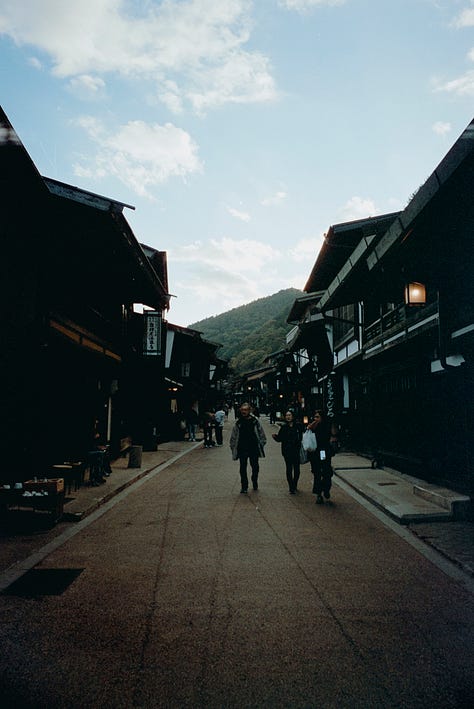
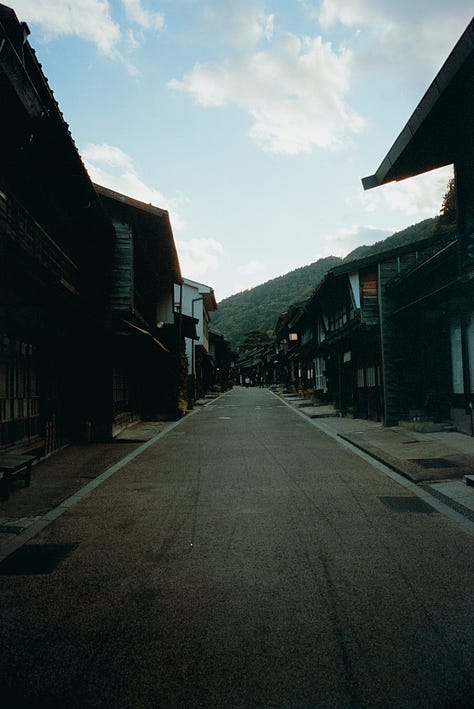
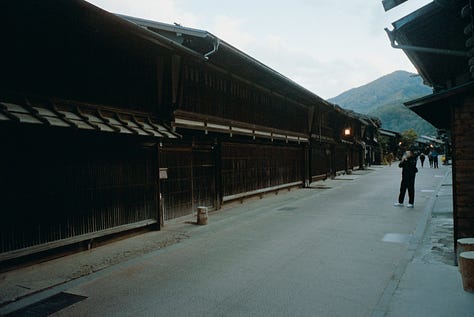

On cloudy days or in flat lighting, the film loses its "pop" and can look muddy or grayish without significant post-processing. So need to be smart to choose when to click the shutter when using this film.

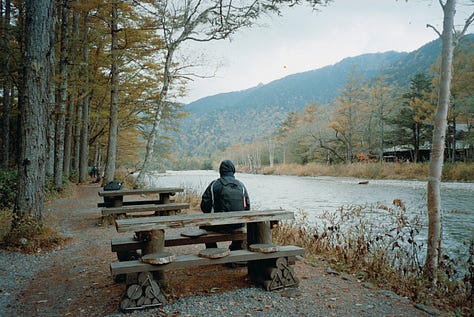

I used to Kodak film lineup like Gold 200 or Portra 400/160, where I can freely pushing the film up to 3 stops and the results still forgiving most of the times.
While Lucky 200 has decent dynamic range for a budget film, it is less forgiving than Kodak films. Highlights can blow out faster, and shadows can get "crunchy" if underexposed even slightly.

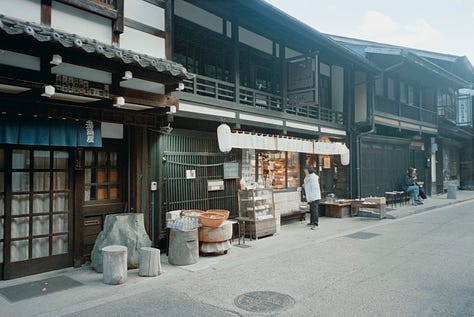
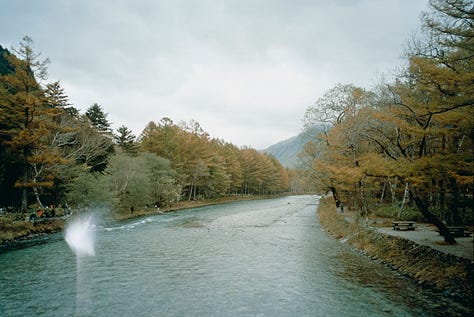
I even tried to push the shots for 2 stops in a sunny days, and I noticed the highlights and shadows felt a little washed out, not as punchy as I expected. So based on what I tested, I think overexposed it more than 1 stop also potentially ruin the results.

💡 Note: This post is part of my supporter-exclusive series. But even if you’re not a paid supporter, I’ve left almost all the content on this post open because I want it to still be useful for everyone. So if you stop here, you’ve missed nothing :)
If you’d like to see the full piece (usually my personal take or conclusion) or simply want support me so I can keep creating these deep dives, you can subscribe as a paid supporter here on Substack. Or, if that’s not for you, even a small gesture like Buy Me a Film Roll means a lot and helps me keep going. No pressure tho 😉
Comments
Nothing yet. Say the first thing.
Sign in to join the conversation.