
Disclaimer: This doesn’t mean Japan is the best place in the world for photography. I just found it interesting about Japan geographical position compared to my home country can affect the natural light shadows for photography.
We talk a lot about what makes a good photograph. Composition. Story. Camera gear. Film stock. Development quality. Scan resolution. Megapixels. All the technical and artistic variables we can control. But what about the place itself?
Can a location actually support you in making a good photograph? Not just because it’s “beautiful,” but because it structurally makes photography easier? Japan is one of those places.
Recently, Indonesian Twitter was flooded with a small joke. People posting random photos taken in Japan with the caption, “Foto ngasal tapi di Jepang.”. Roughly translated: “A careless shot, but in Japan.”. They want to say, you don’t even need skill. Just point your camera anywhere in Japan and it somehow looks good lol.
But since I’ve known this for quite a long time, I want to share some of the reasons I believe why Japan make a photo feels good.
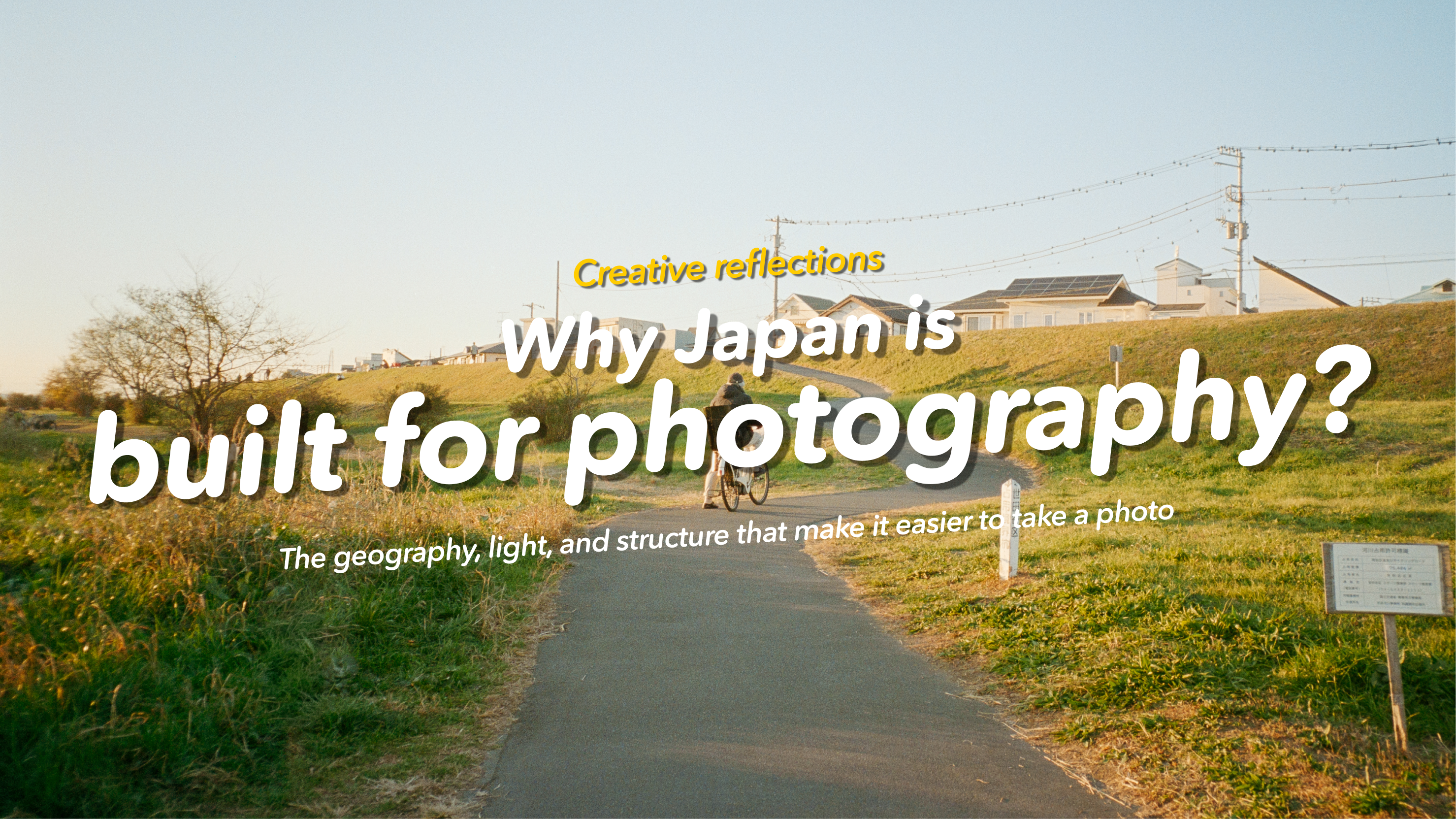

Japan position is on the mid-latitude zone that affect the angle of its sunlight. It helps decrease a harsh shadows and enhancing overall lighting conditions for photography. In short, the latitude gives Japan photogenic light contrast across seasons.
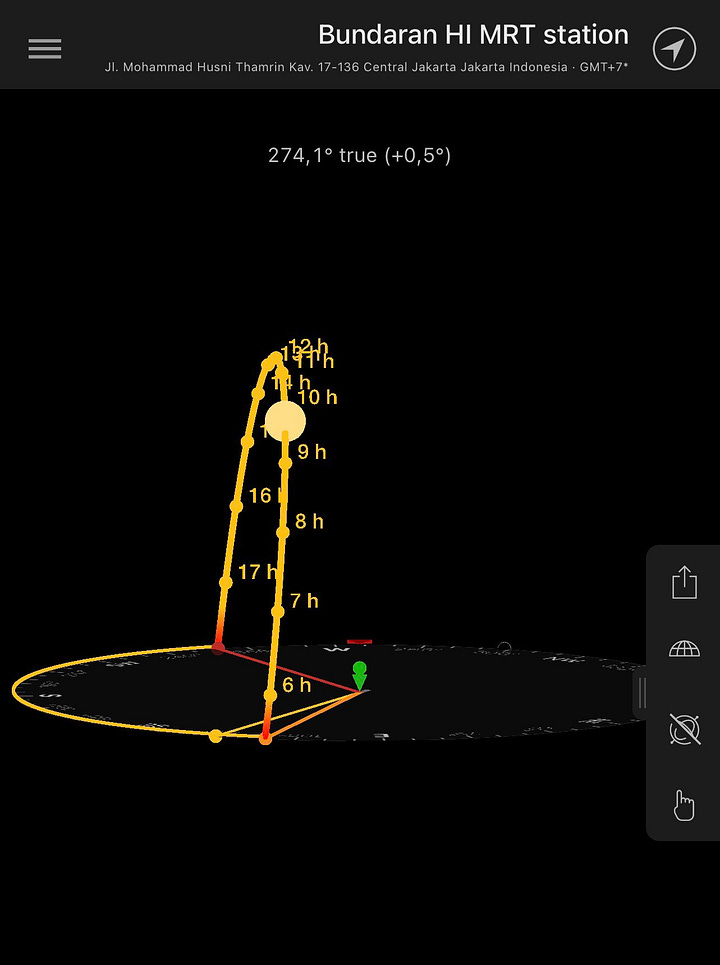
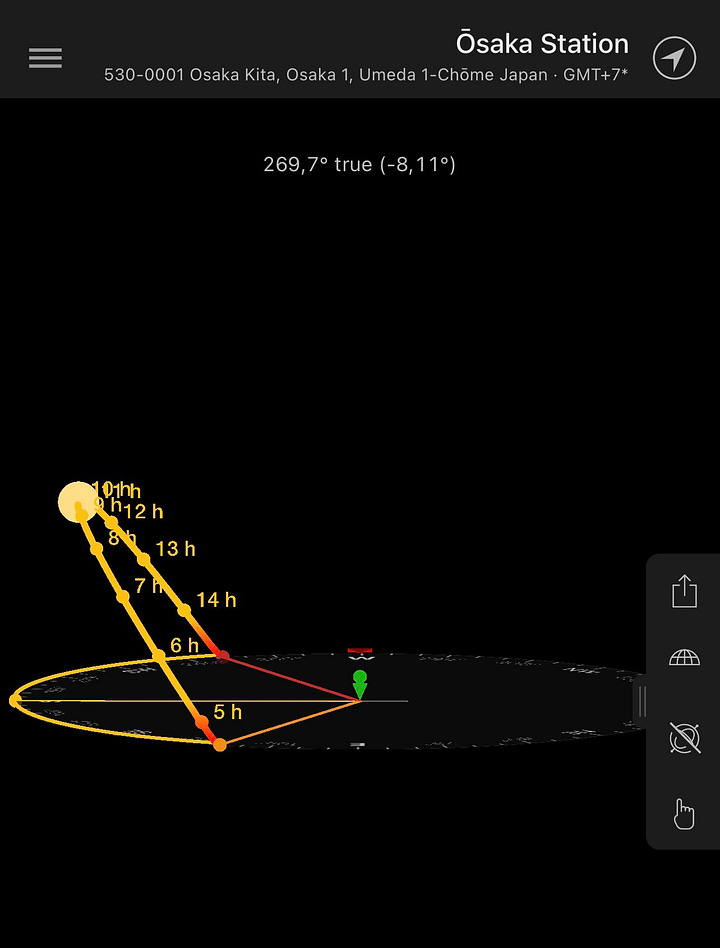
This is one of the example. Yellow dot indicates current sun position, yellow line indicates sun movement. 6AM-8AM and 4PM-6PM in Jakarta, equivalent to ALL DAY in Osaka. In Jakarta, time available to have a nice side light for photoshoot outdoor is super limited (4 hours) compared to Osaka (12 hours).
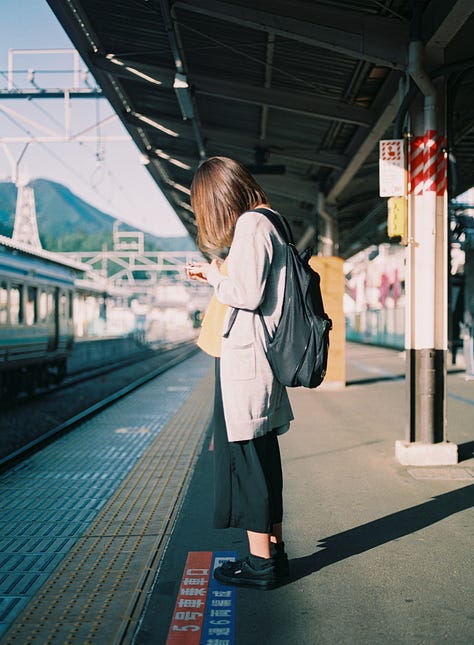
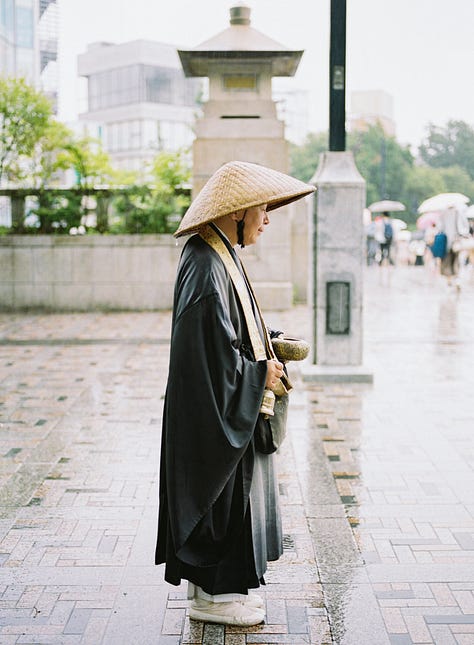
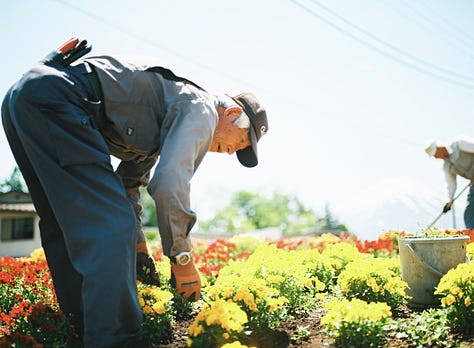
Japan is an island nation surrounded by the Pacific Ocean and the Sea of Japan. This resulted in a high humidity, frequent mist and haze, then moist air increases light scattering. Moisture particles in the air cause Mie scattering, which soften distant objects, creates atmospheric perspective, and makes mountains layer more beautiful.
That’s is why landscapes in Japan often have that ink wash painting depth. Because humidity gives natural diffusion.
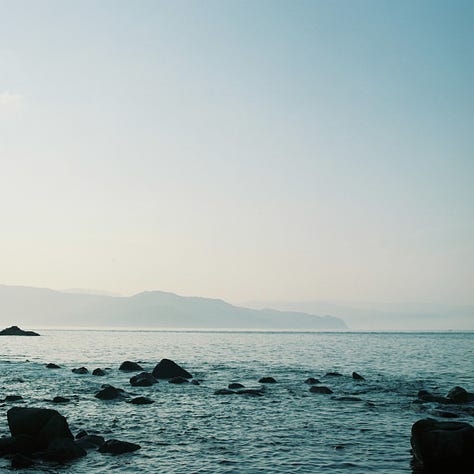
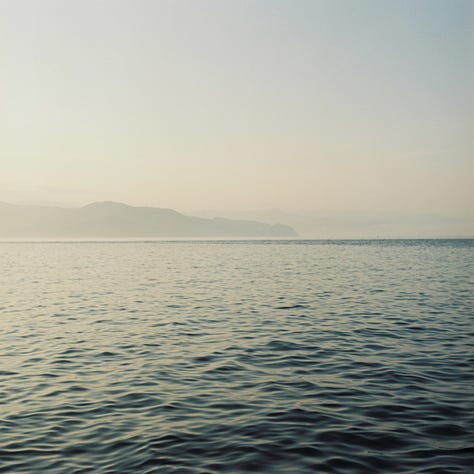
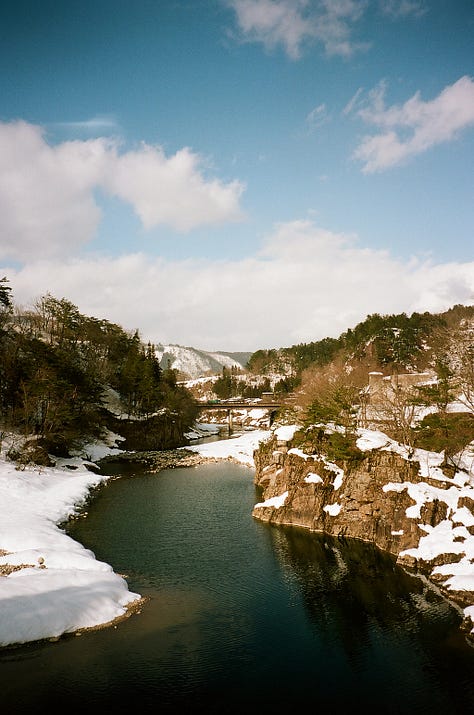
Japan has strict environmental regulations since the 1970s pollution crisis. Compared to many industrialized Asian cities, for example Indonesia, The average of daily AQI is 60 to even 180. Makes it foggy with no clear blue sky. Japan, let’s say Tokyo, the average of daily AQI is 30 to 60. And even 0 to 50 for another big city like Kyoto.
Cleaner air means higher micro-contrast, more defined edges, clearer skies, and better star visibility in rural areas.
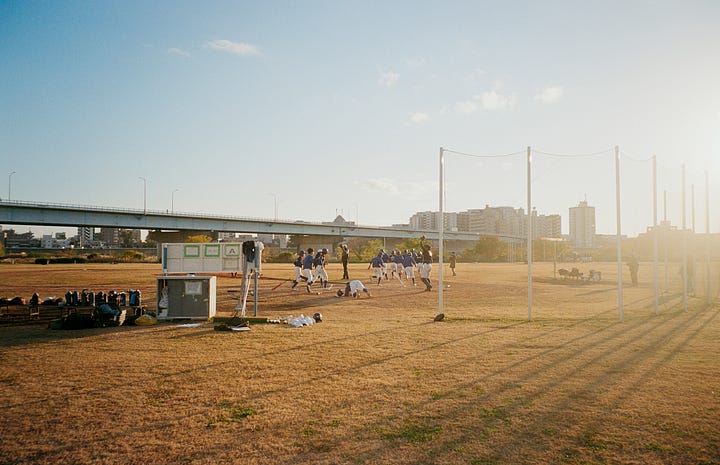
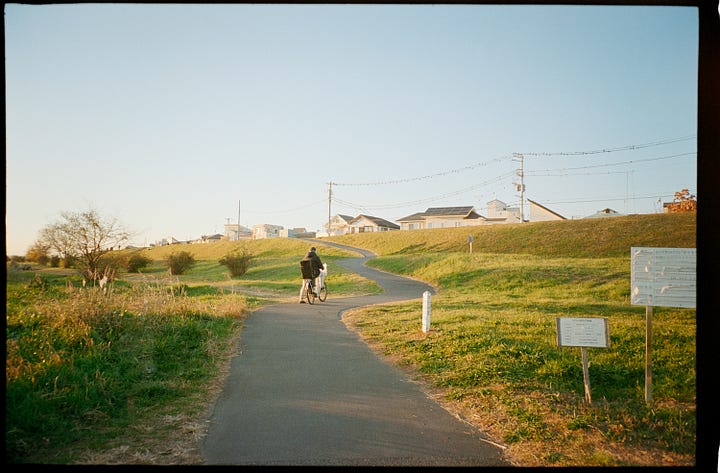
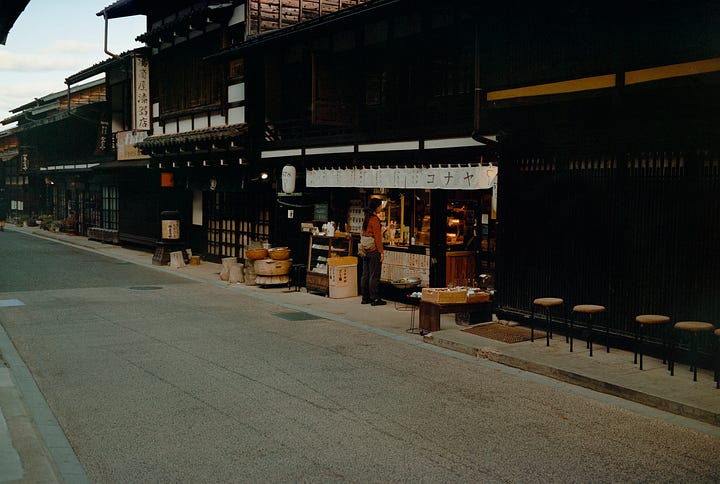
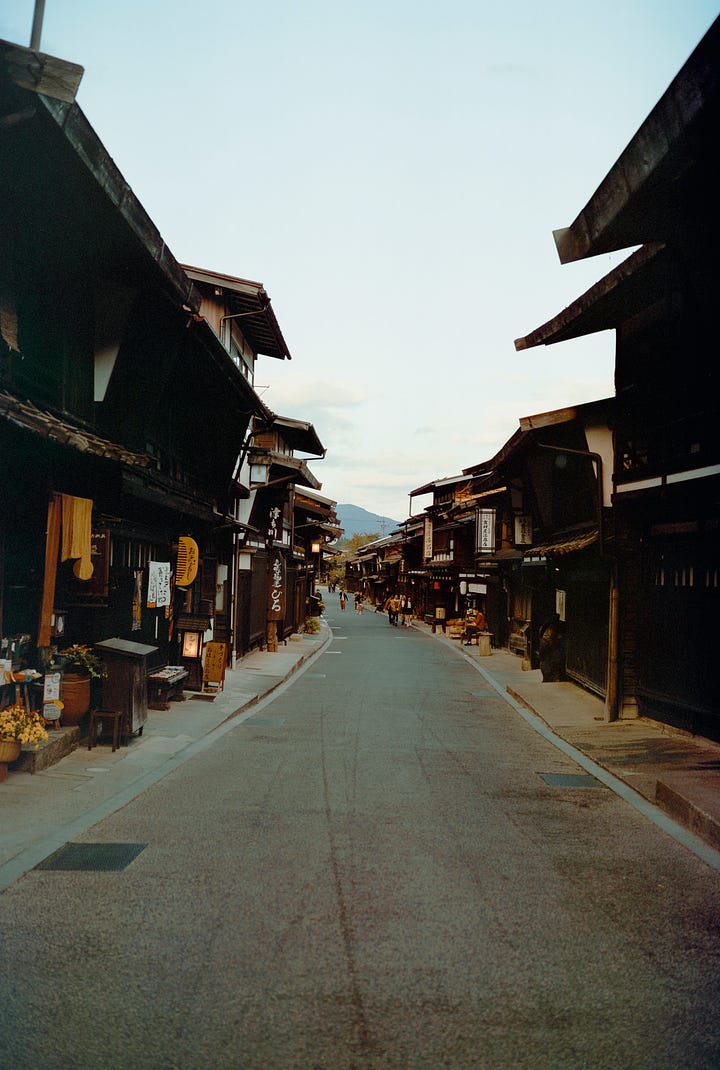
Japan’s cities are dense but human-scaled. A lot of narrow streets, small shop fronts, and mixed-use zoning that creates visual layering, texture density, and high subject frequency. In my opinion, it’s great for street and documentary work.
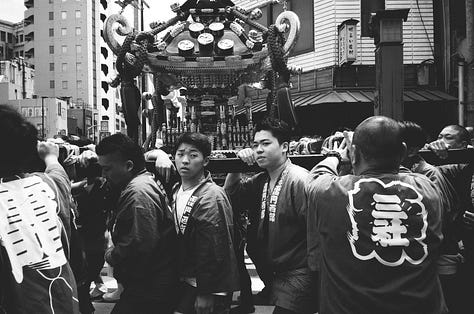
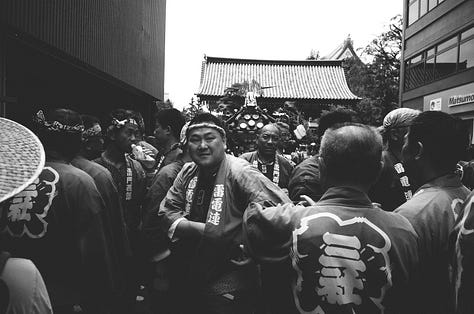
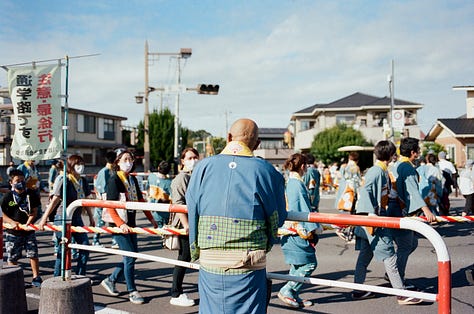
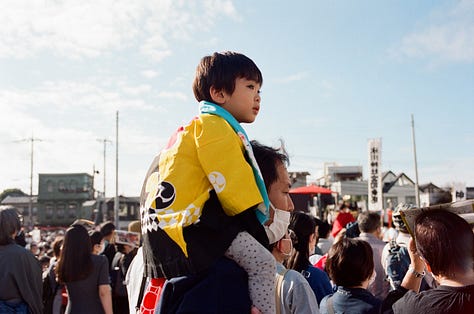
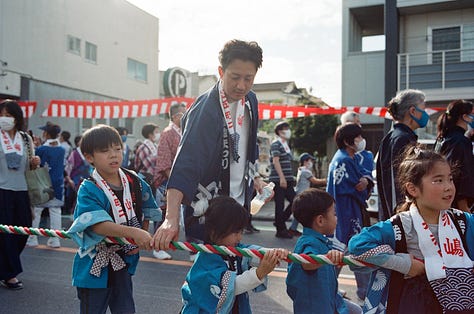
Other than that, Japanese culture, building designs, and local festivals is very unique and interesting to capture.
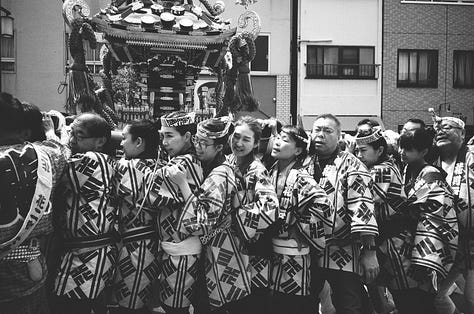
That’s some of the why’s! Hope you find this informative and decide to visit Japan soon to take pictures!
No posts
Comments
Nothing yet. Say the first thing.
Sign in to join the conversation.