
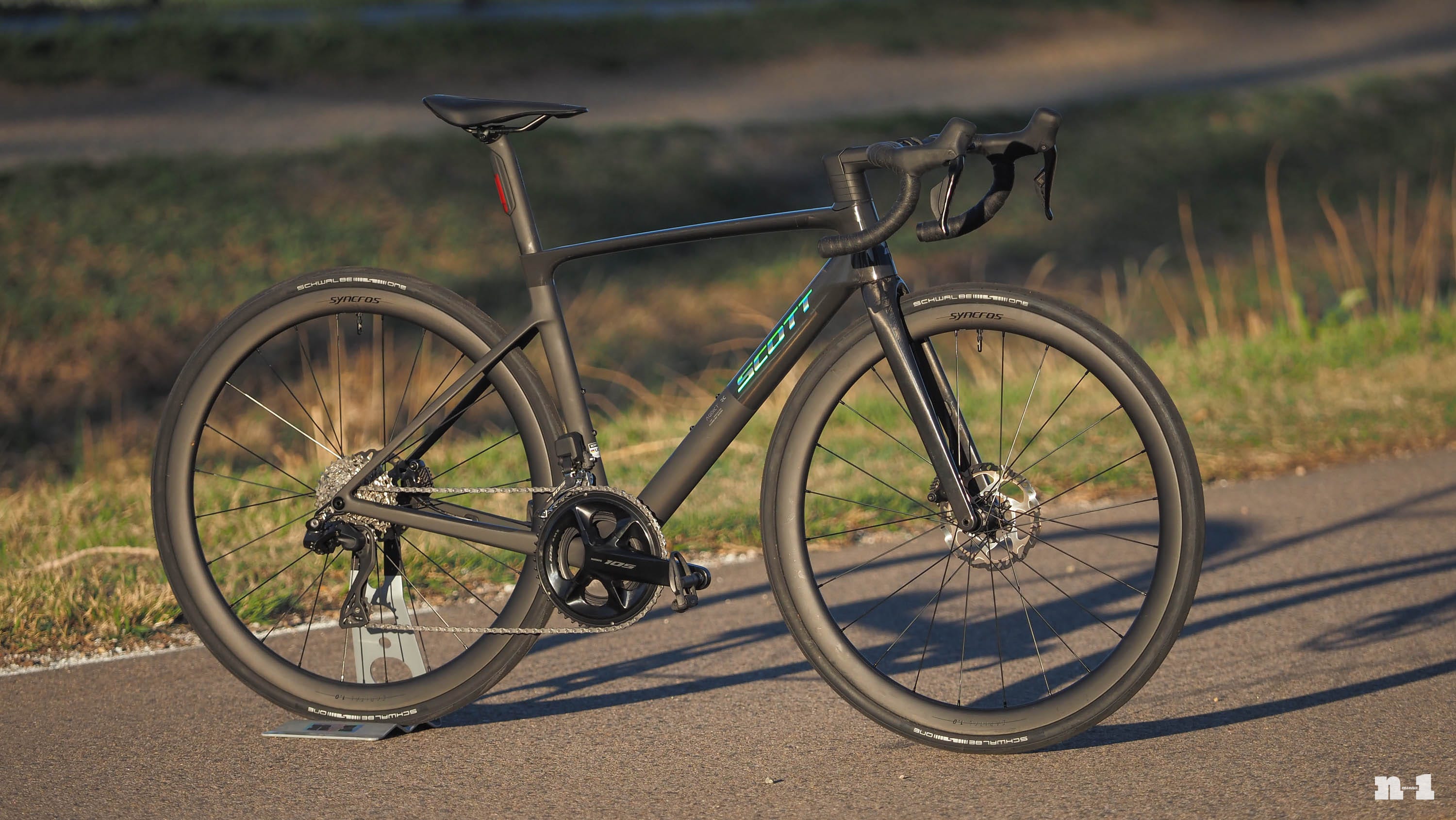
All-rounder road bikes are sometimes portrayed as hamstrung compromises, heavier than true ultralight climbing bikes and less adept at cutting through the wind than pure aero road racers in their pursuit of being the only bike you need for paved roads. And indeed, in this age of hyper-optimized everything, a Jack-of-all-trades can easily come across like you’re leaving something on the table.
But what if that all-rounder road bike is just really, really good?
After more than a year on Scott’s latest Addict RC, that’s pretty much what I’ve concluded. Sure, there are a handful of niggle and quirks, but by and large, this is one hell of a fine machine.
Pros: Surprisingly comfy ride quality, quick and snappy under power, aero enough for most, great handling, tidy aesthetics, lower-and-midrange models offer decent value.
Cons: Silly proprietary steerer tube diameter, non-UDH dropouts, non-removable front derailleur tab, tire clearance isn’t as good as you might be expecting, no easy Garmin Varia option for the integrated light mount, “unified” T25 hardware isn’t really fully unified.
The takeaway: A fine example of all-around excellence.
Every legacy bike brand has its iconic nameplate that arguably defines its identity in the performance road space, much like the 911 does for Porsche in the automotive world. Specialized has the Tarmac, and Trek has the Madone. Cannondale and Giant? Definitely the SuperSix Evo and TCR.
For Scott, that bike is unquestionably the Addict RC.
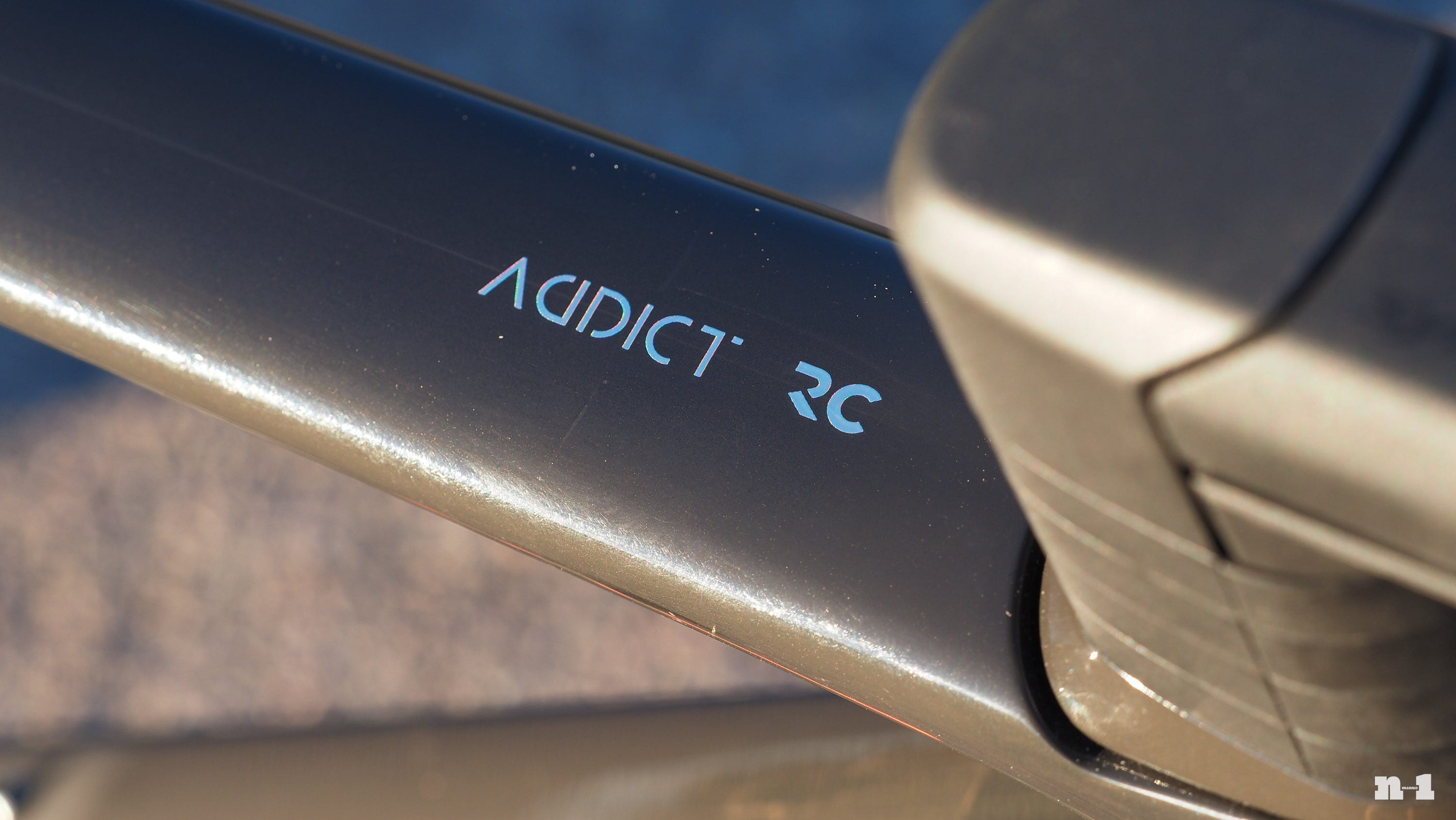
It’s been almost two decades since Scott introduced the first-generation version, which arguably sparked the weight-weenie arms race with its then-ultralight 780 g frame and similarly remarkable chassis stiffness (though with a ride quality to match that I can attest to firsthand). Subsequent iterations have tempered that singleminded approach, steadily incorporating more liberal doses of aero-inspired tube shaping to expand their performance envelopes beyond just going fast uphill.
Low weight has remained the Addict RC’s raison d’être first and foremost, and Scott continues to up the ante with this latest fifth-gen model. Scott claims the flagship Addict RC HMX-SL version tips the scales at a staggeringly light 599 g for a bare medium frame without paint or hardware, while the matching fork adds just 270 g. Perhaps even more impressive is that the second-tier Addict RC HMX version undercuts the HMX-SL variant by about 30% in terms of price, but yet is only being about 75 g heavier for the frame and fork.
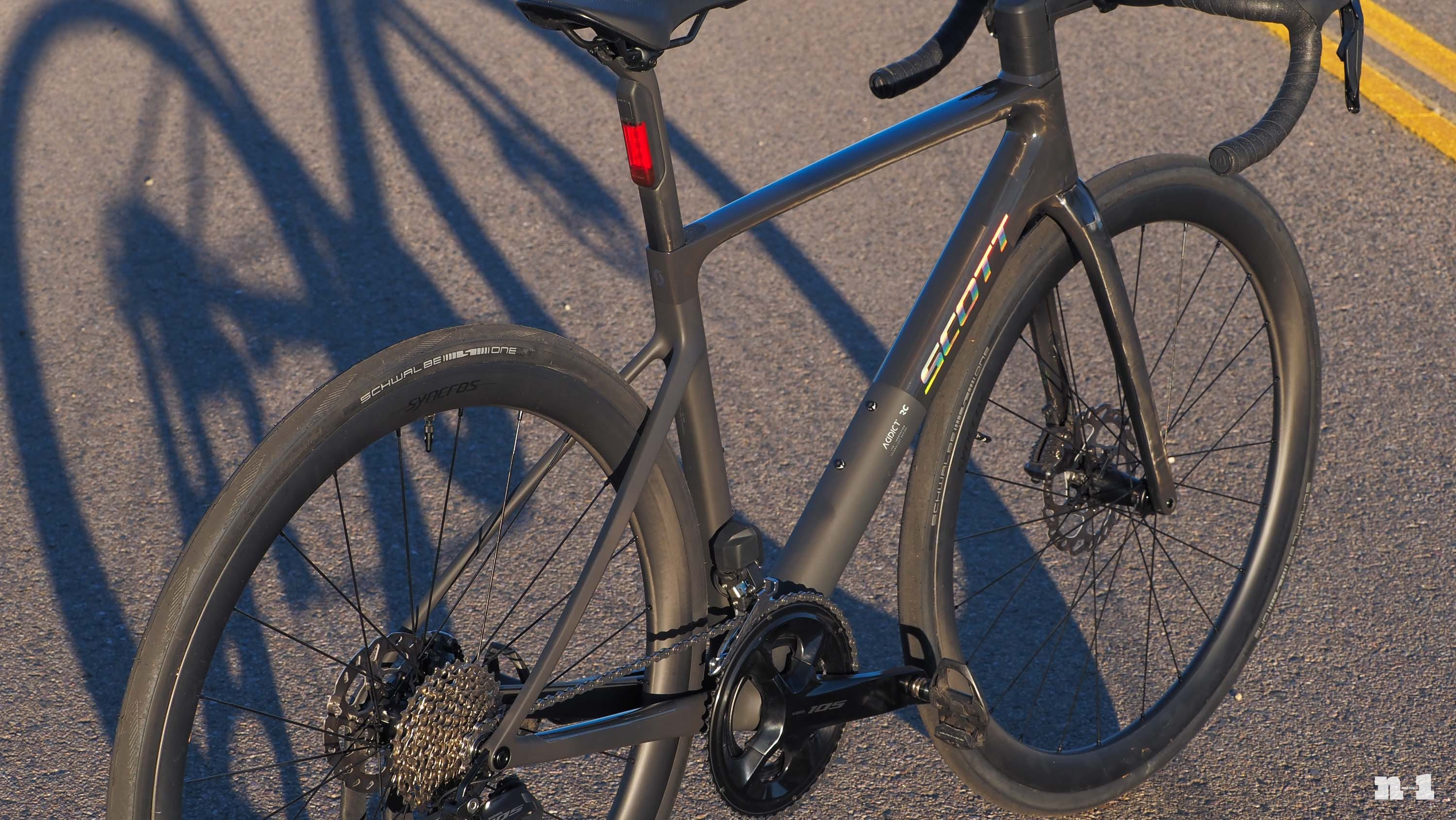
Overall, Scott says the complete “frame kit” is about 300 g lighter than the outgoing Addict RC, some of which was achieved through a systematic whittling-down of associated components, such as the redesigned one-piece integrated carbon fiber cockpit on upper-end models (-47 g, depending on size), headset compression plug (-8 g), upper headset (-12 g), and rear derailleur hanger (-1 g).
Even so, about two-thirds of the total decrease can still be sourced directly to the frame and fork itself, which Scott attributes largely to Addict RC’s new construction method.
With few exceptions, modern carbon fiber road frames are molded as several individual components that are then bonded together (typically with additional layers wrapped around the joints). There are four of those subassemblies in the case of the new Addict RC, each of which features its own semi-rigid and near-net-shaped inflatable internal mandrel. According to Scott, this allows for denser and thinner tube walls (as low as 0.6 mm), less excess material, and more consistent internal finishes than its previous processes, all without having to resort to exotic fiber blends that often sacrifice impact durability in trade for weight savings.
Scott also says the chassis stiffness is virtually unchanged despite the big weight loss, there’s supposedly a 12-watt gain in aerodynamic efficiency relative to the old Addict RC (putting it roughly on-par with the company’s previous-generation Foil RC), and the new bike is even “36% more comfortable” than before. Tire clearance has increased as you’d expect, with both ends accommodating tires up to 34 mm-wide (more on this in a bit), and stock bikes fitted with 30 mm treads instead of the 28 mm ones featured on the older model.
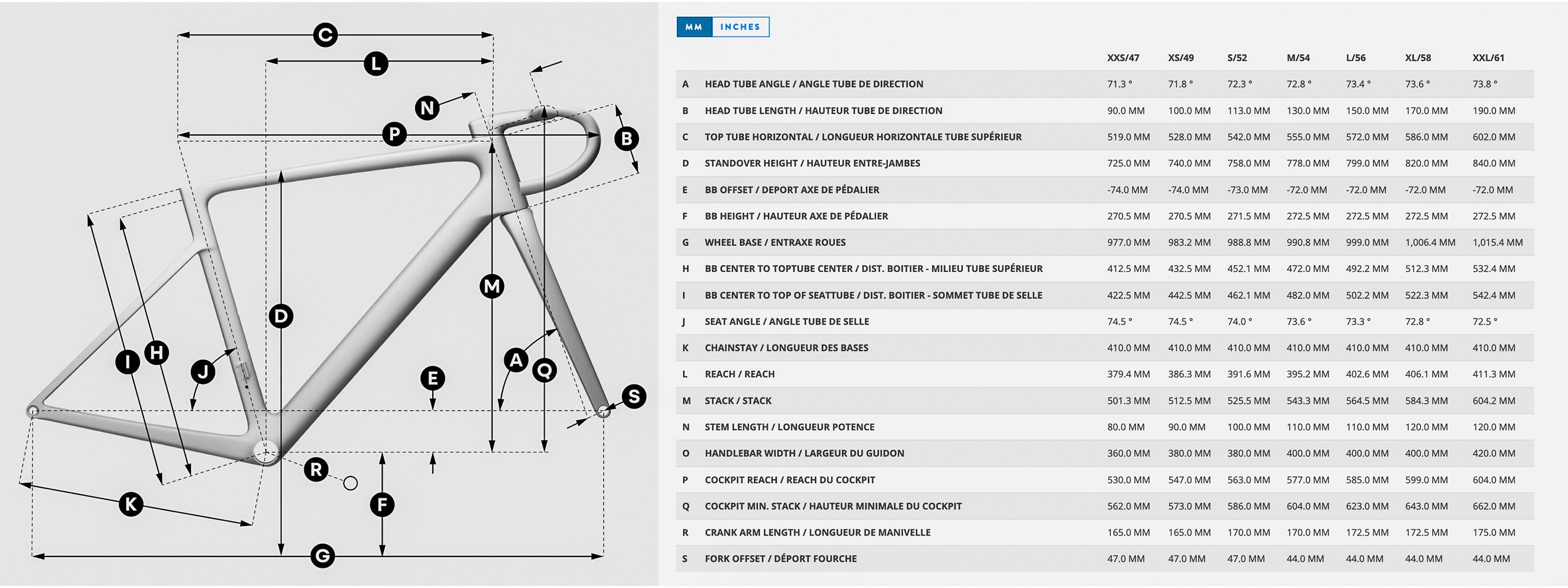
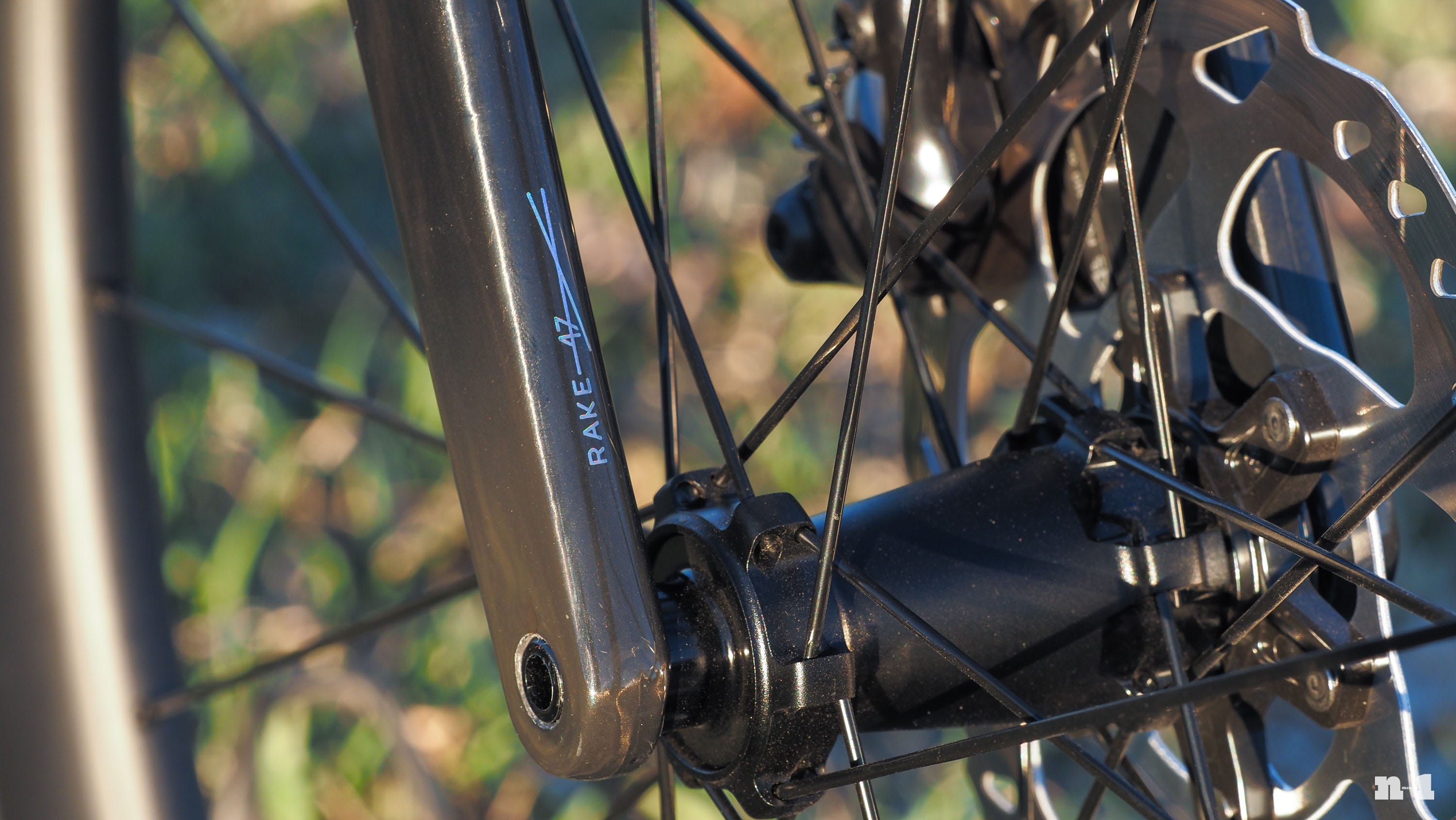
Frame geometry has been slightly tweaked to accommodate the wider tires with more bottom bracket drop to maintain a similar overall center of gravity, steeper head tube angles to counteract the larger overall wheel-and-tire diameters, and slightly longer reach dimensions on smaller sizes (coupled with size-specific fork rakes) to minimize toe overlap. And since Scott split the Addict family into endurance and racing-oriented versions a few years ago, the more competition-focused Addict RC is still very much intended to be an aggressive machine overall with a long-and-low rider position and agile handling.
Scott is offering the new Addict RC in up to five models depending on region, with prices starting at US$5,000 / £4,900 / €5,000, and topping out at US$12,000 / £12,800 / €13,000 / AU$18,000 (the Addict RC 30 isn’t available in Australia). Both framesets are also available with asking prices of US$3,500 / £3,450 / €3,500 / AU$4,500 for the Addict RC HMX or US$5,000 / £4,900 / €5,000 / AU$6,000 for the Addict RC HMX-SL.
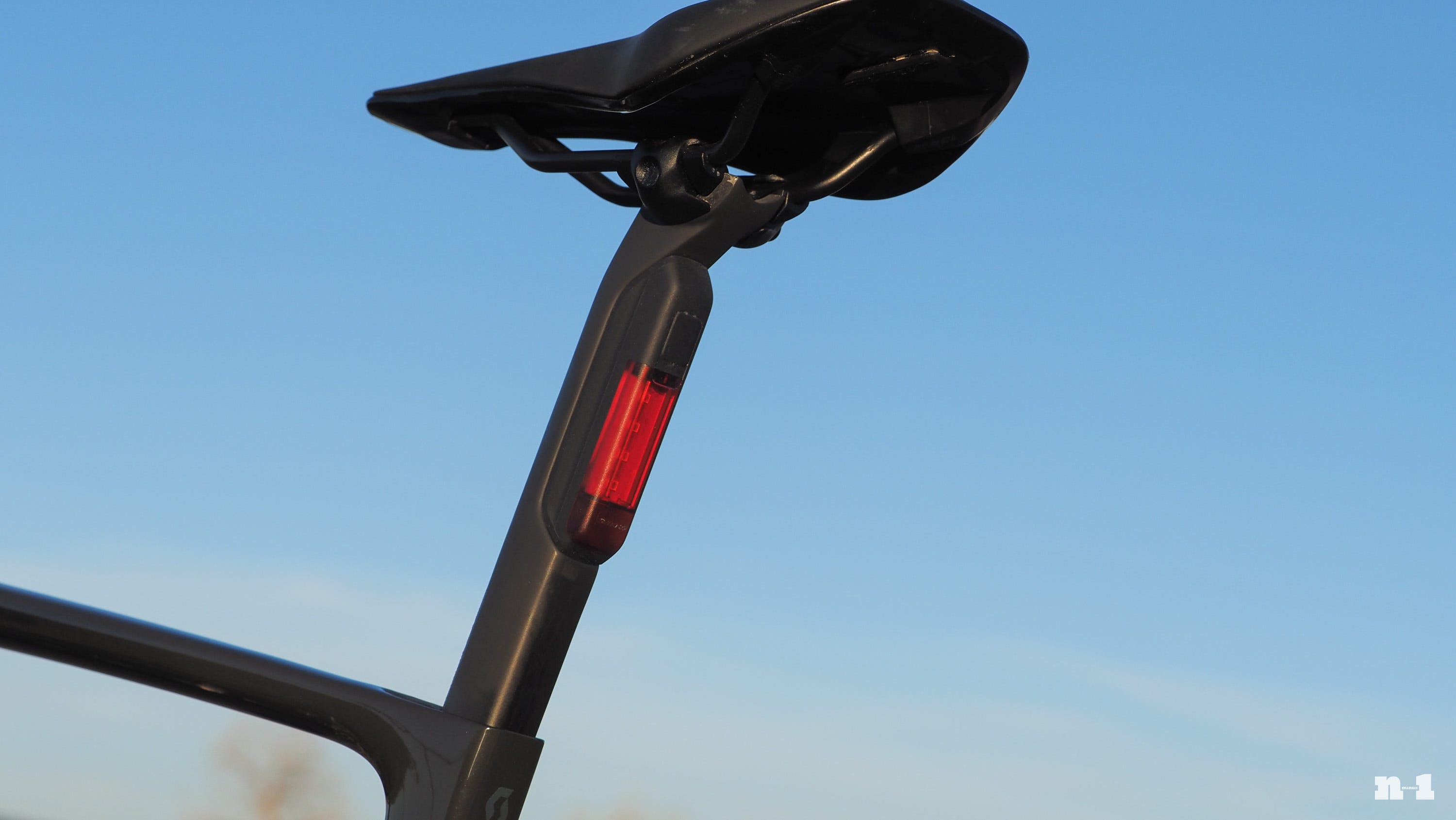
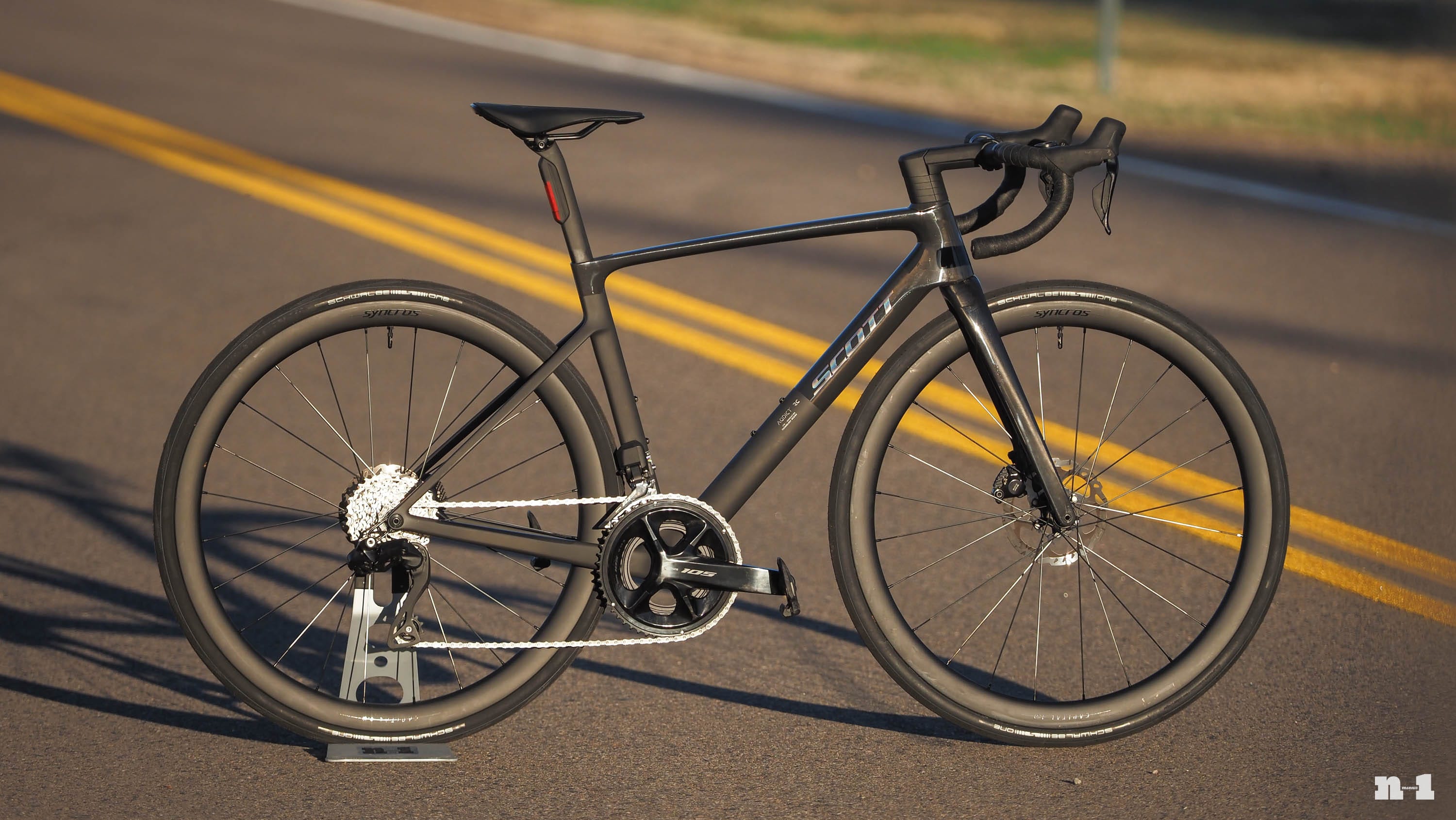
Since the vast majority of bike reviews look at flagship models, I decided to take the opposite approach here. I requested the entry-level Addict RC 30, built around the second-tier HMX frameset instead of the fancier HMX-SL version, and equipped with a more modest Shimano 105 Di2 wireless electronic groupset, a two-piece aluminum cockpit, 40 mm-deep Syncros Capital 1.0 carbon wheels built with conventional bladed stainless steel spokes and aluminum hubs, and a more comfort-oriented aero carbon fiber seatpost with an integrated light mount.
As you’d expect, it’s heavier than the halo Addict RC Ultimate model, and not by a small margin. Claimed weight for that one is just 6.1 kg (13.45 lb) – presumably for a medium – whereas the Addict RC 30’s official figure is decidedly less impressive at 7.7 kg (16.98 lb). Those claims seem pretty accurate, too, given my small-sized sample comes in at 7.58 kg (16.71 lb), set up tubeless, but without pedals or accessories.
Indeed, that makes the Addict RC 30 more than a kilo-and-a-half heavier than the flagship version. But let’s be real for a second: that’s still plenty light for an “entry-level” model, and the retail price of the Addict RC 30 also happens to be less than 40% that of the Addict RC Ultimate. Granted, five grand is still a hefty chunk of change when you consider what’s available from the growing number of Chinese brands, but as far as mainstream legacy brands go, it’s a pretty decent value.
For those of you who have been reading my bike reviews here over the past few months, this is the part where I relay if the flat-mount brake caliper mounts are – or are not – in alignment, using my trusty VAR facing tool.
But alas, I’ve had this Addict RC for so long that it arrived well before I bought the tool, and unfortunately, I completely forgot to check the mounts before sending the bike back. So aside from reporting that I had no issues adjusting the brakes so the pads wouldn’t rub, I’m ashamed to admit that I have nothing more to add.
In other words, I’ve failed miserably here. Commence the self-imposed Haribo embargo as a punishment in 3, 2, 1…
Alright, let’s get into the meat of things here: how’s the Scott Addict RC 30 perform out on the road? In short, pretty brilliantly, and I don’t use those words lightly.
As you’d expect, climbing on the Addict RC 30 is positively blissful. The lower-end build obviously means it’s not quite as feathery as Scott’s upper-end Addict RC models, but as I mentioned earlier, it’s still hardly heavy, and the fantastic climbing performance is a strong testament to the inherent goodness of the chassis, more affordable build or not.
Just as important as the bike’s physical showing on the scale, I think Scott has done a great job of balancing the stiffness-to-springiness ratio. It’d be easy to assume that when it comes to drivetrain efficiency, stiffer is always better. However, bike brands discovered several years ago that a bike can actually be too stiff, and Scott has exercised some admirable restraint here. The Addict RC 30 certainly comes across as quick and efficient when charging uphill, but it also just feels gloriously lively with just the right amount of flex when cranking up a steep pitch or when giving it the beans in general – especially so when out of the saddle. In fact, I’d probably go so far as to say it’s one of the most engaging road bikes I’ve ridden in recent memory in that respect, which is particularly impressive from a mainstream brand.
That praise doesn’t just apply when gaining altitude, either.
While the chassis’ rigidity and liveliness pay dividends any time you’re on the gas, its surprising ride comfort is evident any time you’re rolling along on it, period. With the stock tires inflated to my usual pressures, the Addict RC 30 is downright supple. Broken pavement and potholes produce little more than muted thuds through the bars and saddle, while better-maintained surfaces come off as buttery smooth.
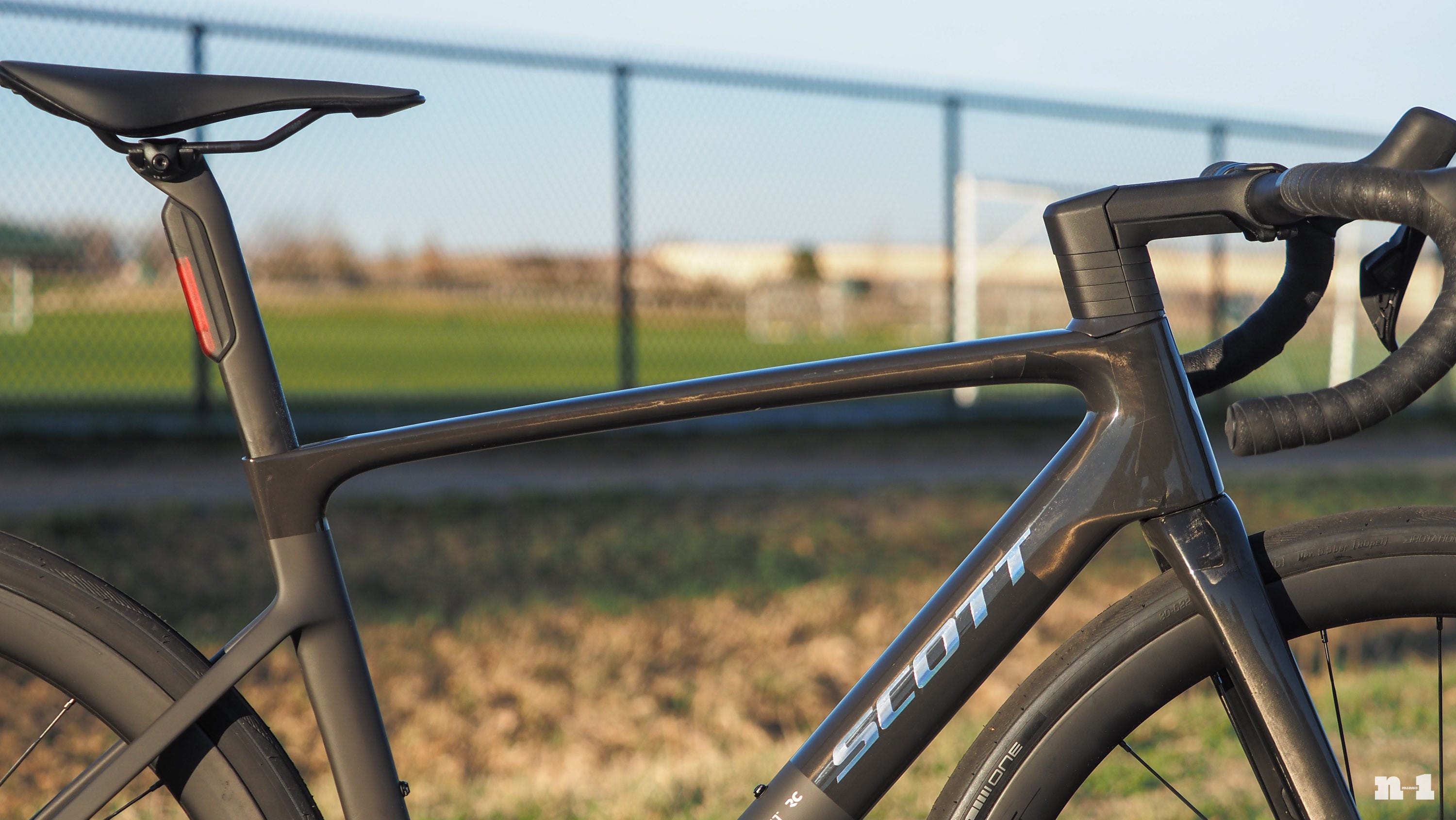
While I unfortunately wasn’t able to parse how much that flex-tuned seatpost was contributing to the grand total, I can at least confirm that the cushiness wasn’t coming solely from the higher-volume tires. Even when intentionally running well above my usual preferred pressures or swapping to narrower tires with deeper rims, the Addict RC still rides pretty well. Moreover, I found it encouraging that the ride quality was pleasantly balanced instead of being dramatically different between the front and rear ends, as is often the case on bikes that only have comfort-minded features out back. If you’re looking for a direct point of comparision, I’d put the ride quality of the Addict RC roughly on par with a Specialized S-Works Aethos, one of my high water marks for how I want a road bike to feel.
Handling is another strong suit. Just as you’d hope with a bike like this, steering is quick and nimble, with a general lightness when turning the bars. The front end initiates turns intuitively with just a hint of lean and minimal countersteer required, and it’s easy to adjust your line mid-corner as needed in the event of an unexpected pothole. Those slight adjustments Scott made to the frame geometry relative to earlier Addict RC models seem to have done the trick, too, as it also feels confidently stable when fully tucked on fast downhills, and while there’s still toe overlap on my small-sized tester, it’s not an egregious amount.
All of these traits obviously make the the Addict RC a super pleasant bike to ride, but is it as aero as Scott says it is? To recap, Scott claims the new Addict RC saves 12 watts of effort as compared to its predecessor, putting it about on level footing with the company’s previous-generation full-on aero road racer, the Foil RC. I didn’t have a previous-gen Foil RC to compare against, though I’m not sure it would have mattered since those sorts of claims are often so conditional. Either way, that 12-watt figure is almost certainly tied to the flagship Addict RC Ultimate model, not this more attainable Addict RC 30 with its less-aggressive wheelset and chunkier two-piece cockpit.
What I can confirm is that on the road, the Addict RC 30 doesn’t offer quite the same raw sensation of speed that you get from a modern all-out aero machine; it’s easier to hit higher velocities – and hold them – than a non-aero bike, but it still feels like there’s something left on the table. Swapping wheels helps, but unless you were to splurge on something relatively exotic that manages to eke out those aero gains while still staying light, some of that magical ride quality and fleetness ends up getting lost in the process.
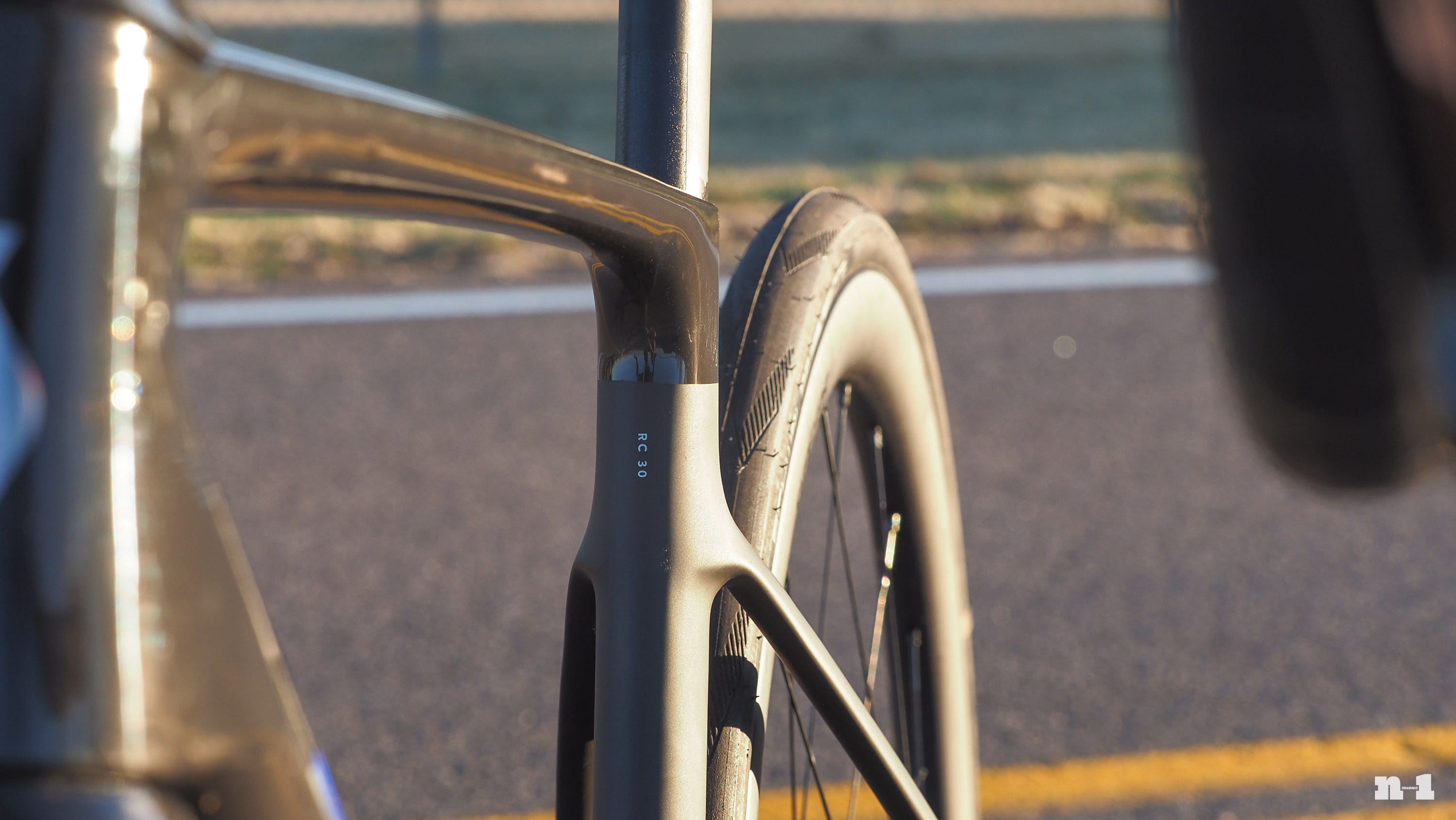
Point being, the Addict RC 30 might not be the bike you want if you’re chasing criterium podiums or you’re that rider that likes to attack the field off the front into the wind – at least as it comes out of the box. But boy, is it an absolute gem if all you want to do is cover a big day of varied terrain at speed.
As impressive as the Addict RC 30 is, it’s easy to overlook some of its downsides
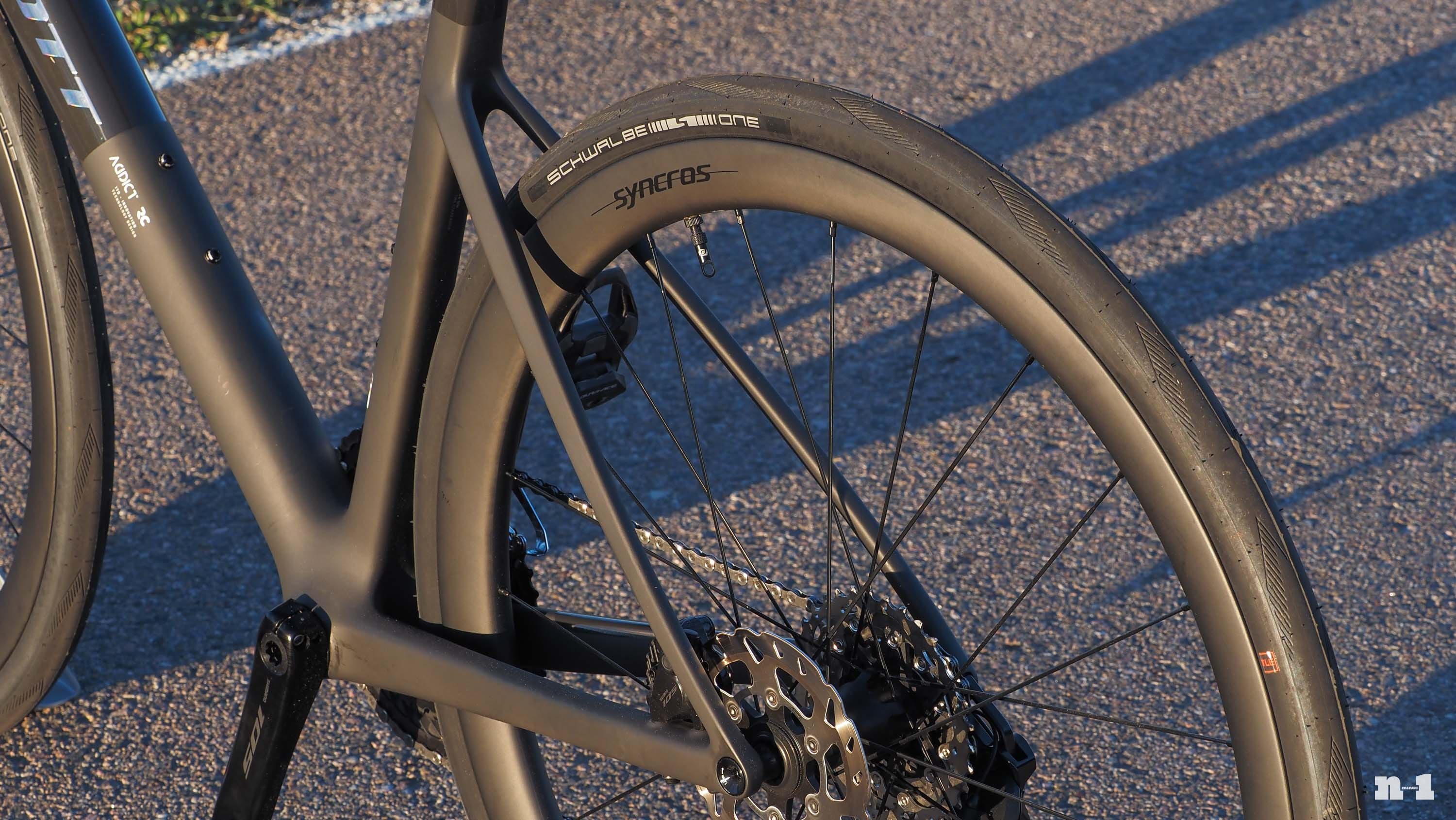
Scott’s 34 mm claimed allowable tire size holds true, with the ISO-mandated 4 mm of clearance at the chainstays when you max things out (there’s a more generous 9 mm of space at the seatstays, and 10 mm at the fork crown by my measurements). However, the stock “30 mm” Schwalbes already have an actual width just over 33 mm when mounted on those Syncros rims, meaning you’re pretty much already maxed out for how big you can go straight out of the box. That’s not necessarily a problem in and of itself, but it’s worth noting if you’re thinking of buying an Addict RC with the idea that you can upsize later for even more traction and comfort, because that unfortunately just won’t be an option.
Comments
Nothing yet. Say the first thing.
Sign in to join the conversation.