
Last week was all about preparation. Tying up loose ends, making lists, dropping the menagerie at their various holiday destinations and convincing myself that everything back at the studio would survive without me.
This week we’re loading up the cars and heading to the Karoo to install our long awaited Wool World: Karoo Kraal, our latest co-curated exhibition with Viviers at the Karoo Winter Wool Festival.
Most people would probably assume the work begins when we arrive.
It doesn’t. It begins with an open suitcase.
Packing used to be my least favourite task. You would think that with all my work travels, I would have it waxed but I think my dislike for packing came from moving a lot when I was growing up. I often felt nomadic, living out of a suitcase with only the essentials and needing to be ready to relocate at any given moment. As I grew older and more settled, I started to overthink the process and ended up doing the opposite - packing everything and the kitchen sink.
These days I try to approach it as a design act because packing isn’t really about clothes, it’s about anticipation.
Before the exhibition, before the conversations, before the long journey and the early mornings, there is a ritual. Laying everything out. Editing. Rearranging. Deciding what deserves to come with you and what can stay behind.
Curiously, it feels remarkably similar to curating an exhibition. Neither is really about choosing the best objects, instead both are about creating relationships between them.
Every item has to earn its place, so that the suitcase becomes less of a collection and more of a composition.
Perhaps that’s why I enjoy packing more now than I should.
So this week I’m laying out the laundry - my packing list. What I’m selecting, editing and probably overthinking.
I’ve learned that shoes determine possibility.
You can’t pay attention if your feet hurt.
A good field trip requires movement and a lot of it. Long walks through shearing sheds, hours of standing and climbing ladders, during installations. Wandering through fields, climbing over fences to get a better photograph and long late evenings around a fire.
The shoes, I’ve learned the hard way, aren’t an afterthought.
They’re the foundation. They’re what grounds you - literally.
My packing philosophy is wonderfully uncomplicated: one pair for walking, one pair for working and one pair that reminds you civilisation still exists.
Everything else can be negotiated around them.
I love dressing for a place. Just like design, context is everything.
Every landscape seems to have its own colour language, and part of travelling well is learning how to listen to it.
The Karoo is a landscape that one can’t compete with - it requires you to respond sensibly and intuitively.
Its palette speaks of softened whites, weathered metals, dry timber, long grasses, charcoal, stone and undyed wool.
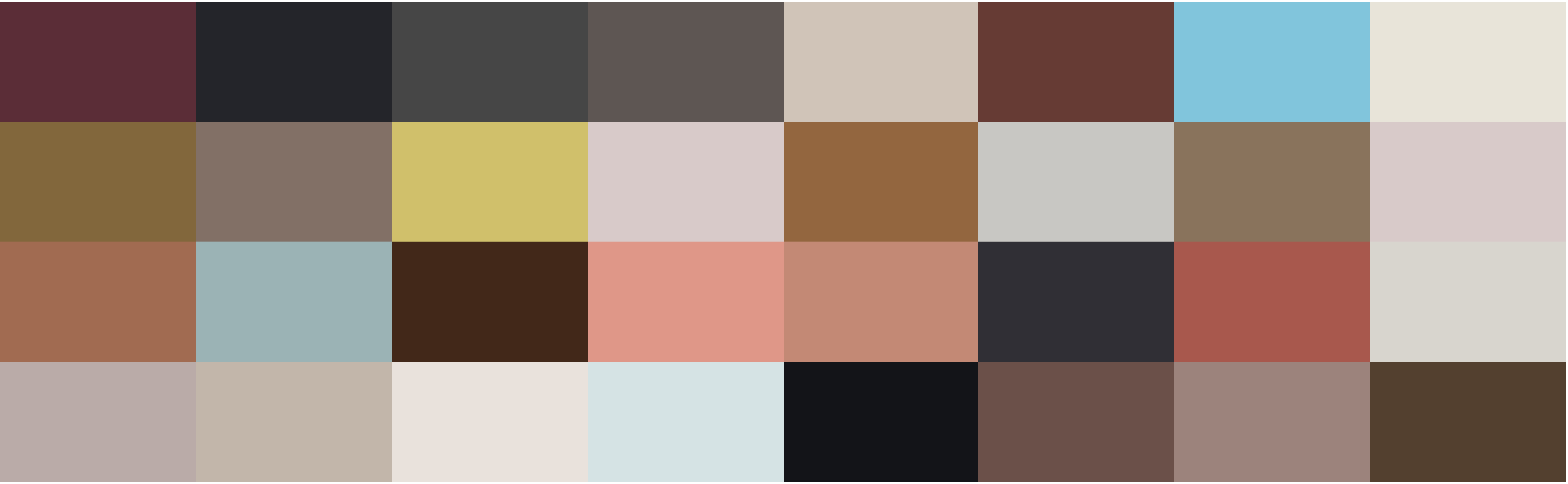
I pack for the palette. My suitcase often resembles a paint chart before it resembles a wardrobe. Not because I want to disappear into the landscape, but because I want to feel connected to it. Clothes become another way of entering into conversation with a place rather than simply moving through it.
I never pack a completely full suitcase.
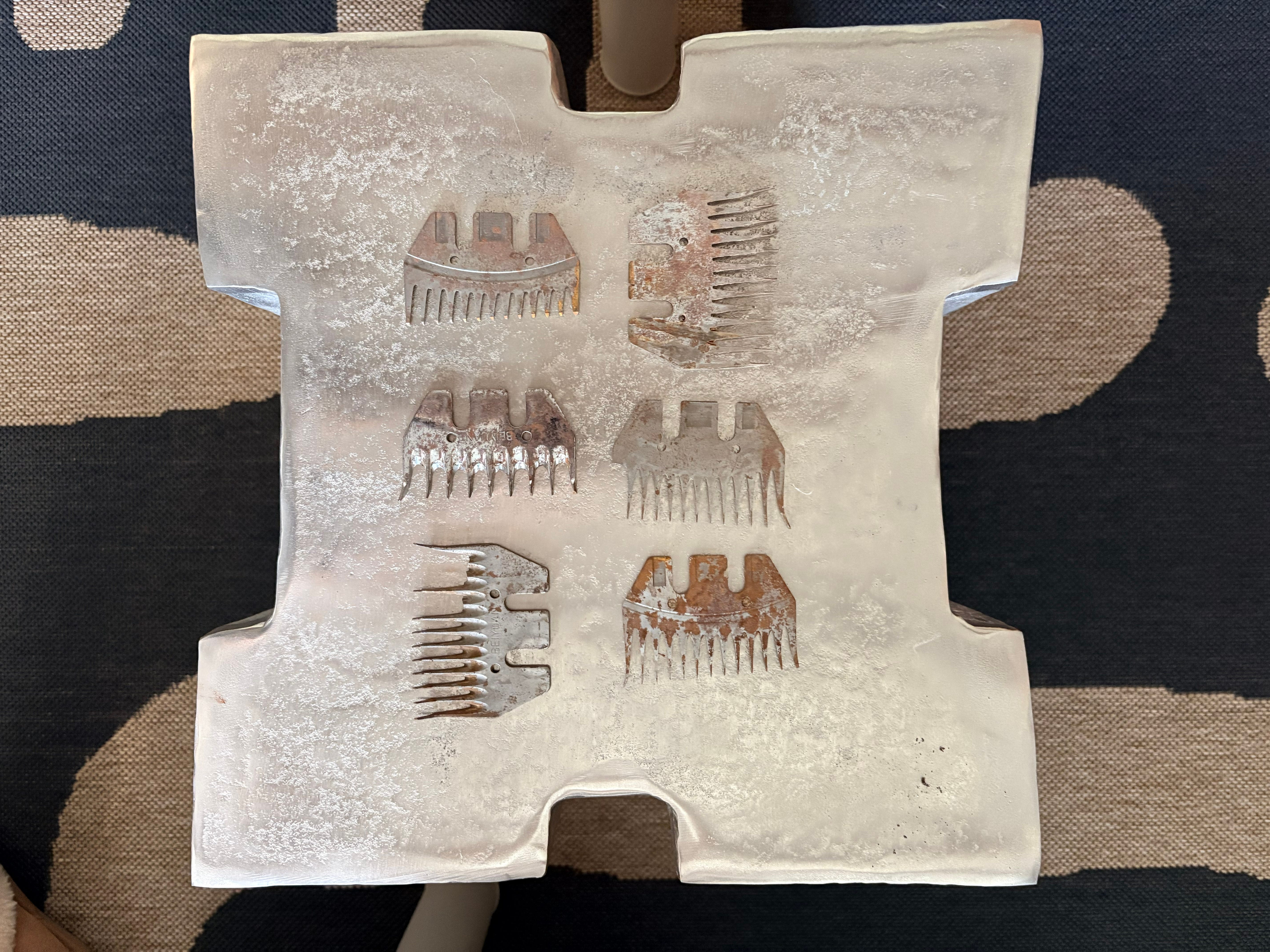
Not because I’m efficient - actually quite the opposite. It’s because one always needs to leave room for curiosity. I’m a collector at heart so I’m always going to return with something from the field.
Last year it was the most animated metal sheep shearing combs found in the sheep shed on the Dwarslvei farm in the Karoo.
A few wardrobe additions: a sheep skin gilet from Karoo Baba, the warmest cardigan from Helderstroom Alpaca, a robe from Tosca Lazard Woven Waste along with the most stylish fingerless gloves from Luminousware.
A few artworks from our Wool World exhibition too: a tall fibre art and hand felted botanical tapestry from Nina Kruger, a modernist ‘textile field’ from Leila Atelier, a wool tapestry from Coral and Hive and a striking felted throw from Stephanie Bentum Textiles.
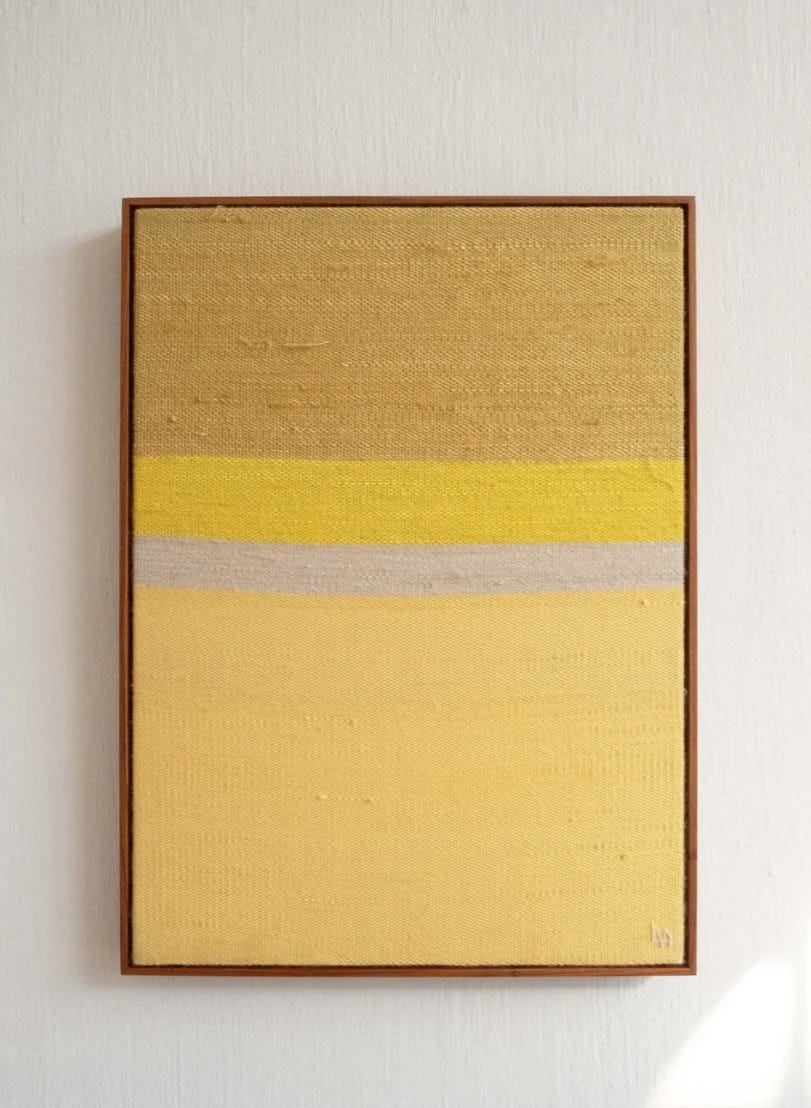
There’s always a found object or artwork that somehow insists on coming home.
The best exhibitions always leave room for surprise.
Travel should too.
Every project seems to accumulate its own collection of essentials.
I love a list.
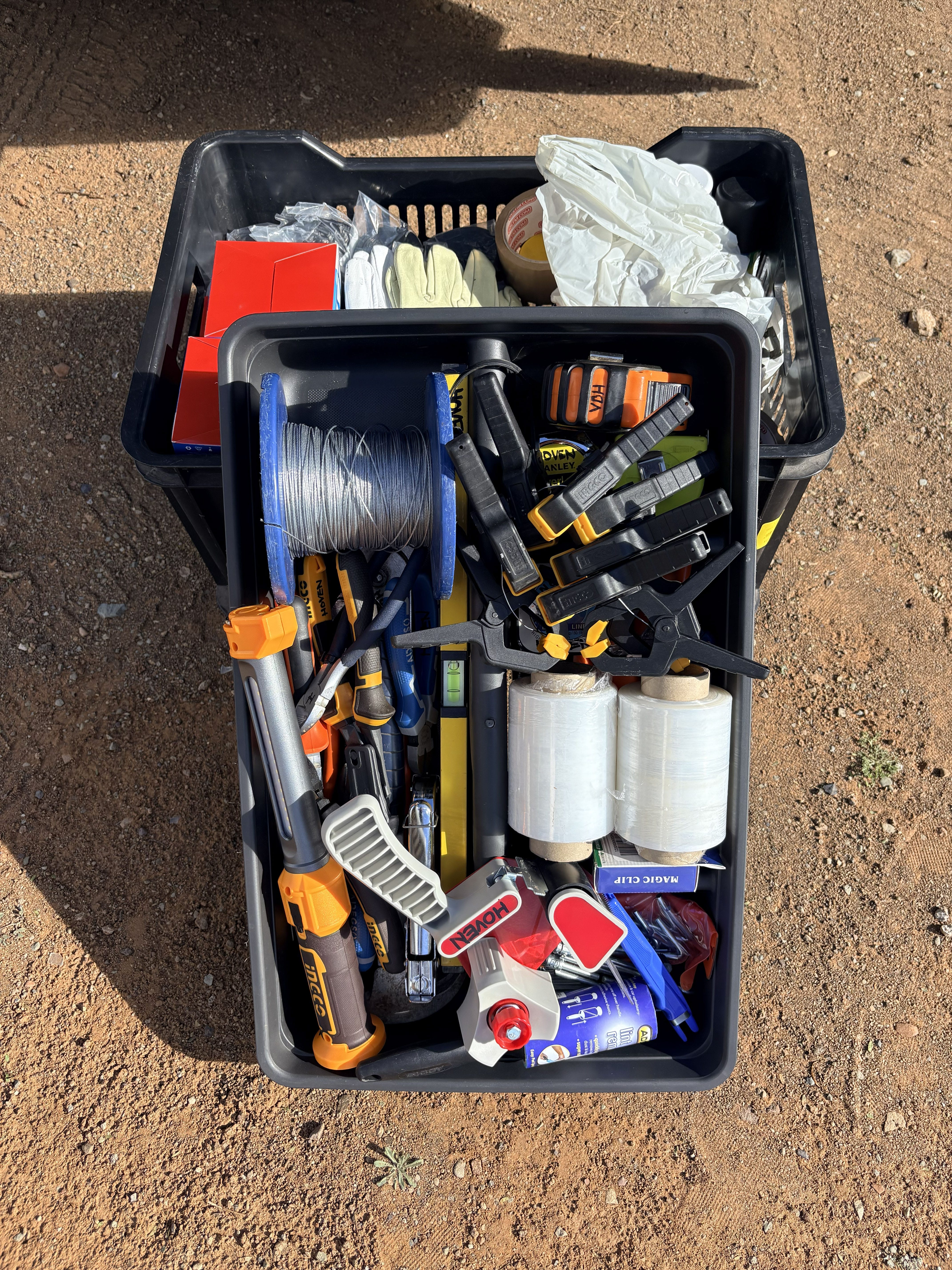
There’s the toolbox list. The grocery list. The exhibition list. And, perhaps the one I play with the most, the wardrobe list.
The field kit rarely changes: a notebook, my Lamy pen, digital measuring tape, laptop, scissors, duct tape, torch, portable charger, hat, lip balm, hand cream, warm socks and, inevitably, a stash of chewy sweets.
They’re wonderfully ordinary objects until the exact moment they become indispensable.
The wardrobe list follows a slightly stranger logic.
I don’t start with clothes.
I start with the landscape.
Before I decide what to pack, I try to imagine myself stepping into another world. What colours already belong there? What textures echo the place? What will the mornings feel like? Where will the sun sit by afternoon? Will I be kneeling on concrete, climbing into a sheep pen, giving a talk, or sitting around a fire long after sunset?
Only then do I begin assembling looks.
Context first. Layers second. Warmth. Functionality. Practicality.
Style, I’ve realised, is simply another way of paying attention.
Exhibitions don’t begin at their venue.
They begin somewhere between the first coffee stop and the third conversation in the car.
Road trips have their own rhythm. Playlists become part of the project.
This is what keeps bouncing around in my head:
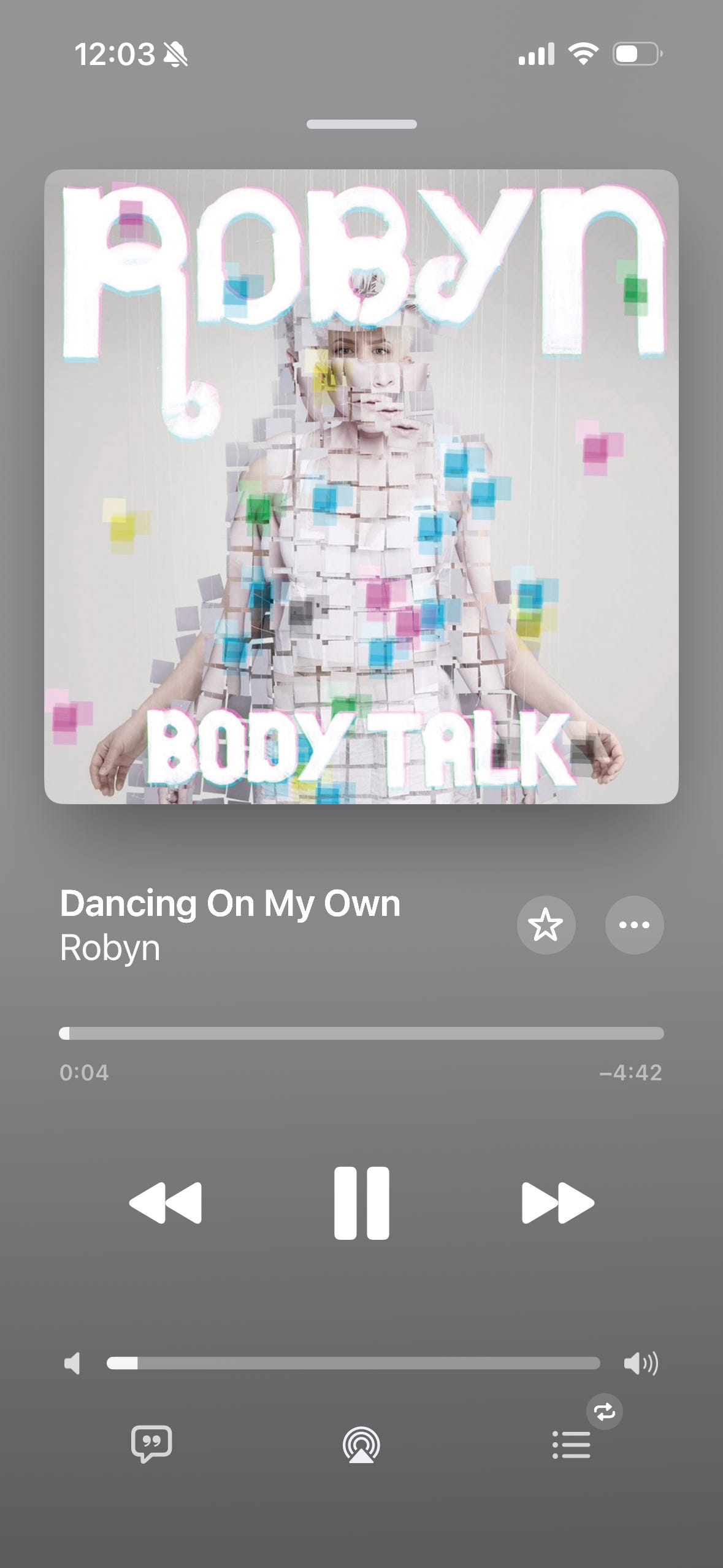
Ideas continue to evolve between fuel stations.
We notice things along the way, sheep, birds, grasslands, long horizons and shifting terrains.
A conversation drifts from wool to architecture to colour and somehow finds its way back again.
By the time we arrive, the exhibition has already begun taking shape.
Not in the conventional sense.
For me, accessories aren’t about finishing an outfit. They’re about carrying pieces of home into unfamiliar places.
I travel often and I love the feeling of arriving somewhere new, but I’ve realised that I love coming home just as much. Home, though, has become less of a place and more of a feeling. Sometimes it’s a person. Sometimes it’s a ritual. Sometimes it’s simply the comfort of familiarity.
The objects I wear become small anchors or portable memories. They remind me where I’ve come from, who I’ve loved and the people who continue to shape the way I see the world.
A vintage silver pocket watch from the early 1900s hangs around my neck. I love its quiet weight, the intricate enamel detailing and, most of all, the hidden compartment behind the watch face where I can keep a photograph close. It feels less like jewellery and more like a tiny archive.
A vintage silver swallow brooch is a keepsake from someone deeply loved and deeply missed. Every time I pin it on, it reminds me that some people continue travelling with us, even after they’re gone.
And then there’s my stamp brooch, designed by the brilliant art jeweller Eric Loubser as part of our Totemic Field series. It reminds me that the best work is rarely made alone. It’s a small tribute to collaboration, shared curiosity and the people who leave their fingerprints on every project.
That’s what accessories really are to me. They’re not embellishments, but rather stories we choose to carry.
The best fieldwork never goes entirely to plan.
The weather changes, something goes missing. You can prepare for almost everything except the thing that becomes the story you’ll tell afterwards.
Try to leave a little room for serendipity, it has never let me down.
I’ve realised that every project is also a collection of people.
Some bring practical solutions. Others bring humour when everything starts unravelling. There are those who notice the details you’ve completely overlooked and those who subtly remind you why you started in the first place.
Like any exhibition, the work isn’t built by individual objects alone. It’s built through relationships. Between artists and their work. Between curators and collaborators. Between conversations had somewhere along the N1 highway over coffee and ‘padkos.’
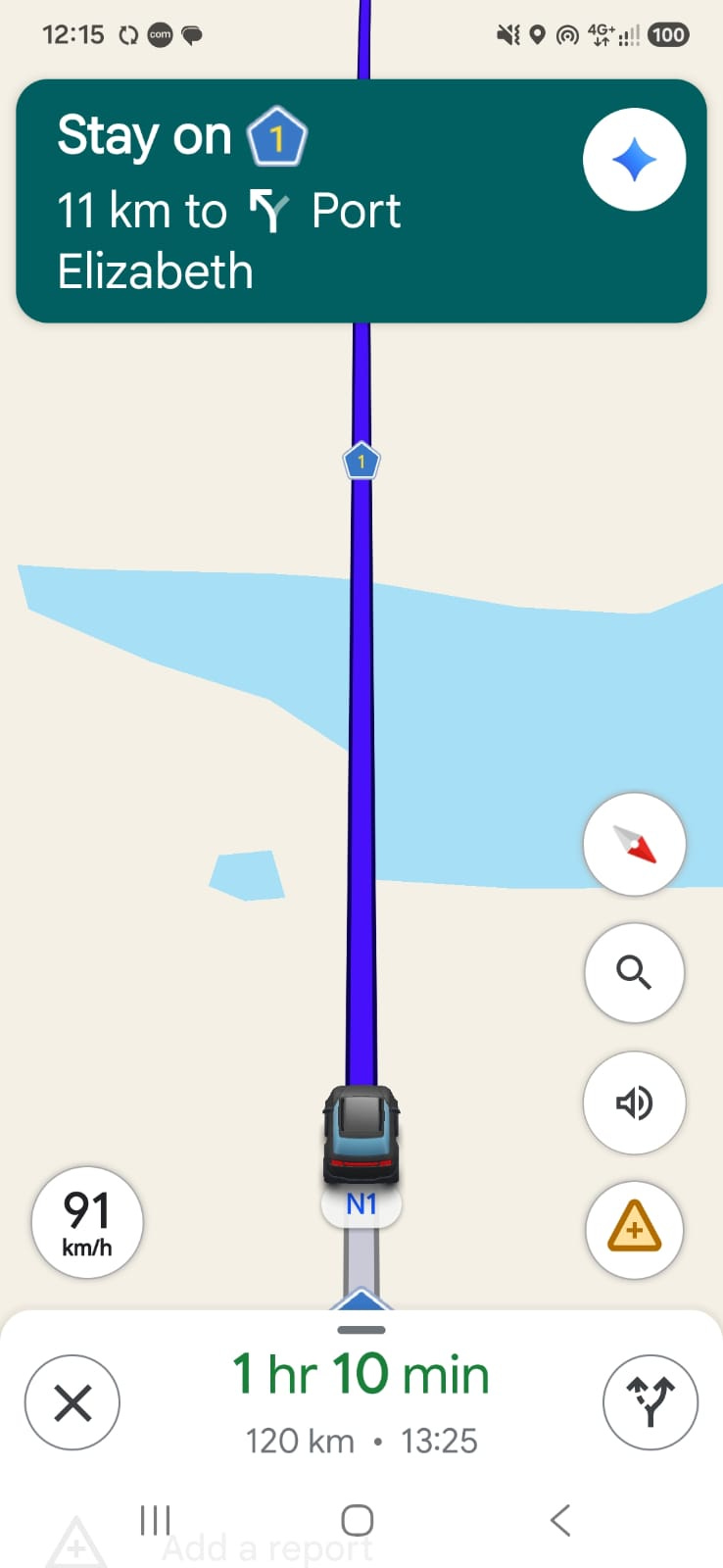
The people you travel with inevitably become part of the work itself.
As I write this, there are piles forming on the floor, boots waiting to be cleaned. A half-filled suitcase lying open.
By tomorrow, everything will have found its place.
These are my rituals of preparation. I need to move through them before every project. They’re as much a part of my creative process as sketching, writing or making.
Every creative has their own version.
Some sharpen pencils. Some make coffee. Some rearrange their desks. Some procrastinate just long enough for the ideas to catch up.
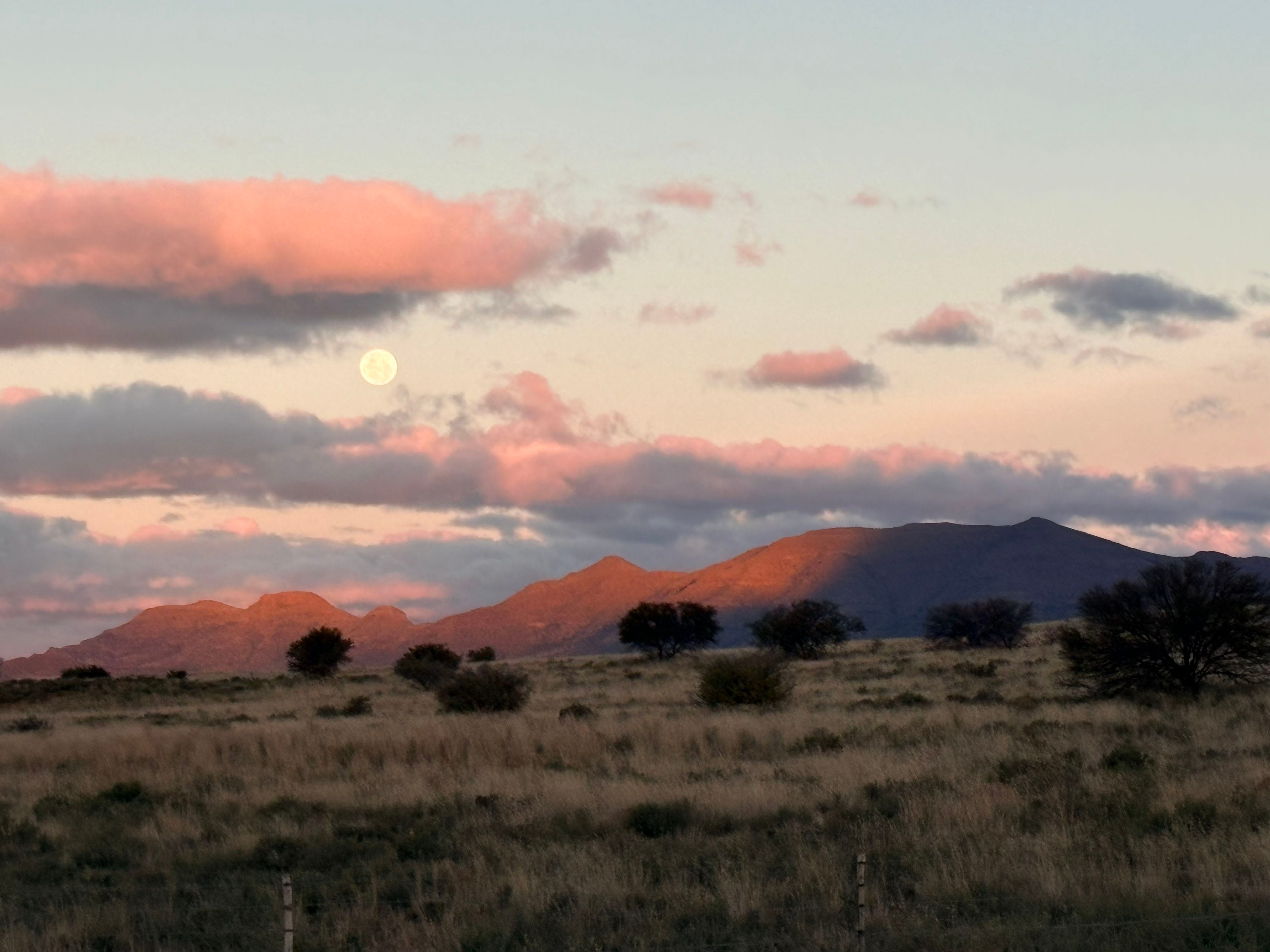
Mine begins with an open suitcase, a journey, an empty shed.
And a wild imagination.
See you next week,
No posts
Comments
Nothing yet. Say the first thing.
Sign in to join the conversation.