
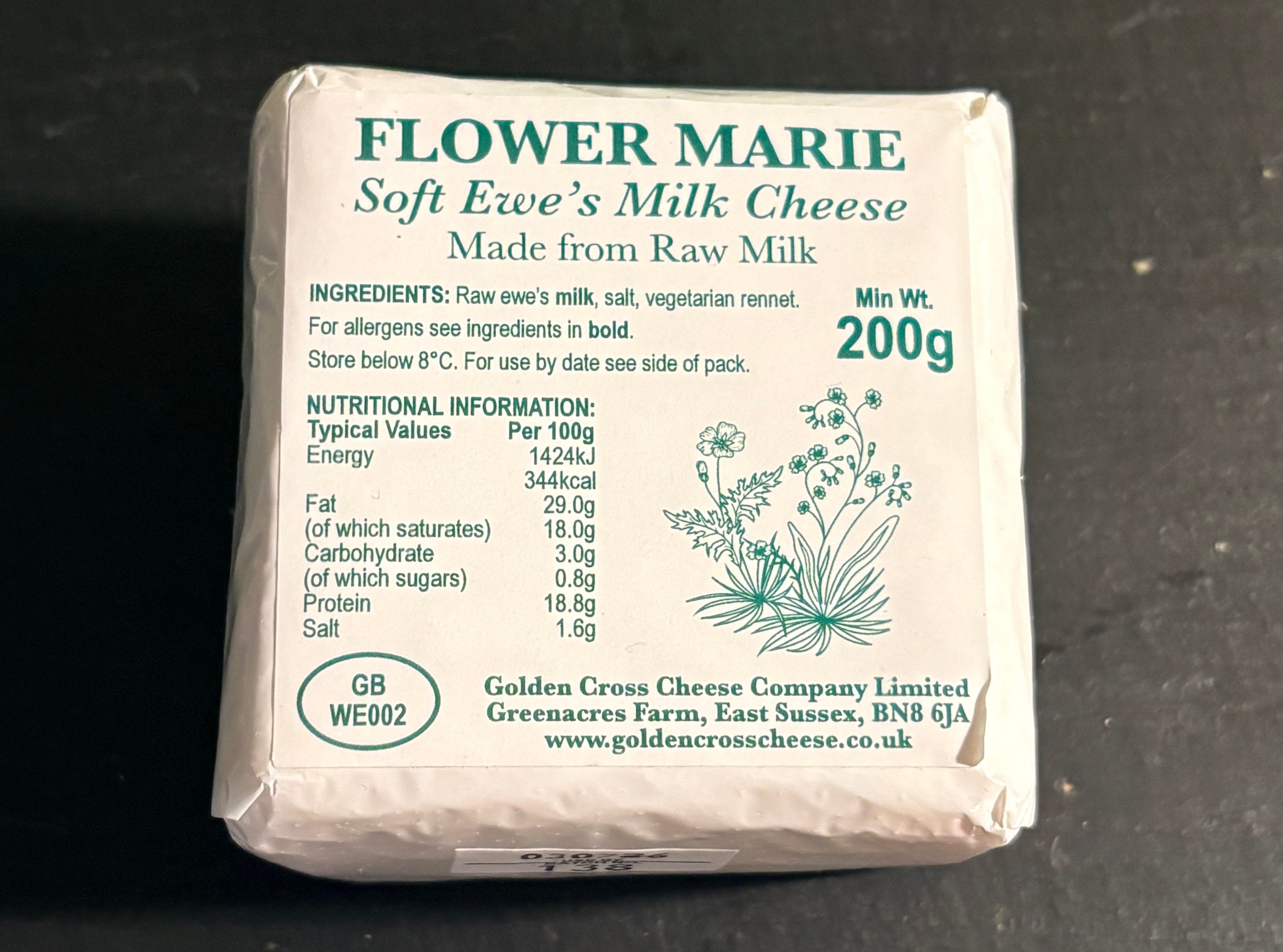
Cheeses are like tunes. You know when you suddenly think ‘I haven’t listened to Rose Rouge by St Germain for ages!’ Then you listen to it again and remember what an absolute banger it is? It’s the same with cheese. The other day I was at the Trethowan Brothers’ stall at Borough Market buying some Gorwydd Caerphilly, when I saw in their chiller cabinet, the distinctive shape of a Flower Marie - a perfect white cube seemingly cut from the centre of a cumulonimbus cloud, and remembered how long it was since I had tasted one.
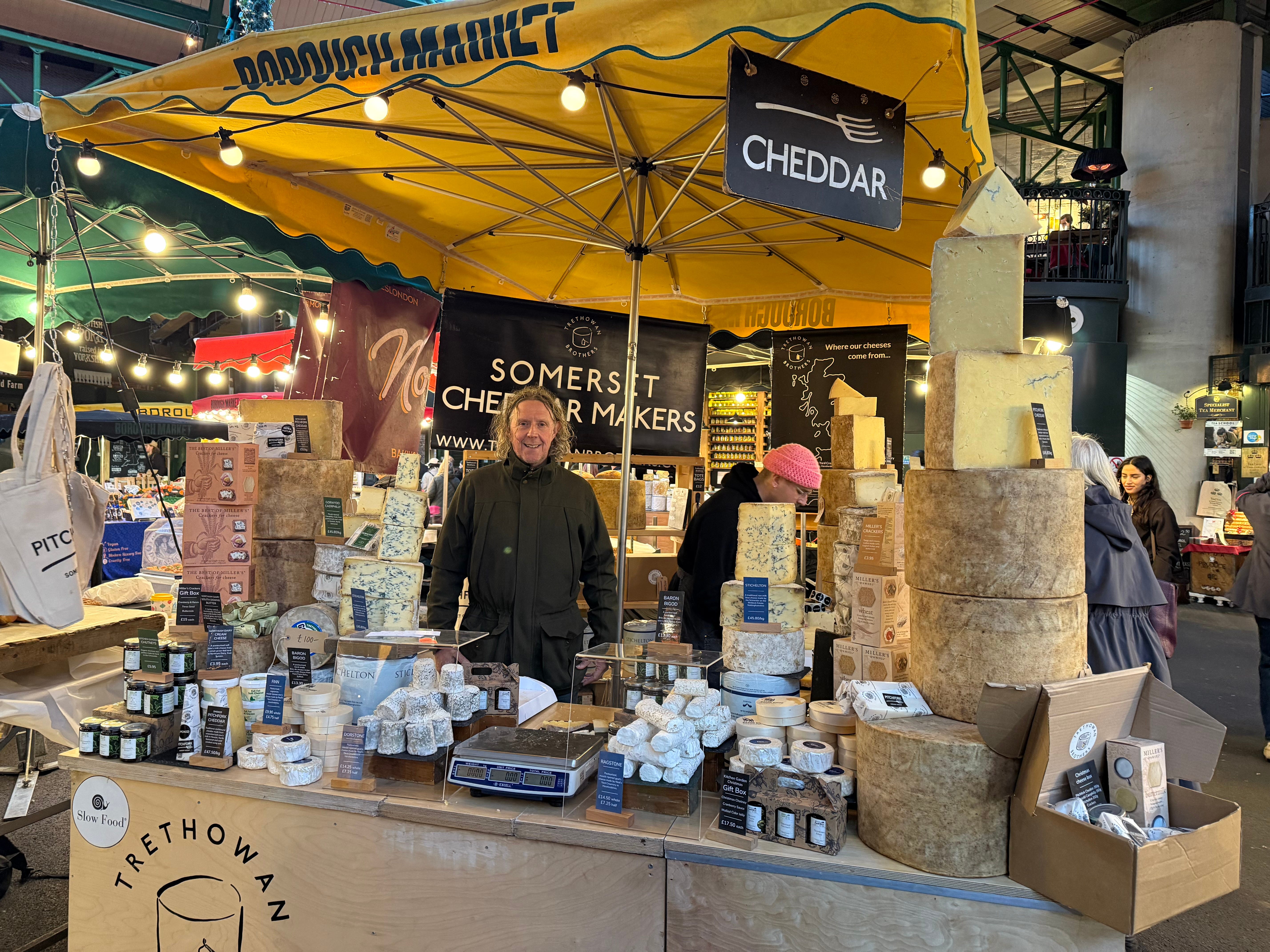
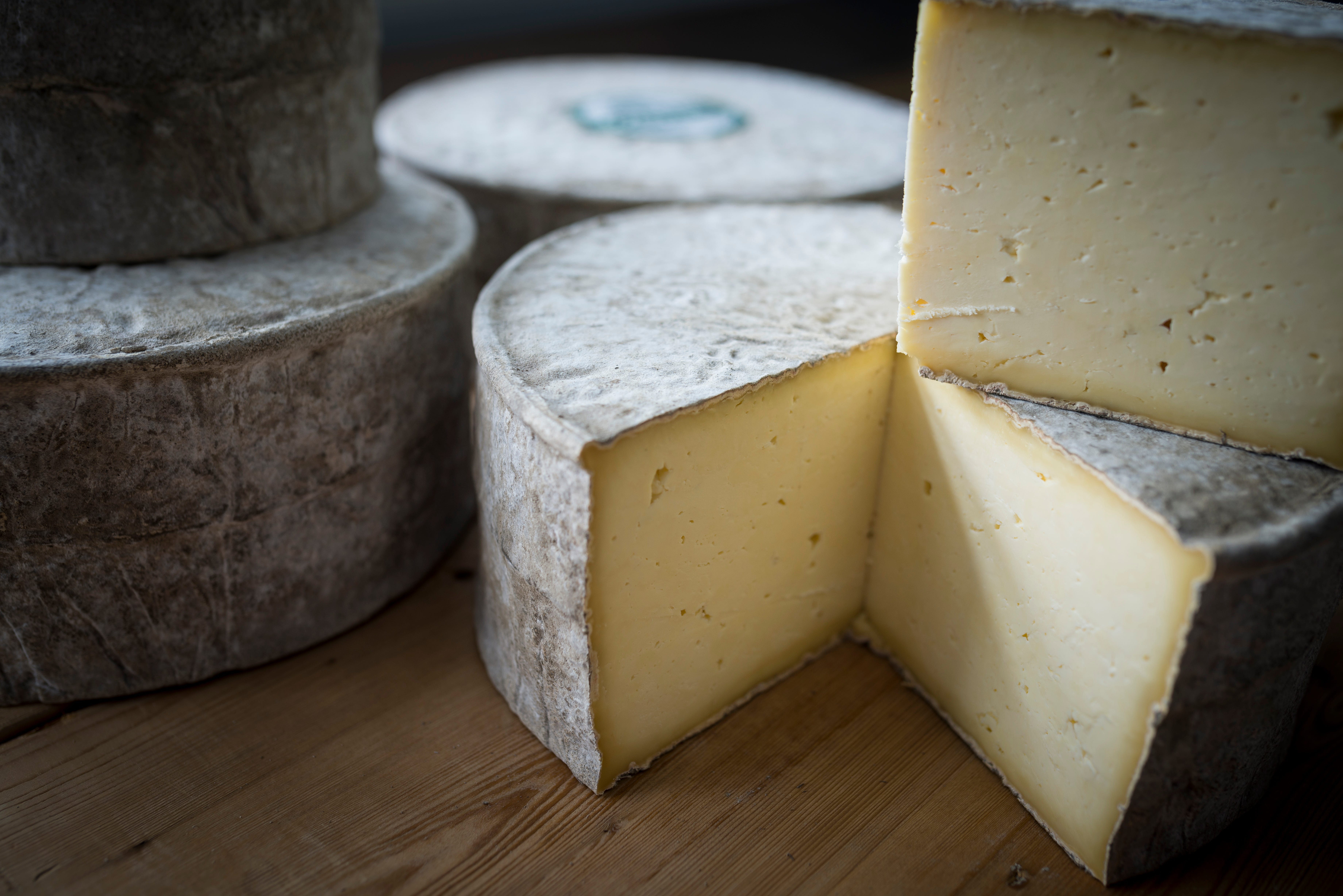
Both cheeses carry a considerable emotional weight for me. Gorwydd was the cheese that made me into a monger, twenty-five years ago when I began selling it at Borough with its maker Todd Trethowan. It’s still one of my favourite cheeses, and the first one that I give to my guests on my Cheesemonger’s Tours. Flower Marie was one of the first cheeses I looked after in the cellar at Neal’s Yard Dairy when I began to learn the craft of affinage. Mould-ripened cheeses like this are particularly exciting to handle when you’re a Younger Monger. They arrive in the cellar rindless and firm, and over the days a mist of mould filaments appears on their surface, which by gentle patting and turning on the part of the affineur is transformed into the velvety rind of the finished cheese. To the recent initiate into the Mysteries, this feels like magic.
There’s a lot more history to Flower Marie than just my personal one. This is a quintessential representative of the British Cheese Renaissance, a movement which began in the late 1970s in response to the threatened extinction of traditional cheesemaking in the British Isles. Having lost so much of our indigenous dairying knowledge, the new cheesemakers of the Renaissance went to the Continent for inspiration, where cheesemaking traditions had been better preserved. The name speaks to this cultural exchange, referencing a Corsican soft sheep called Fleur de Maquis. ‘Marie’ celebrates a hero of the Renaissance, the late Ann-Marie Dyas, a champion of proper cheese, who opened The Fine Cheese Company in Bath in 1995. The recipe was developed by another Renaissance hero, monger, affineur and cheesemaker James Aldridge, who is also sadly no longer with us, though he is remembered in the annual James Aldridge Memorial award for best raw milk cheese. In the early nineties, with the generosity of spirit characteristic of cheese people, Aldridge gave the recipe to two more stalwarts of the Renaissance, Sussex cheesemakers Kevin and Alison Blunt, and helped them to develop the cheese. Their dairy Golden Cross Cheese is still going strong, and this is only one of their consistently excellent cheeses.
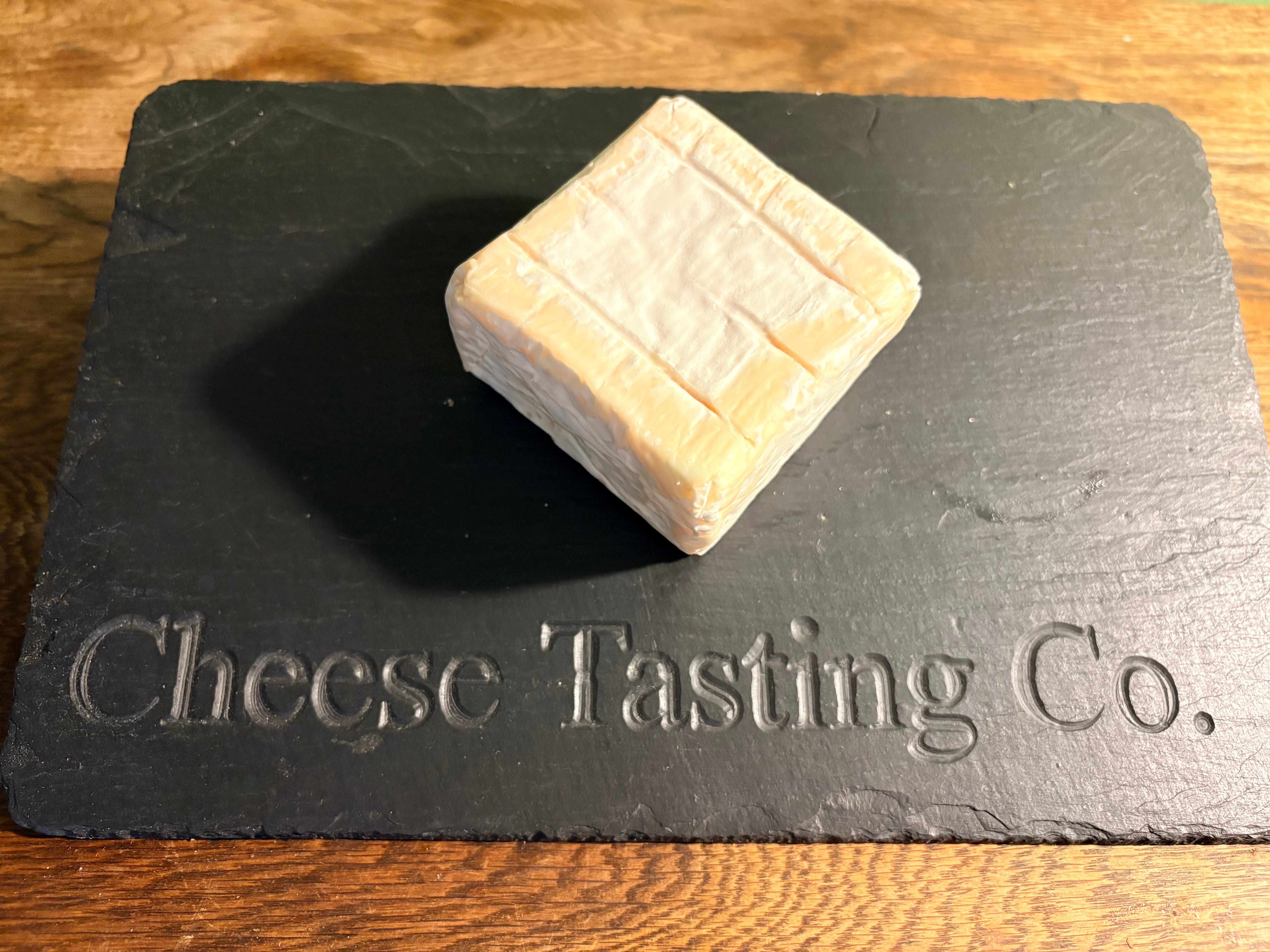
The pure white of the rind and its smooth texture like a virgin snowfield is the first thing I notice about a Flower Marie. I usually look for a range of colours and textures on a mould-ripened cheese, showing a multicultural population of different moulds, yeasts and bacteria which confer complexity and depth to the flavour. On a Flower Marie, the white mould Penicillium Candidum, né Camemberti, is dominant, keeping the flavour quite simple though no less profound. Also distinctive, even unique, is the texture of this cheese which I struggle to describe. Creamy yet firm, a bit like marzipan or like a firm sort of foam, just as I imagine it would be like to bite into one of those cumulonimbus clouds. The flavour is clean, mineral, the salt just present, finishing on a light burst of white flowers tempered with citrusy acidity. At each bite I wondered, ‘why don’t I eat this more often,’ although perhaps such a joyful experience shouldn’t be blunted with too much repetition.
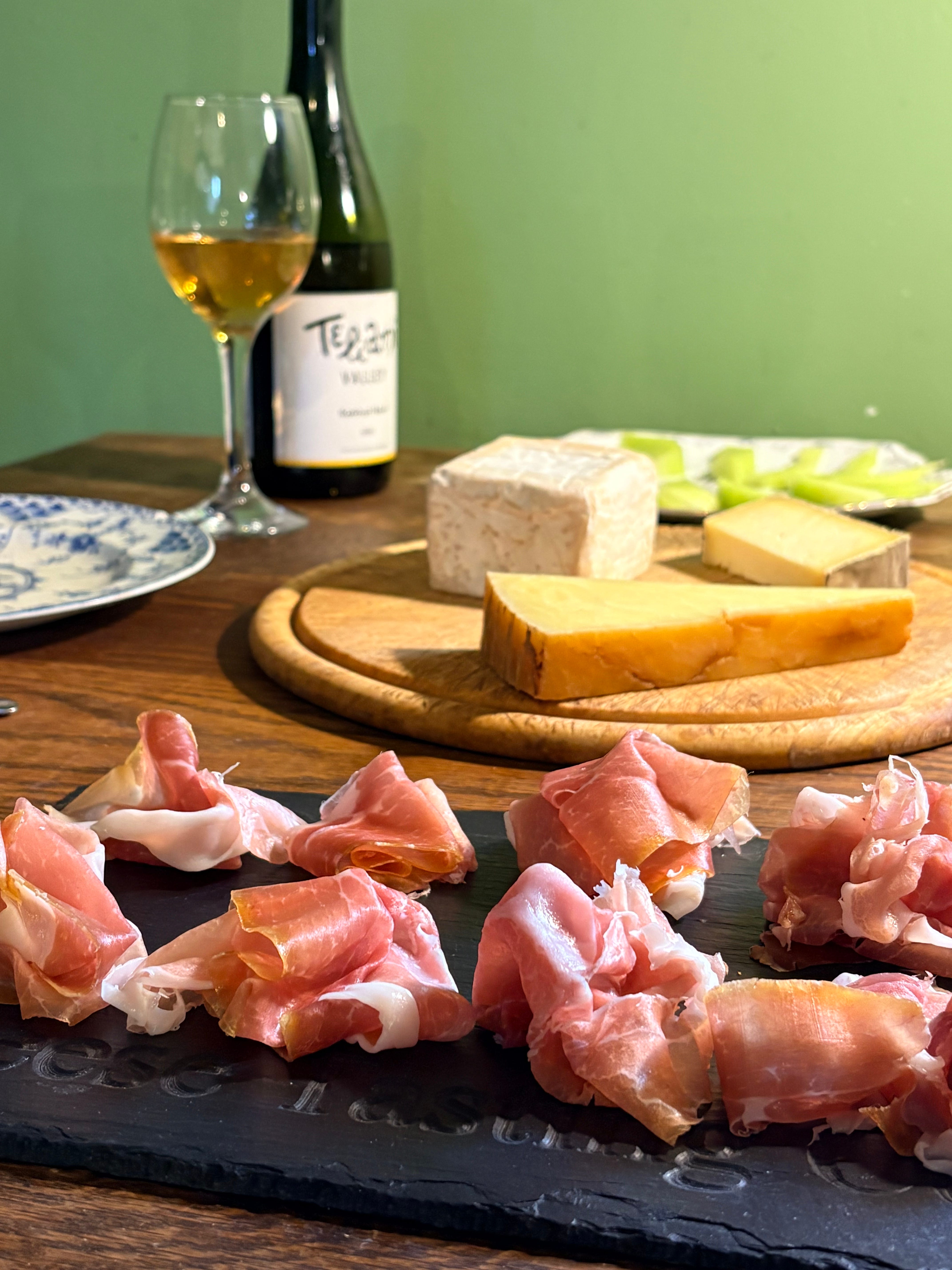
As to what to drink with a Flower Marie, even after years of committed research into the matter of pairing cheese and booze, I am at a loss. Definitely something very delicate, so as not to overwhelm its unassuming simplicity. Maybe something with bubbles, but soft moussy ones, nothing too spiky. Anyone have any ideas?
This week’s recommendations:
Substack: Modern British - Exploring the often bemusing attitude of the British to food and eating.
Book: How the World Eats - Julian Baggini. With the breadth of view of a philosopher, which he is, Baggini tackles the daunting and overwhelming topic of the global web of food production and distribution. Impressively readable and not without hope.
Podcast: The Food Programme - This is like tunes and cheese, one of those things that I keep coming back to and thinking, ‘why don’t I listen to this all the time?’
Thanks for reading! This post is public so feel free to share it.
Comments
Nothing yet. Say the first thing.
Sign in to join the conversation.