
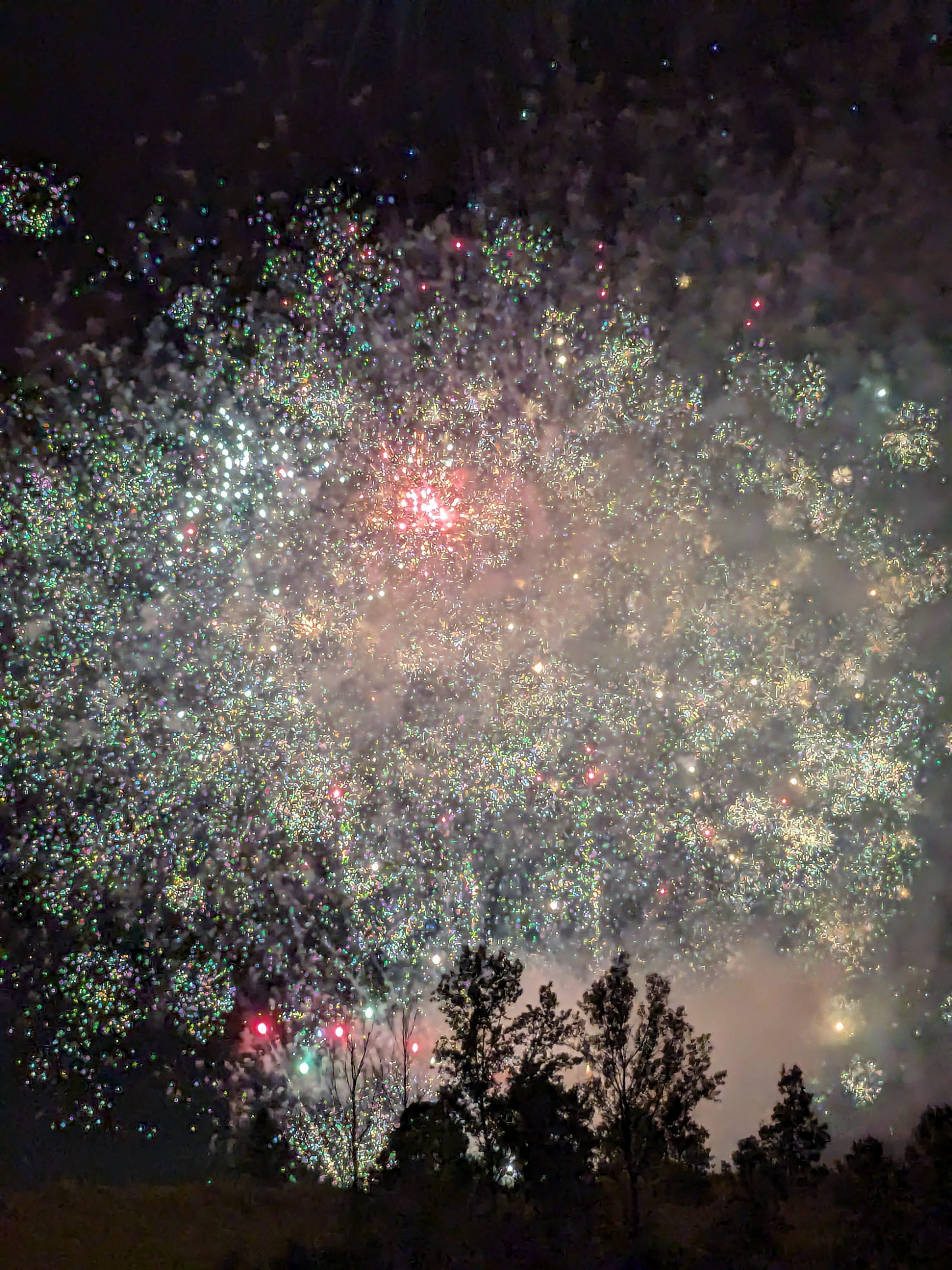
Americans are reminded of their pride this month because of their 250th birthday. You just have to have read it or heard it or even felt it during the celebrations. The opinions ranged from pessimism to optimism about the whole day; the emotions were worn on every American’s sleeve, and the wealth and size of firework demonstrations were like never before. Media outlets devoted endless hours of special broadcast programming and wrote in-depth essays and opinions about the country’s beginnings, what America means to Americans, and where we are now.
The celebration was like one long memoir where reflections on our country were endless, the life lessons acknowledged (did we really learn any?), and how we may have grown, or just changed.
If asked what America means to me, I would simply hold up a copy of the Declaration of Independence. I think of a velvet curtain that had drawn open at that time to put a place called America on center stage. It was all about us.
But was it really?
Much attention was given to white Americans yet I can’t help but to think of the Indigenous man, too.
The Indigenous’ imprint is embedded into America’s fabric to make America what it is today. The Founding Fathers had their truths, but Native Americans had their roots in their history and in ours.
Unfortunately, back then, things became ugly. Treaties between the Native Americans and white people were made . . . and they were also broken.
History highlights
Native land and identity were taken as America sought to expand and to establish itself.
The 1830 Indian Removal Act and the 1887 Dawes Act forced the relocation of Native Americans.
The 1836 Treaty of Washington provided the United States with a “peaceful” way of forcing Native nations to cede their homelands to the Republic, even though the Republic already claimed sovereignty over them. It was also a mass transfer of Native wealth to American settlers. “The treaty created a political economy of plunder,” according to historian Robert Trennert Jr.
The Northwest Ordinance (1787), among its many provisions, gave a legal way to transfer Indigenous land to the public domain of the United States. It was a bungled treaty process, resulting in war. Land grabs and the breaking apart of tribal lands took on a history all their own.
The Founding Fathers mistakenly thought that Native Americans would simply assimilate into American society. Native children were sent to white mans’ boarding schools to erase their culture, language, identity, and religion.
The Declaration is America’s birth as a nation. Native history is their relationship with this land that stretches back thousands of years before the Declaration was ever imagined.
Just as we celebrated on the fourth of this month our independence, I think of our shared desires, that of the Native people and of the white people, of all people. We all want to be reminded of who we are to celebrate that—the Native peoples’ warrior culture and their land, being an American and our United States.
The history of America is long, but its history with Indigenous peoples is even longer.
A nation can celebrate its truths. An American is no less patriotic by not telling the entire story, but it could be strengthened by facing it with honesty. Our country’s confidence should be able to be proud, with humility, at the same time.

Through the pops and sparkles thrust into a night sky that night, Native Americans looked up to the same sky as a living, sacred world that connects people with ancestors, the spirit world, and the rhythms of nature. While fireworks lasted minutes, the sky that is looked upon by the Indigenous people has lasted far longer.
Maybe our greatest celebration is not of independence but of remembrance. We honor those cultures, traditions, and relationships with this land long before the declaration. America can only be richer for it.

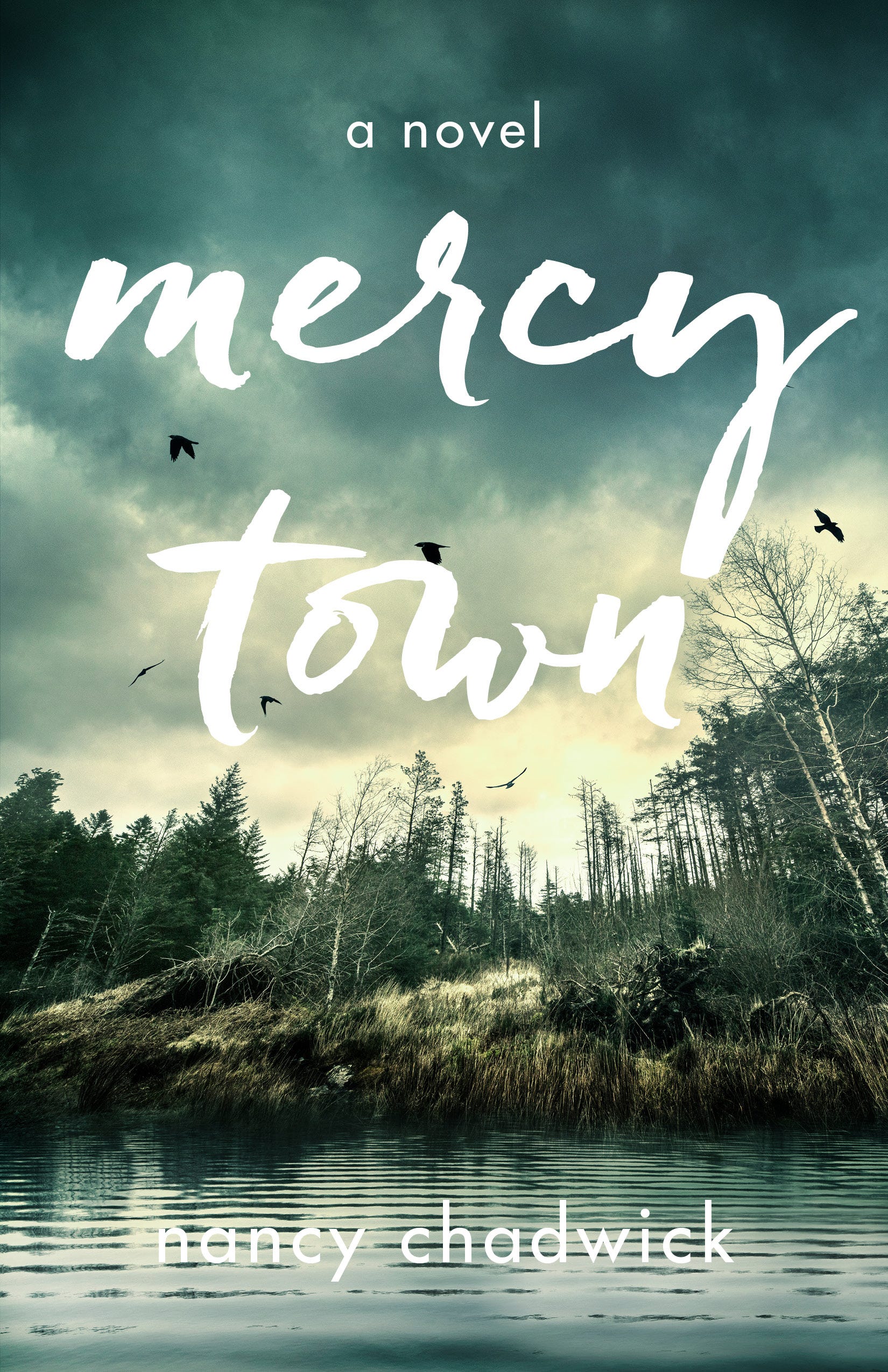
If you haven’t read Mercy Town yet, check it out! It’s the story of a journalist’s return home, a hill home to generations of Indigenous people, and the value of mercy and the power of forgiveness. Links to retailers here.
Comments
Nothing yet. Say the first thing.
Sign in to join the conversation.