
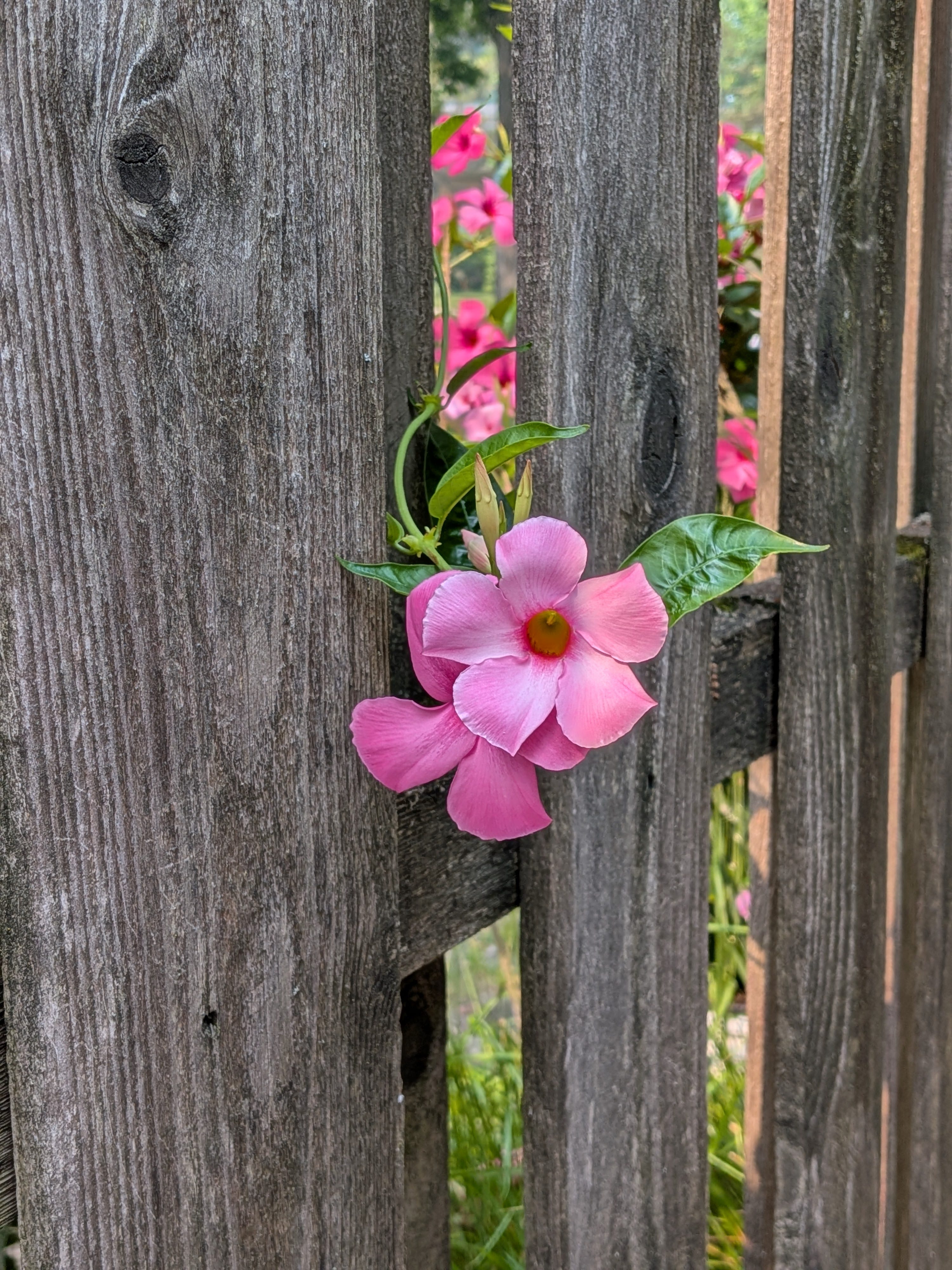
We are taught to plan. We’re coached on and urged planning for our futures. There are the financial and medical futures of wills and advance directives, long-term health insurance, and IRAs. When considering the next chapter in our lives, often associated with retirement, we think maybe a reinvention is called for. And even that would take some planning.
Calendars are about the future, too. Rows of squares on a spiral-bound calendar hang on the side of my fridge, and a smaller, digital version lives on my mobile phone. They are instruments that help me plan for the weeks and months ahead.
Soon, too much planning swirls like a whirlpool. Information overload for making plans while trying to live in the present can feel like crosscurrents.
My husband is a planner. Me, not so much. Usually he’s steps ahead of himself. Golf Tuesday morning at 9:00 a.m.? A jacket, breakfast bar, sunscreen, wallet, sticky note about a water bottle is all set out on the counter near the door Monday night. A day trip to Wisconsin? Michigan? He plans weeks in advance. Me, whenever the weather is suitable and I feel I need to get away.
I looked into the meaning of those who are planners and of those who live more in the present.
Planners do so to feel prepared; they know what to expect and feel more comfortable planning; they consider the long-term consequences of their decisions today; they are conscientious, disciplined, and goal-oriented.
On the other hand, and where you’ll find me, are those who live presently. They are adaptable to changes of plans and look to the quality of their experiences. They are creative, listeners, appreciative and find joy.
Emily Dickinson said, “Forever is composed of nows.” I thought about how the future and present can run in tandem, not competing with one another and making us feel uncomfortable.
Neither way of living is complete by itself. Direction without being present is living life always preparing. Conversely, living presently without the direction of plans can lead to a life without intention.
While going over what’s in store for us tomorrow, we may overlook the present.
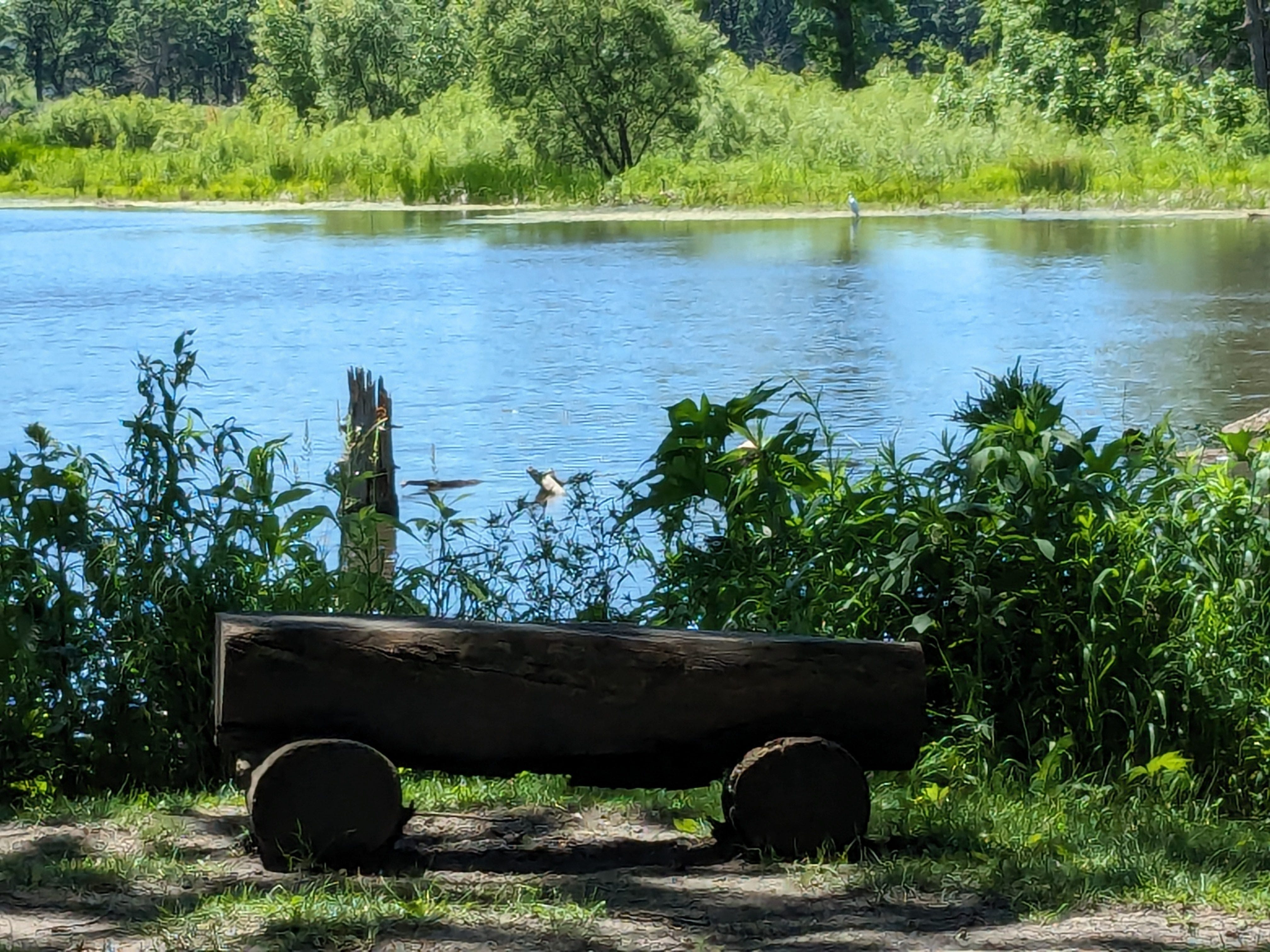
Though it’s only mid-July, I’m teased with an August calendar of local events and social gatherings. The Chicago Air and Water Show is in August, and the following month is the first anniversary of the publication of my novel Mercy Town, when a celebration (called for planning!) is in order.
I see the future events as giving me direction in spending the last half of the summer, yet I still reel myself back in to where I am now, summer—in the garden beds, tending to their full blooms in the height of their color.
As I once considered planners to be the opposite of those who live in the moment, I can see how they are complementary.
How about a simple tree analogy? A tree spends its time preparing for the next season. It grows roots, stores energy, and forms buds. Yet it lives in the season it is in. It doesn’t stop growing while becoming what it will be next season. Conversely, it doesn’t stop looking to the future because it is rooted in the present.
Trees do this at the same time.
And so can we.
I suppose you could say my husband was living in the moment and planning ahead. The moment his golfing partner texted with a tee time for the next morning, he embraced the anticipation, then prepared for the outing.
I may wake up early one morning and want to take a day trip to Michigan, perhaps staying overnight, which might send a shockwave through my husband because we didn’t plan. But as he maps out the travel, I’m enjoying the anticipation of the adventure that has yet to come.
There are few empty squares on the calendar hanging on the fridge. It wasn’t because I had nothing planned for that day; it was because those days were lived.
Some plans can’t be penciled in on a calendar.
How about you? Do you consider yourself a planner? Or do you live presently, adapting to change of plans?
Comments
Nothing yet. Say the first thing.
Sign in to join the conversation.