
Part 1: What is it and how much are we aiming for? (click to read!)
Part 2: What kind? Plant vs Animal and Protein Powders (click to read!)
Part 3: The Protein Effect: Appetite, Mood, Muscles and Aging Well
Part 4: The Practicalities: Overcoming common barriers plus tips to getting it in AND absorbing it
One of the biggest personal motivations to prioritse my protein is the satiety factor. There is nothing worse than taking time to prepare a good breakfast, then not 90 mins later you start feeling hunger or cravings - not convenient at all and makes it much easier to overeat on less nutritious foods. Not to say snacks are a problem, but if you aren’t prepared, the time and brain space they take up can be distracting. Also, persistent hunger/cravings may also leave you grazing lots in which isn’t ideal for our gut health.
Higher protein meals are shown to promote feelings of satiety. Protein’s amino acids help us to regulate our hunger and fullness hormones so we are more likely to feel full and satisfied after meals. As a very snacky person, I can attest to this!
Enough protein can also help keep our blood sugar stable which will have a roll on effect on cravings, mood, and our insulin - especially for our PCOS sisters or anyone struggling with insulin resistance (which we all become more susceptible to as we age).
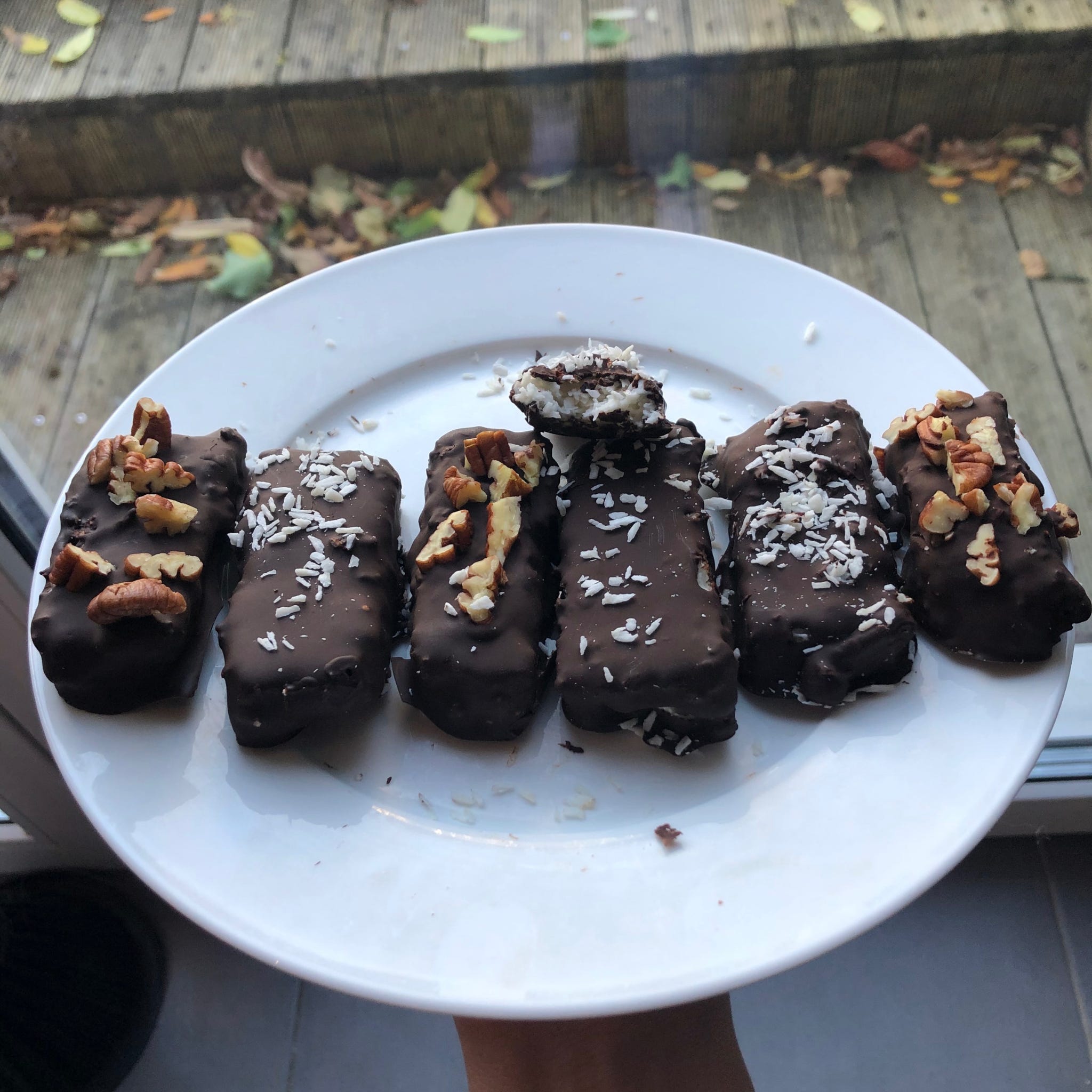
Finding yourself craving a sweet treat after every meal? Could be down to blood sugar fluctuations - more protein in your meals might help with this. Of course it’s okay and nice to have a treat after a meal (I do, daily!) - but if there is an overwhelming craving, there might be something behind it.
Blood sugar fluctuations might also bring on fatigue and energy crashes, which can impact mood (hangry, anyone?). Beyond this - mood has another link to protein. Certain amino acids in protein act as precursors (essential materials) to make neurotransmitters such as serotonin and dopamine that support our mood and sleep quality. Because of this, some associate low protein diets with anxiety and depression, which makes sense in theory, however I haven’t found robust evidence to support this (yet).
However, this study showed an improvement in motivation and cognitive function after participants increased 5 amino acids for four weeks. I’ve personally found the motivation factor very true for me.
Protein helps the body with growth and repair. Think about when you are in times of stress (physical or emotional), or perhaps when you are recovering from an illness, surgery, or strenuous exercise. The amino acids in protein support these processes. This is also true for the hormonal and metabolic changes brought on by perimenopause and menopause.
Body Weight
During these shifts (perimenopause/menopause) we are more likely to experience insulin resistance due to the big hormonal fluctuations. This can contribute to the stubborn weight gain sometimes associated with this phase of life. Insulin resistance is also a common aspect of PCOS and is a generally something that many women struggle with. As we discussed above, protein’s effect on insulin and satiety can really help here.
It’s important to remember that if we are increasing our protein, other macronutrients should be adjusted to avoid eating more than we need. You might find this is easy to do due to increased fullness. For me this may look having less snacks or slightly reducing the starch component in my meals and increasing the protein portion - keeping a big portion of veggies. Carbohydrates are important so I’m not recommending a ‘low/no carb’ diet. Complex carbohydrates (potatoes, whole grains etc) provide minerals, fibre and energy - this is just an invitation to look at ratios if you are wanting to increase protein.
Increasing protein can also increase our metabolism (it takes more energy to digest protein than it does carbohydrates or fat!) can also help maintain a healthy weight. During my postpartum journey where I have slowly been shifting back to my normal weight, I consistently saw the biggest jumps of progress when I hone in on my protein.
Muscular Health
The drop in oestrogen that occurs during perimenopause/menopause can contribute to bone loss - making us more at risk for fractures and falls. Protein’s role in muscular health helps protect our bones and help to keep us stable and strong.
Leucine, one of the essential amino acids, is shown here to initiate muscle protein synthesis (how your muscles repair and grow after exercise) in older people in doses of 3-4g per meal, which can typically be found in 25-30g of protein per meal. This is one example of why aiming for roughly 30g per meal can be helpful.
Whether or not you are in perimenopause/menopause, preserving and building muscle mass is very beneficial for us as women. By pairing enough dietary protein with exercise and particularly weight training, we are giving our muscles what they need to support us well throughout our lives.
Skin, Hair, Nails
If we think about our skin - collagen, famous for it’s role in skin elasticity, is a protein that our body makes from amino acids, and similarly our hair and nails are made from keratin, another protein. This is why hair loss or lack of strength or growth in hair and nails can be a sign of low dietary protein. Other nutrients are important too (shout out to omega 3s, antioxidants, zinc!) but protein is a factor.

Until my thirties, I always had weak nails that never seemed to grow. A few years ago, I made some changes to my diet (not just protein) and addressed some major stressors, and for the first time in my life my nails grow thick and strong, and have basically stayed that way ever since. The only photo I have is from when I got engaged but here it is - couldn’t believe it when it happened.
Ready to get practical?? I will see you in Part 4!
No posts
Comments
Nothing yet. Say the first thing.
Sign in to join the conversation.