
Part 1: What is it and how much are we aiming for? (click to read Part 1!)
Part 2: What kind? Plant vs Animal and Protein Powders
Part 3: The Protein Effect: Appetite, Mood, Muscles and Aging Well
Part 4: The Practicalities: Overcoming common barriers plus tips to getting it in AND absorbing it
So what kind of protein is best? There is lots of debate around this with lots of strong feelings. Protein is found in all kinds of foods, including veg and grain. Choosing animal sources is often the most efficient as it contains high amounts, however there are lots of nutritious veggie options as well.
Animal protein like chicken or eggs contain all of the 9 essential amino acids, while most plant proteins don’t. This is one of the reasons I encourage including at least some animal protein every day, along with a mix of plant proteins.
If you do rely on mostly plant protein, ensure you eat enough, AND a good mix so you have a mix of amino acids. Edamame, tofu, chia seeds and hemp seeds are examples of ‘complete’ plant proteins.
What’s joining the party?
Whatever protein source you choose, it’s important to think about the quality and to be aware of what comes with it. For instance, lots of fatty cuts of meat or processed meat will provide plenty of protein but also other less health promoting elements. Same with heavily processed protein bars/snacks with lots of additives and sugars/sweeteners. I encourage opting for whole foods like lean meats, fish, poultry, eggs, legumes and organic tofu.
Here’s my take - Do we need protein powder? NO. Could it help us achieve a higher protein diet if that is a goal? Yes! But it doesn’t need to be part of your daily life if you prefer to eat whole food sources. I find it to be a helpful tool during busier seasons/days, or times of recovery.
I have tried a lot of different kinds and have honestly found it hard to choose an ideal one - if it tastes yummy it usually has a load of sweeteners, if it has simple ingredients it either doesn’t taste nice and/or it’s too expensive!
Unsurprisingly - the quality ones come at a cost. I’ve given a range of examples and links (not sponsored!) in case it’s helpful. As I’m in London, these examples are available in the UK.
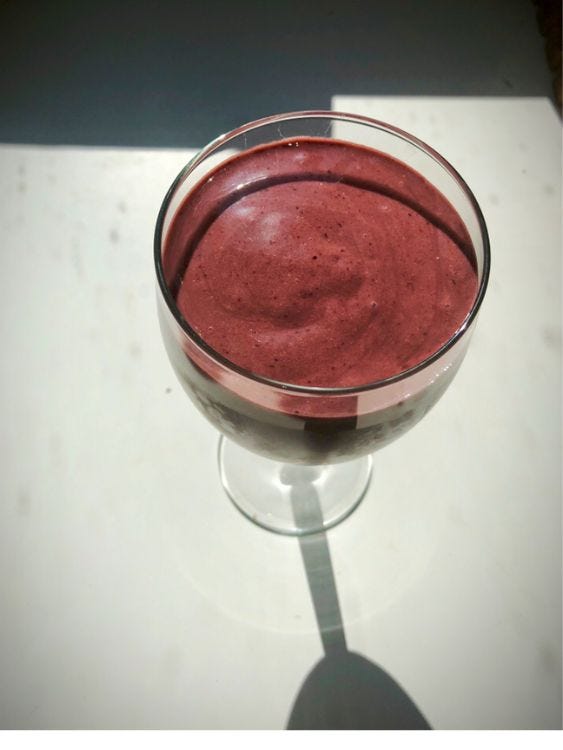
Plant Protein Powders
Generally - simple one ingredient protein powders are like Hemp or Pea (or a blend of these) are hard to get wrong as they are minimally processed and free from extras. Those two are typically cheaper than other animal based powders, however you likely need to use more (usually double) to get the same amount of protein! Also sometimes the taste can be rough. Form Nutrition does a unflavoured plant protein blend with no extras (I haven’t tasted it myself!) but it’s one I would use.
Animal Based Protein Powders
Whey protein is a popular protein powder, it’s made from milk with sometimes lots of other ingredients. It can be a great source of protein, however if you struggle with dairy - it’s not a good option for you. Generally it’s not one I recommend to my clients as usually they are coming to me with menstrual issues, endo, or some kind of pain/inflammation and the proteins in dairy can be tough to digest for some of us. I aim to focus on calming, easy to digest, antioxidant rich foods in the early stages of a working together. If you are confident that dairy isn’t a problem for you, a good quality whey could be a great shout. The Organic Protein Company does some nice whey options but there are many others.
Collagen is also very popular at the moment and is sometimes marketed as a protein powder - while it has an array of benefits and contains protein, collagen is not a complete protein so it is not ideal to be your main source. I have enjoyed adding it to hot drinks and smoothies as a boost, and can appreciate the other benefits (another topic for another day!). Vital Proteins is a good quality option.
Word of warning - lots of protein blends, especially the ones marketed to women on social media, include lots of other ingredients such has herbs and synthetic forms of vitamins. These may not be appropriate if you are pregnant, breastfeeding, are on medications, or are taking other vitamins. Buying from reputable companies that do third party testing or at least test for heavy metals can also be beneficial.
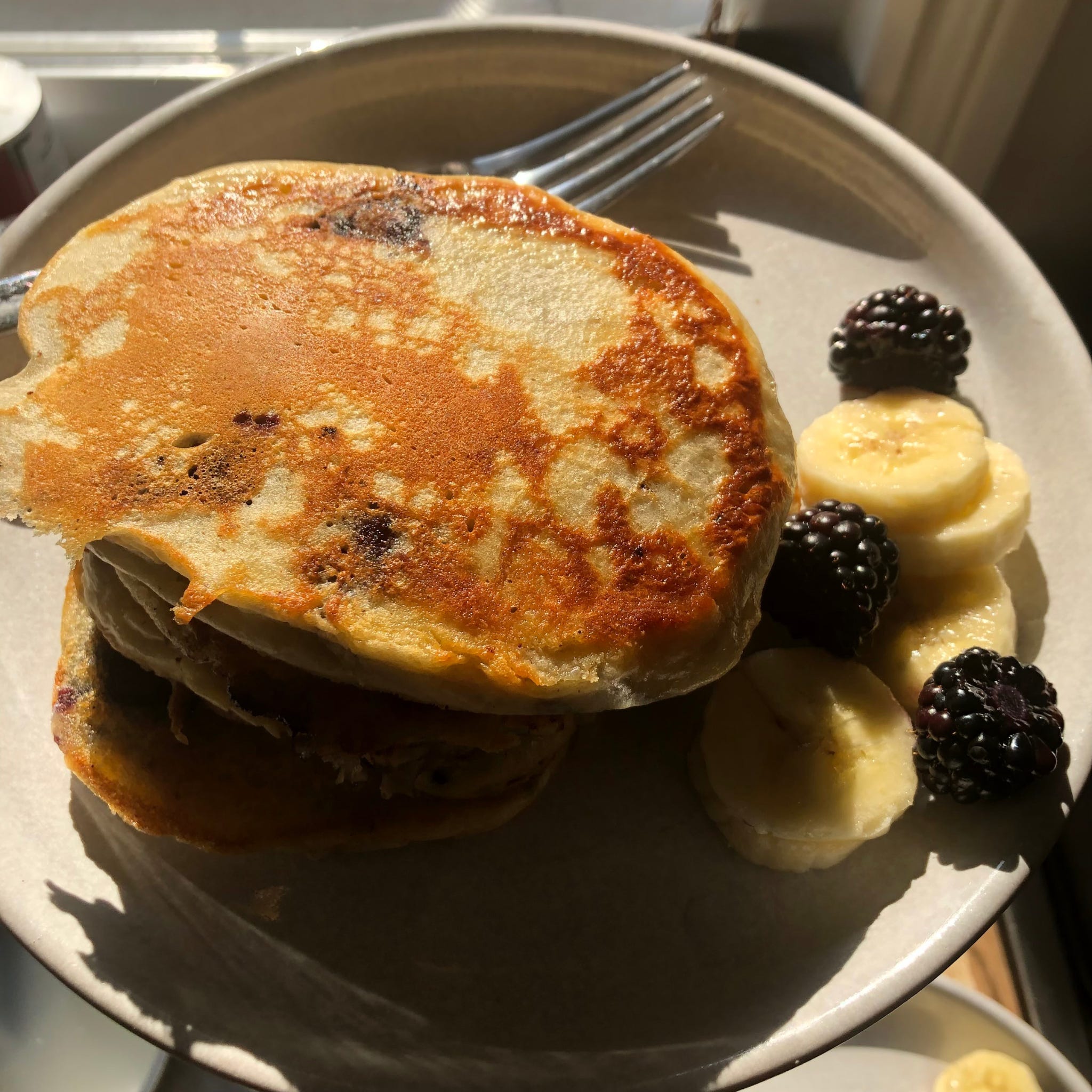
Using Protein Powder
One thing I like about protein powder is that it’s an easy component to add to smoothies and smoothies are a convenient vehicle for lots of veggies, fibre, and other goodness.
It can also be added into pancakes, porridge, smoothie bowls, yogurt, and baking.
A typical protein smoothie recipe for me would look like:
1 to 2 servings protein powder
2 big handfuls of spinach
1 cup frozen blueberries
A few chunks of frozen mango and/or half a banana
A few tablespoons of whatever seeds I have (chia seeds, ground flaxseeds, hemp hearts or a mix)
Almond or coconut milk (without sweeteners) to desired thickness
In this season of life where I am feeling very stretched, I am using an unflavoured beef protein powder from Ape Nutrition as part of my breakfast. It’s been good so far, quite a savoury taste but not unpleasant. It’s very expensive and the only way I can afford it is through a significant practitioner discount! So not something I will use long term and not sustainable for most budgets. Always on the look out for more options!
For a longer term, day to day use I would probably use one of the plant proteins linked above or a collagen for a boost in my breakfast smoothie, alongside a few eggs.
Part 3 coming up next - where we will cover lots of ways protein supports our bodies.. see you there!
No posts
Comments
Nothing yet. Say the first thing.
Sign in to join the conversation.