Networking a dot matrix printer
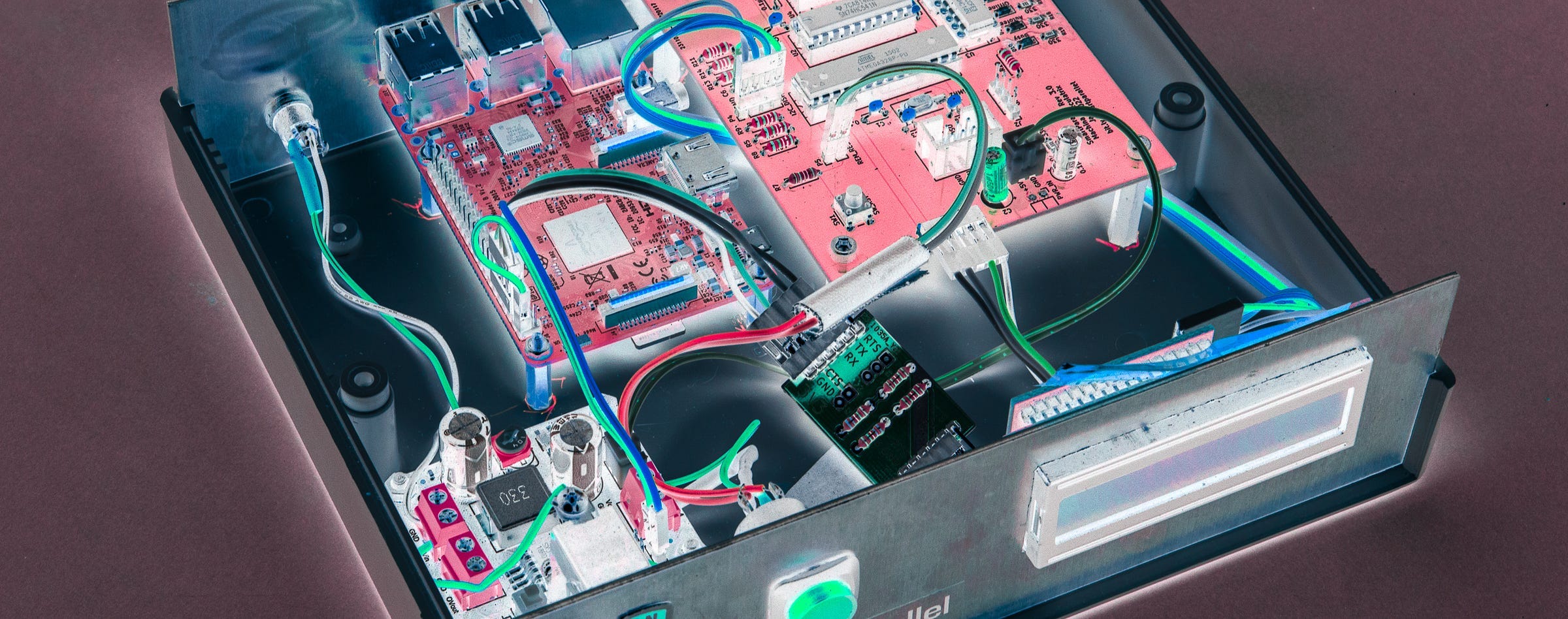
Nothing adds more value to resources like printers than being able to share them.

Electronics, robotics, home automation, programming, hacking and more. The lab notebook of an amateur meddler who likes playing with things until they work — or catch fire.
Live Last read · last published · next check
Nothing adds more value to resources like printers than being able to share them.
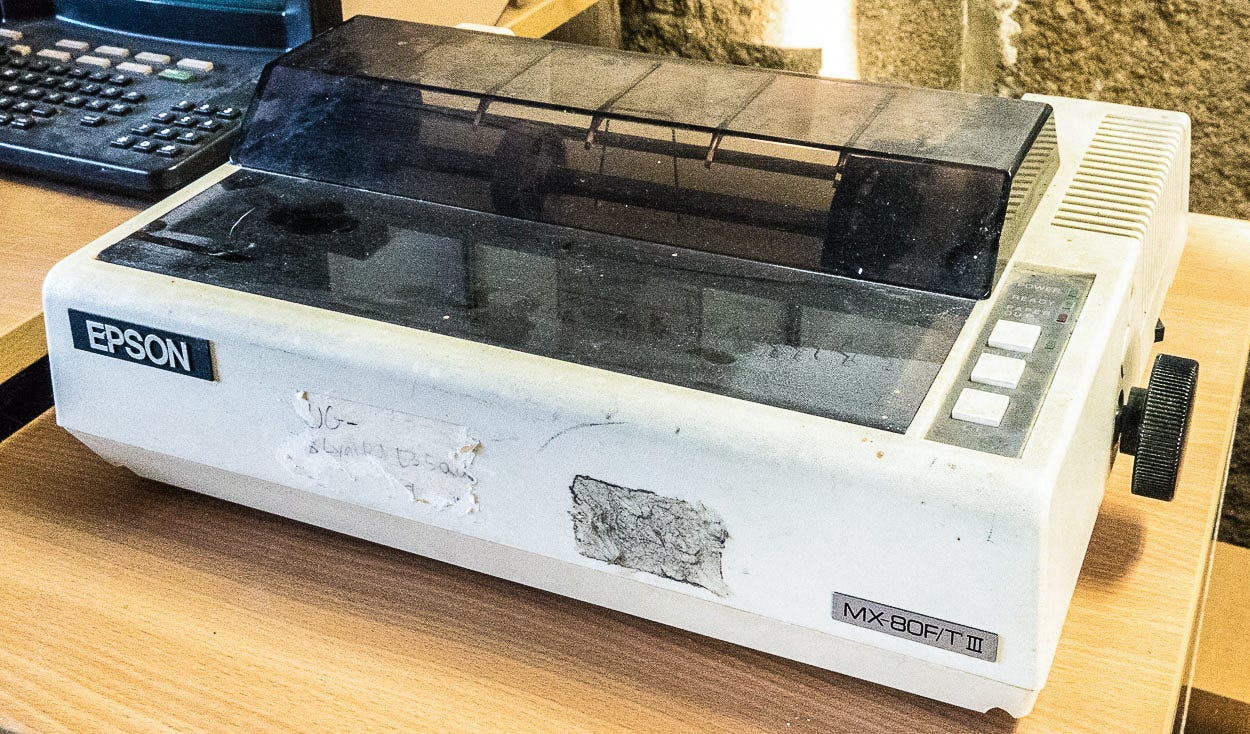
There’s something charming about old technology, especially if you can find a use for it.
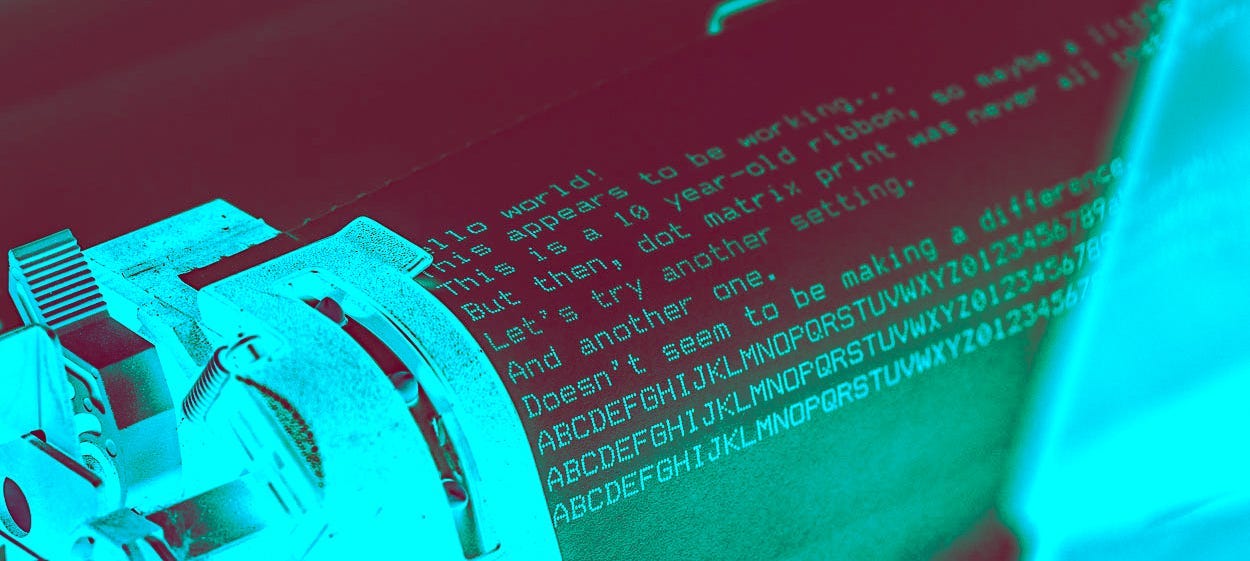
Putting an old printer back into use meant talking the language of its now (mostly) obsolete interface.
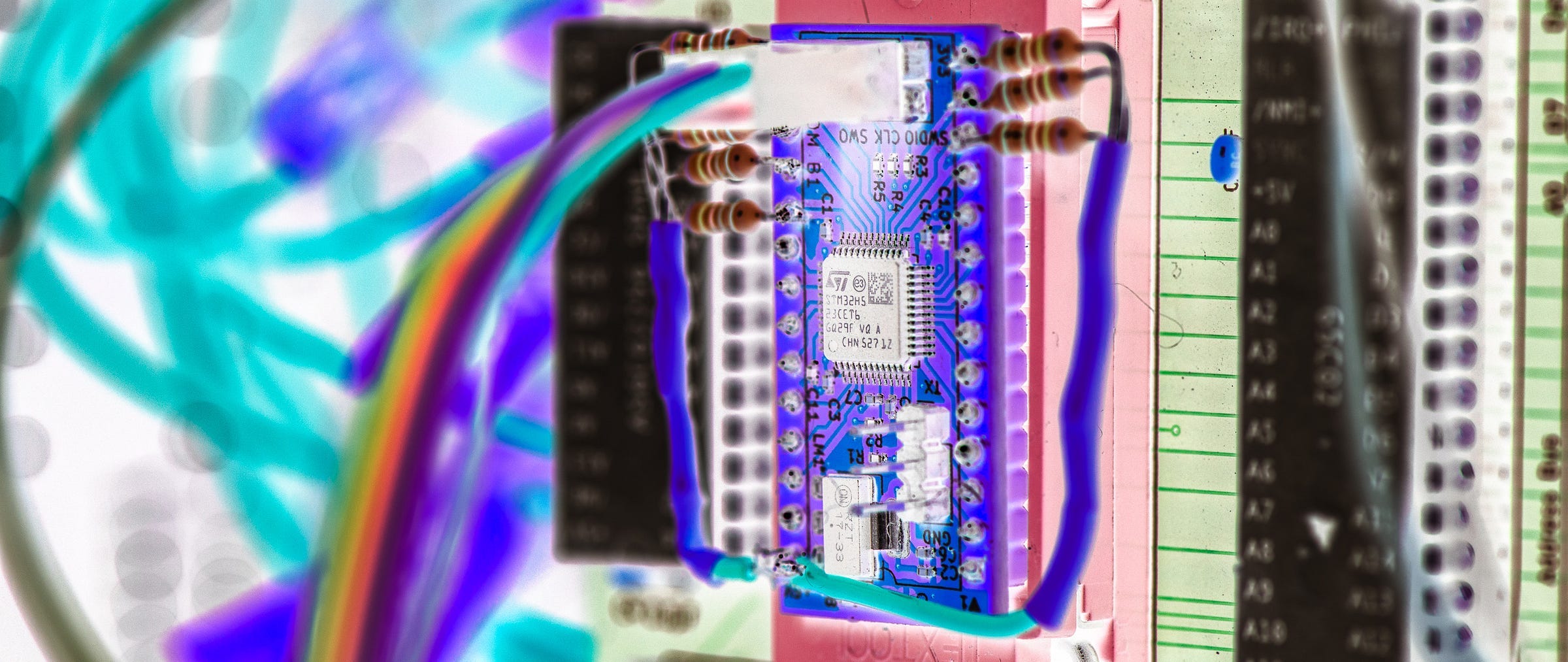
The first version worked in my homebrew computer, although not without persuasion. Let's see if we can do better.
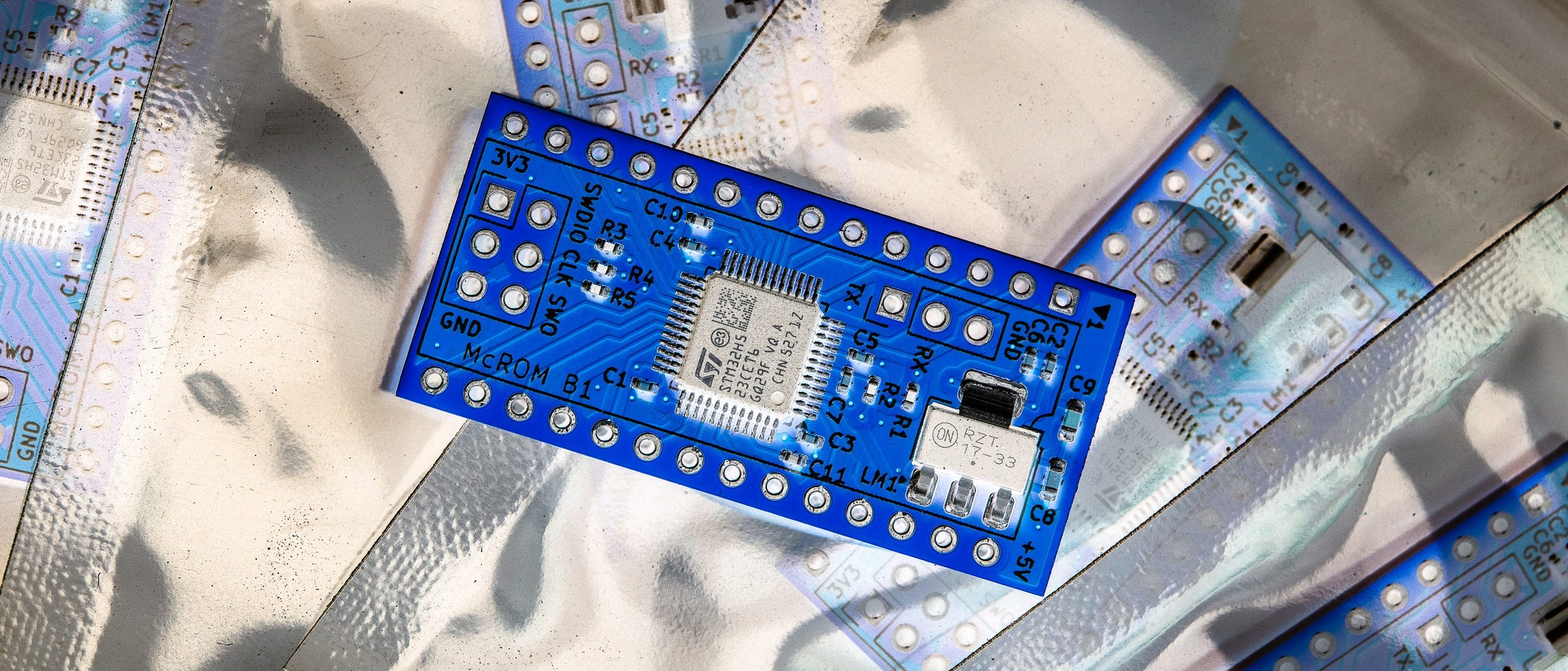
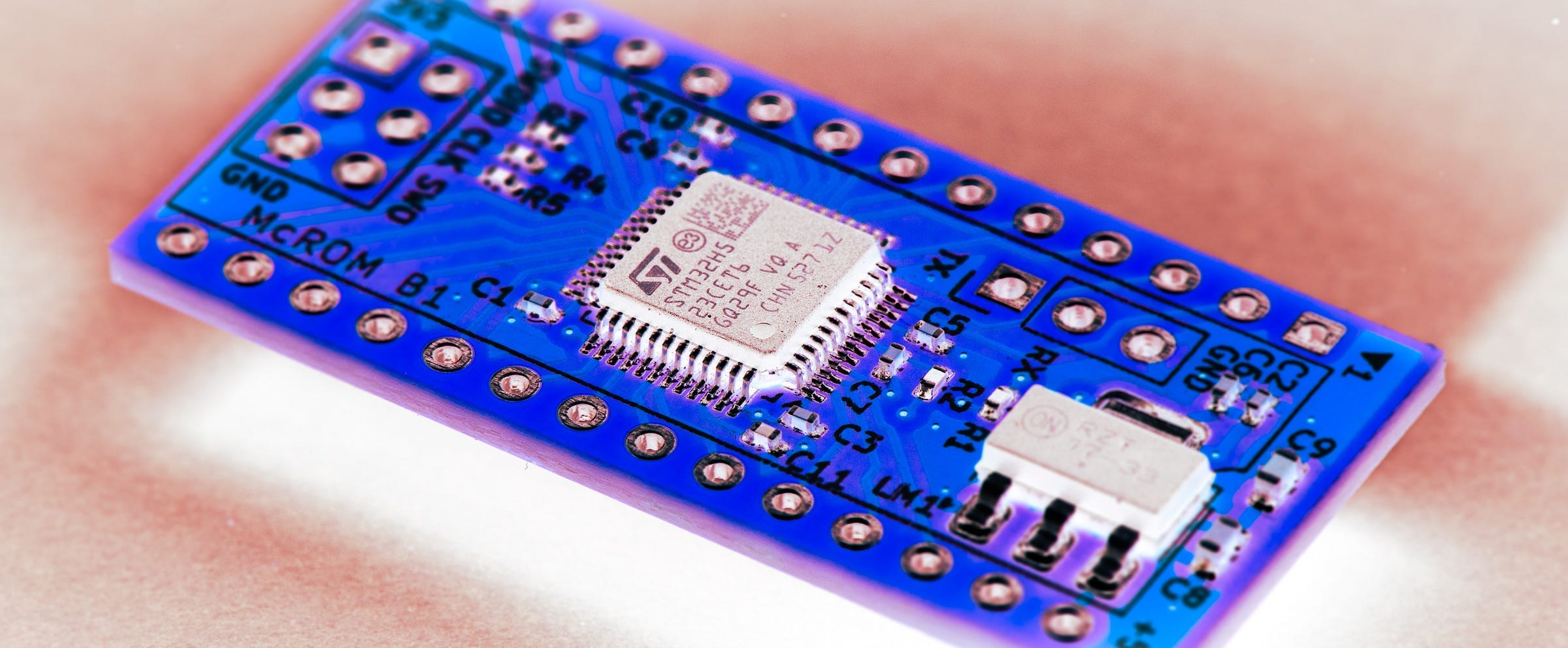
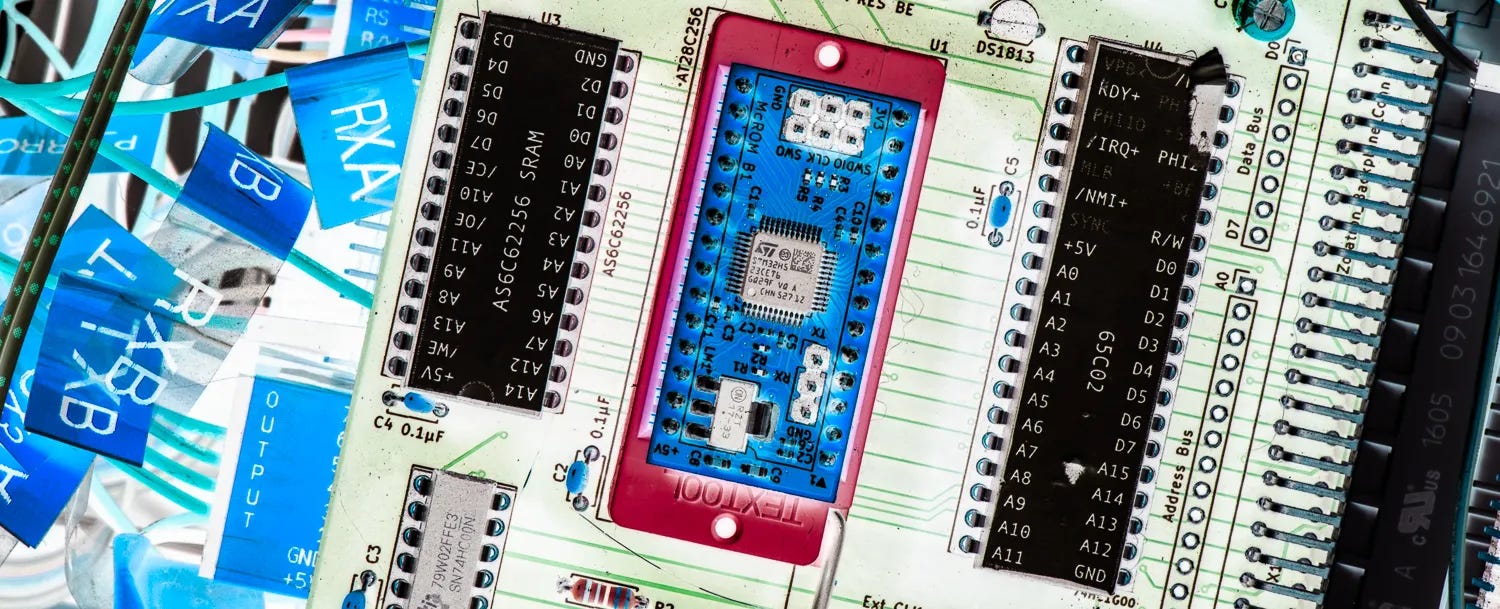
Getting a microcontroller to role-play as a ROM isn't difficult. If you know what you're doing. Do I?
The CPU in your homebrew microcomputer can access more memory than you might at first think, so long as you arrange things the right way.
The quality of PCBs isn't a subjective matter - there are tests and standards that ensure they are up to the task.
The STM32 world defaults to C, but sometimes you yearn for the sophistication of C++. The good news is that you can have both - in the same project.
Today, we buy computers much like we buy TVs and fridges. But there was a time when selling PCs was an art, and a difficult one at that.
EEPROMs are all very well, but they’re not convenient. Could a microcontroller do the job faster and with less fuss? Maybe.