
Third Thursday
Mutiara Mas has been in the heart of downtown Inglewood since 2007. There’s not much I can say about this part of the neighborhood without going on a very long and pointed rant about gentrification and what it’s doing to us as a nation. So I will spare you, but please, allow me a couple of paragraphs to demonstrate the contrast.
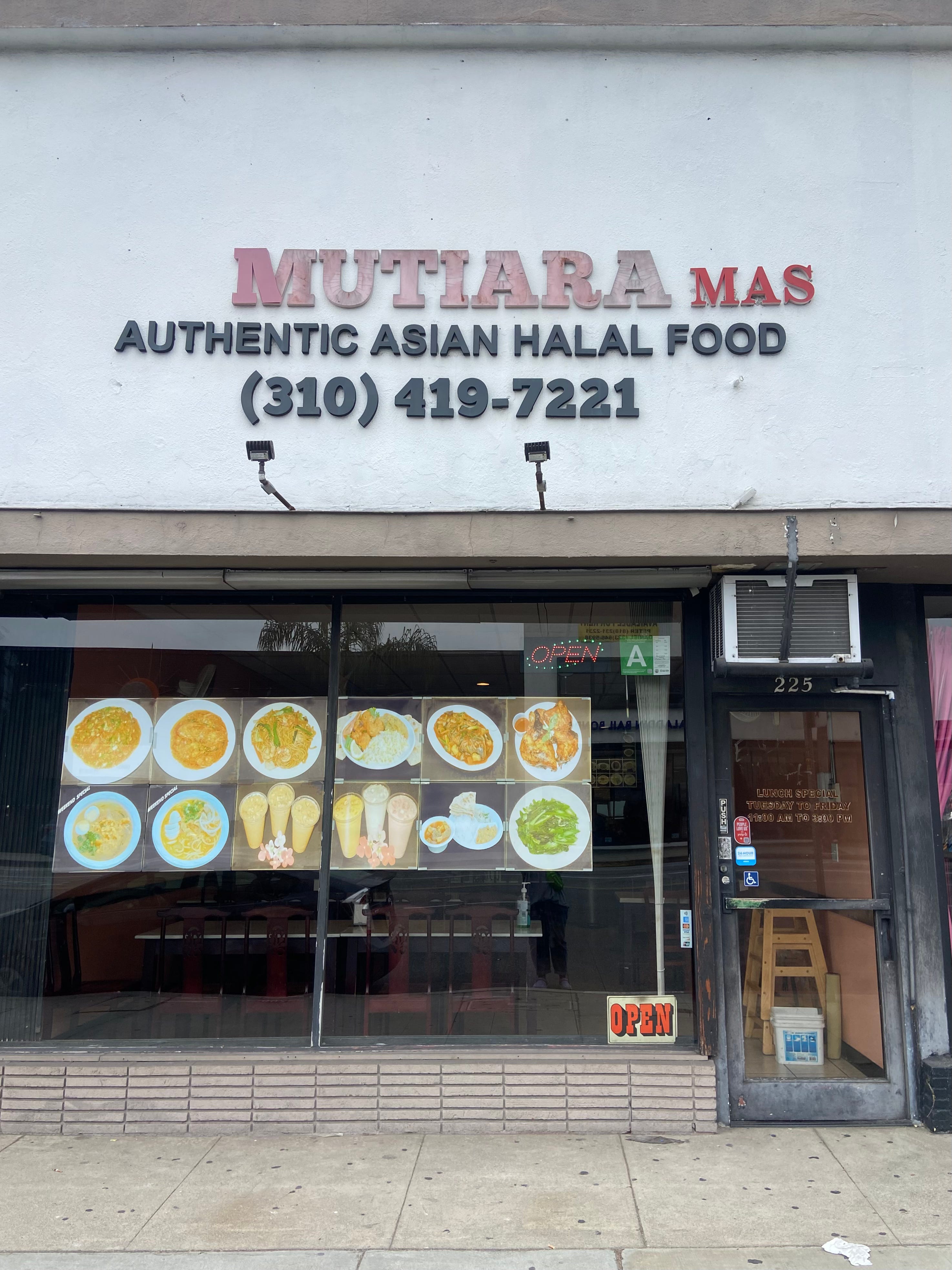
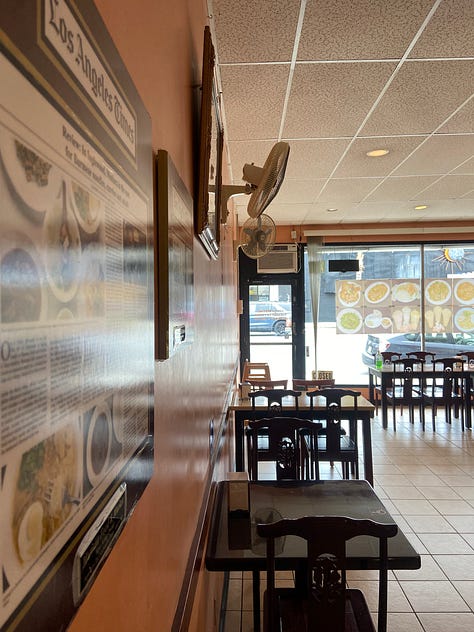
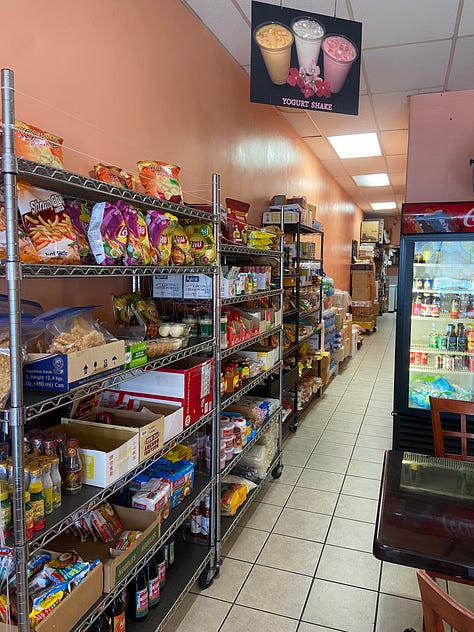
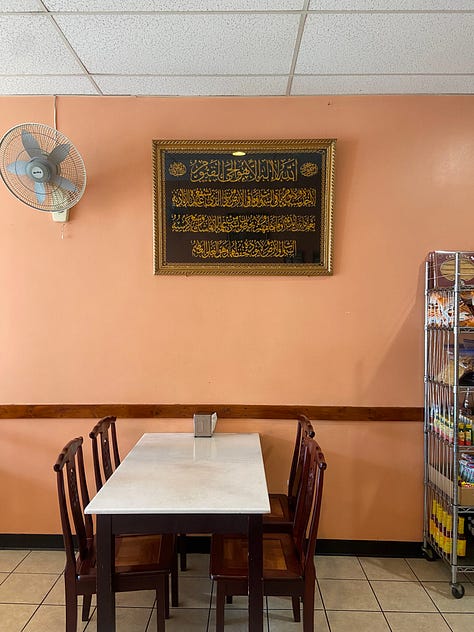
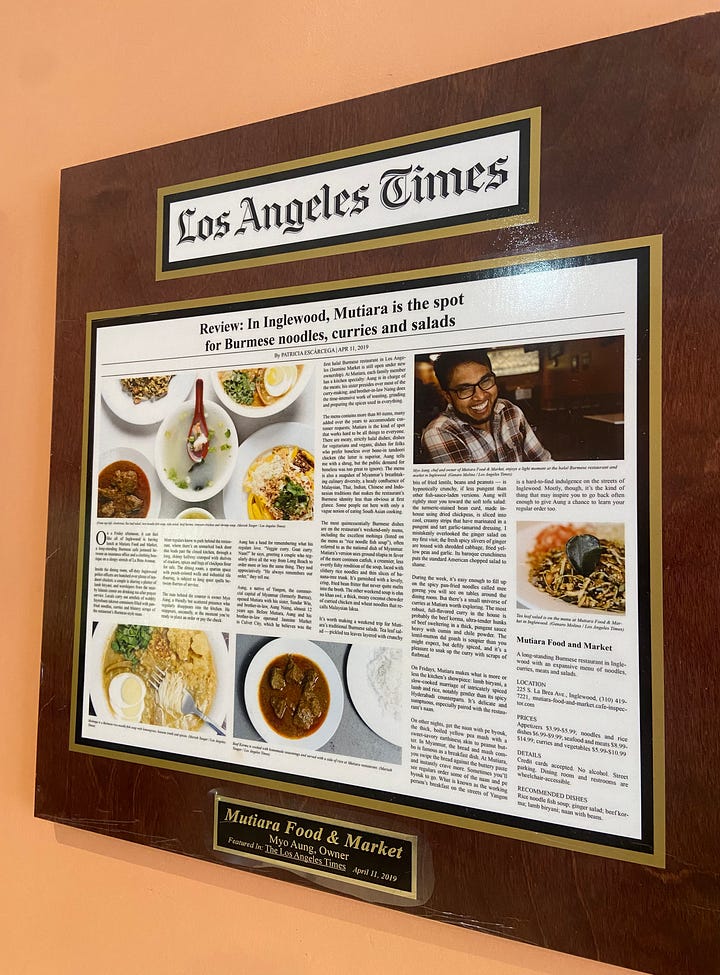
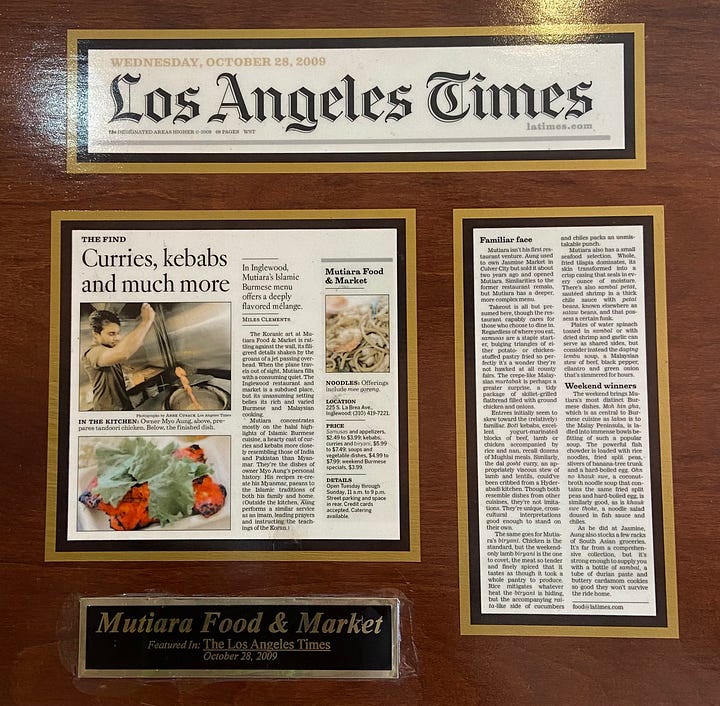
The Mutiara owner says the whole block is new. The other restaurateurs he was in community with, though some held on for long, are now all gone. If you look hard enough and come on the right day, though, you can find remnants of the city it used to be. Mutiara is proof. The simple sign with photos of dinner plates posted in the windows, warm pink walls, and minimal decor are reminiscent of a different time.
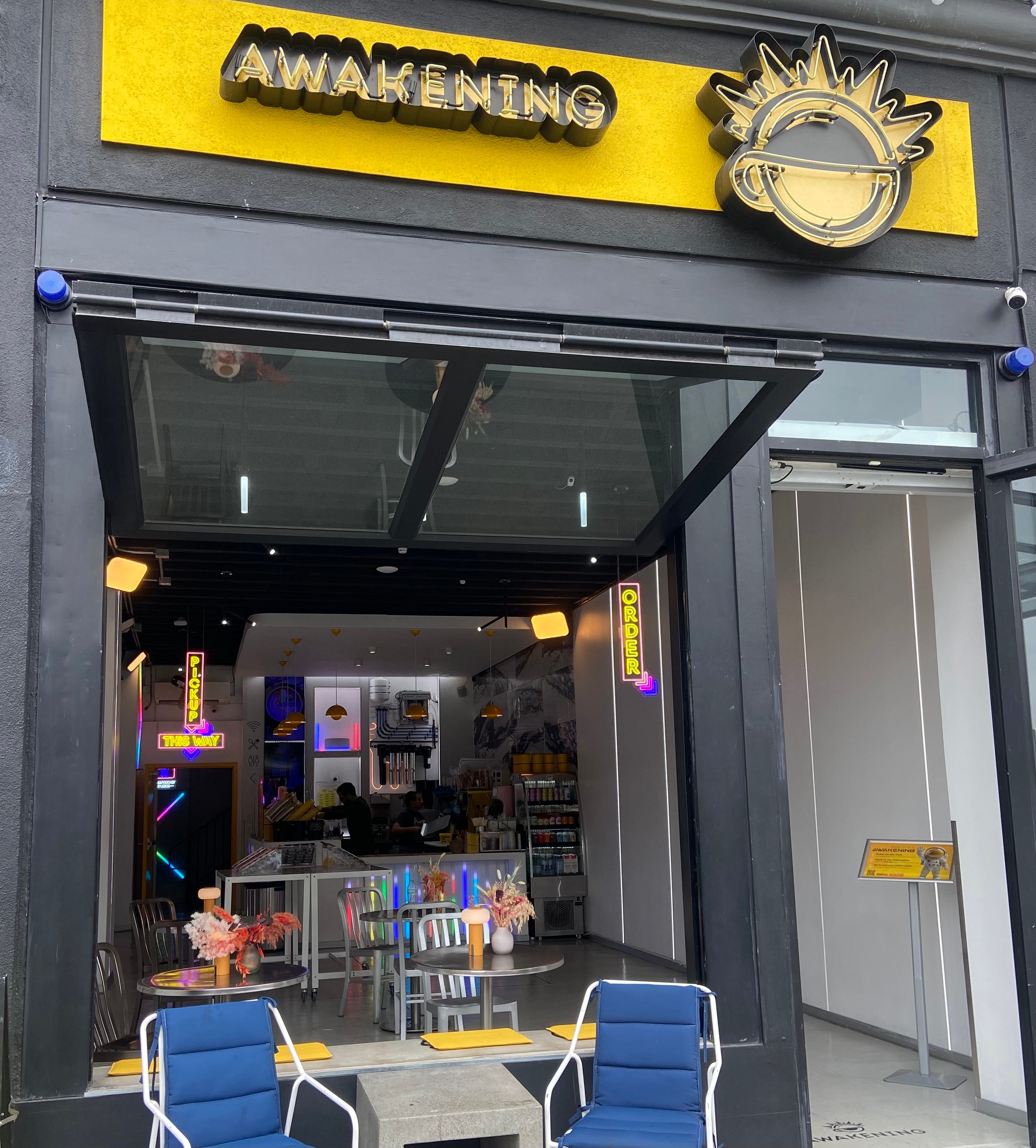
Awakening, right next door, is a new coffee shop on the block that has windows for doors, neon signs everywhere, and self-serve cash registers. There is a strategically plant-filled cyber patio in the back where you can squeeze in with a laptop. Or, you can co-work more exclusively upstairs for at least $35 a day. A few months ago, I was picking up a Too Good To Go Order from the shop. All of their baristas are trained to look you in the eye, introduce themselves, and make sure they get your name before you leave. During our chit chat, they were telling me how community-oriented the business is. So I asked Awakening if there were any business coalitions or community resources in the works since the neighborhood is changing so fast, and they said no.
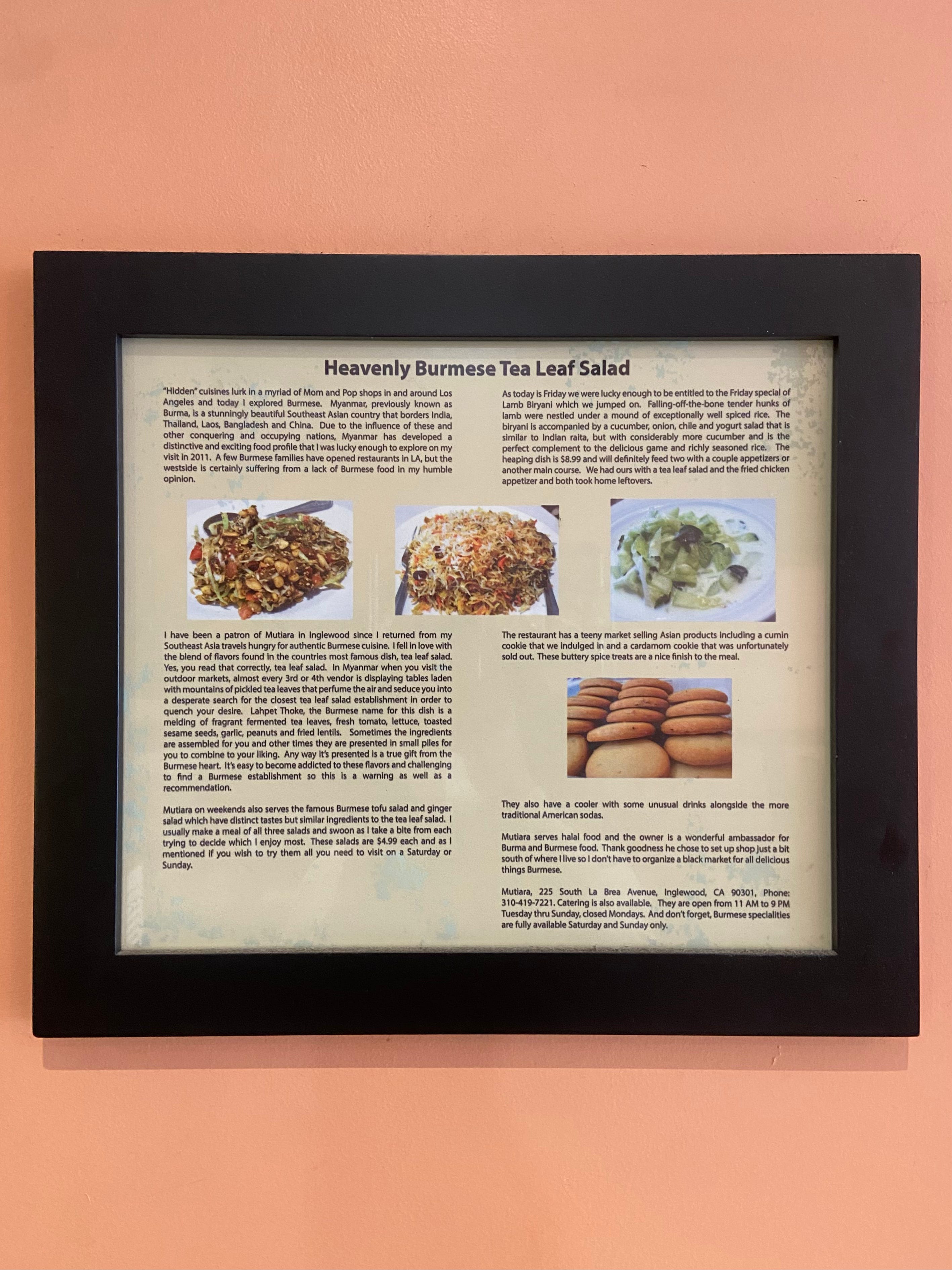
I came to Mutiara to try their Tea Leaf Salad, also known as Lahpet Thoke. I can’t say I’ve intentionally sought out Burmese food before. I’m still trying to wrap my head around the history of the cuisine, but as soon as I knew this dish existed I made a plan to try some. Mutiara’s version is made of fermented green tea leaves, fried lentils, split peas, peanuts, sesame seeds, garlic, and tomatoes. The owner proudly showed me the tea leaves he’d been fermenting and assured me I would not need to add anything to the salad. “Just mix it up and eat. Very good,” he said.
I also ordered Beef Rendang curry, but we’re going to come back to that at another time in a completely different post, because the meat was so tender, I need to ask him some questions.
Now, onto the actual taste and experience of the tea leaf salad.
Firstly, it was a delight to see sesame seeds (my new obsession) make an appearance. It’s lovely how they keep showing up in my daily life without being sought out, or maybe I’m just now noticing them ;).
Secondly, this salad is bitter. This is not a stock photo of a red-lipped woman with perfect teeth having the time of her life biting the edge of some romaine type of salad. This is not a mile-high piled Mediterranean salad by the sea either. This salad is umami down. It is earth incarnate. It’s not wet or slippery. It’s dry, textured, bitter, and slightly sour.
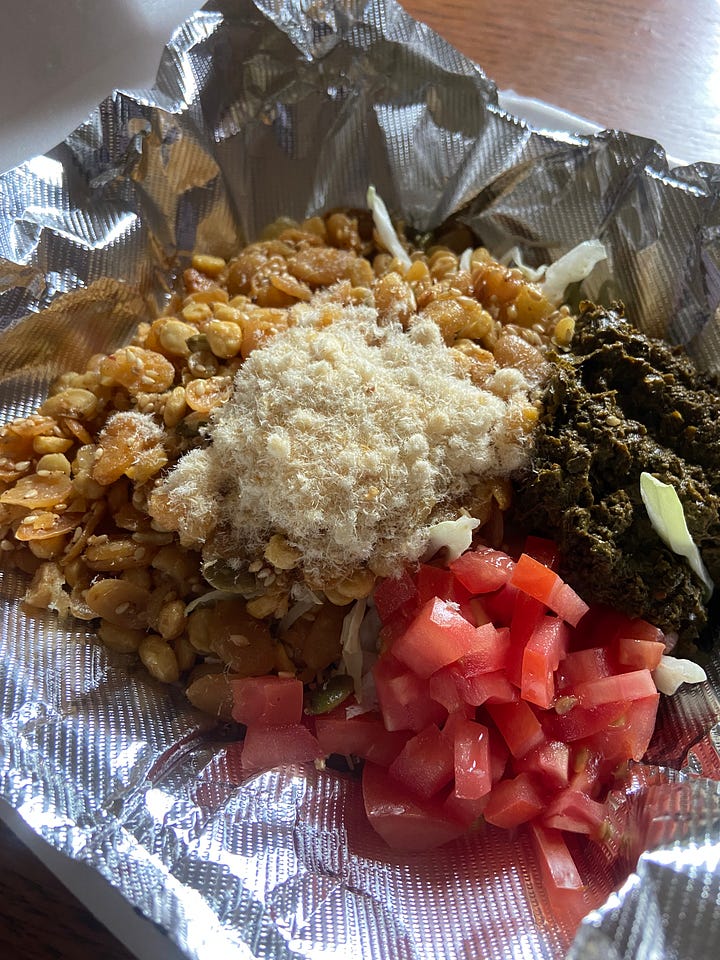
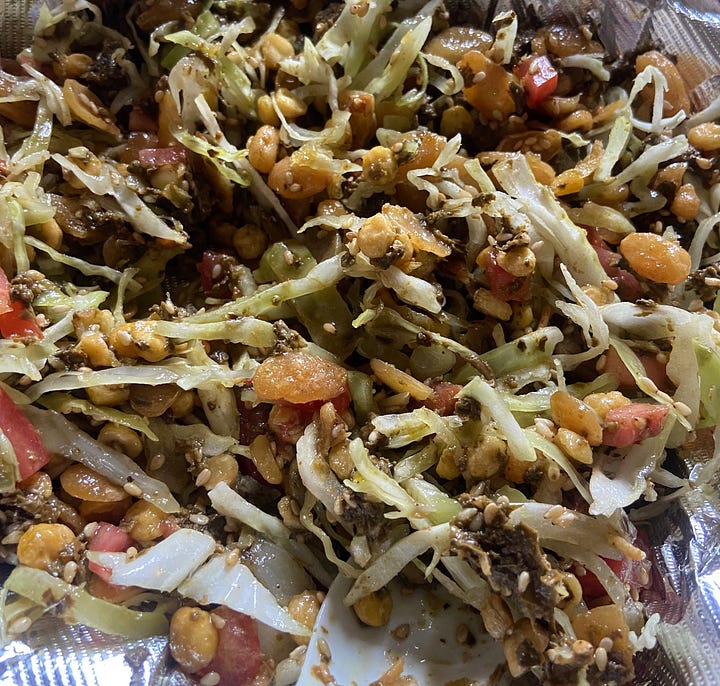
Thirdly, and my most favorite, it is one of the most playful salads I’ve ever had. To be bitter, salty, and several different kinds of crunchy, but still light on the spoon and the stomach, is a certain kind of magic. She’s pungent at first for sure. It’s a complexity that’s up front and not trying to hide itself. But say you try a few spoonfuls here, and then have some later in the day or the next day—if you give it space and time, it tastes even better. I honestly caught myself chuckling at its soft humor. There is comfort in that complexity that you appreciate because it’s both authentic and familiar.
For such a bold flavor profile, it blends excellently with the spicy rendang curry. Both infusions strike and linger. They leave the palate throbbing for more of the experience. The salad offers a cool, blunt base while the curry washes over with a thick and buttery sweetness that gently introduces mounting heat. The bold infusion of something as bitter as tea leaf salad gives me hope that the strong and uncompromising are meant to coexist instead of only standing out.
No posts
Comments
Nothing yet. Say the first thing.
Sign in to join the conversation.