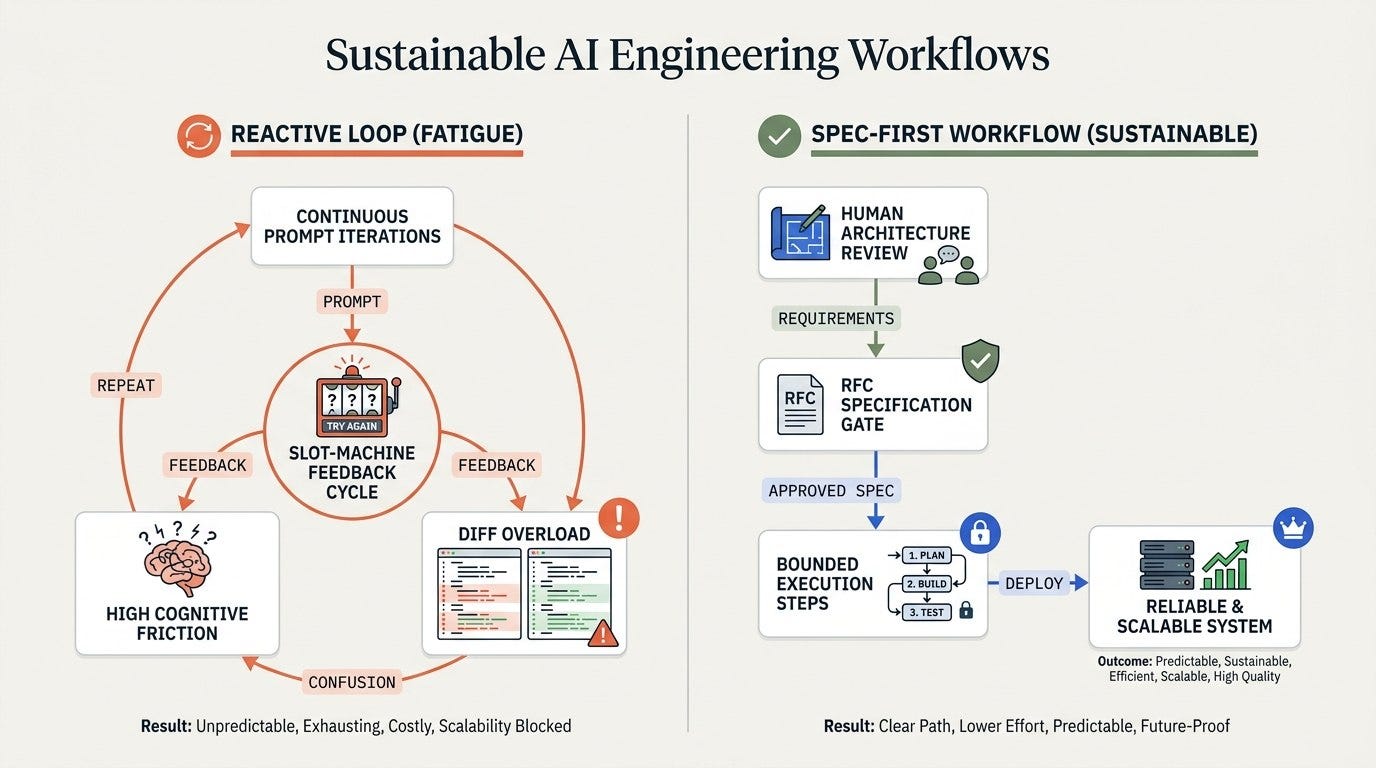
The Asymmetric Verification Trap: Why AI Coding Is Burning Out Senior Engineers
When generating code costs nothing, human verification becomes the ultimate engineering bottleneck. Here is how to architect cognitive guardrails into your workflow

MLnotes shares bite-sized insights on AI, ML, GenAI, agents, and RAG—from real-world applications to careers and startups—helping cut through the noise of rapid AI progress.
Live Last read · last published · next check
When generating code costs nothing, human verification becomes the ultimate engineering bottleneck. Here is how to architect cognitive guardrails into your workflow
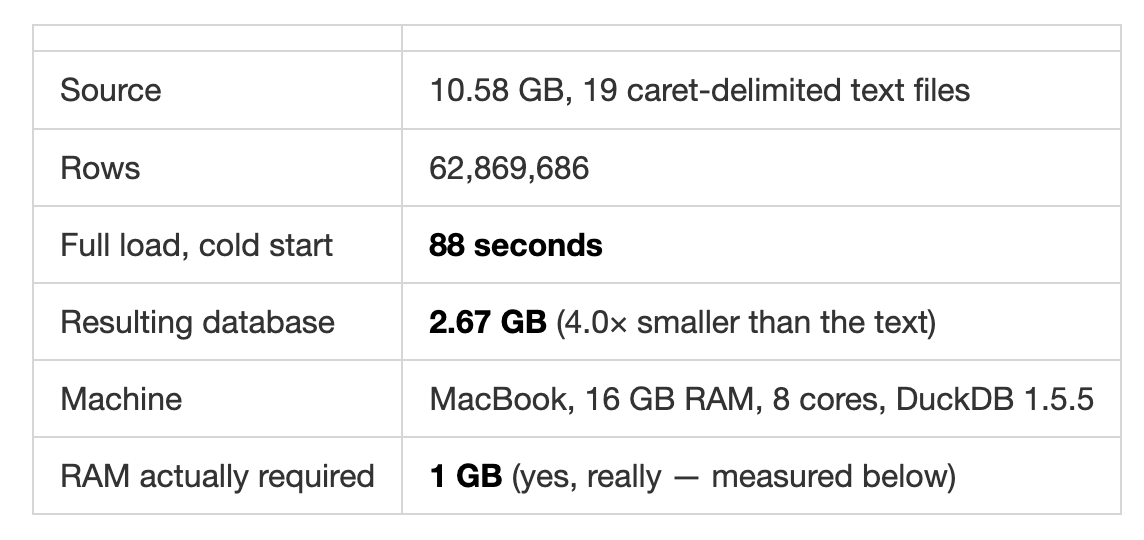
62 million rows, 88 seconds, 2.67 GB, and a 1 GB memory budget. Here's what actually fought back
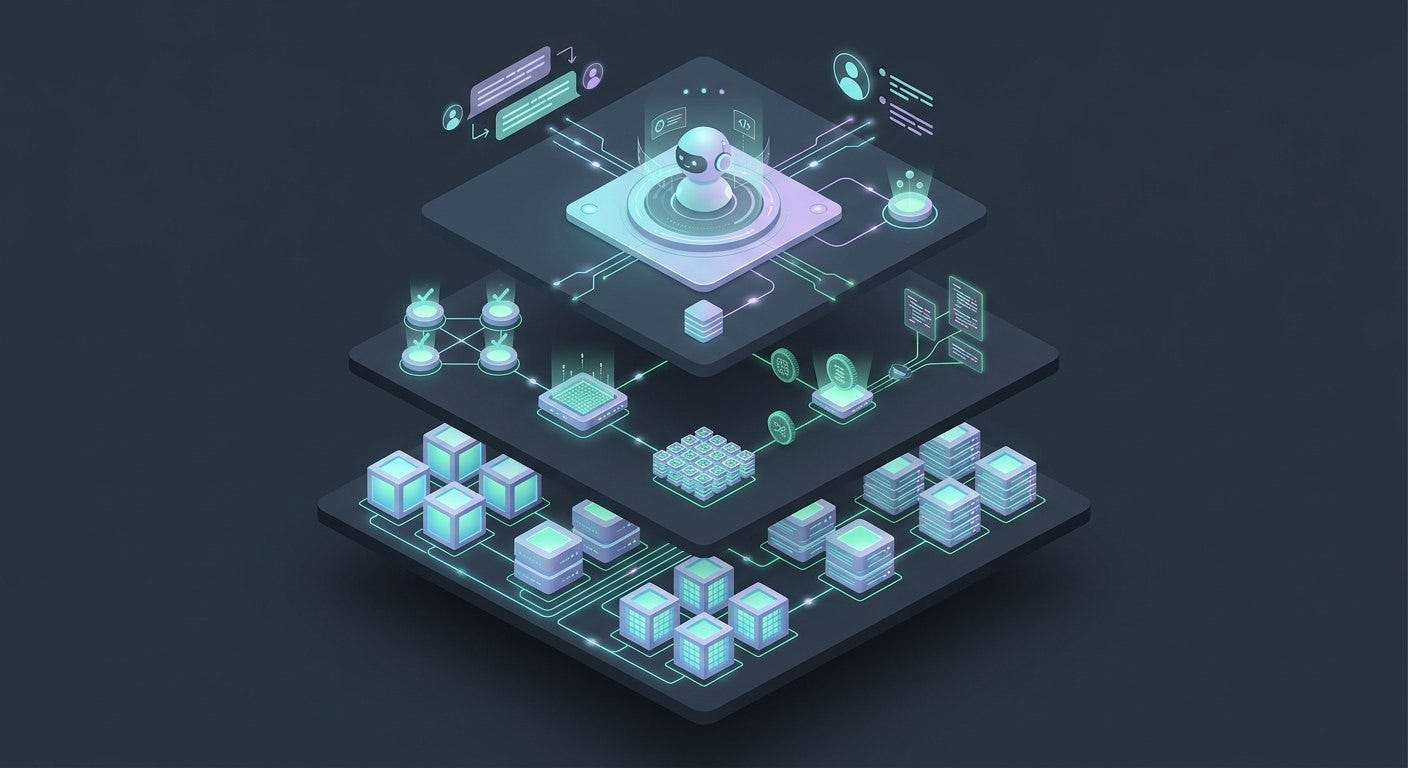
Why naive LLM database queries fail in enterprise production—and the 3-layer architecture required to fix them.
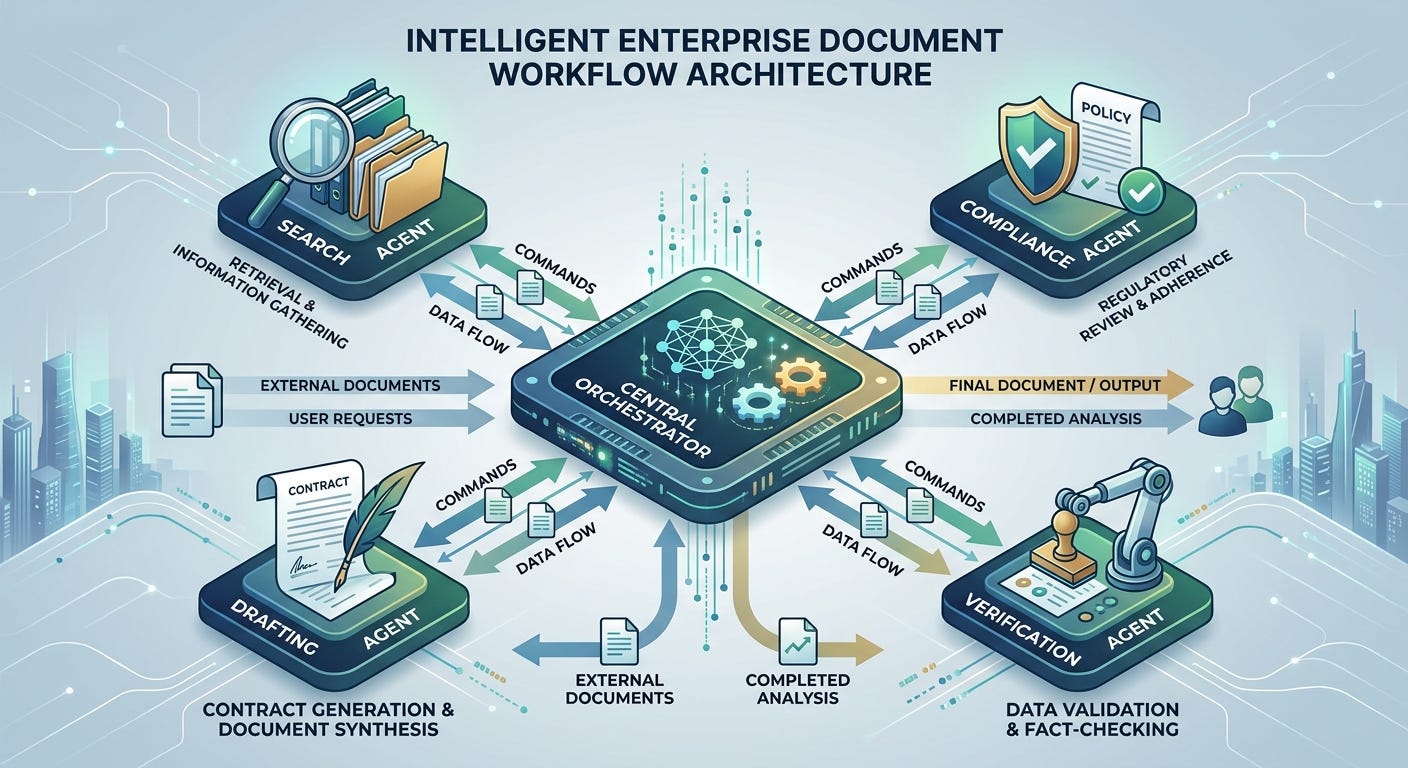
How document processing evolved from simple character recognition to autonomous, layout-aware AI systems that read and reason like humans.
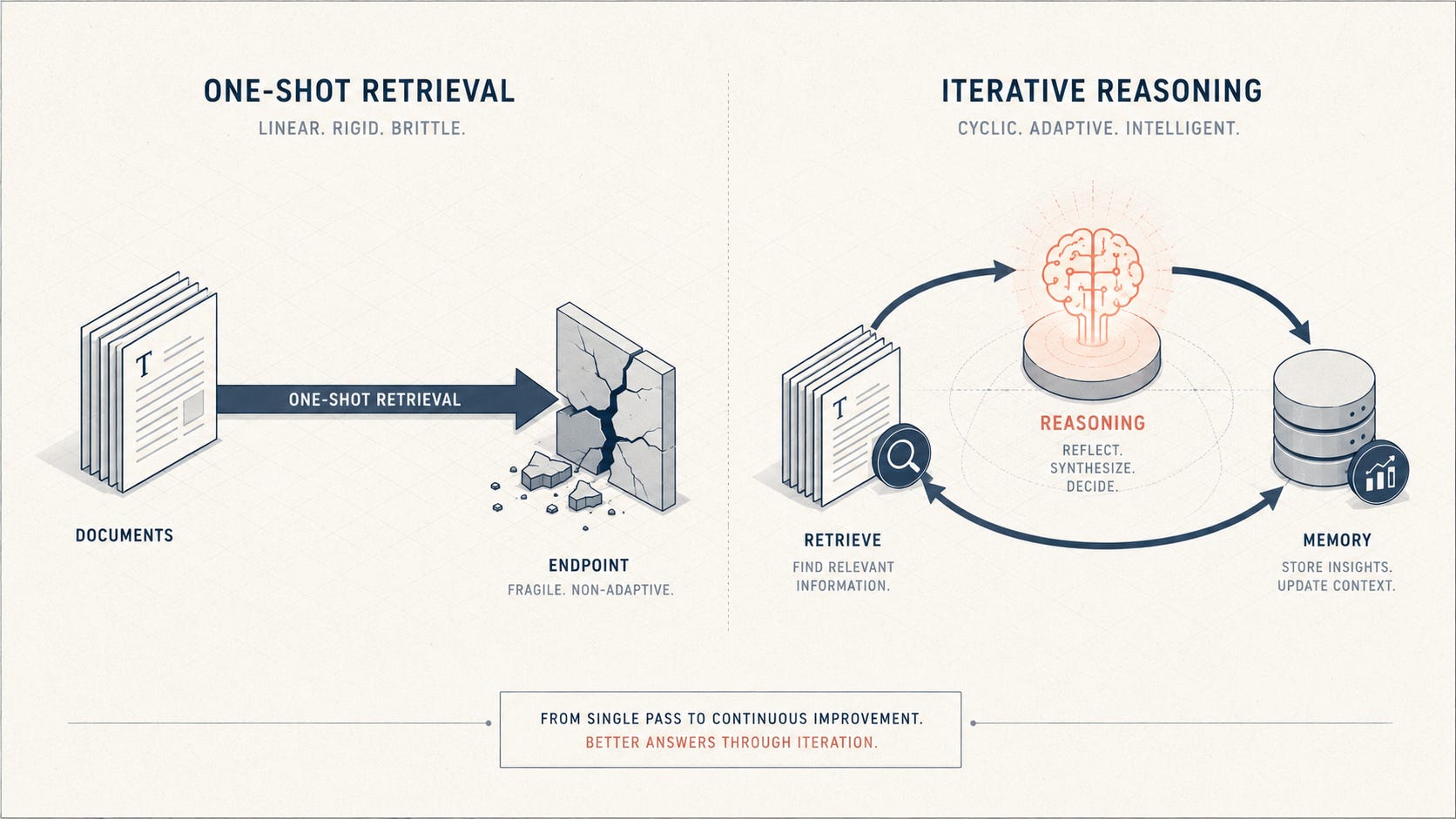
Here’s the uncomfortable truth almost every RAG tutorial skips: the standard RAG pipeline doesn’t actually work beyond the demo.
In Part 2, we built a working agent harness with three real tools, read_file, write_file, and run_bash. The feedback loop worked. Errors came back as structured signals. The model self-corrected.
In Part 1, I argued that the harness is more important than the model, that the teams shipping reliable autonomous agents win by obsessing over the infrastructure around the LLM, not just the weights inside it.
Over the past couple of years, I have spent most of my working hours building agent systems in production, multi-agent pipelines for enterprise clients, agentic platforms for startups, and educational content for a community of over 100,000 people learning to work with LLMs.
I was watching a news broadcast being translated live on screen and had one thought: why isn’t this just built into the browser?
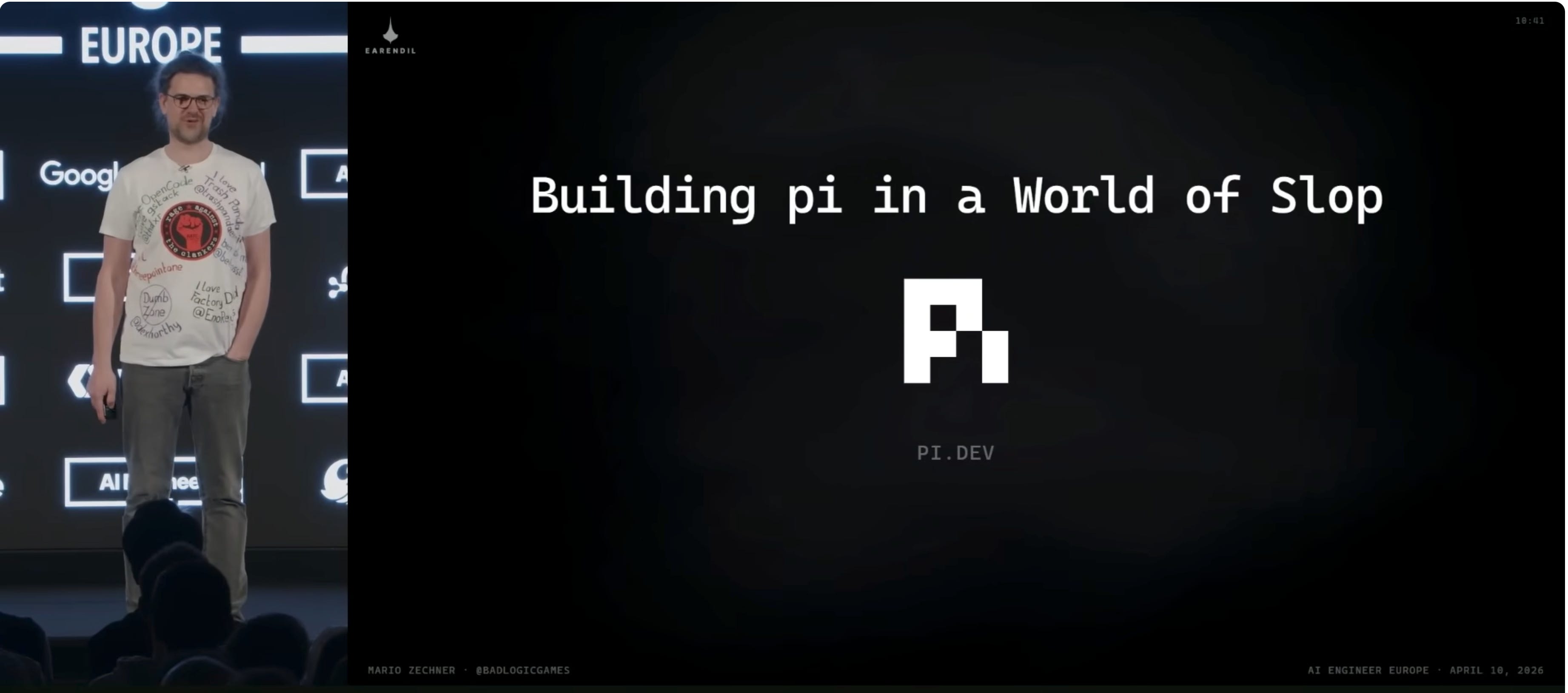
Originally presented at AI Engineer conference by Mario Zechner, creator of PI, a minimal, extensible coding agent