
M&M written content is human-created, independently researched, and filled with resources to deepen your learning. Click here to see all the ways you can support this work. Not medical advice.
Summary of main points:
Most retail avocado oil products fail authenticity tests; many are oxidized, cut with cheaper seed oils, or both. Other cooking oils, such as olive oil, may also not be what they claim.
Health supplements like melatonin products routinely miss label claims: actual levels range widely and may contain serotonin or other contaminants.
Limited independent testing of online MOTS-c peptides found one sample with zero active peptide, and others with 20–80% of labeled content.
Legal marijuana datasets reveal clear statistical fingerprints of lab shopping and collusion: sharp discontinuities at psychologically attractive THC thresholds (especially 20%) that reflect sales incentives, not real biology.
Similar economic pressures operate across food oils, supplements, peptides, and marijuana; consumers must apply skepticism, weigh personal risk and need, and use direct personal experience as a guide; lab certificates are not a guarantee.
You’re stepping toward enlightenment. Learning. Noticing. Like a friend of mine recently declared, you’re careful to read labels at the grocery store. I’m glad you’re paying attention to what the food label says, but things are far worse than you thought. The words printed on the label may be comforting, but they are probably lies.
Below, we will review four examples of consumer product categories where products may not be what they claim: food, health supplements, peptides, and marijuana. It’s not exactly news that food and supplements may not be exactly what they claim. There are early indications that we should keep a close eye on peptides, too. Behind all of these categories an even darker specter lurks in the shadows: third-party lab testing.
Laboratories themselves can engage in fraud, colluding with unscrupulous consumer brands to separate you from your money. Testing labs can generate Certificates of Analysis (CoAs) that do not accurately represent the underlying consumer product, something I witnessed and analyzed in the legal marijuana industry.
In plain English: even when products are “third-party tested” and come with impressive looking Certificates of Analysis (CoA) that appear to show that a product is legitimate. In reality, it’s possible that the CoA itself is fraudulent, or was generated from a cherry-picked or adulterated sample.
In the marijuana industry, producers of consumer products have conspired directly with third-party laboratories to mislead consumers, even in legal, “regulated” markets. We should assume by default that similar relationships exist in other industries. As usual, incentives drive outcomes. Our supposedly high-trust society is filled with fraud—the private sector, the public sector, and academia are rotten with it.
Everyone is talking about this new study showing that most food products labeled as made with avocado oil are not made with authentic avocado oil. Those products may be spiked with cheaper oils (e.g. soybean oil) or made with rancid avocados.
It’s not so different from a drug dealer diluting street drugs with cutting agents. The motivations are similar. Even if you’re an honest actor, the next guy may not be. Competition is fierce. Margins are thin. Do you have a family to feed? Shareholders to answer to?
When scientists pulled these popular food products off shelves and tested them, they found:
Forty-eight out of 54 avocado oil-labeled products were inconsistent with authentic compositional ranges.
One out of 20 olive oil-labeled products were inconsistent with authentic compositional ranges.
Fatty acid and sterol profiles identified compositional deviations.
Key fatty acid and sterol authenticity markers remained largely unchanged during laboratory frying and emulsification.
Avocado oil- and olive oil-labeled products commanded higher retail prices than vegetable oil counterparts.
We’ve known about this problem for quite a while. I previously spoke with the lead author of the new study about similar work. Some highlights:
Oxidation Chemistry: Triglycerides break down into tasteless peroxides then into aldehydes that produce rancid odors; concentration and matrix determine whether the same compounds smell pleasant or foul.
Purity Testing: Fatty-acid and sterol profiles distinguish true olive or avocado oil from canola, soybean, or other adulterants.
2010 Olive Oil survey: ~68% of imported samples failed USDA quality standards, largely from oxidation rather than outright substitution.
Avocado Oil Findings: ~80% of retail samples were oxidized or impure; some were 100% soybean oil labeled “extra-virgin avocado.”
Packaging Effects: Clear plastic permits light and oxygen; dark glass, tin,
Back then, Dr. Wang would not reveal the identities of the brands they tested. When I asked why, she gave a lame excuse: “It’s not our job to police the industry.”
By definition, “policing” would involve some authority going in and enforcing the rules on those breaking them. Simply revealing the names of the brands selling bunk products is not “policing,” it’s educating. My take on her comments in 2023: Dr. Wang’s university (UC-Davis) told her not to reveal the names of the brands in question. Why? A reasonable bet is that some of them provide funding to the university, at some level.
(Remember: when academic scientists get research grants, the university take a large chunk of it, “to keep the lights on.” In other words, grants are a major revenue stream for universities).
Whatever the case, things appear to be different now. With the new study, UC-Davis released this list of brands claiming to use avocado oil in their products. It tells you which products by which brands were tested, and whether the composition of the advertised oil was consistent with authentic oil.
Potato chips:
Lay’s, Baked BBQ Flavored Potato Crisps Made with Olive Oil
Trader Joe’s, Kettle Cooked Olive Oil Potato Chips
Torres, Extra Virgin Olive Oil Potato Chips
Graza, Extra Virgin Olive Oil Potato Chips
Dressings or sauces:
Bella Sun Luci, Sonoma Vinaigrette Made with 100% Olive Oil
Bragg, Organic Vinaigrette Dressing Made with 100% Extra Virgin Olive Oil
California Olive Ranch, Balsamic Vinaigrette Dressing Made w/ EVOO
Grove, AvoYeah! Mayo and Garlic Aioli Sauce Made with Avocado Oil
Graza, “Original” and “Fancy” Mayo 100% EVOO
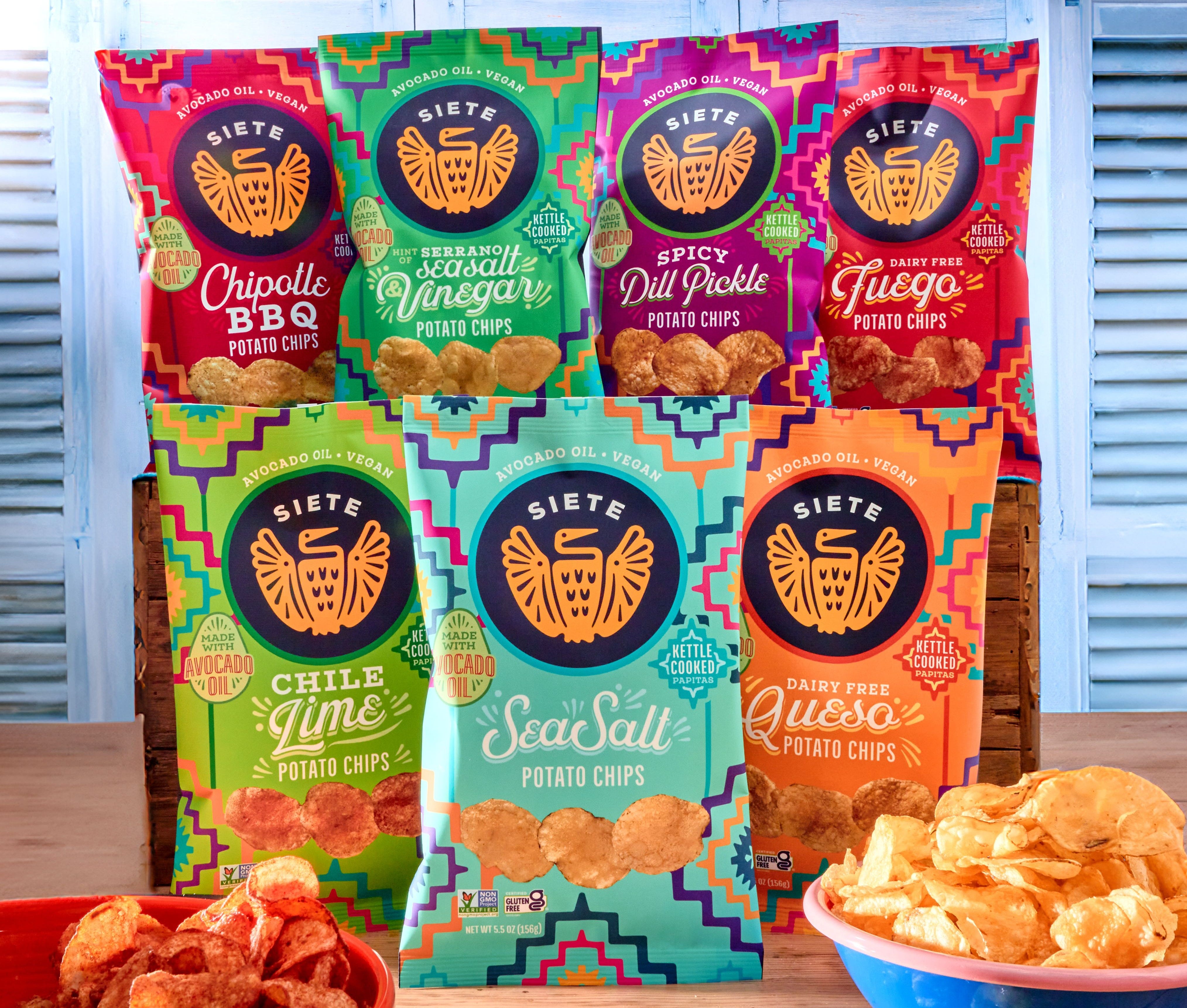
A bunch of other brands—Siete, Kettle Brand, Sprouts, etc.—all had products where the tested oil was not compositionally consistent with authentic oil.
In our past conversation, Dr. Wang described similar past research, such as a 2010 survey finding that ~68% of imported olive oil samples failed USDA quality standards, and that ~80% of retail avocado oil samples were oxidized or impure.
Oxidized polyunsaturated fats are basically rancid fats, which animal bodies work hard to dispose of. Cooking oils might contain oxidized fats because the starting material was already rancid fat, or because the fats in the oil were not processed or stored properly. So, there are two broad ways that cooking oils can be “bad”:
They contain the correct type of oil (e.g. avocado), but that oil became rancid at some point before, during, or after the oil product was manufactured.
The advertised oil is actually some other oil, at least partly. For example, avocado or olive oil might be cut with a cheaper substitute, like soybean oil.
End result: what you’re buying isn’t what you think it is. Your avocado oil may have been made from avocados that were already bad, or the oil was handled in a way that allowed it to oxidize before reaching your kitchen. And of course, in some cases the “avocado” oil was simply spiked with cheap seed oils or whatever.
With academic work such as Dr. Wang’s, we at least know that the scientists have rigorous laboratory training, with fewer direct financial incentives tied to industry. There are certainly financial ties between industry and academia, however. For example, see this article for examples of industry-academia conflicts.
The “lab tested” products that consumers purchase are not tested by scientists in academic research labs—those products are tested by for-profit labs whose revenue depends on having a loyal customer base, just as with any other business. Again, competition is fierce. The “other guy” may very well be undercutting you on price by spiking his “avocado oil” with seed oils.
When products are “lab tested,” how do we know that the lab testing is properly carried out, or that brands aren’t colluding with labs to generate the results they want? As ordinary consumers, we are totally blind to this. To know the answer, you’d have to have direct access to testing data from multiple labs, comparing the data between them (ideally with some of the same products tested in different labs).
After briefly surveying results in the supplement and peptide industry, we will turn to another industry—legal cannabis, i.e. marijuana—where I did extensive research that made an ugly truth crystal clear: third-party lab testing, like so many other elements modern society, is contaminated with fraud.
Melatonin is a neurohormone and mitochondrial antioxidant famous for regulating circadian rhythms. Melatonin supplements are a multi-billion dollar industry, which is projected to grow. As with other industries, competition for consumer dollars is fierce.
A number of studies over the years have revealed problems with supplemental melatonin products:
Across thirty melatonin supplements, this study showed that >70% did not contain melatonin levels within 10% of the label claim. Actual melatonin levels ranged from 83-478% of the labelled amount. 26% contained serotonin, an endogenous neurotransmitter similar to, but distinct from, melatonin.
88% of melatonin gummy products analyzed in this study were inaccurately labeled. Only 12% containing melatonin quantities within 10% of advertised levels. One product contained no melatonin at all, and CBD (cannabidiol) instead. Among products containing melatonin, the actual levels ranged from 74-347% of the labelled amount.
I’m not singling out melatonin here for any particular reason, other than already knowing about these findings. Problems have been documented for other types of health supplements as well, including fungal contamination of herbal supplements. My baseline assumption is that many supplement products out there are likely to be more variable in potency (dose) than we might like to admit, and some products may be contaminated with other substances.
Health supplements in general are big business. Similar to the food industry, there is lots of competition. Testing in expensive and often a bottleneck. No producer wants to throw a large batch of product away because some lab geek detected a little bit of contamination, or spend more than they have to meet testing requirements.
There’s probably more literature out there, but from what I’ve seen so far, potency variability and contamination are to be expected, to some extent. In many cases, supplements will deviate at least modestly, and sometimes substantially, from label claims. Sometimes that means you’re getting less than what you paid for; other times, you may be getting much more than what you expect. (When it comes to nutrition, more of something is not automatically better).
Another area I’ve gotten more interested in recently is peptide biology. I’ve heard early indications from scientists on the podcast that there’s reason to be cautious about purity and potency here as well…
Learn more about peptides:
Article | Metabolic Stress & the Peptide MOTS-c: How Much is Too Much?
Amid the surging popularity of peptides, which represent yet another growing, multi-billion dollar industry. GLP-1 drugs are already massively popular. At the same time, more and more people are purchasing “third-party tested” peptides online, which often exist in a legal gray area. One example is the mitochondrial peptide MOTS-c, which has amazing metabolic effects.
Exogenous peptides often exist in a legal gray area, marketed as being for “research purposes only.” That is not what’s happening, of course. People buy dried peptides in solid form, reconstitute the powder in water, and inject themselves subcutaneously. This route of administration increases the importance of purity and potency. Whether legal or not, anyone injecting peptides will want to know their dosage precisely, with high confidence that their stash is free from contaminants.
Anecdotally, there are no shortage of reports about people’s experience with self-administered peptides. Most reports seem positive or benign, but there are certainly examples of responses requiring medical attention, such as allergic reactions. The extent to which those have been driven by immune responses to peptides themselves or contaminants is not very clear to me.
Most peptide products available online proudly display Certificates of Analysis (CoAs) from third-party testing labs, appearing to prove potency and purity. However, when I spoke to prominent peptide researcher Dr. Pinchas Cohen, he shared that several friends had sent him samples of MOTS-c that they purchased for online. His lab tested the samples directly. Here’s what they found:
In at least one sample a mixture of peptides supposedly containing MOTS-c contained none at all, and in other cases the measured level of MOTS-c was 20-80% of what the label said. As he pointed out, these potency issues can arise from multiple potential sources:
Stability issues: the peptide degrades over time, at some point between its manufacturing, shipment, and use.
Cheating: producers may be knowingly diluting samples or putting other peptides in place of the one advertised.
Incompetence: producers may not be properly synthesizing, testing, or storing products to ensure proper purity and stability.
As the rules and regulations around peptides change and popularity continues to grow, we will likely see people place a strong focus on purity, safety, and lab testing. We will also hopefully see more data on true, off-the-shelf product testing, where third-parties purchase peptides online and test them independently, rather than taking product CoAs at face value.
The last point is important, because most people naturally assume that if a product is “third-party tested” and you have access to a CoA, then everything is good. But what you’re tacitly assuming is that the testing was done properly and in good faith, with no funny business such as collusion between the lab and the producer (i.e. the seller and the buyer) to produce favorable results.
The reason I bring this up comes from my personal experience working in the marijuana industry, where I worked extensively with laboratory testing data. I analyzed large data sets from many different testing facilities across several US states, spanning years of testing and thousands of products.
What do you see when you carefully analyze data from many labs testing consumer products for potency and purity? Testing labs are supposed to be the places watching the producers, keeping them honest. But who is watching the watchers, to make sure they’re being honest?
Learn more about Nick’s research on third-party lab testing of marijuana products:
Paper | The Cannabinoid Content of Legal Cannabis in Washington State Varies Systematically Across Testing Facilities and Popular Consumer Products
Paper | The phytochemical diversity of commercial Cannabis in the United States
Here’s how it works in the marijuana industry. Profit margins for producers are small. Competition in most markets is fierce. Marijuana can be tricky to grow. Mold. Bugs. Lots of things can destroy a crop. It’s farming.
The product being grown, or any of its derivatives, must legally undergo lab testing for potency and contamination. That five-pound lot of dried weed you just spent countless hours (and dollars) laboriously cultivating—well, guess what? One of the buds you paid to have tested had some mold, a little over the legal limit. Congratulations, you have to throw away all it. Good luck making payroll.
Oh, and those dank, juicy nugs of weed harvested from the prized new strain of marijuana your team labored to nurture to maturity? Well, they just tested at 19% THC. What that means is that consumers are going buy from your competition, which tested at 20% THC and is available for the same price.
Where does this lead? Consumers basically optimize for THC per dollar spent, and people are naturally attracted to psychologically satisfying numbers, like multiples of five or ten. Growing weed that tests at 19% THC is like being a guy who is 5’11’’ tall. You tell everyone you’re 6’0’’, especially women.
And when we analyze large-scale testing data, those human tendencies manifest as clear statistical signals:
Comments
Nothing yet. Say the first thing.
Sign in to join the conversation.