
There is a kind of person who always wears sunscreen before leaving the house.
They spend most of their waking hours between an office, a car, and a living room, environments lit by weak artificial light, or sunlight through glass that strips away half the benefits.
Their skin rarely sees the sun for more than a few minutes at a time, and when it does, they feel guilty regarding wrinkles or health.
Now picture this same person after two weeks of consistent outdoor time. Mornings outside, midday walks, weekends spent in daylight. They’re warmer, sleep deeper, and have steadier moods. They are more active, and the body is producing abundant energy.
Often, one chalks up the benefits to “fresh air” or “getting away from screens”. They’re not wrong, but they ignore that the most significant input here is light. Sunlight, specifically.
Until roughly 150 years ago, huge parts of human life happened outdoors. Bright light hitting the skin and eyes for most of the day. You got the entire spectrum (ultraviolet, visible, red, near-infrared). The body developed under that signal for hundreds of thousands of years. It calibrated its hormones, its sleep architecture, its immune system and its very capacity for energy production around sunlight in large doses.
Indoor life broke this. A typical office runs at 300 to 500 lux (measurement for brightness). Outdoor daylight, even on a cloudy day, runs at 10,000 or more. Direct sun exceeds 100,000. The gap between the brightness that our body anchors its timing around and indoor light, is extremely large. The gap is not only concerning brightness, but also what spectrum we’re receiving. Indoor light is heavy in blue light, very lacking in red or infrared light, and missing UV.
Even the “bright” office is dim and incomplete by the standards the body was designed for.
What many experience as their baseline with fatigue and mediocre sleep in the winter, along with depression and mood dips, can have significant roots in light deficiency.
Light is crucial biological information. It tells your metabolism what time it is, what state to run, and how hard to push energy production. It has a dose, a timing, a deficiency state, and a toxicity state. In that sense, it behaves like a nutrient. Too little and bodies degrade, right amount and everything runs optimally, and too much is a sunburn.
The question is how to get the right amount, in the right way, with the right support.

The dominant public health idea is to avoid the sun, wear sunscreen, minimize exposure, all in the name of skin cancer. But that’s not a complete picture at all. There are ways to get the countless benefits with minimal risks.
We’ll walk through what sunlight actually does to your body. This isn’t your typical “vitamin D is good” article, but we’ll explore five distinct physiological signals that sunlight delivers simultaneously through your skin and eyes, each one independently improving your metabolism.
We’ll look at why the fear has been disproportionate to the actual risk. We’ll examine what really determines whether UV exposure damages your skin, and it’s far more controllable than you’ve been told. Then we’ll build a practical, evidence-based approach to getting the full benefit of sunlight while keeping the risks minimal.
If you’ve been avoiding the sun and feeling guilty every time you enjoy it, this is for you.
Sunlight is a spectrum, and different wavelengths do different things to the body.
UVA penetrates deep into skin and triggers vascular chemistry. UVB carries more energy and drives vitamin D production and hormonal signals. Visible light anchors your circadian clock through the eyes. Red and near-infrared wavelengths penetrate the deepest and act directly on mitochondria.
Sun exposure is not a single input, just as “food” is not a single input. It’s at least five different physiological signals running in parallel.
Let’s walk through each one.
This is probably the least discussed effect of sunlight, and it might be the most interesting one.
In 2021, a study in Cell Reports identified that UVB light hitting the skin activates a gene called p53 in skin cells (keratinocytes). That activation sends a signal to the hypothalamus, which tells the pituitary gland to release the hormones that drive the gonads:
GnRH, FSH, and LH.
In men, FSH supports sperm production and LH drives testosterone production. In women, FSH stimulates follicle growth and egg maturation while LH triggers ovulation and supports progesterone production. I cannot emphasize enough how extremely important this progesterone boost is for women. I describe it as the hormone of safety in my other articles on X.
The gonads essentially respond by producing more sex steroids. The skin is talking to the reproductive system through the brain. The researchers called it a “skin-brain-gonad axis.”
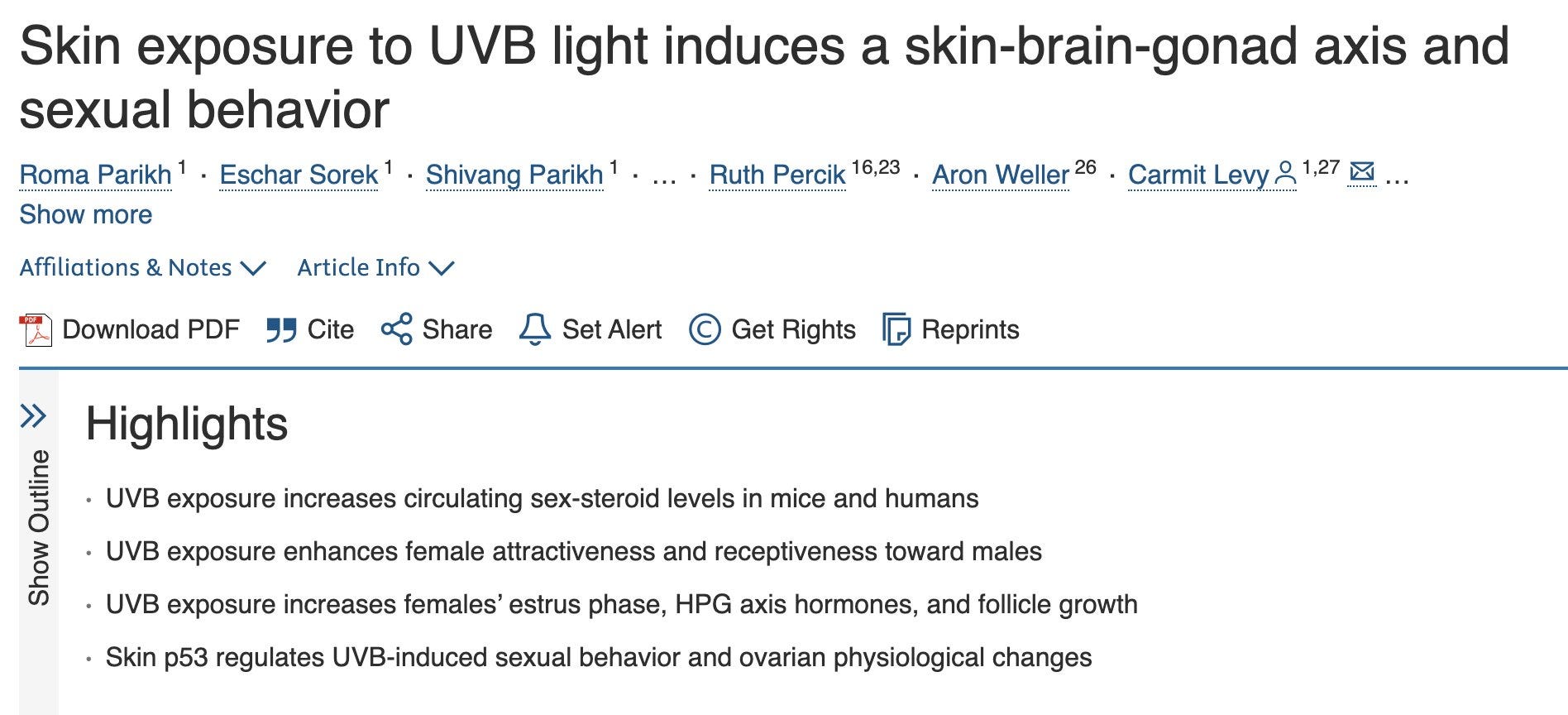
In male mice, eight weeks of chronic UVB exposure doubled testosterone in the blood. In female mice, the same protocol increased estradiol and progesterone, extended fertile days, grew larger ovaries, and increased markers of fertility. (PMID: 34433056)
One-time exposure didn’t activate sex-steroid signaling. Only chronic and repeated exposure did; similar to training.
A study was done on humans too, where men undergoing UVB phototherapy reported more desire for affection, more thoughts about their partners, and higher aggressiveness. Women reported feeling their partner was a better romantic match and had a stronger physical response to touch. Testosterone levels in men positively correlated with solar exposure.
I hope I don’t need to explain why love and happiness is important to overall health and metabolism.
This is all consistent with broader population data. Men have higher testosterone in summer than in winter. Testosterone levels are higher in sunnier climates, and these patterns have been documented across multiple populations.
What higher sex steroids mean for metabolism
Sex steroids are more than reproductive signals, as they also influence body temperature, mitochondria, fuel use, and even the drive to move around/act. Sunlight can push the organism toward an energetic, anabolic, high-output state.
In men, higher testosterone supports more muscle mass. More muscle means better use of food and glucose, less reliance on stress hormones to maintain energy.
In women, higher progesterone is one of the most important goals. Progesterone is anti-inflammatory and pro-metabolism. It improves mood, protects brain tissue, and opposes many of the inflammatory effects that excess estrogen amplifies. It is simply one of the most protective hormones in the female body, which is why I use it as a support with my female clients as they rebuild their energy levels.
Sunlight pushes hormonal health toward energy production and away from conserving. A body receiving sunlight simply expends more energy in the best way possible.
The 5-alpha reductase cascade
An enzyme called 5-alpha reductase (5-AR) sits downstream of the hormones sunlight raises.
In men, 5-AR converts testosterone into DHT (dihydrotestosterone), the most potent androgen the body makes. DHT is responsible for masculine features, cognition and drive. It also turns into metabolites that are anti-anxiety, pro-libido and pro-motivation by themselves.
When sunlight raises testosterone through the skin-brain-gonad axis, it’s also raising the upstream supply for 5-AR. More testosterone, more DHT.
Mainstream medicine tends to frame 5-AR as the enzyme behind hair loss, and drugs like finasteride inhibit 5-AR to lower DHT. But this framing misses the broader picture. By inhibiting 5-AR, you also lower pregnenolone and DHEA, creating damage across the entire steroid cascade. DHT itself is a potent aromatase inhibitor, meaning it opposes estrogen. Lowering it can shift the hormonal balance in exactly the wrong direction.
Ray Peat wrote in 1996: “I suspect that light on the skin directly increases the skin’s production of steroids, without depending on other organs. Different steroids probably involve different frequencies of light.” Ray Peat was speculating back in 1996, but the core insight that sunlight drives steroid production, turned out to be correct.
He preceded the discovery by 25 years.
5-AR for women
5-AR, in women, converts progesterone into allopregnanolone, one of the most powerful neurosteroids the body produces.
Allopregnanolone acts on specific receptors in the brain. These are the same receptors that drugs like benzos target, but allopregnanolone activates them without the dependency, tolerance, or toxicity. It promotes calm without sedation. It’s anti-anxiety, anti-depressant, and neuroprotective. This is conducive to higher motivation and energy.
Low allopregnanolone levels are associated with depression, anxiety, PMDD (premenstrual dysphoric disorder), postpartum depression, and even cognitive decline. This is well-established enough that pharma companies are currently running trials on drugs designed to raise brain allopregnanolone.
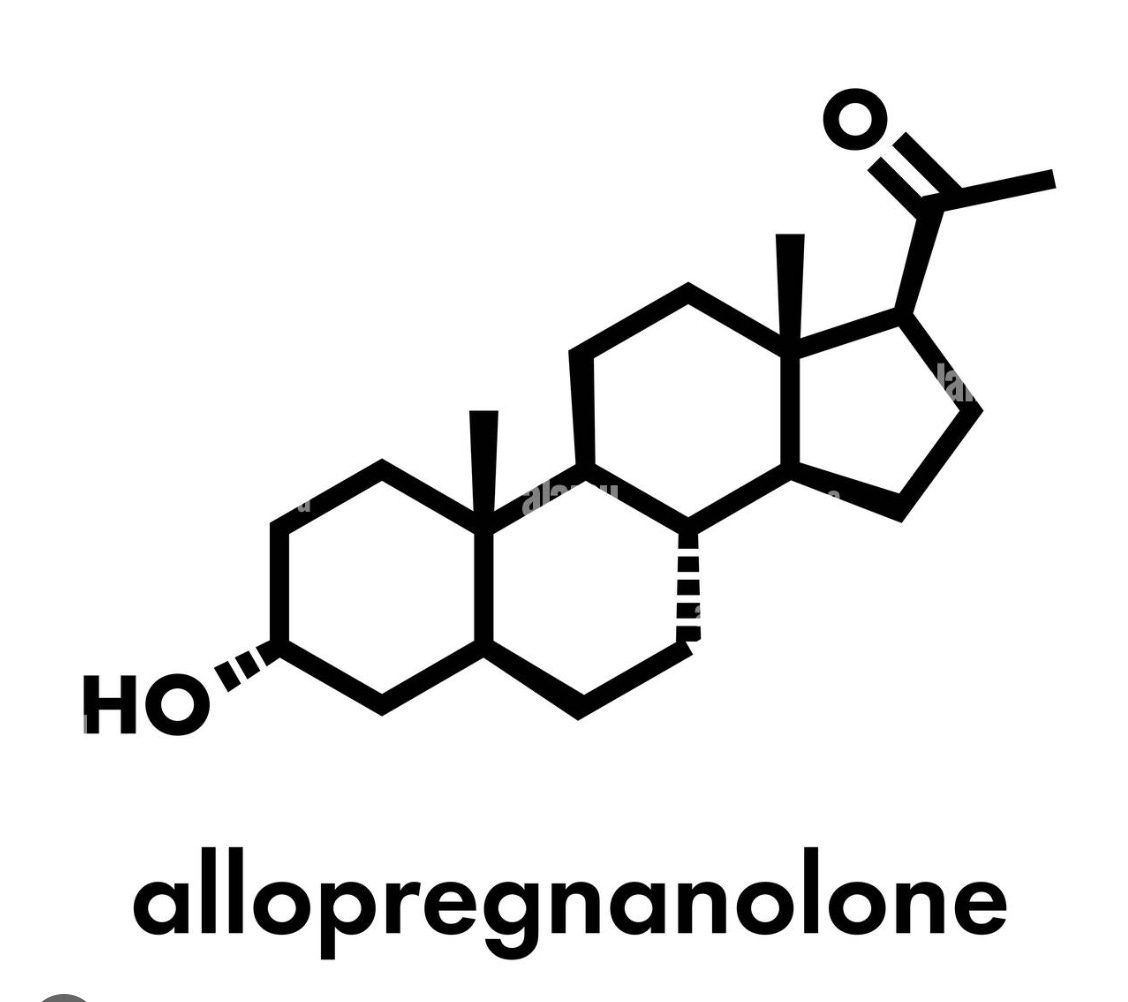
Meanwhile, finasteride and other 5-AR inhibitors lower it as a side effect, which is part of why those drugs carry psychiatric risks (depression, anxiety, cognitive fog) that can persist long after discontinuation.
So when sunlight activates the skin-brain-gonad axis and raises progesterone in women, it means more substrate for 5-AR. More 5-AR activity means more allopregnanolone.
Sunlight, through this pathway, supports two of the most common things women struggle with, namely mood instability and stress resilience. Both through direct hormonal effects.
The same study found that UVB-exposed female mice had larger ovaries and increased AMH, a marker of fertility. It’s plausible to think that sunlight improves reproductive health.
Sunlight raises testosterone and DHT in men, progesterone and allopregnanolone in women. The male effects are pro-drive and pro-energy. The female effects are pro-calm, pro-fertility and pro-resilience. Both by the same enzyme and the same input.
Sunlight on skin.
Being outside in sunlight feels different from being inside under artificial light. The difference is mitochondrial.
Sunlight contains red and near-infrared wavelengths (roughly 600 to 900 nm) that penetrate deep into tissue. These wavelengths are absorbed by an enzyme called cytochrome c oxidase. When this enzyme absorbs red or near-infrared light, electron flow through the chain improves. This simply means more ATP from the same fuel.
Light hits an enzyme, the enzyme works better, the cell produces more energy.
Full-spectrum sunlight delivers these wavelengths alongside everything else. Glass blocks most of them out. Artificial indoor lighting barely contains them at all. When you spend the day indoors, your mitochondria are missing an input that improves their efficiency. Outside in real sunlight, they get it back.
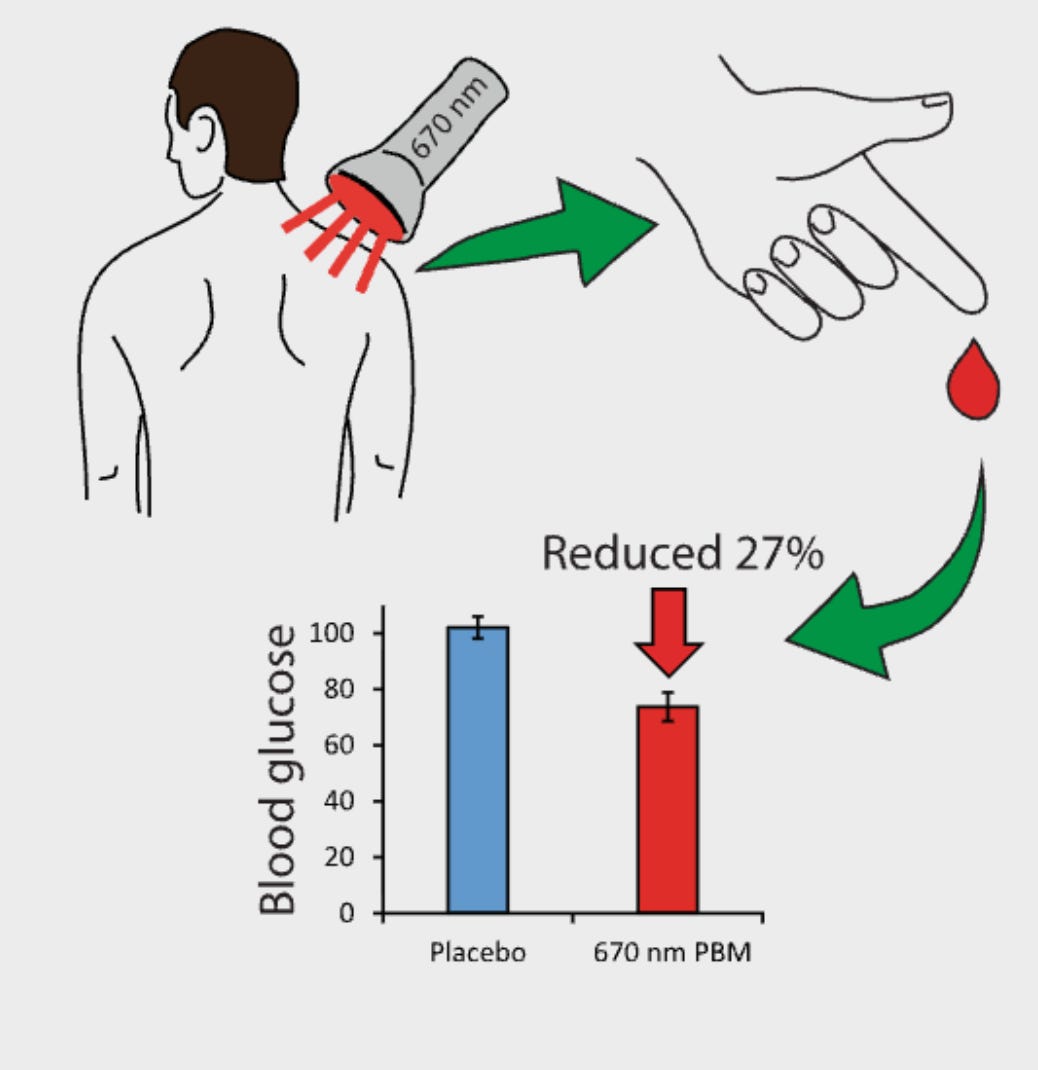
In a human study from City University of London and UCL, a single 15-minute exposure to 670 nm red light on subjects’ backs reduced post-meal blood glucose by roughly 27.7%.
Red light stimulated the mitochondria to consume more glucose for energy production, pulling it out of the blood faster. That’s from 15 minutes of one wavelength on one part of the body. Full-spectrum sunlight delivers this wavelength across every exposed surface, alongside everything else.
Blue and ultraviolet wavelengths, by contrast, are mostly absorbed in the outer layers. This is part of why red and orange light counteract some of the surface-level stress that UV creates. The deeper wavelengths are doing repair and activation work while the surface is handling the UV signal.
A group at the University of Ulm found that 670 nm red light causes a “breathing-like volume expansion” in layers of water on a surface, stabilizing a more ordered arrangement of hydrogen bonds. If this applies to water inside cells (where much of the water is structured in similar layers), red light may be improving cellular water organization alongside its direct effect on mitochondria.
Generally, light also suppresses melatonin production, in some cases by up to 90%. This matters because melatonin increases circulating free fatty acids, particularly during the night. With sunlight, you’re putting your body in a more sugar-burning state, which is extremely energetic and healthy for reasons I cover in my book, “The Metabolic Blueprint”. The gist of it is that burning glucose/sugar is characteristic of a highly energetic body that uses carbs well, and is a sign of youth and flexibility.
During the daytime, you don’t want elevated melatonin and the metabolic noise that comes with it. Bright light that includes red wavelengths keeps melatonin appropriately low during the day, reducing unnecessary fatty acid release and the oxidative stress that follows.
A practical note, don’t overdo dedicated red light sessions. Because red light increases how fast mitochondria consume glucose, extended sessions can lower blood sugar too much and trigger a stress response through sugar depletion. Drink some orange juice before a red light session to keep fuel available, or even if out and about in the sun. The vitamin C will protect you, for deeper reasons we will explore later.
When you spend real time in sunlight – actual outdoor full-spectrum light, the body produces more energy from the same food. You feel it as alertness, warmth, and a willingness towards action that stimulants can’t replicate. Your mitochondria are quite literally working better.
Your body runs on a 24-hour rhythm. Cortisol, insulin sensitivity, body temperature, appetite, sleep pressure… all of these follow a daily cycle. That cycle needs an anchoring time-stamp from the environment to stay accurate.
The strongest anchor is bright light through the eyes in the morning.
When bright light hits specialized cells in the eye, it signals the brain’s master clock (the suprachiasmatic nucleus, or SCN). The SCN then coordinates clocks in the liver, muscle, fat, gut, and pancreas. This is how morning light sets the natural cortisol rhythm, body temperature and insulin curve.
When the signal is strong, cortisol rises sharply in the morning (which is what you want, it’s your body’s natural “on” switch), peaks early, and falls steadily through the evening. Insulin sensitivity is highest earlier in the day, meaning carbs are handled better in the first half. Body temperature rises during daylight and drops at night, and that drop is what initiates deep sleep. The whole system runs with a clear distinction between “on” and “off.”
When the signal is weak, all of this flattens. Cortisol doesn’t rise hard enough in the morning so you feel groggier, and it doesn’t fall enough at night so you feel wired. Insulin sensitivity loses its daytime peak, so glucose handling is mediocre all day. Body temperature becomes flatter without a proper daytime rise or nighttime drop, so sleep is lighter and recovery is worse. The metabolism sits in a grey zone between active and restorative, doing neither well.
I describe this in my book as a metabolism that “stays semi-stressed, with sleep that stays half-restorative.” The pattern looks like a low-metabolic phenotype even when nutrition and training are fine, simply because the timing signal is too weak.
Light intensity is key here. Indoor environments run only at a few hundred lux, while outdoor daylight is tens of thousands. Direct sunlight exceeds 100,000 lux. The circadian system was calibrated for that kind of contrast between day and night. A few hundred lux does not register as “daytime” in the way that biology means it. You can sit in a well-lit office all day but it doesn’t mean your rhythm is anchored strongly.
People who spend more time outdoors feel like their body is working better, partly due to this, independent of exercise or diet. The clock is simply working better.
Light at night is the other side of the coin. A single night of sleeping with moderate room light measurably worsened next-day insulin sensitivity and cardiometabolic function in a controlled study. The body reads light during sleep as a mixed signal. Part of you stays in day mode when you should be repairing. Bright days and dark nights produce the cleanest metabolic performance. Dim days and bright nights produce the worst.
As an added fun fact, bright outdoor light drives dopamine production in the retina, where it acts as a daytime signal that regulates eye growth. When daylight is chronically weak (indoor life), retinal dopamine stays low. In a large school-based randomized study, adding roughly 40 minutes of extra outdoor time per day reduced the incidence of nearsightedness in children. The retina simply needs real daylight to develop properly.
There’s also a behavioral component that I think is very underappreciated. Bright sunlight increases daytime alertness and makes spontaneous movement more likely. You tend to have to force yourself less to walk or be active when the body is receiving a strong light signal. Movement improves glucose disposal directly. The higher energy throughput produces more CO₂, which supports oxygen delivery. Sunlight nudges you into the behaviors that keep efficient metabolism running, without requiring extra willpower.
The circadian signal is free and available every morning (unless you live where there are polar nights). Get outside within the first hour of waking. Five to fifteen minutes on a bright day, a little longer on an overcast one. This is one of the highest-return habits you can adopt.

Your skin stores a significant amount of nitric oxide and its related compounds. When UVA light hits the skin, it mobilizes those stores. Nitric oxide enters the circulation, blood vessels widen, while blood pressure drops.
Researchers at the Universities of Southampton and Edinburgh exposed volunteers to UVA light in two sessions. In one session, they received both UV and heat. In the other, UV was blocked so only heat reached the skin. UVA exposure dilated blood vessels and lowered blood pressure while vitamin D levels didn’t change at all. The heat-only group saw a temporary drop that returned to baseline. The UV group’s reduction persisted.
A larger study by the same group looked at roughly 342,000 hemodialysis patients across over 2,000 US dialysis centers over three years. Environmental UV exposure was inversely associated with systolic blood pressure, independent of temperature. About half the seasonal variation in blood pressure turned out to be attributable to UV alone, not even to warm weather.
From a metabolic perspective, this is crucial as delivering oxygenated blood is one of the bottlenecks of oxidative metabolism. For mitochondria to burn fuel cleanly, oxygen needs to reach the tissue. If blood vessels are constricted and circulation is poor, oxygen delivery suffers and the cell is more likely to fall back on inefficient and more harmful pathways. Sunlight, through this nitric oxide mechanism, improves this delivery, and also better nutrient delivery. Everything required for efficient energy production.
Cardiovascular disease kills roughly 650,000 Americans per year. A systolic blood pressure reduction of just 2 to 3 mmHg (short sun exposures) reduces cardiovascular events by about 10%. That’s huge, from sunlight alone.
Blood pressure medications are a multi-billion dollar industry. Sunlight does something similar, through a completely different mechanism, for free. And it does it alongside countless other benefits at the same time.
Skin adapts to sunlight the same way muscle adapts to training.
When exposure is gradual and consistent, melanin production increases, the outer layer of the skin thickens, antioxidant defenses upregulate, and DNA repair pathways become more prepared for future exposure. A tan is a coordinated defensive adaptation. You applied stress, the tissue responded by becoming more resistant. You can now handle more of that stress with less damage.
When exposure is infrequent and intense, the opposite happens. The tissue gets overwhelmed before it can adapt. Sunburn is simply an injury.
We don’t want infrequent and intense sun. Intermittent high-intensity exposure and sunburn history are strongly correlated with melanoma risk, the most dangerous skin cancer. A classic example is the office worker who spends 50 weeks indoors and then burns on a two-week beach holiday. That pattern is associated with increased risk.
Steady, moderate exposure, the kind outdoor workers get year-round, shows a weaker association with melanoma. Often, it is inverse.
Same principle as exercise – someone who trains consistently at realistic loads builds strength. Someone who sits on the couch for months and then sprints all-out, probably tears something.
Higher latitudes and lower sun exposure correlate with higher rates of autoimmune disease, including multiple sclerosis. People living closer to the equator with more consistent sun exposure tend to have lower rates.
The takeaway is that sunlight is not a single risk factor to minimize. It’s a bundle of metabolic input that raises hormones, activates mitochondria, sets circadian timing, opens blood vessels, and builds tissue resilience. Each signal independently moves the body toward better function.
The question is why the sun has been dominated by fear mongering for so long, and whether that fear is proportionate to the actual risk.
Before we go further, we need to know how common vitamin D insufficiency actually is.
Based on NHANES data (the largest nationally representative health survey in the US), roughly 42% of American adults have vitamin D levels below 20 ng/mL. That’s outright deficiency.
Another 40% or so fall in the insufficiency range of 20 to 30 ng/mL. In Europe, about 40% of the population is below 20 ng/mL. In specific populations, the numbers are worse. 82% of Black Americans and 69% of Hispanic Americans are deficient.
Those thresholds are ALREADY very forgiving. “Deficiency” is defined as the level below which bone disease becomes likely. The Endocrine Society considers anything below 30 ng/mL insufficient. Many researchers focused on metabolic and immune outcomes argue that the optimal range is 40 to 60 ng/mL.
By that standard, close to 90% of the US population is below optimal.
People live indoors. The body was designed to produce vitamin D through skin exposed to UVB sunlight, and most people barely get any. The symptoms of insufficiency (fatigue, low mood, frequent illness, poor recovery, muscle weakness) are very widespread.
If you live at a high latitude or mostly indoors, test your blood levels. It’s the only way to know where you stand.
Vitamin D is poorly named. It’s not even a vitamin, really. It’s a steroid hormone precursor.
UVB light converts cholesterol in the skin into pre-vitamin D3. That molecule then undergoes two conversions, one in the liver and one in the kidneys, to become the active hormone calcitriol.
The fact that this process requires cholesterol as a starting material is worth noting. It’s one reason I’m cautious about aggressive cholesterol-lowering. You need cholesterol to make vitamin D, and you need it to make every other steroid hormone in the body.
Vitamin D is a steroid hormone-like signal for bone, muscle, and metabolism. Its effects are far broader than most people realize, and it deserves its own article honestly.
Vitamin D deficiency lowers PGC-1α, which is the master regulator of mitochondrial biogenesis (creation of mitochondria). Fewer mitochondria means lower metabolic potential. In practical terms, the system gets pushed toward inefficient energy production, more reliance on harmful anaerobic pathways, more lactate, more fatigue.
In human primary muscle cells, the active form of vitamin D (calcitriol) decreased PDK4, which is one of the brakes on the enzyme that lets sugar be fully burnt. Vitamin D, through this mechanism, is loosening a huge bottleneck that many are experiencing.
Vitamin D also up-regulates electron transport chain proteins and TCA cycle enzymes, meaning it helps build more of the actual machinery that produces energy aerobically. When deficient people supplement and correct their levels, vitamin D activates receptors in skeletal muscle that stimulate protein synthesis and increase the size and number of muscle fibers. They are the fast-twitch fibers that matter for power output, glucose disposal, and resting metabolic rate.
So vitamin D deficiency means fewer mitochondria, a bottleneck on carbohydrate burning, less muscle, and a slower metabolism.
Vitamin D helps muscle cells respond better to insulin, so glucose gets pulled out of the blood more efficiently. That’s exactly what you want. In the pancreas, vitamin D supports the cells that produce insulin.
Insulin efficiency is improved, so a meal, especially full of carbs, is handled with fewer spikes and dips in energy and blood sugar.
Vitamin D helps the immune system work properly. Not too weak, nor too aggressive. It balances between fighting infections effectively and not overreacting into autoimmunity or chronic inflammation.
It also supports gut health and defenses along the gut lining, which often means fewer unexplained digestive issues. Low vitamin D status tracks consistently with higher rates of autoimmune disease, worse mood, and lower resilience to stress and illness.
Vitamin D supplementation is a good idea when sun exposure isn’t available. I recommend it for most of my clients during winter and at high latitudes, always paired with vitamin K2.
But multiple large randomized controlled trials of oral vitamin D supplementation have failed to replicate the other benefits that studies consistently associate with sun exposure.
Dr. Richard Weller, a dermatologist at the University of Edinburgh who has studied this extensively, said: “With the exception of bone health, the effects of oral vitamin D supplementation have been disappointing.”
Sunlight delivers at least five powerful signals simultaneously, as we just covered. A D3 capsule addresses one product of one of those signals. The nitric oxide, circadian rhythm, mitochondrial boost or hormonal benefits don’t come in a pill.
A 2024 meta-analysis of many vitamin D studies in men found that supplementation raised total testosterone by only a little bit (0.38 ng/ml), with almost no effect on free testosterone. Compare that to the skin-brain-gonad axis, which doubled testosterone in mice through a completely different pathway that operates independently of vitamin D levels. A pill cannot replicate what skin exposed to sunlight produces.
Obviously supplement D3 when you can’t get sun. Test your levels and pair it with K2. But understand that it’s only a backup. D3 doesn’t fix sun avoidance.
About 99% of skin cancers are non-melanoma types (basal cell and squamous cell carcinomas). Around 80% of those are basal cell carcinomas, which are almost never lethal. They’re localized, slow-growing, and usually treated with a simple removal.
Melanoma is the serious but rare one. It kills roughly 7,230 Americans per year. But cardiovascular disease kills roughly 650,000 Americans per year. That’s almost 90 times more. The entire public health message around sunlight has been built around the smaller number while ignoring the larger one.
In 2014, a study was published in the Journal of Internal Medicine that should have reshaped how we talk about sunlight. Researchers followed almost 30 000 Swedish women over 20 years, collecting detailed data on their sun exposure habits along with smoking, exercise, BMI, income, education, and other health variables.
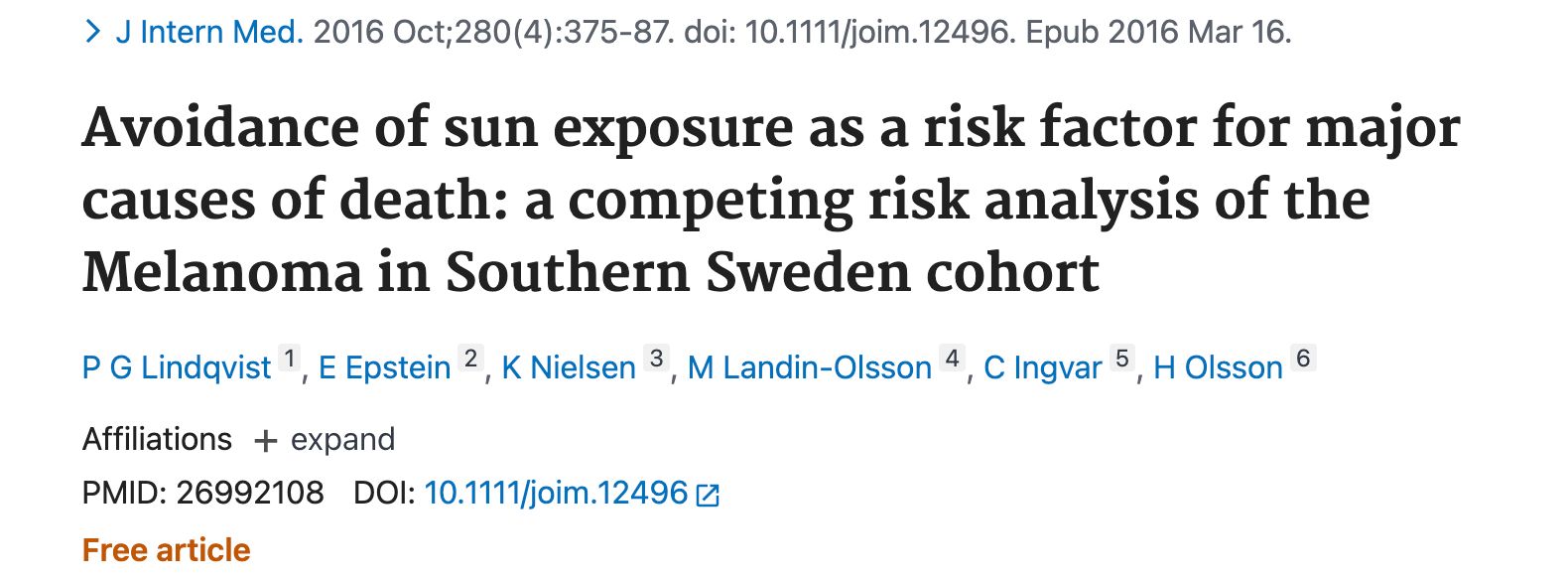
Women who actively avoided sun exposure had approximately double the all-cause mortality rate compared to women in the highest sun exposure group. The relationship was dose-dependent, where more sun led to lower mortality.
Nonsmokers who avoided the sun had a similar life expectancy to smokers who got the most sun. Sun avoidance carried a mortality risk in the same range as smoking a pack a day.
The follow-up analysis in 2016 examined what these women were dying of. The benefit of sun exposure was primarily in reduced cardiovascular disease and reduced non-cancer, non-CVD death. Women who got more sun lived longer, and they lived longer because they had less heart disease and less of the chronic conditions that accumulate with age.
A Danish study found that people who had been diagnosed with skin cancer actually experienced lower rates of heart disease and death compared to the general population. The people getting skin cancer were, on the whole, healthier than average. Crazy to think about.
This is observational data, yes. Healthier people might go outside more, and that could confound the result. But the Swedish study adjusted for BMI, exercise, smoking, income, education, and marital status. The effect still held. The dose-dependent gradient makes it all harder to explain away. The more sun, the lower the mortality.
If sunlight directly caused more melanoma, you’d expect melanoma to appear most on the body parts that get the most sun.
It doesn’t.
Melanoma most commonly appears on the middle of the back, the inside of the thigh, and other areas that rarely see direct sunlight. The non-melanoma skin cancers (which are far less dangerous) do appear on sun-exposed areas like the forehead, nose, and ears. Melanoma simply follows a different pattern.
Outdoor workers have lower melanoma incidence in studies. Melanoma incidence is consistently lower at higher elevations, where UV is more intense. Children who get sunburned are not at increased risk for melanoma in recent reviews. What does track with melanoma risk is intermittent high-intensity exposure and a history of severe burns. Different from a steady, moderate sun. This is the “vacation burn”.
Melanoma rates have also risen sharply over recent decades, perfectly coinciding with the period in which sunscreen use has become widespread. That’s a huge hit against the idea that you simply need more sunscreen, and also requires us to investigate further.
There’s a perspective that I think deserves attention, even though it’s not mainstream.
Melanoma may function more like an endocrine tumor, similar to breast cancer, than a pure UV-damage tumor.
The reasoning is that estrogen is an established carcinogenic agent in mainstream cancer research. It drives cell proliferation in breast and other cancers. Melanoma cells express estrogen receptors and respond to estrogen signaling. Multiple case reports exist of patients developing melanoma while on synthetic estrogen treatment.

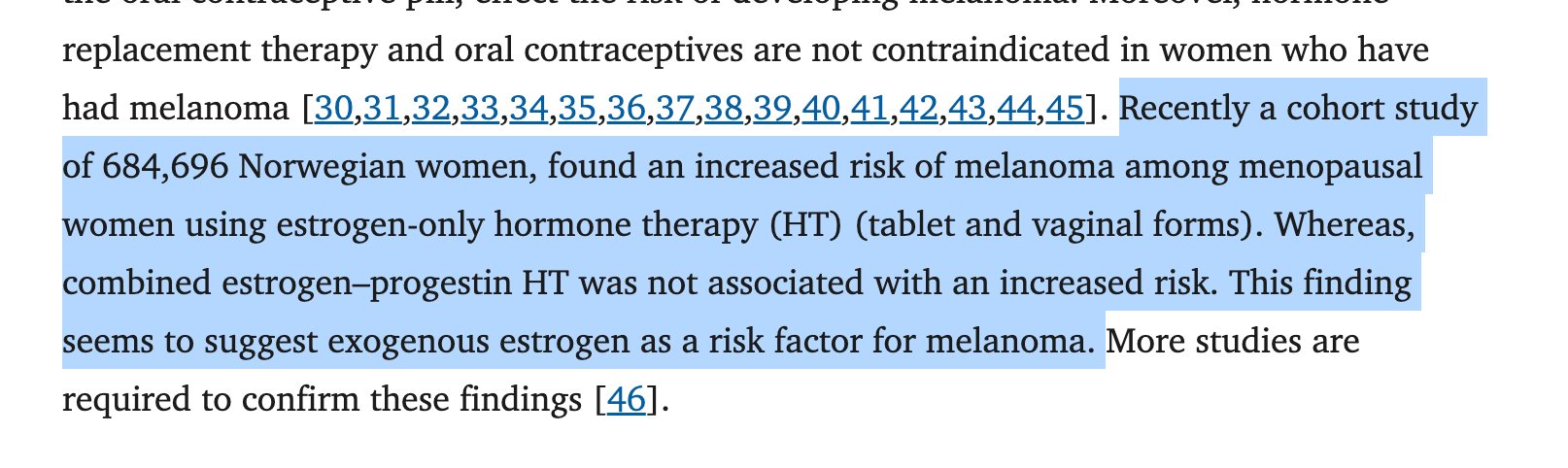
(This is another argument against estrogen therapy without progesterone. The modern world tends to crush female progesterone levels – which is, again, why I use progesterone with my clients as they rebuild. It’s crucial for well-being.)
The reasoning chain is quite plausible. If estrogen dominance drives tumor growth broadly (which mainstream research accepts), and if melanoma cells respond to estrogen signaling (which the research shows), then the idea that melanoma has a hormonal component alongside irresponsible UV exposure is a logical extension.
I think it’s fair to say the standard model that UV is the primary cause of melanoma has some gaps.
Chronic UV exposure does increase the risk of non-melanoma basal and squamous cell cancers. That association is well-established and I won’t argue otherwise. But two things need to be said alongside it.
First, these cancers are almost never lethal. They are localized, treatable, and not comparable at all in severity to the cardiovascular disease and metabolic dysfunction that sun avoidance promotes.
Second, the risk is heavily modifiable.
In the ONTRAC trial published in the New England Journal of Medicine, oral niacinamide (vitamin B3) at 500mg twice daily reduced new non-melanoma skin cancers by 23% in high-risk patients.
A larger study of over 33,000 patients found a 14% overall reduction, rising to 54% when niacinamide was started early.
Reducing dietary seed oils (PUFA from sunflower oil, grapeseed oil etc.) lowers the lipid peroxidation that drives UV damage in skin (see the Seed Oil Bible)
Consuming vitamin C and E together strongly increases the threshold for sunburn. We will cover all of this in the protective stack section ahead.
Even the strongest argument against sun exposure has a clear counter-strategy to minimize ANY risk. We want to maximize sun while minimizing damage.
The default recommendation is to apply chemical sunscreen daily, sometimes even in winter. The assumption is that it’s protective and harmless. The FDA’s own data suggests otherwise.
In a study published in JAMA, several common chemical sunscreen ingredients were found to absorb systemically after just one day of use. Their levels in the blood continued to rise for days after application stopped, suggesting the chemicals build up in the skin and release gradually. CDC data from 2008 found oxybenzone, one of the most common sunscreen chemicals, in the urine of 97% of Americans tested.
Oxybenzone has been linked to lower testosterone in adolescent boys, hormonal changes in men, shorter pregnancies, and disrupted birth weights.
A Swiss study found it in 85% of breast milk samples. Hawaii and Palau have banned sunscreens containing oxybenzone and octinoxate because they cause coral bleaching and are toxic to marine ecosystems.
There are safe alternatives. For example, zinc oxide reflects UV without absorbing into the skin. The only downside is a mild white coating. Titanium dioxide works similarly. These are the mineral sunscreens, and they’ve been used safely for decades.
My preference is to not rely on sunscreen as the first line of defense.
Timing, shade, clothing, and gradual adaptation handle most situations. Sunscreen is a tool for when exposure will be excessively long or unavoidable, and when you do use it, opt for a mineral one.
The idea that you should coat yourself in synthetic hormone disruptors every morning “just in case” has never been evidence-based in the way it’s been marketed.
It’s assumed that UV damage is just a cost of sun exposure. More sun, more damage, linearly.
That’s incomplete.
The damage UV causes to skin is not determined only by the dose of UV. It’s determined by the interaction between UV and the tissue it hits. Specifically, the fats inside that tissue.
When UV light hits skin, it generates reactive oxygen species (free radicals). These radicals react with other things, primarily the fats in cell membranes. These fats make up the structural walls of every cell and every mitochondrion.
When a radical attacks a polyunsaturated fat (PUFA) in the membrane, it starts a chain reaction. The first damaged fat molecule generates another radical, which damages the next fat molecule, which generates another radical. This is lipid peroxidation, and it propagates through the membrane. The breakdown products (things like MDA and 4-HNE) are themselves toxic, as we explore in the seed oil bible. They trigger inflammation, damage collagen (accelerating skin aging), suppress immune function, and promote the kind of DNA damage that leads to cancer.
Interestingly, saturated fats do not peroxidize under UV the way polyunsaturated fats do. The chain reaction depends on the double bonds in unsaturated fatty acids. Saturated fats simply don’t have those double bonds. They are structurally stable under the same UV exposure that turns PUFA into toxic byproducts.
So the fats you consume are directly affecting what happens when UV hits the skin.
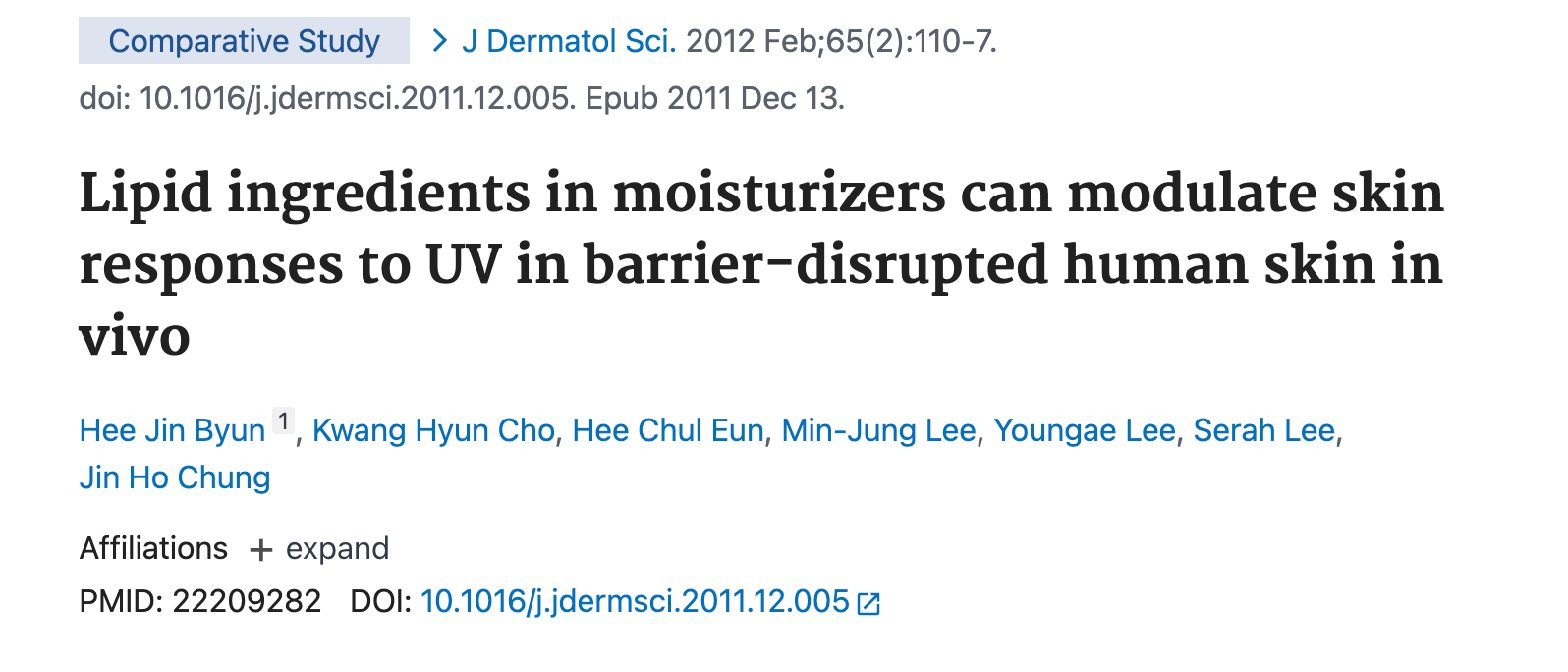
A study on human skin found that even topical linoleic acid (the primary PUFA in seed oils) worsened UV-induced damage. Cells died faster, inflammation rose, and tissue breakdown accelerated.
Topical cholesterol, on the other hand, was protective. The researchers proposed that cholesterol should be favored as a major ingredient in daytime moisturizers, especially for skin with a compromised barrier.
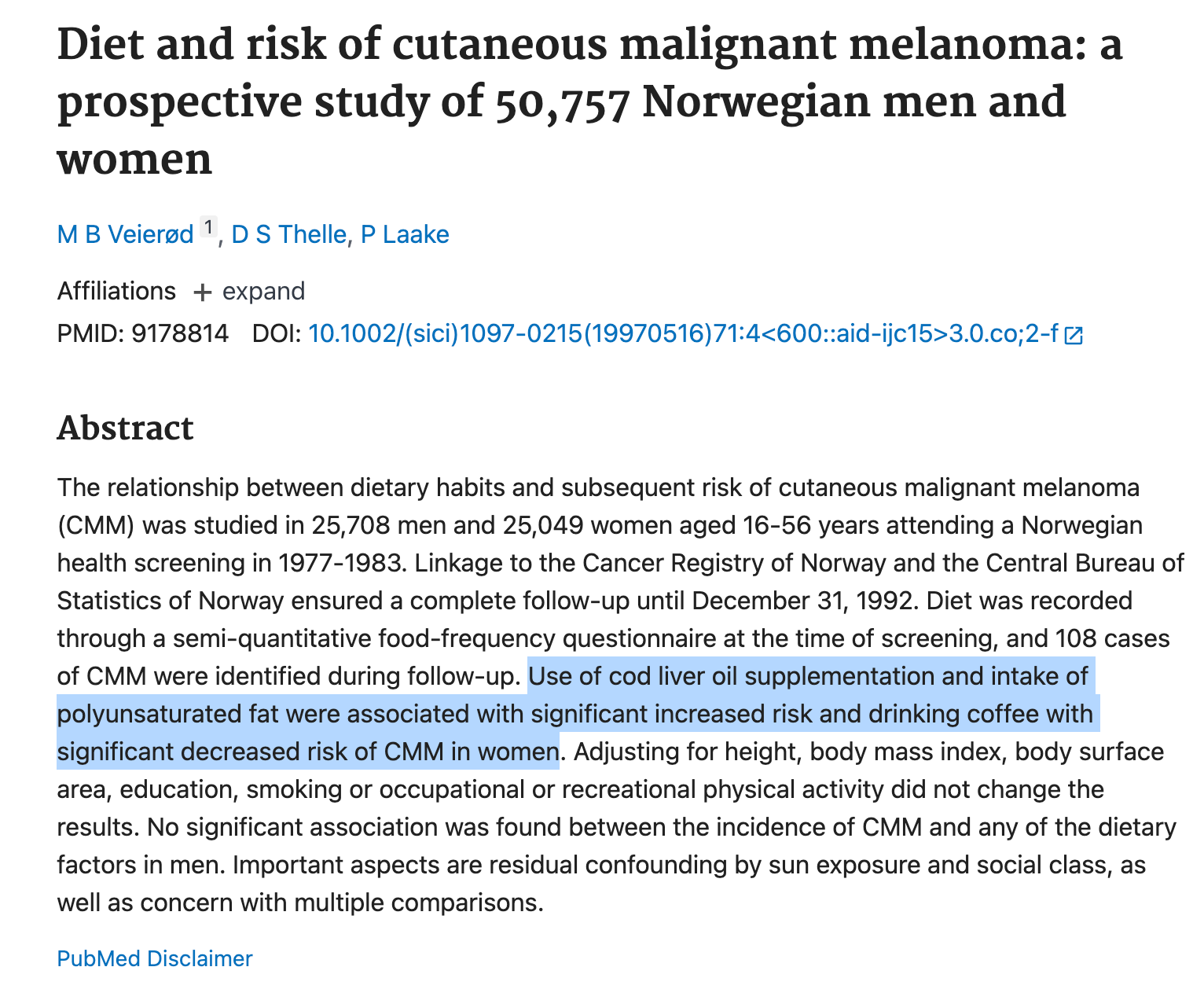
A Norwegian cohort study found that fish oil consumption and polyunsaturated fat intake were associated with a significant increase in melanoma cancer risk. More PUFA in tissues means more potential for UV-driven peroxidation.
In a mouse study I cite in my book (link at the bottom), mice fed a more saturated fat diet had a longer time to tumor formation and fewer tumors per animal under UV exposure compared to mice fed unsaturated corn oil. They had the same UV dose, but the different tissue fats lead to different outcomes.
“Seed oils increase how peroxidation-prone your skin is. You do essentially become less sun tolerant with more of them in your cells, adding more downsides to what could be a healthy and energy-boosting practice.” - The Metabolic Blueprint, 2026
The person eating a diet high in seed oils (soybean, canola, sunflower, safflower, corn, grapeseed) is loading their membranes with the fats that UV turns into toxic chain reactions. They burn faster, inflame more, age quicker from the same sun exposure, and accumulate more of the damage associated with skin cancer. Then they apply chemical sunscreen to compensate.
The person who has been reducing seed oils for months or years has gradually replaced some of that membrane PUFA with more stable fats. The same UV dose produces less peroxidation, less inflammation, less damage. Their skin tolerates more sun before any negative effects appear.
This is why some people in the health space (including me) report being able to handle significantly more sun without burning after a long period of lowering seed oil intake. That’s anecdotal, of course, but it is consistent with biochemistry. If you change the conditions, you change how the tissue responds to the stressor.
UV damage is therefore a variable that depends heavily on what you eat, how your tissues are composed, and what protective factors are present. In the next section, we will cover those protective factors in detail, as the same nutrients that reduce UV damage also improve metabolic health generally.
Reducing PUFA in your tissues significantly changes the cost-to-benefit ratio of the sun.
UV damage is not fixed. It depends on what’s in your tissue when the light arrives, what defenses are available, and how you behave around exposure. All three are controllable.
This section is the layered approach to getting the full benefit of sunlight while minimizing the real costs.
Everything else in the stack works better on top of this.
Every protective nutrient we’re about to cover is, in some way, compensating for PUFA damage. (Vitamin E stops peroxidation chains in membrane fats. Vitamin C recycles vitamin E. Niacinamide gives cells energy to repair the damage. Aspirin blocks the inflammatory cascade that follows.)
If there’s less PUFA in your tissues to begin with, there are fewer chain reactions to stop, less damage to repair, and less inflammation to block. The entire stack becomes more effective when the substrate is cleaner.
Lower your dietary PUFA over time. Favor saturated and monounsaturated fats such as coconut oil, butter, dairy fat, olive oil, tallow. Minimize seed oils (soybean, canola, sunflower, safflower, corn, grapeseed).
This is completely opposite to mainstream health advice, but we cover this topic in my other article, the “Seed Oil Bible”.
This is not a quick fix, since adipose tissue has a half-life of one to two years. Membrane phospholipids turn over faster, in weeks to months. Full tissue remodeling takes time. Think of it as a trajectory measured in months, where every month your tissue is slightly more stable than the last.
These are the nutrients that directly reduce UV damage through distinct, complementary mechanisms.
Vitamin E
Vitamin E is the body’s primary shield for the fats inside cell membranes. Extremely powerful in its own right.
When UV generates free radicals that attack a membrane lipid, it starts a harmful chain reaction.
Vitamin E stops it. It donates a hydrogen atom to the lipid radical, which terminates the chain before it can spread further. One vitamin E molecule, one harmful chain broken. Dr. Ray Peat noted that vitamin E reduces the damage from UV exposure whether taken internally or applied to the skin.
On its own at standard doses (400 IU/day), vitamin E reduces lipid peroxidation in skin but doesn’t dramatically shift the sunburn threshold. Where it DOES become clinically meaningful is in combination with vitamin C.
Vitamin E requirement scales with your PUFA intake. More unstable fats in your membranes means more peroxidation chains to stop, which means more vitamin E consumed in the process. As you reduce PUFA intake over time (Layer 1), your vitamin E requirement drops, but you would benefit from using it to protect yourself as you rebuild.
Vitamin C
Vitamin C recycles vitamin E. Without it, each vitamin E molecule is single-use. With it, vitamin E gets more use.
When vitamin E donates its hydrogen atom to stop a peroxidation chain, the vitamin E molecule itself becomes a radical. It’s done its job but it’s now inactive. Vitamin C converts that spent vitamin E back into its active form. This means each vitamin E molecule can intercept multiple chain reactions instead of just one.
In a trial published in the Journal of the American Academy of Dermatology, subjects took 2g of vitamin C combined with 1000 IU of vitamin E daily for 8 days. The sunburn threshold increased by roughly 20% in the vitamin group. Meanwhile, it actually declined in the placebo group due to sensitization from the earlier UV test. Inflammation also decreased in the vitamin group, while it increased in placebo.
Twenty percent more UV tolerance from 8 days of two common vitamins, with no side effects and no other dietary changes. Very powerful.
Vitamin C also supports collagen synthesis, which is relevant for repairing photoaging damage. It reduces UV-induced pigmentation, which is a big concern I’ve seen from women especially.
Together, vitamin C and E form the first and second line of antioxidant defense in UV-exposed skin. They are most useful as a pair.

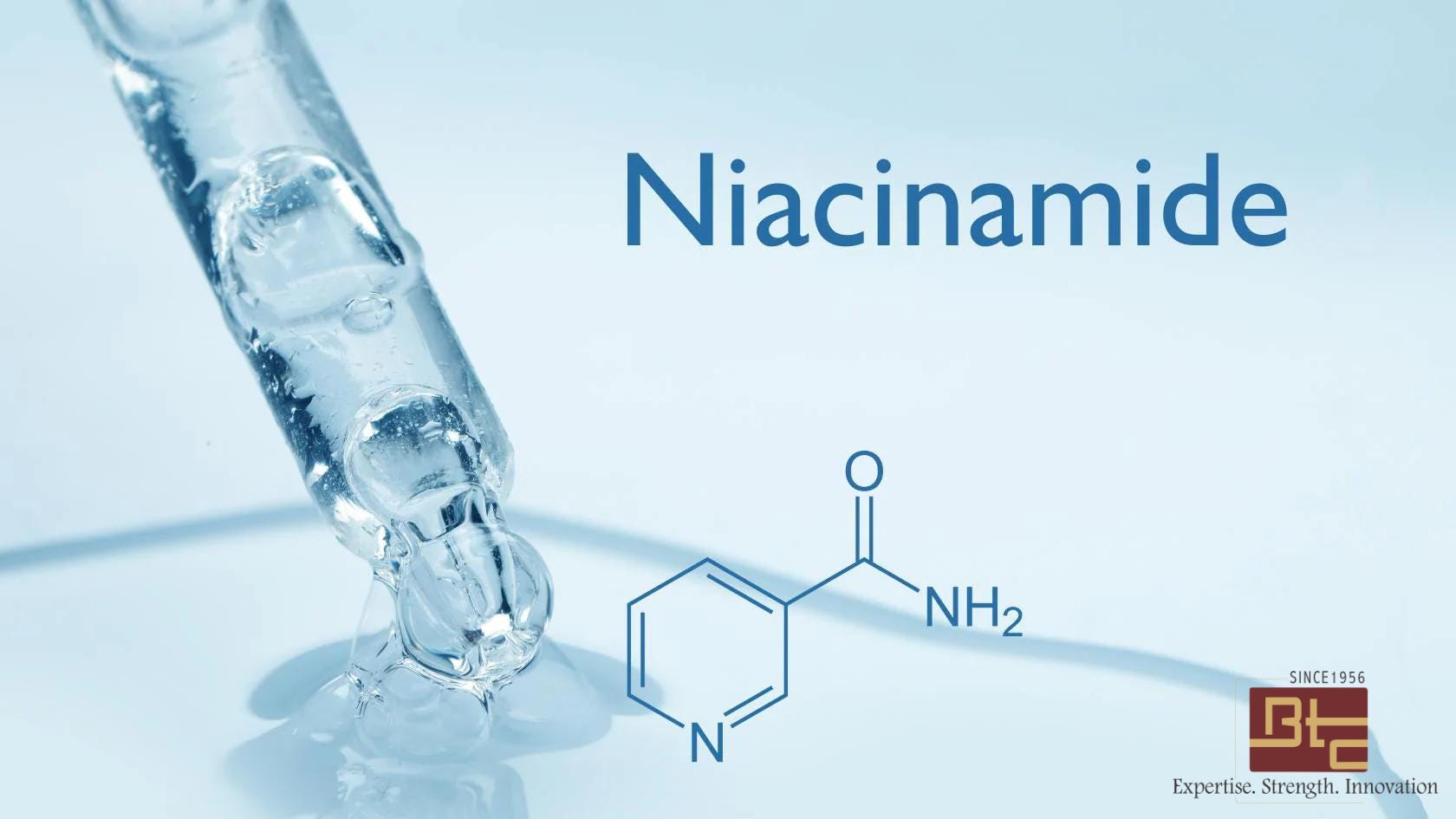
Niacinamide (Vitamin B3)
Niacinamide works through a completely different mechanism than C and E. It’s mostly concerning energy production.
UV radiation depletes NAD⁺ in skin cells. Think of NAD⁺ as the battery that powers both energy production and DNA repair inside the cell. You need that battery to handle the stress of UV light.
Niacinamide is a direct precursor to NAD⁺. Taking it recharges the battery.
Niacinamide does not prevent any damage, but powerfully boosts the repair afterwards.
In UV-irradiated skin cells, cells with niacinamide treatment had significantly less damage after 45 minutes, than normal cells. They were repairing faster because they had the energy to do so.
A study published in the New England Journal of Medicine in 2015, had 386 high-risk patients (people who had already had at least two non-melanoma skin cancers) taking 500mg niacinamide twice daily or placebo for 12 months. Niacinamide reduced new non-melanoma skin cancers by 23%, with squamous cell carcinomas reduced by 30% and actinic keratoses (precancerous lesions) reduced by 11 to 20% across the study period. No significant side effects.
A 2025 VA study looking at over 33,000 patients found a 14% overall reduction in skin cancer risk with niacinamide, rising to 54% when started after the first skin cancer rather than after multiple recurrences.
As C and E handle the oxidative and peroxidation side of UV damage, niacinamide handles the energy and repair side.
It should be noted that dietary niacinamide is important, but topical niacinamide boosts local cellular B3 levels much higher. I would personally combine dietary niacinamide along with topical.
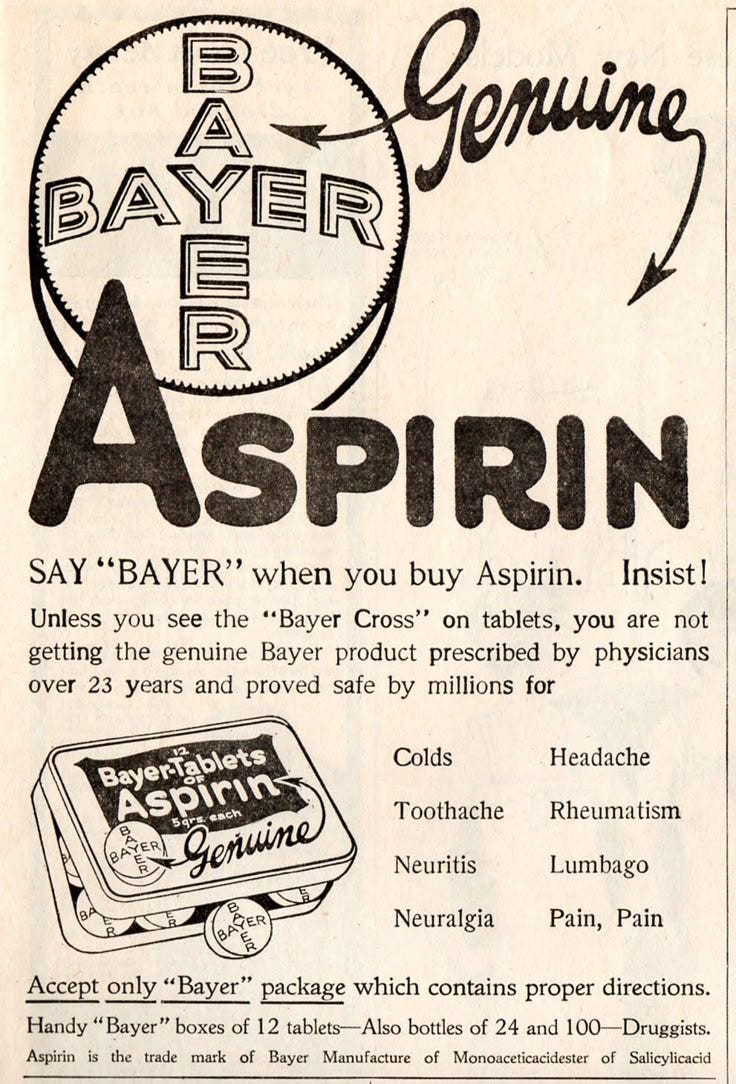
Aspirin
Aspirin handles the inflammation that UV triggers.
When UV hits skin, it releases arachidonic acid. An enzyme called COX (cyclooxygenase) converts that arachidonic acid into inflammation, which produces the redness and swelling from overdone UV exposure. Aspirin blocks COX, cutting off the inflammation at the source.
Applied topically, aspirin and caffeine reduce local tissue damage from UV even after exposure has already occurred.
Observational data consistently shows that regular aspirin use is associated with lower risk for several cancers, including prostate and colon cancer. There’s also a plausible case for aspirin and melanoma.
If melanoma has an endocrine and inflammatory part to it, as the estrogen-driven reframing suggests, then aspirin’s combined anti-inflammatory and anti-estrogenic properties (COX inhibition reduces estrogen synthesis through the prostaglandin pathway) could impede tumor progression.
This is not proven in a dedicated study, but the reasoning is coherent and the safety profile of low-dose aspirin is well-known.
In this protective stack, aspirin handles the inflammatory signaling cascade that amplifies UV damage after it occurs.
Caffeine
Caffeine contributes to something more unique here – direct UV absorption and enhanced clearance of damaged cells.
Caffeine inhibits UVB-induced DNA damage. It also accelerates the elimination of precancerous cells before they can proliferate.
In studies, coffee consumption is consistently associated with lower melanoma risk. Decaffeinated coffee did not show the same effect, which suggests caffeine itself is the protective agent.
The likely mechanism involves caffeine’s ability to raise cAMP (cyclic AMP), which among other things increases melanin production. Melanin, a tan, is the skin’s own UV shield. Applied topically, caffeine reduces local UV damage even after exposure.
Caffeine absorbs UV and clears damaged cells, aspirin blocks the inflammatory cascade, niacinamide restores the cellular energy needed for DNA repair. Vitamin C and E protect you from peroxidation. Four different mechanisms targeting four different parts of the damage pathway.
I think it’s an extremely protective support strategy, maximizing the benefits of the sun.

Cholesterol and Pregnenolone
Cholesterol is the most abundant structural lipid in cell membranes. It stabilizes them.
In the study we mentioned earlier on human skin, topical cholesterol protected barrier-compromised skin from UV damage while topical linoleic acid aggravated it. The researchers recommended cholesterol as a preferred ingredient in daytime moisturizers. More cholesterol in skin membranes means more structural resilience when UV hits.
On a side note, the cholesterol lowering effect of statin drugs are relevant here. If cholesterol in skin protects against UV damage, and statins lower cholesterol systemically, then we can imagine that statins increase melanoma. And that is what we see in observational data.
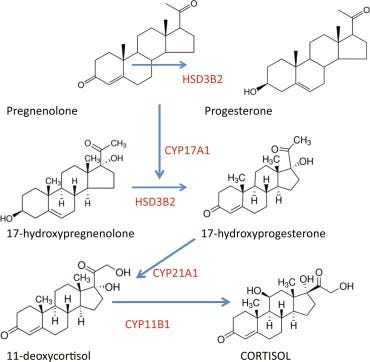
Pregnenolone is made from cholesterol and sits at the top of the entire steroid hormone cascade. It’s a precursor to progesterone, DHEA, and everything downstream including DHT and allopregnanolone. It is anti-estrogenic in a good way and anti-inflammatory. Substances that shift the steroid balance away from estrogen and toward protective hormones could theoretically be protective against melanoma.
All of the above is internal, but this one is behavioral.
Build gradually. I can’t emphasize this enough. Photoadaptation is real. Frequent exposure at levels far below burning is proper skin training. Treat sun exposure the way you’d treat a new training program. Start conservatively, increase slowly and let the tissue adapt. Don’t rush.
Never burn. This is the single most important rule in this entire article. Burns are actual injuries and cause skin aging, DNA damage, immune suppression and cancer risk. The benefits of sunlight do not require burning.
Get morning light for circadian anchoring. Get outside within the first hour of waking. Five to fifteen minutes on a bright day, twenty to thirty on an overcast one. Do not stare at the sun.
Midday sun for vitamin D. UVB peaks at solar noon. Glass blocks UVB, so sunlight through a window won’t raise your vitamin D. Controlled midday exposure with skin uncovered is the most efficient way to produce vitamin D. Again, stay well below burning.
Treat the face differently. Facial skin is more sensitive to the sun, and you can get unwanted effects such as hyperpigmentation faster. It’s also the area most people expose the longest by default. Get your circadian signal through the eyes, get controlled sun on larger body surfaces like arms, legs, and torso, and be more conservative with prolonged facial exposure. Hats and shade are your friends here.
If you need sunscreen, prioritize mineral ones. Zinc oxide and titanium dioxide reflect UV without absorbing into the skin. They’re safe, effective, and have been used for decades. Reserve them for situations where exposure will be long or unavoidable. First line of defense is always timing, shade, clothing, and gradual adaptation. Sunscreen should always be kept as a backup, but not the default.
If you live in Scandinavia, the UK, northern Europe, Canada, or the northern US, UVB is essentially absent for many months. Days are short, skies are grey, and the sun sits so low on the horizon that even on clear days, the UV is low.
You can’t get all five signals during a dark winter. But you can get more than most people think, and you can supplement what’s missing.
Morning outdoor light is still crucial. Circadian anchoring only requires brightness. Even a grey winter sky delivers several thousand lux, which is still an order of magnitude more than indoor lighting. Get outside in the first hour after waking, even if it’s overcast, even if it’s cold. Use a 10,000-lux light box if it’s dark outside. Sit at arm’s length for 20 to 30 minutes in the morning. These are designed to simulate the intensity of outdoor daylight and are well-studied for circadian support and seasonal mood. They’re not a substitute for natural light, but they’re significantly better than dark mornings under dim indoor bulbs. This is one of the highest-ROI tools.
Supplement D3 with K2. When UVB is unavailable, oral vitamin D becomes important. Always pair it with vitamin K2. Without it, high-dose vitamin D can promote calcium deposition in the wrong places. Test your blood levels.
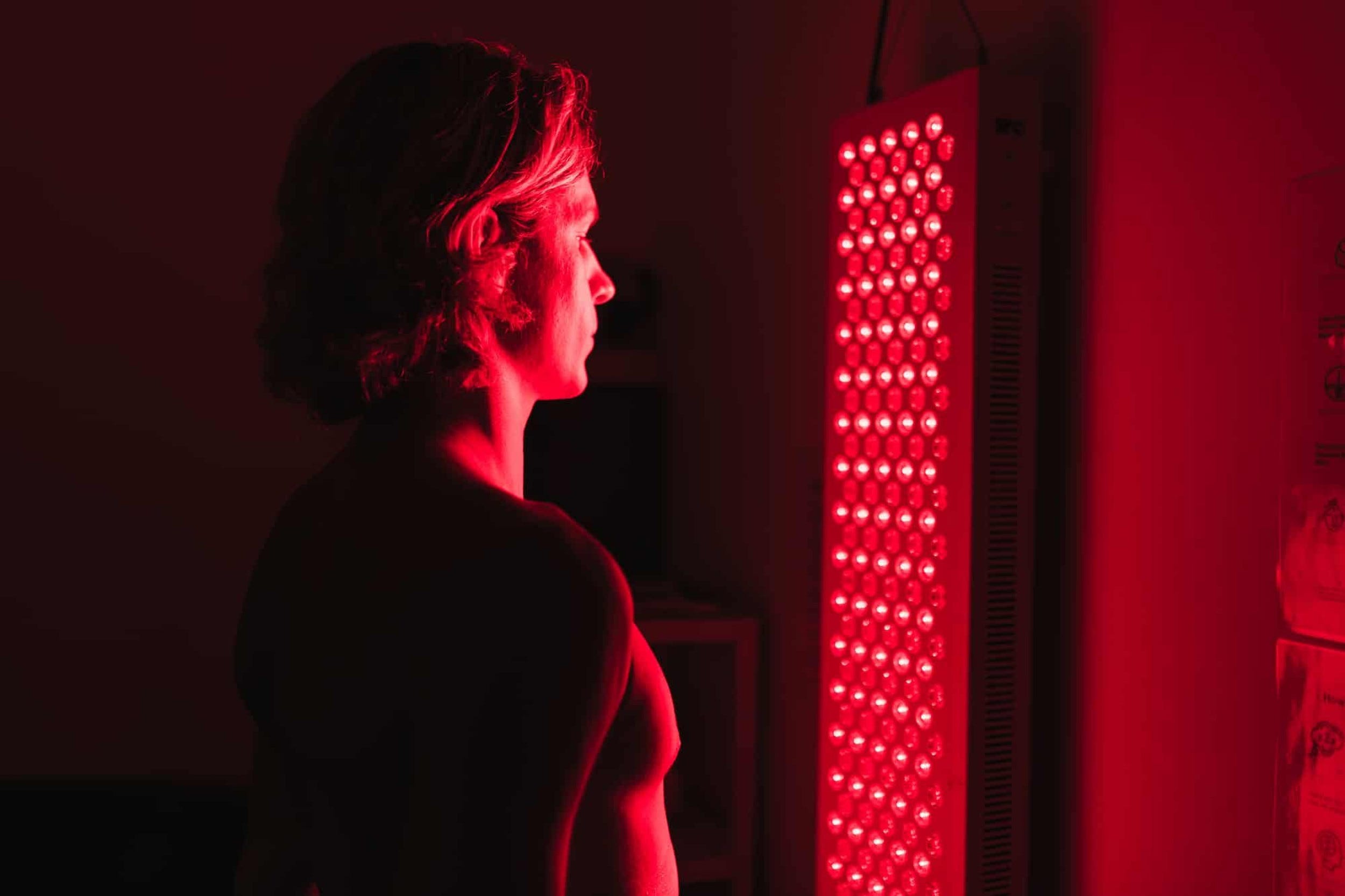
Consider a red or near-infrared light device. These deliver the wavelengths that make energy production more efficient. They won’t replicate sunlight, but they can provide some of the mitochondrial benefits during months when sun is scarce.
Think about your indoor lighting. Incandescent bulbs produce a broad spectrum that includes significant red and infrared wavelengths. LEDs are heavy in blue and almost entirely stripped of red. During fall and winter especially, using bright incandescent lighting in the evening can provide a gentler, more complete light signal than standard LEDs. Infrared bulbs with clear glass are particularly useful.
Manage evening light carefully. Blue light is not inherently bad. During the day, it’s one of the strongest cues for circadian timing. But blue-heavy artificial light in the evening suppresses melatonin, delays the circadian clock, and worsens fuel handling the next day. After sunset, shift to warm lighting below 3000K and dim screens. Use red filters on phones and computers. Keep the bedroom as dark as possible. You ideally want a clear contrast between bright days and dark nights.
Winter is definitely harder. There’s unfortunately little way around it. But with morning outdoor light, a light box, D3 plus K2, a red light device, and good evening light hygiene, you can cover a lot of what the sun normally provides. Don’t let perfect be the enemy of good. The body needs the right signals, even imperfect ones, delivered consistently.
Your body was built to run on sunlight. It expects it the way it expects food and sleep. When it receives the right amount, things work better. Your hormones, circulation, timing, energy, mood, resilience and immunity all improve.
The fear around sunlight was never proportionate to the actual risk. The benefits were always larger than the costs, and the costs were always more preventable than discourse suggests. Reducing seed oils, supporting your antioxidant defenses, building exposure gradually, and never burning is enough to shift the equation dramatically in your favor.
Get outside. Build gradually. Protect your tissue with the right fats and the right nutrients. Let the sun do what it was always supposed to do.
Do not fear the sun.
The Metabolic Blueprint is the result of years of studies, health research, analysis and trial & error. The all-in-one guide for reclaiming your youthful health & energy.
Here’s 20% off: https://metabolicprint.gumroad.com/l/blueprint/liaanuz

No posts
Comments
Nothing yet. Say the first thing.
Sign in to join the conversation.