
Metabolism shapes life.
It reaches far beyond body fat or appetite.
It decides how much of a person is actually available in their own day. It shows up in whether effort is forced or natural, whether sleep is actually restorative, and whether ordinary responsibilities can be carried easily or not.
A person can be outwardly functional for a long time, doing their work and responsibilities, despite living on shaky foundations. It slowly breaks them however. A person may still be moving through the day while living with little resilience, jumping from one rescue to the next, relying on stimulants, or just pure willpower.
Metabolism reaches into the quality of being alive. It’s warmth, sleep, digestion, libido, recovery, initiative, patience, and the sense of being present to one’s own life.
What kind of physiology ties all of those things together?
That is the question that leads to Ray Peat.

Ray Peat was a biologist, an independent writer and physiologist of metabolism, stress, hormones, development, and aging.
He approached the body as a living system that has to keep itself alive from moment to moment. He wrote across life, order, stress, development, aging, mind, and disease because he thought all of them rested on one deeper issue:
Whether the organism could produce enough usable energy to keep itself coherent, adaptive, and alive in the full sense of the word.
Diet advice is only a part of that larger question.
The organism is one connected process, rather than multiple separate parts.
Sleep, mood, fertility, digestion, warmth, memory, stress tolerance and disease all depended, in his view, on the quality of the organism’s energy production and the state that followed from it. His real obsession was the preservation of living order. He wanted to understand what lets a body stay organized, repair itself, regulate itself, and remain fully alive rather than falling into biological stress and gradual breakdown.
To understand him deeply, we must explore what a living organism is in the first place.
What is a living organism?
A living organism is ongoing self-renewal. Both in a physical and metaphorical meaning.
It repairs, rebuilds, regulates, maintains, renews tissue, and keeps producing the conditions of its own existence. None of that happens only once; it has to keep happening. When a living organism is no longer alive, the body is still there but that organized self-renewal is not.
Health belongs first to the quality of the process. A person can look functional while the body is breaking down slowly.
“Energy is life” is the thesis here. Energy is a large part of what allows the body to remain alive at all. Without enough usable energy, the process of self renewal slows. Repair slows, structure becomes harder to maintain, and stress leaves deeper problems.
With that being said, it’s clear that metabolism belongs to the deeper question of what keeps a living thing alive.
Peat emphasized that life is a special state of matter. Living material is matter in a special energetic and organizational condition. The same atoms can belong to a living tissue or a dead one depending on arrangement and ongoing energy turnover. Life is is matter held in a highly organized, active state through continuous work.
A cell is not merely a static structure. The proteins must keep their shape, the membranes must actively work, water has to be regulated and they must renew fast enough to resist decay.
The whole system has to remain stable enough to hold together and flexible enough to respond. Living order is never passive.
He was writing at a scale larger than most modern health influencers because he was trying to describe what sort of thing a living being actually is.
Once one understands that life is active self-maintenance and renewal, the quality of energy production becomes undeniably important. That is where the rest of his physiology begins.

Ray Peat starts from the organism.
He does not begin with “depression,” “hypothyroidism,” “infertility” or “insomnia” as the beginning conditions, which we start from then work outwards. He begins with a living system and asks what state it is in.
Is it warm or cold, well-fueled or strained, sleeping deeply or living in danger, repairing well or accumulating damage, open to the world or defending itself from it?
This is why his essays can discuss across hormones, light, digestion, sleep, brain function, aging, fertility, and even culture without feeling like its unrelated.
He kept pulling attention away from fixed labels and back toward the living conditions under which a body develops, adapts, or fails.
Trouble sleeping, worse digestion, feeling cold, low mood, poor libido and bad concentration belong together because they belong to one organism. He expects them to travel together because the body is one process.
He keeps looking for recurring patterns. A state of poor energy production can appear in different ways in different tissues. A state of chronic stress can look very different clinically. A better or worse metabolic background can influence mood, fertility, immunity, memory and tissue repair at the same time.
Disease often appears in his writing as compensation or failed adaptation. The organism loses resilience, then starts improvising. It does so with worse chemistry, slower repair, more disorder and most importantly – protects immediate survival at the expense of resilience and renewal.
He cares, above all, about what restores adaptive power. This includes sleep, progesterone, light, carbon dioxide, thyroid, inflammation, aging, or development. He is looking for what gives the organism enough real energy to return to a steadier and more self-sustaining state.
Respiration (cells producing energy) is the foundation of Peat’s philosophy as life depends on the quality of energy turnover.
“Can this tissue turn fuel and oxygen into ATP and carbon dioxide cleanly enough to maintain itself?”
A living system has to keep producing usable energy in a way that supports order, repair, and coherent function. The most efficient type of metabolism – oxidative metabolism – produces carbon dioxide, which he treats as part of the living state itself. It’s necessary for good oxygen handling and metabolic stability.
Real cellular energy has a specific feeling. It’s warmer, steadier and less dramatic.A better-running organism tends to feel warmer, steadier, and less dramatic. Effort is easier, thinking is easier, and life becomes less straining.
“Borrowed” stress energy can imitate this productivity for a long time. It can produce output, intensity, even ambition. It can make a person look energetic from the outside while degrading the system that depends on it.
Peat is, in a very deep sense, a thinker of state shifts. He keeps asking what physical state the organism is in. One state is more oxidative and steadier, another is more lipolytic (fat burning), more adrenaline-driven, and maladaptive.
A better energy-state feels more abundant from the inside. The body simply feels less defensive, more open to receiving life. A more defensive state, in contrast, feels more abrasive and more closed off.

The mind is not separate from the body. A warm and secure organism versus a strained, inflamed, underfueled organism – they do not perceive the world the same way.
Tolerance, patience, effort, stress… they become received differently depending on your state. I’m not saying experiences and traumas don’t matter, but biology sets the foundation from which the rest of your life is built.
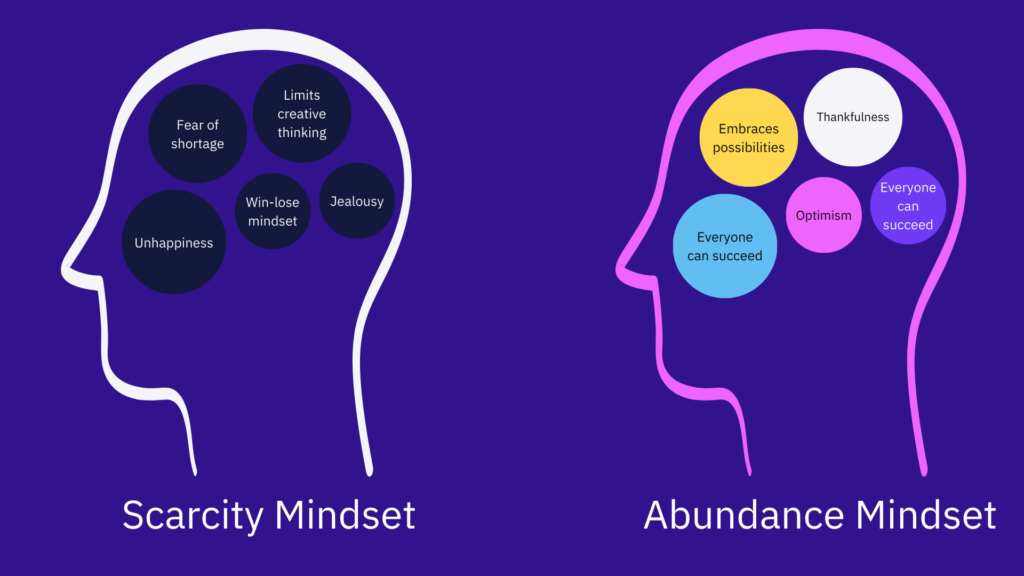
A body that does not live in abundance, does not perceive the world from abundance. It becomes more conservative with attention, effort, and risk. A person in that state may look more indecisive, avoidant, compulsive, or weak-willed from the outside.
Sometimes, the problems are significantly amplified by the organism running with too little energy.
A low-energy organism starts conserving more than just fuel. Not only do they move less and try to conserve more calories, but the future loses vividness, while short-term gratification becomes more attractive.
It pushes you into behaviours that want instant relief. In the modern world, it’s more often than not social media. Compulsive scrolling, shallow distraction, and less habits that build you in the long term. Over time, the pattern can solidify into helplessness. It integrates itself into your personality, and you feel like it’s just how you are.
Seen that way, repairing metabolism can widen agency and self-respect at the same time. Follow-through becomes more realistic when the organism can finally afford it.
Freedom, is metabolic.
Once life is understood as ongoing self-renewal, and once respiration is seen as one of the basic conditions of living order, thyroid is the next step.
Thyroid hormone is a major part of how quickly your metabolism runs. In Peat’s view, thyroid helps determine how fully the body can keep itself alive in an active sense. It strongly influences respiration, fuel use, carbon dioxide production, body temperature and even sex hormones.
The liver is central to this, as it activated the conversion of inactive to active thyroid hormone.
Thyroid kept appearing everywhere in his work. When the output is less than ideal (which is extremely common), less energy is available for the system. And he was extremely against reducing thyroid to a simple blood test, as a system can look acceptable on paper while living in a lower energy state. Thyroid hormone can be normal in blood but abnormal in function and how its received.
Thyroid, in that sense, is one of the main ways life sets its tempo.
Adrenaline and cortisol are parts of “emergency chemistry”.
They preserve immediate survival, prop up energy when steady energy production isn’t ideal, and keep you moving when underfunded.
They are useful and necessary, but they become expensive when they are the baseline. Sleep and repair both take a hit, while the body starts consuming itself. It’s the body prioritizing instant survival instead of long-term resilience.
That is what’s meant by “borrowed energy”.
Stress physiology in Peat’s work becomes one of the main ways a body breaks itself while still appearing operational. This fallback state can preserve output for a long time, but it does so by spending the organism’s future resilience.
A lot of Peat’s work was simply trying to reduce the body’s reliance on emergency chemistry.

Peat emphasized sugar and carbs to increase safety in the body.
Liver glycogen stabilizes blood sugar between meals and overnight, and keeping it full with carbs/sugar keeps you more stable. A more secure glycogen background reduces the need for adrenaline and cortisol to step in when the buffer is low.
Through that lens, carbs are a part of anti-stress physiology. It helps the organism have good energy output without having to use emergency chemistry.
Fruit, juice, and milk sugars mattered a lot to Peat. They were practical ways of supporting glucose availability. Sugar is tied to better thyroid output, lower stress chemistry, and a body that can produce calm but high energy.
Read carelessly, this part of his work can sound shallow. “Sugar is healthy all the time” is not the right thing to take away from it.
In the context of glycogen, liver function, thyroid, and stress, it becomes one of the most foundational parts of the whole philosophy. Carbohydrates are being used here to help create a body that feels safer to itself. A safer organism can spend energy more freely, sleep more deeply, repair more fully, and stay less dependent on stress.
Protective steroids and the chemistry of stability
Once all of this is understood, it’s crucial to note that Peat was extremely interested in hormones.
Progesterone, pregnenolone, and DHEA in his view, belong to a steadier physiology with better buffer and less panic. They are more protective of repair, fertility, sleep, and continuity. Hormones mattered to him as expressions of state. They told him what sort of organism he was looking at, and what sort of life that organism was currently able to sustain.
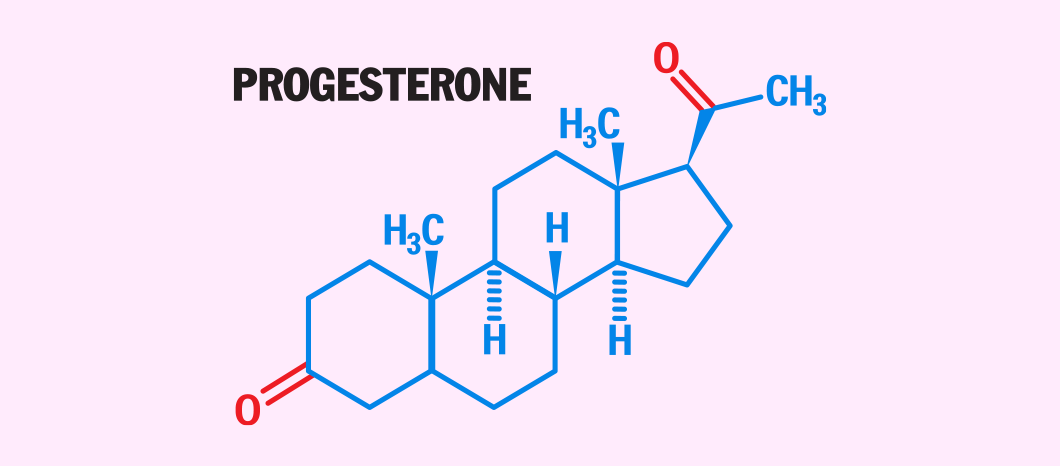
Progesterone is the main hormone he focused on. He treated it as a hormone of protection, supporting the thyroid, steadying the nervous system and opposes excessive estrogen, which is very harmful to your energy state.
Pregnenolone and DHEA, in his frame, are expressions of more youth, more resilience, less pressure.
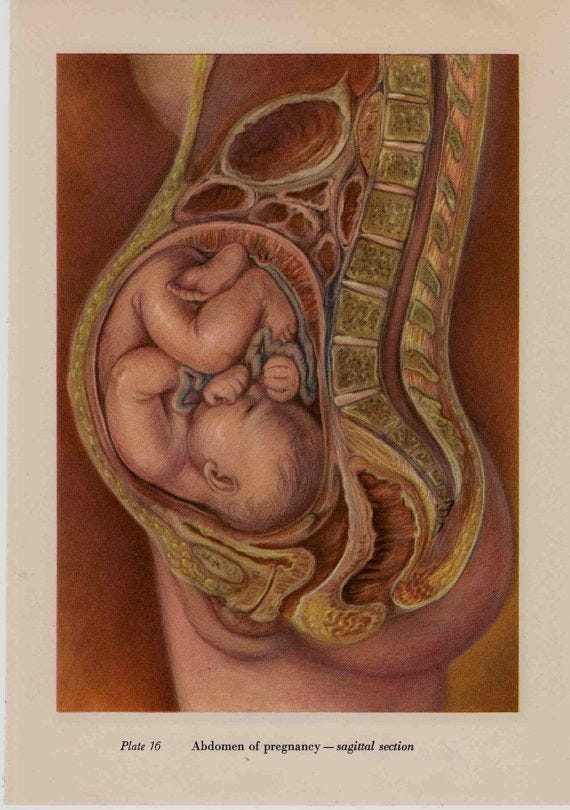
He focused a lot on pregnancy and how it framed progesterone. One of the body’s most growth-intensive and protective states is also one of its most progesterone-rich states. That made it difficult, in his mind, to treat progesterone as only a side effect of pregnancy. It belonged to a larger biology of protection and organized growth.
Estrogen is a part of a more defended and disorganized state in his eyes, especially when thyroid function and protective steroids are weak. Steroid balance is one of the clearest ways the organism reveals what kind of state it is in. The more stressed the organism is, the more estrogen dominant it becomes, both in men and women.
Polyunsaturated fats were large parts of his work because he thought they interfered with respiration and thyroid function, became harmful in the body, stayed in tissues for a long time, and made it easier for the body to be in stress. He claimed that these fats made the organism harder to stabilize and easier to push into a more disordered state.
I explore seed oils in depth in my article:
The liver ties to this as glycogen storage, thyroid activation, estrogen clearance and detoxification all converge there. A sluggish liver means poorer fuel handling, worse thyroid conversion, weaker estrogen clearance, and a body with lower energy.
It becomes clear here that his work is one repeated effort to lower the chronic pressures that keep the organism cold, inflamed, swollen, and underfunded.
Ray Peat’s famous ideas become understandable here.
Milk and fruit give easy carbohydrate, minerals, and protein in forms he considered gentler on stress physiology.
Juice and honey help support glycogen.
Gelatin is extremely important as he thought modern diets leaned too hard on muscle meat and its more stressful amino acid profile.
Eggs and liver supply vitamins and minerals he saw as central to respiration and steroid synthesis.
Coffee interested him for its pro-metabolic and anti-inflammatory effects.
Aspirin was extremely important to him because he thought it could blunt inflammation that interferes with respiration, especially with regards to seed oils.
Salt steadies the organism.
Bright light mattered because it sets the timing of the body and energy.
Thyroid and progesterone are foundational as they shape tempo and stability.
Lower seed oils, better digestion, and lower endotoxin burdens were crucial to him as they reduced hidden pressures that keep the body in stress.
Calcium, magnesium, vitamins A, D, E, and K, along with niacinamide and thiamine, mattered because he they support respiration, tissue integrity, steroid balance, and resistance to stress.
When you look at these one by one, these details can look scattered and cult-like. But once you understand the logic behind them, they all are efforts to defend oxidative metabolism, preserve glycogen, stabilize hormones and lower stress chemistry to support self-renewal.
A better-powered organism perceives more, tolerates more, and remains present more easily. Attention, mood, patience, initiative, salience, and follow-through all depend on the body’s state.
Low energy narrows you toward short-term relief, threat, urgency, and habit. Destructive behaviour becomes more attractive because the organism is trying to reduce friction in a cheap way.
A better metabolic state makes curiosity, patience, humor, and depth easier because the body has more room to spend on these “luxury” behaviors.
The lesser known parts of his framework touch on development.
The mother is the first metabolic environment. Her thyroid function, fuel availability, stress load, inflammation, serotonin, sleep, and stability shapes the conditions under which a child begins. The child not only inherits her genome, but her baseline as well.
He extends this to psychiatry. Different conditions can sit over overlapping problems in energy.
Depression can be understood partly as a lower energy state rather than sadness alone. Insomnia can begin long before bed, as a body that never felt secure enough to let rest. Anxiety can be similar to insomnia in that regard. This expands our way of thinking about these conditions (obviously not dumbing them down into one answer), but it broadens how we can go about them.
Ray Peat spent his life asking what allows a living organism to remain ordered, warm, adaptive, perceptive, and alive enough to remain fully itself through time.
Thyroid, sugar, carbon dioxide, progesterone, light, gelatin, aspirin, easier digestion, lower endotoxin burden, and lower seed oil exposure all belong to one long attempt to push a more stable and better-powered state of life.
Warmth, sleep, libido, patience, repair, mood, attention, fertility, resilience, and perception all sit downstream.
The food questions, hormone questions, and practical details belong inside his larger philosophy of life. They depend on the organism’s ability to remain ordered, warm, adaptive, and capable of renewal.
A better-powered organism has more room to think, love, create, recover, and remain present. Build the organism that can think, love, create, recover, and transmit life well.
For some readers, applying the metabolic advice to your specific case (your phenotype, your labs, your history, your medications, your dietary baseline, your life situation) is a lot of work, and you’d rather have someone with experience do that work with you.
The Comprehensive Metabolic Analysis is the coaching product I run. It is an analysis of your metabolic state, your bioenergetic state, and the upstream patterns that produce whatever you’re presenting with.
You complete a comprehensive intake covering your case, and I produce an in-depth written analysis specific to you, with your phenotype identified, the mechanism story behind your pattern, your levers ranked, a phased implementation roadmap, a supplement protocol matched to your phenotype, a curated reading list, tracking templates, and a 30-day follow-up to check in on implementation.
This is for readers who recognize themselves in my articles and in the broader pattern of metabolic dysfunction. Readers who’d rather pay for a focused analysis once than spend months self-assembling the protocol. Readers who want a single, defensible written reference they can return to.
This is NOT for readers who want a quick answer to a single question (DM me on X or on here, no charge, I’m more than happy to help), or readers who want me to diagnose or treat a medical condition (the analysis is structured as analysis and education).
No posts
Comments
Nothing yet. Say the first thing.
Sign in to join the conversation.