
The traditional distinction of literacy has become accompanied by a future-contemporary technological fluency: the ability to manipulate modern media formats or software environments. Perhaps this means literacy is becoming defined in a different way. Probably it is more effective to say the emphasized methods and means of contemporary communication are in adjustment. What seems unclear is whether that adjustment will plateau in a tangible format or shift into various abstracted ones too complicated for the individual human brain to make much sense without integrated computerized assistance. What is clear is that everyone soon enough will be necessarily interfacing with Language Learning Model software tools.
Traditional literacy has been learned and expressed over various historical materials and formats of written or printed language. Though we recognize writing as the same cognitive structural approach (a psycho-magical technology!) dating back to cuneiform, its produced physical medium has changed many times over thousands of years. It has required different flexibility of expression and experimentation in subsequent technological ages. These shifting selected efficiencies of recording and reproducing recordings are also changing formats of storage media—data formats. Each form of media involves its own distinct method of use. Stone tablets, animal skin parchment, papyrus scripture, brush calligraphy, quill penmanship, cursive and printed modern writing styles, typewriters, computer software word processors—all are interactive media formats of an actively evolving techno-cultural framework. Each medium’s revision has both unique and common physiological aspects between themselves and all others. The practice of writing within one media and others will share overlapping qualities, but each form of media also possess distinctive and unique qualities of their own.
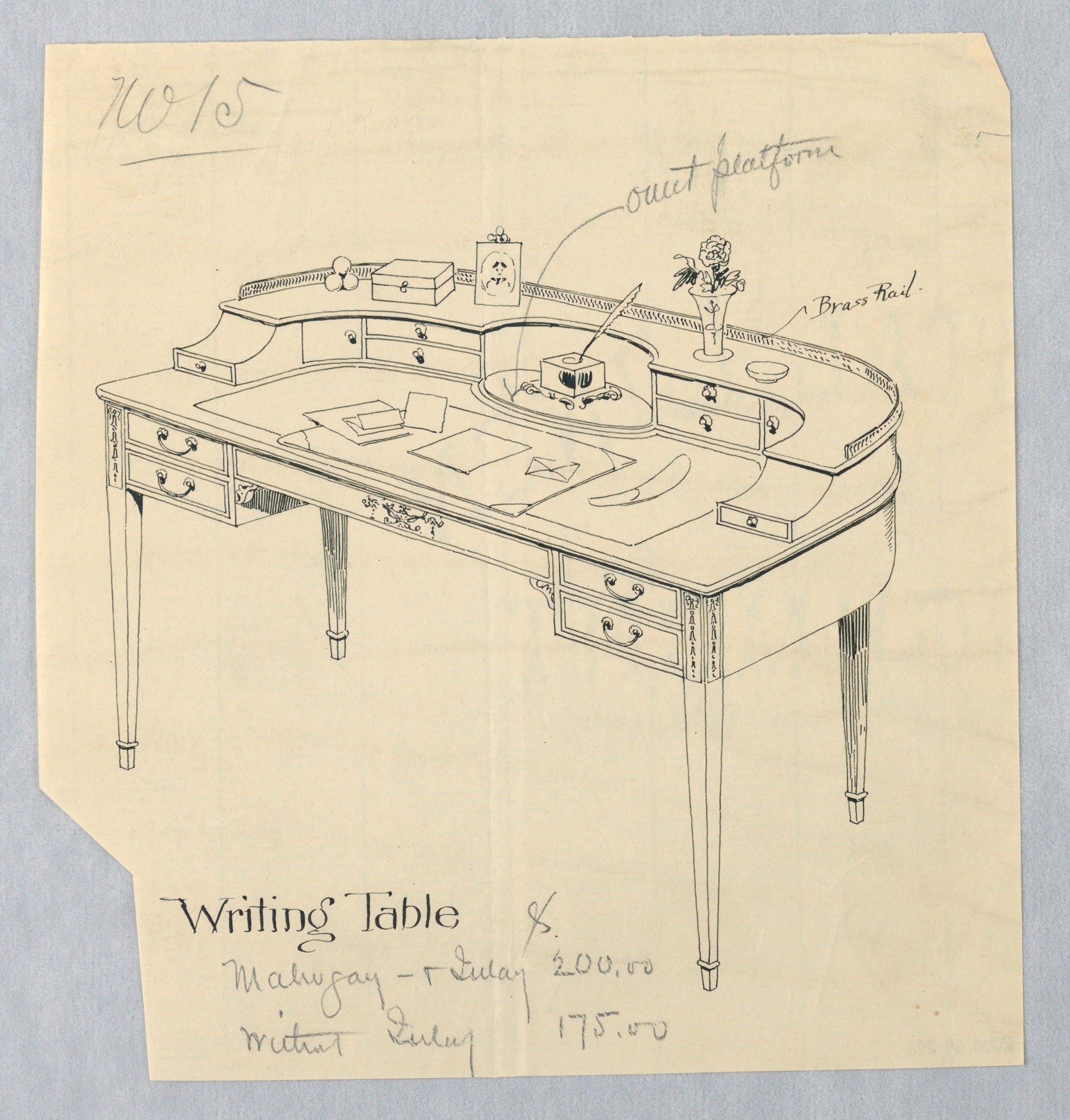
A regular writing practice in 2023 is among the most accessible and efficiently pragmatic hobbies. A half hour of daily typing can be achieved remotely with nearly any contemporary computing device—a modern cell phone with a slim $15-30 bluetooth keyboard is sufficient. Regardless of any broader goals, consistently maintaining this much of a habit will naturally result in improved articulation of ideas and an increased spontaneous vocabulary. At the beginning or when/if out of practice, forming coherent expressions from even conscious thoughts is challenging. But literacy is a skillset maintained by regular use—by regular mental exercise—and continuous practice soon results in an ability to put even vague personal feelings into crisp language.
The writing process is an experience of idiosyncratic varieties. Some people remember in greater detail when text has been recorded with their own hand in penmanship versus when typing it on a computer keyboard. In such an example, the same actual language might be transferred, but the method of the media brings nuances to the cognitive impressions of the information. The same information absorbed through different sensory facilities (e.g. literary, auditory, visual, kinesthetic) will plausibly emphasize to the receptive individual different portions or qualities of the same material. Discovering the ideal personal methods of retaining information or sifting out ideas into language becomes an ongoing ritual process and self-discovery, a reminder that the regular honest practice of an art or craft is itself a gnosis—a continuous development of direct understanding through personal experience.
Given that our lives are most impacted by direct experiences, as opposed to knowledge which comes from accounts of understanding or second-hand from others, writing may seem a redundant undertaking. Why go through the cognitive writing process if others will only experience it by a degree removed, as written information? It is because ultimately nobody else needs to read it, that the writing process develops and refines the writer themselves.
The true benefits of cultural practice are outside the functioning marketplace-oriented lifestyle lenses of productivity or profitability or efficiency. This is well-expressed by the Zen Buddhist concept of mushotoku, defined and explained by the 20th century Soto Zen teacher, Taisen Deshimaru, as a dedicated approach to zazen meditation practice which entails, "acting without desire for gain or profit." This is practice which exists for its own sake, outside the limitations of efficiency, social rankings, objectification, desired goals. Mushotoku is a dedication to regular practice for its own sake, persevering in balanced ritual and discovering the subtle merits which are only revealed over time through extensive consistency.
What is ultimately important is not the medium itself, meditation, writing, whatever. It is how a person identifies with their consistent practice. A meditation practice done without changing or adjusting or deconstructing the method and approach yields marginal results. So too does a meditation practice focused upon specific outcomes. Meditation is an ideal analogy because it is a subtler practice and skill than physically active cultural forms like writing or other arts, which all contain the same mental dynamics without emphasizing as directly the examination of mental habits.
Approaching writing or anything else with mushotoku reveals their substance in a way that goal-oriented practice does not. Writing is an easy avenue of discovering this, and also is itself a cultural form with a rich history that should not be individually abandoned merely because 21st century software can calculate and regurgitate results faster. You will be using the advanced language software soon whether you want to or not, but the same is not true of the regular personal practice of writing.
Comments
Nothing yet. Say the first thing.
Sign in to join the conversation.