
In this issue
we find out why Jan enjoyed being part of the Inner Circle test batch,
learn some actual numbers about “DiGAs”, and
get excited for what’s next (we have e.g. good news for all hackathon enthusiasts and for those who would like to learn more about Brainlab)!
We have recently completed our test batch of the med-dev Inner Circle. The Inner Circle is med-dev’s invite-only community for the most dedicated and talented people in med tech. It’s for those who want to actively shape the future of the field, not just watch from the sidelines.
During this batch, Inner Circle members were actively involved in building and supporting the med-dev community. They contributed to our book, wrote newsletter articles, managed med-dev chapters in other cities, supported our social media channels, and organized events such as “What I Do In My Day: A Day in the Life of Medicine and Tech Innovators”, and many many more activities. One member has also launched a new event format, the “Reverse Pitch Night”.
A core aspect of the Inner Circle is active participation; members take on responsibility, contribute regularly, and help shape med-dev from within.
As a result, their contributions helped build a stronger med-dev community, kick off new event formats, improve existing projects such as the newsletter and our book, and strengthen our social media presence.
We asked Jan, an Inner Circle member, to share his learnings and experiences from the program in this month’s newsletter.
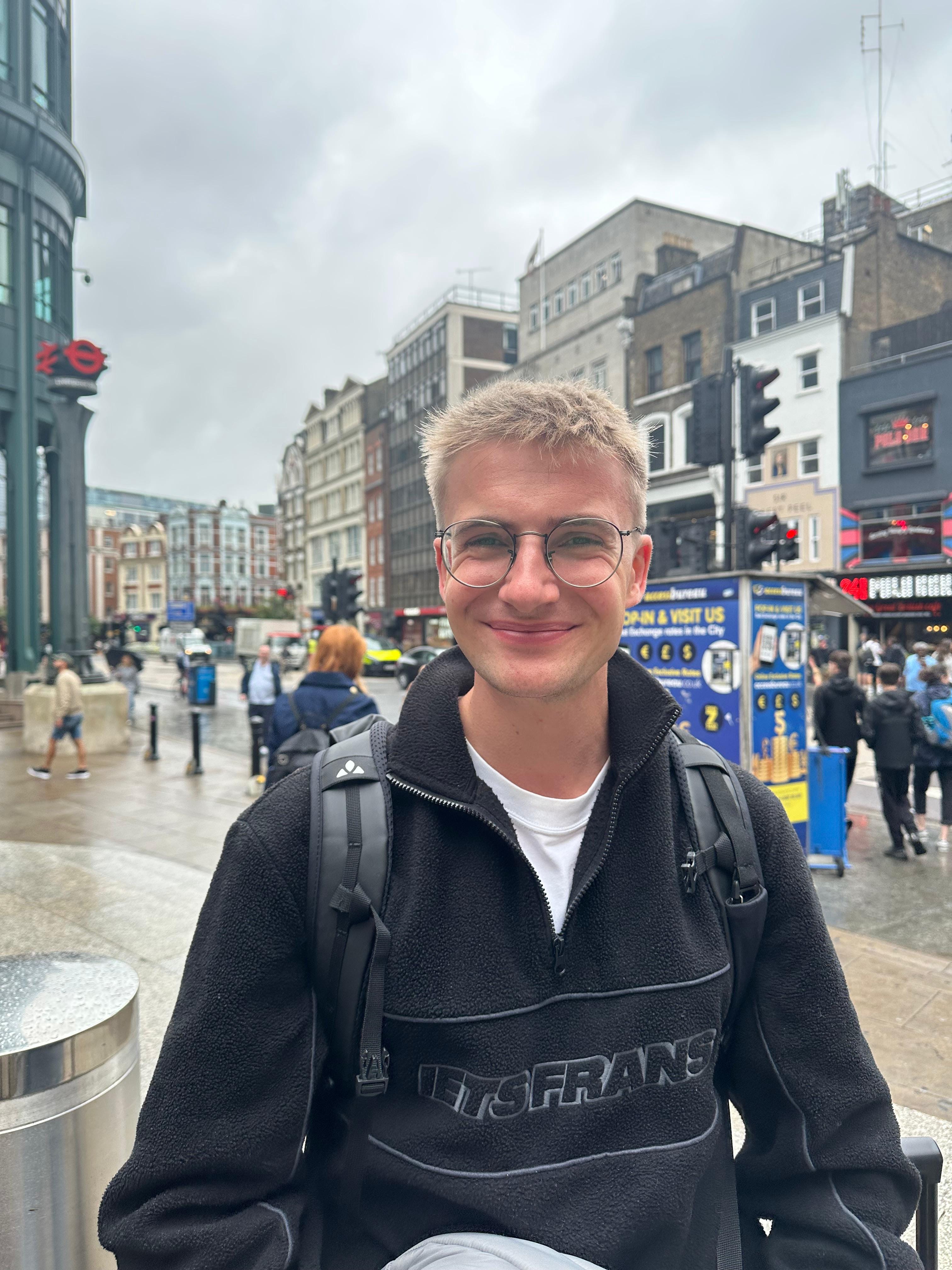
👥 You were a member of our Inner Circle test batch and - spoiler alert - are now also part of the orga team. How did you end up here?
I graduated late last year with a background in Computer Science & Business and Data Science. Before moving into my current field, I spent some time in the automotive industry working on AI for vehicle safety. Today, I am a Data Scientist at TÜV SÜD’s Digital Hub, where I focus on supporting the development of AI-driven products that streamline the assessment of large and complex document sets, e. g. the technical documentation of medical devices.
I decided to join med-dev’s Inner Circle because med-tech was and still is a relatively new domain for me. Coming from a different technical background, I was eager to learn more about the specific challenges of the industry and, more importantly, to discover what is happening in the med-tech ecosystem right here in Munich. I was looking for a way to connect my data science expertise with real-world clinical needs and meet like-minded people to collaborate with.
✏ How would you describe your overall experience in the Inner Circle program?
Overall, I am very glad I sent out my application for the Inner Circle. Even though we were “Batch 0” (the pilot batch), I met many exciting people in a short amount of time and gained a great deep dive into Munich’s med tech scene. The support from the med-dev orga team, especially from Vivi and Anja, was excellent! Whenever I had questions about realizing my own med-dev initiatives, they helped me in an instant. Plus, it wasn’t all work - we even had a fun jam session at the Google office!
The experience actually led to a result I didn’t expect at the beginning: I’ve now joined med-dev as an organization member. For me personally, this was the perfect outcome as I can now help shape the structures for the next Inner Circle batch!
👨💻 What did you work on during the Inner Circle, and what were the main outcomes or achievements for you?
I focused on event planning with the goal of hosting two events: a casual get-together and a completely new format for the community. While the first had to be canceled due to a flu wave, the second, our very first Reverse Pitch Night, was a huge success. We had medical doctor Géraldine Wunderlin present real-world challenges in obstetrics, such as paper-based records and the lack of a “single source of truth” in labor wards.
The result was inspiring. Right after the pitch, interdisciplinary teams jumped into brainstorming and developed concepts for digital tools and AI-powered documentation support within minutes. For me, the biggest achievement was guiding an event all the way from the idea in my head to actual execution and seeing medicine and technology truly collaborate.
🚀 Which parts of the program did you find most valuable or helpful, and why?
For me personally, the most valuable part is definitely the connections you can gain through this program. Med-dev is extremely multifaceted, and the Inner Circle provides a unique bridge between the industrial and academic contexts. Having access to this ecosystem allows you to navigate the different layers of healthcare innovation much more effectively. Whether you are looking for expert feedback or potential collaborators, the network you build here is the most important tool for anyone trying to make an impact in the medical field.
Thank you for your great feedback, Jan, and welcome to the orga team!
Another member of the Inner Circle test batch did some research on digital tools in healthtech. And he gladly gives us a little introduction into this interesting field!
Germany’s digital health applications (“DiGA”) system has created the world’s first reimbursement pathway for digital therapeutics, with nearly one million prescriptions by the year 2024. But what does the evidence tell us about their real-world effectiveness?
In a scoping review from 2023, 17 DiGAs across 39 randomized controlled trials (RCTs) were analyzed. The findings raise concerns: 23 of 36 published trials involved manufacturer participation, 29 of 39 RCTs lacked proper blinding, and only 6 of 39 used active control groups. Effect sizes varied dramatically from 0.16 to 1.79 [2].
This article focuses on depression; DiGAs also exist in other fields (e.g., women’s health, gastroenterology) where some trials report benefits, although study quality and comparators vary [2].
Lets have a look on one of Germany’s most-studied depression app. A 2020 meta-analysis of 12 RCTs (N=2,901) found a moderate effect size of g=0.51 [1]. But the weighted average dropout rate was 28%, with some studies reporting up to 56% dropout. Over a quarter of users abandon treatment before completion [1].
A 2024 Markov simulation found that supplementing standard care with DiGAs yields only 0.02 quality-adjusted life years (QALYs) per patient while adding €1,536 in direct costs over five years. At €76,800 per QALY, DiGAs currently fail standard cost-effectiveness thresholds of €20,000-50,000 per QALY [3].
Beyond manufacturer involvement and lacking blinding, studies show baseline imbalances between groups and differential attrition that can inflate effect sizes. Alternative study designs proposed to address these limitations focus on intervention optimization rather than efficacy demonstration and cannot replace rigorous RCTs for reimbursement decisions [2].
Where DiGAs Actually Help:
Remote access for rural or underserved areas, where in-person therapy is scarce [2].
Structured self-management between sessions (homework, adherence support) [1, 2].
Relapse-prevention nudges after improvement to reduce risk of deterioration [1].
DiGAs work best as adjuncts for motivated patients with mild-to-moderate depression facing access barriers. Germany’s six-month plus therapy waitlists create genuine need for interim solutions. However, marketing them as standalone treatments or for severe depression contradicts current evidence.
Three changes could improve implementation:
Independent evaluation
Require at least one manufacturer-independent RCT with an active comparator and pre-registered outcomes before permanent listing; confirm effects with pragmatic post-market studies in routine care [2].Value-based pricing
Link payment to real-world, completion-adjusted outcomes (e.g. symptom change at 3–6 months) with scheduled price reviews; reward sustained effect, not just enrollment [3].Targeted prescription: Develop clear medical guidelines for when DiGAs add value
Provide a one-page decision aid covering indication, severity, contraindications (e.g. suicidality), expected duration, and stop rules if no improvement by weeks 2–4; do not use as monotherapy in severe cases [1, 2].
References
Twomey et al. (2020) Deprexis meta-analysis: journals.plos.org/plosone/article?id=10.1371/journal.pone.0228100
Deutsches Ärzteblatt (2023) DiGA scoping review: pubmed.ncbi.nlm.nih.gov/37732500/
Nature Digital Medicine. (2024) Cost-effectiveness analysis: www.nature.com/articles/s41746-024-01324-0
Article by Ruben Brabenec
At the end of the last year, we had two really cool events.
At this event we learned more about the lives of doctors, software engineers, nurses and more. This helped us understand the pain points in their daily life better!
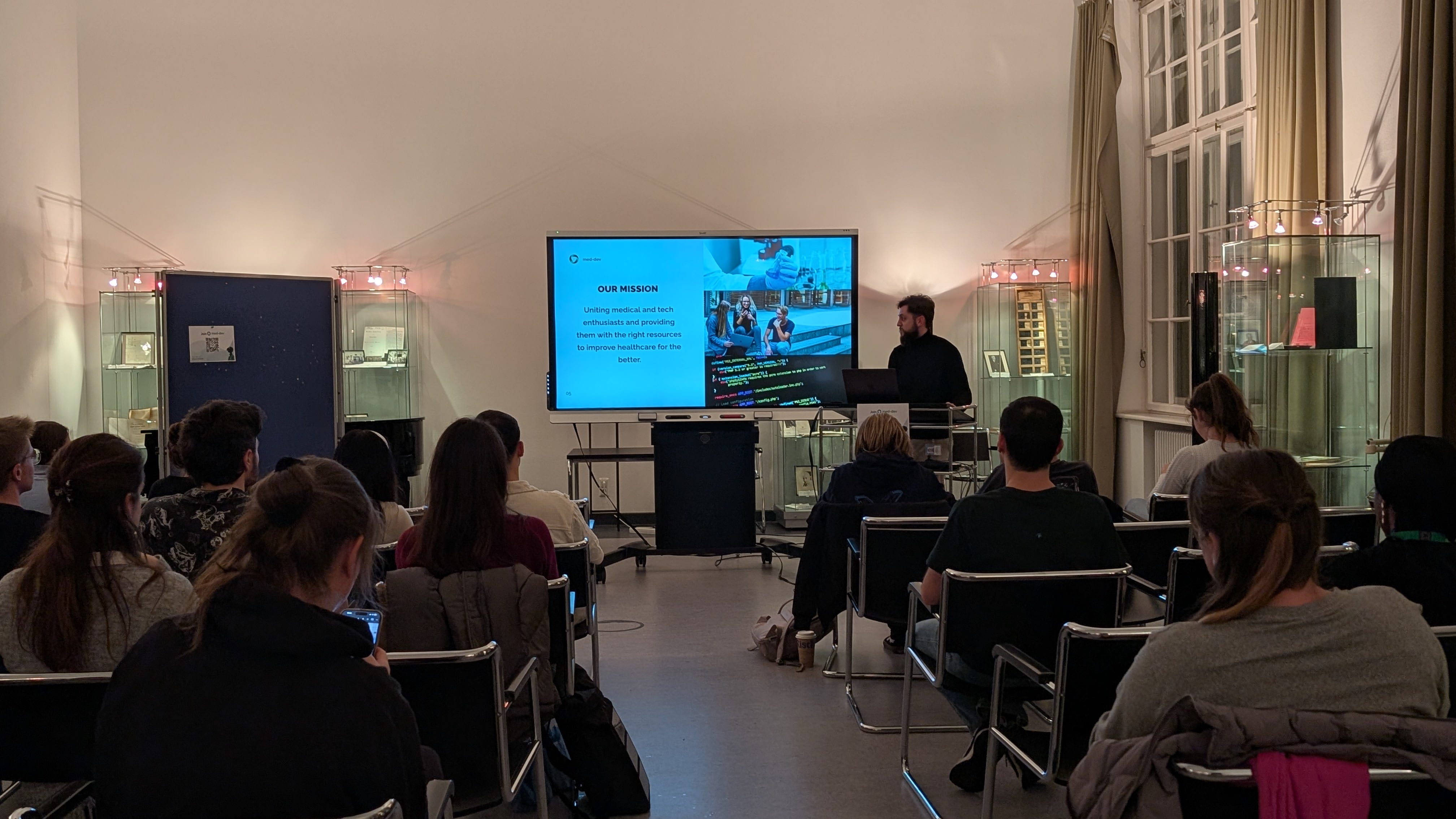
During med-dev’s first reverse pitch night, a doctor presented her biggest challenges during her every day work. Afterwards, teams formed and discussed potential solutions for these challenges. It was great to see what the teams came up with in such short time!
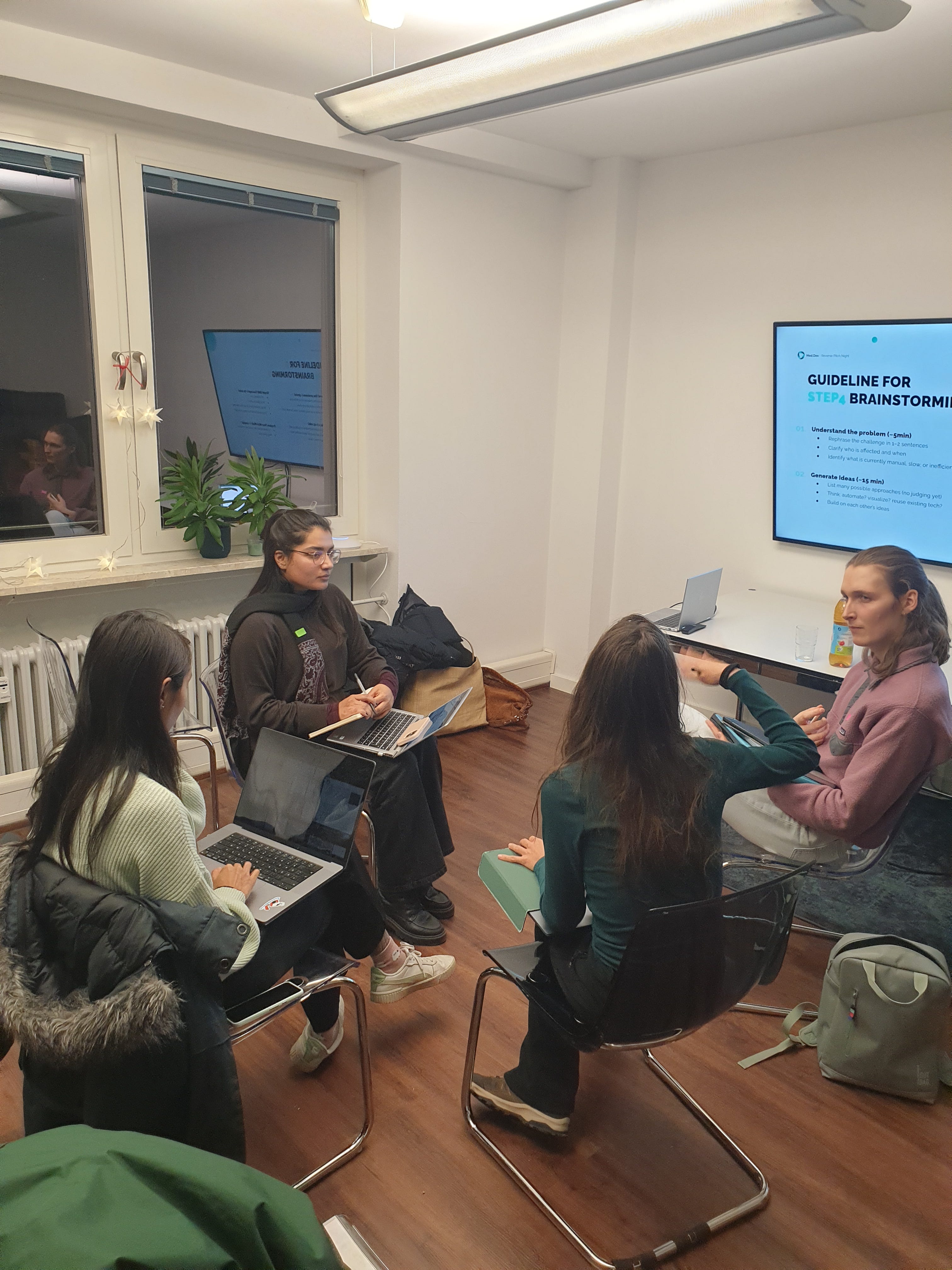
Interested in joining the next Inner Circle batch? The registration period will be from 18th of January till 11th of February 🥳
Get excited for a visit at BrainLab on 28th of January at 3:30 pm! You can sign up here!
Safe the date, if you are ready to get creative (and would like to win really cool prices 🤭). On 28th and 29th of March we will have a big hackathon in cooperation with Wellster! Details will follow soon.
Find out about new developments of AI in medicine at our collaborative community event with the Munich Lab Automation Community! We will have an exciting evening with lots of discussions on 23rd of April.
And there are many more to come!
We wish you all the happiest new year with a lot of great experiences in the healthtech sector! Let’s continue changing this field for the better 😍
Stay subscribed and tell your nerdy friends!
Until next time!
Your med-dev Newsletter Team (Marlene, Anja & Julia)
No posts
Comments
Nothing yet. Say the first thing.
Sign in to join the conversation.