
Every Generation Thinks Cinema Is Dying: The Industry Changes. Storytelling Survives.
By Mauro Mueller / El Suizo
The first camera I ever owned was a Canon Optura Xi. I bought it in 2003. It recorded onto MiniDV tapes, which at the time felt astonishingly futuristic. I still remember carefully labeling every cassette with a marker, terrified I’d accidentally record over something important. My editing suite wasn’t a Steenbeck or a Moviola like the generations before me. It was Final Cut Pro on a desktop computer, and I thought it was magic.
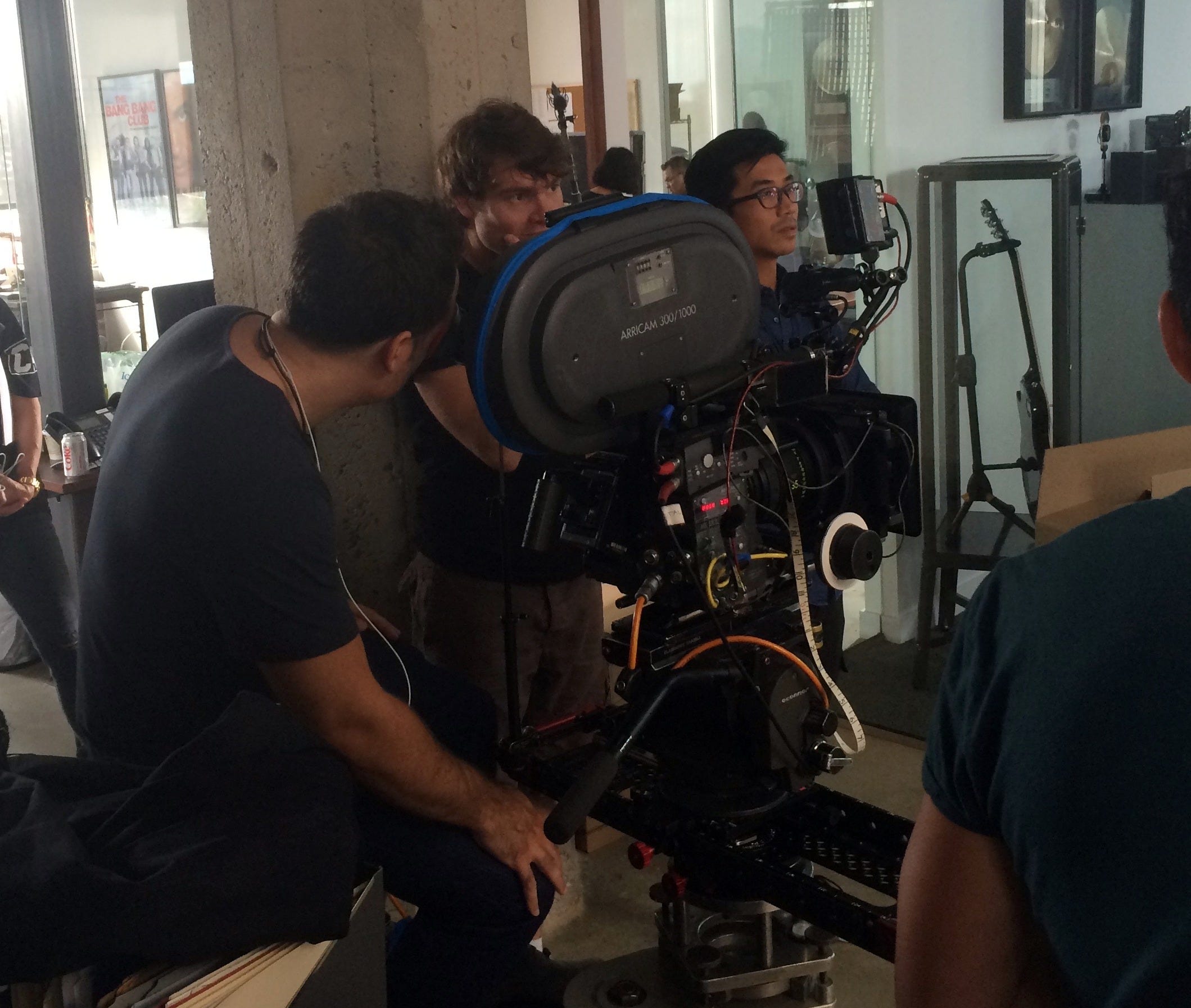
I grew up somewhere between the analog and digital worlds. I had shelves full of VHS tapes before replacing them with DVDs. I listened to music on a Walkman, then a Discman, before suddenly carrying thousands of songs inside an iPod. I watched films in movie theaters, on television, and eventually on a laptop whenever I traveled. During film school, some classmates still insisted on shooting film. My Fidelio partner David’s thesis short Ratitas was shot on 16mm. Years later, my Canadian producing partner Mark Raso directed Kodachrome on glorious 35mm, a title that almost felt like a love letter to the medium itself. Watching the camera team handle the film magazines, and seeing the quiet discipline that celluloid demanded, was a reminder that every generation develops its own rituals around the tools it inherits. Somewhere along the way, hard drives quietly replaced film cans, and nobody seemed to notice exactly when it happened.
Every Generation’s Apocalypse
Looking back, I realize I’ve spent my entire life hearing that cinema was about to disappear. The reasons changed, but the certainty never did. Television was supposedly going to empty movie theaters. Home video would finish the job. DVDs would cheapen the experience. Piracy would destroy the business model. Streaming would make cinemas irrelevant. The pandemic would accelerate what was already inevitable. Now it’s artificial intelligence. Depending on who you ask this week, AI will write every screenplay, direct every movie, replace actors, and politely escort the rest of us out of the industry.
If you spend enough time at film festivals or industry markets, you begin to absorb some of that anxiety. Budgets are tightening. Broadcasters commission fewer projects. Streamers are no longer buying with the exuberance they showed only a few years ago. Studios merge, financing models shift, and every few months another article confidently explains why the future belongs to someone else. Sometimes it genuinely feels as though the ground is moving beneath our feet while we’re still trying to finish the film we’re already standing on.
Whenever I catch myself spiraling into that mindset, I remind myself of something history seems determined to teach us over and over again: every generation mistakes transformation for extinction. Cinema has been declared dead so many times that you almost wonder whether predicting its demise has become one of the industry’s oldest traditions. Sound was supposed to destroy the artistry of silent filmmaking. Television would empty theaters forever. Home video would keep audiences on their couches. Yet each revolution changed the medium instead of erasing it. Cinema survived not because it resisted change, but because it absorbed it.
The Wrong Question
That doesn’t mean today’s fears are irrational. Artificial intelligence is different in meaningful ways. Unlike a new camera or a new distribution platform, AI doesn’t simply promise to change how films are made; it challenges some of our assumptions about who gets to make them in the first place. Entire professions are wondering what parts of their work will remain distinctly human. Those questions deserve to be taken seriously. Pretending this is simply another software update would miss what’s genuinely different about this moment.
But I also wonder whether we’re asking the wrong question. The conversation often becomes, “Will AI replace filmmakers?” History suggests a more useful question might be, “Which parts of filmmaking are actually changing?”
Because filmmaking has never really been a fixed profession. Every technological leap reshuffled the creative process. Sound transformed directing and acting. Lightweight digital cameras changed what productions could look like and who could afford to make them. Nonlinear editing completely altered post-production. Computer-generated imagery expanded the kinds of stories we could tell. Streaming reshaped distribution and opened doors for filmmakers who might never have found audiences through traditional theatrical releases. None of those revolutions left the industry untouched. They simply forced filmmakers to redefine where the creative value actually lived.
That, to me, is the part that often gets lost in these conversations. We tend to confuse the tools with the craft. Cameras have become lighter. Editing has become faster. Visual effects have become almost unimaginably sophisticated. Soon, generating convincing images may become almost effortless. Yet every meaningful creative decision still begins in exactly the same place it always has: Why are we telling this story? Why this character? Why should another human being spend two hours of their life watching this instead of something else?
Nobody has ever walked out of a movie theater talking about the codec a film was shot on. They remember the ending they didn’t see coming. The performance that broke their heart. The image that stayed with them for days. The line of dialogue they couldn’t stop repeating on the drive home. Technology has always transformed the mechanics of filmmaking. I’m far less convinced it transforms the reason audiences fall in love with movies in the first place.
The Next Chapter
Maybe that’s why I’m oddly optimistic. Not because I think the industry will stay the same—it won’t—but because it never has. The filmmakers who thrive are rarely the ones who cling to the old tools. They’re the ones who figure out how to use the new ones without losing sight of what made people care in the first place. Every generation believes it is witnessing the end of cinema. History suggests we’re usually witnessing its next chapter instead.
The cameras will change. The workflows will change. Even the business models will change. The need to tell stories, and the audiences who need to hear them, probably won’t.
—Mauro / El Suizo
———————————————————————————————
Todas las generaciones creen que el cine se está muriendo: La industria cambia. Las historias sobreviven.
Por Mauro Mueller / El Suizo
La primera cámara que tuve fue una Canon Optura Xi. La compré en 2003. Grababa en cintas MiniDV, que en ese momento parecían tecnología sacada del futuro. Todavía me acuerdo de etiquetar cada cassette con un plumón, muerto de miedo de grabar encima de algo importante por accidente. Mi sala de edición no era una Steenbeck ni una Moviola, como la de las generaciones anteriores. Era una computadora de escritorio con Final Cut Pro. Y para mí, aquello era pura magia.
Crecí en un punto intermedio entre el mundo analógico y el digital. Tuve repisas llenas de cintas VHS antes de reemplazarlas por DVDs. Escuché música en un Walkman, luego en un Discman y, de pronto, llevaba miles de canciones en un iPod. Vi películas en salas de cine, en la televisión y, más tarde, en una laptop cada vez que viajaba. Cuando estudiaba cine, algunos compañeros todavía insistían en filmar en celuloide. El cortometraje de tesis de mi socio en Fidelio, David, Ratitas, se rodó en 16 mm. Años después, mi socio canadiense Mark Raso dirigió Kodachrome en un glorioso 35 mm, una película cuyo propio título parecía una carta de amor al formato. Ver al equipo de cámara trabajar con los chasises de película, y la silenciosa disciplina que exigía el celuloide, me recordó que cada generación desarrolla sus propios rituales en torno a las herramientas que hereda. En algún momento del camino, los discos duros sustituyeron silenciosamente a las latas de película, y casi nadie notó exactamente cuándo sucedió.
El apocalipsis de cada generación
Viendo hacia atrás, me doy cuenta de que he pasado toda mi vida escuchando que el cine está a punto de desaparecer. Lo único que cambia son las razones; la certeza siempre es la misma. Primero dijeron que la televisión vaciaría las salas de cine. Luego que el video casero terminaría de rematarlas. Después que los DVDs abaratarían la experiencia. Más tarde, que la piratería destruiría el modelo de negocio. Luego llegó el streaming, que supuestamente volvería irrelevantes los cines. Después la pandemia, que solo aceleraría un destino inevitable. Y ahora le toca a la inteligencia artificial. Dependiendo de a quién le preguntes esta semana, la IA escribirá todos los guiones, dirigirá todas las películas, reemplazará a los actores y, de paso, nos acompañará amablemente hasta la salida de la industria.
Si pasas suficiente tiempo en festivales de cine o mercados de la industria, tarde o temprano terminas absorbiendo esa ansiedad. Los presupuestos son cada vez más ajustados. Las televisoras encargan menos proyectos. Las plataformas de streaming ya no compran con el entusiasmo de hace apenas unos años. Los estudios se fusionan, los modelos de financiamiento cambian y, cada pocos meses, aparece un nuevo artículo asegurando con absoluta certeza que el futuro le pertenece a alguien más. A veces realmente se siente como si el suelo se estuviera moviendo bajo nuestros pies mientras todavía intentamos terminar la película sobre la que estamos parados.
Cada vez que me descubro cayendo en esa espiral, intento recordar algo que la historia parece empeñada en enseñarnos una y otra vez: todas las generaciones confunden la transformación con la extinción. Han anunciado la muerte del cine tantas veces que uno empieza a pensar que predecir su desaparición es una de las tradiciones más antiguas de esta industria. Se dijo que el sonido acabaría con el arte del cine mudo. Que la televisión vaciaría para siempre las salas. Que el video casero haría que nadie volviera al cine. Sin embargo, cada una de esas revoluciones transformó el medio en lugar de destruirlo. El cine sobrevivió no porque se resistiera al cambio, sino porque supo absorberlo.
La pregunta equivocada
Eso no significa que los temores de hoy sean irracionales. La inteligencia artificial plantea desafíos distintos y, en muchos sentidos, más profundos. A diferencia de una nueva cámara o de una nueva plataforma de distribución, la IA no solo promete cambiar la manera en que hacemos películas; también pone en duda algunas de nuestras ideas sobre quién podrá hacerlas en el futuro. Profesiones enteras se preguntan qué parte de su trabajo seguirá siendo genuinamente humana. Son preguntas que merecen tomarse en serio. Fingir que esto no es más que otra actualización de software sería ignorar lo que realmente hace diferente este momento.
Pero también me pregunto si no estamos haciéndonos la pregunta equivocada. La conversación suele plantearse así: “¿La inteligencia artificial va a reemplazar a los cineastas?” Sin embargo, la historia sugiere que hay una pregunta mucho más interesante: “¿Qué parte del proceso de hacer cine es la que realmente está cambiando?”
Porque el cine nunca ha sido un oficio estático. Cada salto tecnológico ha reorganizado la manera en que trabajamos. La llegada del sonido transformó la dirección y la actuación. Las cámaras digitales, cada vez más ligeras y accesibles, cambiaron la forma de filmar y quién podía permitirse hacer una película. La edición no lineal revolucionó la postproducción. Los efectos visuales ampliaron enormemente el tipo de historias que era posible contar. Más recientemente, el streaming transformó la distribución y abrió las puertas a cineastas que quizá nunca habrían encontrado una audiencia a través del circuito tradicional de salas. Ninguna de esas revoluciones dejó intacta a la industria. Lo que hicieron fue obligarnos a redefinir dónde reside realmente el valor creativo.
Y ahí es donde creo que muchas veces se pierde el debate. Con frecuencia confundimos las herramientas con el oficio. Las cámaras son cada vez más ligeras. Editar es más rápido que nunca. Los efectos visuales han alcanzado un nivel que hace apenas unas décadas parecía inimaginable. Muy pronto, incluso generar imágenes convincentes podría convertirse en algo prácticamente instantáneo. Pero las decisiones verdaderamente importantes siguen naciendo exactamente del mismo lugar de siempre. ¿Por qué queremos contar esta historia? ¿Por qué este personaje? ¿Por qué alguien debería dedicar dos horas de su vida a ver esta película y no cualquier otra?
Nadie ha salido nunca de una sala de cine hablando del códec con el que se filmó una película. La gente recuerda ese final que nunca vio venir. La actuación que le rompió el corazón. Esa imagen que se le quedó grabada durante días. La frase que no pudo dejar de repetir de camino a casa. La tecnología siempre ha transformado la manera en que hacemos cine. Pero tengo muchas más dudas de que pueda transformar la razón por la que nos enamoramos de las películas.
El siguiente capítulo
Quizá por eso soy, contra todo pronóstico, optimista. No porque crea que la industria vaya a seguir siendo la misma. No lo será. Nunca lo ha sido. Los cineastas que terminan dejando huella rara vez son los que se aferran a las herramientas del pasado. Son quienes aprenden a utilizar las nuevas sin perder de vista aquello que hizo que el público conectara con sus historias desde el principio. Todas las generaciones están convencidas de que les tocó presenciar la muerte del cine. La historia, en cambio, parece decirnos otra cosa. No estamos viendo su final. Estamos viendo el comienzo de su siguiente capítulo.
Las cámaras cambiarán. Los procesos cambiarán. Incluso el modelo de negocio seguirá cambiando. Pero la necesidad de contar historias, y las personas que necesitan escucharlas, probablemente no.
— Mauro / El Suizo
No posts
Comments
Nothing yet. Say the first thing.
Sign in to join the conversation.