
Errors are beautiful.
As I was driving to the office this morning, I did something I’ve never done before. I got my mind off of work and started to look around. Buildings, cars, traffic lights and other products of human imagination filled my mind, already overwhelmed by children, work, and political nonsense.
I suddenly began to notice something I never paid attention to before. A tree bending so low, it will probably fall on the house soon. A new businesses opened with a big “We Save You Money” sign, as if putting up a sign will tell me what they sell. A woman driving her car and sitting so close to the steeling wheel that her airbag would probably open into her seat and her face would be featured in a new body horror movie. Trees planted in the middle of the parking lot, as if this subtle sign of random beauty will overshadow the customer’s inability to park and frustration with cleaning the car from random pieces of nature’s presence falling from trees. Public benches divided by metal armrests, carefully engineered to make sure no one accidentally experiences comfort for longer than the city intended. A shopping cart left precisely one foot away from the cart return, suggesting that laziness, much like quantum mechanics, has a finite range. A speed limit sign immediately followed by a billboard advertising a sports car capable of reaching twice that speed before the driver finishes reading the advertisement. Sprinklers watering the sidewalk with remarkable precision while the grass watches from a respectful distance.
I started to think about choices humans made. We created cars that destroy the environment, a school system that teaches compliance while denying critical thinking, and a healthcare system that cures people as long as curing is profitable. These choices weren’t irrational at that time the system was created, but the logic used to design these systems wasn’t always based on first principles or account for all the variables either.
As biologists can proudly admit, life is a complex system of trillions of unknowns. However, human brains aren’t computers and simply can’t process this much information. In fact, the human brain has an embarrassing habit: it compresses impossible complexity into manageable stories. It mistakes patterns for certainty because our ancestors who hesitated too long usually ended up being eaten. People look for high level signals, follow gut feelings, and trust strangers, simply because it worked in the past. And so they design systems that are flawed, proudly announce their achievements and complain about other people’s flaws, turning them into evil billionaires, politicians, and vampires. Millions will die because the healthcare system is not optimized or incentivized to significantly care. Many more millions will die in car accidents because people are not the most optimal drivers and because car safety is constrained by cost, engineering, and consumer demand. And many others will die in wars because of random decisions made by politicians, elected by people using the same logic they used to select what to have for breakfast.
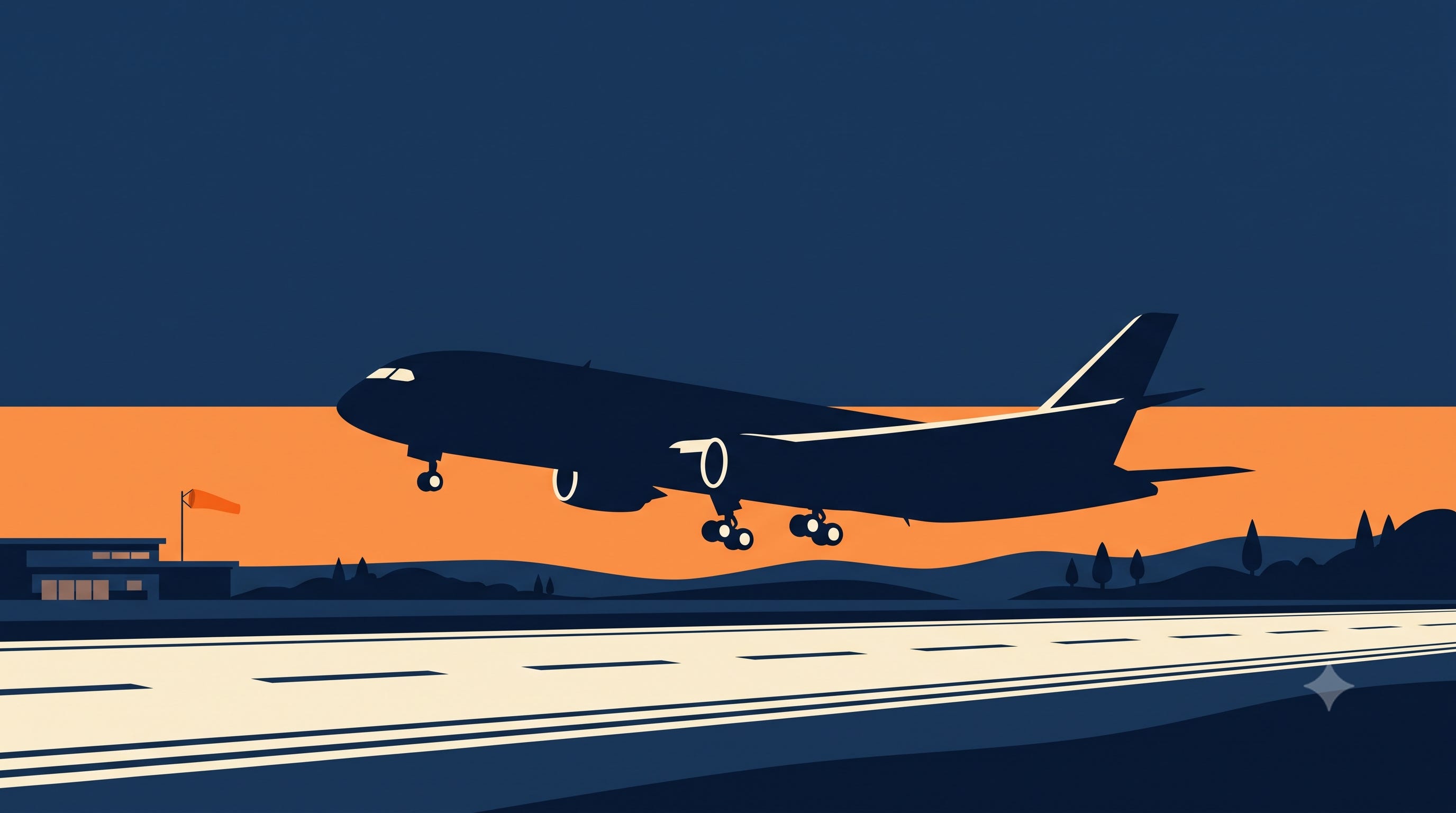
As I was thinking about it, I saw an airplane slowing making its descent towards the airport. I stared at it for a few seconds. Despite its flaws, humanity invented an airplane. And while we know how it works, it celebrates a tremendous achievement in evolution of humanity, as inventing it required the brain to shape into this type of thinking over thousands of years and then learn physics, mechanics, industrial design, and establish a system of logistics, manufacturing, economics, commerce, money, safety, and other things we take for granted.
All of a sudden, this never-ending boring stream of information overload began to make sense. Yes, someone will die in a car accident from improper seat positioning. Yes, millions of people will learn to comply and not invent. And yes, someone out there will spend hours on the weekend cleaning the car from bird poop that comfortably landed on the car because of poor parking lot design. But humanity as a whole will continue.
Our planet has over eight billion people. And while many die, don’t invent, or simply respond to things outside of their control, it still leaves us with millions of people to come up with great ideas, experiment, fail, and try again. And although humanity could progress faster if it was more optimized, we are still making steps in the right direction. And errors we make today? Well, let’s just say that they make humanity beautiful.
And perhaps perfection was never the point. Nature never optimized us for perfect decisions. It optimized us to make just enough good ones that the next generation would have something slightly better to inherit. Civilization isn’t the story of intelligent people building perfect systems. It’s the story of deeply imperfect creatures making enough mistakes that, every once in a while, one of them accidentally invents the airplane.
No posts
Comments
Nothing yet. Say the first thing.
Sign in to join the conversation.