
For the longest time I mistook beauty for prettiness, and the confusion quietly cost me years. I spent them traveling great distances to stand before magnificent things, waiting for the light to arrive like an invited guest, pressing the shutter at the moment anyone would have called beautiful. The photographs came home flawless and hollow, correct in every way a picture can be correct, and lifeless in the one way that matters. Stranger still, the frames that stayed with me were the ones I would have been embarrassed to defend: a road going nowhere, a plain wall in ordinary afternoon light, the kind of thing nobody would cross a street for, let alone board a plane. It took me too long to stop blaming those subjects, and longer still to see that the subject had never been where the beauty lived.
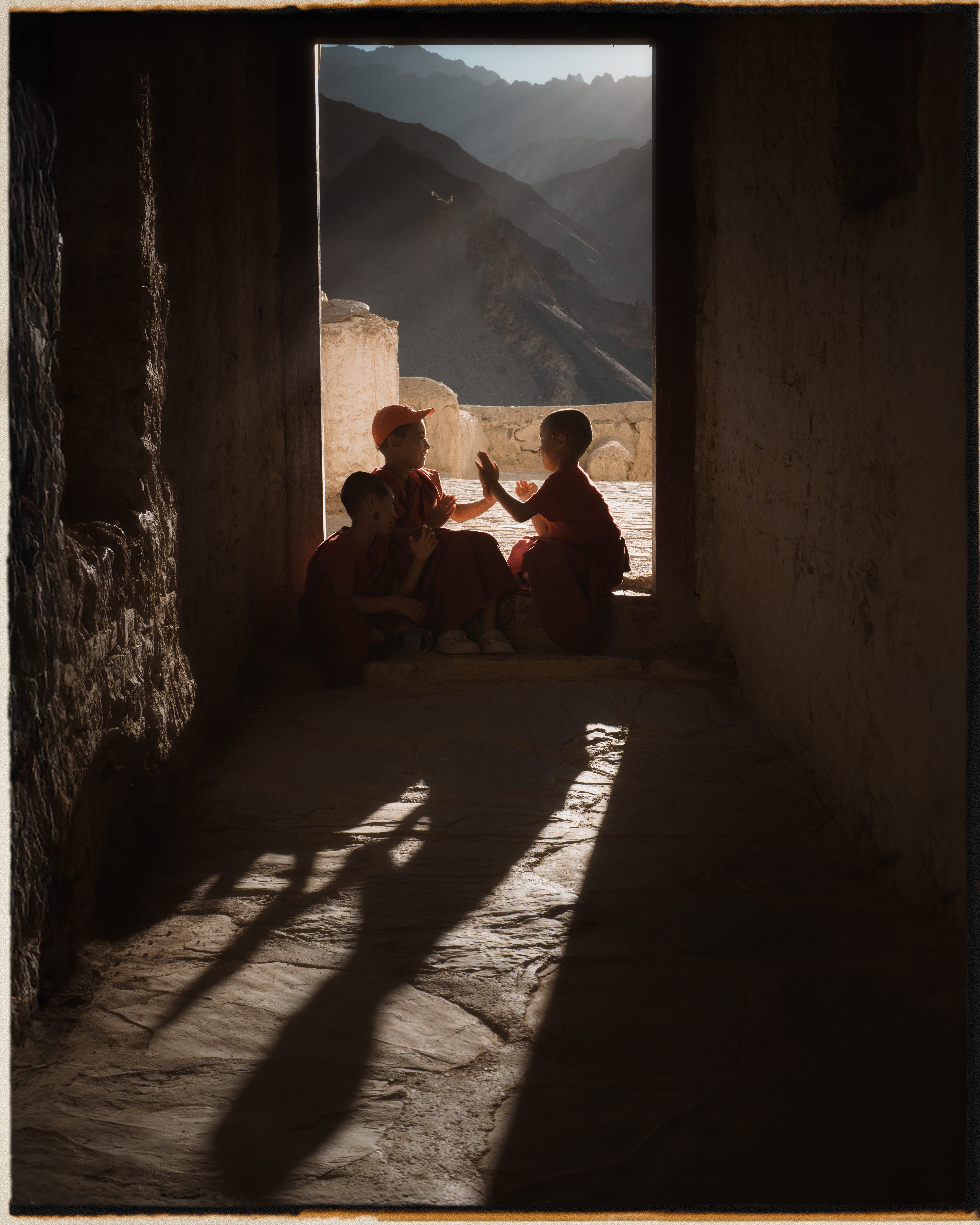
We are taught the opposite almost from the moment we lift a camera. Beauty, the lesson goes, is a property of things, waiting out in the world for whoever will travel far enough or wait long enough to find it, whether that is the golden hour bleeding across a ridge, the striking face, or the coastline that does half the work for us. So we give chase. We save for the trip, we hunt the light, we envy the photographers who seem to have been born somewhere more photogenic than we were, until our own street and our own ordinary days begin to feel like a disqualification from beauty itself.
But beauty is not prettiness, and it was never the subject. Beauty is form, and by form we do not mean the composition rules pressed into our hands at the start. We mean the whole held architecture of a picture: where you chose to stand, how close you dared to move, the distance you kept without ever deciding to keep it, the breath on which you pressed and the small mystery of why that breath and not the one before.
Form is everything in the photograph except the subject, which is only to say that form is the maker, pressed invisibly but permanently into the frame, the way handwriting carries a person even when the words are borrowed. The meanings we argue over, the politics and the associations, live in the mind and nowhere else. The form itself, the light and the distance and the held order of the thing, is actually there in the picture, as the picture, and it reaches us first, before a single idea can land. The shape of a thing has to move us before its meaning ever can.
Beneath this lies a floor that turns craft into something worth a life, and I found it in Robert Adams, who once asked (in his book ‘Beauty In Photography’) why form should be beautiful at all, and answered that it helps us meet our oldest fear, “the suspicion that life may be chaos and that therefore our suffering is without meaning.”
Stand before the disorder of the world, find the single place from which it suddenly coheres, and you are not decorating anything. You are driving a small anchor into the chaos, a standing proof that the world can still hold together, that once, from where you happened to be standing, it did. This is why the photographs that move us most are never the airtight, over-perfected ones, but the ones whose order holds only barely, as fragile as meaning itself so often feels.
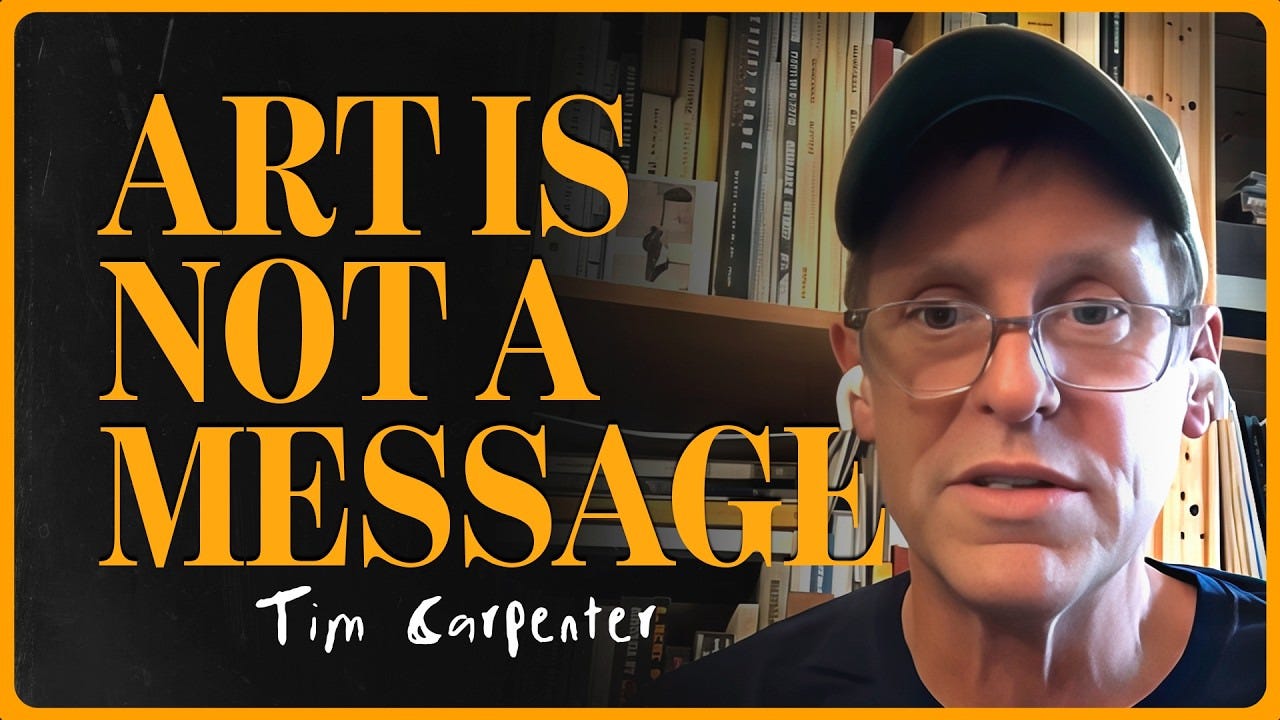
In my podcast conversation with the photographer Tim Carpenter, he said that were he 6 inches taller, or 6 inches shorter, every photograph he had ever made would be different. The camera hangs from the body, and the body cannot lie. It opens the shoulders when we are happy and folds us inward when we grieve, and the lens records all of it, a faithful seismograph tracing tremors we never meant to confess. Your form, then, is not a set of decisions so much as a fingerprint, the particular signature of how you, and no one else alive, come to meet the world.
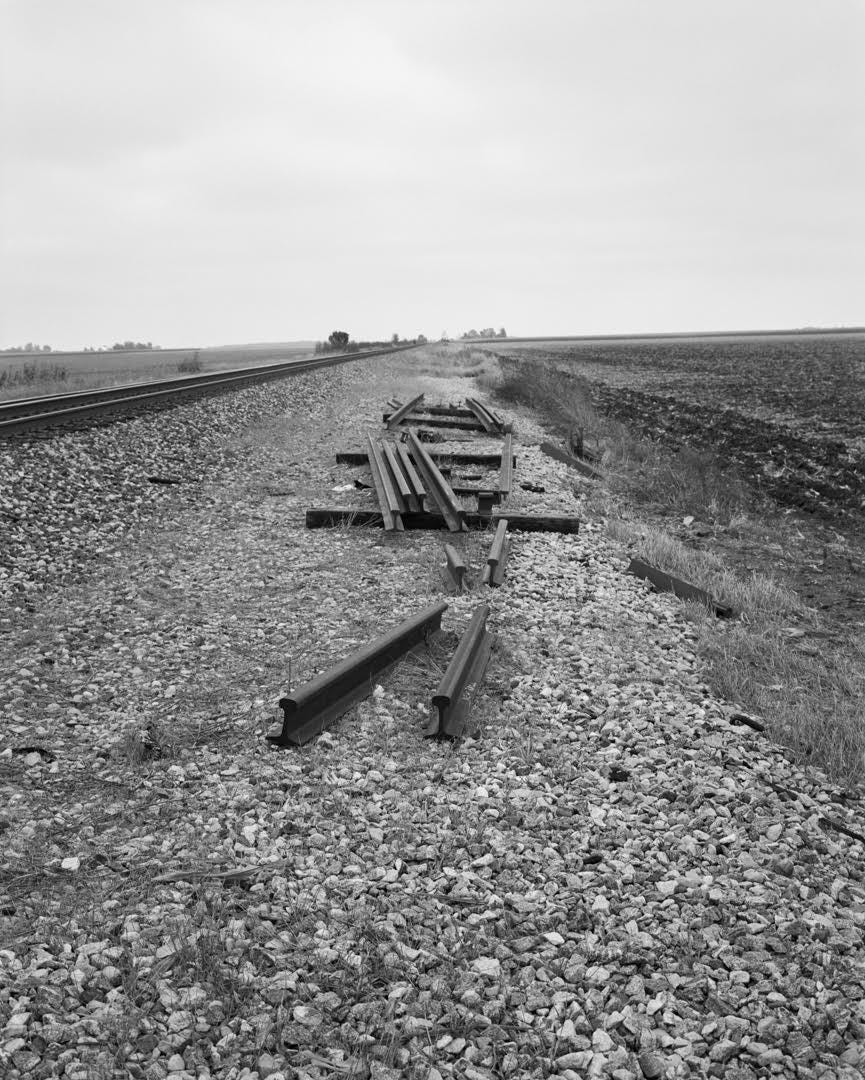
Editing his first book, Tim noticed a strange emptiness recurring in his foregrounds, a gap he kept leaving between himself and everything beyond him, and rather than smooth it away he asked what it confessed, whether he had become a distant man in that season of his life. He had. His pictures had understood his interior long before he did. There is an inherent beauty in that, too.
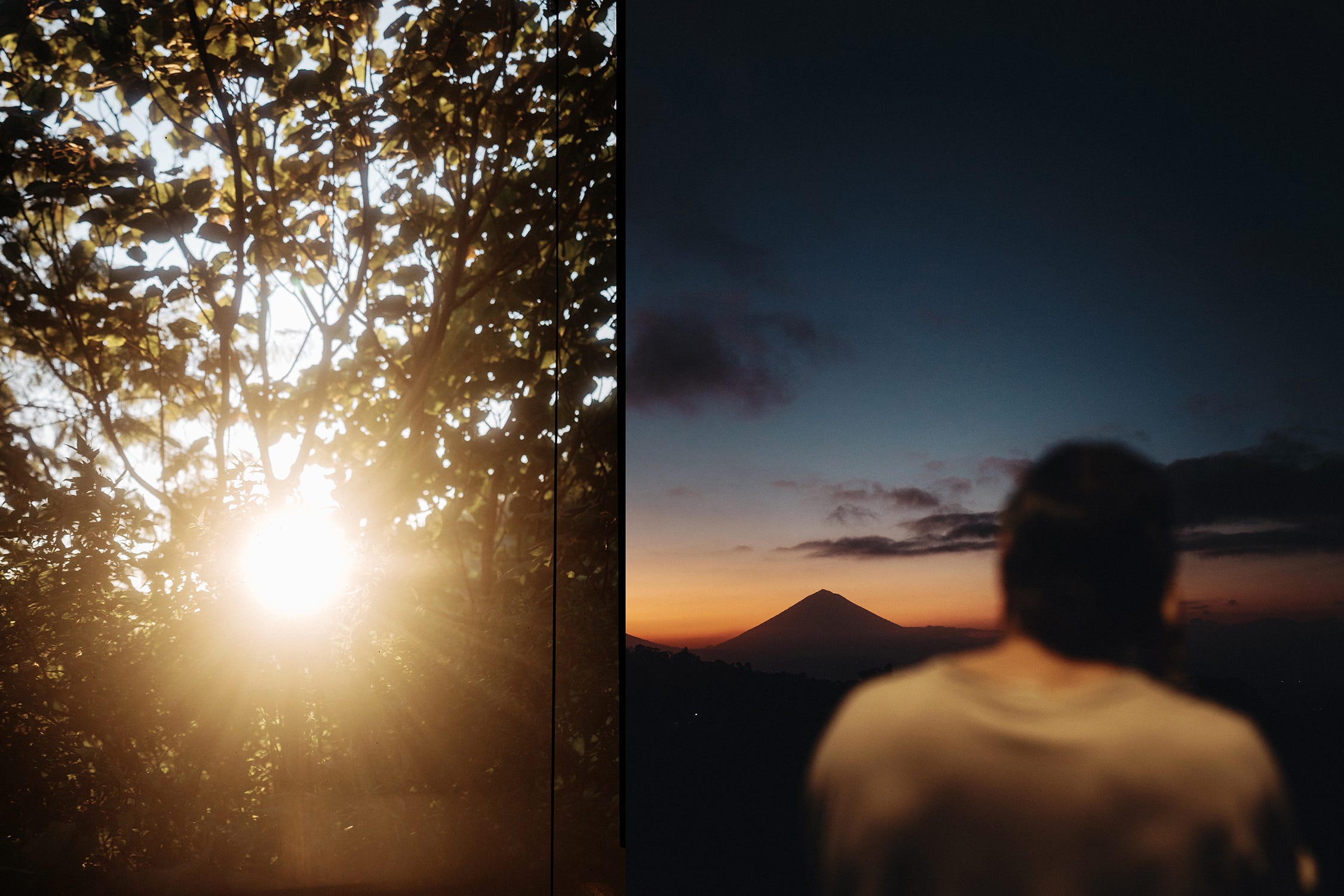
That same quiet miracle is waiting in your own archive right now, not as a heap of failed attempts at beauty, but as a faithful ledger of one creature finding one kind of order, again and again, in a hand nobody else could forge. The body writes all of it down without asking permission, and the only real question is whether you can learn to read it back. You can, and the skill goes by a plain, unglamorous name, which is attention. Not necessarily incense and silence, but the slow discipline of noticing what pulls at you before you can explain it, of catching the distance your body wants to keep today and gently asking why, of stepping out of the current long enough to hold your work up to the light and wonder what, exactly, you have been making. It is for the sake of that one instrument that I sit each morning before I lift a camera, not to grow calm, but to sharpen the single blade every photograph is cut with.
Attention, like anything alive, deepens fastest in company, and that is most of why I built The MOOD Insiders, a room where the scoreboard is switched off and we learn to read one another’s work the way Adams read his own, going first to the structure and the footing and the held order of a frame, long before anyone asks what it is supposedly about. If that is the way of looking you have been wanting to practice, the door is open.
What I would leave you with is quietly consoling, I think…
If beauty is form, and form is made by attention, then nothing in your life is beneath your camera, not the tired street you have stopped seeing, nor the room you gave up on years ago.
Adams built a lifetime of work from the suburbs his peers thought unworthy of film, coaxing a garden out of bare municipal soil, and the whole argument of that work is that coherence can be made almost anywhere, by almost anyone willing to attend to it with love. So walk to the most ordinary place you know, and make one photograph in which the form, not the subject, is the thing that holds. Then sit with it, and ask honestly what kind of order you have made, and what that order reveals about the way you meet the world. Do that even once, and truly, and you will have conjured something from precisely what everyone else walked past without a glance. Beneath it, faint at first and then unmistakable, you will hear the first clear note of the voice you kept traveling so far to find, the voice that was never out there among the subjects at all, but living quietly inside your attention the whole time, waiting only to be read.
Happy Shooting,
Matt x
Comments
Nothing yet. Say the first thing.
Sign in to join the conversation.