
There is a flinch every photographer knows, and I see it all the time inside my photography community. It happens in the second before you share the work, maybe on social media (of course, where else is there to share your work…said with a massive pinch of facetiousness), when the finger hovers and something in you shrinks, and the caption you typed gets quietly demoted: just a quick one, sorry for the spam, probably nothing. Sometimes the flinch wins outright and the photograph goes back into the drawer, unseen, waiting for a version of you that never quite arrives. And if you sell your work, you know the flinch’s other costume: the pause after someone asks what you charge, when the number you rehearsed all morning leaves your mouth smaller than it was in your head.
We call this being modest. We call it reading the room. It is neither. It is a confession, made in public, of what we actually believe, because every offer of your work, a post, a print, a price, a portfolio slid across a table, answers 3 questions at once whether you mean it to or not. Do you believe in yourself? Do you believe in the work? And the question almost nobody thinks to ask: do you believe in the person on the other side of it?
Everyone preaches the first 2. Believe in yourself, believe in your work: the posters have been printed, the podcasts recorded. But the third belief is the one that changes everything, because your audience is already paying you, and has been from the beginning. They pay in attention, either directly or latently - the least renewable thing they have, minutes of a life they do not get back. Asking someone to look is asking them to spend. And when you apologise your way into their feed or your way into a space with them, when you shrink the caption and discount the offer before anyone asked you to, you are not being humble. You are telling them their attention is probably being wasted, that their taste in giving it to you is a small mistake they will shortly correct. Under-offering is not modesty. It is a quiet insult to the very people who showed up.
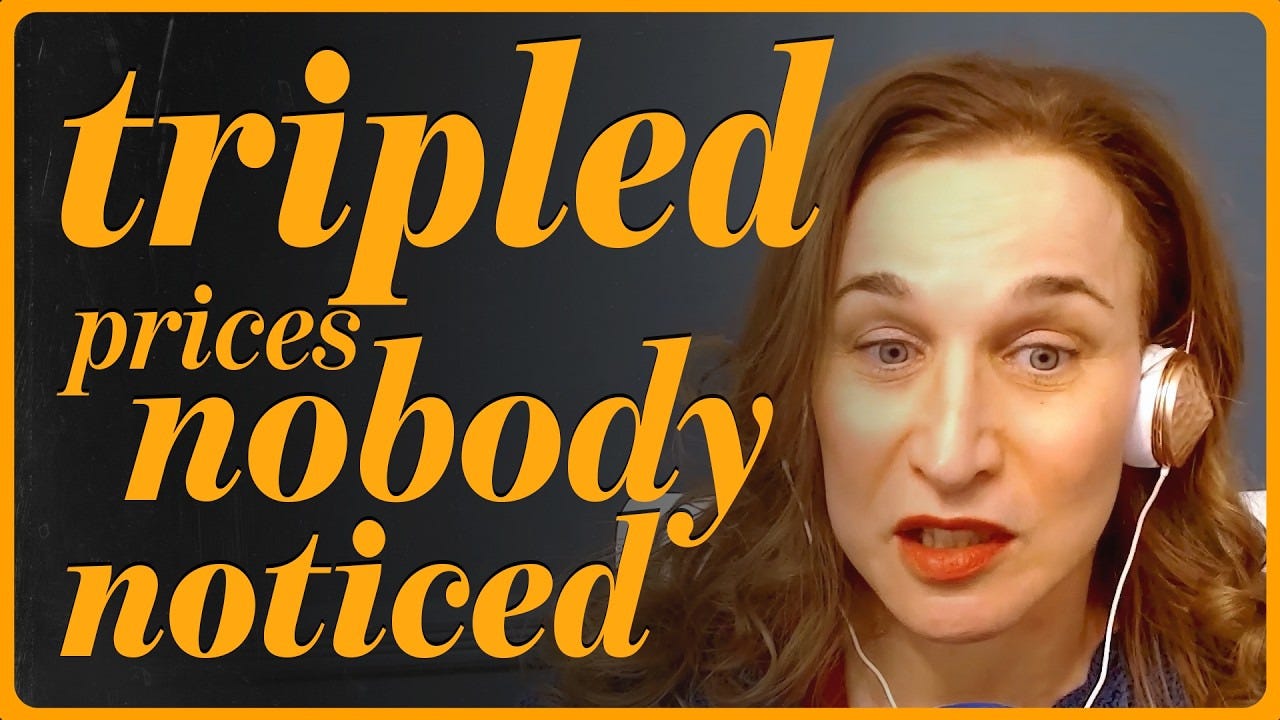
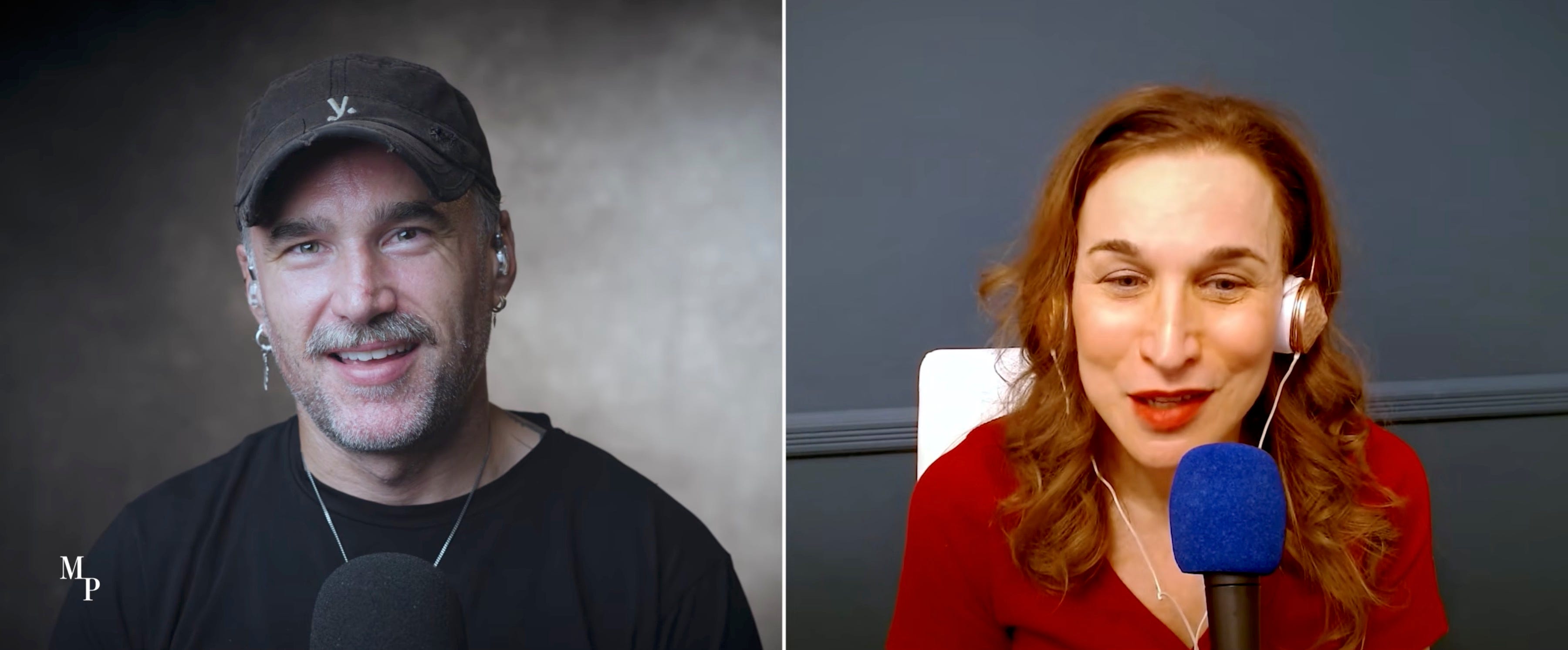
The artist Miriam Schulman, author of Artpreneur, told me a story on the podcast that proves the point from the money side of the same law. She once priced a commission assuming her collector would choose 1 painting, and the collector chose 3. The ceiling had never been the client’s budget or the market’s appetite; it was a ceiling she had built herself, out of assumptions about what someone else could want. She has since doubled prices she once agonised over and watched the work sell without a blink. The resistance was never out there. The flinch was always hers, and it is always ours.
So here are 3 ways to practice the third belief, whichever currency you are currently paid in.
1. Take the apology out of the offer. No more just, no more sorry, no more probably nothing. Present the work the way you would introduce one person you respect to another, plainly and with a straight back. And when money enters the room, let the numbers stand straight too: round figures state worth while odd ones apologise for it, which is why the 40 dollar bottle outsells both the 39 and the 41. Quote 500, not 497. What you lose in loose change you gain in the sound of someone who is not negotiating with themselves.
2. Speak to what receiving it gives them. Nobody follows a feed for pixels or buys a print for pigment. They take away who they become: the one who found you early, the one whose attention is repaid with something worth having, the one whose wall says what no catalogue can. So ask of your own work the question your audience is silently asking: what does receiving this give them? Then offer to that, because you are not presenting paper and light. You are presenting a slightly better version of their own taste back to them.
3. Test the flinch. Belief without evidence stays fragile, so run the experiment in whichever currency you deal. Share the frame you have been protecting in the drawer, the one that feels like too much to ask of people. If you sell, take one print or one commission tier and raise it to the number that makes you slightly uncomfortable. Then watch what actually happens, and let reality, rather than the small-hours voice, tell you where the ceiling is. Likely it’s not where you built it.
Of course, none of this is a license to flood the world with everything you make, and the distinction matters. Discernment is practiced through taste and skill, after all. Belief in your audience is not the belief that they owe you attention; it is the belief that they mean it when they give it, and that they deserve your full nerve in return. The half-offered photograph cheats both of you. They never get to be right about you, and being right about an artist early is one of the quiet pleasures a person can have.
So find it, the last place you flinched. A caption that apologised, a frame still in the drawer, a number that shrank between your mind and your mouth. Offer it again, in full this time, calmly and without the disclaimer, not as a demand for their time or their money but as an act of faith in the people on the other side: that they are serious, that their taste is sound, that they can be trusted with the whole of what you made. You have spent years learning to believe in your work.
The next belief to build is in the people it is for. They were never the ceiling, you were.
The full conversation that sparked this letter is on The MOOD Podcast, linked below.
Happy shooting,
x
Join my community - The MOOD Insiders
The App That Transformed My Art

Comments
Nothing yet. Say the first thing.
Sign in to join the conversation.