
There is a tool in Photoshop called the ‘Spot Healing Brush’ - I’m sure you’re familiar with it - and until recently I hadn’t really asked what the name of the tool is quietly doing.
I got some film developed the other day, and some came back with scratches, dust marks and what looked like x-ray damage (although I’m usually so very careful with this when on the road). It surely happened somewhere between the camera and the scanner, in a bag, on a road, in a dusty room. My hand reached for the spot healing tool before my mind had time to arrive. 4 seconds of work and the frame was clean again. Healed, apparently…
I kept both versions open for a week and could not understand why the dirty one held me and the clean one did not. Maybe just I have too much time on my hands to think about this kind of stuff, let alone write about it…
With the faith that you’re still with me here, and that I’m not going insane, eventually I realised that the scratch was the only thing in that file willing to admit that the photograph had travelled to reach me. Everything else was a claim about a place. The scratch was a fact about a journey.
We are trained to defend our work from the world, and we have learned to call that defence ‘craft’. We back it up, we colour manage it, we keep it away from weather and fingerprints and time. It is worth asking what we imagine we are preserving, because a photograph that shows no evidence of having lived through any time at all makes a peculiar witness to time.
There is a difference, and it is not a small one, between work that is about loss and work that has itself suffered loss. The first describes, and the second carries. An audience cannot always name which one they are standing in front of, but they can feel it, the way anyone can feel whether a room has been lived in or arranged.
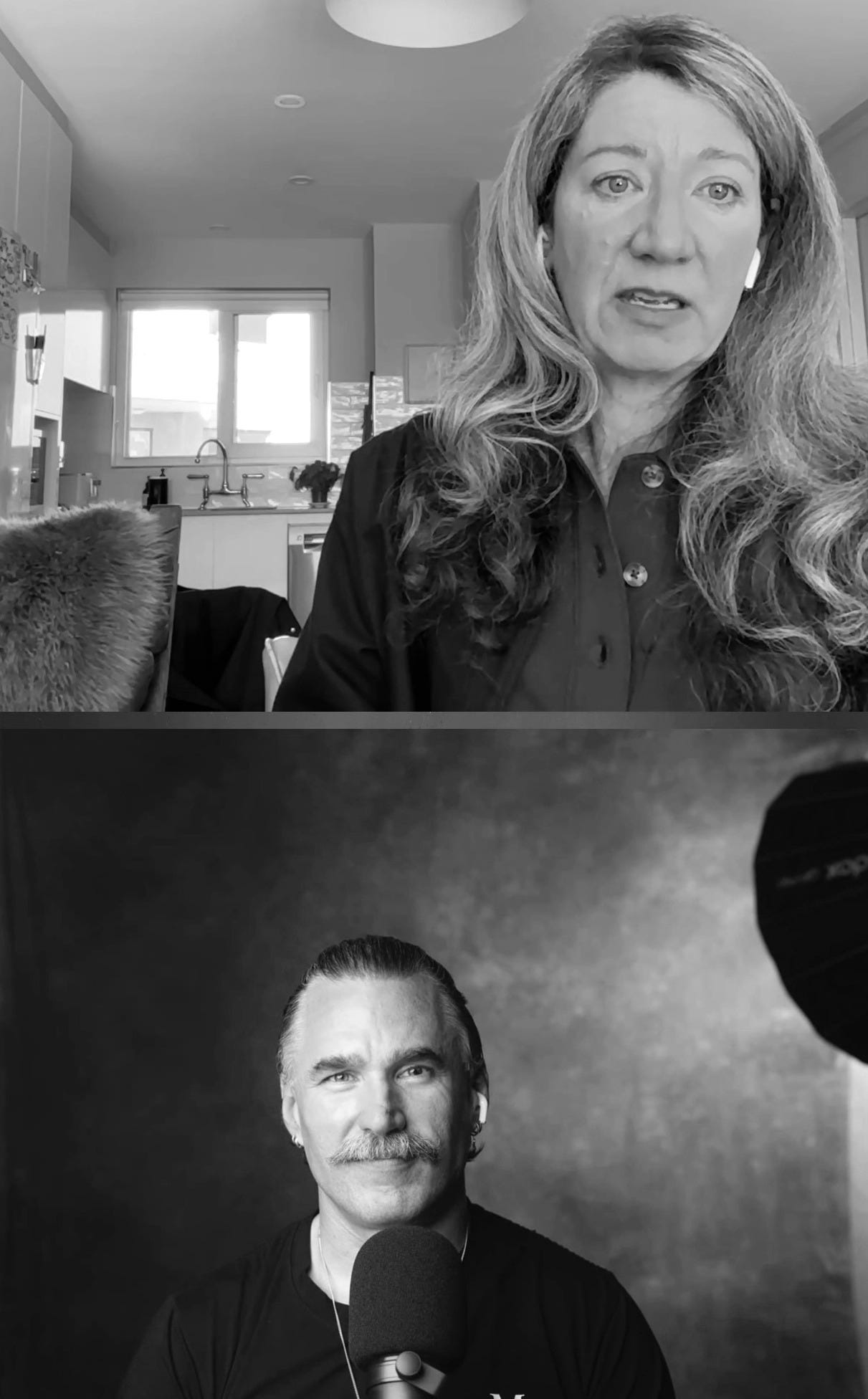
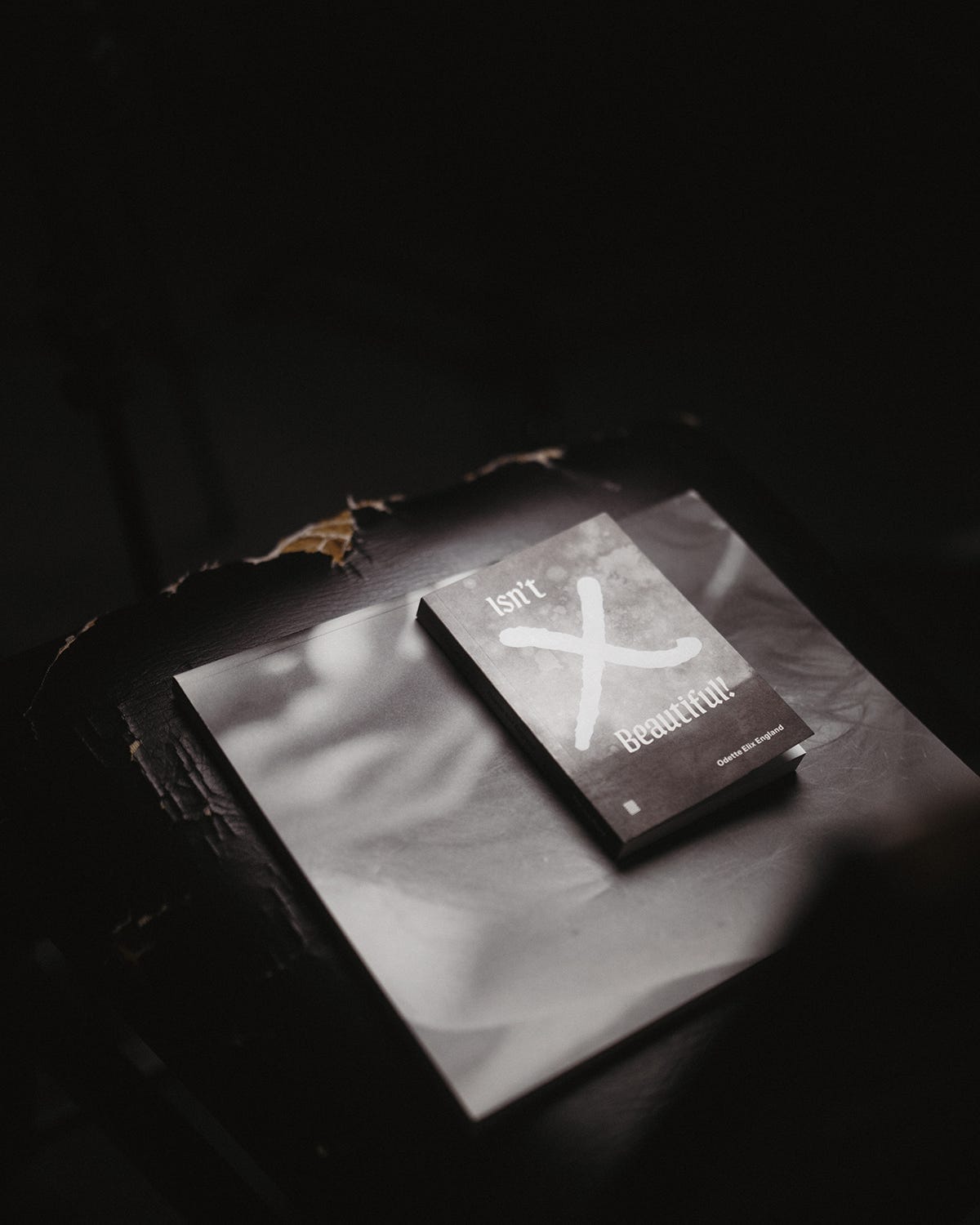
Odette England spent more than 20 years photographing the dairy farm she grew up on, and then asked her elderly parents to walk that ground once a month for a year with her negatives tied beneath their feet. A year of their walking, on the land that made them and then let them go, pressed into the film she had spent 2 decades making, so that “they look just forlorn enough and broken enough to represent everything that I feel on the inside, put into material thinking on the outside.”
Now the harder half of this (I think).
Consider the word ‘finish’. In a craft workshop it may mean the layer applied last, the varnish that seals the grain and stops anything further getting in. We use the same word for completing a piece of work, and I no longer think that is an accident. Every pass of refinement seals a little more of the surface, and somewhere in that sealing the maker stops being able to get out.
Polish is a consensus product. There is broad agreement about what clean looks like, which is exactly why clean feels safe, and exactly why it can never belong to you. I don’t think artists get recognised by their absence of flaws.
The instinct to make something good is very often the instinct to make it recognisable, and recognition of that kind runs entirely on resemblance. So we sand, and chip away, and what comes away first, every single time, is the part that was awkward, the part we could not defend in conversation, the part that was ours.
I feel that any applause that might tend to arrive from this comes at the precise moment you disappear from it.
This is the thing that is almost impossible to catch alone. Nobody notices their own smoothing, because in the moment of smoothing it feels like improvement, and there is no internal alarm for that. It takes another person in the room, looking closely enough to say the uncomfortable version out loud. That is what The MOOD Insiders was built for. A small group of serious people, monthly masterclasses, a weekly book club, and critique that goes considerably further than encouragement.
So what do you actually do with any of this? Just log it away in the annals of your distracted subconscious, and onto the next piece of forgettable rhetoric that doesn’t really mean much to you, tangibly, right now, in this moment, and beyond?
Maybe. Maybe the utility of this article is just for me to offload some fanciful and impracticable thoughts.
Or, go back to a recent edit and find the frame you cut for being awkward rather than for being weak. There is almost always one, and often that frame usually sits closer to your thesis than anything you kept.
Stop one revision earlier than instinct wants, and live with the roughness for 2 weeks before deciding anything. Most polish is applied inside the first 48 hours of doubt, which is the worst possible window in which to trust yourself. Then ask the only question that matters here. Does this work describe the feeling, or does it contain it? If it only describes, something in your process is protecting you rather than protecting the work.
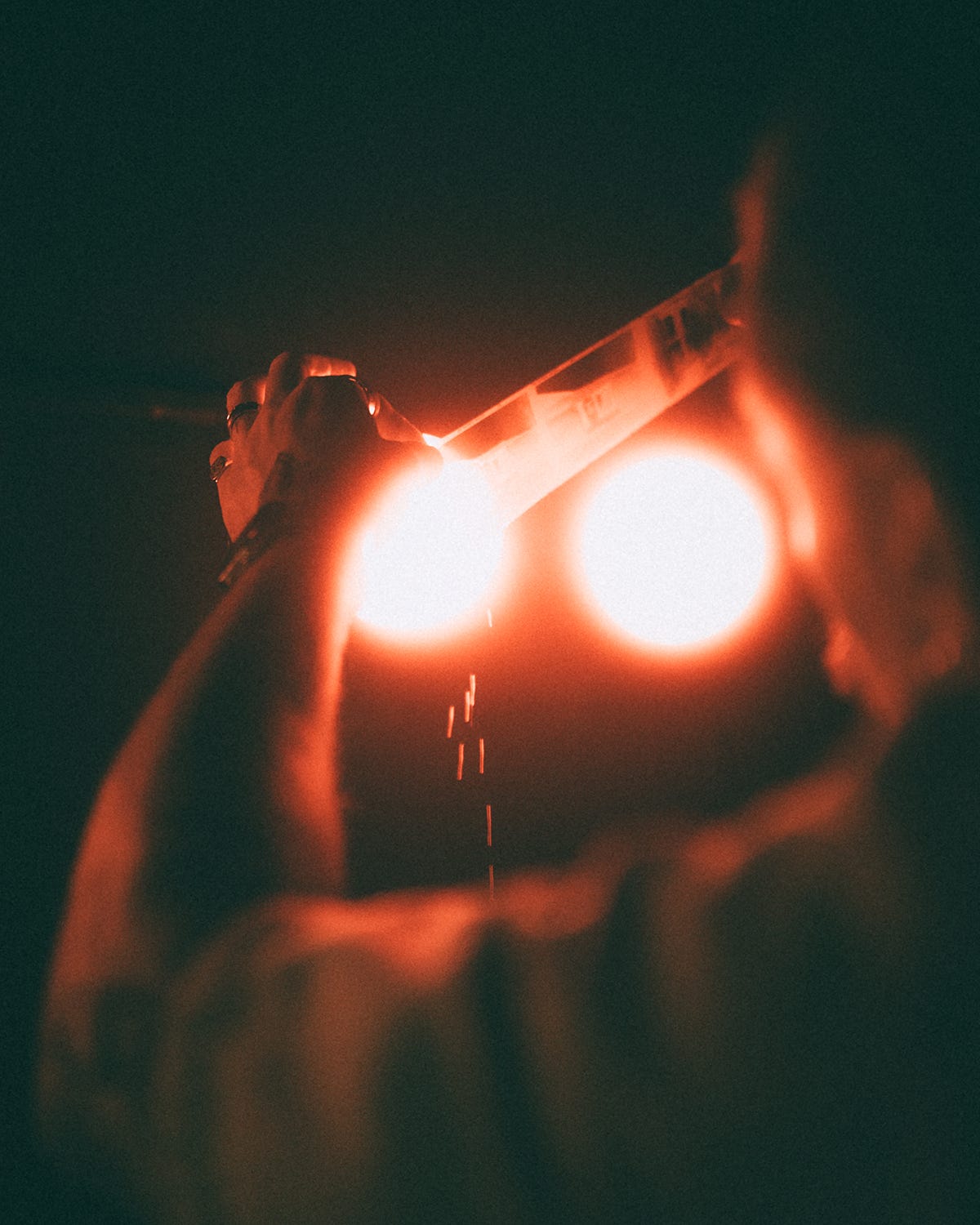
None of this is an argument for damage as a style. Scratching a negative for effect is simply polish running in the opposite direction, another surface applied in the hope of being admired. The question was never whether your work looks wounded. It is whether your work has been anywhere at all.
There is a folder somewhere in your archive that you keep meaning to fix and somehow never do, and I would wager the reason you have not fixed them is that some part of you already understands what fixing would cost. Trust that part - it has better judgement than your taste, because your taste was assembled from other people’s work, while that instinct was assembled from your life.
Your work does not need to survive you looking flawless. It needs to survive you looking like you.
Happy Shooting
x
The full conversation is on The MOOD Podcast now, link below.
Comments
Nothing yet. Say the first thing.
Sign in to join the conversation.