
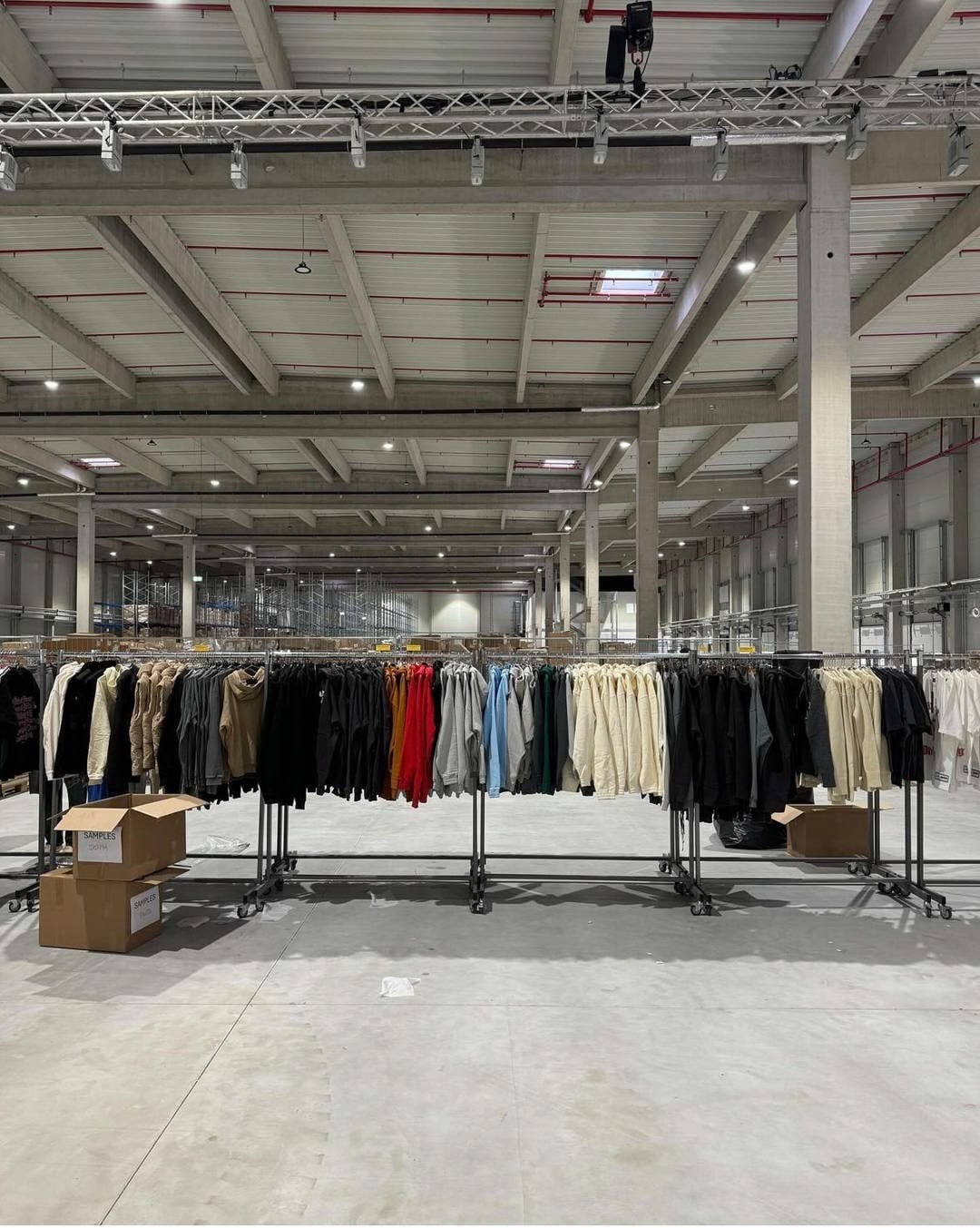
I have always loved the thrill of the hunt.
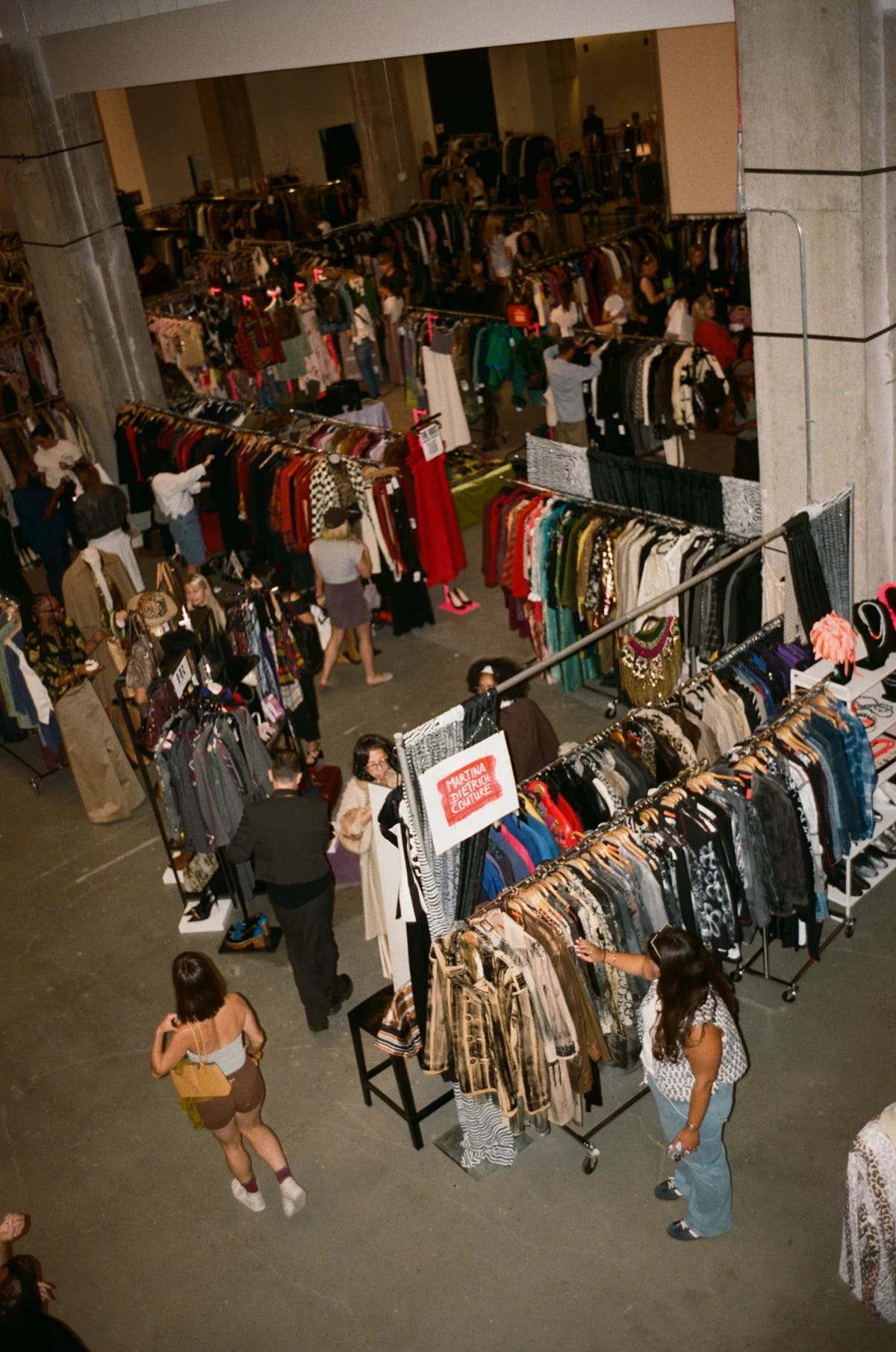
I’m a warehouse sale girl through and through. I want the chaos. I want to wait in line for hours in -20C weather. I want to be sprinting through aisles of clothes searching for the one piece I came for. I want my luxury finds thrown unceremoniously into a giant clear garbage bag while I mentally calculate how much money I just “saved.”
And then, of course, I want to make a TikTok bragging about my killer deals on the way home.
Some of my favourite pieces in my closet come with stories attached to them. I waited outside in freezing weather for my Dion Lee corset. Securing an Alexander Wang bag once had me on the brink of a physical altercation in a random basement in Soho. These clothes are tied to memories, adrenaline, competition, pride. The hunt is part of the product.
But recently, I realised this hobby of mine sits completely at odds with another value I care deeply about: conscious consumerism.
Because warehouse sales shouldn’t really exist. We end up with warehouse sales because brands guess what consumers want, produce thousands of units, guess wrong, and are left drowning in surplus inventory. Production is completely detached from actual demand and that surplus has to go somewhere.
We hear so much about overconsumption. Consumers buy too much, wear pieces too few times and move swiftly along to new trends by the following week.
Actually though, I’ve started thinking that overconsumption is actually a downstream effect of overproduction. Fashion brands overproduce first then consumers simply absorb the consequences.The industry has normalised a system where brands manufacture enormous quantities of clothing before knowing whether people even want it. Then, when those bets fail, we create entire ecosystems to clear the excess: warehouse sales, outlet malls, perpetual discounting, landfill waste.
Ironically, some of those systems become culturally beloved. Including people like me.
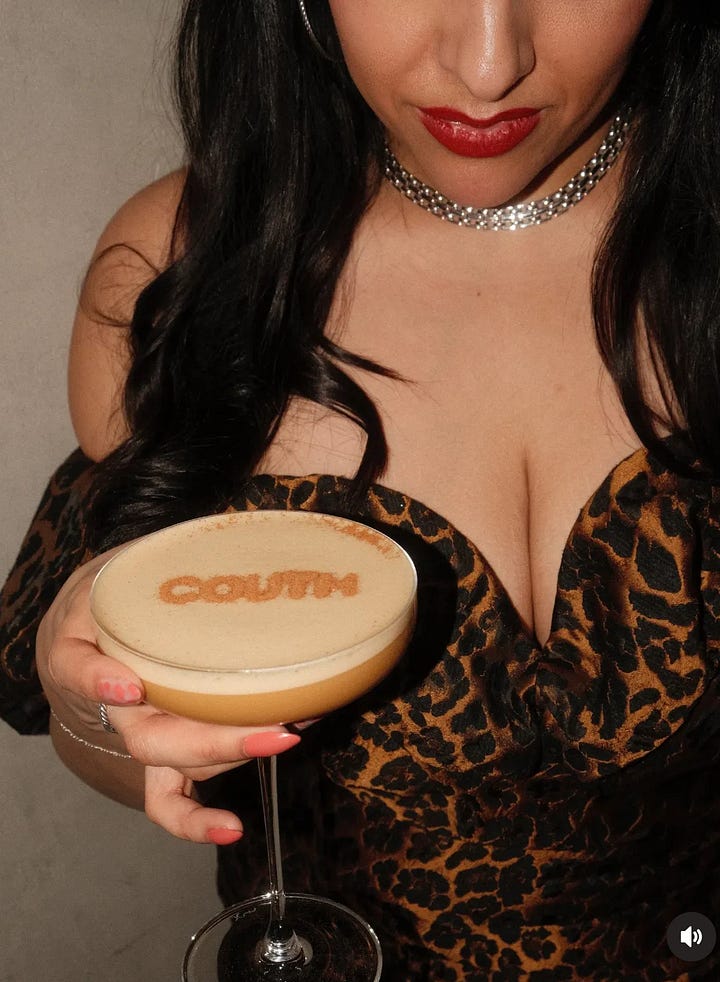
What makes this even more complicated is that I’m saying this as the founder of a Fashion Tech company actively trying to solve the problem.
At Couth Studios, we use AI and computer vision to analyse runway trends from around the world. We track silhouettes, textures, colours, construction details, styling patterns, and new design movements across global fashion weeks, then aggregate those insights into early concepts and garment designs.
But what makes Couth special is that instead of a small team of executives deciding what deserves to exist, our community helps shape the final outcome. People vote, comment, critique, refine. We co-create pieces alongside our Instagram community; who are the people who will actually wear them. Then, instead of mass producing inventory and hoping it sells later, we only move pre-ordered pieces into production.
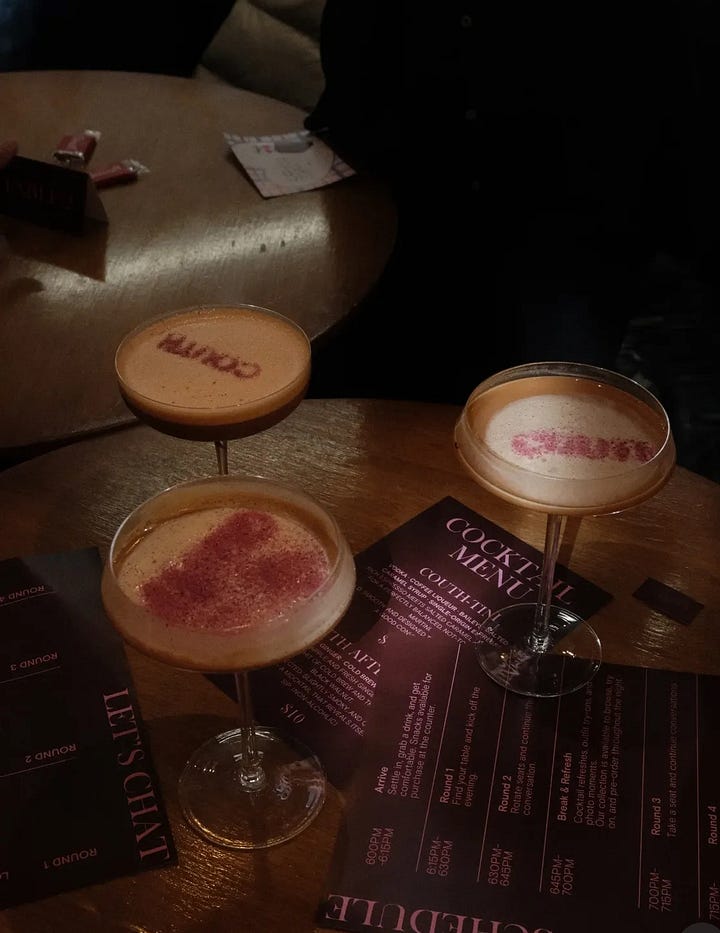
In other words: demand comes before manufacturing. And the goal isn’t just to use AI to make fashion faster… we know fashion has already become too fast. The goal is to use technology to make fashion more intentional.
And if models like this actually work at scale, something strange happens: warehouse sales disappear. The Soho basement fights disappear. The 6AM lineups disappear. The clear garbage bags full of “finds” disappear too. Which makes me a little sad.
Because a huge part of fashion culture is built around discovery. Around feeling like you found something special before anyone else did. The stories we attach to clothing often become just as valuable as the garments themselves.
At the same time, nostalgia is probably not a good enough reason to maintain systems that generate enormous amounts of waste.
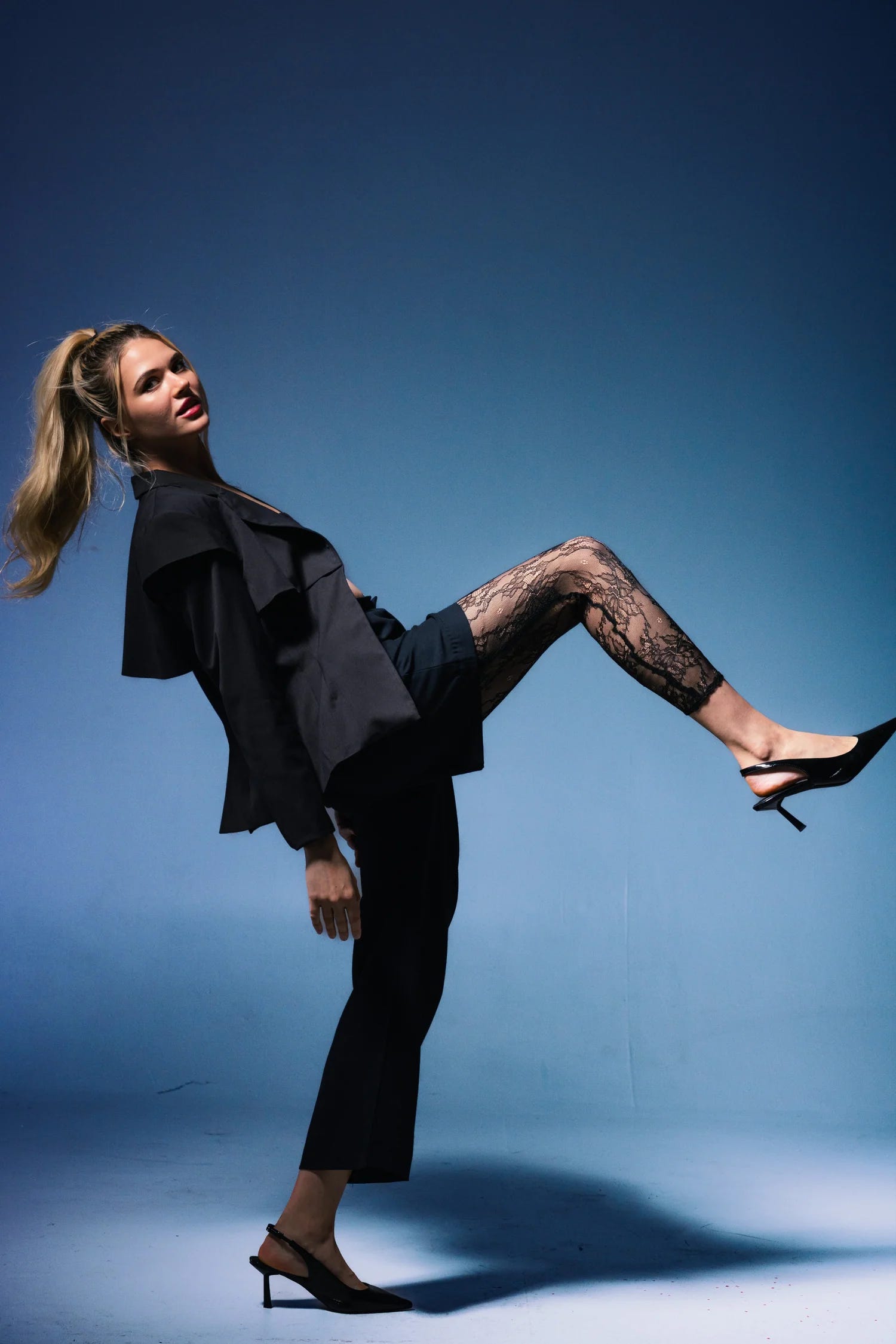
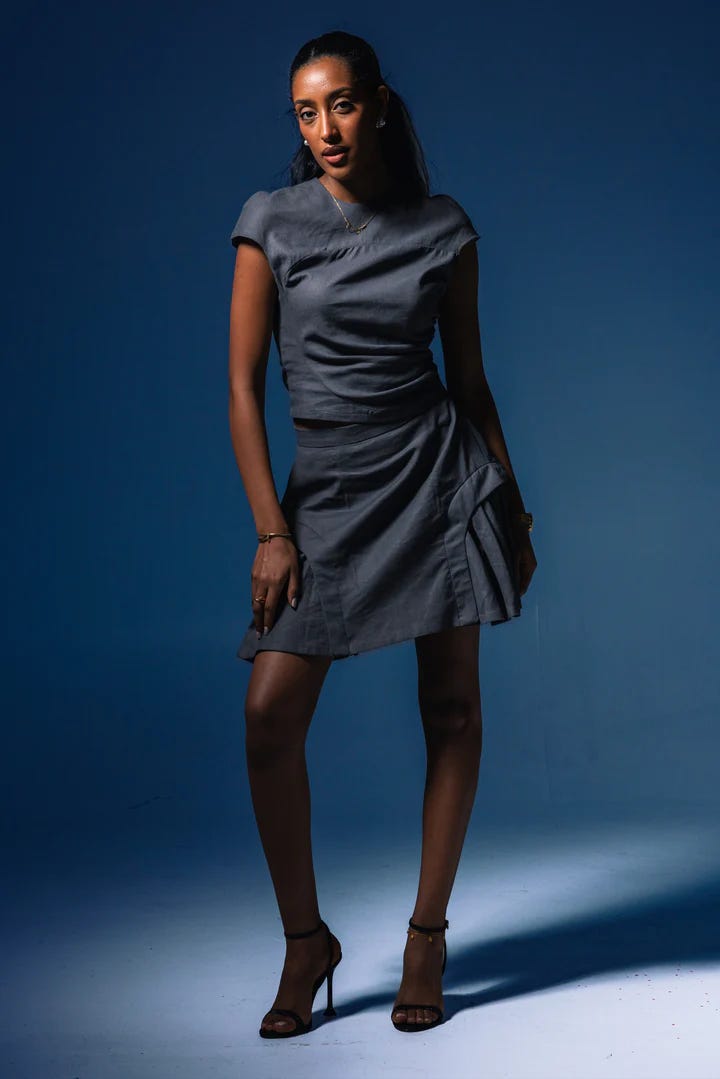
So now I find myself wondering whether fashion’s next era requires us to redefine what the “hunt” actually is.
Maybe the future of fashion isn’t hunting for pieces after they’ve already been overproduced. Maybe the new thrill is helping decide what gets made in the first place. Maybe instead of fighting strangers over leftover inventory, we fight for our taste. For our point of view. For the chance to carve out culture before production ever begins.
I say this because if fashion has always been about signaling identity, then why have consumers had so little influence over what enters the market in the first place? It could well be time to democratise design. Nevermind innovation or that the tech is interesting. We need to. Because the current system is actually fundamentally broken.
And maybe even though luxury has been built on exclusivity, what defines it in the future may just be intention.

Sajna Massey founded Couth Studios after realising how disconnected traditional fashion was from the people it claimed to serve. As an engineer working in retail innovation, Sajna saw firsthand how little the fashion industry had evolved, still relying on guesswork, trend forecasts, and mass production that often leads to waste. She launched Couth with a vision: use AI to create designs people actually want before making them, and let the community vote on what gets produced.
Comments
Nothing yet. Say the first thing.
Sign in to join the conversation.