
There are ages that live under your skin more than they live in time. For me, fourteen is one of them.
It was the year I began to understand my body not as something others could enter without permission. The language I had then could not hold the violence of that fact. Even now, a decade later, I reach for new forms to translate what I could not say aloud. Sometimes prose feels too blunt, too hungry for resolution. Poetry, especially the looping structure of the pantoum, offers a different kind of vessel. It allows me to revisit moments without forcing them toward a clean ending. The repetition circles back, much like memory itself, not to trap me there but to move me through.
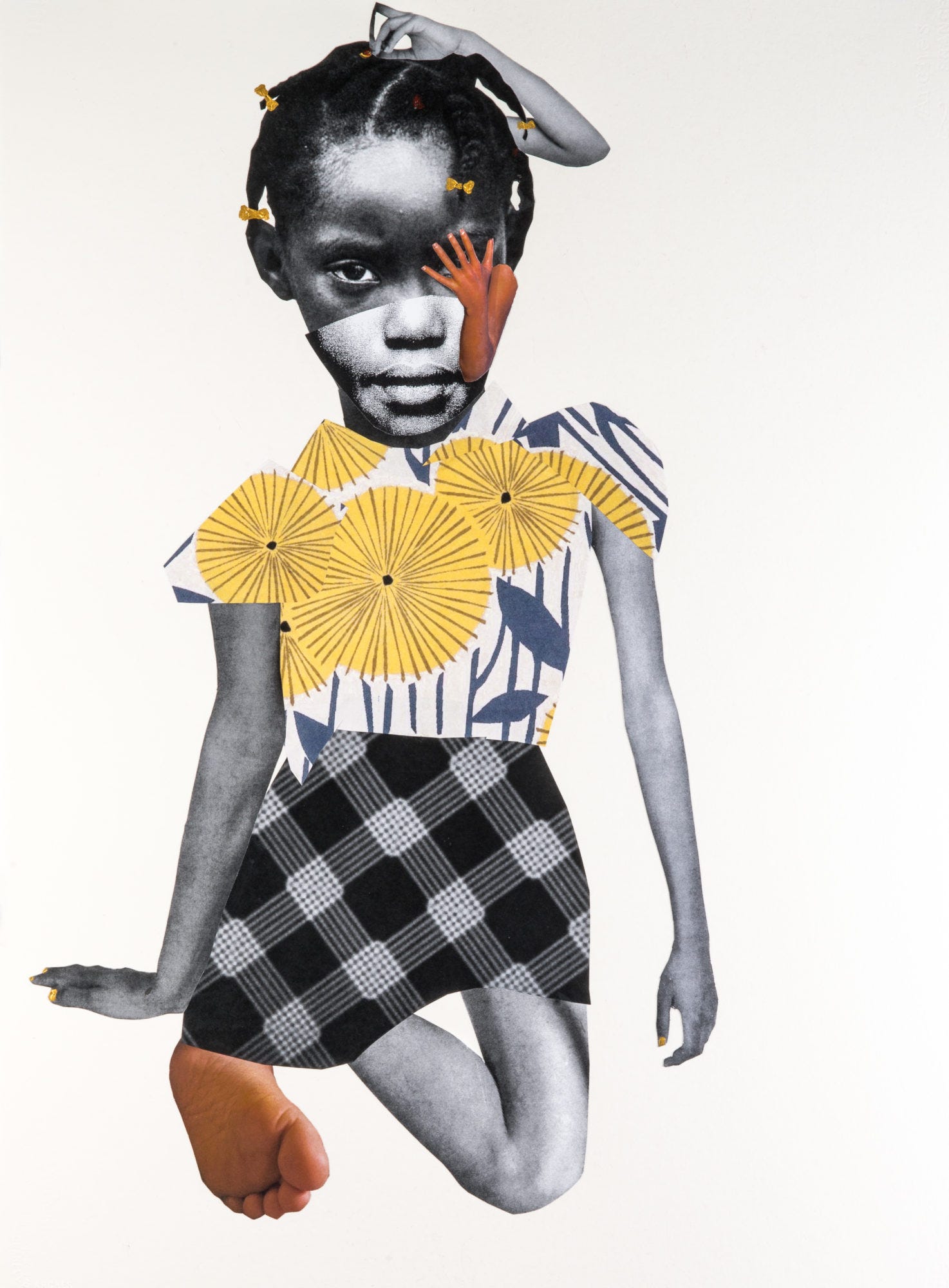
In these poems, I wanted to braid the specificity of my own life with the wider landscape of girlhood: the mirrors we stand before, the fields we cross, the letters we never send, the tides that touch us and leave their salt. While the first pantoum, Fourteen, is unflinching in its recognition of what happened, the others expand the frame. They are less about a single night and more about the seasons of becoming that followed.
The structure of the pantoum, the way the second and fourth lines of each stanza become the first and third lines of the next, creates a quiet insistence. It mirrors how certain sensations resurface: the feeling of a shadow stretching across a room, the way silence can press against the body, the tilt of air in a place you no longer trust. The form carries the weight of recurrence, yet its final return often alters the opening. What begins in one register ends in another, the shift barely audible but entirely felt.
I wanted these poems to speak plainly but with precision, stripping away ornament until only what mattered remained. There are no declarations of survival here, no sudden arc toward light. Instead, there is the slow work of living inside a changed body, of noticing how violence rearranges not only the self but the surrounding world. Even tenderness is touched by it; the warmth of the sun in Field lands on skin that has already learned to read eyes as either open hands or closed fists.
Writing them required a particular stillness. I had to resist the urge to explain or soften. I had to let the images carry the truth without spectacle. In this way, the poems do what my fourteen-year-old self could not—they speak without asking permission. And while their roots are in an experience of harm, they also reach toward the rest of life: the mirrors, the fields, the tides.
These are poems of returning, but they do not return unchanged.
The room was smaller than the air inside it.
My voice stayed in my throat, a sealed stone.
I counted the lines in the ceiling to keep from drifting.
The night carried teeth I could not see.
My voice stayed in my throat, a sealed stone.
His shadow spread across the floor in dark spill.
The night carried teeth I could not see.
I learned how silence can bruise.
His shadow spread across the floor in dark spill.
The walls leaned closer without a word.
I learned how silence can bruise.
Fourteen is too young to carry this weight.
The walls leaned closer without a word.
Even the air tilted away from me.
Fourteen is too young to carry this weight.
The moon fractured on the glass.
Even the air tilted away from me.
I counted the lines in the ceiling to keep from drifting.
The moon fractured on the glass.
The room was smaller than the air inside it.
The mirror told me I was nearly grown.
Light drew my collarbone into relief.
I stood barefoot, reading my reflection.
The window opened on a world that could devour.
Light drew my collarbone into relief.
In the glass, I rehearsed the shape of my name.
The window opened on a world that could devour.
My skin carried both invitation and warning.
In the glass, I rehearsed the shape of my name.
I thought of all the women I had yet to become.
My skin carried both invitation and warning.
The air was heavy with unspoken stories.
I thought of all the women I had yet to become.
The sun dissolved in the corners of my eyes.
The air was heavy with unspoken stories.
The mirror told me I was nearly grown.
I walked through a field in a dress too thin for the wind.
Every flower turned its face to follow.
The earth kept my footsteps in its hold.
I was learning the grammar of being seen.
Every flower turned its face to follow.
The sun warmed the part of me left in shadow.
I was learning the grammar of being seen.
Some eyes were gentle, others sharpened to points.
The sun warmed the part of me left in shadow.
Shadows drifted over the grass in long reach.
Some eyes were gentle, others sharpened to points.
The wind parted my hair in steady motion.
Shadows drifted over the grass in long reach.
The earth kept my footsteps in its hold.
The wind parted my hair in steady motion.
I walked through a field in a dress too thin for the wind.
Your name on the page was smaller than I remembered.
Ink spread where my hand faltered.
I wrote the story as if you might answer.
Love is a room with no clear exit.
Ink spread where my hand faltered.
The paper curled at its edges.
Love is a room with no clear exit.
I stood at the door and did not knock.
The paper curled at its edges.
I folded the page until it fit in my palm.
I stood at the door and did not knock.
The air listened for a confession.
I folded the page until it fit in my palm.
I wrote the story as if you might answer.
The air listened for a confession.
Your name on the page was smaller than I remembered.
The tide reached my ankles, then receded.
Foam clung to the hem of my dress.
Each wave was a question without reply.
The horizon refused to move closer.
Foam clung to the hem of my dress.
I stood where water met unbroken sky.
The horizon refused to move closer.
I thought of all I had given away unknowing.
I stood where water met unbroken sky.
A gull circled above my head.
I thought of all I had given away unknowing.
Salt stayed on my skin after the water left.
A gull circled above my head.
Each wave was a question without reply.
Salt stayed on my skin after the water left.
The tide reached my ankles, then receded.
The pantoum does not allow a clean escape; it asks you to revisit what has been said, to let it ring in a new register. In that way, it feels truer to the work of living after harm. Healing, if that’s even the word, is not a straight line. It’s a tide, advancing, retreating, carrying fragments back to shore for you to hold again.
What began in these poems as a record of violence expanded into a meditation on femininity as an inheritance both fragile and unbreakable. The speaker moves from the stillness of Fourteen to the quiet self-study of Mirror, from the alert openness of Field to the unsent intimacy of Letter, and finally to the vastness of Tides. Across them, there is an understanding that to live as a woman is to be in negotiation with visibility, with the eyes that follow, with the doors you stand before and choose to leave closed.
I have often thought about how we record the lives of women, especially those who experience harm before they are old enough to name it. The official records are spare: police reports, school files, whispered stories. But there is another archive—one kept in the body, in the way light falls on a shoulder, in the way certain rooms feel smaller than the air inside them. Poetry can become a page in that archive, to give it form without stripping it of its privacy.
I did not write these to make peace with the past. I wrote them to acknowledge that it continues to live beside me. And in doing so, I found a different kind of companionship: the recognition that others move through their own fields, their own mirrors, their own tides. To share these poems is to extend a hand without demanding it be taken.
When I return to the pantoum’s closing lines, I am reminded that endings here are not erasures; they are doors that open back into the first room, but with the light changed. That is the quiet gift of the form—it teaches that recurrence is not always imprisonment. Sometimes it is the shape of endurance.
In this THIRD SPACE, I have always believed that art allows us to hold complexity without resolving it. These pantoums are part of that belief. They ask to be read slowly, perhaps aloud, letting the repetition do its work. They are not an answer. They are a record of the ongoing, a map of how the past and present speak to each other in the language of return.
Until next time,
Marley
If you connected with this piece, you can support my work through Buy Me a Coffee, every contribution helps me keep THIRD SPACE ad-free and deeply researched.
Thank you for reading, for caring, and for building this space with me.
Comments
Nothing yet. Say the first thing.
Sign in to join the conversation.