
There are a number of theories about why Mabel Normand isn’t more of a household name as a result of her profound impact on the development of the American film industry as an actress, comedienne, director and screenwriter. Starting out as an artist’s model for Charles Dana Gibson (creator of the Gibson girl), on the suggestion of friends she sought work in the emerging film industry and began working as an extra in Kalem and Biograph shorts.
Beginning at Biograph and working exclusively in tragedies under the direction of D. W. Griffith, she later moved on to Vitagraph where she made a series of comedic shorts featuring as ‘Betty’, including a co-starring role alongside John Bunny, film’s first comedy star.
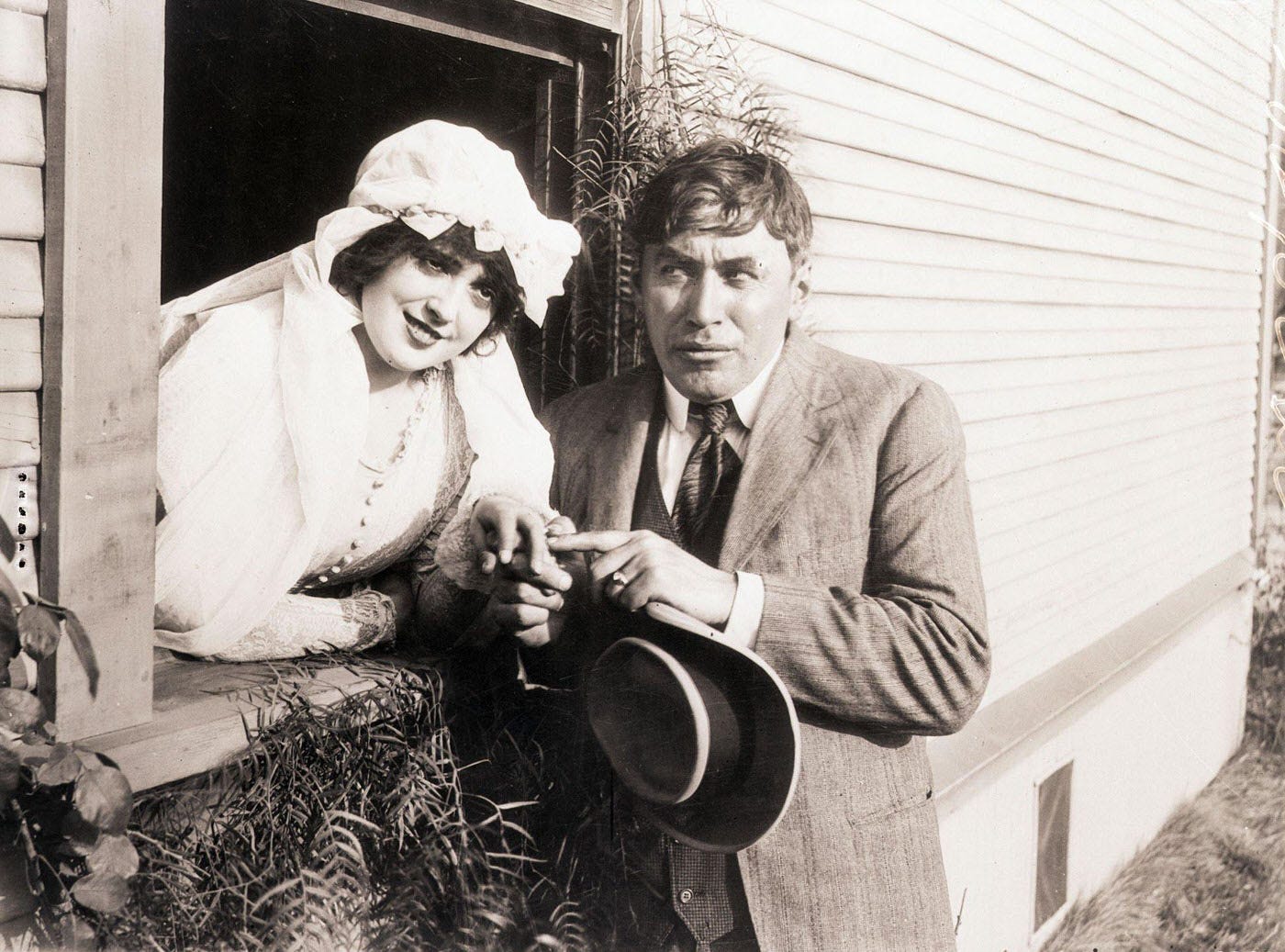
Mabel’s move into comedy was the result of Griffith having no project ready for her and sending her down to the Biograph comedy unit, who initially didn’t want her either. According to Mabel, while killing time swimming the director saw her and decided having one of the characters watch her through binoculars would make a good scene. Mabel performed so well that she found herself transferred to Biograph’s comedy division. Being slim and attractive she broke the mould for comediennes of the time who drew laughs with their fat bodies or their grotesque movements.
At Vitagraph, founder Albert E. Smith believed he had over-estimated Mabel’s “potential for future stardom” and let her go. An intensely beguiling performance in Her Awakening, directed by D. W. Griffith, drew the attention of Mack Sennett while he was working at Biograph. The two began a relationship and Sennett later brought her to Keystone Studios when he founded it in 1912.
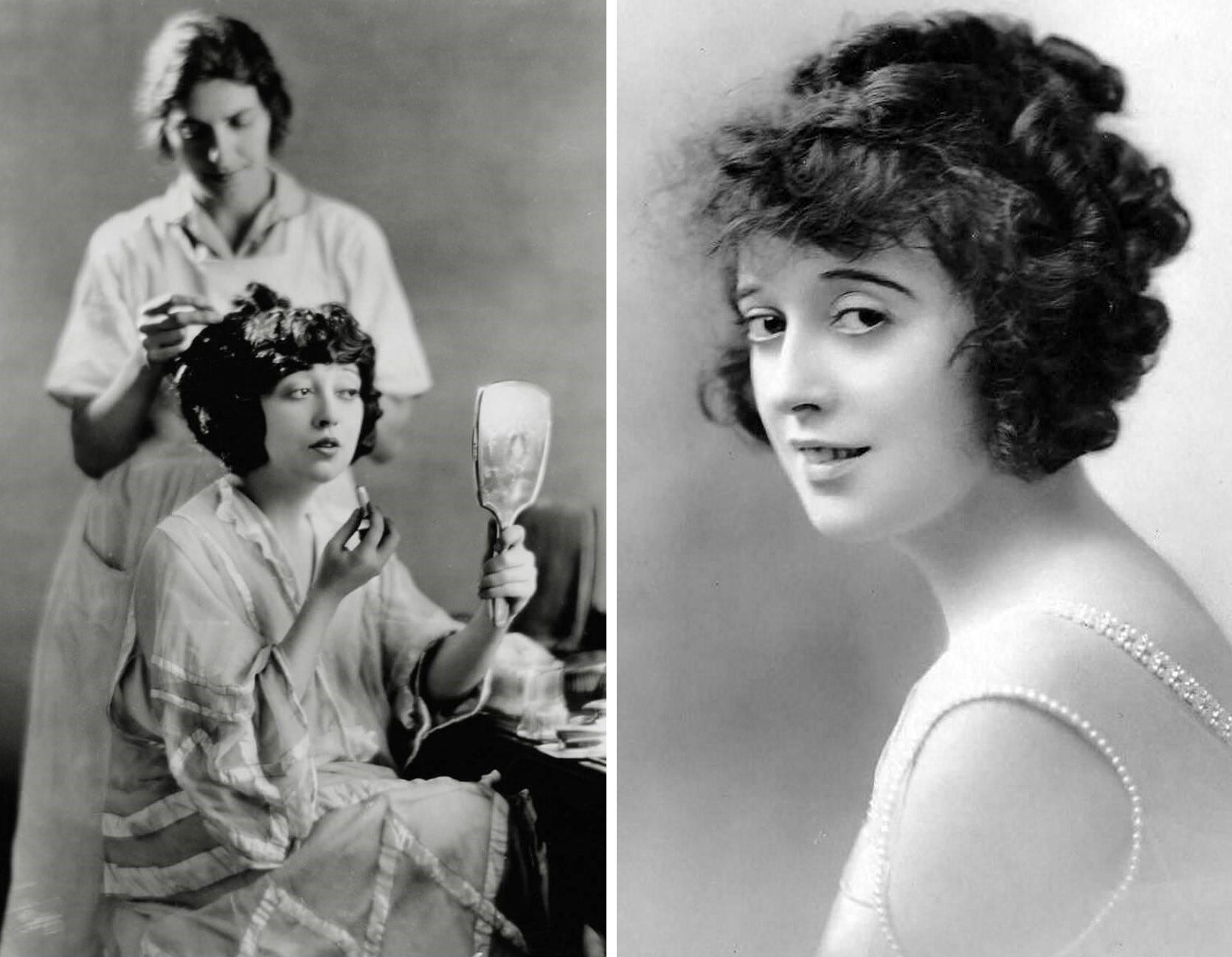
One of Normand’s most significant contributions was the creation of the “Mabel” character, a spirited, independent, and mischievous young woman. ‘Mabel’ was seen as the quintessential modern, 20th-century woman, a groundbreaking character who resonated with audiences and helped redefine the role of women in film.
By this time Normand was writing her own films with her appearance in A Noise from the Deep marking the first time its star received a pie in the face. Her directorial debut came in 1914 with Mabel’s Strange Predicament, which also marked Charlie Chaplin’s first appearance as The Tramp. While the story of Chaplin’s discovery is contested, it is generally agreed that Sennett would not have hired or retained Chaplin had it not been for Normand.
Chaplin had struggled to adapt to the demands of film acting, but Normand persuaded Sennett to stick with him. She appeared alongside Chaplin in a dozen subsequent films, almost always as a part of a couple. Chaplin recalled:
“We used to go to the park with a stepladder, a bucket of whitewash, and Mabel Normand, and make a picture.”
Later, Normand starred with Chaplin and Marie Dressler in Tillie’s Punctured Romance, the first feature-length comedy.
Sennett’s motivation for encouraging Normand to direct was likely a combination of his respect for her as an actress, his love for her, and as compensation for her low pay. Chaplin’s salary famously rose to $1,250 per week after he left Keystone, while Normand was still paid $175.
After Chaplin moved on, Mabel began working with Roscoe “Fatty” Arbuckle in a series of popular shorts. The pair continued acting together until they both left Keystone for better pay.
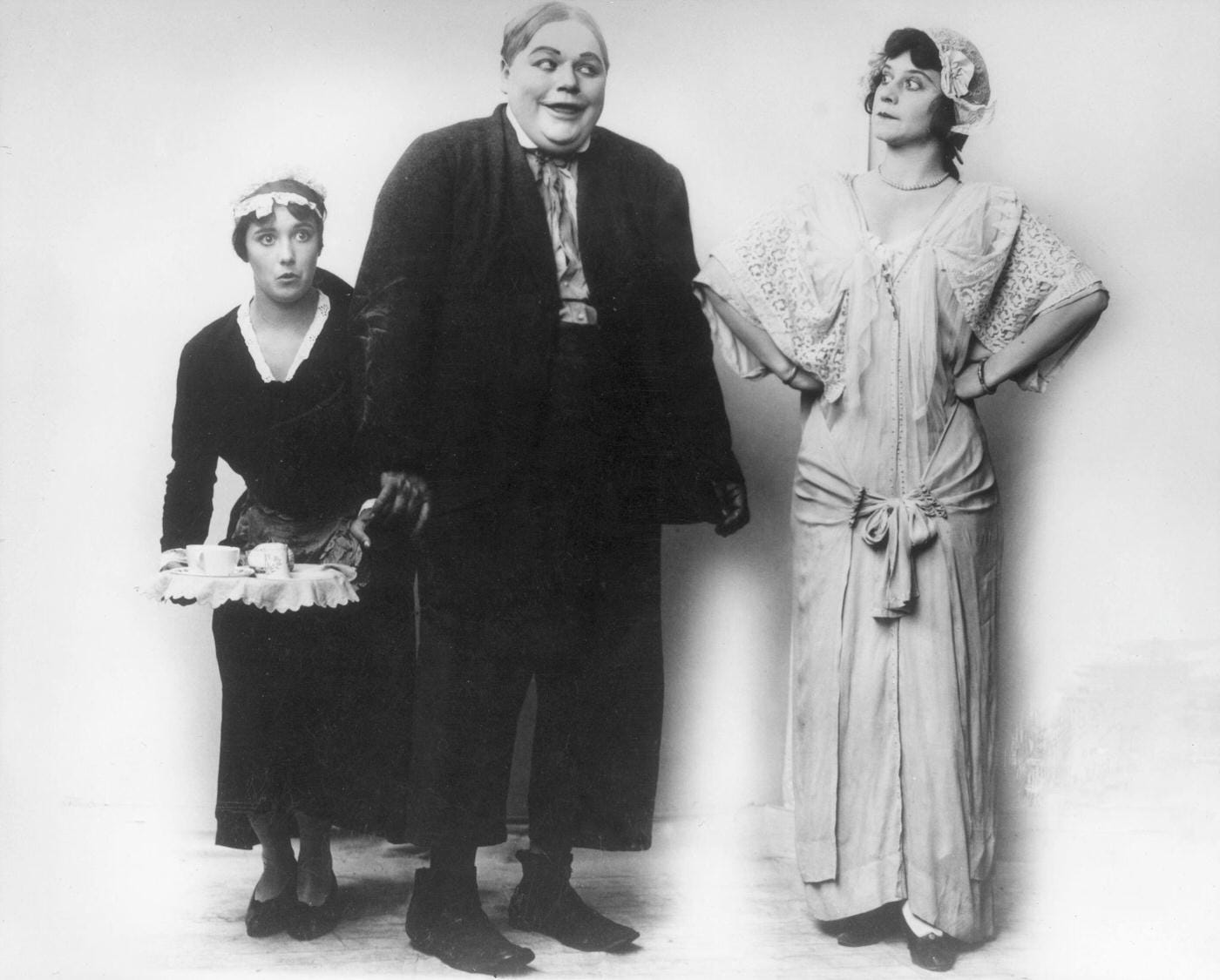
Mack Sennett’s creation of Keystone was contingent on Normand joining him; and he insisted Normand have credit and say in the company. Sennett and Normand became engaged around this time, though the engagement ended when Sennett was caught cheating on her. Those who knew them believed they were the loves of each others lives however they were never romantically reconciled.
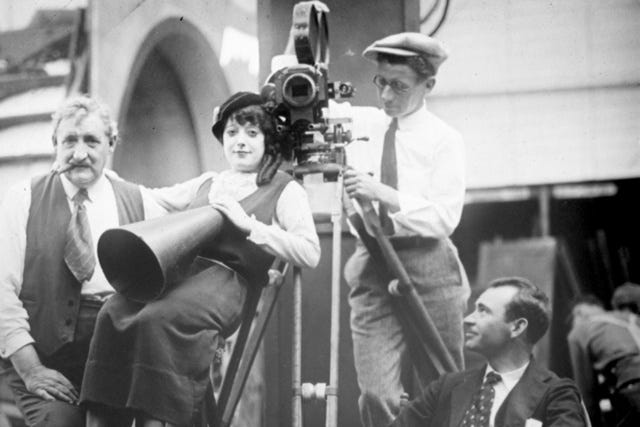
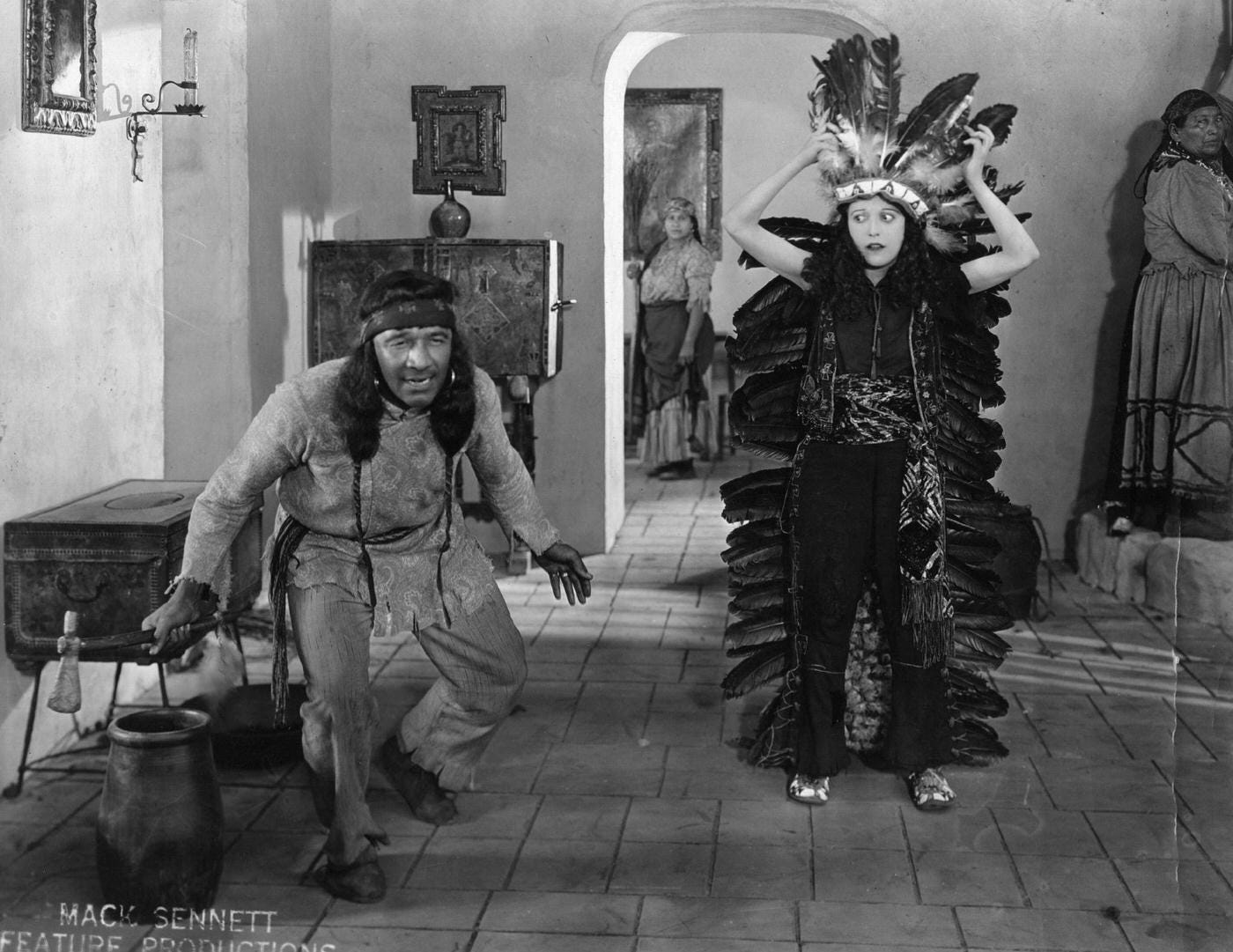
In 1916, Normand founded her production company, Mabel Normand Feature Film Company, in partnership with Mack Sennett. This gave her even greater creative control over her projects and cemented her status in the film industry. Sennett had recently joined Triangle Film Corporation and Mabel’s film company formation was likely designed to help Sennett retain her services and support Triangle. Only one feature film, Mickey (1918), was released by the company and only after Normand had signed a five-year contract with Samuel Goldwyn. The reason for the extended filming and post-production period is believed to be a combination of Triangle’s management difficulties and Normand’s developing tuberculosis.
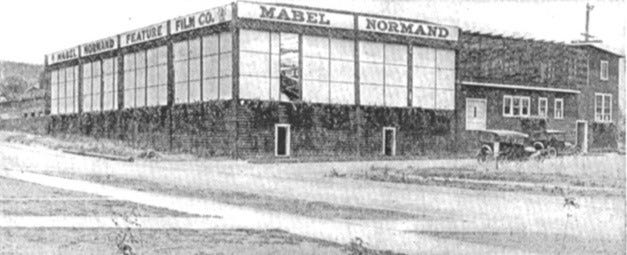
She lost her company in 1918 when Triangle went through a massive shakeup which also resulted in Sennett losing Keystone Studios and establish his own independent company. In 1918, as her relationship with Sennett came to an end, Normand signed a $3,500-per-week contract with Samuel Goldwyn.
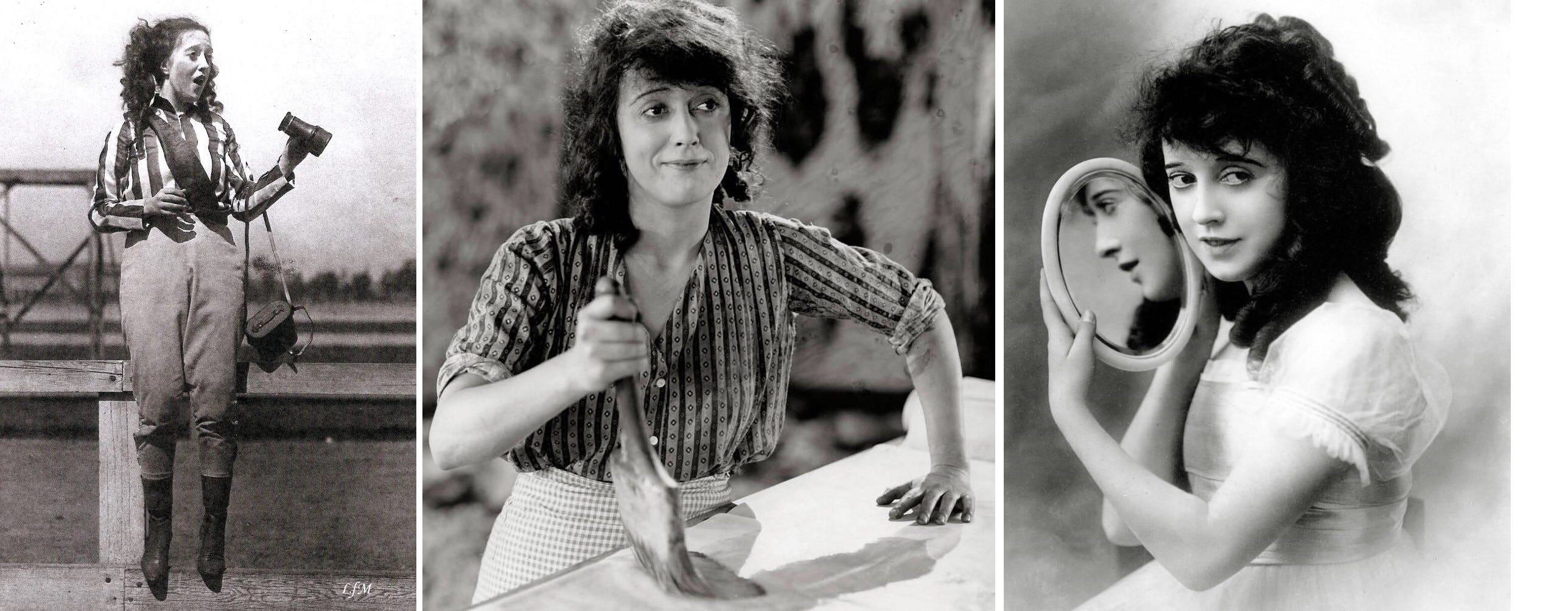
In 1920 Mabel Normand returned to Keystone to work with Sennett again on Molly O’ in what was intended to be her come-back film. The release was marred by Fatty Arbuckle’s rape trials, and much of the rest of Normand’s career was similarly affected by scandal, including persistent, but unsubstantiated, stories of her drug and alcohol abuse.
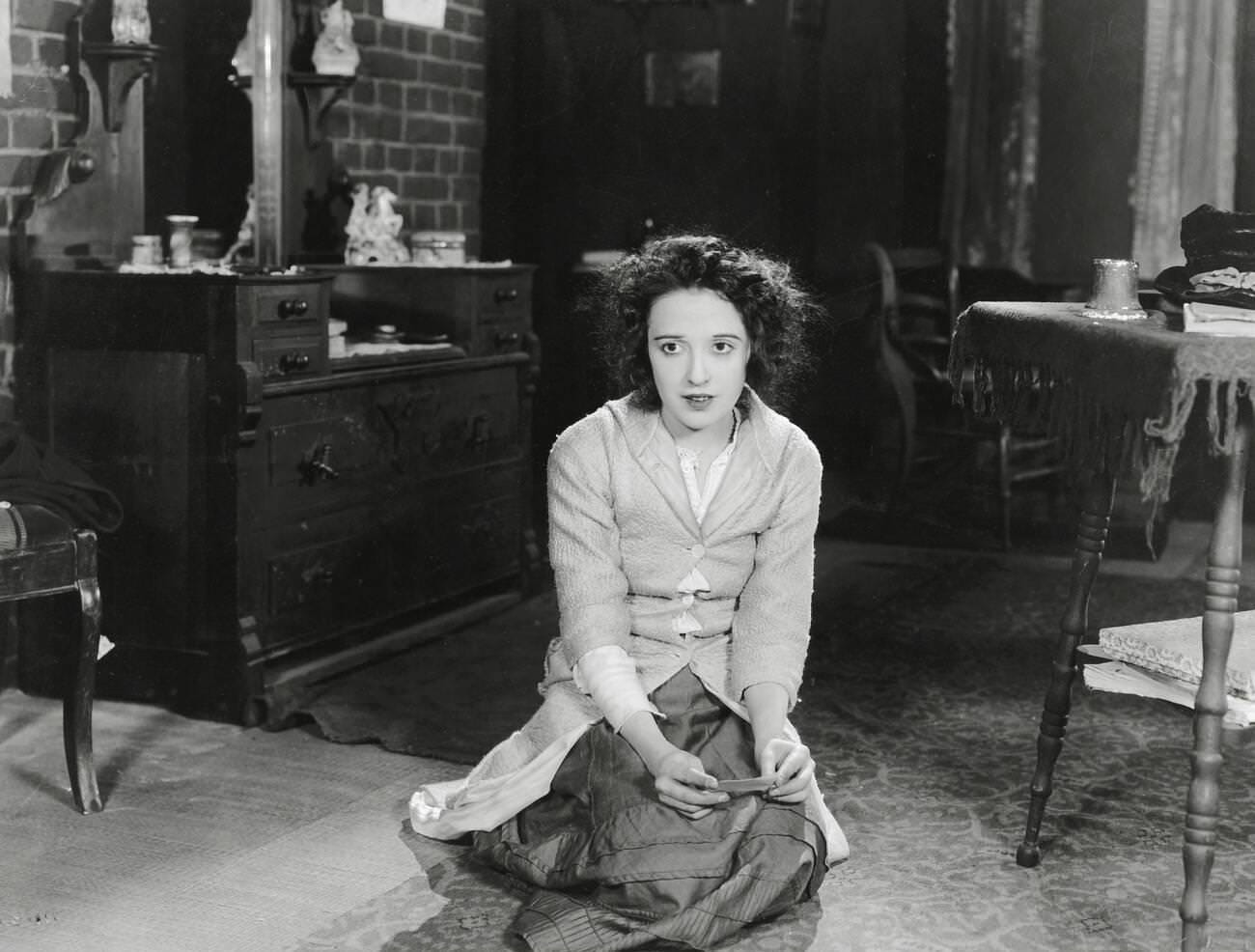
Normand’s decision to once again sign with Sennett to make features in what would turn out to be a rocky venture. Normand’s health was deteriorating due to the tuberculosis she has contracted when she was 10 and wasn’t made any better by her longstanding habit of heavy smoking.
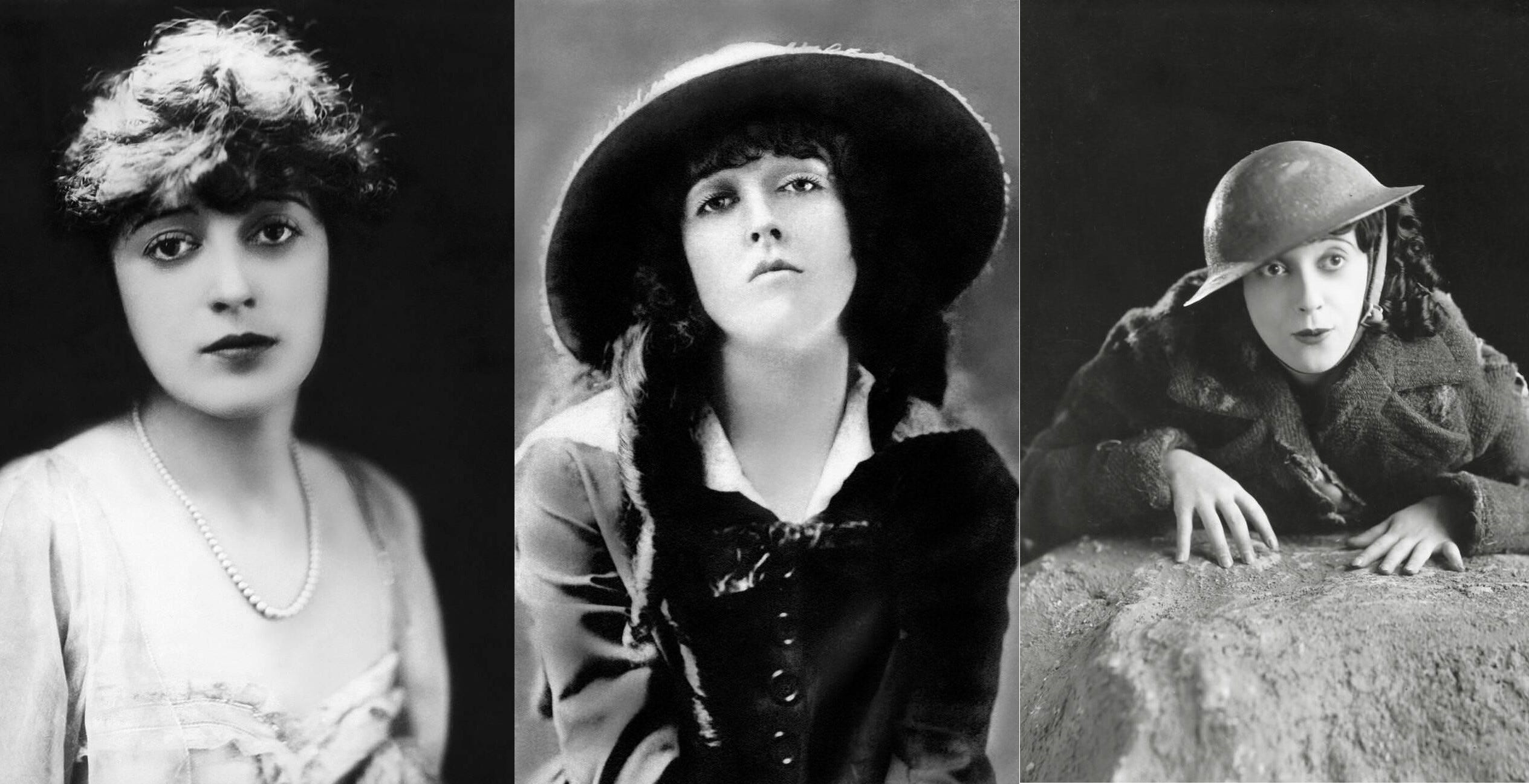
Normand continued working, making The Extra Girl but soon after its release Mabel became associated with more scandal that included the shooting of a butler was shot at a party she attended and the poisoning death of her friend, actress Olive Thomas. She had little connection to either death, but the inclusion of her name in the stories made for good headlines and sold papers.
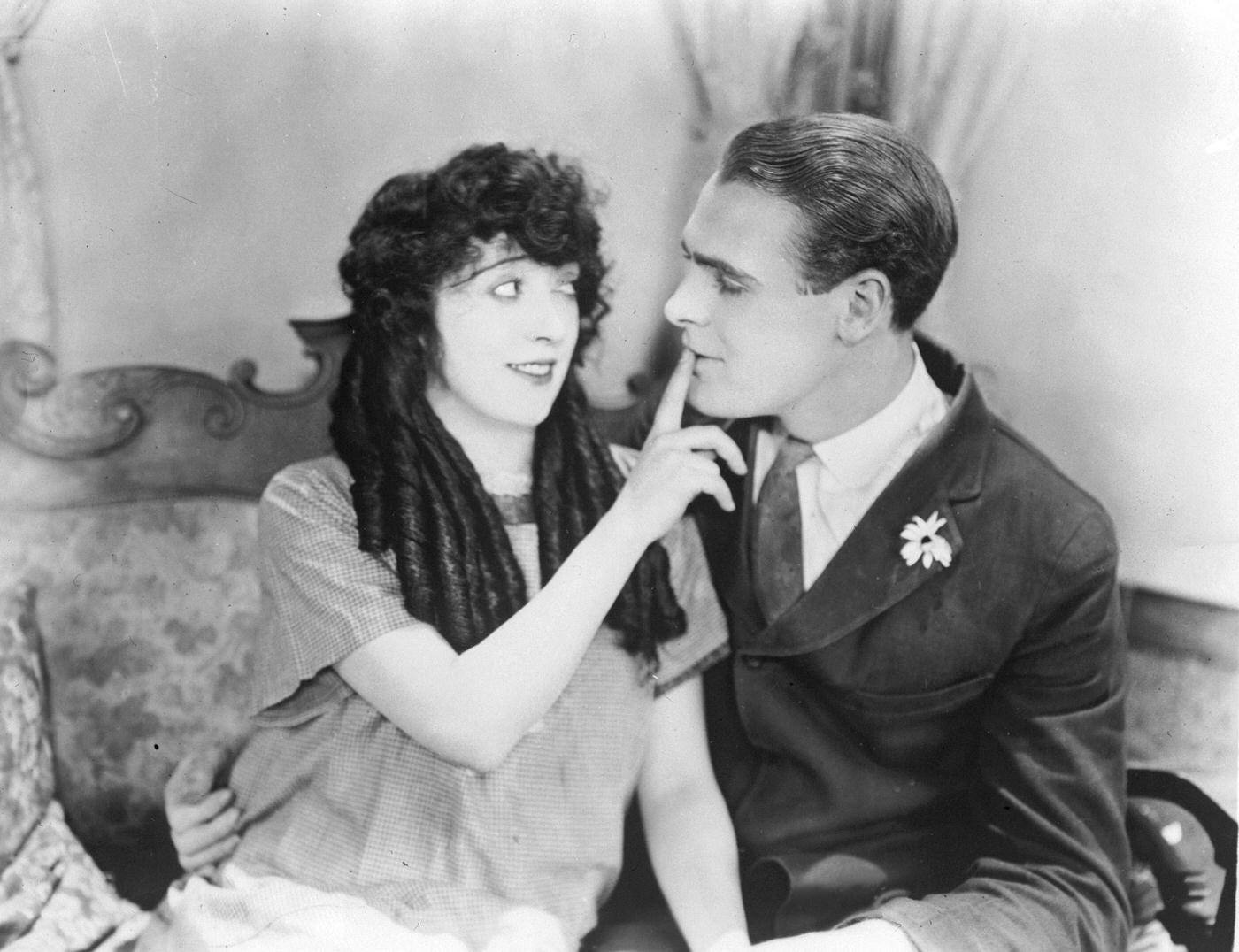
Still trying to resurrect her career, Normand joined Hal Roach Studios after conversations with director and producer F. Richard Jones, who she had previously worked with at Keystone. She made films such as Raggedy Rose, The Nickel-Hopper, and One Hour Married (her last film) all co-written alongside Stan Laurel. These were well received and by 1928 she had signed with the William Morris Agency to make talkies, but her poor health soon interrupted these plans.
By 1929 Mabel’s health had deteriorated to the point that she had to be sent to Pottenger Sanitorium where she remained until she died from pulmonary tuberculosis in February 1930, at the age of 36.
Some have suggested that the reason Mabel’s name faded into relative obscurity was the result of misfortune and her association with a number of Hollywood scandals.
The Fatty Arbuckle trials drove a wedge between the film industry and the cinema-going public and led to a great many changes. Arbuckle faced three highly publicised trials for the manslaughter of model and minor actress Virginia Rappe. Although he was finally acquitted, the scandal damaged his career and his films were banned from exhibition for a short time. As these were films Mabel also appeared in it damaged her too.
Mabel was also caught up in the 1922 murder of director William Desmond Taylor. She had formed a close relationship with him, based on their shared interest in books and on the night of his murder left Taylor’s bungalow at 7:45 pm carrying a book he had lent her. As the last person known to have seen Taylor alive, the LAPD identified her as a person of interest, subjected her to a grueling interrogation, but eventually ruled her out as a suspect.
Then in 1924, Normand’s chauffeur Joe Kelly shot and wounded millionaire oil broker and amateur golfer Courtland S. Dines using her pistol. In response, several theatres stopped screening Mabel’s films, while the Ohio state film censorship board banned them.
She did however leave quite a legacy. She was the only comedian to work with industry heavyweights such as Charlie Chaplin , Roscoe “Fatty” Arbuckle, Mack Sennett, D.W. Griffith, Harold Lloyd, Mary Pickford, Hal Roach, Stan Laurel, Oliver Hardy, Fred Mace, Fred Sterling and John Bunny.
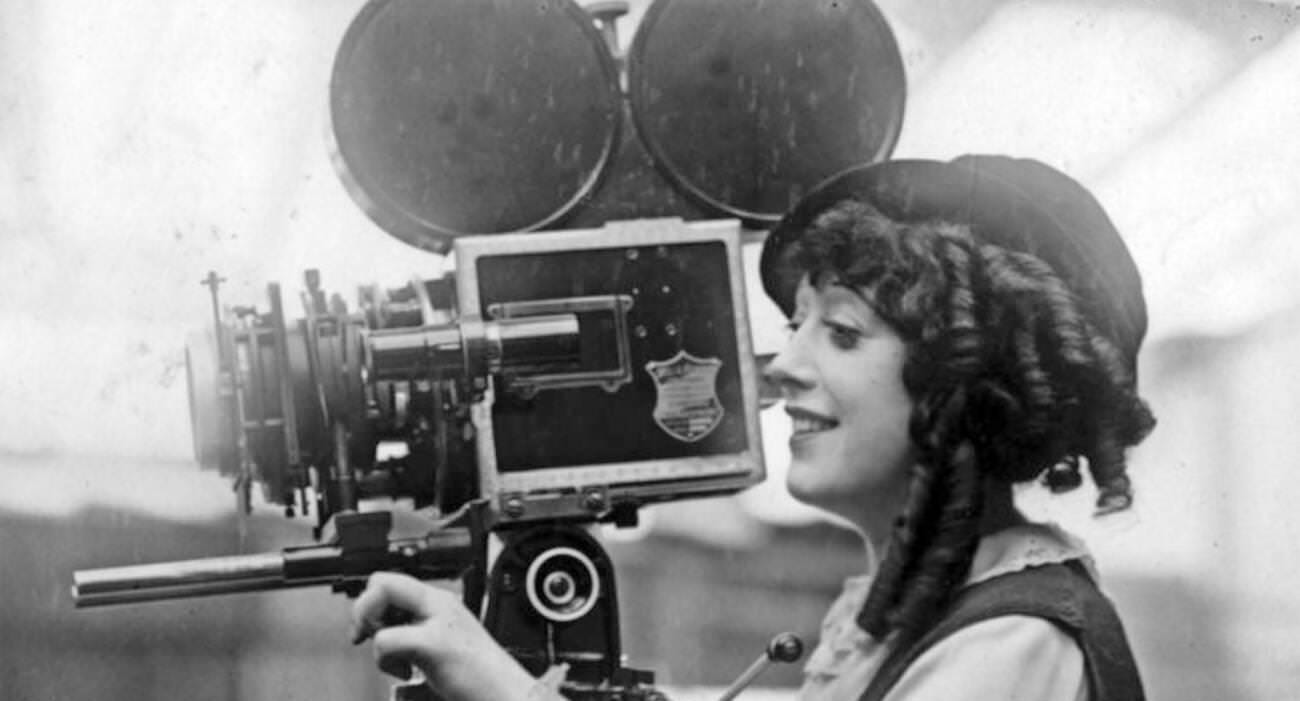
Her importance to early Hollywood was acknowledged by Billy Wilder who named the lead character in his film Sunset Boulevard Norma Desmond, which is said to be a combination of the names Mabel Normand and William Desmond Taylor.
Many contemporary comedians, such as Lucille Ball and Carol Burnett, have cited Normand as an inspiration, admiring her ability to captivate audiences with her fearless physical comedy and her knack for finding humor in unexpected situations.
And of course, Normand has a star on the Hollywood Walk of Fame. She was quite a lady who deserves to be remembered.
Comments
Nothing yet. Say the first thing.
Sign in to join the conversation.