
When films don’t find an audience at the time of their initial release, there are a number of reasons proffered. They were ahead of their time. They were misunderstood. They were the result of hubris following the huge success of the director’s last film. For Freaks it was a combination of all these reasons.
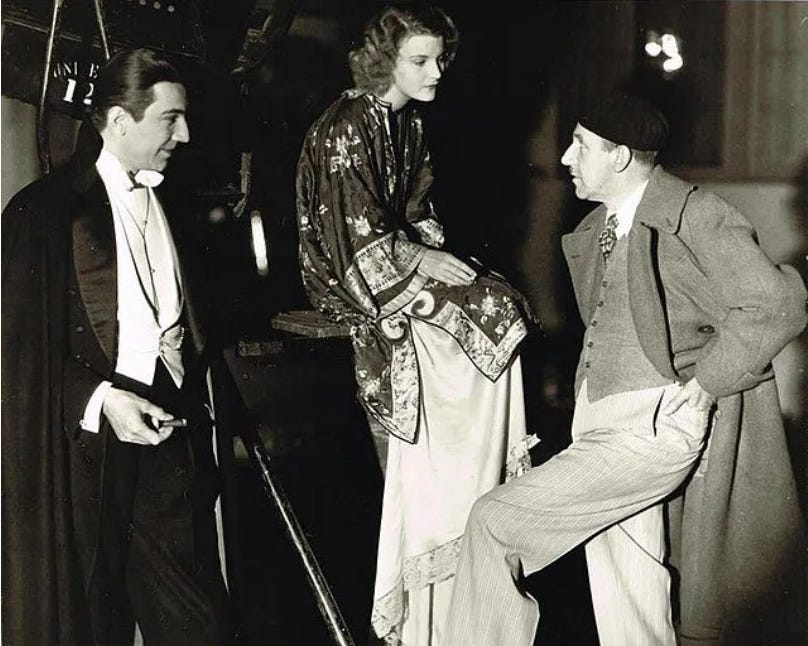
Director Tod Browning had enjoyed tremendous success with Dracula but it was a success built on the wild popularity of the play and on the appearance of Bela Lugosi who had wowed audiences on both Broadway and in Los Angeles. Universal Pictures had also invested heavily, not only in purchasing the rights but also in choosing to shoot two versions of the film simultaneously, one in English and one in Spanish.
The film was of course a massive success and Browning was subsequently given a great deal of freedom in both choosing his next project and how it would be made as he took on the dual role of director and producer. It should have come as no surprise that he would choose to adapt elements from the short story “Spurs” by Tod Robbins which revolves around Jacques, a dwarf performer in a small French travelling circus and his troubled romantic pursuit of the troupe’s bareback rider Jeanne Marie.
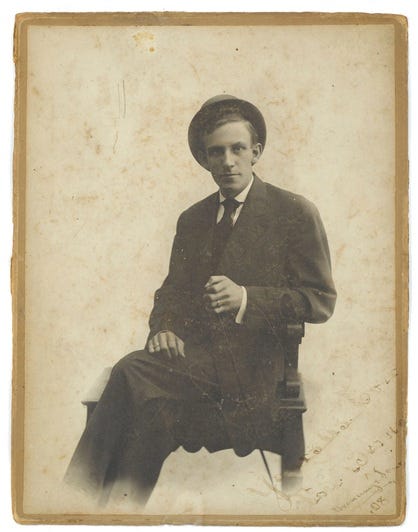
Browning had been fascinated by the circus and carnival life since he was a child and at 16 had run away from his well-to-do family to join a travelling circus. He made his way into film, first as an actor before moving into direction alongside D.W. Griffith. By 1925 he was a successful director working at MGM, and had developed a recognisable filmmaking style.
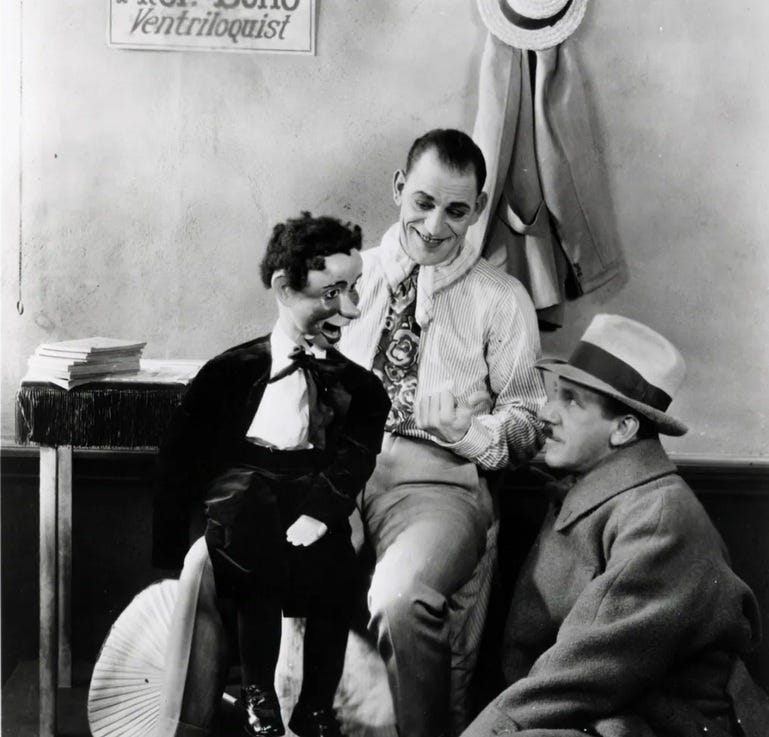
In 1925 he made The Unholy Three which follows a trio of criminal ex-carnies and a pickpocket who become jewel thieves, commit murder and attempt to frame an innocent bookkeeper. The same year he made The Mystic, a story of embezzlement and swindling that includes Carnivals, Hungarian Gypsies and séances.
Then in 1927 Browning made The Show which follows a swaggering carnival barker who becomes entangled in a web of love, jealousy, and danger backstage at the Palace of Illusions. He later made The Unknown, the story of “Alonzo the armless,” a Gypsy knife-thrower who throws knives with his feet and harbours a secret love for his assistant. A story that linked physical deformity with sexual frustration.
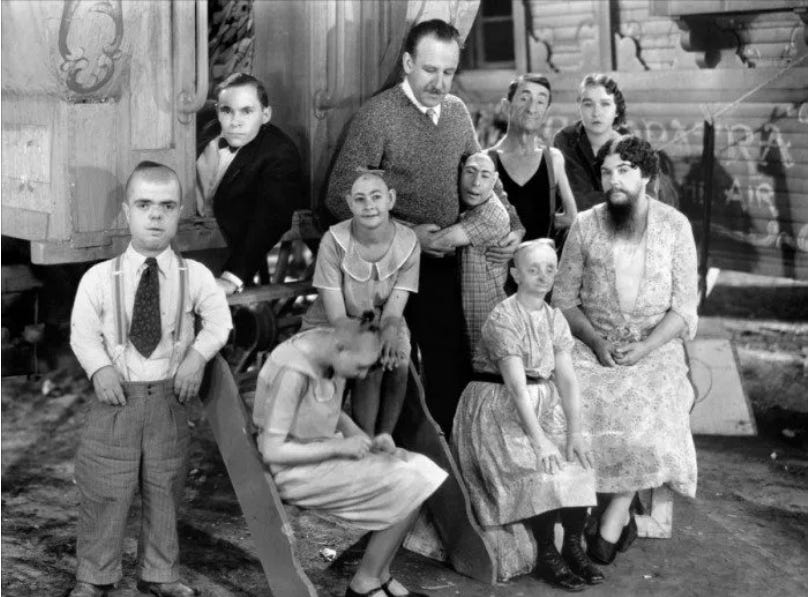
While Victor McLaglen, Myrna Loy and Jean Harlow were all considered for Freaks major stars were overlooked for an ensemble cast that included little known Russian actress Olga Baclanova, Harry Earles (who had worked with Browning in The Unholy Three), Earles’ sister Daisy (as his love interest Frieda) and an extended cast who were drawn from carnivals and sideshows. Filming began in late 1931 and immediately raised concerns at MGM. Some employees found the presence of the actors portraying the “freaks” as discomfiting, and other than a handful of so-called normal looking “freaks” they had to remain in a specially-built tent and away from the studio lot.
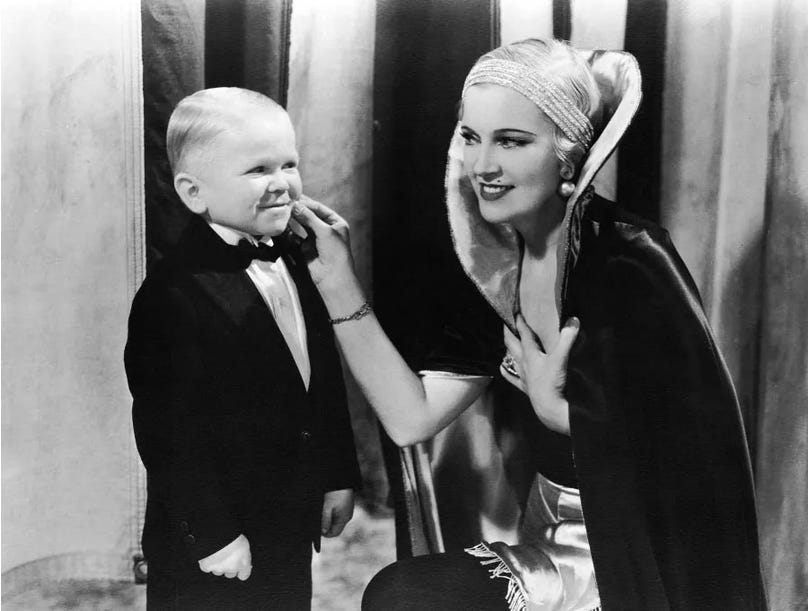
Olga Baclanova had a vastly different reaction. On first meeting her co-stars she said:
First I meet the midget and he adores me because we speak German and he’s from Germany. Then he shows me the girl that’s like an orangutan; then a man who has a head but no legs, no nothing, just a head and a body like an egg. Then he shows me a boy who walks on his hands because he was born without feet. He shows me little by little and I could not look. I wanted to cry when I saw them. They have such nice faces, but it is so terrible.... Now, after we start the picture, I like them all so much.
Test screenings drew strong negative responses so Irving Thalberg, without Browning’s consent, sanitised it by cutting a number of scenes and added alternate footage bringing the running time down to 64 minutes. Its world premiere at the Fox Theatre in San Diego, where the film was shown in full, was a success and in its heavily edited form it found success in smaller cities such as Cincinnati, Boston, and Saint Paul.
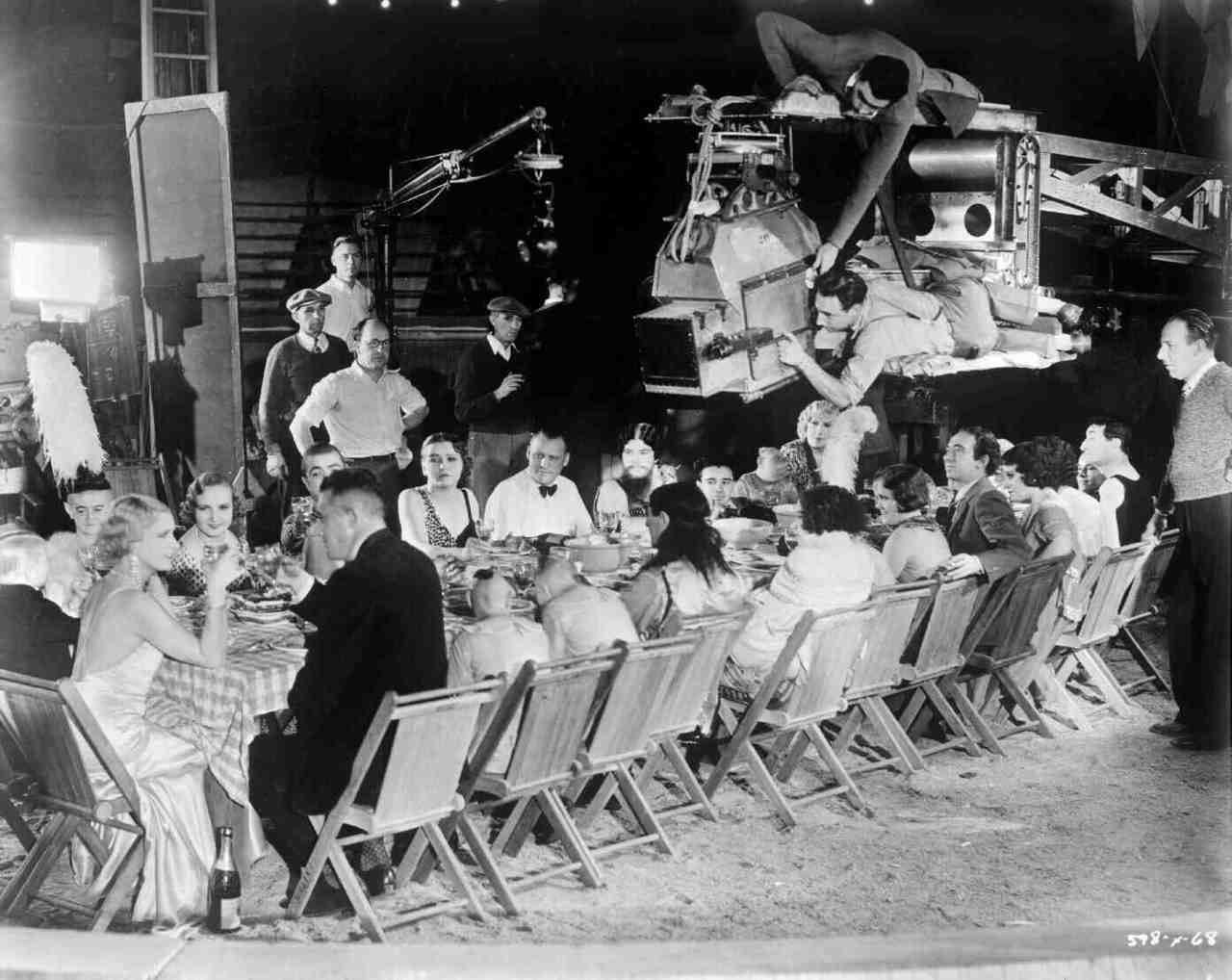
Everywhere else it bombed, with Freaks becoming the only MGM film ever to be pulled from release before completing its domestic engagements. MGM sold the distribution rights to Dwain Esper for a 25-year period for $50,000. Esper attempted to lean into the so called grotesque appearance of many of the actors by re-releasing the film under the titles The Monster Story, Forbidden Love, and Nature’s Mistakes. The film was banned in the United Kingdom for over 30 years, and was labelled as “brutal and grotesque” in Canada.
The critical response to the film was especially interesting. While most reviewers went beyond being highly critical to express outrage and revulsion, New York reviewers saw merit in the film. The New York Times called it “excellent at times and horrible, in the strict meaning of the word” as well as “a picture not to be easily forgotten.” The New York Herald Tribune wrote that “in some strange way, the picture is not only exciting, but even occasionally touching.” John Mosher of The New Yorker called it “a little gem” that “stands in a class by itself, and probably won’t be forgotten in a hurry by those who see it.”
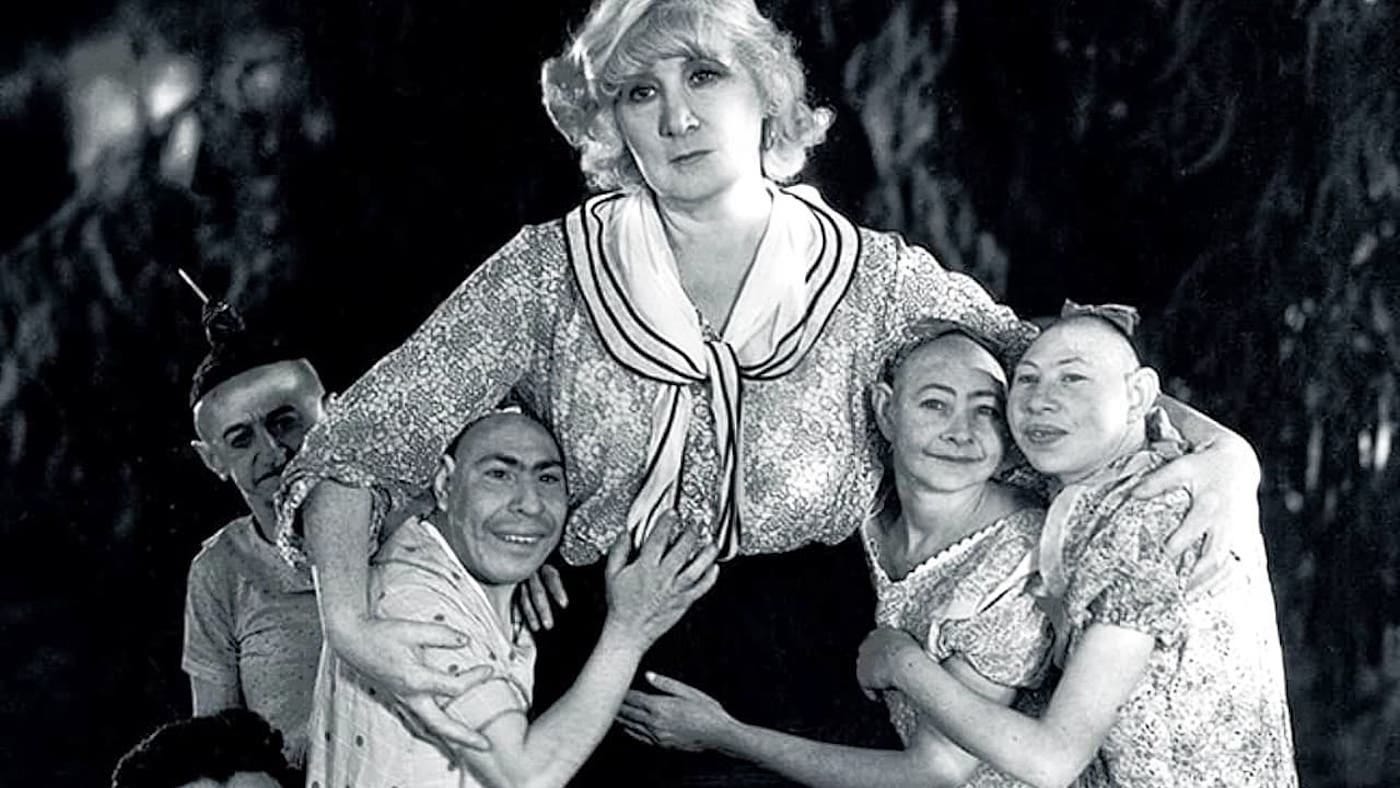
Despite the critical backlash and its initial failure at the box office it was subject to public and critical reappraisal in the 1960s, as a long forgotten Hollywood classic, particularly in Europe, and was screened at the 1962 Venice Film Festival. In retrospect, numerous film critics have suggested that the film presents a starkly sympathetic portrait of its sideshow characters rather than an exploitative one, with Andrew Sarris declaring Freaks one of the “most compassionate” films ever made.
John Thomas in Film Quarterly deemed it “a minor masterpiece.” Ed Gonzalez of Slant Magazine puts it best saying that previous criticisms of the film “seriously underplay the film’s blistering humanity and the audacious aesthetic and philosophical lengths to which Browning goes to challenge the way we define beauty and abnormality.”
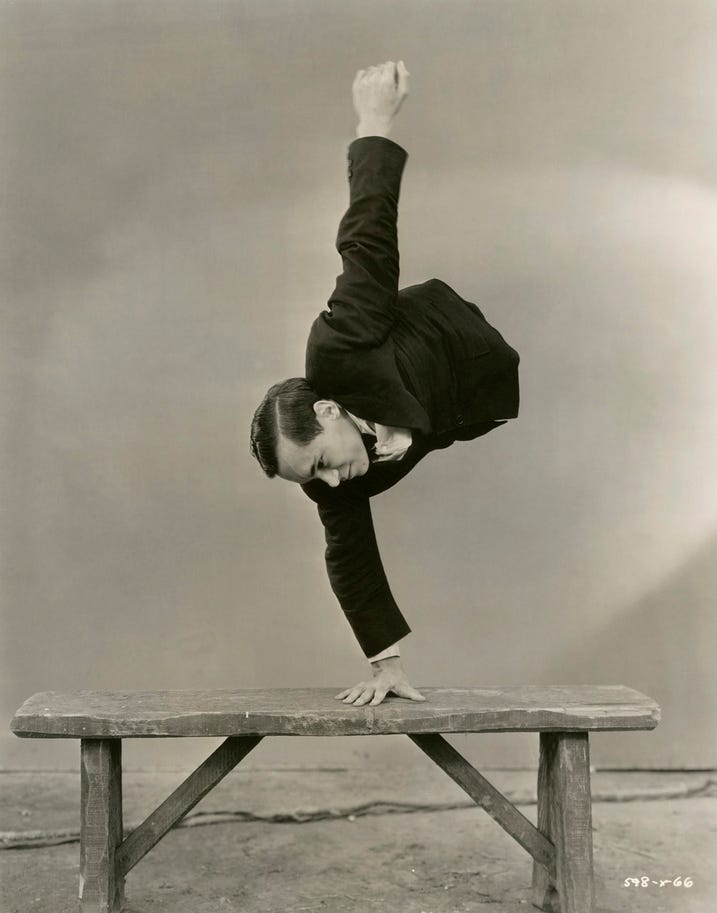
Shortly after the Venice Film Festival Freaks was shown for the first time in the United Kingdom and in the 1970s and 1980s the film was regularly shown at midnight screenings in the US. It enjoyed a critical reappraisal in France and has been cited as one of the 50 most important American films ever made. It is listed among the 1001 Movies You Must See Before You Die and is now considered by many to be the most remarkable film of Tod Browning’s career, eclipsing Dracula.
Misunderstood? Ahead of its time? You decide, it’s just a pity we will never see it as Browning originally intended.
Comments
Nothing yet. Say the first thing.
Sign in to join the conversation.