
Some of the projects I’m most proud of were never meant to be commercially optimal.
That doesn’t mean they were failures.
It means they had a different mission.
One of the biggest misconceptions about design is that experimentation is always a good thing. It isn’t.
A designer who treats every project as an opportunity to reinvent the world will eventually create problems. A designer who never experiments will eventually become irrelevant. The real challenge is understanding how much experimentation a project can absorb.
Over the years I’ve realised that every project sits somewhere on a spectrum. At one end there is pure commercial optimisation. At the other there is pure exploration.
Most projects live somewhere in between.
Looking back at some of my work, I realised that each one contains a different percentage of experimentation.
So I thought it would be interesting to rate them.
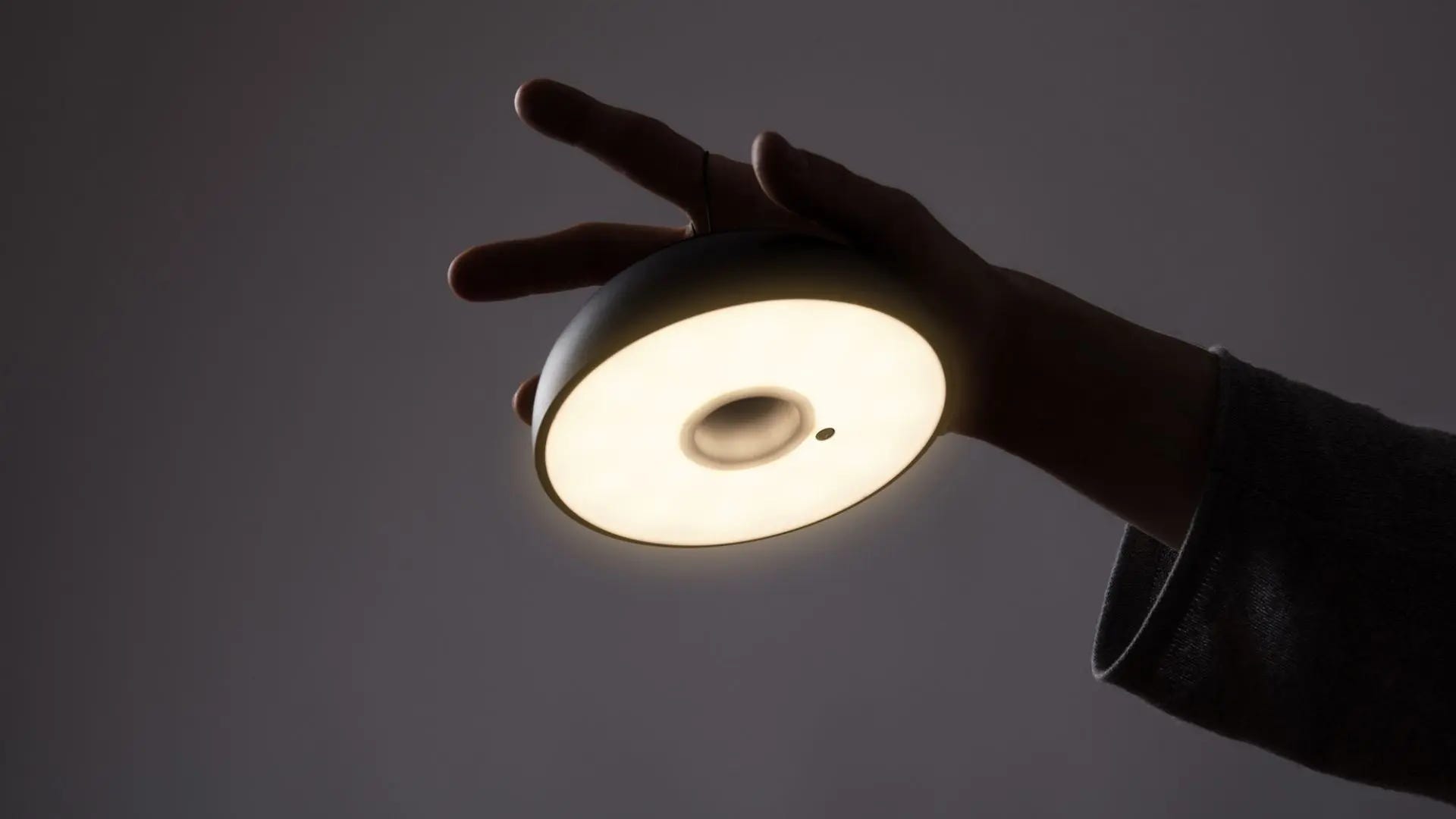
Some context first: this was seven years ago, before battery-powered lamps went mainstream.
I wanted to create a standalone light that could be placed on bottles, reminiscent of the wax candles found in old Italian diners.
A fun idea, but for the company, it was a bit too unconventional.
We compromised: a lamp that fits different stands (low for tables, high for floors) with a special attachment for bottles for the brave ones.
The result: the standard table version was our bestseller, but the bottle attachment was what got shops excited to create window displays. It was a great commercial success for four years straight.
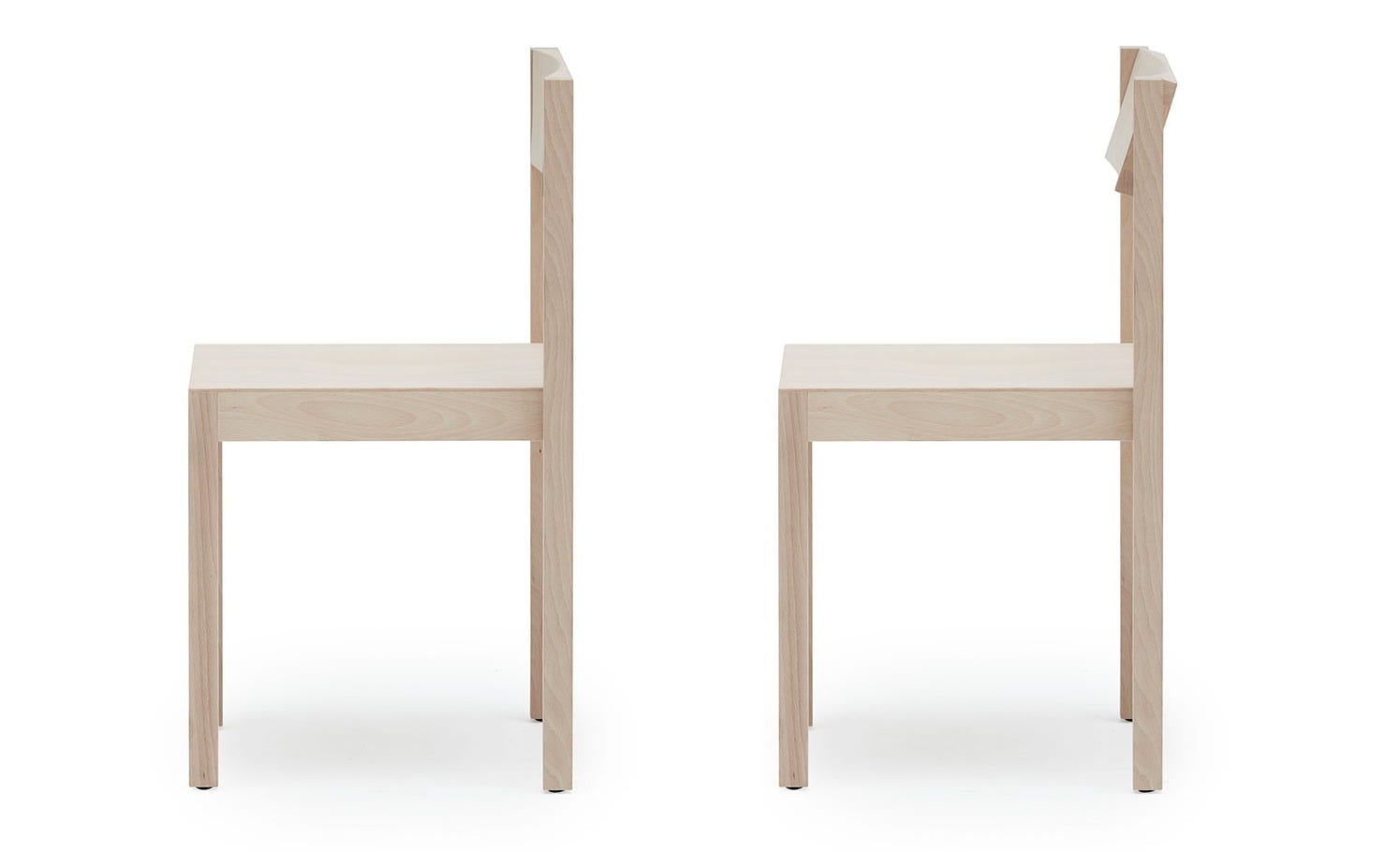
My chair for Billiani is the evolution of an old handmade project, optimized for mass production.
The reclining backrest was designed to foster conversation rather than just comfort. I wanted people to see a rigid chair and, once they leaned back, realize it moves-a surprise that creates a brief moment of delight. I wanted the backrest to return to position automatically, but it was too expensive and complicated for certifications (especially in the US). We opted for a simpler mechanism.
Despite the minimal design, I find this braver than the Float collection. Designers love it, though it still has clear commercial appeal.
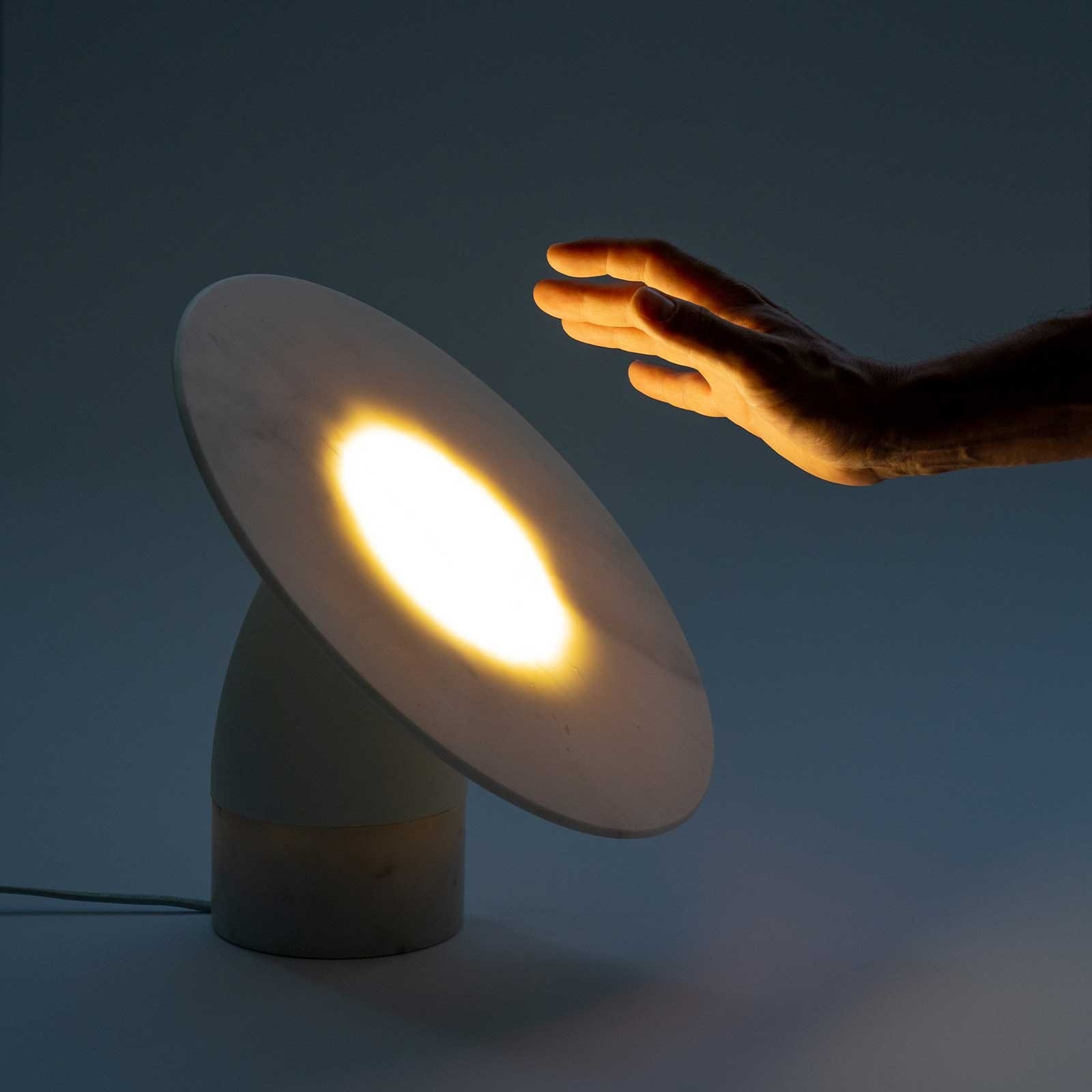
Almost total freedom - and I’ll admit that’s only possible because of the brand. This project was more artisanal in nature, which meant less pressure on sales and more space to do what I wanted.
It’s still design, not art - so I was careful about the production process and the expected price range. But my real intention was to let the marble speak. The whole project was focused on letting the material do its job, without commercial constraints pulling it in any direction.
Still under a brief, so I used my experience in light experimentation to add a few special features. 81%.
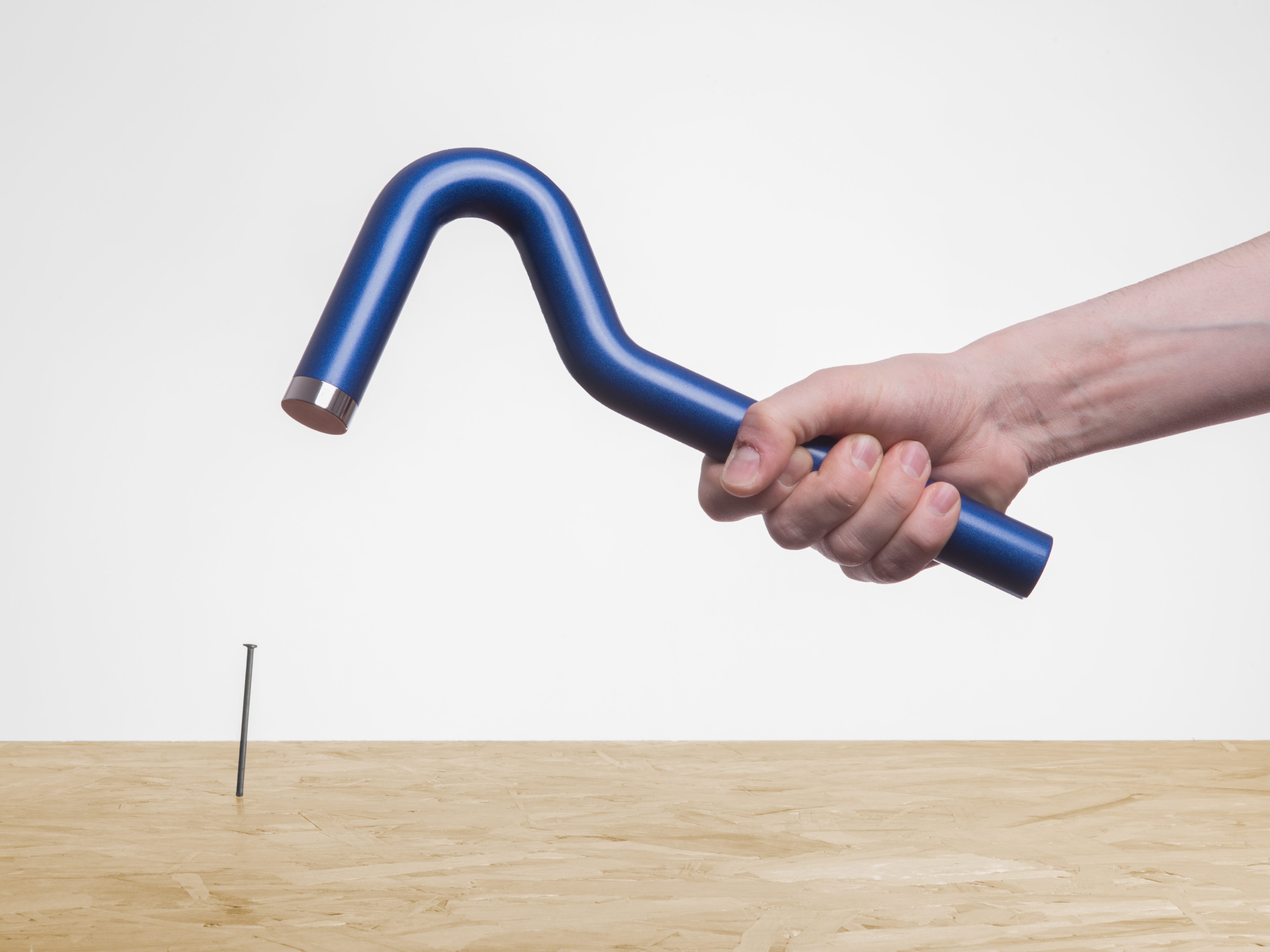
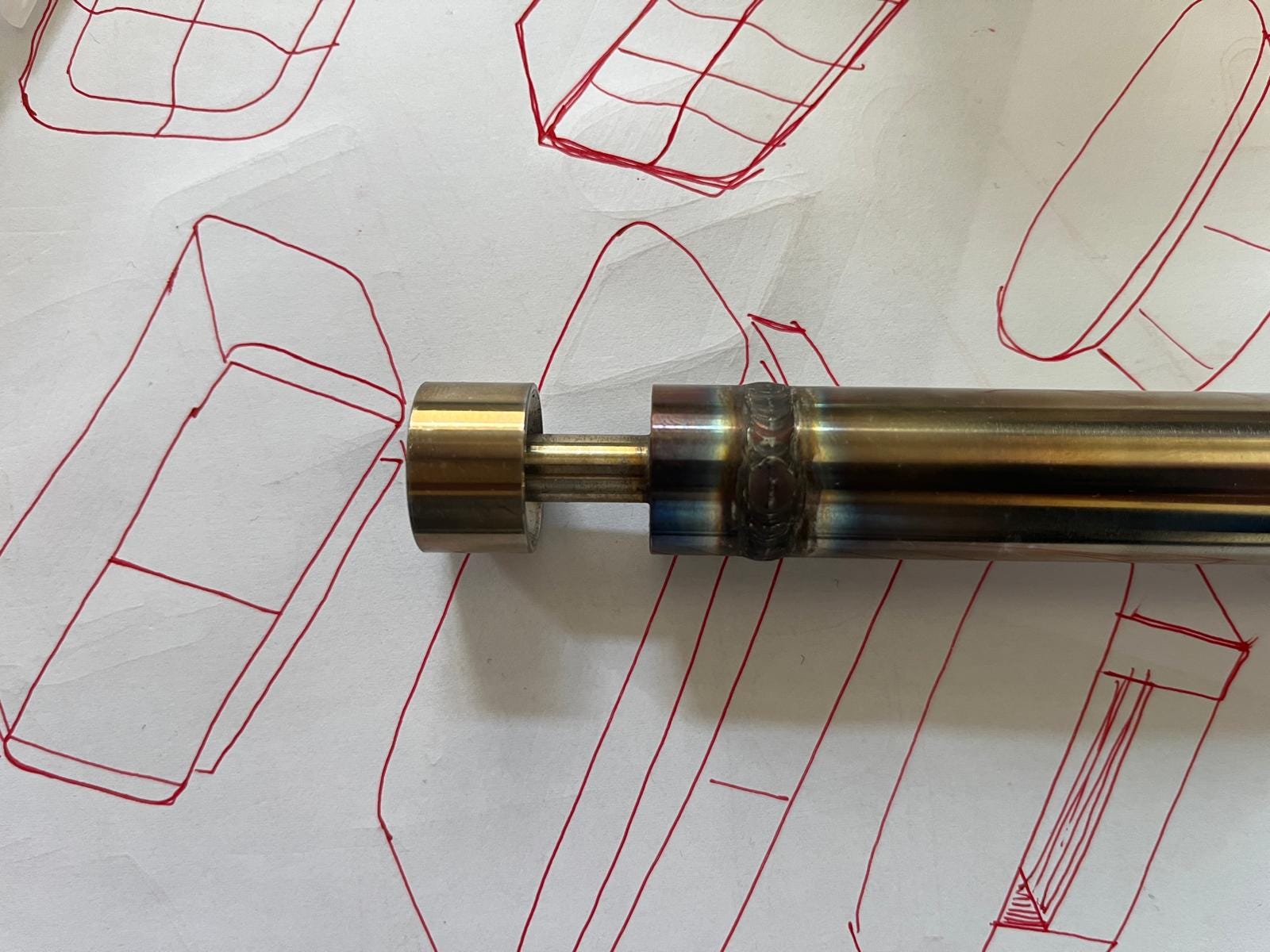
This one was designed for a very simple reason: I wanted to make a hammer unlike any hammer I had ever seen before.
No client. No brief. No market analysis.
Just curiosity.
At that time I was experimenting extensively with tubular structures, so I naturally approached the project using the materials and construction methods already surrounding me.
I wasn’t trying to solve a problem. I was training my design process.
Interestingly, the object actually works.
I still use it in my workshop today. But if you had shown me the original sketch, I would never have bet on the final result.
This is what personal experimentation often looks like. You don’t know where you’re going. That’s exactly the point.
Born in a metal factory, it started as a Christmas gift for friends and clients and is now on the radar of a major Italian company. It was born with about 75% experimentation (risky, but I self-produced it to keep costs low). It’s being tweaked to fit a brand catalogue - I’ll let you judge when I show it off in a few months.
This is why I believe every designer should maintain a personal practice. Not because every experimental object will become a product. Some won’t.
But experimentation trains judgment. The more you explore on your own, the better you become at understanding how much risk a commercial project can sustain.
I’m curious to know about your work too, show me in the comment your most recent project and let me know what percentage of experimentation you would rate.
Don’t forget to support with a like ❤︎ and share it with someone you think should read it.
Here are three designers who use experimentation effectively - turning it into a tool for business growth, visibility, and innovation. You’re likely familiar with them, but let’s look at their work through a different lens.
Jamie Wolfond
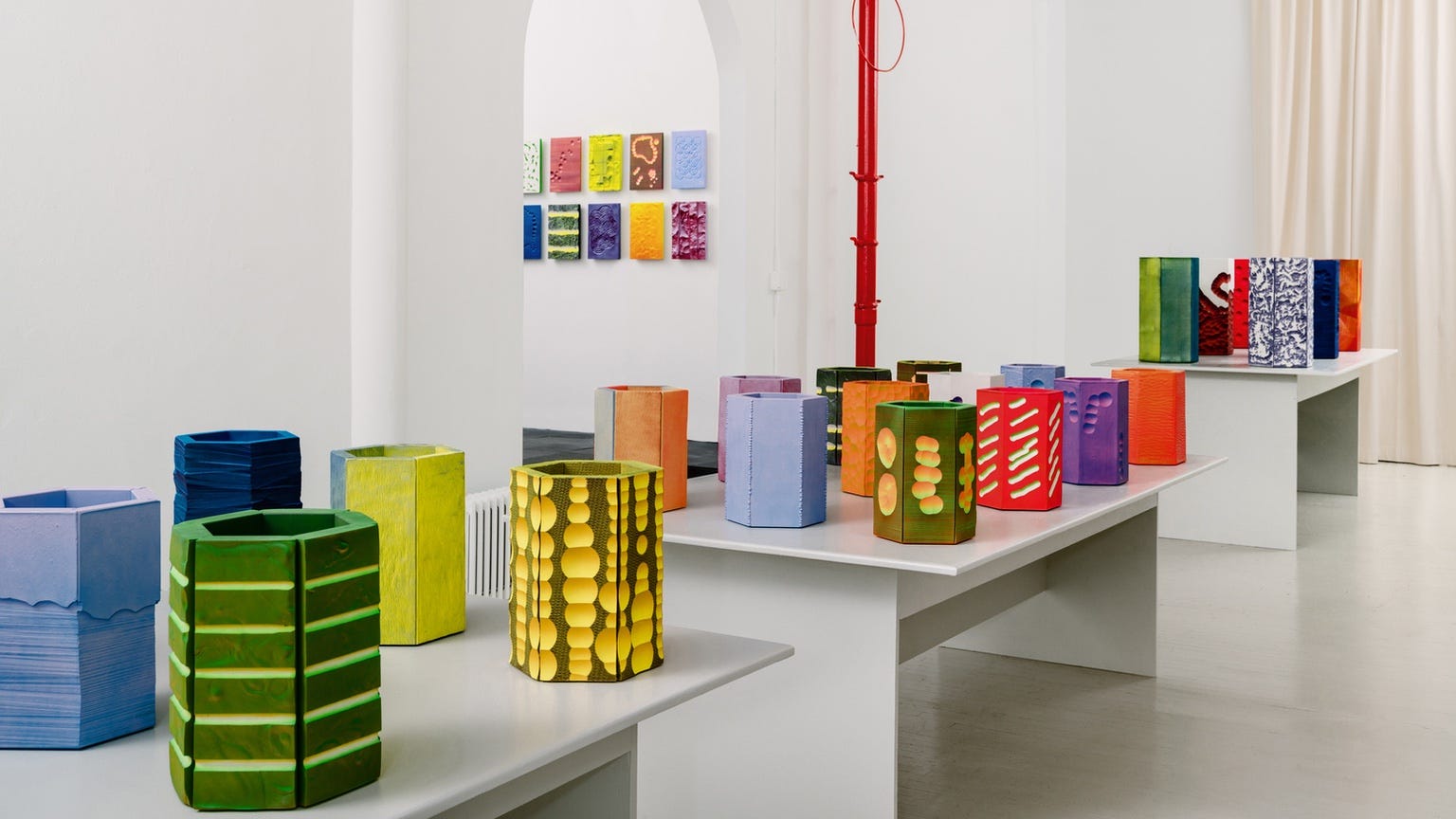
Well-known as the founder of Good Thing, he now balances studio research with design consultancy. One of his recent works was exhibited during MDW 2026 at For A Process.
[Read about his career here]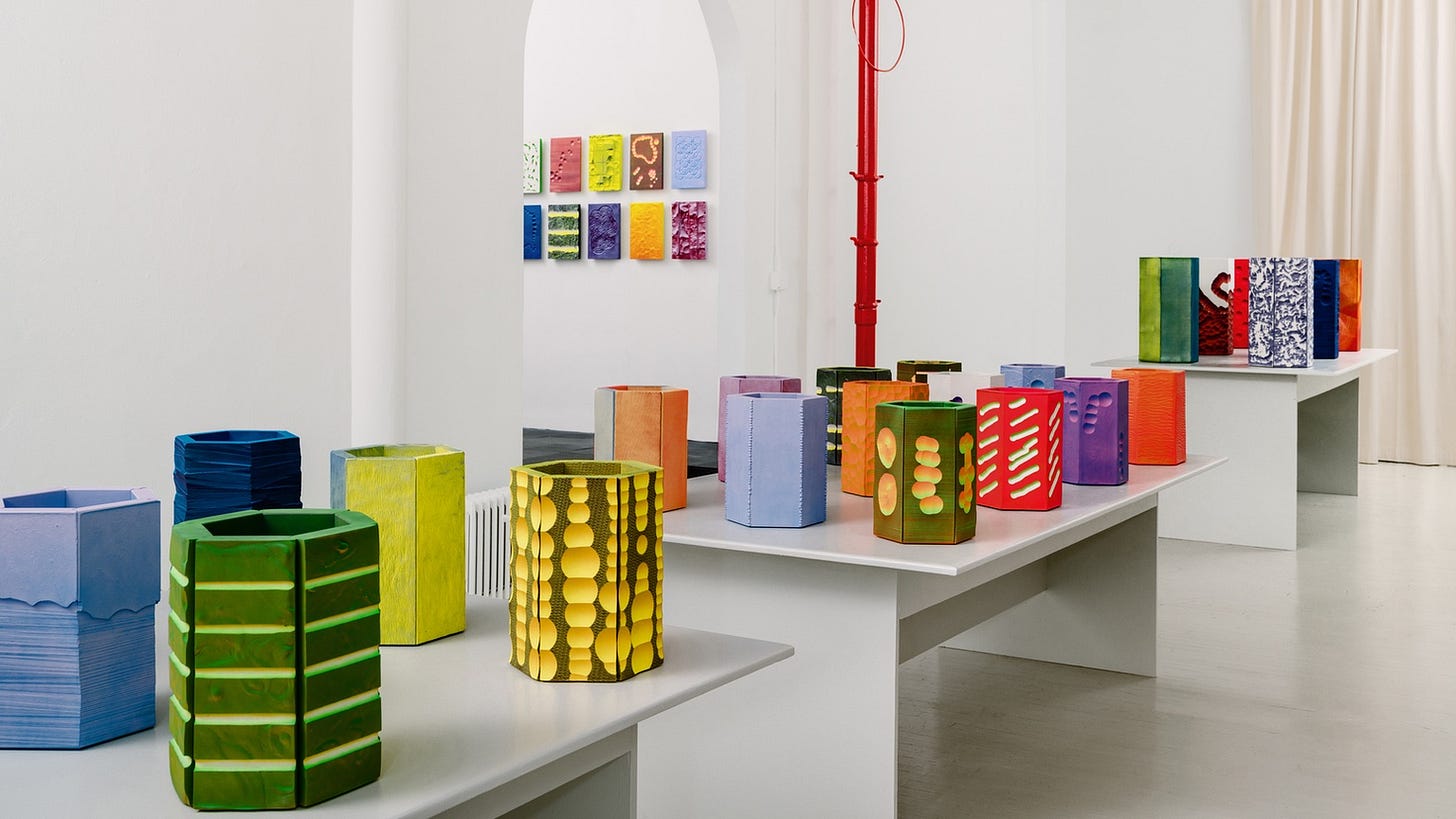
Mario Tsai
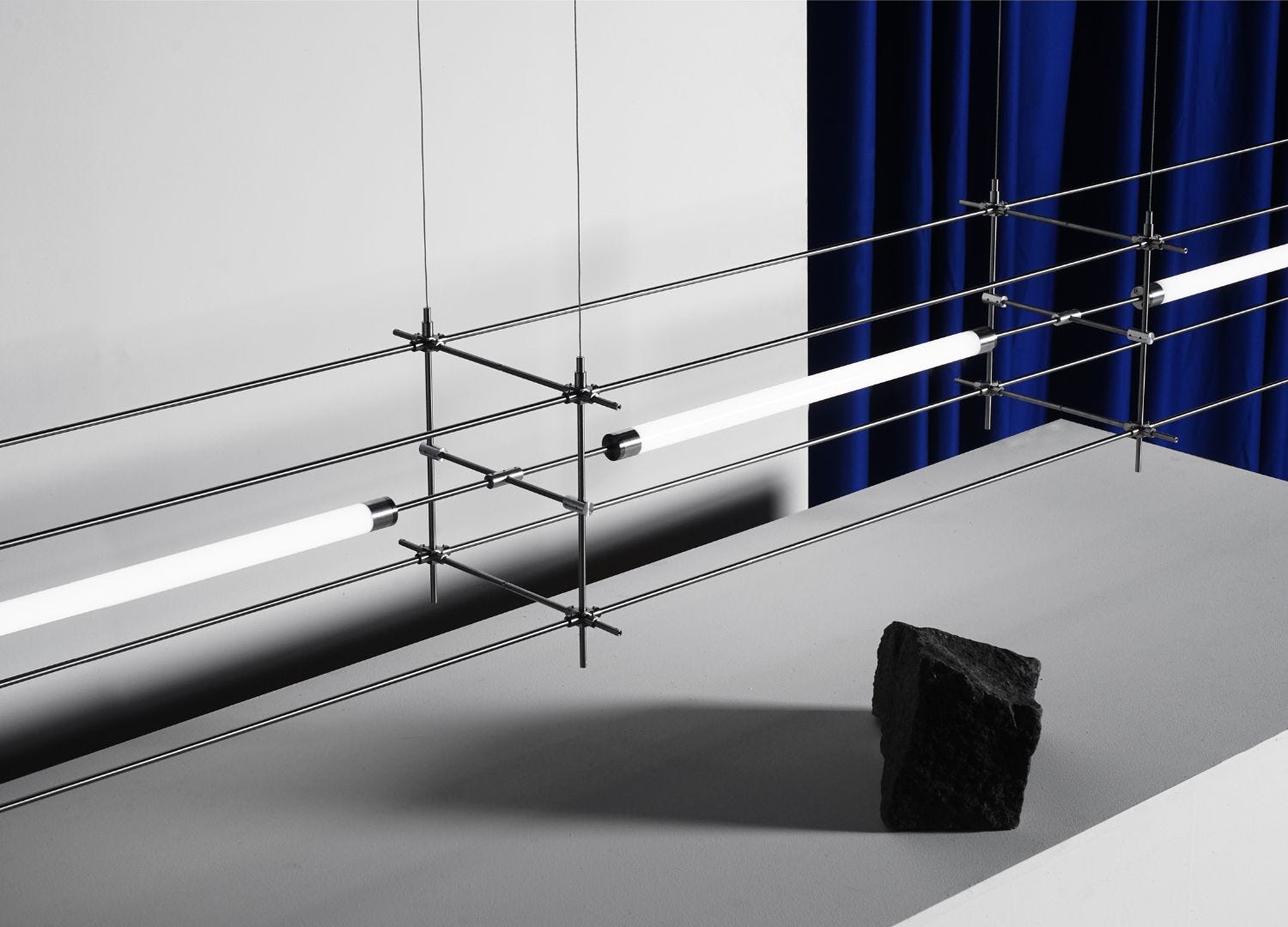
One of the most influential China-based designers, he runs an eponymous brand that designs, produces, and distributes lighting born from studio research. This proactive approach has made his studio globally recognized. Recently, he exhibited his StarSystem at Valcucine in Milan.
[Explore his story here]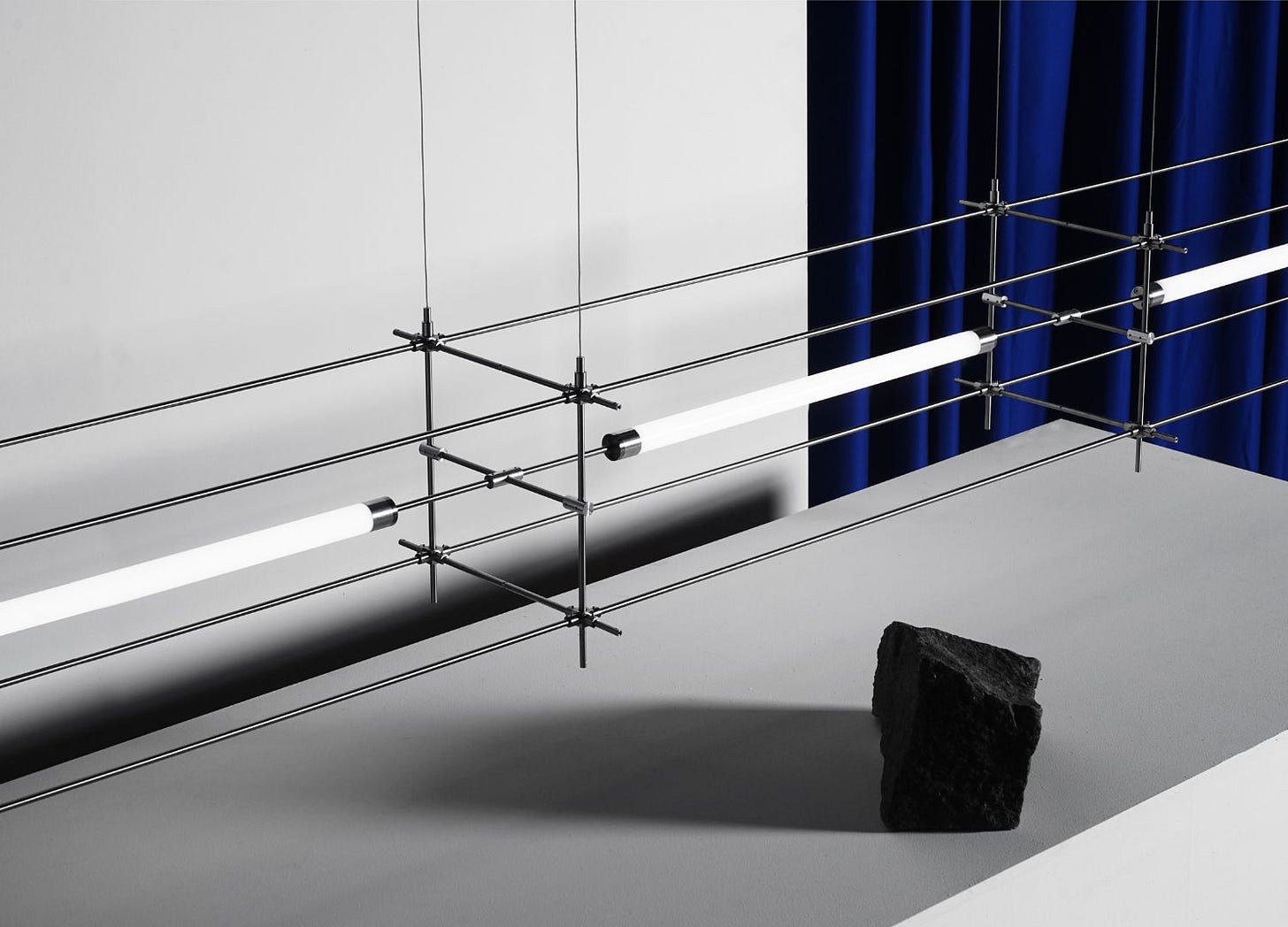
Muller Van Severen
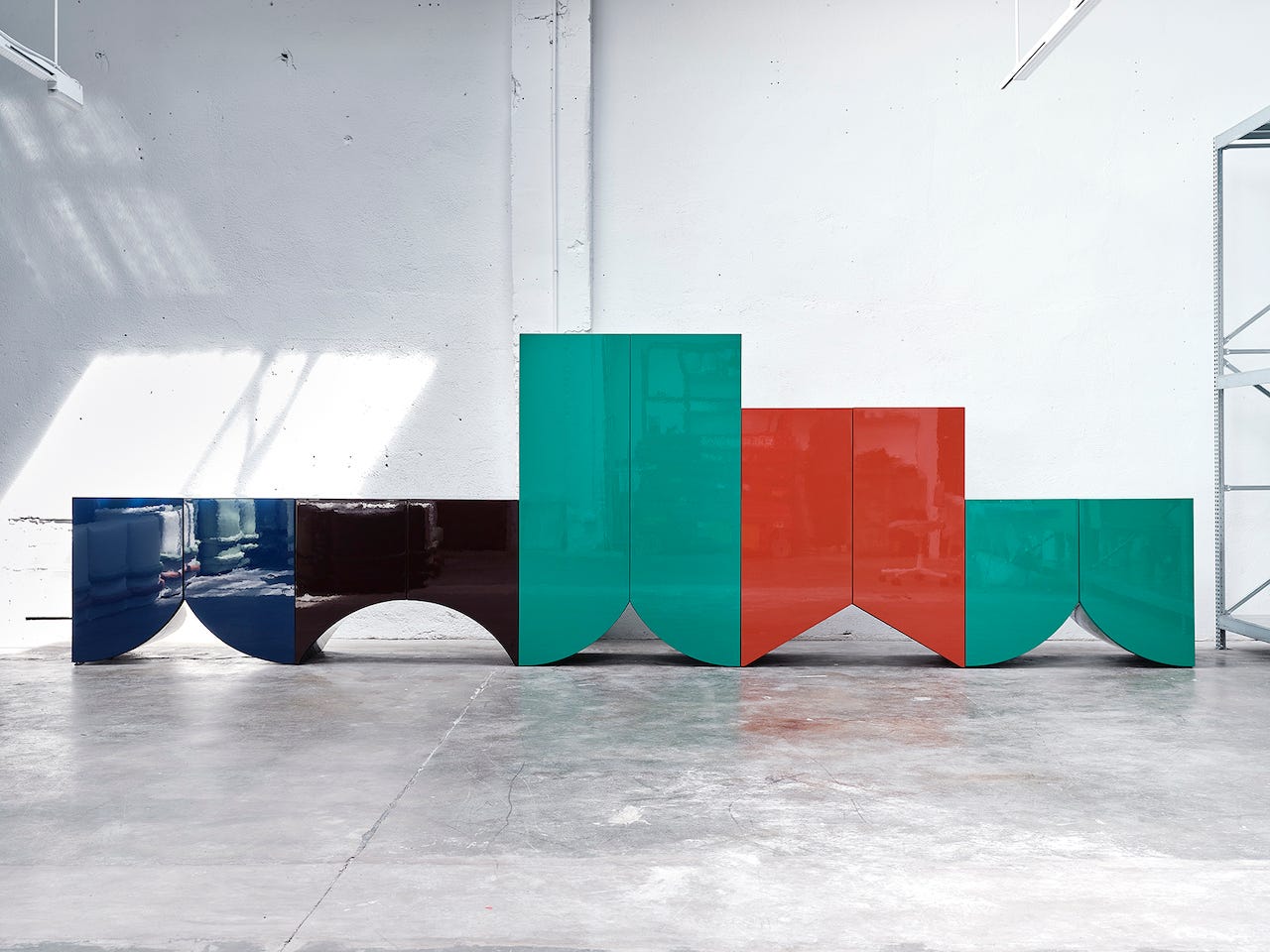
Originally a design studio for limited editions, their work became so globally renowned that they are now sought after by major companies. One of their most famous collaborations is with the Danish brand Hay.
[Read about their method here]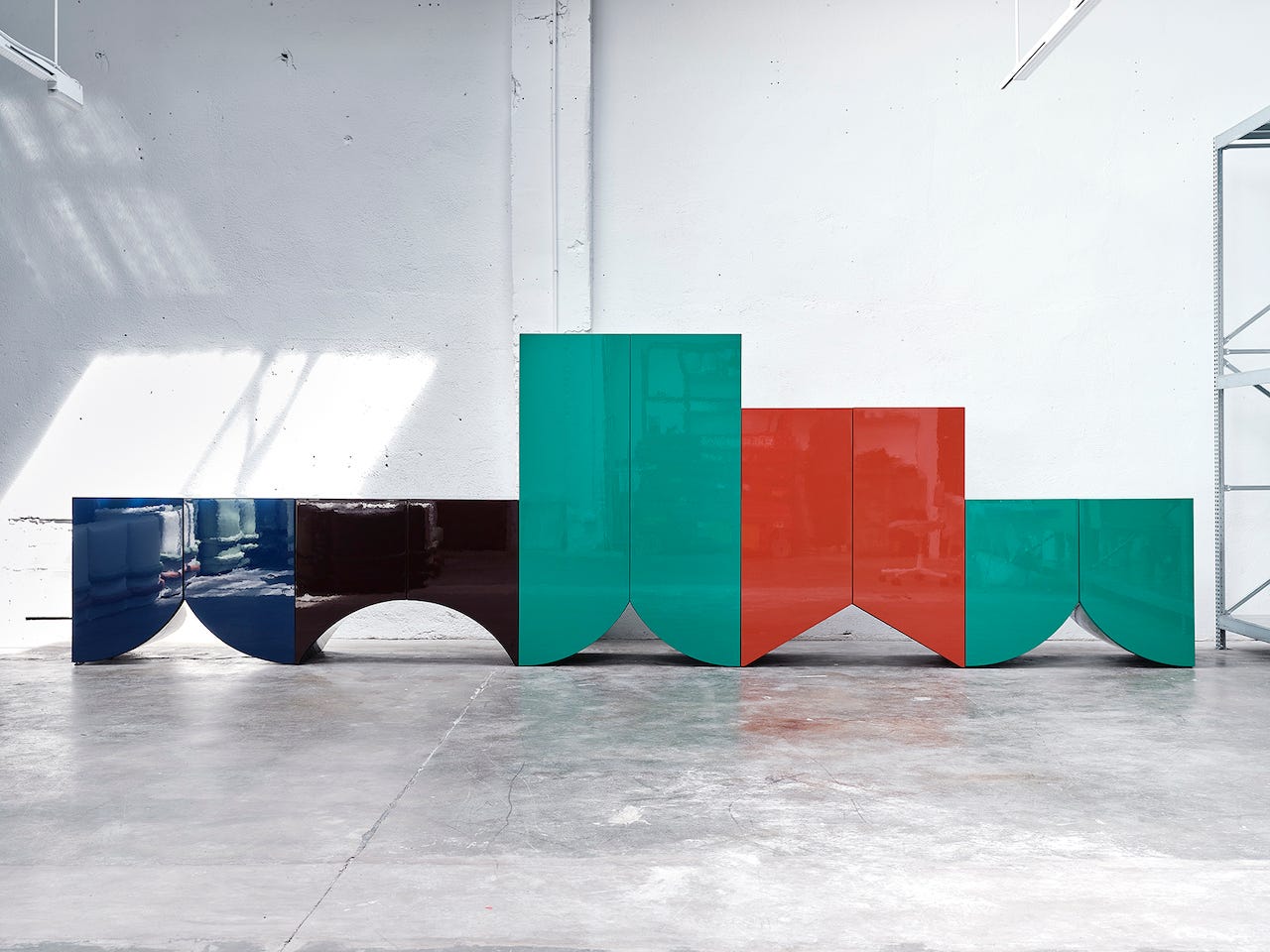
Designing
I’ve shared the complete design process for my latest product here; let me know if you want more case studies like this one. Next week I’ll be in Copenhagen - if you want to catch up, send me a message. I’ll also be attending a forum in July; I’ll share more details in the coming weeks.
Teaching
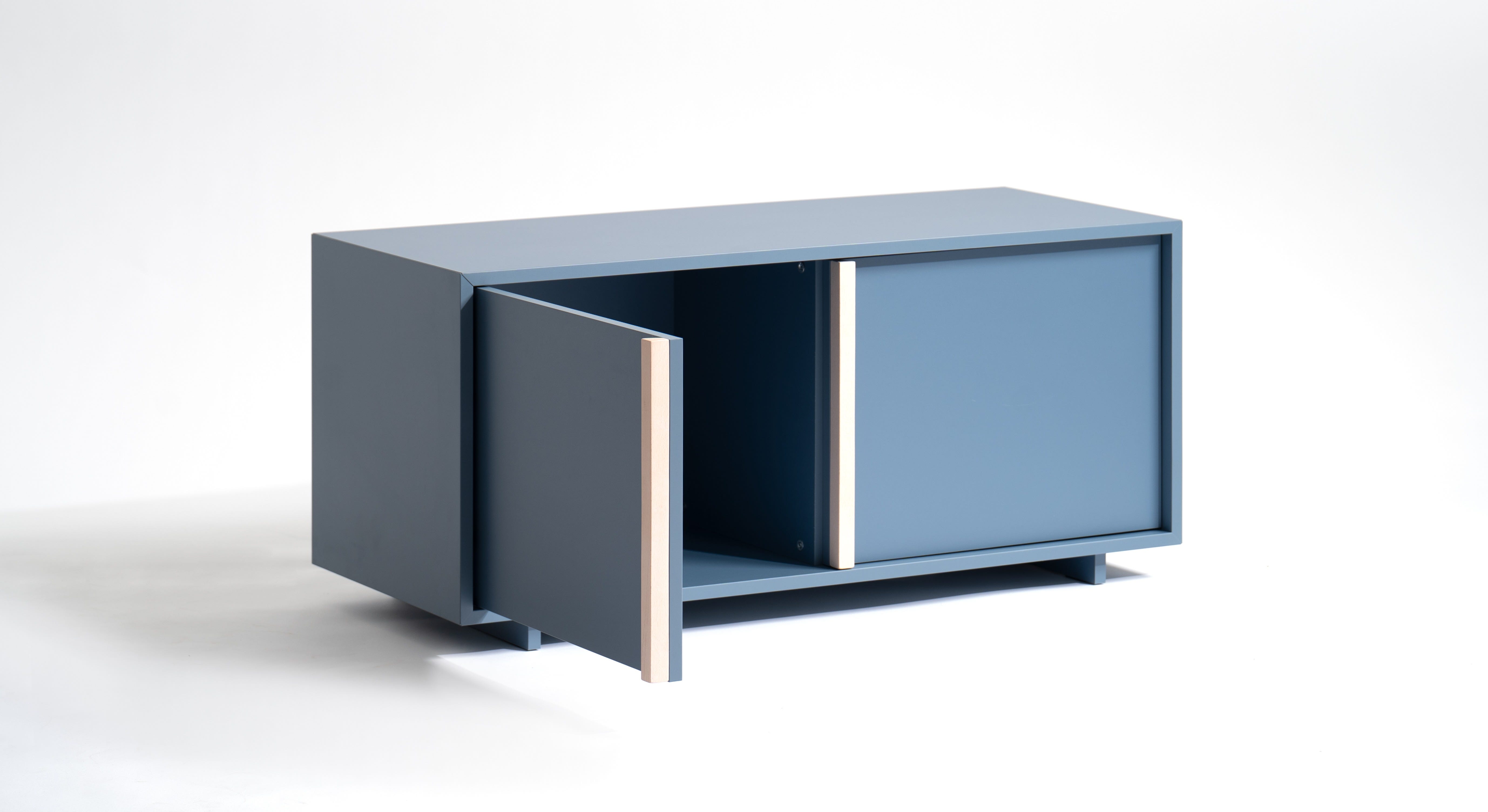
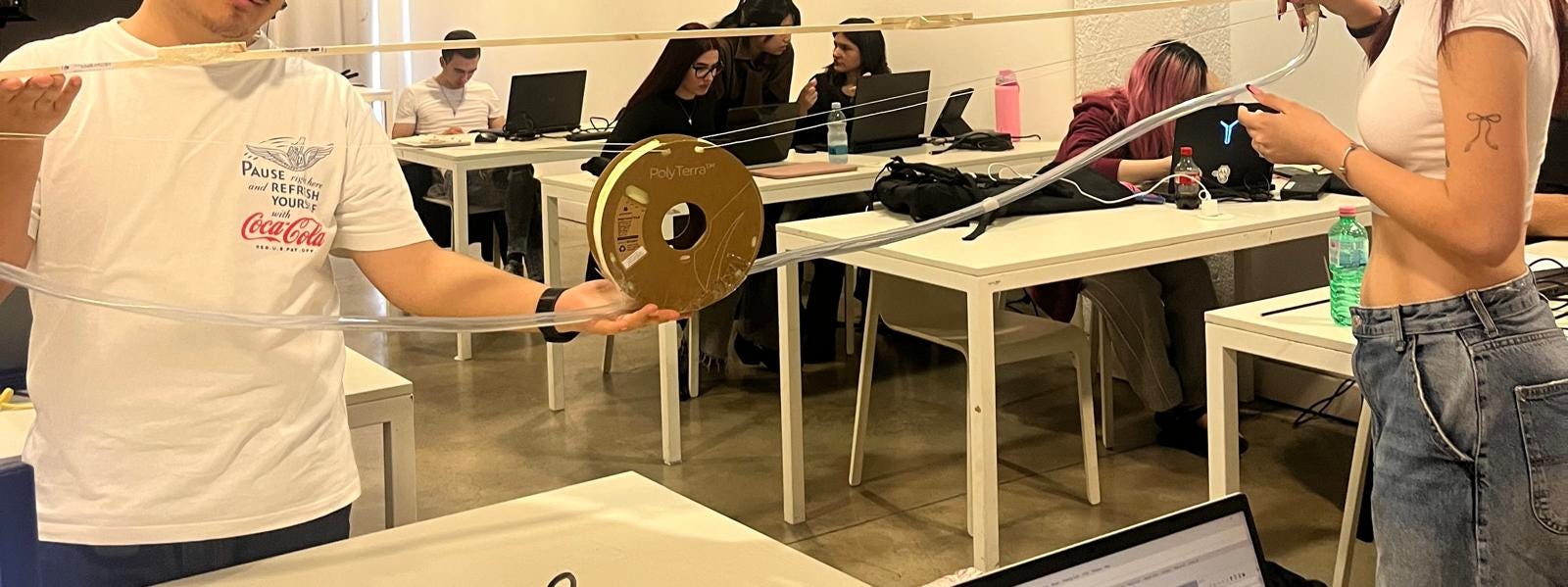
I’ve finished my lessons in Rome, and my students are preparing for their final exams. As always, the task is to design a lamp; they will present their concept along with a prototype to evaluate their vision.
Writing
My editorial series on design methodologies is now being published on Design Wanted. So far, I’ve covered Muller Van Severen (above), Thomas Bentzen, and Tom Chung. It’s been fascinating to explore how their methodologies are deeply rooted in their personal stories and processes.
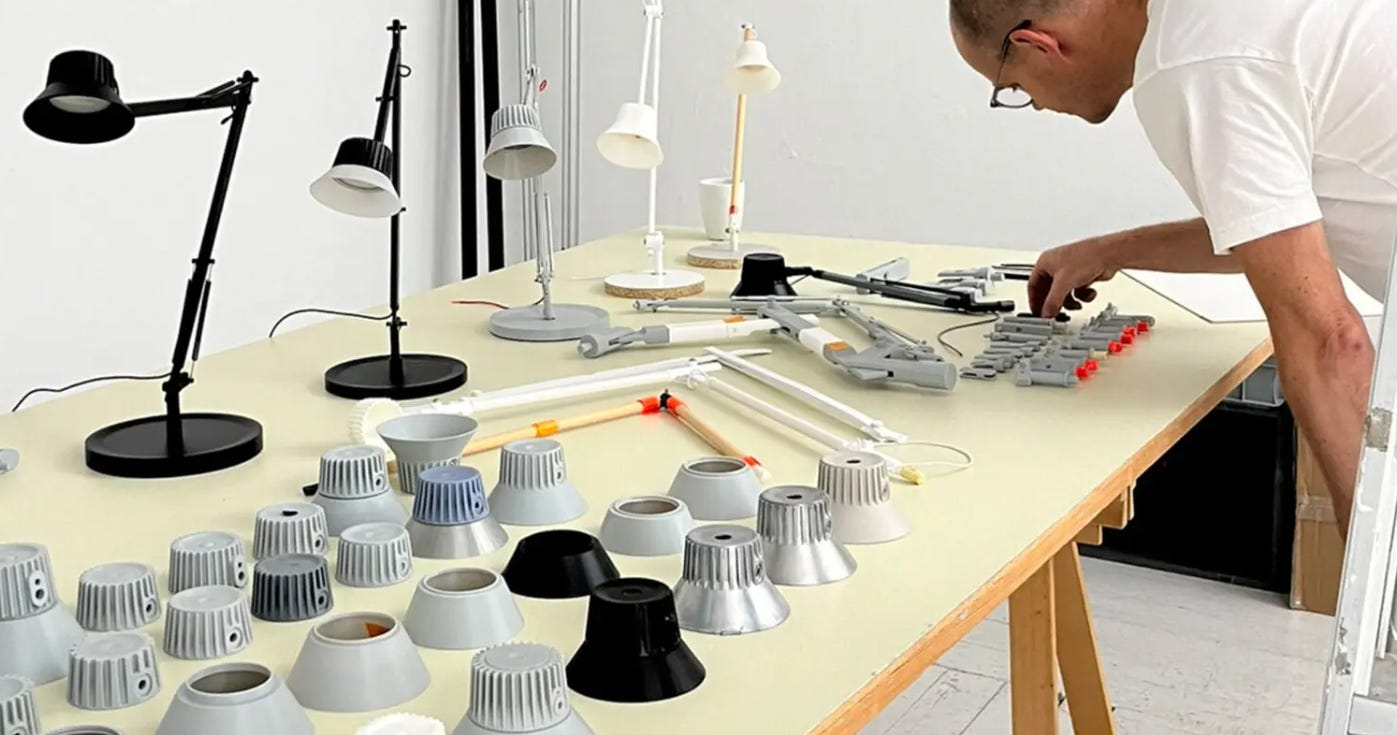
Lex Pott is currently getting attention for his new lamp designed for IKEA. If you follow his career, you know he is a deeply experimental designer - famous for playing with shapes, particularly in his candle collection from a few years ago.
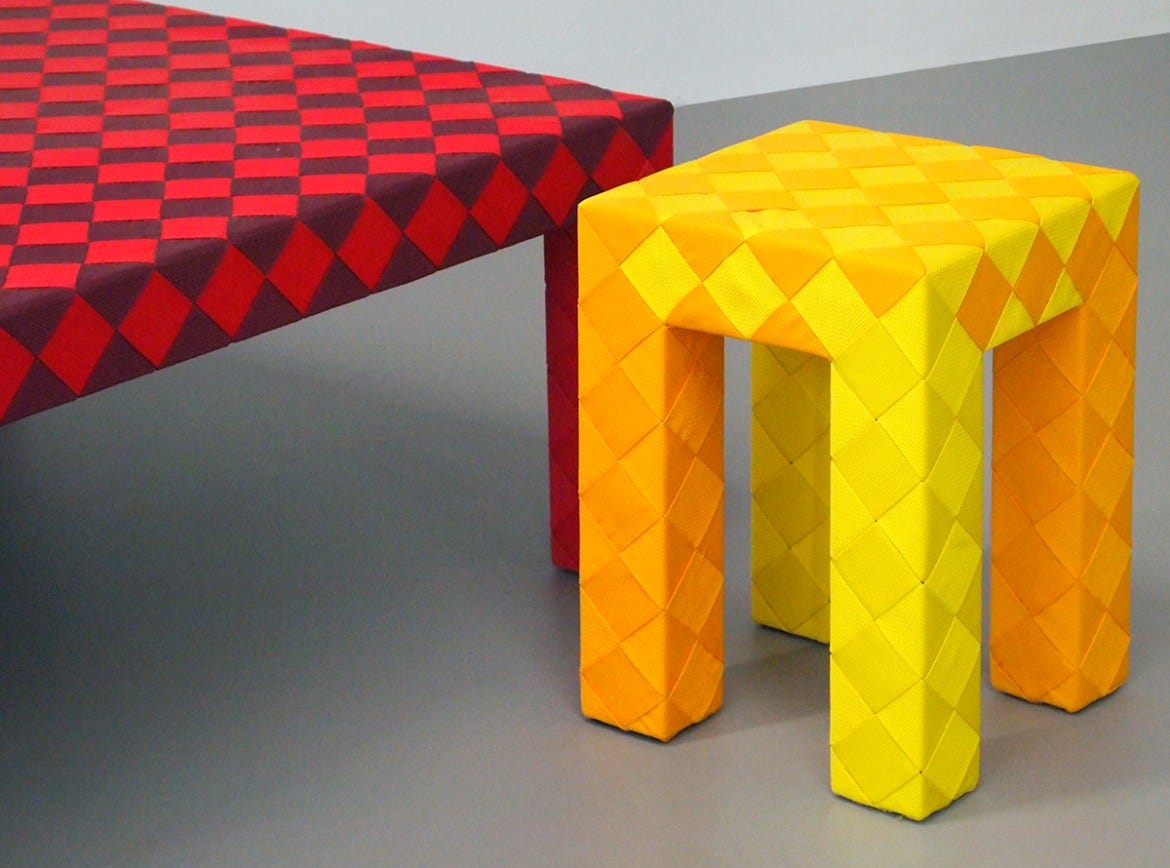
Pursuing research today is clearly paying off. We are living in strange times where the ability to communicate quality work to the outside world is a massive advantage. Lex Pott is a perfect example of this balance. Check out his online shop (it’s currently sold out, which says a lot) to see his bizarre creations: lex-pott.myshopify.com. I’m particularly fond of his Handwoven collection.
This newsletter is supported by:

Thanks for reading. Here are three more articles if you want to go deeper:
How much should a designer NOT know about product construction
The price of innovation: why being “too original” can backfire as a designer
If you want to: collaborate as a brand - sponsor this newsletter - simply get in touch
Send an email to info@marioalessiani.com or send a message - don’t be shy, I reply to everyone.
More to keep in touch:
Linkedin: where I’m most active
Instagram: a window with my recent design works
Thanks again for being part of this community and in case you want to share this with someone…
If someone forwarded this to you…
With love,
Mario
No posts
Comments
Nothing yet. Say the first thing.
Sign in to join the conversation.