
You have spent years optimising your content for Google. You have learned SEO, keyword strategy, and backlinking. And now, a growing share of your audience no longer goes through Google at all, they ask their questions directly to ChatGPT, Perplexity, or Gemini.
Welcome to the era of GEO: Generative Engine Optimization.
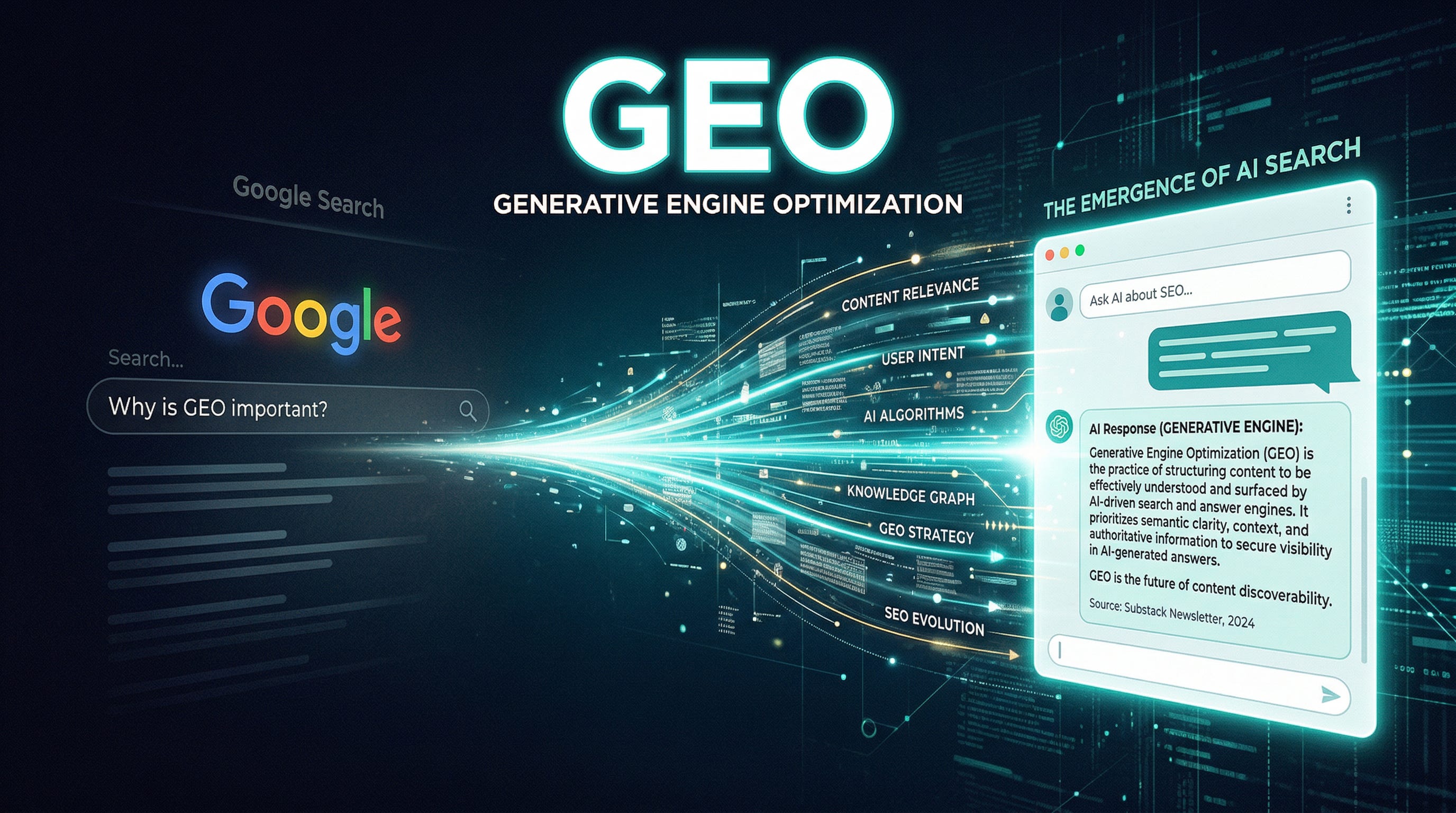
Traditional SEO optimises for search engine algorithms. GEO optimises for large language models, the AI systems that synthesise dozens of sources to deliver a direct answer to the user.
The difference is fundamental. On a Google results page, your article might appear in position 3 or 5, and the user decides whether to click. In a response generated by an AI, you are either cited. Or you do not exist.
In France, for instance, nearly one third of internet users already use generative AI tools for their searches, a figure that exceeds 50 % among those under 30.
Across Europe and North America, the trend is accelerating at a similar pace. This is no longer an emerging trend. It is the present.
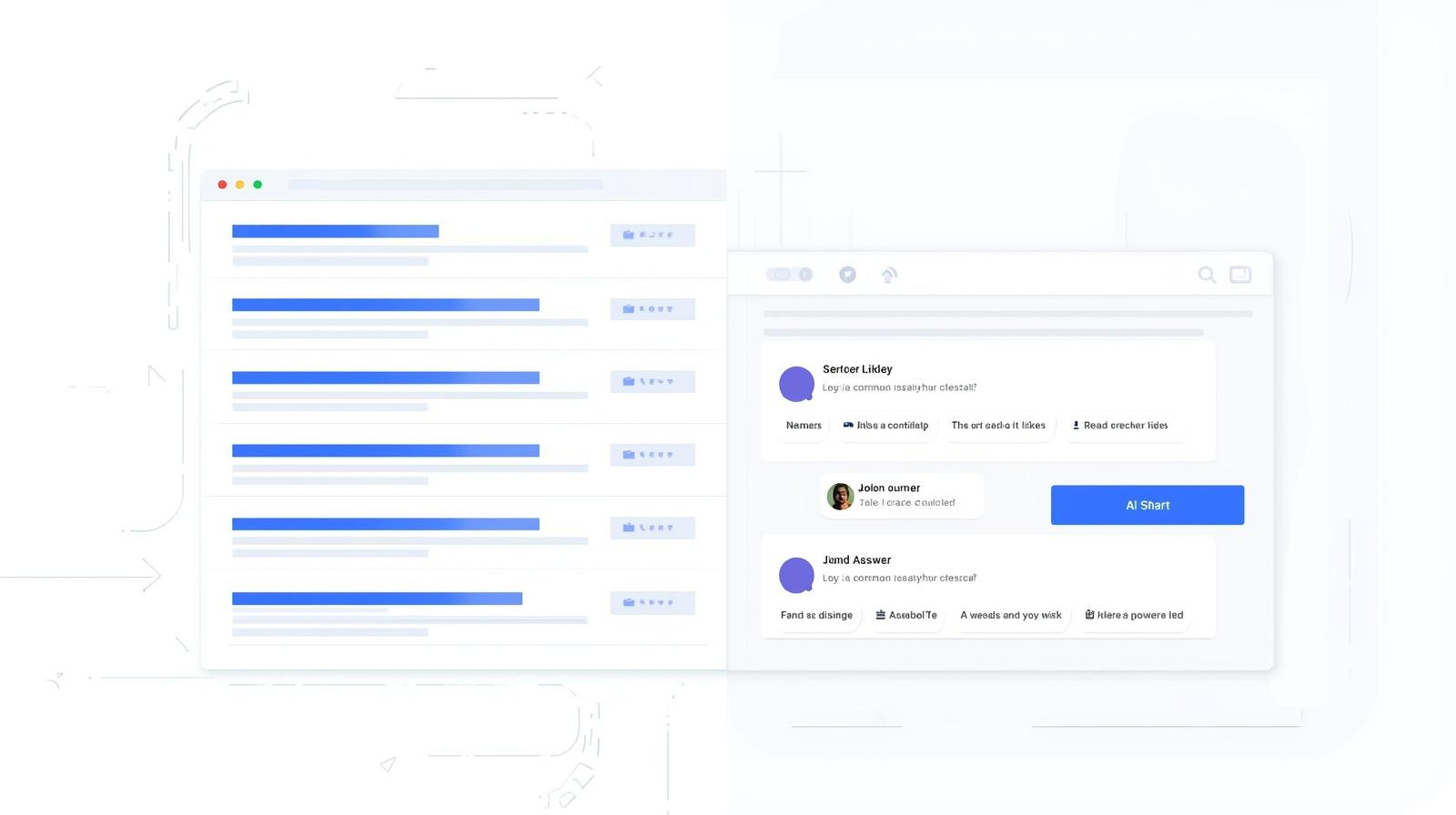
LLMs do not work like Google’s crawlers. They do not count keywords, they evaluate the credibility, clarity, and informational density of your text.
In practice, content that ranks well for GEO displays three characteristics:
1. It is structured for extraction — with a summary at the top of the article, direct answers to frequently asked questions, and sourced data points.
2. It demonstrates entity authority — the author is identifiable, consistent across the web, and cited by other credible sources.
3. It is technically readable by LLM bots — which means correct markup, Schema.org structured data, and ideally an llms.txt file at the root of your website.

The good news: you do not need to start from scratch. GEO is an evolution of SEO, not a revolution.
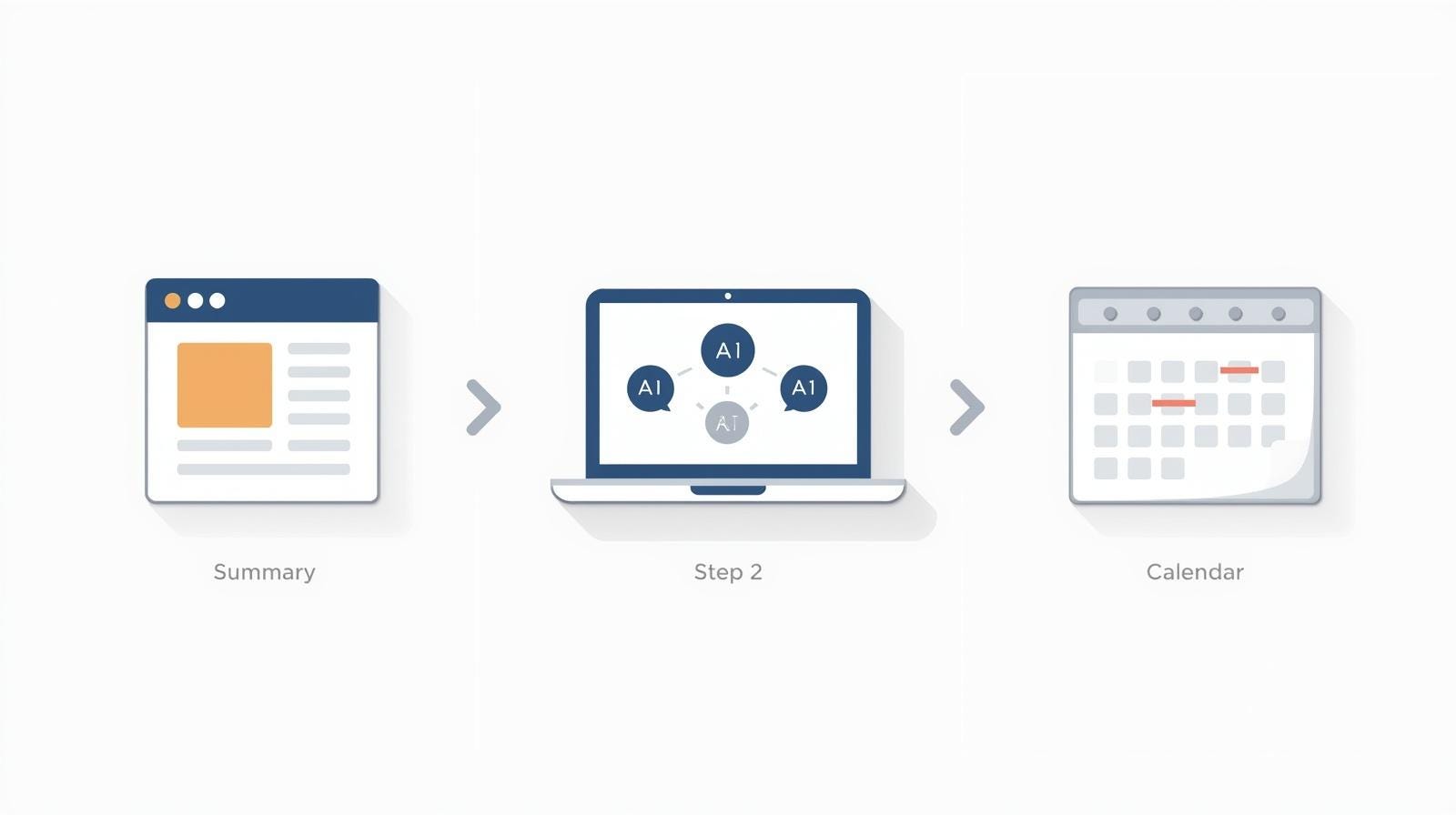
First action: Add a 2–3 sentence summary at the top of each of your existing articles. This is the most direct signal for an AI to understand and cite your content.
Second action: Test your current visibility. Type into ChatGPT, Perplexity, and Gemini: “Who is [your name]?” or “Expert in [your field].” What you find (or do not find) is your starting point.
Third action: Publish regularly. AI models, like Google, favour active sources. A blog that publishes once a week will always outperform a technically perfect but silent site that has not been updated in six months.
For agencies and communication professionals, GEO opens a new strategic territory. Our clients no longer ask us only to be visible on Google, they want to be cited by the AI tools their prospects use every day.
This is precisely what we observe at the GlobalAI Association: the question of visibility in generative responses has become one of the top concerns for communication directors in 2026, regardless of company size.
SEO is not dead. It has gained a new layer and those who master it now will hold a considerable head start.

If you would like to assess the GEO visibility of your brand (or your clients’ brands) get in touch. This is one of the advisory services I am currently developing with my agency, Marco Bena - agence de communication, based in Ornex, France.
Comments
Nothing yet. Say the first thing.
Sign in to join the conversation.