
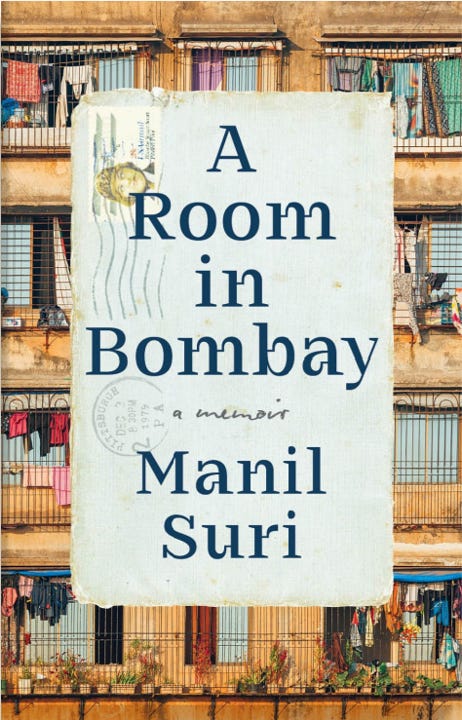
I’m writing this three days before the April 21 publication date of my memoir, “A Room in Bombay.” This is my fifth book, so it’s the fifth time I’m experiencing the anticipation, exhilaration, and yes, nervousness, about how the release will go. The good news so far is that “Room” has garnered positive reviews in Kirkus, Publisher’s Weekly and Booklist. Even more encouraging is that the New York Times has listed it as one of the non-fiction books they’re excited about this spring.
This time, though, there’s an extra dimension to my nervousness. The normal kind is very much like beginning-of-semester jitters teachers experience for a new class: Will it go well? Will students pay attention? Will I succeed in getting through to my audience? With a memoir, particularly one as personal as this one, there are more nerve-racking issues. Think of it – I’m laying out all sorts of personal experiences I’ve lived through for everyone to pore over, muck through. (Why anyone would willingly choose to do that – instead of remaining ensconced in the safe world of a mathematician – is probably the topic of a whole other column.) How do I feel about this? About my life, quite literally, being an open book from now on?
More unnervingly, how will people judge me?
Let me tell you, dear readers, that some of you can be quite forthright in expressing your disapproving opinions about characters in books. I first felt the force of such ire directed at Meera, the heroine of “The Age of Shiva” (my second novel). She was a flawed character, who didn’t make the best choices in life, but – at least in my mind (and that of the New York Times reviewer) – was still very sympathetic. Not so for some of my readers, who lambasted her for her self-destructive rebelliousness towards her father, her perceived shortcomings as a mother. “I was very disappointed Meera didn’t kill herself,” was one of the emails I received. From a friend.
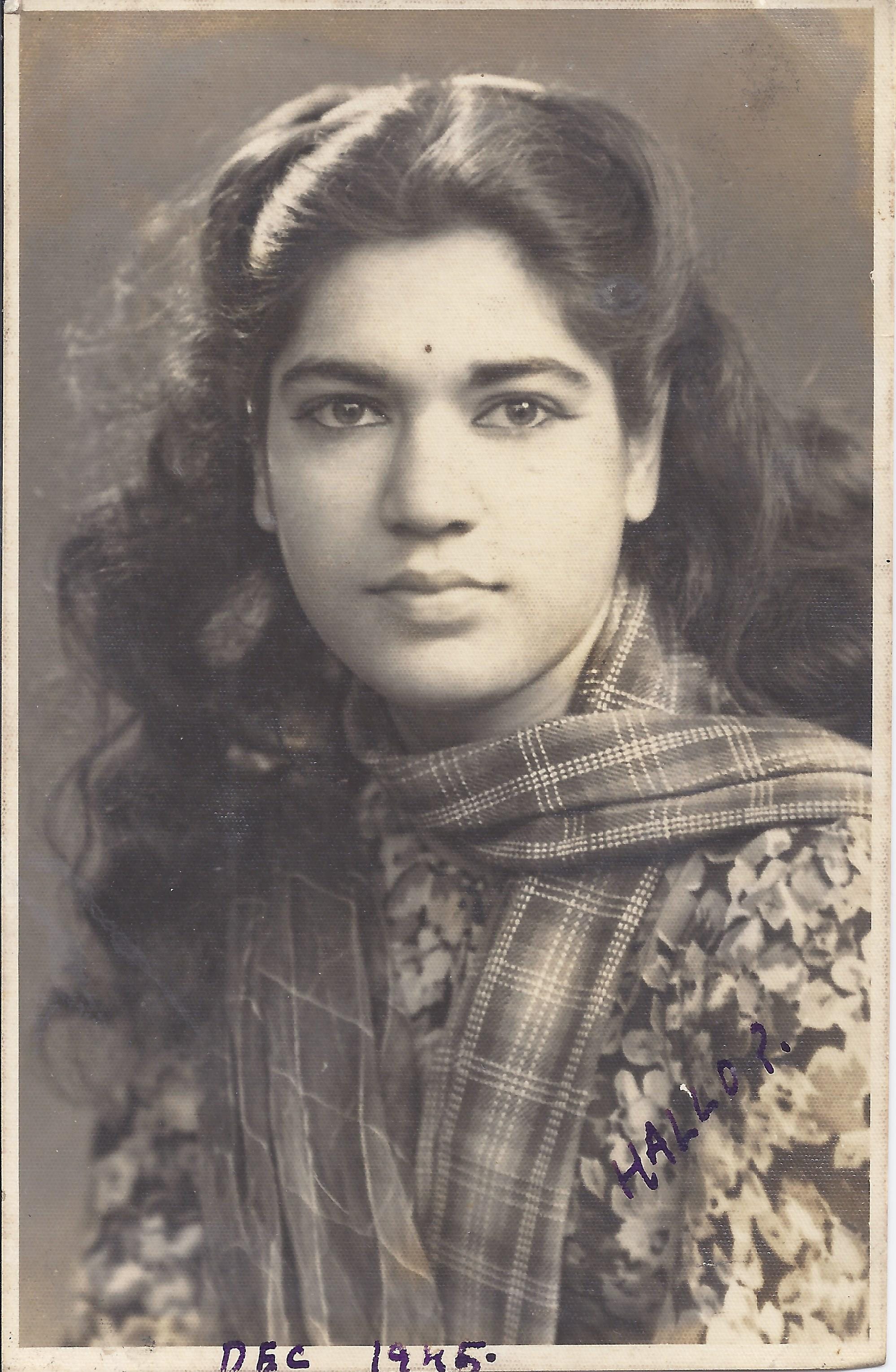
But Meera was a fictional character. This time, it could be real people with the painted-on bullseyes. Prime among them, my mother – the central character in my memoir – who provided at least some of the real-life inspiration behind Meera. Writing about her in the memoir was a task of great responsibility, especially since she’s no longer around to object to anything.
Naturally, I wonder if I’ve managed to portray her fairly? Truthfully? Whether or not readers approve of everything she did, will they understand her? Appreciate what shaped and motivated her?
Perhaps the stakes are even higher for the other central character in the book: me. How will readers react to the self-portrait I’ve limned? Will they find me sympathetic, or be critical about all the things I could have done better?
Such questions, of course, need to be banished from your mind while writing a memoir. You can’t faithfully relate a story while monitoring – or worse, grooming – your image as it emerges on the page. Aminatta Forna, a formidable writer whose work I love, gave me some very succinct general advice, with the following gist: Memoirists need to be honest to the absolute best of their ability. They need to do everything they can to get to the truth.
On the most basic level, this means no fabricated plot twists, no concoctions of the type that form the bread and butter of fiction. I was quite comfortable I’d satisfied at least this criterion. For one, my story was dramatic enough, so it didn’t need any embellishment. For another, I’d scrupulously adhered to the enormous amount of archival material I possessed (over 2700 letters, as well as journals in which I’d painstakingly recorded details down to actual dialog), so I knew everything was accurate.
The problem, however, is that a memoirist still gets to choose what to include in the narrative, and what to drop. This can have profound consequences in terms of how a character comes across. When I spoke to Aminatta, I’d been grappling for a while with how to treat something I will always be ashamed about. In my role as my mother’s caretaker, I made a decision which had horrifying consequences for her condition. Did I need to include all the details, including how I knowingly betrayed her trust? Couldn’t I just skim past my own culpability and continue with what happened afterward?
One could argue that it’s impossible to include everything in a memoir, so some parts have to be omitted. Further, that omission is not quite the same as deception, since there’s no actual falsehood involved. However, this defense clearly doesn’t stand up to the standard set by Aminatta. According to which a memoir – much like testimony – demands the truth, the whole truth, and nothing but the truth.
Some weeks later I wrote the section I’d been agonizing over for so long. I described everything as it happened, including the parts I was most mortified about.
I have no idea about how people will react, but I can tell you Aminatta’s advice was sound. That section is one of the strongest in the book overall.
Comments
Nothing yet. Say the first thing.
Sign in to join the conversation.