
Hello and welcome to my newsletter about food, people and planet. It’s free to read, but you could choose to be a paid subscriber to support me.
My new book In Good Taste: What Shapes What We Eat and Drink - And Why it Matters is out now and available on Waterstones, Amazon, bookshop.org and more.
I’ve been quietly compiling my thoughts on what the Strait of Hormuz and the conflict in the Middle East could mean for our meals. I pitched a story to national media, but it was turned away for not being enough of a screaming headline. There’s already enough internal screaming about what’s unfolding, and what it could mean for our food and drink. Others have articulated that dread succinctly. So, I’m sharing my pitch with you if you’re wondering the same thing.
Most of us don’t think about oil and gas when we tuck into berries in winter, but perhaps we should. Much of what we consume relies on both, and rising tensions in the Middle East have thrown the Strait of Hormuz, one of the world’s most critical energy chokepoints, into sharp focus.
Fertilisers for many everyday fruits and vegetables are made using gas. Our food is transported, processed, packaged and refrigerated using energy still largely derived from fossil fuels. When those costs rise, the price, availability and affordability of what we eat often rise with them. It’s not so easy to extricate modern farming from fossil fuels as Karen HB writes so well in her must read.
I’ve been talking to industry bods about what this means for us food lovers since the Iran conflict started. The buzzwords for many of them are volatility, resilience and security. What began with Covid and Brexit as crisis and uncertainty has hardened into permacrisis. Navigating all of this to keep shelves full of the foods we want to eat year round, while still turning a profit, is a migraine that won’t go away.
They’ll be exploring all sorts of ways around existing challenges, from rethinking where ingredients come from and how supply chains work, to managing the tricky balance between rising costs and keeping prices at levels people are willing to pay. The last time this happened, we saw shrinkflation, where pack sizes shrank while prices stayed the same. BOGOFs and other supermarket deals will also come under pressure.
What happens that affects us directly is a far more nuanced conversation. I ran my thoughts past Daniel Crossley of the Food Ethics Council who kindly spoke to me and blessed my pitch. So here’s what we need to think about:
Food prices could rise faster than expected, with industry estimates suggesting increases of up to 9% by the end of the year, up from pre-conflict forecasts of around 3%
The foods most at risk are those that travel furthest or rely on the most processing, packaging and energy. This includes frozen foods like oven chips and cheaper, intensively-farmed animals and animal products and ready meals
Even UK-grown summer vegetables like tomatoes, cucumbers, peppers and aubergines may be affected due to energy-intensive production out of season
Eating out may become EVEN pricier STILL, from takeaways to casual dining, as ingredient and energy costs rise
At home, rising energy bills could change how we cook, with fewer long oven roasts and bakes and more reliance on more energy-efficient gadgets. We’ve been here before
Even if tensions ease, ongoing geopolitical instability means this isn’t a one-off shock. It’s a wake up call about how exposed our meals are and why we need to start thinking about small, practical shifts. These include:
Waste less: as food prices rise, throwing food away becomes even more costly
Cook smarter to keep costs down: use energy-efficient gadgets like the Wonderbag, microwaves, slow cookers, and pressure cookers (they don’t explode!)
Lean into seasonal ingredients and wholesome meals: and support local farmers, retailers, producers and chefs doing the same
It’s worth noting that the effects of conflict are felt long after guns fall silent. For Palestinians, it has meant erasure of a culture with all its history and heritage. My next podcast guest is Sami Tamimi whose first solo cookbook Boustany is a celebration of Palestinian cuisine at a time when it is much needed. More on that next week.
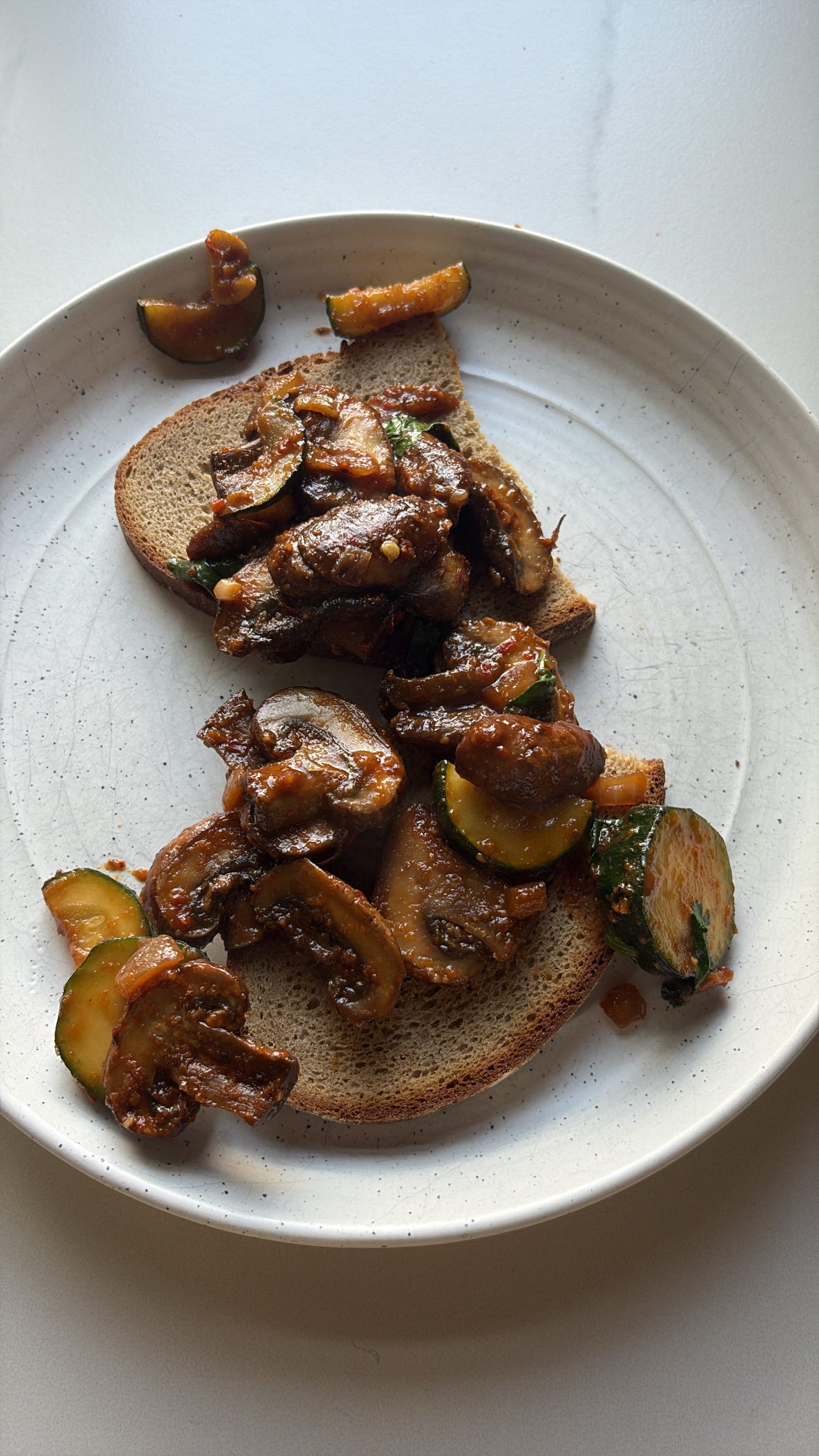
Pic: Courgette and mushrooms fried in Yumm Singa’s freshly zingy, gifted ginger and chili paste with a splash of soya, on rye bread.
Fossil fuels in our food
Fossil fuels are coal, oil and gas and they’re used at every stage: to make artificial fertilisers, run farm machinery, transport ingredients, process food, create plastic packaging and refrigerate food. There’s no such thing as fossil-fuel-free food in today’s system, but some foods rely on far more of it than others. Urgent talks are being held to discuss the move away from them quickly and fairly.
If you haven’t already done this, you may want to listen to the IPES-Food and Table podcast on fossil fuels in our food here.
Hidden role of synthetic fertilisers
Modern industrial farming relies on artificial fertilisers to boost crop yields, but they come with environmental impacts, including damage to soil health and biodiversity. These fertilisers are made using natural gas, making them energy-intensive and vulnerable to price shocks. When gas prices rise, fertiliser becomes more expensive and that cost is eventually passed on through farming and into the price of food.
Food waste in the UK
UK households throw away around 6.4 million tonnes of food every year, according to WRAP, costing the average household about £700 a year. This is money that’s effectively thrown straight in the bin, along with all the energy and resources used to produce it.
My recent food writing life came full circle as I was interviewed by Sheila Dhillon for a new Food For Thought event series hosted by LDE London. Sheila played a pivotal role in my recent journey. I reluctantly joined a panel she chaired at Groundswell in 2023, which opened my eyes to the broader challenges in the food system.
She has, in fact, known me for much longer. Sheila made a trip to West Bengal, where I’m from, for The Food Programme and is aware of my state leader and communist politician grandfather.
We had dinner once to discuss food blogs in my early days of food writing. We reconnected over a cuppa when I started commenting on and educating around cultural appropriation and D&I in food, drink and hospitality.
Sheila is a real inspiration, always full of praise and warmth. She loves that In Good Taste is written from a completely fresh perspective: food love and the global majority with all its pop references and quick read "takeaways".
We covered:
The journey I went on to write my book – recipes, ASMR and food content are everywhere, but we’re missing the context of food
The link between colonisation and today's discussions on healthy, sustainable diets - from enclosure and plantations, to belonging, product development and eats on the high street
Why the global majority perspective is so important in food system conversations – we still have food cultures that prioritise healthy, sustainable diets, although global lifestyles are putting that at risk
How to get people to care. I get asked this a lot. The answer lies in strategic communications that engage and feel relatable, not doom-mongering, criticising life choices or setting an impossible bar
And finally, what I would do if I were Food Tsar. I would:
Make school food education compulsory to shift food culture towards a deeper, more meaningful and generational understanding of what we eat and drink
Take food policy out of politics and into a multi-stakeholder group that sets the agenda based on the nation's health and security and holds government to account
Note: I’m not planning to go into politics any time soon. Although Sheila did laugh when I said, as she knows well, I’m not going away any time soon either! I met Sheila at the Fortnum & Mason Food and Drink Awards later that evening, where she was the well-deserved recipient of the special award voted for by the public for her tremendous work.
Not quite a Food Tsar yet, or anytime soon to be fair, although I did get a chance to judge the Impact Award at the Fortnum & Mason Food and Drink Awards this year with the brilliant CEO Tom Athron and Maria Bradford.
The annual awards are a glittering, glamorous and generous affair I'm privileged to attend. We created a shortlist each to discuss and crown a winner. The fitting recipient of the award was Food Behind Bars and I couldn't be happier for Lucy Vincent and Natalia Middleton.
The Country Trust and Manumit Coffee Roasters got special mentions on stage for their exceptional work. Please do look them up and support them.
Plastic chemicals in us: This was a useful reminder of what many of us know already. I am not in the business of assuming knowledge. Here are some simple tweaks I’ve made at home
Caraway, Curry and Cinnamon: Loved learning about seed cake from Sam Bilton and talking curry on the A is for Apple Podcast with Dr Alessandra Pino on an episode
My food writing masterclass at the British Library was 60% sold last I checked. If you’d like to come along, please book soon to avoid disappointment
We also have a snazzy image for the panel discussion I’m hosting at the Food Season. More details here. Hope to see you there! Link to book.
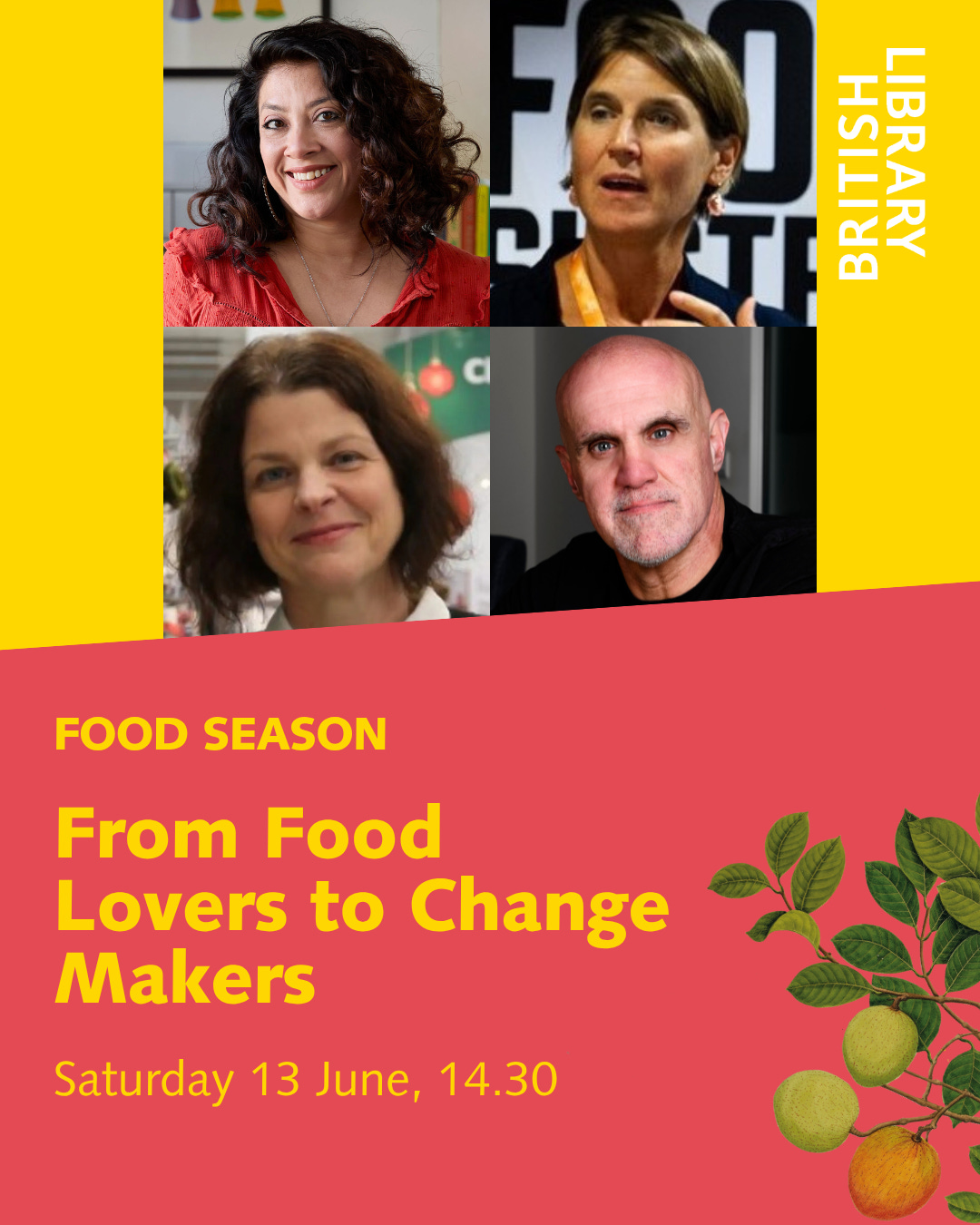
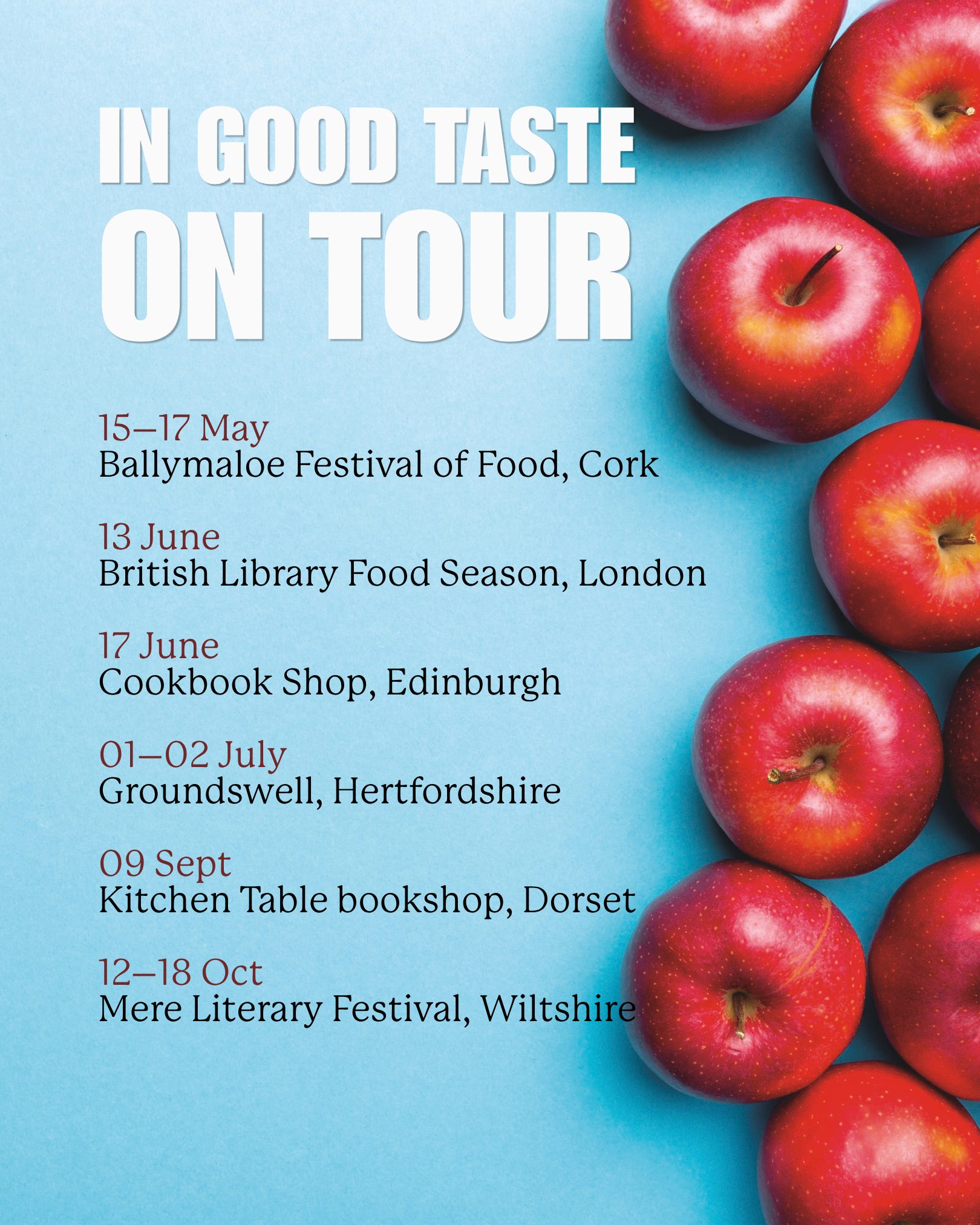
In Good Taste is going on tour! I have these lovely images from my wonderful publisher Kristin Jensen. I hope you’ll come say hi as I’m doing the rounds.
And finally, the book is up for the Gourmand Cookbook Awards. The winner notification got me a bit over excited, but it seems I’ve been nominated in the Sustainable Food Systems and Sustainable Gastronomy.
This is the first time a book I’ve written has been up for an award. It can only be a positive sign for what’s to come, surely? I’m especially pleased because In Good Taste is meant to sit on bookshelves alongside cookbooks, explaining the bigger forces shaping what and how we eat.
Feeling very grateful to everyone who has read it, supported it, interviewed me about it, invited me to speak about it or simply tolerated me banging on about impact and sustainability in food. Especially to you for being here.
Onwards and upwards.
That’s all from me this week. Thank you for reading, caring and sharing.
Comments
Nothing yet. Say the first thing.
Sign in to join the conversation.