
The BBC recently published an article about heritage sites that are fighting to be removed from the UNESCO World Heritage List. It cites the village of Vlkolinec in Slovakia, and the Ngorongoro Conservation Area as places where local communities have been negatively impacted by UNESCO listing (through over-tourism, and the impact of associated conservation policies, respectively). Those communities are now calling for their listings to be removed so that the impact on local people can be managed.
A bit of background about UNESCO for those not familiar - feel free to skip the next 2 paragraphs!
UNESCO (United Nations Educational, Scientific and Cultural Organisation) was set up after WWII to promote international cooperation in education, sciences and culture. It has 194 member states and 12 associate members. In 1972, it adopted the Convention concerning the Protection of the World Cultural and Natural Heritage and has a mission to encourage member states to protect their cultural and natural heritage, and to monitor and report on its conservation. UNESCO also maintains the World Heritage List, which includes 1248 sites, from the Acropolis in Athens to the Taj Mahal in India. There are 35 sites in the UK alone (there were 36 but Liverpool Maritime Mercantile City was delisted when the city fell out with UNESCO over new development).
Interventions by UNESCO include work to conserve heritage sites, for example, in Yemen through youth employment programmes focused on the promotion and protection of local heritage, and providing emergency financial and technical support to safeguard cultural assets in countries affected by natural disasters. Recently, UNESCO condemned Russia for its attack on the Dormition Cathedral in the Pechersk Lavra monastery complex in Kyiv, reinforcing the message that attacks on heritage will not be taken lightly.
All this sounds excellent from a heritage preservation perspective. However, there are clearly unintended consequences. Vlkolinec is the most complete surviving settlement of 14th century log houses in Central Europe. It has been designated as having Outstanding Universal Value by UNESCO, hence its inclusion on the World Heritage List. However, when you Google Vlkolinec, one of the first things that comes up is a long list of YouTube videos with titles like “Discovering the Hidden Gem: Vlkolinec, Slovakia” and “Discover Fairytale Slovak Traditional Mountain Village”. But it’s not really a hidden gem anymore, and the fairytale isn’t really playing out for the people who live there.
When you look more closely at the story, while the volume of tourists is certainly a problem, it’s the way they behave that is the bigger issue. Residents report people trying to take pictures through the windows of their homes or wandering into people’s private gardens. However, UNESCO has argued that it’s not just the village’s designation that has created the problem; there are also temporary residents acquiring property in the village for “recreational purposes”. So, your standard gentrification then! It’s also difficult to lay responsibility at UNESCO’s door for the bad behaviour of tourists.
As for Ngorongoro, the Masai International Solidarity Alliance (MISA) argues that its inclusion on the World Heritage List has been used to justify the displacement of Indigenous communities from the area. MISA points to increased tourism and stricter conservation measures that have restricted grazing, mobility and access to resources. The Tanzanian government has promoted a voluntary relocation programme for Ngorongoro to protect the conservation area, but MISA views this as an attempt to displace Indigenous communities without proper consultation. In a statement in response to MISA’s call for de-listing, UNESCO stated that it
“…has consistently stressed that forced evictions are unacceptable and incompatible with international human rights law and related international obligations.”1
On the face of it then, it seems that UNESCO itself is not attempting to undermine the local community. However, how that feels on the ground may be quite different.
So is the World Heritage List a force for good, or a burden for the world’s most special places?
Despite the issues, UNESCO and the World Heritage List have been an effective source of protection for cultural heritage sites for decades and there are certainly sites that have benefited from their listing. Having a culturally important site can provide much needed tourist revenue for some communities, and the protections (and access to funding) afforded by UNESCO mean it is much more difficult to neglect or actively damage a heritage asset. Liverpool has said that losing UNESCO designation hasn’t impacted its visitor numbers; however, is its historic harbourside at risk of detrimental development that could negatively impact its maritime heritage? Does the fact that inclusion on the List serves to protect places like Vlkolinec, which might otherwise be vulnerable to damage or destruction, outweigh the disruption to the lives of locals?
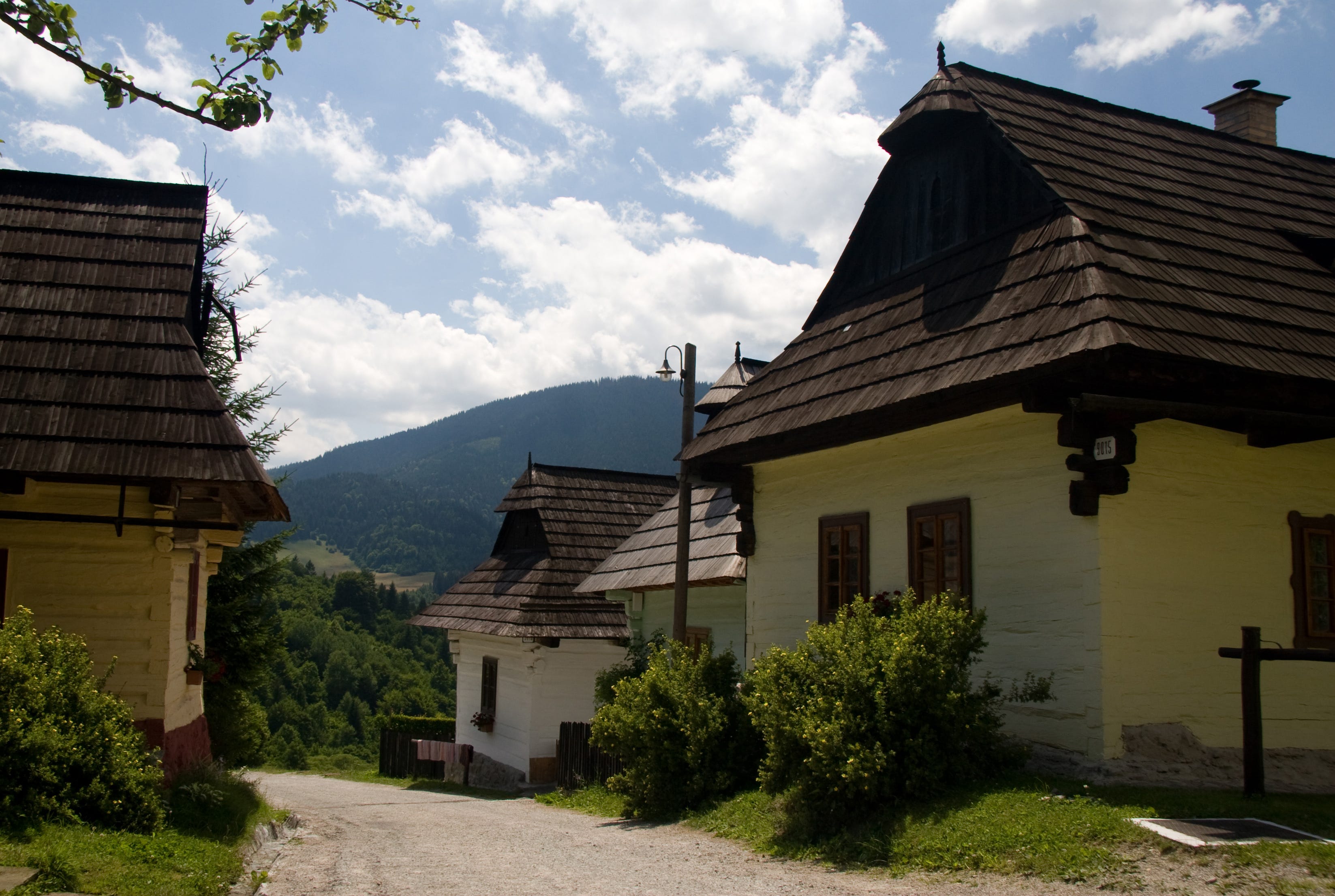
I don’t think the issue is clear cut and there is a continuing debate to be had. Clearly, if you are impacted by the fact that your home is UNESCO listed, your perspective will be different from someone who has no direct experience. Just thinking about the things we have lost in the past makes me believe that UNESCO’s work and the World Heritage List are good things. But I don’t live in Ngorongoro or Vlkolinec!
What do you think? UNESCO listing; good or bad?
https://www.unesco.org/en/articles/unesco-statement-ngorongoro-conservation-area
Comments
Nothing yet. Say the first thing.
Sign in to join the conversation.