
To be English in Europe is to be deeply humbled. Everyone, from the waiter in the restaurant, to the guard on the train, and the receptionist at the hotel, speaks English. It may not be universally true that absolutely everyone in Europe speaks excellent English, but you can bet that, if you’re in a tourist destination, or a city centre, you will be able to speak English and be understood.
For some reason, I find this deeply uncomfortable. I understand that, logically, there needs to be a common language so that people from around the globe can understand and be understood. I also understand on an intellectual level that it has historically made sense for this to be English for various geo-political reasons. But I still find myself cringing every time I am forced (by my very basic to non-existent language skills, depending on the country) to communicate in English.
I do have some understanding of other languages. I have a GCSE in German, and an AS Level (that ages me…) in French. However, language learning in the UK does not set you up for success in actually communicating in another country. Learning a song called Haben sie ein Kühlschrank bitte1 and the word for gerbil2 has not set me up for success in holding even a basic conversation in German.
I have to confess that part of my lack of proficiency is my fault. At 17, the idea of going to a French conversation class with a language assistant who seemed to actively hate the students didn’t exactly fill me with joy. Nor did having to listen to the news in French during a lunch break when I could have been doing something much more interesting. My greatest failure in my language learning career was during my AS Level oral when I didn’t understand the word renard (fox) and got completely tied up in knots trying (and failing) to discuss pest control around Le Shuttle. It still haunts me.
There never seemed any urgency to learn a language, which just goes to show the lazy attitude I adopted to language learning. I have a similar regret about not learning Latin, which limited my access to primary sources as a History student. It just didn’t seem relevant. Mea culpa.
I even spent a few months living in Germany during my time as a baby corporate lawyer. However, I worked in an English-speaking office with international colleagues whose common language was English. My attempts to speak German in public were met with bemused amusement and a reply in English. Either that, or I would be asked a follow up question that would take me so long to process, that a look of stupidity and/or abject fear would cross my face and we would all just have to switch to English. So, I stopped trying.
Having spent a few weeks in Europe, I am increasingly aware of my lack in the language department. But which language would I learn if I had to pick one? French because it’s probably the one I have the strongest basis in? German because I love Germany and can see myself travelling there more in the future? Spanish to open up new countries? Or Mandarin for when that might come in handy? And how would I go about learning a language? Duolingo only takes you so far in my experience. To really learn a language, you need to be immersed in it, but how would I achieve that?
Thinking about language got me thinking about culture and how we experience it. If we only ever experience museums, exhibitions, theatre in translation, do we experience them as they are intended? Do we miss something in that translation? And for people who have to constantly switch between their native language and English, what does that cost? Does English as a common language lead to a homogeneity that is detrimental to cultural development?
I was struck by this recently at Ljubljana Castle. We went on their Time Machine tour (which was excellent). Our guide was Slovene but spoke fluent English, and German. The tour was conducted in English and the Austrian kids on the tour, whose English wasn’t as advanced as their parents’, were able to follow along with an audio guide. Our guide made an extra effort to chat to the kids in German to make them feel included. It was amazing to see her switch between the languages effortlessly to provide a great visitor experience.
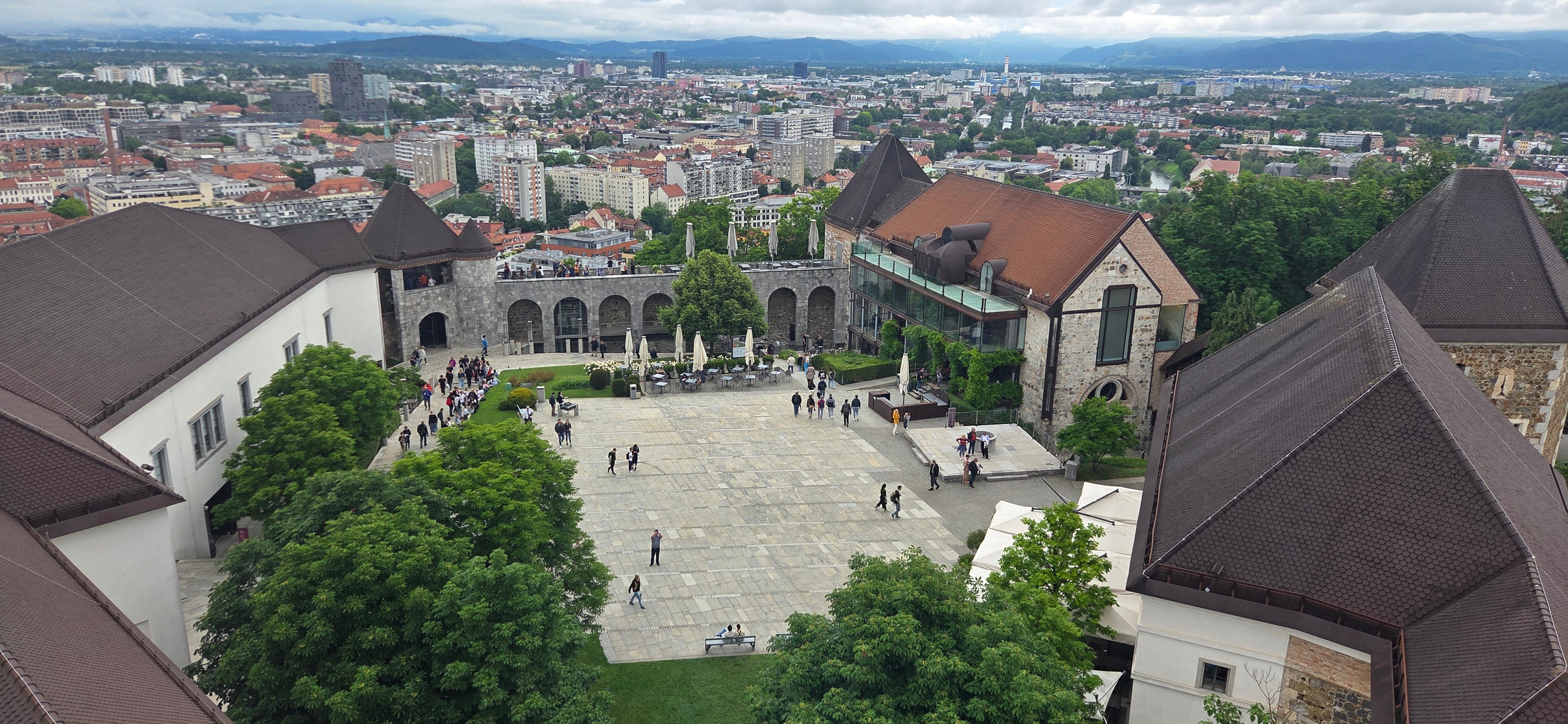
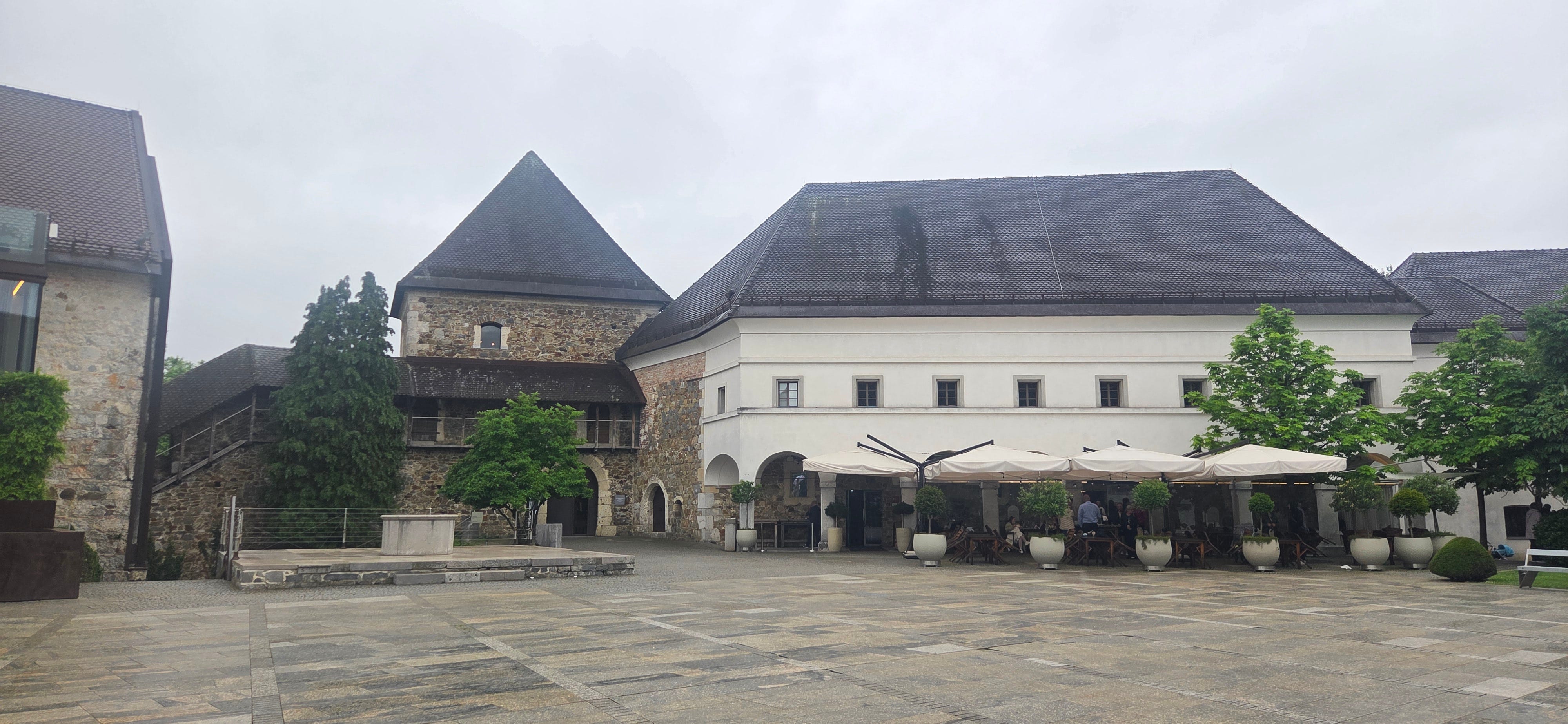
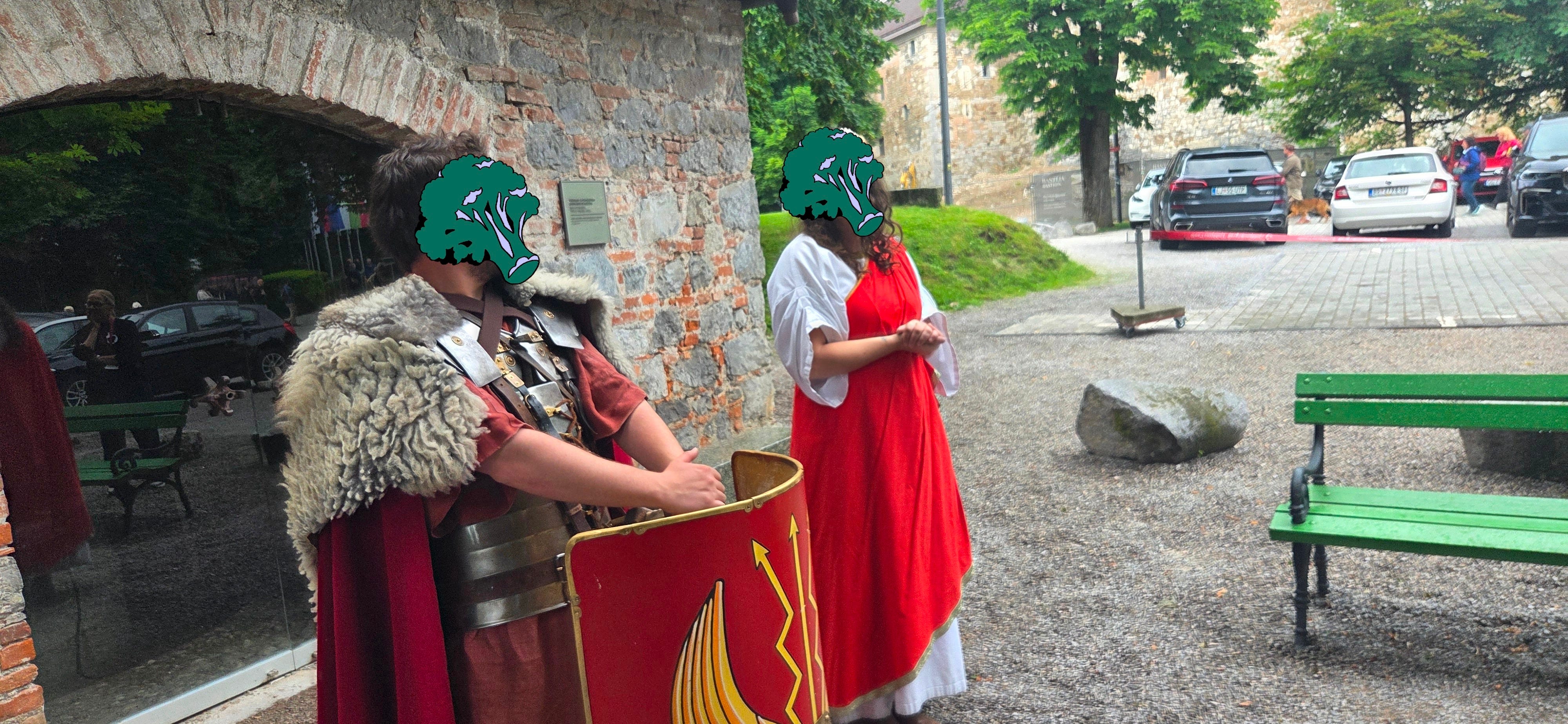
There were actors on this tour who delivered little vignettes to bring the Castle’s history to life. They portrayed key figures in the Castle’s history, telling their own story – in English. The tour is always delivered in English, presumably to make it available to the widest possible audience. I imagine that very few foreign visitors to Slovenia have enough of a grasp of the language to understand a tour in Slovene. In countries where a more common language is spoken, it is easier for tours to be conducted in the native language, but an English option is usually also offered. At the Vienna Opera House, they offered tours in about 6 different languages, all happening at the same time and crossing each other around the building!
Conversely, when we went to see the 4D film at the Castle, the person giving the introduction seemed disappointed (maybe annoyed, or maybe I was projecting) when she asked if there were any Slovene speakers watching the film and there was a resounding silence. The film was put on in English to cater to the common language of the group (which was by no means all native English speakers).
In neither of these scenarios did I feel like I was missing anything from the visitor experience, but how different might it have been to understand the tour and the film in Slovene?
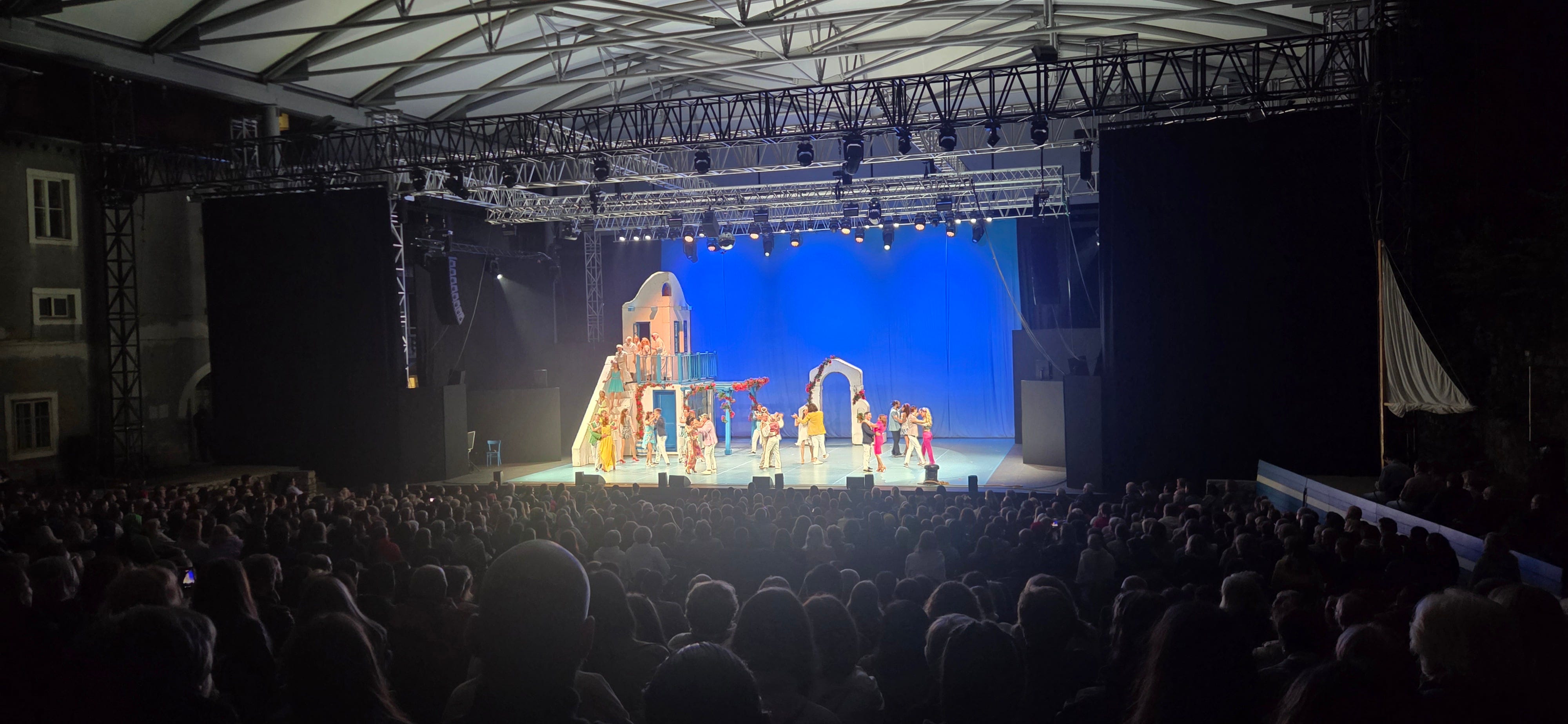
Turning things on their head, we also went to see a production of Mamma Mia at the famous Križanke Theatre in Ljubljana. We had heard about this venue and what an amazing building it was and Mamma Mia happened to be on while we were in the city. The only problem was it was in Slovene! We figured we knew the plot and the songs enough that it would be OK, and it turned out to be a really magical evening (despite the torrential rain hammering down just outside the temporary canvas roof). So, maybe understanding every word isn’t that important if a feeling or a story can still be communicated.
I may not be able to become proficient in the language of every country I visit, but I feel a sense of responsibility now to at least try to speak the language of the country I’m in, even if it’s just the basics of “hello”, “please” and “thank you”. And I will just hope there are no follow up questions!
Do you have a fridge please? No, I don’t know what was going on with English school language textbooks in the 1990s…
Comments
Nothing yet. Say the first thing.
Sign in to join the conversation.