
Following on from my last post about UNESCO designation and the increased volume of tourists that usually accompanies it, I have been thinking about the issue of over-tourism and how we can overcome it, or at least limit our impact as individuals.
When protection causes more harm than good
·
Jul 13
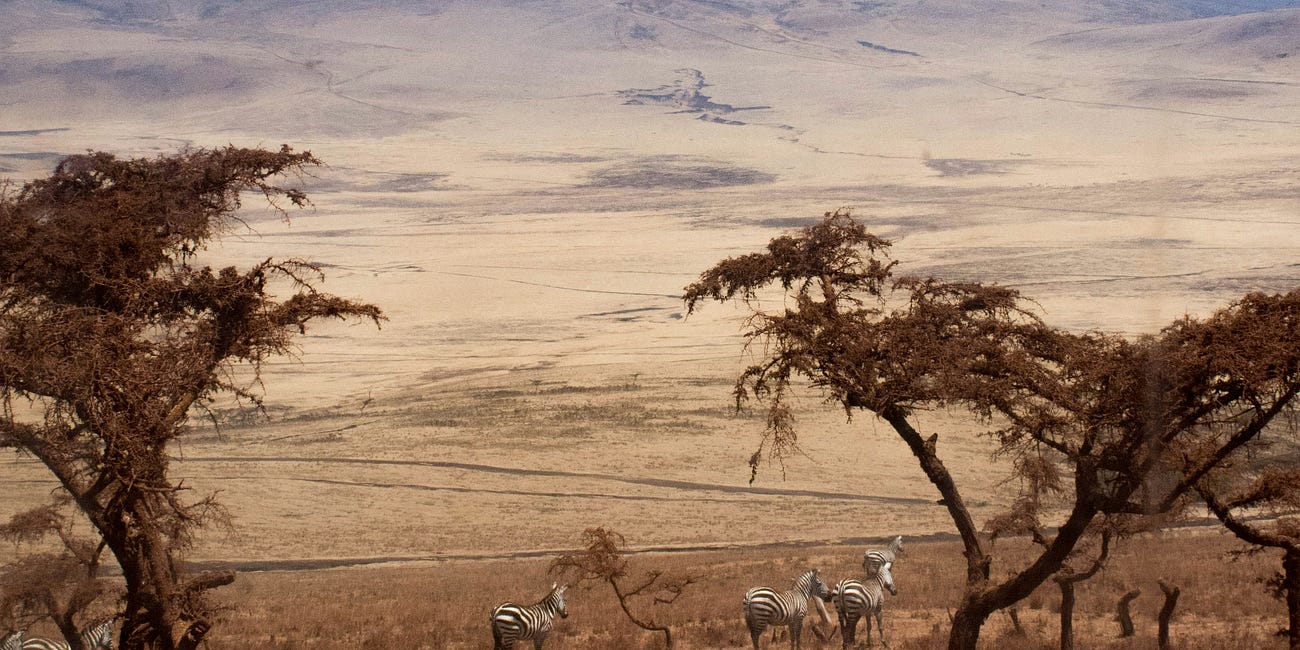
The BBC recently published an article about heritage sites that are fighting to be removed from the UNESCO World Heritage List. It cites the village of Vlkolinec in Slovakia, and the Ngorongoro Conservation Area as places where local communities have been negatively impacted by UNESCO listing (through over-tourism, and the impact of associated conservat…
We’ve all heard about the convenience store in Japan that had such a good view of Mount Fuji, that they had to put up a massive screen to stop people turning up to take the ubiquitous mountain shot. The lives of residents of the town of Fuji Kawaguchiko were disrupted, not so much by the number of tourists, but by their jaywalking with little regard for road traffic, and the litter they left behind them. The town tried putting up signs, and employing security guards, but nothing seemed to deter the tourists.
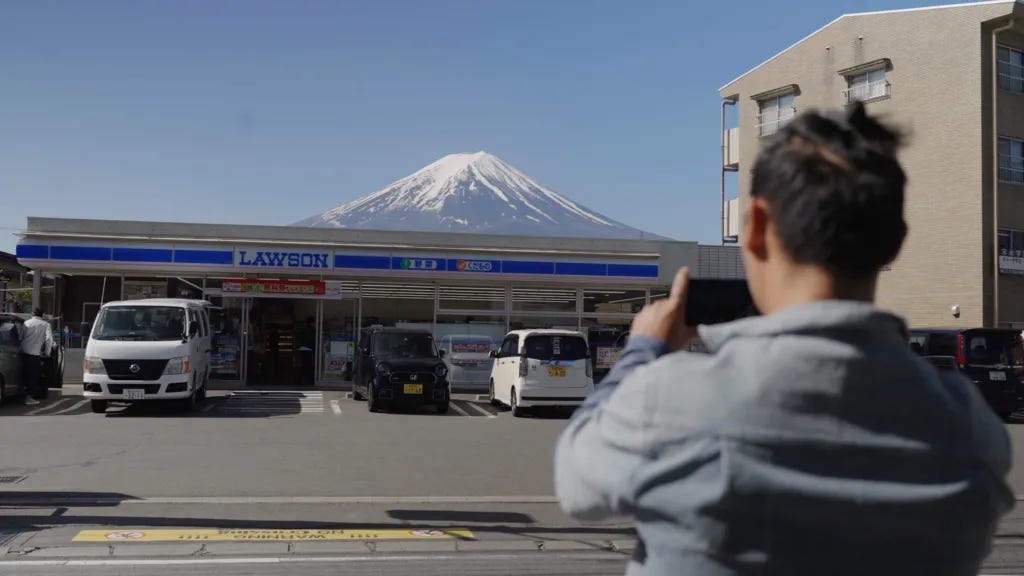
The thing that struck me about this is that the issue may not be so pronounced without social media. Someone will have posted a photo of the convenience store vista on socials and then someone else will have seen it and thought “I want to take that photo too”. That person posts the same photo, and the ripple effect begins. Soon you have thousands of people wanting to get that shot so they can post it on their own Instagram feed. The BBC interviewed a visitor from Germany who said:
“If I didn’t have social media, I wouldn’t have come here. I wouldn’t even have known that this place existed.”
Do the people flocking to this location really want to see Mount Fuji, or do they just want to get a photo of it for the ‘gram? While they are in Japan, will they immerse themselves in the culture, eat local food, take part in local events? Or will they go to Instagrammable locations, take their photos, and then go and sit in their hotel rooms and eat MacDonalds? I am being extreme to make a point, but when you have a pretty good point-and-shoot camera with you all the time, and access to a huge amount of cloud storage, the temptation to photograph or film the things you see is pretty irresistible.
I saw it first hand while I was in Europe – the people who pose in front of landmarks like they are in their own personal modelling shoot, taking endless versions of the same shot to get the perfect one for Instagram. When we went to see Klimt’s The Kiss at the Belvedere in Vienna, people were standing in front of the painting, blocking others from actually looking at it, while they tried to get the perfect photo. It wasn’t as bad as the Mona Lisa at the Louvre1, but still pretty annoying. There is a certain type of tourist who seems to take the view that, if you haven’t been photographed in front of it, then you didn’t really visit it.
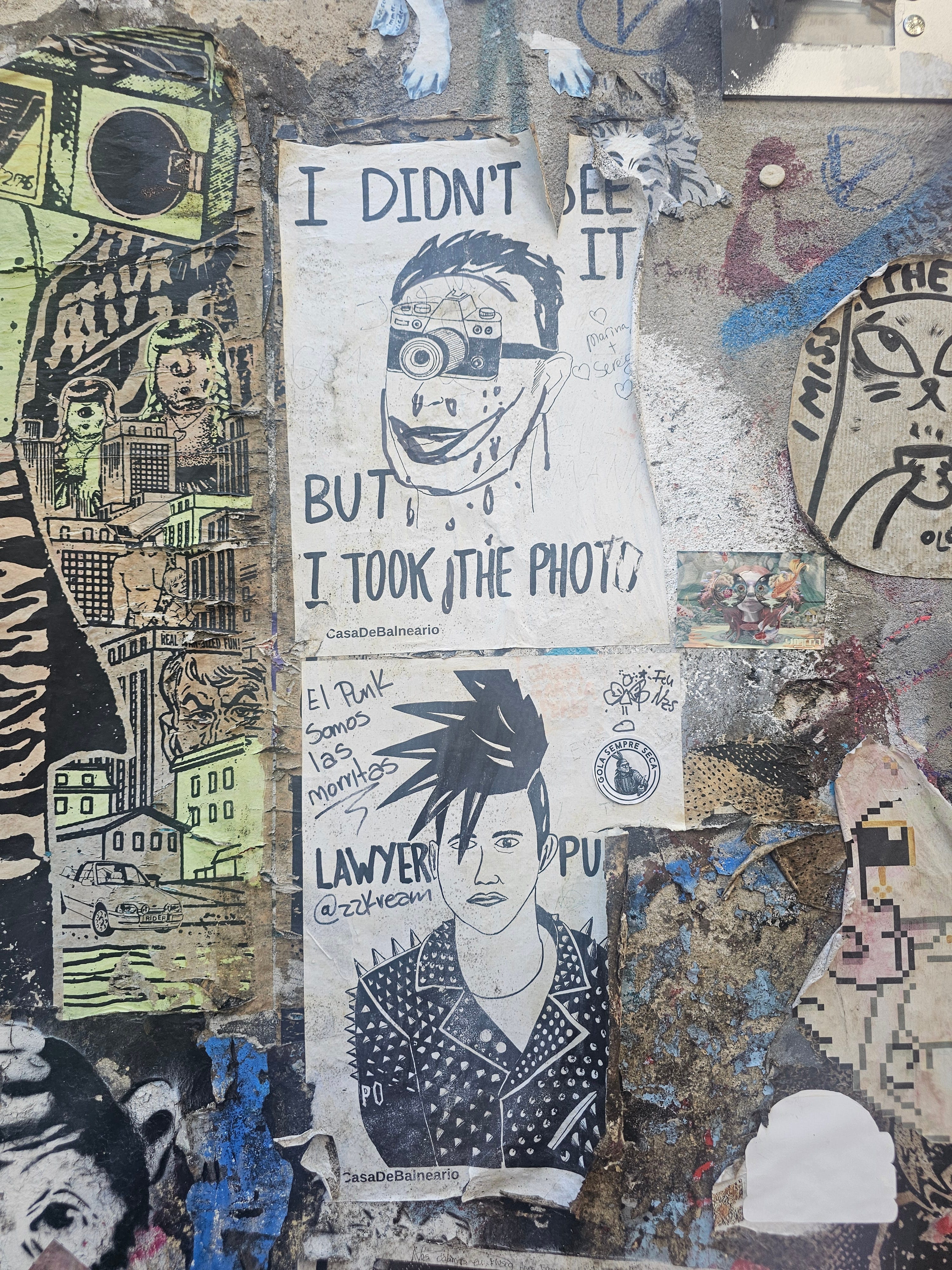
The instinct to travel and see new things is part of what makes us human. We want to see beautiful buildings, new landscapes, and historic treasures. And we want to record them for posterity, to provide those visual reminders of a wonderful trip. So how can we do that sensitively so as not to impact the people who live there. I have lived in 2 touristy locations, Greenwich and Oxford. I will never forget the Japanese tourist taking a picture of me and my friends as we were about to go into an exam! Yes, it could be annoying sometimes when coach groups blocked the pavements, but largely the infrastructure was there to manage the tourists without causing too much of a problem. Oxford, for example, has made large parts of the centre pedestrian-only or only open to public transport, and it has an excellent Park and Ride system to keep traffic to a minimum.
Where it does become a problem, is when a place is simply not set up to manage a large influx of additional people. Vlkolínec (which I mentioned in my previous post) has a population of 132 and receives c. 100,000 visitors every year. That maths is not maths-ing. On a larger scale, Venice (which was added to the World Heritage List in 1987) is, according to the BBC, so over-touristed, that locals are leaving the city. The tourist tax Venice introduced has caused more problems than it has solved and hasn’t limited the crowds of tourists that descend on the city3. The new Mayor of Venice is considering increasing the tax to €50 in an attempt to make a difference.
I have been visiting a lot of historic sites this year and I am conscious of the potential for this to be hypocritical in the context of my recent posts. However, I really do try to travel responsibly. This was brought home to me at the Dark Hedges in Northern Ireland. These trees, planted in the 18th century by members of the Stuart family, were made mega-famous when they featured in Game of Thrones and are one of the “must see” sites in Northern Ireland. It would have been churlish of me not to visit just to prove a point and I have to admit that I wanted to experience the trees for myself. But I did want to visit in a way that would limit my impact, which included parking in the designated car park, following the visitor route, and not interfering with the trees themselves.
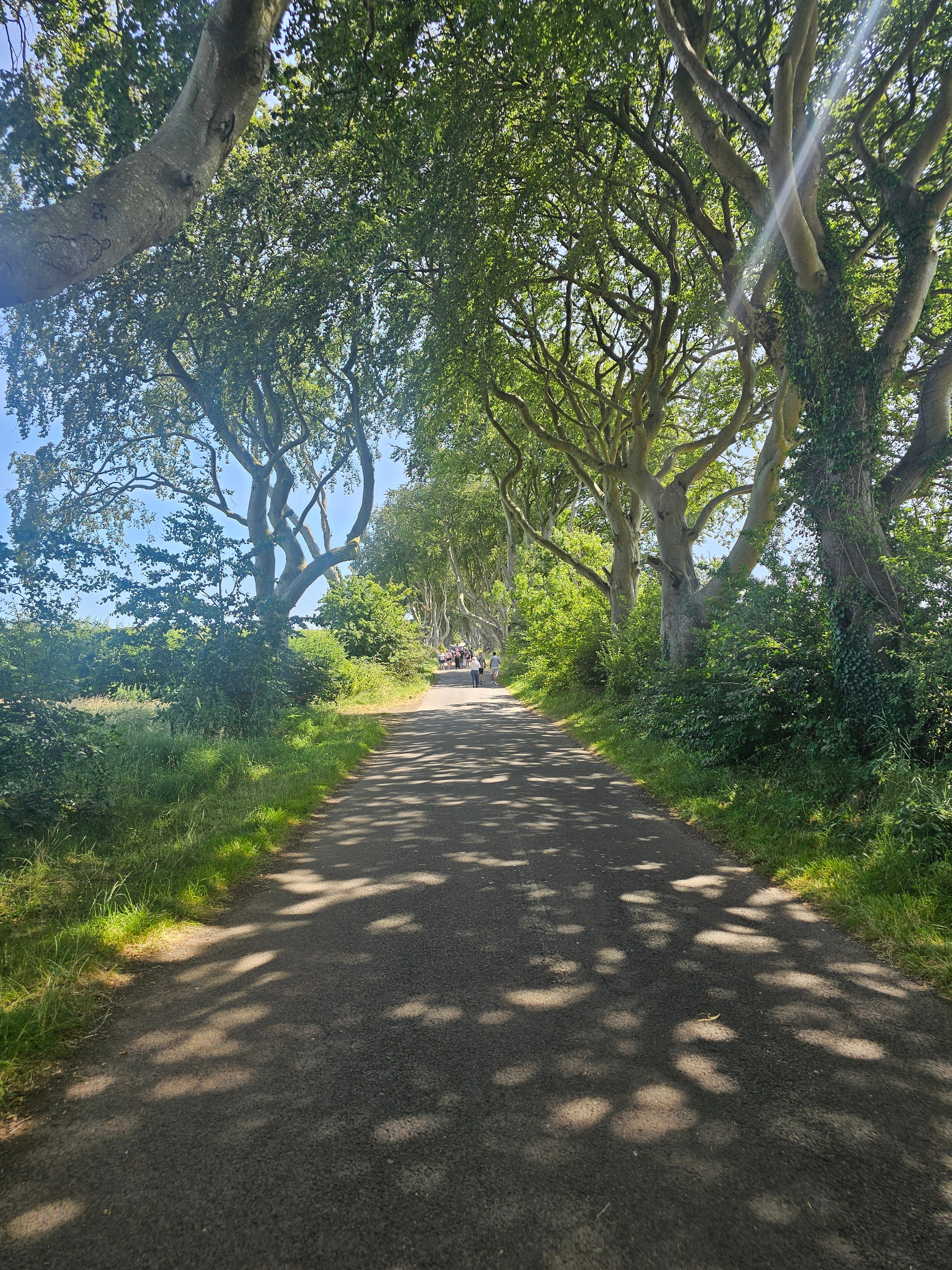
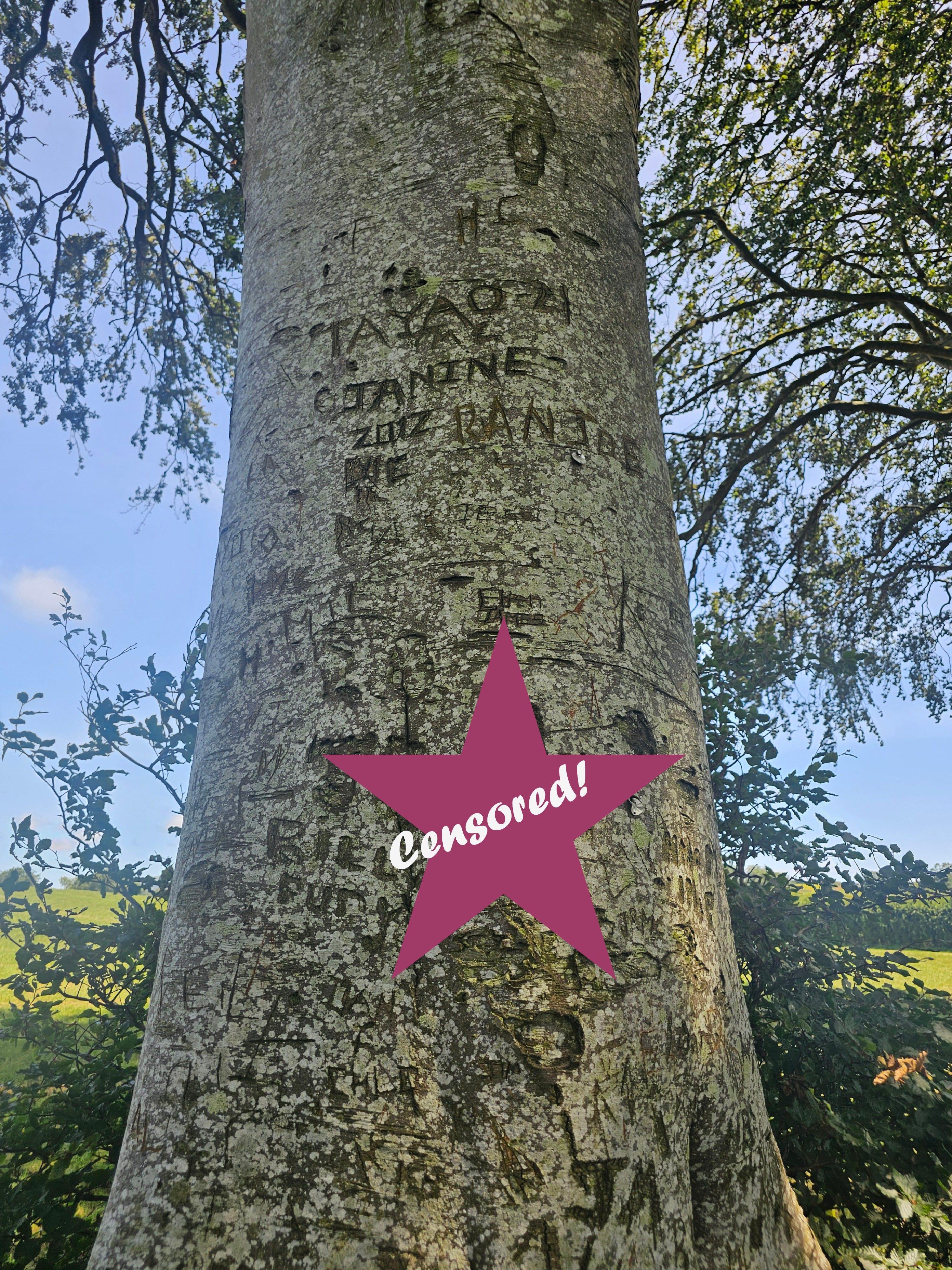
The people who manage the site have gone to great lengths to protect the trees by closing the road to traffic, and trying to stop people parking on the roads leading up to them. This meant that the roads weren’t blocked by hundreds of cars and we could experience the trees without the risk of being run over, and that the trees are largely protected from damage caused by traffic. This didn’t stop some people from parking right on the Dark Hedges road (because, people…), and we saw quite a bit of graffiti carved into the trees, but these measures, and people generally being respectful while they visit, will hopefully mean that the Dark Hedges will be there for many years to come, and more people will be able to experience their magic.
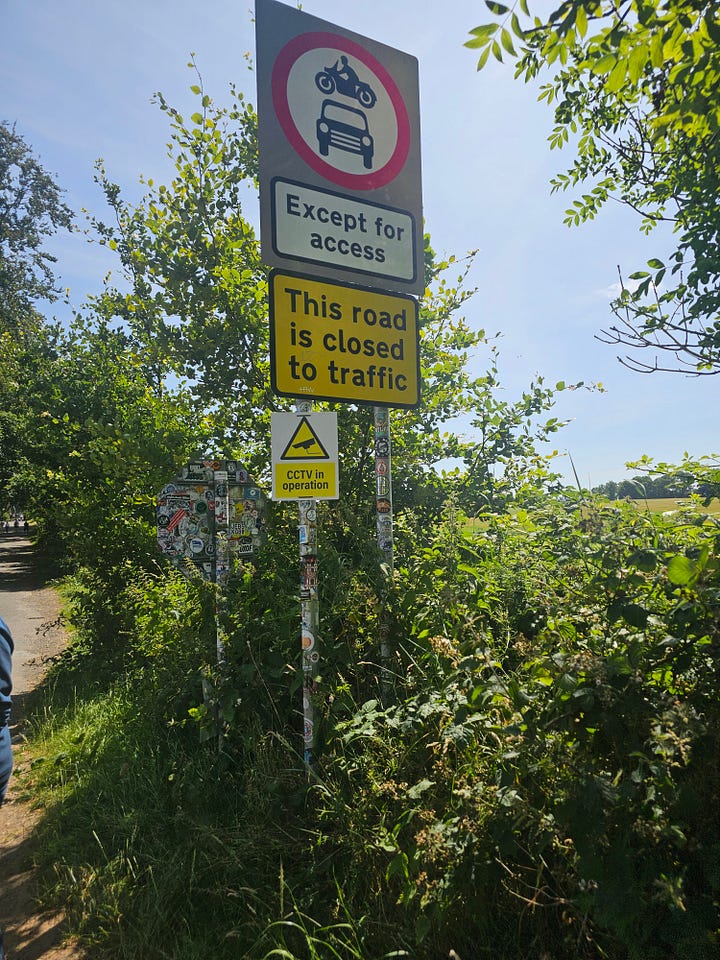
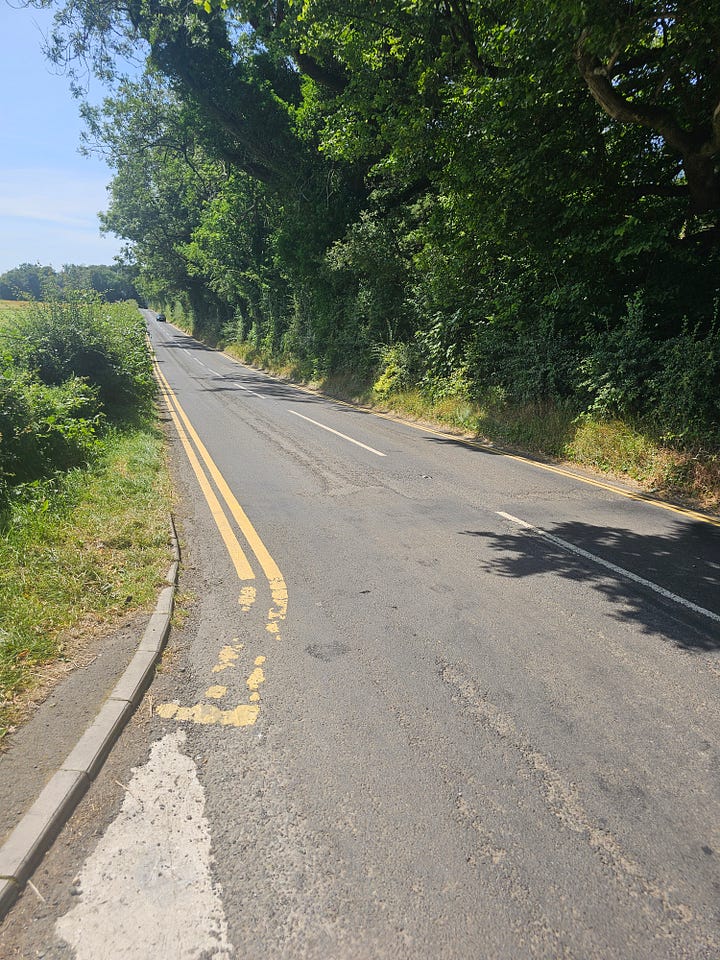
So, what can we do as tourists to limit our impact and be responsible visitors? From my observations, there are a few simple, common-sense things we can all do to make a difference.
Be respectful – by all means take the photo, but don’t take 94 different shots of the same thing, and don’t stand in front of people trying to go about their day. Try to follow local rules – for example, jaywalking is almost a way of life in London, but it’s frowned upon in a lot of places.
Visit off-season if possible – I know this isn’t an option if you’re tied to school holidays or have other seasonal work restrictions, but going at quieter times reduces pressure, and can make for a much more relaxing experience for tourists as well. When you’re not fighting with thousands of other people to see something, it’s much less stressful and you can take your time.
Leave no trace – we should all be trying to minimise our environmental footprint in terms of litter etc, but even more so when we are visiting somewhere.
Do your research – find out how and when best to visit somewhere. Responsible Travel is an excellent resource for this.
Maybe don’t visit – this might be a controversial one, but we don’t have to see all the sights we are presented with on Instagram. Maybe sometimes we can enjoy someone’s photo without needing to go and replicate it. It’s also really fun to find the less well known things and explore different elements of a place. The Conscientious Traveller has a great list of suggestions for doing your own thing. I am a huge fan of European supermarkets and will never turn down a local bus adventure!
There were so many people crowded in front of it, taking so long to take their photos, we didn’t even bother waiting to see it. When I went to Louvre in 2003, I got so close to the Mona Lisa, I could have touched it (I didn’t, obviously)! But that was before social media.
Source: https://en.wikipedia.org/wiki/Vlkol%C3%ADnec
Source: https://www.responsibletravel.com/holidays/italy/travel-guide/overtourism-in-venice
Comments
Nothing yet. Say the first thing.
Sign in to join the conversation.