
This post discusses themes that some may find difficult, including the treatment of Jews and other groups by the Nazis. If this would be hard for you to read right now, please skip this post.
The themes explored by the museums mentioned in this post are complex and this post is my reaction to what I saw. Others may have a different view based on their own experiences. I’m not an expert on Second World War history, and this post is more about my response to different museum interpretations.
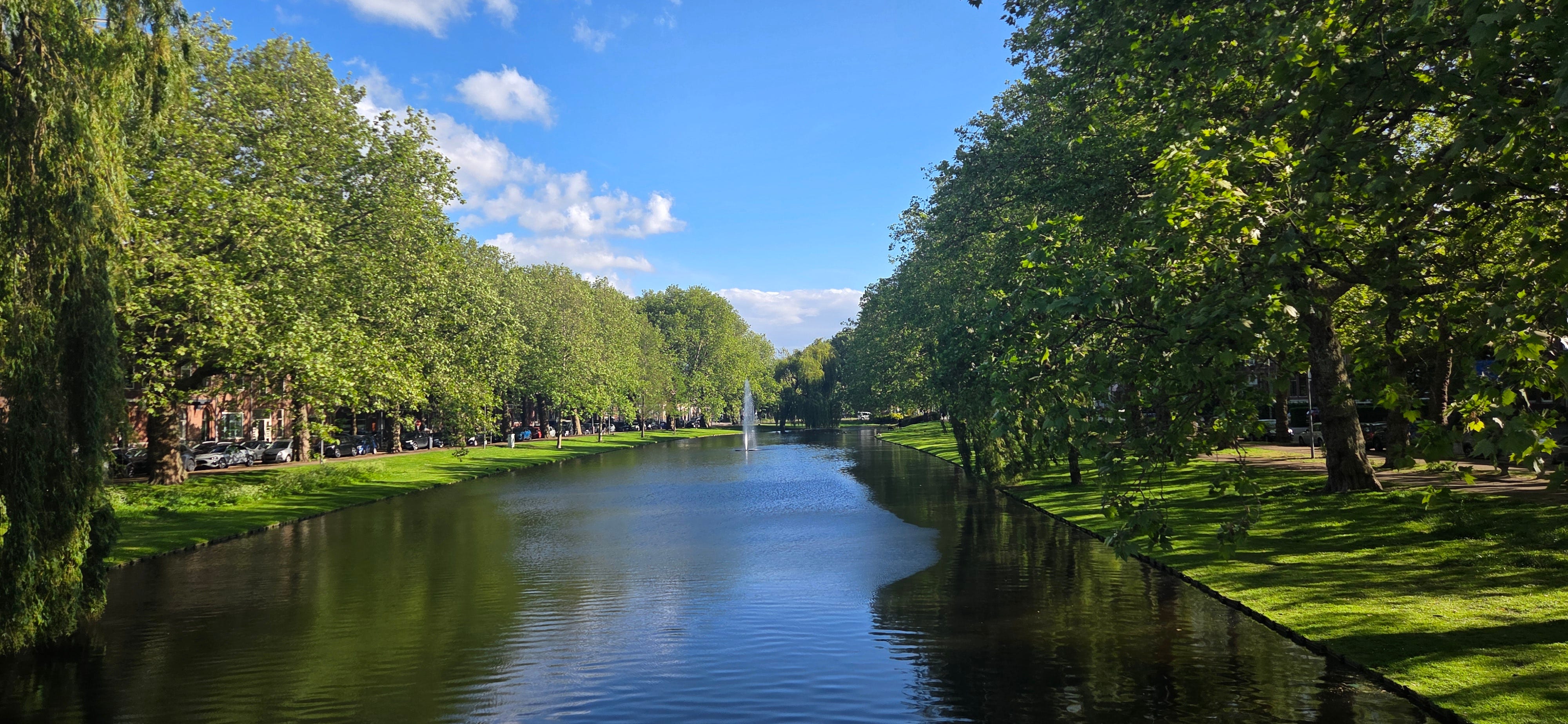
It’s impossible to visit Europe without being confronted by the legacy of the Second World War. Different countries respond to this legacy in different ways, and I want to talk about two museums that present the story of their nation in a striking way; Museum Rotterdam in the Netherlands, and the House of Terror in Budapest, Hungary.
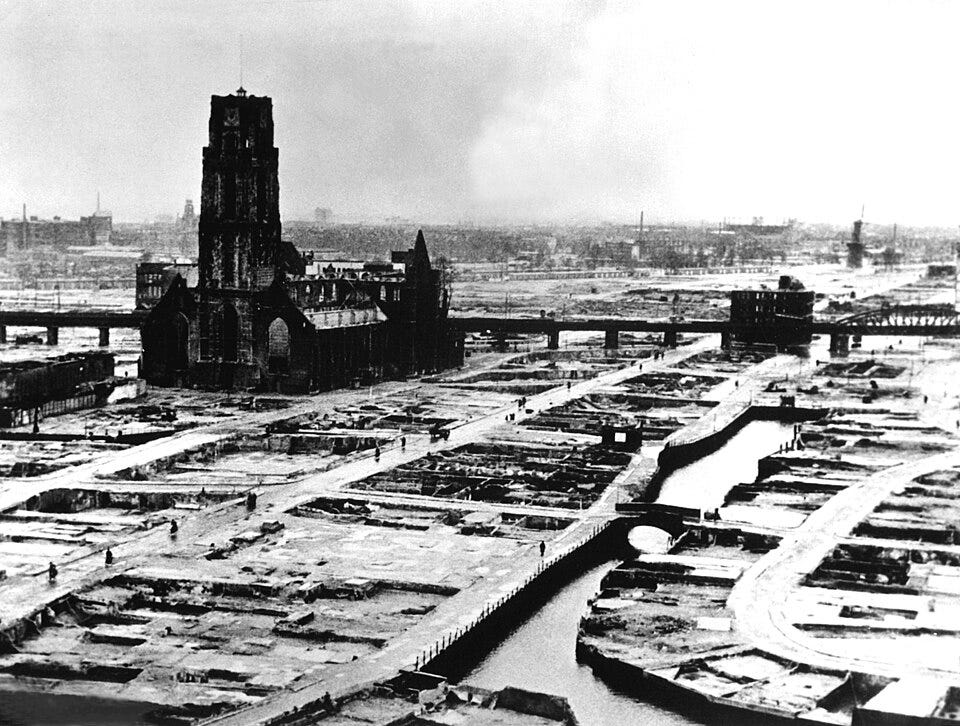
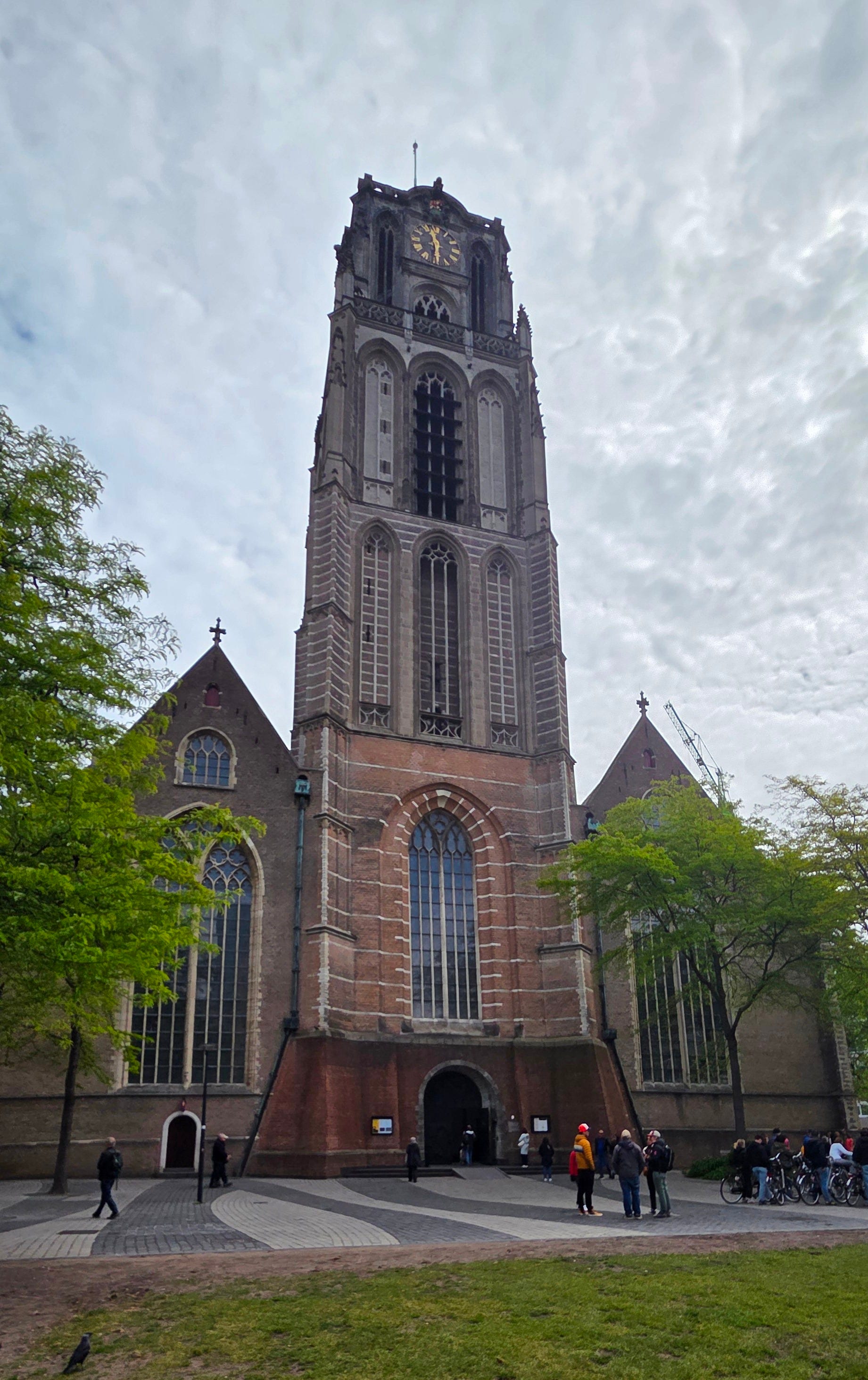
Rotterdam suffered a devastating attack by Germany’s Luftwaffe1 in May 1940. The historic city centre was damaged extensively and there were significant civilian casualties and loss of homes. The only historic building to survive was the tower of St Lawrence Church. The “Rotterdam Blitz” was the precursor to Germany’s occupation of the Netherlands, which lasted until the end of the Second World War in 1945. Rotterdam suffered another blow in March 1943, when an Allied air attack (aimed at destroying Nazi controlled shipyards) missed its target and hit a residential area, resulting in civilian casualties. The Dutch people were also subject to deportations, both of Jews and those who resisted German occupation.
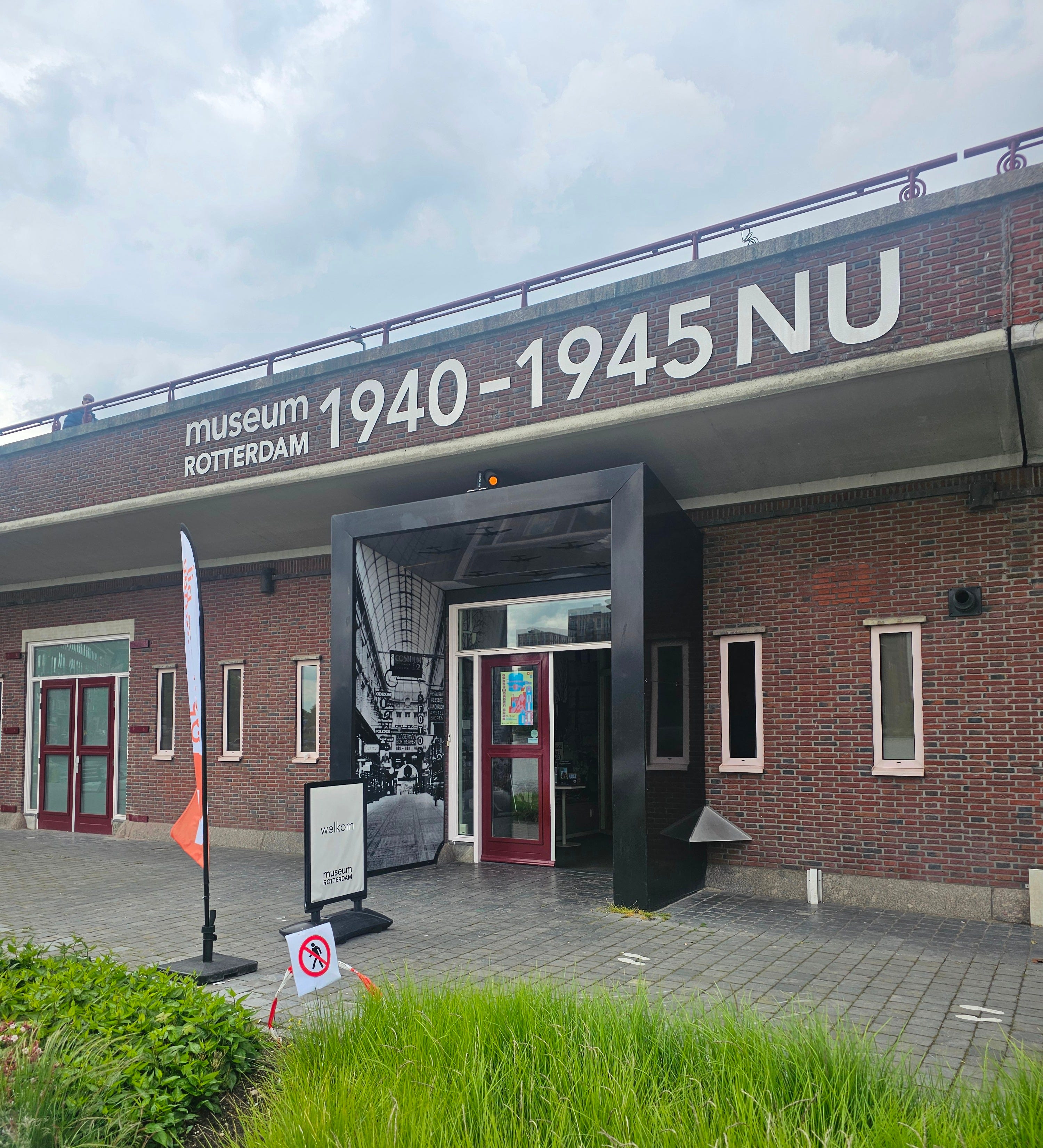
Museum Rotterdam’s ’40-’45 NOW exhibition explores the impact of the War on Rotterdam and its people, and how the city was rebuilt from the ashes. The main exhibition is a wall wrapped to look like a 1940s newspaper, which explains the main events in Rotterdam between 1940 and 1945. This is set against glass cabinets full of Second World War memorabilia. Visitors are handed a booklet at the start of the exhibition, which contains more information about specific objects in the cabinets that help to explain more about what life was like in Rotterdam during the War.
The foundation of the Museum collection is from the private collection of Arie Mast, who at 10 years old witnessed the Rotterdam Blitz from his home across the River Maas. Arie was haunted by his memories of the War and was advised by his therapist to collect objects from the occupation period to help to process his trauma. His collection has been exhibited since 1985 and became part of Museum Rotterdam’s collection in 2015. This personal connection, and the very tangible way in which it demonstrates the lasting impact of war, is very poignant.
The main focus of the exhibition, and something the visitor experience team is very keen for visitors to see, is an immersive film about the Rotterdam Blitz. We were the only English speakers in the Museum when we visited, but they went to the trouble of changing the language of the film so that we could experience it, so we donned our headphones and watched the film unfold around us.
The film focuses on three stories of individuals affected by the attack. You begin with them before the bombardment; a girl and her doll, two brothers who own a ceramics shop, and a courting couple exchanging gifts. The film directs you to objects displayed around the otherwise relatively plain room, before fully immersing you in the moment as the noise of planes fills your ears and you see and hear the flickering flames. In the calm after the storm, you find out the fate of the objects. This has left a lasting impression on me, and I am still thinking about it several weeks later.
The last part of the exhibition is about the rebuilding of Rotterdam in the post-War period. During the 1950s, the primary focus was on rebuilding a functional city and prioritising housing. However, some of the more symbolic buildings were also rebuilt. Designs were submitted for a rebuilt St Lawrence Church, including a modernist reinterpretation which positioned a pool of water between the surviving tower and a new church building, which I thought was a beautiful response to the brief. Ultimately, the Church was rebuilt in its original style, but with a modern interpretation.
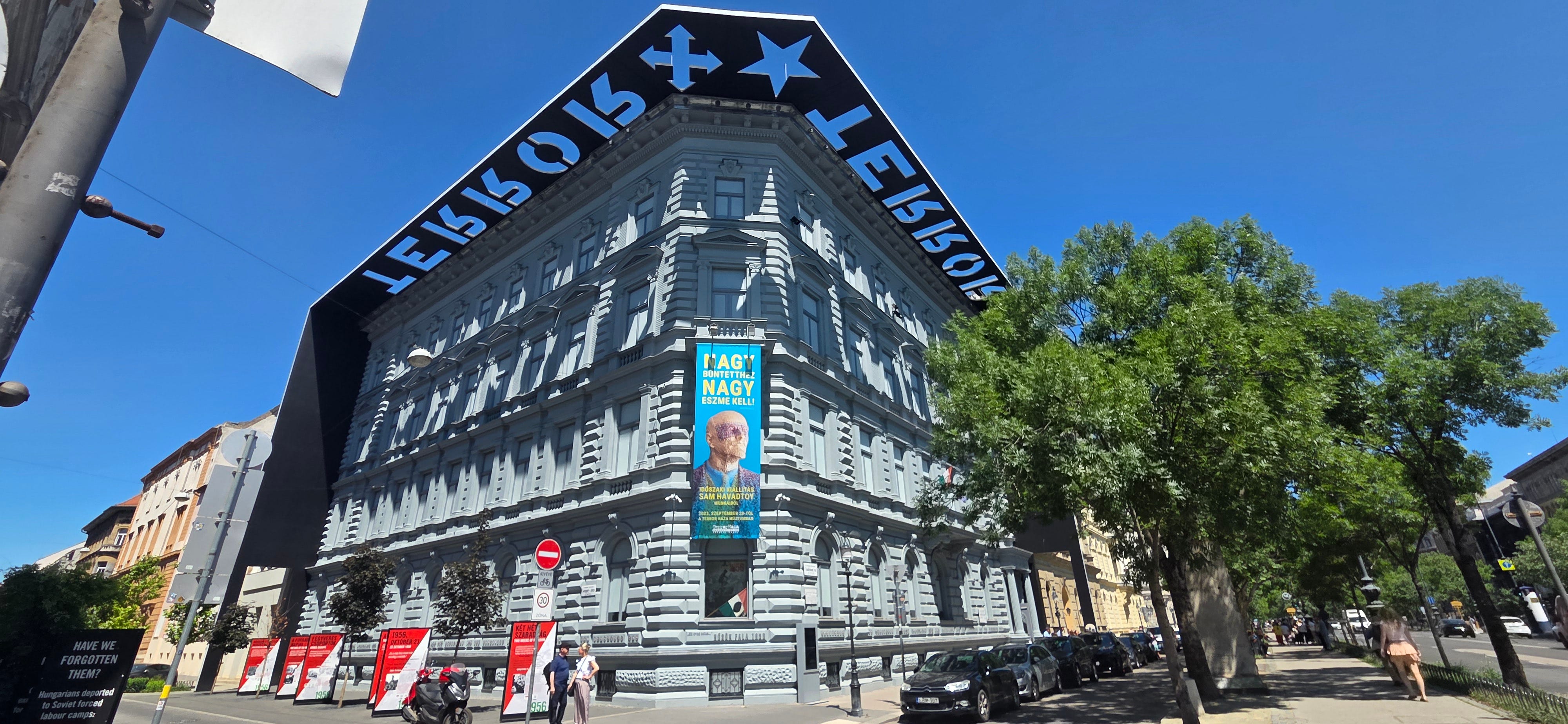
During the Second World War, Hungary was part of the Axis powers and adopted a political stance similar to the Nazis in Germany, and until 1944, it received support from the Nazi regime. This regime was responsible for the deportation of thousands of Jews from Hungary to work in forced labour camps, or to fight in the Soviet Union. However, once the Nazis had left Hungary, the country was occupied by the Communist Soviet Union and was absorbed behind the Iron Curtain. The country remained under Soviet control until 1990 and suffered decades of repression and terror in the intervening period.
Given Hungary’s role in the War, the House of Terror takes a slightly different approach to Museum Rotterdam. It is positioned as a memorial to all those civilians and resistance fighters who lost their lives during the War and puts itself firmly against both the Nazi and Communist forces. The choice of building to contain the House of Terror is significant. 60 Andrassy Avenue was the headquarters of the Nazi regime and was later taken over by the Communists during their occupation. For 60 years, the building was a place of terror for many Hungarians.
The House of Terror is a challenging museum to visit. It confronts you with the worst stories of the horrors of the Second World War and forces you to reckon with the past. They use recordings of people recounting their experiences, including forced labour camps, deprivation at home, and sham trials to convict those who showed resistance. The most striking elements were a room with video screens along the walls designed to make you feel like you were being transported to a labour camp, and a lift describing how members of the resistance were executed. It really pulls no punches.
And I suppose that’s the point of the Museum. It doesn’t seek to sugar coat what happened or sanitise it for visitors. It forces you to feel the terror experienced by Hungarians during occupation.
There have been criticisms levied at the House of Terror that it glosses over the fact that there were Hungarians complicit in both regimes under which the country suffered and paints Hungary as a victim. There is a sense of this in the Museum, but I don’t think it detracts from the key message, which is that innocent people were murdered in the name of ideology (or, more likely, for political and economic gain) and it seems right that they should be remembered.
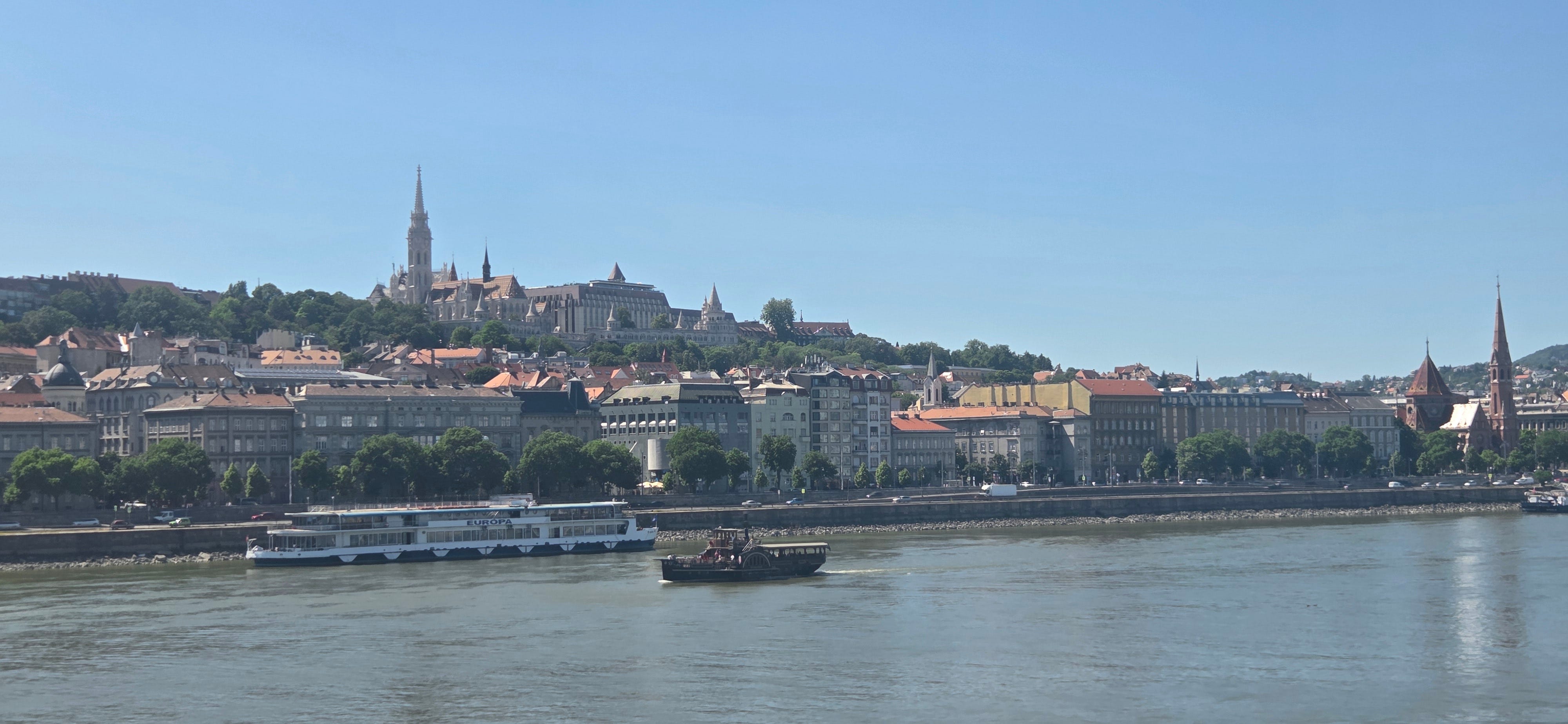
These museums felt particularly relevant in our current political climate. May we remember what has gone before and not repeat the mistakes of the past.
If you’ve ever wondered where you’d land in history,
you’re doing it now.2
Comments
Nothing yet. Say the first thing.
Sign in to join the conversation.