
My most recent posts have been deeper dives into some of the issues facing heritage and I want to go back to the raison d'être of this Substack - actual museums! And I have a great one for you.
I LOVE a living museum. They are my absolute favourite kind of museum and I would probably go to one based on any historical period, in any location. There’s something about walking into a historic building that’s been recreated, just as it would have been, that really brings history to life for me. So it was a no-brainer that I would go to the Ulster American Folk Park while I was in Northern Ireland.
The Park guides you through a significant period in Irish history when nearly 8 million people emigrated to North America over a period of 100 years in the 19th and early 20th centuries. What’s fascinating about this museum is that it not only shows how people lived in Ireland during the 19th century, but how they started new lives in North America.
The museum focuses on three individuals to illustrate the story; Thomas Mellon (founder of one of the largest banks in the USA), John Hughes (who became Archbishop of New York), and Robert Campbell (a successful St Louis businessman). These main stories are all very white, wealthy, and male - but more on that shortly!
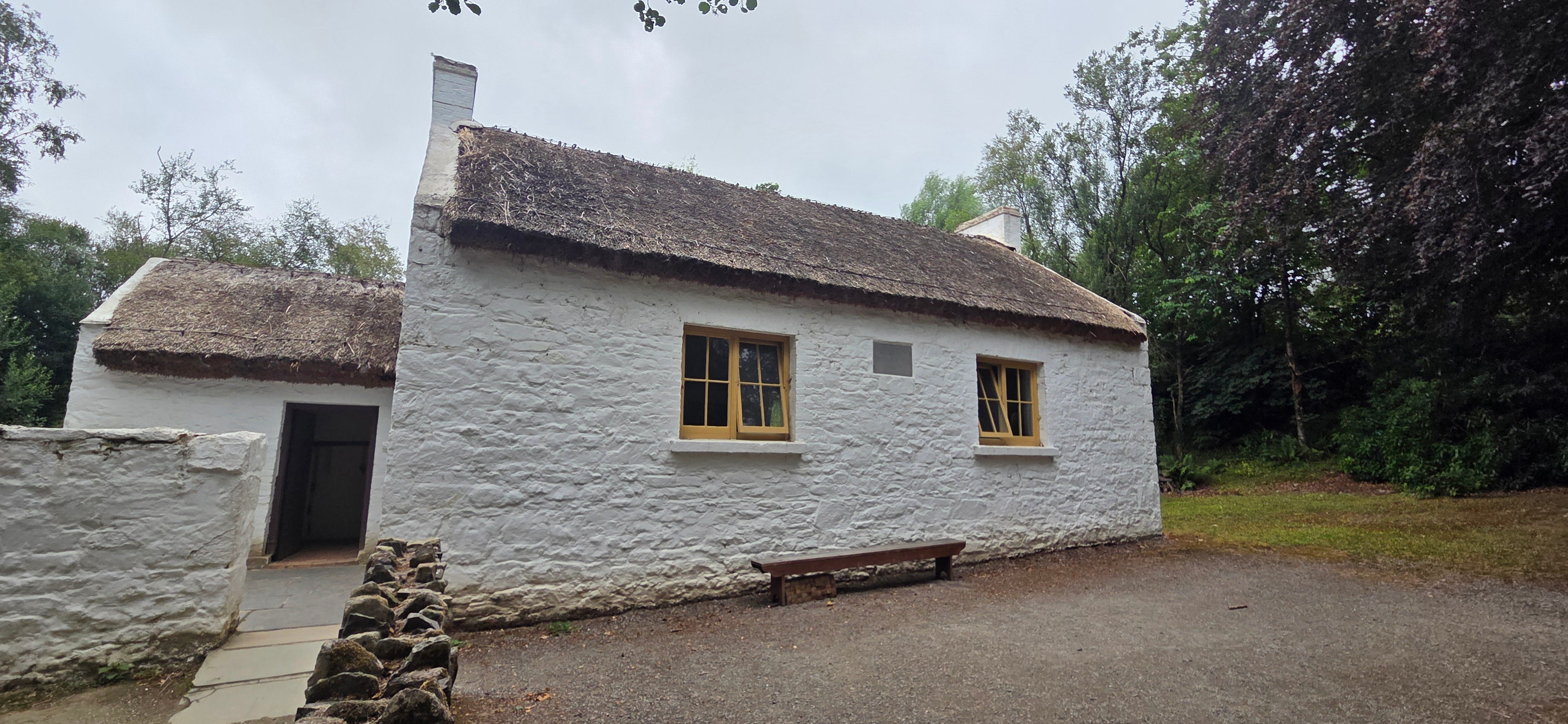
We were lucky at the first stop on the tour, a house typical of the early-mid 19th century, with a volunteer (in period costume, standing in front of a burning peat fire) who was keen to give us lots of background information, including about the potato famine of 1845-51. Potatoes had become the main crop for those farming on the smallest plots of land. Large families and limited land had led to repeated sub-division of farming plots, meaning that only single crops could be grown. Potatoes were favoured because they were nutritious (which had contributed to reduced infant mortality) and easy enough to grow. When the potato blight landed in Ireland, these farmers were left with nothing to fall back on. Under Robert Peel, some relief efforts were made, but these were abandoned under his successor, Lord John Russell, and nearly 1 million people died.
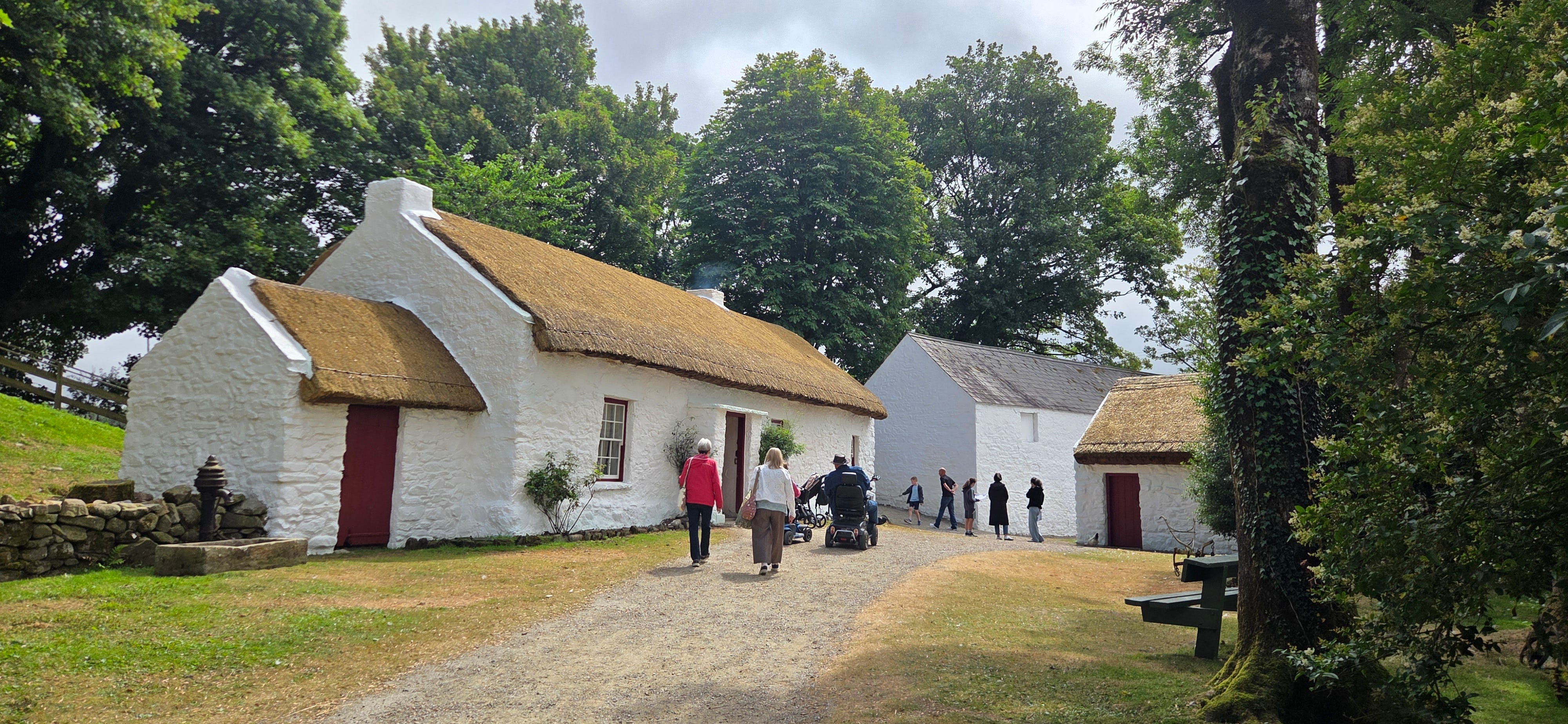
People further up the economic hierarchy were largely unaffected by the famine. If you had enough land to grow other crops, you were less reliant on potatoes. Families like the Mellons, who had several acres of land, would have been largely ok during this period. In the Mellon house, they were making soda bread on the fire, which visitors can taste. It was delicious but highlighted the contrast between the economic levels of the time.
The museum also has a recreated Irish high street with a chemist, saddlery, tailor, and printing press. There is also a pub grocer - a concept I’d not come across before. To get round some tricky licensing laws, Irish pubs in the 19th century also sold grocery items. It made for a sort of half pub/half Tesco Express situation. There is also a sweet shop that sells sweets by the 1/4, using old fashioned weighing scales to portion them into paper bags. The card machine is hidden underneath a box wrapped in brown paper and string, which I thought was a nice touch!
The museum makes a neat segue between Ireland and America. You walk from the Irish high street to the docks where you can explore a sail ship of the type that would have carried earlier settlers across the Atlantic. You come out on the other side to a recreated American high street before following the trail to the buildings occupied by Irish settlers in America.
In the context of the famine, it’s easy to see why so many Irish people would choose emigrate. It was cheaper to give someone a one way ticket to North America, than pay to support them during the food shortages. However, it wasn’t a new thing. Waves of Irish people had already gone before them from about 1815 so the precedent was there.
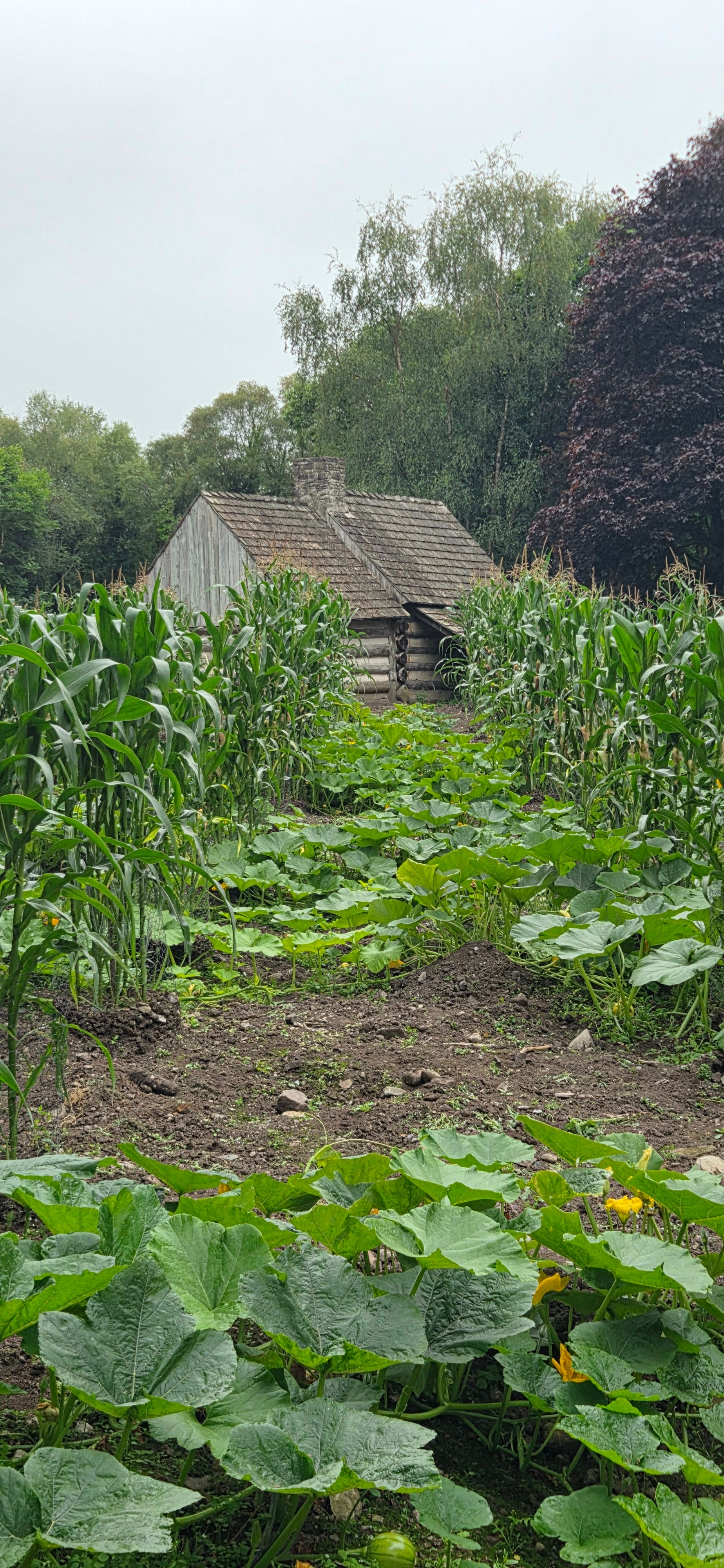
The Mellons actually emigrated in 1818 and the museum shows how they, and others like them, would have fared in their new home. Emigrants often started with relatively rudimentary log cabin accommodation before they established themselves in new work and communities.
Once they were more established, families would build larger and more impressive houses. They were able to purchase things like furniture and clothing, rather than having to rely on everything being homemade.
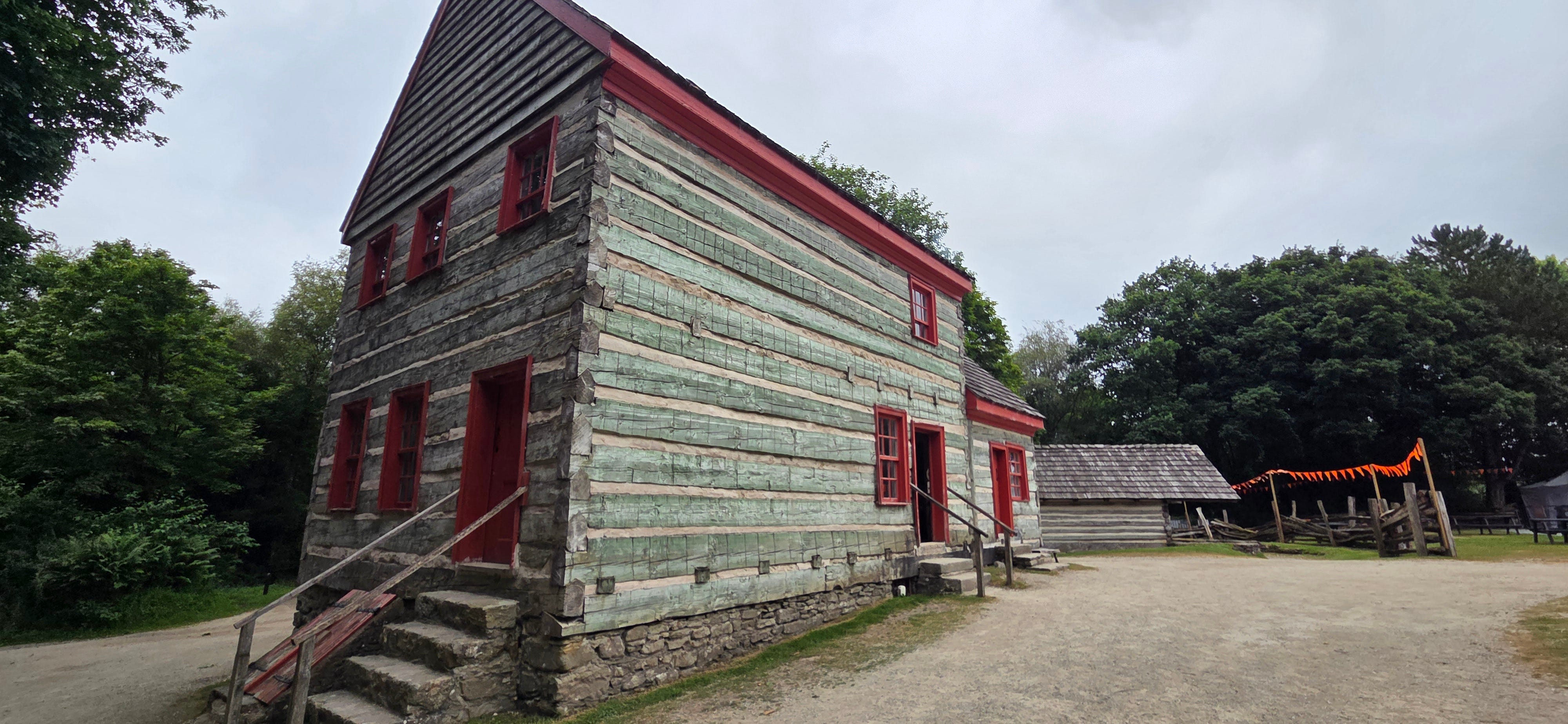
As families built wealth, they were able to build on a grander scale and exploit the resources of their new home.
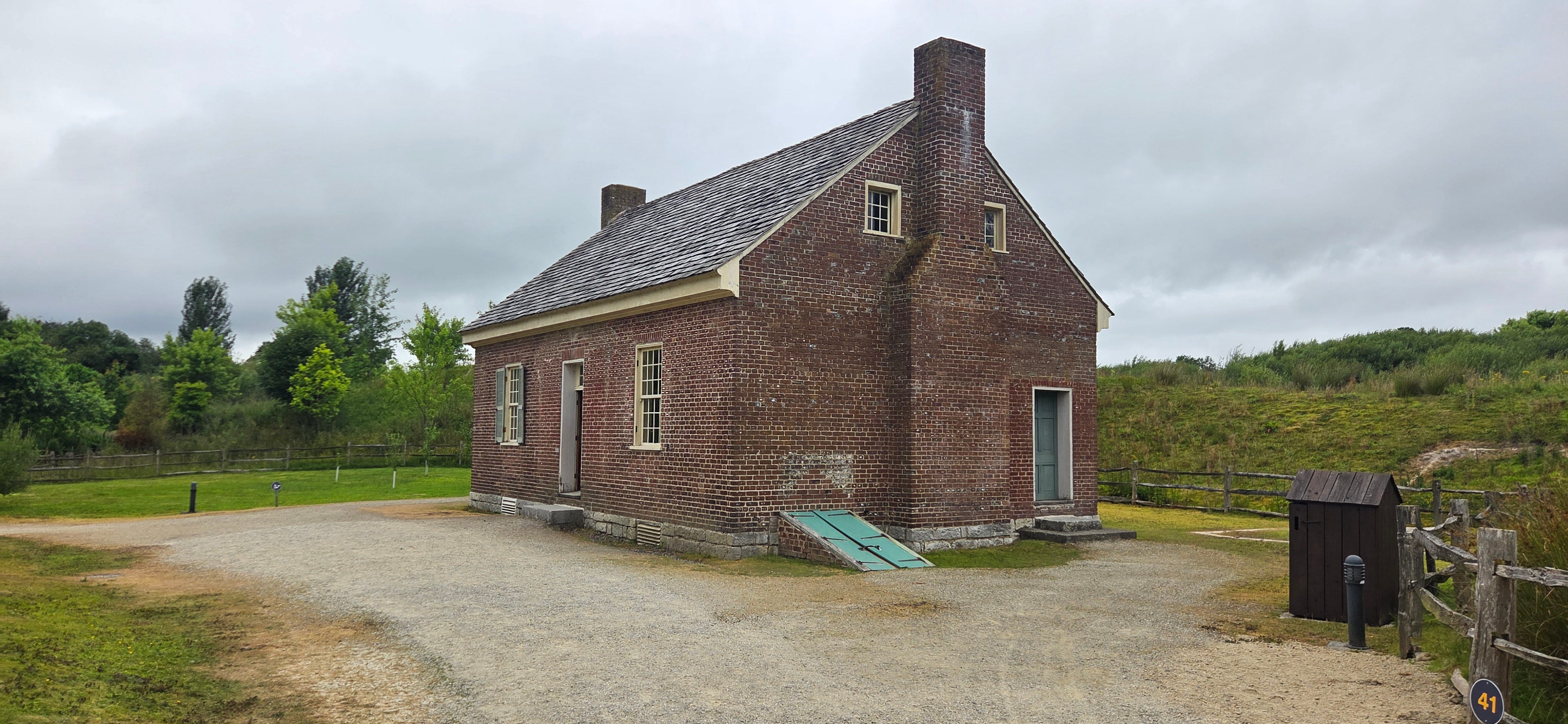
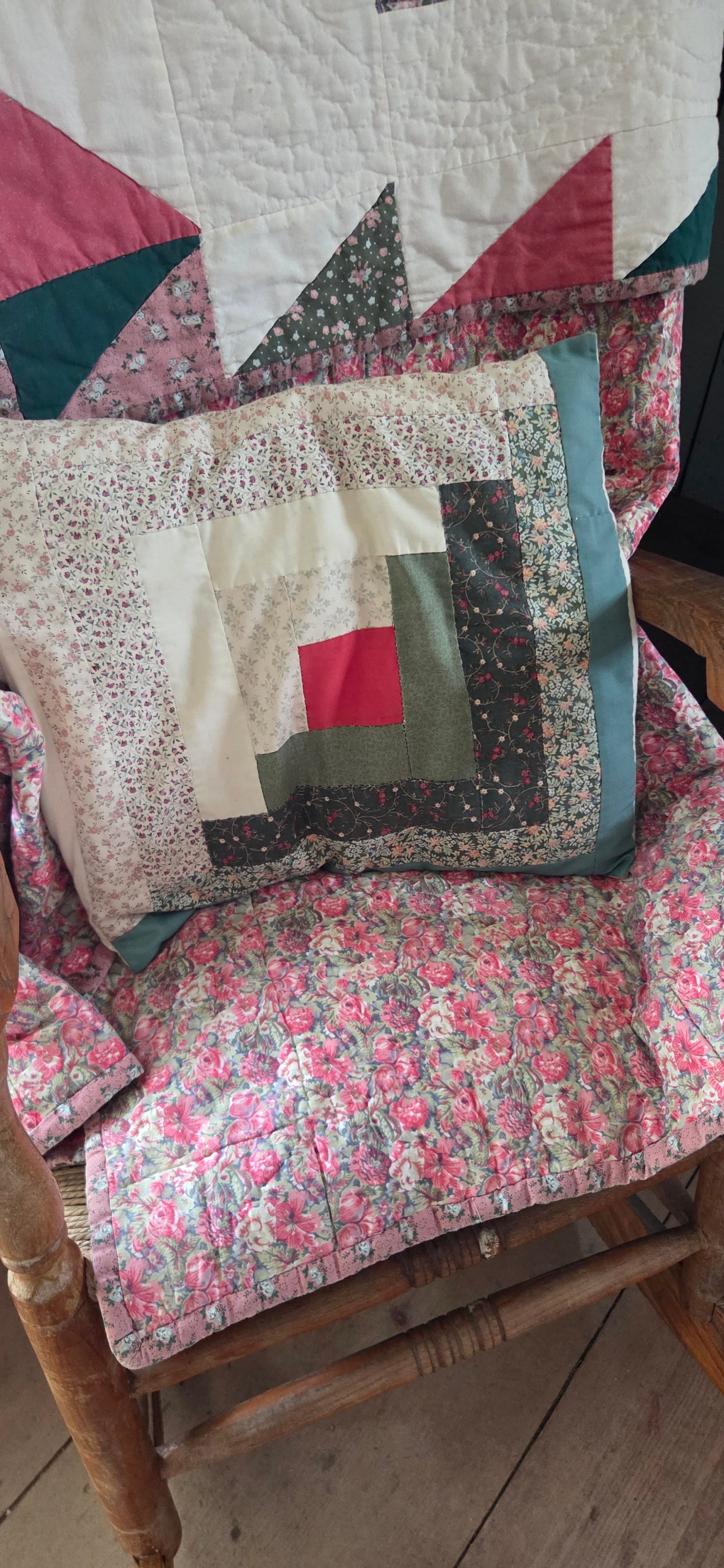
My favourite house (and story) was the porch house. A more modest, but still comfortable house that you could almost imagine living in now (if it had an inside toilet and electricity)! The volunteer there was quilting a cushion cover based on a traditional design that has a red square in the centre to represent the fire, with darker patches on one side to represent heat, and lighter patches on the other side to represent light from the fire. Her cushion cover had the same red square, but to represent home, with the dark things in life, and the light, on either side - so you always have home no matter what. I thought that was lovely.
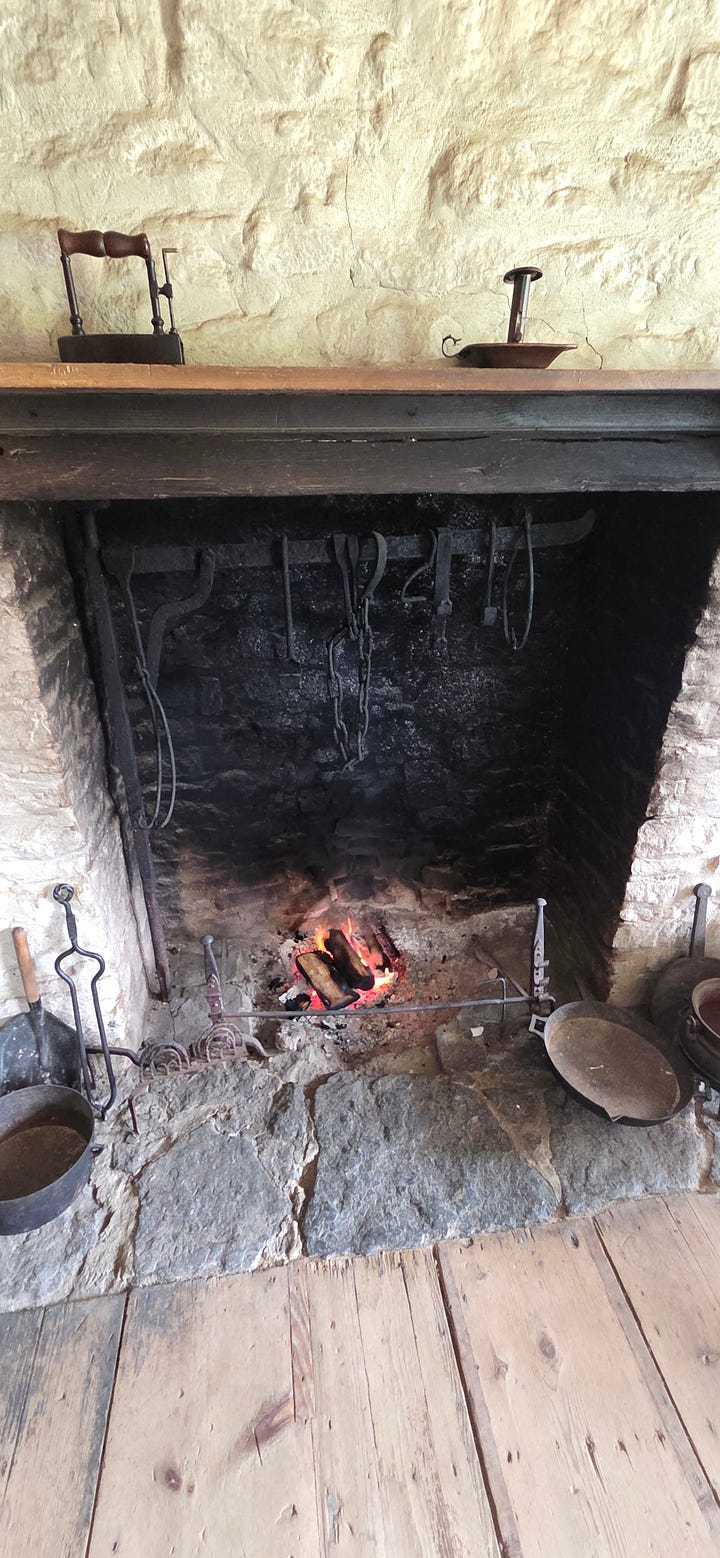
She told us that the family that lived in the house had an Irish mammy who refused to use the mod con of the stove and insisted on cooking on the open fire!

So far, so much American Dream right?
The museum is in the process of reinterpreting its exhibition to tell some of the other stories associated with Irish emigration to North America. Not everyone was successful in their new home. Some emigrants left to get away from bad debts, addictions and other negative aspects of their lives in Ireland, and didn’t escape them. Many didn’t succeed in becoming wealthy businessmen or holding positions of power like Mellon, Hughes and Campbell. And lots of people died, even before they reached North America, particularly in the early days when the journey could take 9-10 weeks in a sail ship (which could be of varying sea-worthiness).
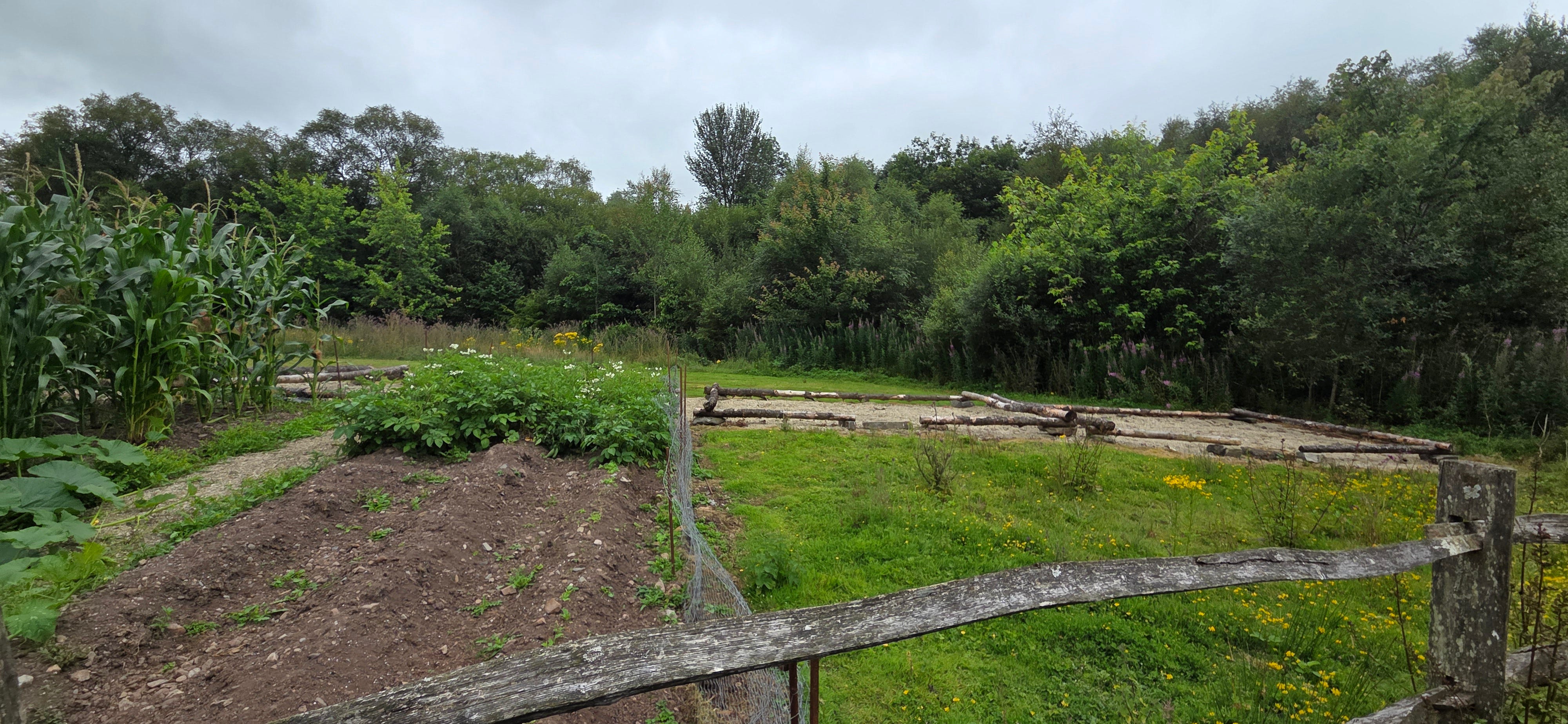
The curators are also starting to tell the stories of those impacted by emigration, including indigenous people, and enslaved people who contributed to the wealth generated by Irish entrepreneurs. At the Rogan house, the outline of the enslaved people’s cabins have been laid out to show their scale against the much larger brick house and there is a board explaining how enslaved people were exploited to run the tobacco plantation, and the household.
In the main museum exhibition at the visitor centre, new yellow interpretation panels detail key figures’ involvement with the slave trade and list the enslaved people “owned” by those individuals (including their names, where they know them). The exhibition also provides details of massacres of indigenous peopled carried out by emigrant settlers, and the decimation of the indigenous population as a result of skirmishes and diseases brought into North America by emigrants.
It’s really encouraging to see the museum acknowledge that the stories it has told have been one-sided and have excluded marginalised voices. It’s impossible to ignore these stories and the museum is making a conscious effort to do the necessary research and update its exhibition content.
I didn’t know what to expect from the Ulster American Folk Park but I was pleasantly surprised by what I found. The volunteers were excellent - knowledgeable and happy to share stories of the buildings and their occupants. The journey from Ireland to North America flowed really nicely throughout the open air section of the museum, and the visitor route was easy to follow.
We did things a bit backwards by visiting the exhibition after the buildings, but I think doing it this way made the reinterpretation piece more relevant, particularly in setting the stories of Mellon, Hughes and Campbell against the historical context.
The museum provides an authentic and evocative experience through the items in the buildings, the volunteers’ costumes, the smoke from the peat fires, and the occasional food sample! It was a fun day out, but also gave us plenty to think about.
Comments
Nothing yet. Say the first thing.
Sign in to join the conversation.