
I wanted to spend some time talking about fading affect bias to make sure it isn’t creeping in for you if you’re further along in sobriety or if that initial rush of enthusiasm has faded with time. I don’t know if you’ve come across the term yet in your sobriety but its a term that’s worth knowing. Essentially, it’s a psychological phenomenon where we have a tendency to forget the emotional intensity of past events with the passage of time and to play up good memories. This means that when we think about past events we may experience them with less negativity than we originally did.
It’s a bit like thinking back to an old relationship or being convinced back to a toxic ex just because they’ve whispered a few sweet nothings to you… we have a tendency to gloss over the bad bits and only remember the good. The challenge when you are sober is that the toxic ex is alcohol and you definitely don’t want to be going back to it. You want to remain firm.
Nothing tends to happen in the human mind without a pretty good reason for it and so I wanted to share with you some of the psychological reasons we have fading affect bias - what purpose it has and actually where it helps us. It’s important to understand why it exists so that you can ignore it when it creeps in over less helpful scenarios.

✨ It helps with regulation and resilience
Fading affect bias is actually all about maintaining emotional balance and being resilient. Think about it like this, if negative memories stayed as strong in our minds as good ones then we would be constantly re-living trauma or stress which wouldn’t be helpful at all. We’d perpetually be in distress so fading affect bias is a sort of emotional buffer for the brain, making it easier to move on when we’ve been hurt.
✨ It protects our mental health
This obviously has a protective factor to our mental health by taking the sting out of painful things. It boosts the glow of good memories so that we remain upbeat and positive which actually supports psychological well-being in the long run. This protects against ruminating over the past which is energy zapping and can lead to depression or anxiety.
✨ It strengthens our identity
As we go through life if our own personal narratives and story telling about our lives is more positive, then we have fading affect bias to thank. It actually helps us in building a more optimistic sense of self, boosts the idea of having control in our own hands to change our destiny and helps to have a better experience. Those individuals who feel like they have a locus of control (in other words they feel in control of their own destiny) tend to feel more resilient in the face of adversity and challenge.
✨ It has motivating factors
If we place more emphasis on positive memories and stories about ourselves in our mind then that also acts as a motivator for future behaviour. The opposite is also true in that dampening down those bad memories avoids stalling personal growth.
I also joke that fading affect bias also has the benefit of ensuring the human race continues to multiply as we all forget the pain of childbirth or the difficult first few sleepless months when we have a second baby. Without fading affect bias we may all stop at one child!
It’s basically your brain’s way of saying “let’s keep the life lessons but let’s lose the painful sting”.
It isn’t all bad news as fading affect bias does help with one area of sobriety and that’s concerned with letting go of those painful and cringeworthy drinking memories. They do disappear and the intensity of them will fade over time… phew… thank goodness for that! It’s often why we can laugh about something embarrassing that happened to us after the passage of time but in the moment it can feel absolutely cringeworthy and impossible to see the funny side.
It’s also why sobriety feels it’s getting easier with the passage of time… (a double edged sword).
When you’re navigating the early days of sobriety it can feel hard going. You’re fighting the wine witch on one hand and then also dealing with the emotional weight of the past which can feel heavy. Maybe you’re replaying shame from a night out with work colleagues or reliving the anxiety of not recalling what you said to someone. Those flashbacks can be exhausting and disturbing. They can also feel really intense and for a while you may feel overwhelmed by these flashback memories you’re faced with.
As time goes on though something amazing begins to happen and that’s the fact you’ll be able to think back to some of those painful times and not experience the emotional intensity, like the sting has gone out of them. You actually then get a beautiful opportunity to reflect but not be pulled under by them. This is where fading affect bias and sobriety work well together.
Those negative memories are fading faster than the positive ones and so the bad thoughts and memories lose a bit of their potency. The good feelings remain so you aren’t constantly being derailed by them.
This built in mechanism for emotional regulation isn’t denial or having a selective memory, it’s actually helping you to move forward and to become resilient. Those emotions start to fade and that isn’t because you’re ignoring them, but because your brain is doing what it’s designed to do which is to lessen the impact of things that hurt us.
This is where you need to be playing on all those positives of sobriety and making a note of them on a daily basis. Things like your first clear-headed morning, a meaningful conversation you truly remember, hitting a milestone you never thought possible—those moments stay emotionally rich. This will shift your memory bank to be filled with pride and clarity and progress. That shift is part of why sobriety often feels easier and more rewarding as time goes on.
Some amazing outcomes of fading affect bias in sobriety are:
That the hard stuff won’t always feel as heavy so give it time and your brain will heal.
You’re not weak for having those painful memories, you’re simply human.
…and you get to keep the joy of all of the amazing things that sobriety brings, front and centre in your brain (if you work at focussing on it, that is…)
However, fading affect bias can also threaten your sobriety so be wary and spot it as soon as you can. As time goes on and as we forget how bad alcohol made us feel you may start to think…
"Was it really that bad?"
"Maybe I overreacted…"
"Could I just have one or two now?"
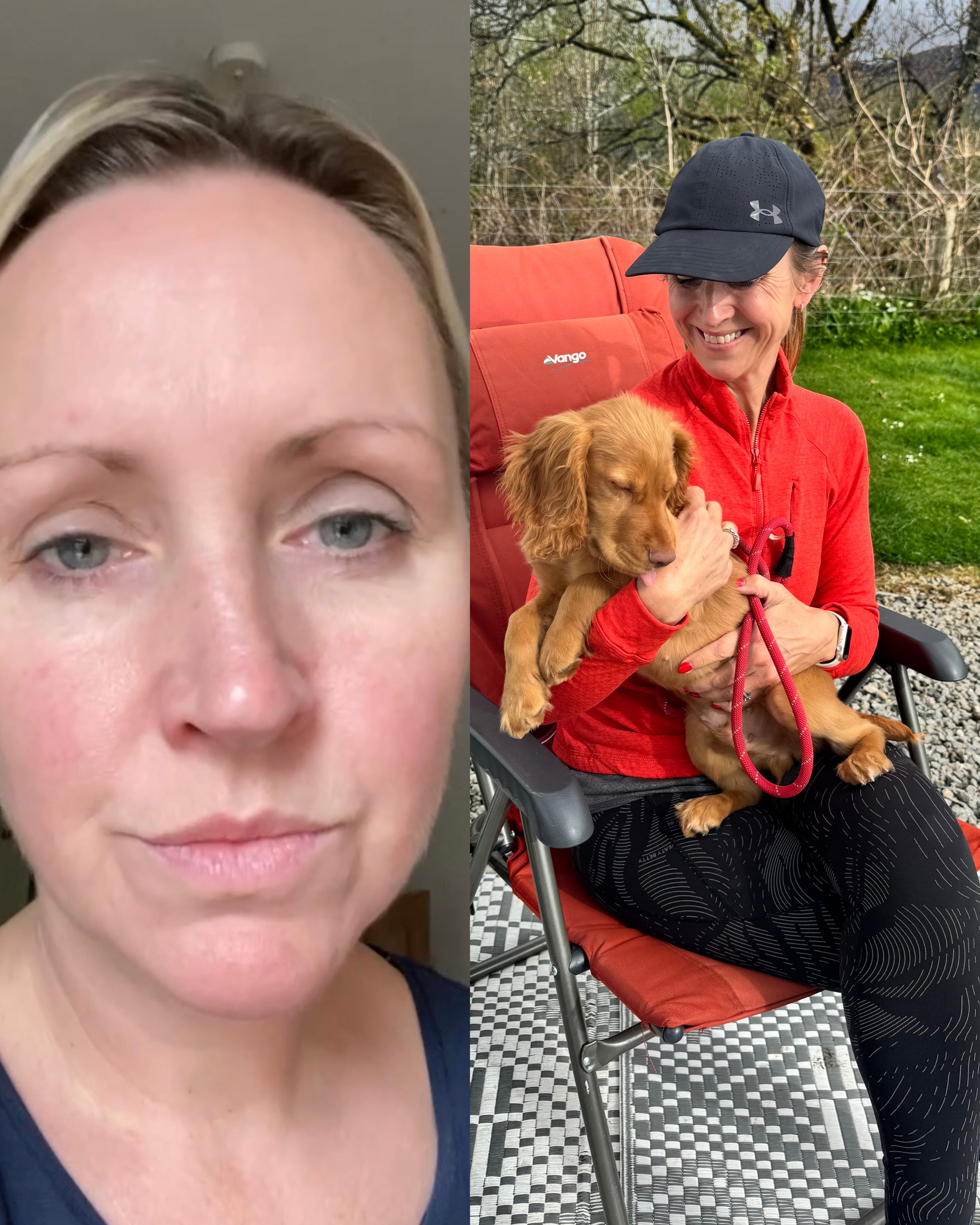
Team that with the fact that there is constant alcohol promotion and marketing telling us how wonderful it is, it would be very easy to pop alcohol back on a pedestal and to forget the truth and why you walked away in the first place.
This kind of thinking can sneak in, especially when life feels calmer, and the chaos of drinking feels like a distant memory. You may even begin to believe that alcohol seems less harmful over time than it actually was.
As you move along in your sober journey your mind may drift back to the "fun" parts of drinking like dancing with friends, laughing until you cried, the relief of that first sip after a long day because these are the memories that stay emotionally vivid.
But what about the hangovers? The messy nights? The arguments? The health worries? The anxiety? The broken promises? The regret?
Over time, fading affect bias can dull their emotional intensity, making them feel less real or serious for you. I know that I had to really be aware of this especially then when you see it everywhere in society. It’s when those awful thoughts of moderation can pop in. The moderation myth as I call it… we forget that if we had been able to moderate we wouldn’t have had to go sober in the first place!
I tried to moderate for over ten years and I think that’s evidence enough that it just isn’t possible for me. My argument is that alcohol is an addictive substance so it’s a miracle that some can moderate it but as I’ve said before, we all know those social smokers or the person who doesn’t inhale the whole bag of chocolate buttons. They do exist but it just isn’t something I even entertain. Alcohol hasn’t altered, it’s still highly addictive and we were once addicted to it, even if it was as a grey area drinker. You definitely don’t want to go back there.
Watch that you aren’t downplaying the truth about you and alcohol just because you’ve been subjected to a bit of social pressure or maybe some nostalgia has crept in. Don’t believe your mind when it tells you ‘You weren’t that bad’.
You were. It was. Don’t believe it.
✨ Keep a “sober truth” journal.
Write down the raw, honest reality of what alcohol did to your mental, physical, and emotional health. Revisit it when FAB kicks in. You can even write a heartfelt breakup letter to alcohol listing out all the reasons you’re dumping it and why you won’t be taking it back… EVER. Even for a one night stand.
✨ Talk about it
Share your memories with someone who knows your story. A therapist or sober friend can help you reality check the narrative your telling yourself and bring some balance to it.
✨ Don’t feel ashamed
Fading affect bias is natural so don’t keep it a secret if those thoughts are creeping in, see it as a signal and definitely not a setback. It’s just your brain trying to make peace with the past and it’s something you need to be hyper-vigilant about.
Fading affect bias may have the potential to make you forget just how bad alcohol was, but your body remembers, your relationships remember, and deep down, you remember. If you are spotting it creeping in then reach out to someone and talk it through, recognise it for what it is and see it as a sign that maybe you need to do a bit more work on your emotional sobriety. I’m always here to support you as well, you can have a one off session to nip it in the bud.
The process of being happy in sobriety is in knocking alcohol off its pedestal and placing sobriety on a pedestal… so keep focussed on those benefits and watch that you aren’t let complacency creep in.
Confidence is wonderful but complacency is lethal.
Sobriety is the gift that keeps giving and staying firmly anchored in your truth, not the faded version, is what will carry you forward.
Join me in the comments…
If you’d like a session 1:1 with me to talk about sobriety or any other challenges you’re facing that you’d like support with, head to my website and send me an email or message me on here.
Louisa Evans is a UK-based practitioner specialising in behaviour change and helping people change their relationship with alcohol. With a background in Cognitive Behavioural Hypnotherapy and a Master’s degree in Psychology, she combines psychological understanding with practical, compassionate support to help people build self-trust, develop healthier habits and create lasting change.
Her work is informed by psychology, cognitive behavioural approaches and hypnotherapy, with a focus on making complex ideas accessible and practical. Alongside her one-to-one work, Louisa is the creator of online courses, a podcast and educational resources designed to help people understand themselves better and make meaningful, sustainable changes in their lives.
She is a Graduate Member of the British Psychological Society (BPS), a Senior Member and Registered Supervisor with the ACCPH, and a registered member of the General Hypnotherapy Register (GHR). Through her clinical work, writing and teaching, she has supported thousands of people to build confidence, strengthen resilience and create lasting change.

No posts
Comments
Nothing yet. Say the first thing.
Sign in to join the conversation.