
Gorham Street
Cambridge Mass
Dear Morris,
This morning I came over to Cambridge and found your letter at the Hall. Of course the first thing I did was to read it. I want to see you so much. The nursery maid is rather absent minded because she will think of nothing but you.
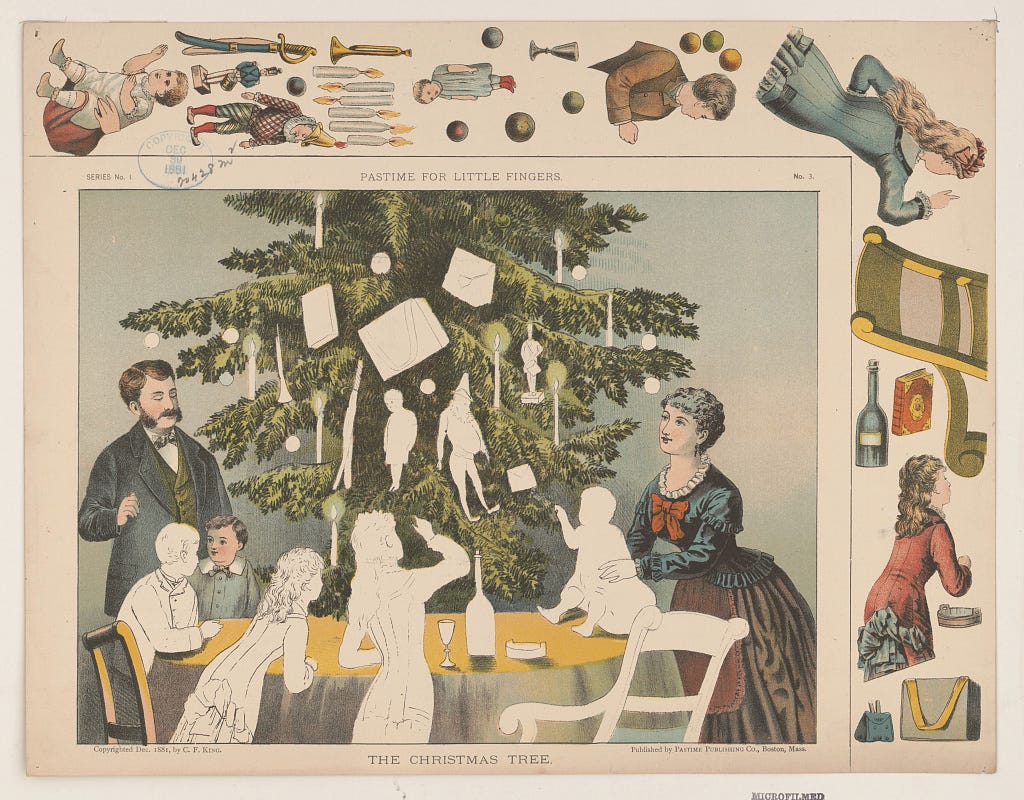
The children are playing games on the dining room table — and jump around so that I expect the ink will spill. I am so tired that I am glad school begins tomorrow. My numerous relatives have tried to make my vacation pleasant but the only nice part was your visit. None of the girls had come back to the Hall this morning. They will be there for dinner tonight. Mable is not coming back for a week.
My small cousins have finished their game or rather tired of it and are writing letters. More work for the nursery maid for I am supposed to be a dictionary for one and an audience for the other. Is it very good for one to do what she does not want to do? I did not want to stay with the children this afternoon. There were dozens of things that I did want to do at the Hall. The girls say how very nice it is for me that I have relatives to visit. I suppose it is true but when one has small cousins who prefer that one and weep if one does not go to see them every Sunday afternoon and when one has two aunts who want one to come and see them every two weeks and several other relatives very sensitive who have invited one to see them, then relatives are a little of a nuisance.
I am such an old grumbler and you are such a patient boy. My aunt has come home and I must go over to the Hall so with love,
Yours,
Ethel.
This letter — the final letter of the holiday break — is unguarded, and more revealing for it.
She wants to see Morris. She says so plainly. The “nursery maid” is absent-minded because she thinks only of him.
But beneath the affection is fatigue.
Vacation has not restored her. It has obligated her.
Small cousins weep if she misses a Sunday. Two aunts expect biweekly visits. Other relatives, “very sensitive,” extend invitations that cannot easily be declined. In theory, relatives provide warmth and continuity. In practice, they make demands.
Then comes a question that feels larger than the moment:
Is it very good for one to do what she does not want to do?
Throughout 1893, Ethel has insisted on independence. She bicycled through Cambridge, attended concerts, built friendships, and held her own opinions. Now she confronts another truth of adulthood: independence does not erase obligation.
She calls herself “an old grumbler.” She calls Morris “such a patient boy.”
The self-critique is affectionate — but also honest.
The winter holiday — and 1893 — closes not with drama, but with clarity. She is loved. She is needed. She is tired.
And she is still writing.
Historical Note
Ethel’s 1893 winter holiday letters are filled with references to aunts, cousins, and the overlapping households of Somerville and Cambridge that shaped her first holiday season away from Milwaukee. In the months ahead, two portrait posts will introduce these families more fully — the houses, the faces, and the expectations that surrounded her during her first full year away from home.
—
Image: Library of Congress, Popular Graphic Arts Collection. Popular Domain.
New here? Start with the Welcome, or navigate the correspondence through the Letters Index.
[TLC-1893-50]
Comments
Nothing yet. Say the first thing.
Sign in to join the conversation.