
It’s odd the things we remember during the worst times, the moments we can’t forget, then return to over and over again.
The traumatic memories of course.
But also the events that might otherwise be unremarkable: the ordinary, the simple. These too arrive during struggle. They materialize like a sandstorm—a blinding, suffocating wall of memory particulates. As if to say: I am sacred too. Don’t forget me.
A few days after my arrival at Toronto’s St. Michael’s Hospital ER, I awoke in their Medical-Surgical ICU. While I moved between states of consciousness, unable to move or speak, recent memories filled my mind. Memories of movement and activity, of time spent with my children—swimming in the lake at a friend’s cottage, camping on my parents’ rural property, cheering for them while they played soccer and T-ball.
And other ordinary—extraordinary—moments too.
Just three weeks earlier, the healthy, upright version of myself had been enjoying a mini-vacation away from work and parenting. G—my then-husband—had been offered a juror role at the Cannes Lions International Advertising Festival. My parents drove from Ottawa to Toronto to care for our boys, then six and four. It seemed like the perfect getaway for a busy couple: a few days on the coast to unwind, catch our breath, and spend time together. And alone.
While G fulfilled his juror duties, I took solo morning runs along the Boulevard de la Croisette, then explored a quieter Cannes, where, just two weeks earlier, the bistros and brasseries had been filled with celebrities attending the more famous Cannes Film Festival.
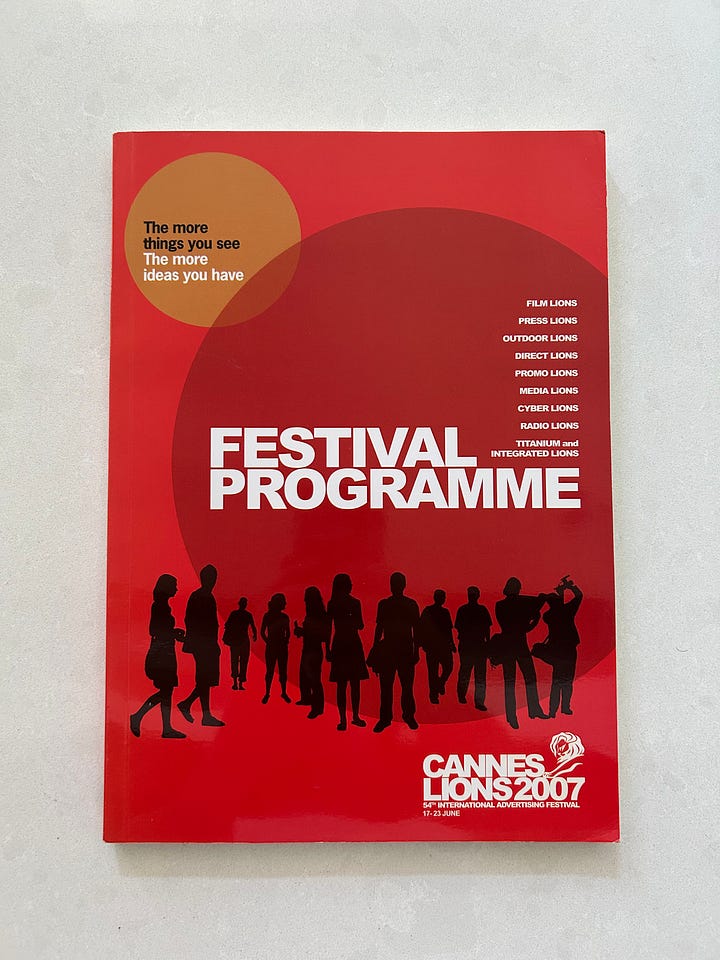
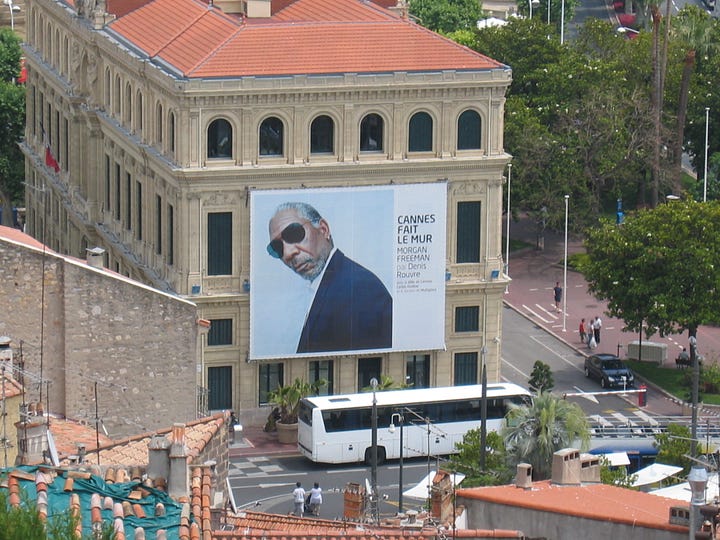
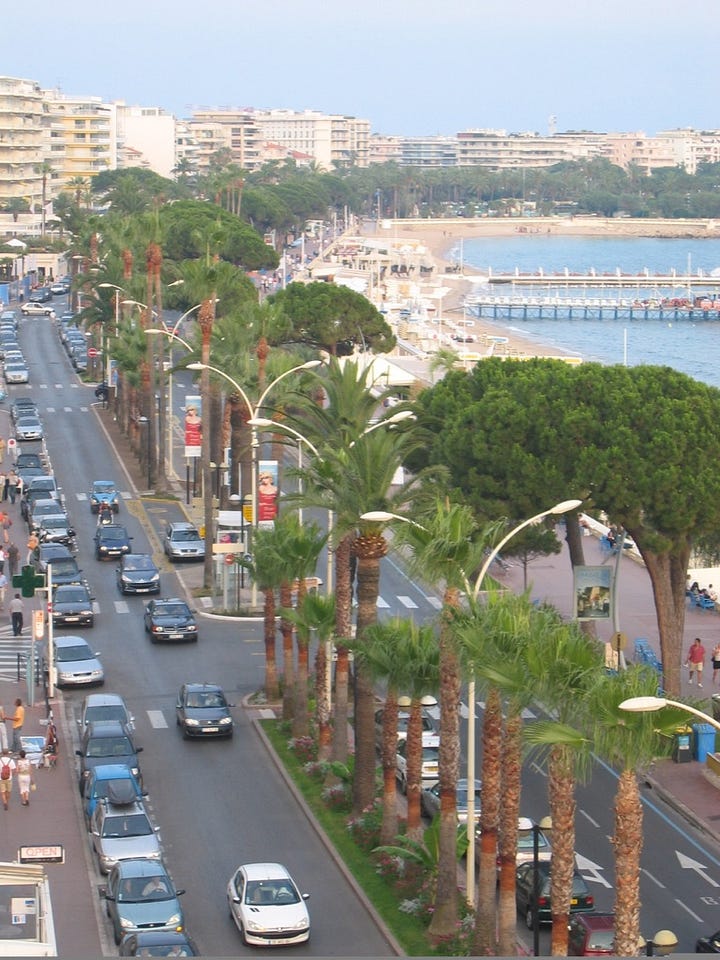
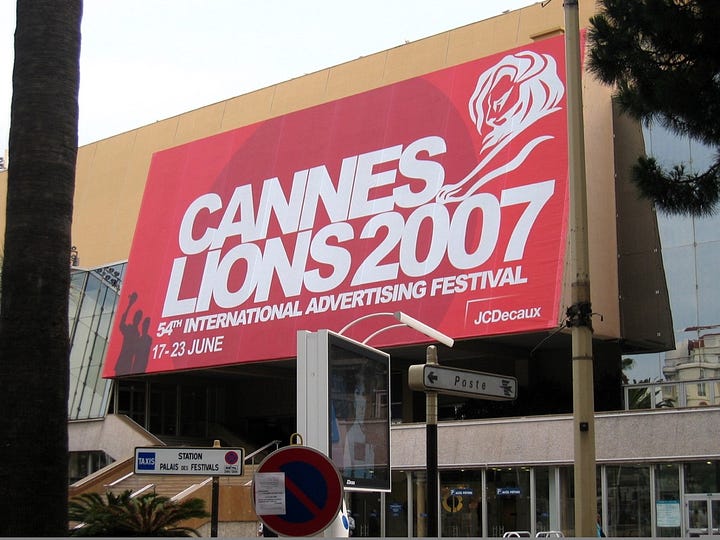
One afternoon, I boarded the coastal train—the one locals affectionately call the Zou!!—and travelled along the Côte d’Azur to Nice, then onward to Monaco, a fifty-eight-minute journey.
I spent the afternoon wandering alone, following narrow streets that climbed above the Mediterranean, lingering near Monte Carlo’s harbour, absorbing the impossible beauty of a place I’d never imagined visiting.
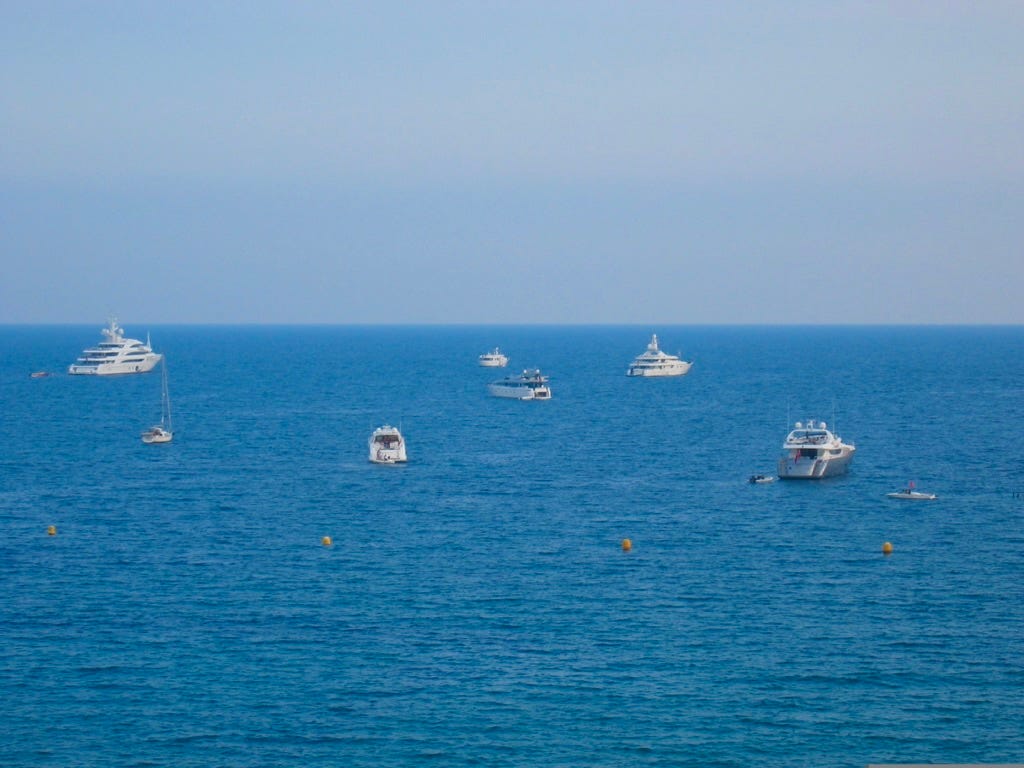
If I’d known it would be my last time there—in that city, on that continent, as a person with four working limbs—I might’ve sat longer by the sea and wandered, with less hurry, those medieval pedestrian avenues carved into the cliffs.
I might’ve taken more than a dozen photographs, capturing places and sights beyond the docked yachts and luxury cars I clicked for my boys’ enjoyment when I returned home. The cars I knew they would recognize by their logos, parked outside Place du Casino and slowing through the hairpin turn below the Fairmont Hotel. The Ferraris and Lamborghinis and Bugattis that, to me, were simply shiny and sleek, painted in primary colours. I might have taken a single selfie, my body still intact as I perched along the high road, the still, even sea behind me.
I might’ve stopped checking my watch, worried G might be concerned if I failed to return to Cannes, to our hotel, in time for dinner. Because, in all likelihood, he wouldn’t have worried at all. He, in his laissez-faire, almost careless relationship with schedule, would have gone about his evening freely, with no expectation of my arrival or any need for us to dine together. It was I who was prone to the anxiety of timelines, of being reliable, of showing up when and where I’d said I would. It was my urgent nature to both witness and compress the visit into minutes. As if to say: I’ve been to Monaco. I’ve caught a glimpse of the wonder. A half-dozen photos of yachts and luxury vehicles. That’ll have to be enough.
But I missed my boys terribly that day, my solitary day, three weeks before the paralysis set in. My mind wasn’t present in Monaco. It was back home with them. And so the snapshots reflected what they would want to see of my travels rather than what I myself might’ve chosen to remember.
Looking back, I can’t help but wonder if that day was already teaching me something about longing and distance.
I’d left my cell phone at the hotel. I couldn’t be reached. There was a freedom in that—a freedom I’d failed to recognize, one I might have savoured had I known then that I would never again experience that same kind of physical autonomy. Never again step so casually onto a train, wander into another country for the afternoon, or climb a steep road because I could.
Had I known, I might’ve lingered. I might’ve looked less at the time and more at the sea. I might’ve taken a photograph of myself to better remember myself by.
Yesterday, July 13th, marked nineteen years since I acquired Transverse Myelitis. There are so many things about that day I will never forget. Then there are the things I learned afterward—the details that still feel strange to reconcile.
The local hospital closest to my home couldn’t take me for reasons I don’t recall, so I was transported downtown to St. Michael’s Hospital. That decision may have saved my life.
And then there was Hilary.
She wasn’t supposed to be there. There was no reason she would’ve known I was there. But somehow, my childhood friend—the person who knew me before my life split into a before and after—appeared at my ER bedside. And because she was there, I had an advocate. I received exceptional care from someone who understood both the medicine and the person lying in that bed.
The timing still feels extraordinary. July 13th was also the day Hilary’s dad died. Yesterday was the 41st anniversary of his death. Both Hils and I have often wondered about that coincidence. Had he somehow guided her there? Had he found a way to reunite us when I needed her most?
As always, thank you for reading 🔥 Little Flames and for supporting my writing. I’m deeply grateful for this community.

No posts
Comments
Nothing yet. Say the first thing.
Sign in to join the conversation.