
Welcome to Little Flames Contributor Series—a space for stories of resilience, reinvention, and creativity.
June is Transverse Myelitis (TM) Awareness month. In recognition of this rare, debilitating, auto-immune disease, Ladan and I talk about navigating Ontario’s layered health care system, her goal to return to work, disease misconceptions, and our shared gratitude for physiotherapists.
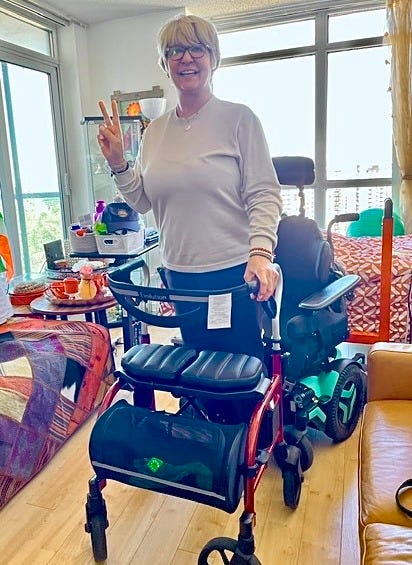
Name: Ladan Lashkari
Superpower: Clinical intelligence + lived experience. Ladan bridges clinical literacy with patient embodiment. This dual lens gives her authority and precision in diagnosing what the system gets right and wrong.
My Favourite LL Quote: “There really should be a system that sends a patient summary to all neurological hospitals—at least within Ontario, if not all of Canada.”
THE INTERVIEW
Melissa: You described how sudden and life-changing the onset of your Transverse Myelitis (TM) was. As a nurse, and now as someone who has gone through this as a patient, what do you wish doctors, nurses, or the general public better understood about TM and its impact on someone’s life?
Ladan: Around 1,400 people worldwide are diagnosed with TM every year. Because it is so rare, most hospitals in Canada rarely see TM patients, so many neurologists don’t have exact answers when it comes to recovery.
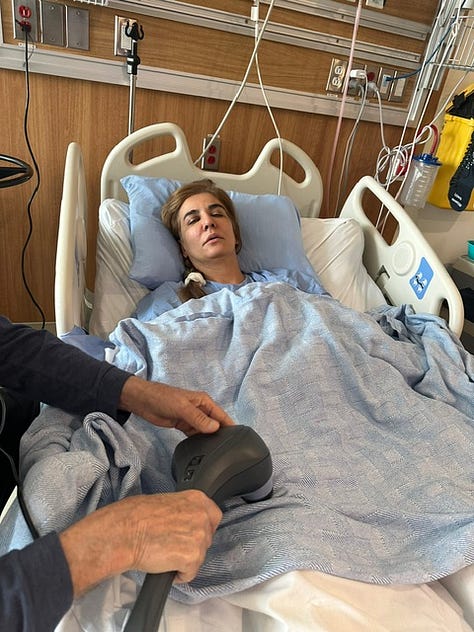
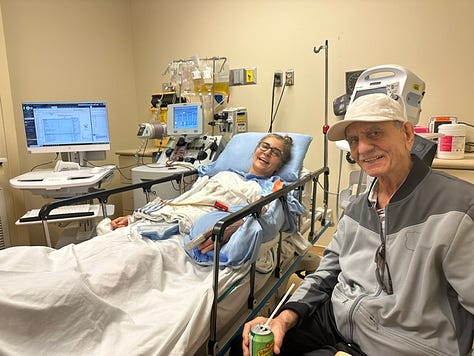
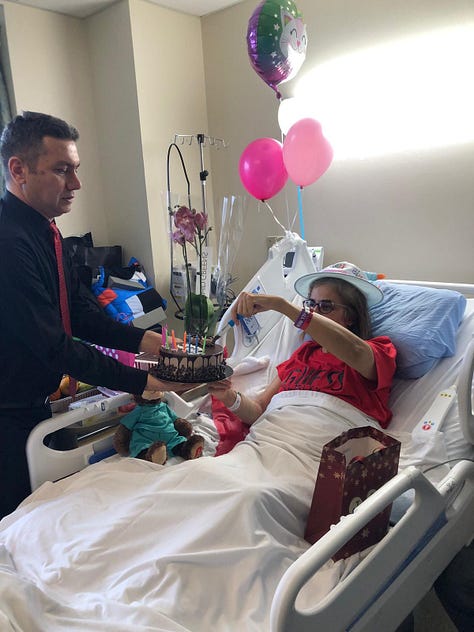
For Doctors: I had a terrible experience in the neurology ward. After I had already been admitted for three weeks, a junior attending doctor came into my room for the first time. Right after introducing herself, her first question was, “What is your expectation at the end?” I was shocked but answered, “Of course, I want to stand on my feet and walk again.” She bluntly replied, “Unfortunately, you will be wheelchair-bound for the rest of your life.” The room started spinning. I began screaming at her to leave my room, telling her I didn’t want to see her ever again. I completely lost hope, had to see a psychiatrist, and was put on antidepressants. When I was transferred to rehab, I couldn’t bring myself to do any activities for the first few weeks because of the severe shock, depression, and hopelessness her words caused.
I wish there was one centralized global centre that collects data on TM patients worldwide, so cases could be easily shared and compared.
I had to fight hard for a second opinion. It took my neurologist way too long to send a referral to a doctor at St. Michael’s. There really should be a system that sends a patient summary to all neurological hospitals—at least within Ontario, if not all of Canada.
For Physiotherapists: A shortage of hospital physiotherapists severely delayed my early recovery. By the time I transferred to rehab (Lyndhurst hospital), both of my calves had already suffered from muscle atrophy.
For Social Workers: Having a knowledgeable social worker is a vital asset. When preparing to discharge from Lyndhurst, I was unable to live independently. My first social worker recommended a modified group home apartment. When I explained that my employment income (EI) could not cover this alongside my existing mortgage and expenses, she callously suggested I sell my apartment.
Fortunately, the senior social worker returned from maternity leave. She immediately resolved the issue by introducing me to a transitional care program fully covered by OHIP.
Patients need an information handbook covering critical resources, including:
Income Navigation: Clear, step-by-step guidance on transitioning from Short-Term Disability (STD) to EI, and then to Long-Term Disability (LTD).
Information on the Centre for Independent Living in Toronto (CILT) Direct Funding program to secure [self-directed] home care.
Pension Impacts: Clear answers regarding what happens to healthcare retirement contributions during medical leave.
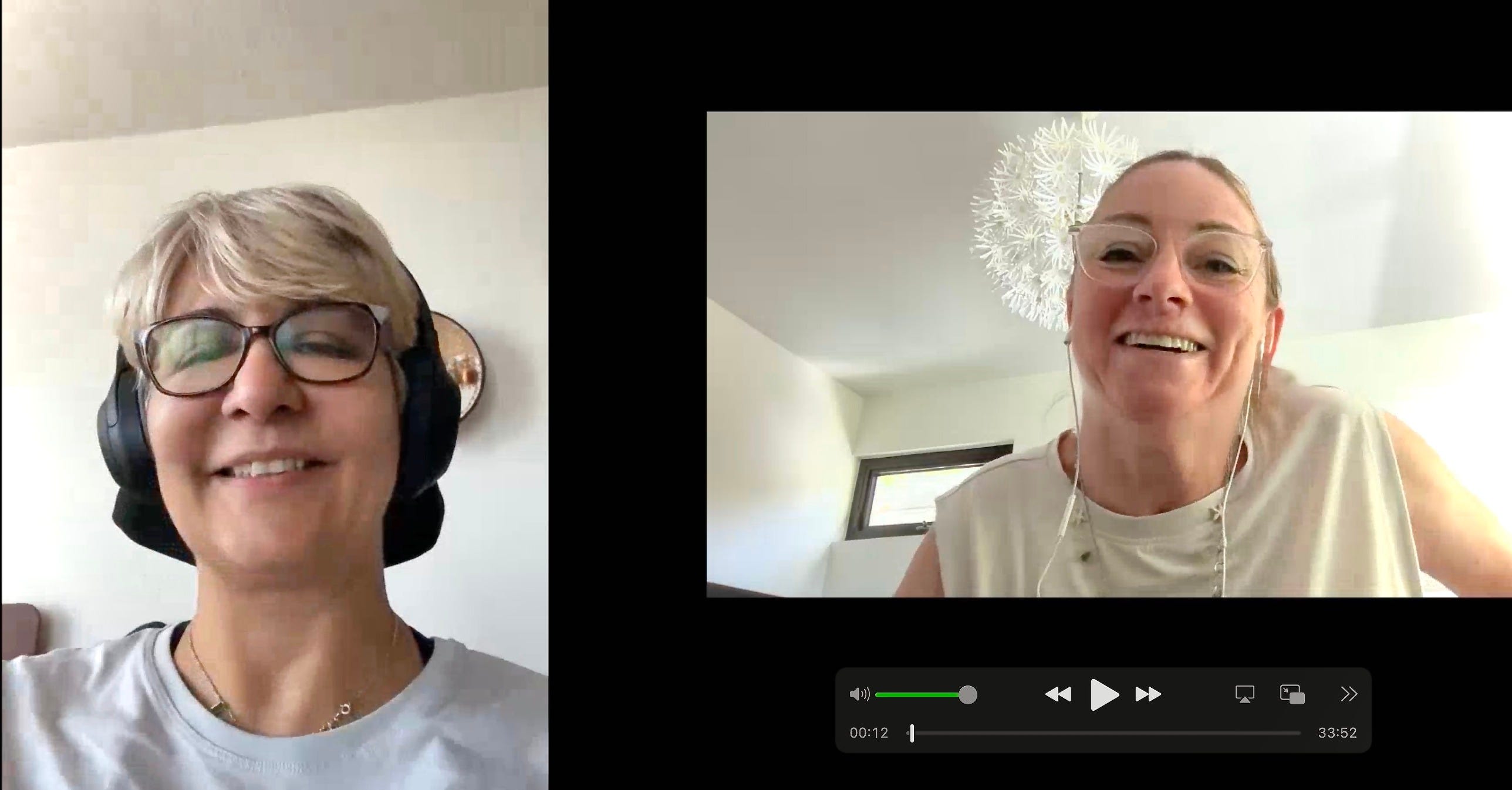
Melissa: You’ve talked about your strong desire to return to work and the barriers you’ve faced with long-term disability and workplace attitudes. What does an ideal return-to-work plan look like for you, and what kinds of accommodations or mindset shifts do you think employers need to make for people with disabilities?
Ladan: [Returning to work] has been a goal of mine—a motivation to improve and work hard after my long-term disability.
In my last few calls with my long-term disability coordinator, we mainly discussed my plan for returning to work. He explained the need for physiotherapy sessions and assessments and mentioned starting back on modified hours. However, during the final call, he informed me that my long-term disability would be extended until age 65. This was upsetting because they made such a significant decision without involving me or conducting a thorough assessment to evaluate my cognitive and physical abilities.
Frustrated, I called [my insurance provider] to lodge a complaint and requested the forms for my doctor to complete for my return-to-work assessment. A case manager reviewed the forms with me, asking a few questions. She said she would contact my workplace to discuss accommodations and promised to follow up with me. Right now, I’m waiting for her update.
Melissa: Are there any common misconceptions about disability, recovery, or your condition that you find particularly frustrating? And are there questions you wish people would stop asking—as well as questions you wish people would ask more often?
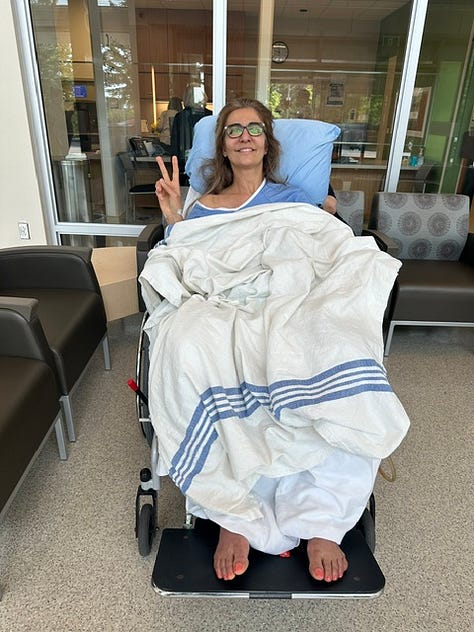
Ladan: Most people assume that if they see someone in a wheelchair, it’s due to a car accident or a serious fall. They are often shocked when I explain that my paralysis resulted from a respiratory infection. Many have never heard of such a cause, which is why I appreciate when they ask about my experience.
As a nurse with a background in cardiology and oncology, I was unaware of how a respiratory infection could lead to paralysis until it happened to me. I want society to learn more about this, and I enjoy explaining my situation to others. I often tell people that if they find themselves in close contact, especially with someone sneezing, they should wear a mask to prevent infections.
Melissa: We share a huge gratitude for our physiotherapy teams in getting us back on our feet, rebuilding movement, and keeping us motivated long after typical medical expectations. Can you tell me a bit about your relationship with your physiotherapist Gillian? What makes her approach so meaningful to you, and how has her support shaped your recovery and outlook?
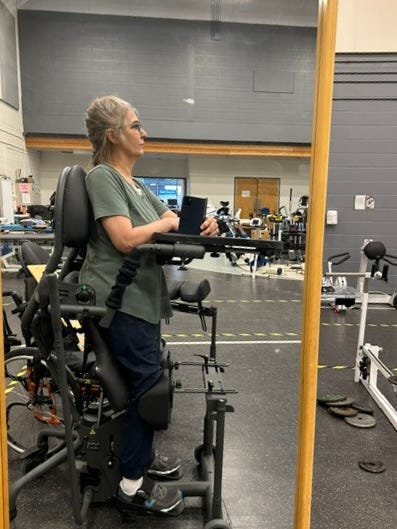
Ladan: Now we reach the highlight of my journey: my time with Gillian. She was not my main physiotherapist, but she filled in when my physiotherapist was away a couple times. From the start, I felt comfortable with her. Her positive energy and encouragement, even for small achievements, made a significant impact. I was amazed at how she highlighted my progress, often making me realize, “Wow, I did that!”
Meeting her truly felt like a miracle. After I was discharged, I heard about Gillian and her private practice, and she goes above and beyond for her patients. Her creativity in finding equipment and methods to help was inspiring. She showed me that despite the challenges, there is always room for growth.
Gillian’s positive energy motivated me to work hard towards my goals. Though I still have a long way to go, I’m heading in the right direction, thanks to her support. She is truly a blessing, and my family and friends who know her consider her a miracle worker.
Notes from Mel
This month marks one year of Little Flames on Substack.
I want to say a heartfelt thank you for being here with me over the past year—reading, responding, and sharing.
I have some exciting news coming soon, and I can’t wait to share it with you.
Before that, I’d love to hear from you:
Know someone looking for a passionate, exceptional neurological clinician or just want to read more about Ladan’s physiotherapist Gillian Johnston? Check her out here. (Side note: Gillian was also one of my physio champions when I was a patient at Lyndhurst 2007-8. I’m hoping to interview her for a future series).
Read more about my collaborative interview process here and here.

No posts
Comments
Nothing yet. Say the first thing.
Sign in to join the conversation.