
If someone forwarded this to you, subscribe here! If you want to get in touch, email here!
Read more from our Ten Questions series.

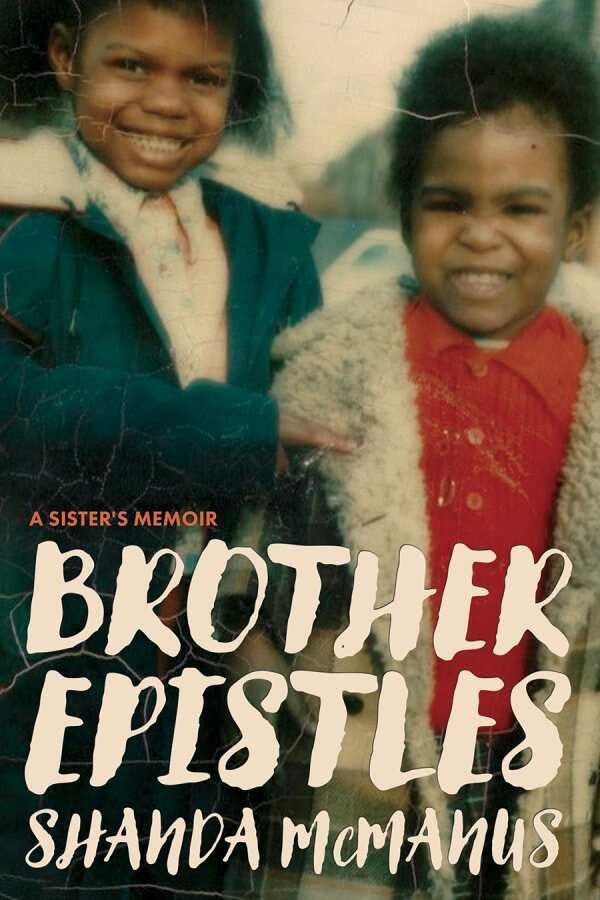
I had just finished a draft of my first full-length manuscript. That book told the first of my chaotic childhood and losing my mother to cancer when I was fourteen. Afterward, I had a deep longing to just talk to my brother, the only other person who had lived through those experiences. I started writing him letters talking of our past together and my life without him. I wasn’t writing a book, but a friend of mine asked me what I was working on after a few months, and she said, “You know, I think that’s a book,” so I looked over what I had and said, maybe?
The initial drafting unearthed the long-buried grief over my brother’s death, and I had to face the painful circumstances of homicide, grapple with the overwhelming feeling of loss, and allow myself to feel all of it. I was fortunate to have incredible support at home as I traveled to those dark places of grief. And as the work progressed, I began to be able to hold other things alongside the grief that I had been disconnected from, like my brother’s laughter, teasing, and his love. That powered me through completing the manuscript and beyond as I continue to share his story.
I decided to change a few names in the manuscript. These were people I did not want to explicitly name for their privacy and, honestly, to keep the peace. I think I was able to maintain the integrity and purpose of the work without causing potential distress.
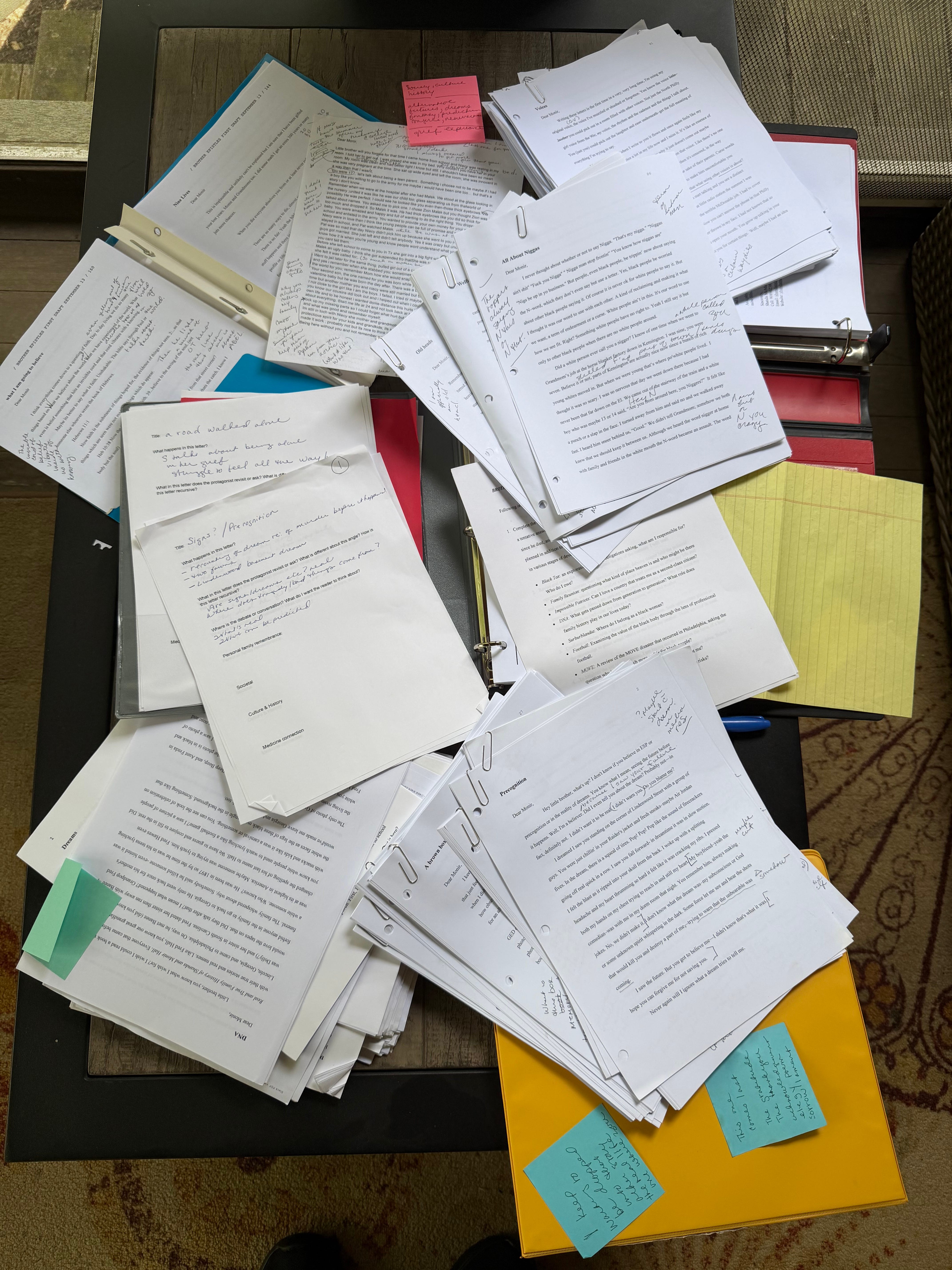
What I discovered by writing this very personal story of my brother’s life and death was how structural and societal forces in America funnel young Black men toward dying by homicide. The leading cause of death in Black males ages 15 to 24 is homicide; my brother was twenty. As a physician, I knew that urban gun violence was a public health crisis, but the writing really allowed me to see and appreciate the fact that the causes are so much more than personal choices and decisions.
I felt a sense of completion in my spirit. Almost like when I make a bed, there’s a point for me when I know those sheets and blankets are as smooth as I can make them.
Managing time in a memoir is a common challenge. There is so much time hopping you have to do to tell the whole story. For me, the epistolary form helped me navigate this aspect. A letter is modeled on a conversation between two people, and naturally, when you’re talking to someone one-on-one, you can smoothly move through time with a few conversation clues.
In January 2020, I signed up for a pilot incubator program with book, inc. This small group kept me accountable and sustained during the pandemic. I was working as a physician during that incredibly dangerous time, and my creative community was restorative, helping me generate work. Before that incubator, I had never written anything over two thousand words.
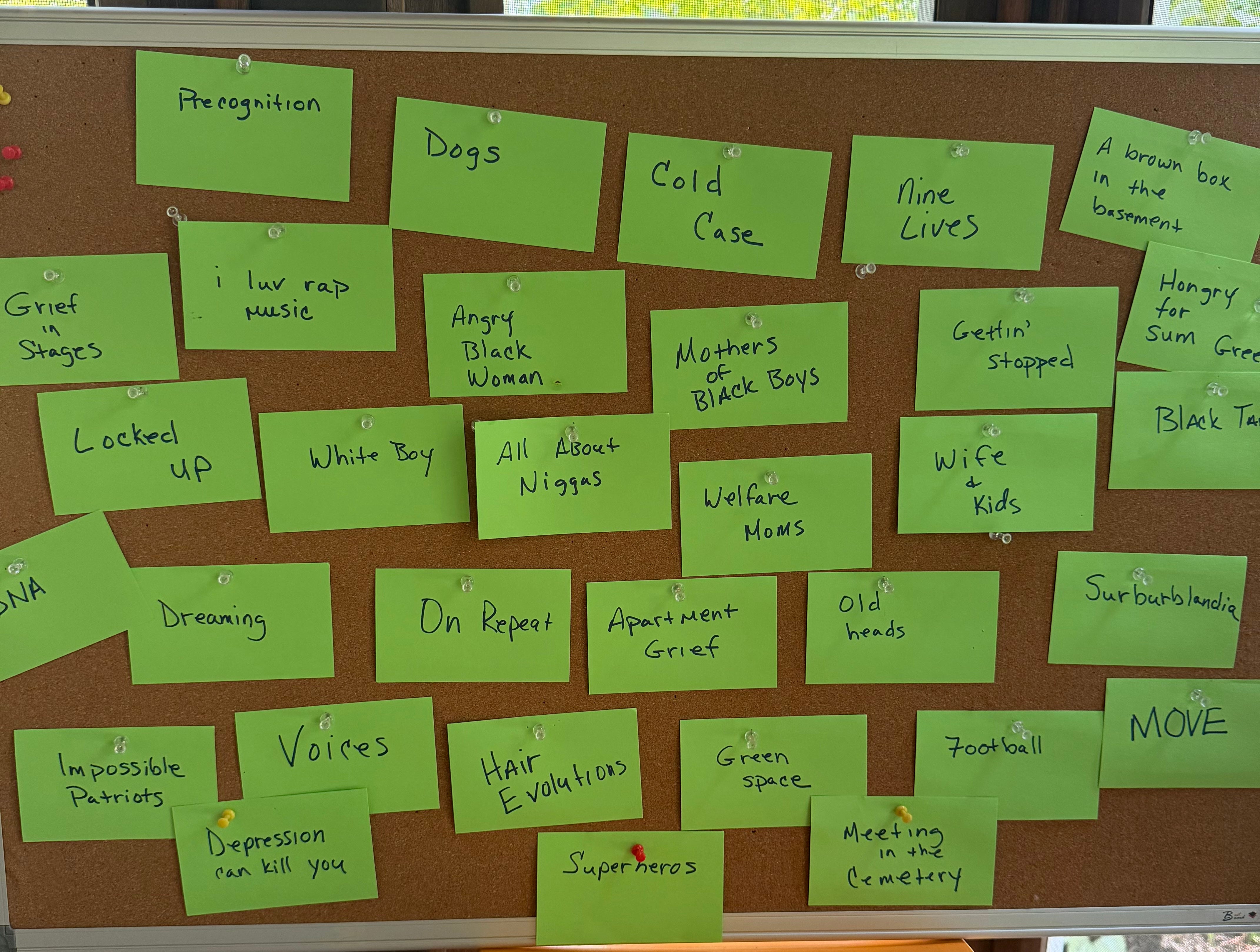
My local writing community provided support, encouragement, and trusted readers for this book. I would not have a book without these priceless people cheering me on. I think the number one resource that writers need is support from other writers.
I wish I had known with more certainty that the epistolary form was a valid form for my story. I feel the book chose the letter format, but at first, I wasn’t sure I could get a book accepted written entirely that way.
I write for myself first and foremost. In writing I am always traveling toward understanding and or integration of experiences and feelings. Writing allows me the space to question and examine. But also in writing for myself as a Black woman, I am writing for those past and present whose stories remain untold or erased.
This is an exclusive extension of our Ten Questions interview for paid subscribers. After sharing their writing life and creative practice, each featured writer leaves our community with one prompt, exercise, or piece of advice that has helped them get unstuck, stay curious, or deepen their work.
Consider it an invitation to learn alongside the writers we feature, to experiment with new approaches, and to discover what becomes possible when inspiration turns into practice.
Loved this interview? Consider becoming a Community or Studio(+) Member. Links to unlock this section below.
Thank you for reading this edition of Ten Questions. Become a paid subscriber to help us continue this valuable work and share us with a friend or two.
Comments
Nothing yet. Say the first thing.
Sign in to join the conversation.