
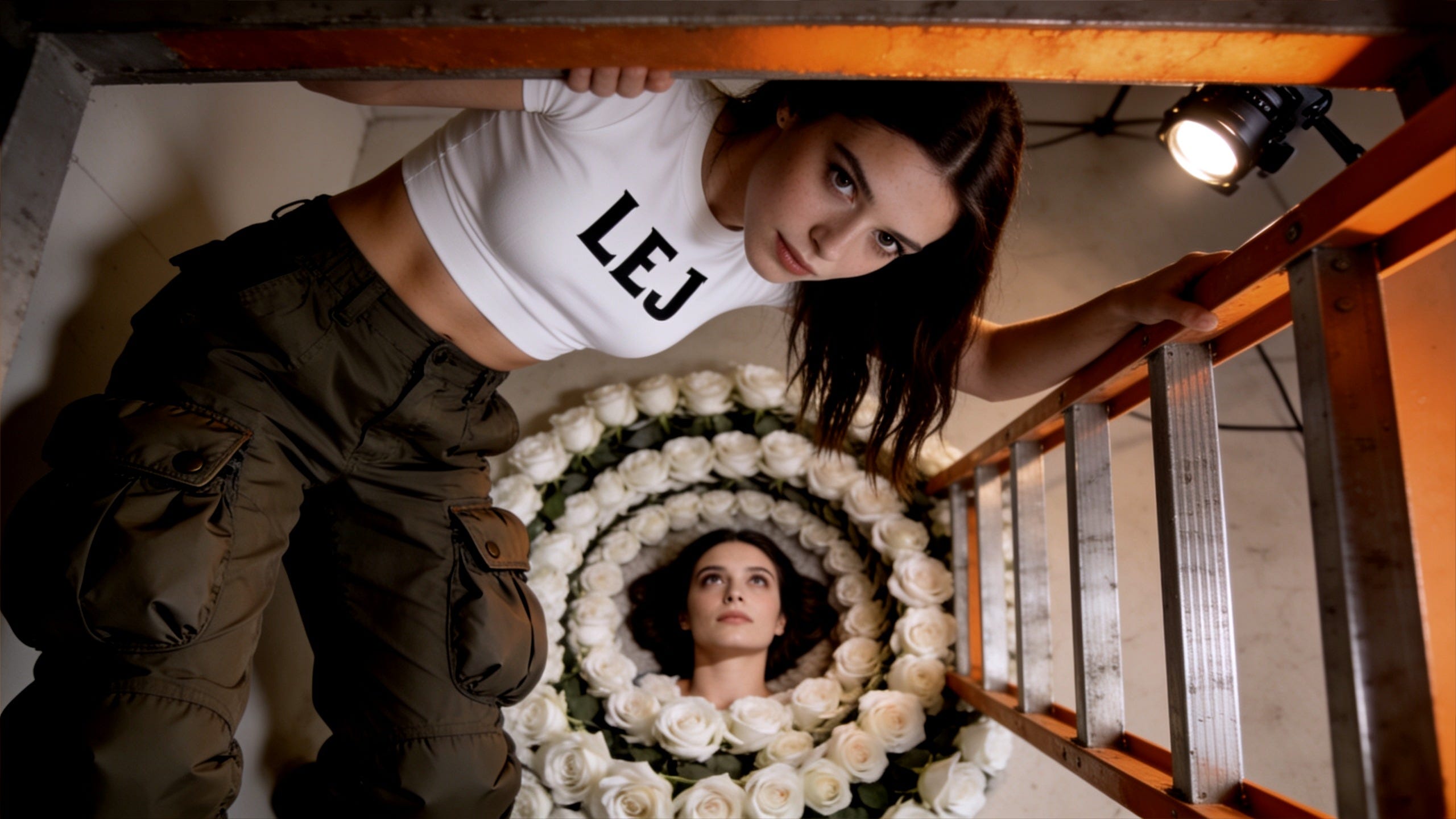
I had an epiphany last week and I’ve started leaning into it hard. It’s starting to change the way I work. When and where do we decide whether an idea is worth doing or not?
Short version is that I think we’re gating our ideas in the wrong place, which used to work… but the world that made us do that doesn’t exist anymore.
I’m thinking an example might help illustrate where I’m going with this. If you were like me and you shot on film in the past (because you’re old as hell,) you gated before the shutter. You had about 24 exposures and each one costs real money, real time.
Every single frame got considered before you took it: the lighting, the framing, and whether or not it was something even worth taking a photo of. The judgment you used to decide on the photo that you were going to take happened before you clicked the shutter, because that’s the only place you could afford to put it.
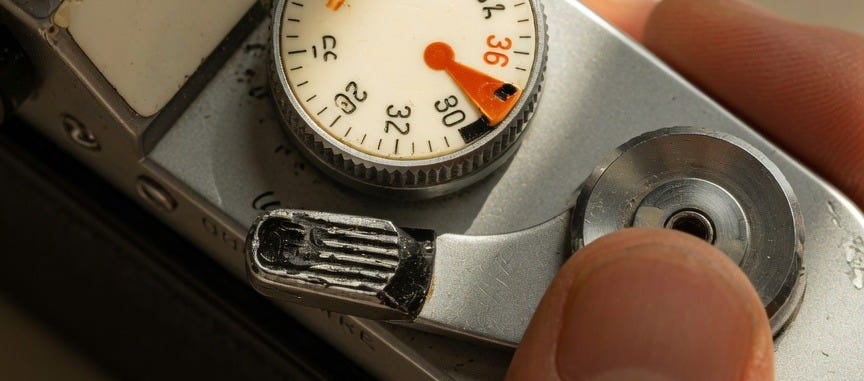
Then digital came along and gave us effectively unlimited exposures, unlimited chances to grab that shot, and photographers moved the gate without a second thought. It opened up a whole new world of photography (and it honestly made it more accessible to a lot more people - but that’s related to, but besides the point.)
Now you can take 20, 50, 100, 500, or 1,000 shots of the same thing. Try out new angles, try out new ideas, shoot in high-speed bursts, and go nuts. You can experiment and test out new techniques, lighting, composition and more.
The gate is still there, but it’s moved. It used to be before you click the shutter and now it’s after it. And in my opinion, and in the opinion of everyone I’ve ever met, it got better because now we get to judge the actual photographs instead of the predictions about the photographs. Our ideas don’t have to die before they’re realized.
bruh. subscribe.
If you can’t tell by now let me spoon feed it a bit: this post is about ideas. Photography is just the analogy.
Ideas used to be like film. Getting an idea off the ground was expensive in time, energy, and money so we built our entire way of working around gating before the click. We pitch before we build. We spec before we prototype. We debate the features before anyone’s seen it. We hold meetings to decide whether or not something is worth trying. Which, if I’m to be honest, is kind of strange to say out loud once you notice it: a room full of people judging a description of a thing that doesn’t exist.
And this is also honestly how creating has always worked underneath. You ideate, try things, and keep what’s good. We’re always iterating, but historically the entry fee is brutal and the process is just so slow and expensive that most of our ideas died in committee before they ever got off the ground.
You know what I’ve noticed lately? After spending time agonizing over what something’s going to look like, ideating, going to committee, and going back and forth and figuring it out, the execution of those ideas takes almost no time at all anymore.
What changed is the entry fee. Building software, pages, demos, and designs now costs next to nothing. Most of us are still working like film shooters but now we’re holding our digital camera and carefully controlling and limiting our shutter presses because we’re so conditioned to a scarcity that no longer exists.
There’s a couple of places I’m testing this right now.
How many times have you struggled to convey an idea to somebody and you couldn’t for the life of you figure out a way for them to see or have the same vision that you have? What do you do about it?
Let’s say you have a potential client. Don’t pitch them. Build a demo and show it to them. You see, a pitch asks somebody to imagine your idea working and then judge their own imagination. A demo asks them to react to the real thing. Those are completely different conversations to have.
The first conversation requires you to be a damn good storyteller. Sometimes we are, sometimes we’re not. It requires the person to imagine what you’re talking about, which, as I mentioned before, is a struggle (Especially when it’s a unique concept or something legitimately great)
The second one involves them already using it and telling you what they would change. That means the meeting where you normally ask for permission to build becomes the meeting where they help you finish. In 2026 it costs you next to nothing to walk in with a working demo.
Think about that for a second. Just the sentence “it costs next to nothing” is a fact that our workflows haven’t really absorbed yet. Without even realizing it photographers have been setting an example for software developers since the early 2000’s.
Quick aside: What’s REALLY funny is that in the early days of digital photography they were having the same debates that we’re having now. “do real photographers shoot digital?”, “would a real photographer use photoshop?” Humans go through some real fun cycles don’t we?

App ideas, workflows, front-end design. Anywhere I used to carefully craft one version, I now generate 10 and choose.
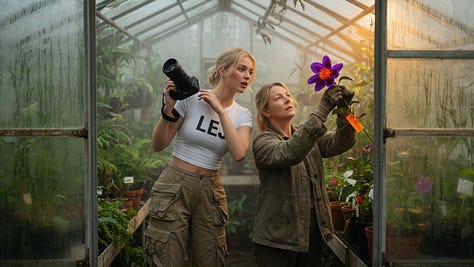
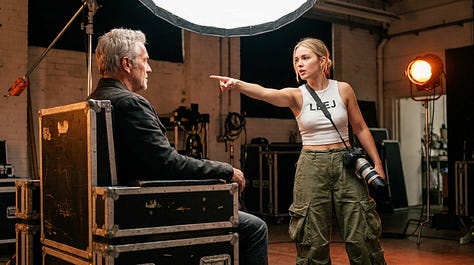
A friend of mine needed a loading animation from his logo so he had forty variants generated and picked one from the pile. I find myself doing that constantly. In fact I do that for the images for every post that I write. (I mean shit, look at the bottom of half my posts where I post a gallery of at least ten photos that didn’t make the cut!)
Here’s what actually happens when you do generate a lot of choices: Most of what you get will be passable. None of them are likely to be perfect and you’ll find yourself saying number 12 but with parts of number 22. That’s the whole method. You don’t just pick a winner. You learn something about what you wanted that you couldn’t have written down or visualized beforehand.
And something we’ve all known is that experience helps you develop taste. Essentially volume develops taste. It helps you articulate what you want because you’re seeing options. Experience used to take a lot longer because it was more expensive. We’ve never had cheap options before. We’ve never been able to take this many reps this quickly. Every slate of ten versions is a rep. Judging real artifacts over and over again trains the exact skill that the new gate runs on.
Working in the world of film rationed your reps. This new world gives you unlimited free reps, and we need to take advantage of that.
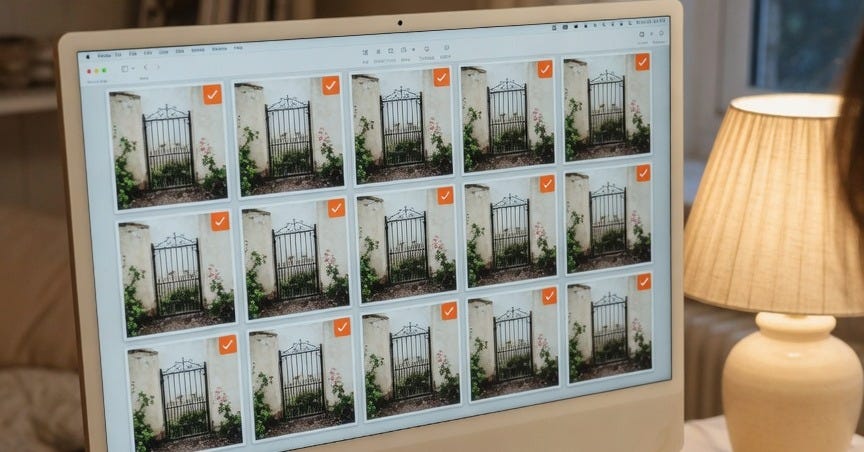
I’m not arguing quantity over quality and I’m not telling you to stop thinking (fucking… duh). When you take 500 photos, you still cull that down to 3. The 10 demos that you made still get judged and judging them is the real work.
Ask any digital photographer about culling. You kill most of what you make. You just kill it after it already exists, when you can see what it actually is, instead of before when all you had was a guess and a meeting full of people who felt like they were contributing by critiquing the idea. (Alright honestly I let that last jab slip in, but that’s a whole other post… god I hate committees… lol)
What I AM doing is asking you one question, the same question I’m asking myself. Are you still gating before the click? Do you have a pitch that you’re still polishing instead of building? Are you still holding meetings about a feature that could be three prototypes by Friday? Do you have any ideas that you killed last month because it wasn’t worth the time?
Take the photo. Take 500 photos. Pick the good ones later.






No posts
Comments
Nothing yet. Say the first thing.
Sign in to join the conversation.