
This week’s warm-up was technically “agenda-less,” but a few big themes kept showing up: how much our tiny drawings add up, how they impact real people, and the tools that help us capture it all.
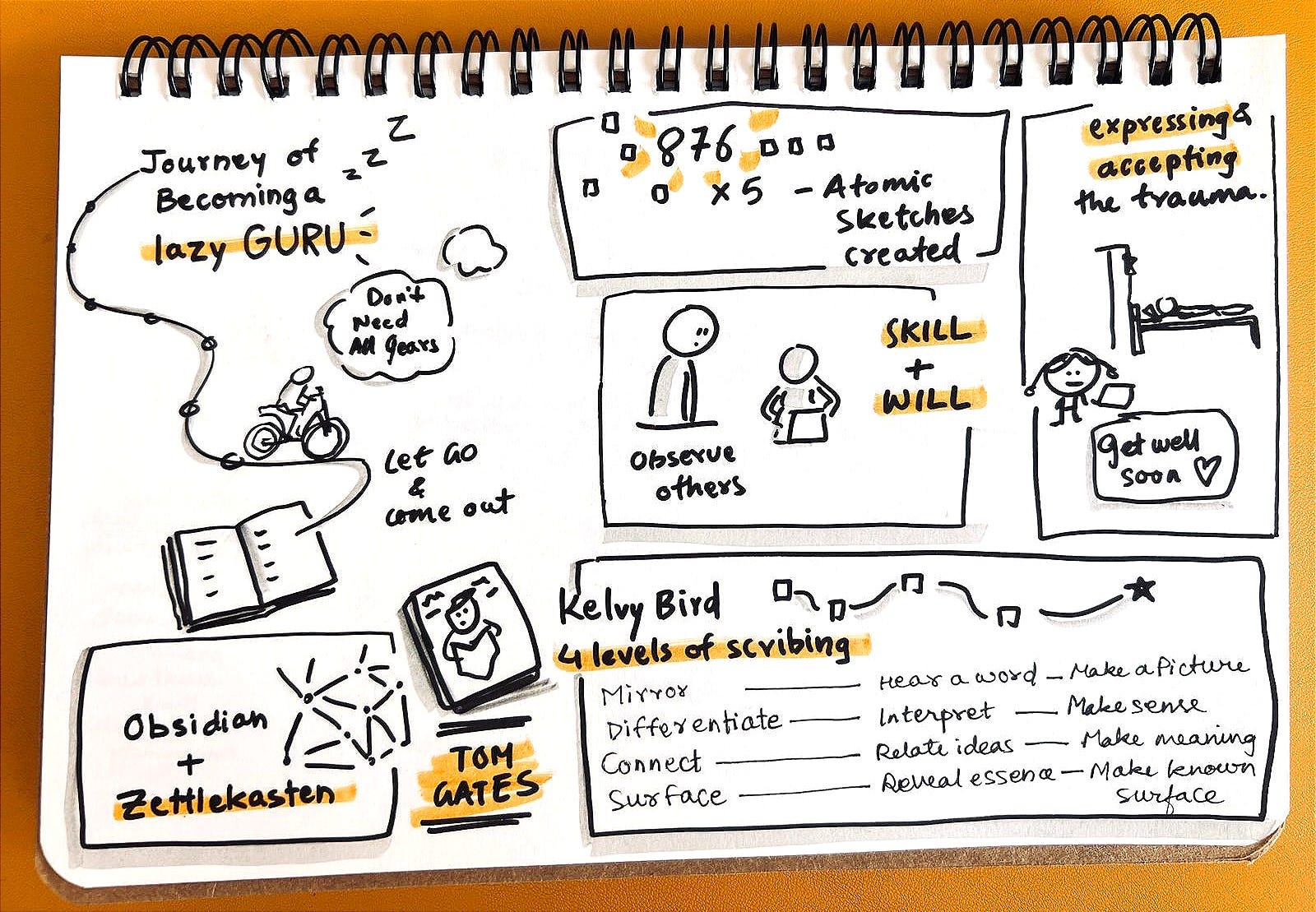
We realized just how far this “one tiny sketch a day” habit has taken us:
Jatin crossed 875+ atomic sketches (876 and counting!)
Our community is somewhere in the 2000–3000 sketches range
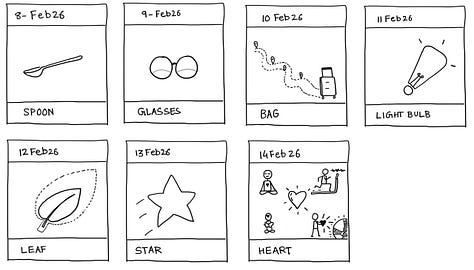
February’s prompt theme: “Do more with fewer lines”
Why fewer lines?
Forces clarity: what’s the bare minimum needed to show an idea?
Trains us for fast sketch notes in real situations
Helps with icons, wireframes, and quick visuals at work
Mirrors good communication: like turning a long story into a sharp executive summary
New shared rhythm we’re trying:
Daily – 1 atomic sketch
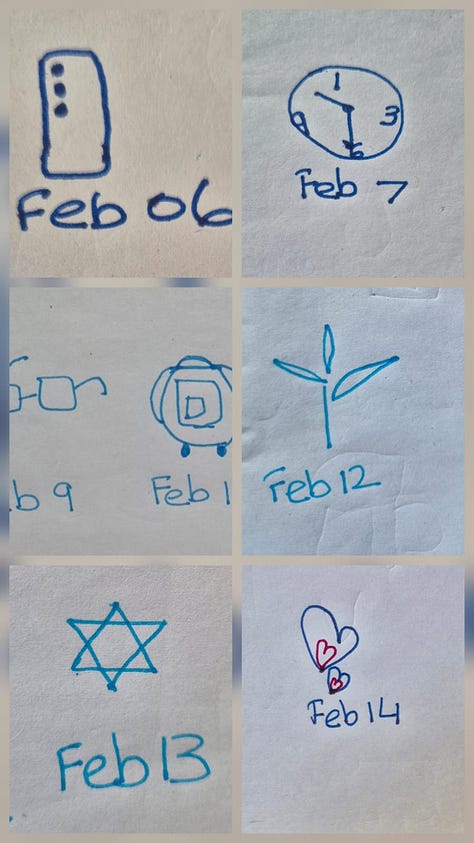
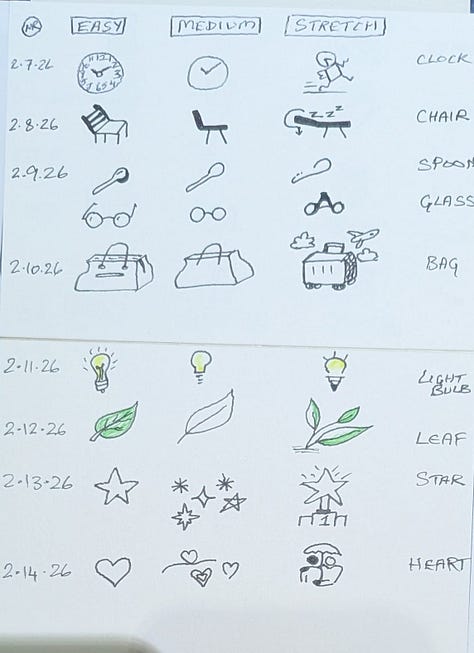
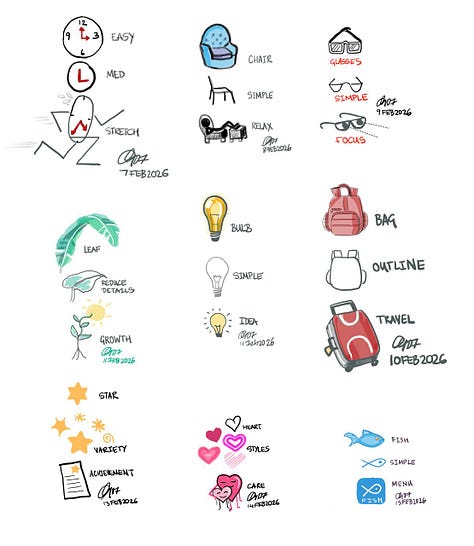
Weekly – compile the week into a collage
Monthly – compile the whole month
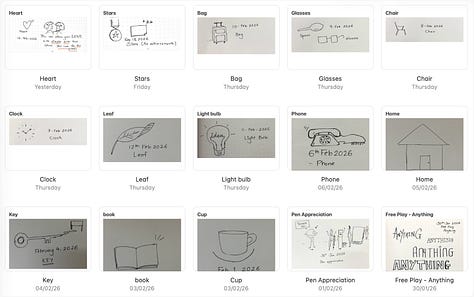
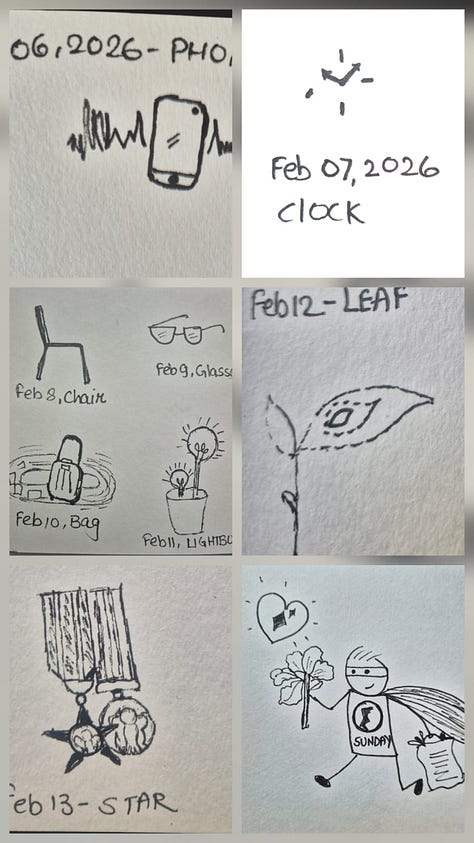
The compilations are magic: you suddenly see your consistency, your growth, and 7–8 different visual interpretations of the same prompt side-by-side.
Here’s visual recap of what’s done in last week by community.
I send out weekly newsletter packing content on Sketchnotes and using them in day to day life. Also my experiments, experiences, learning, and mistakes.
Hit this button if you want to keep in touch.
A few stories reminded us that sketching is way more than “just drawing.”
A child processing trauma through drawing
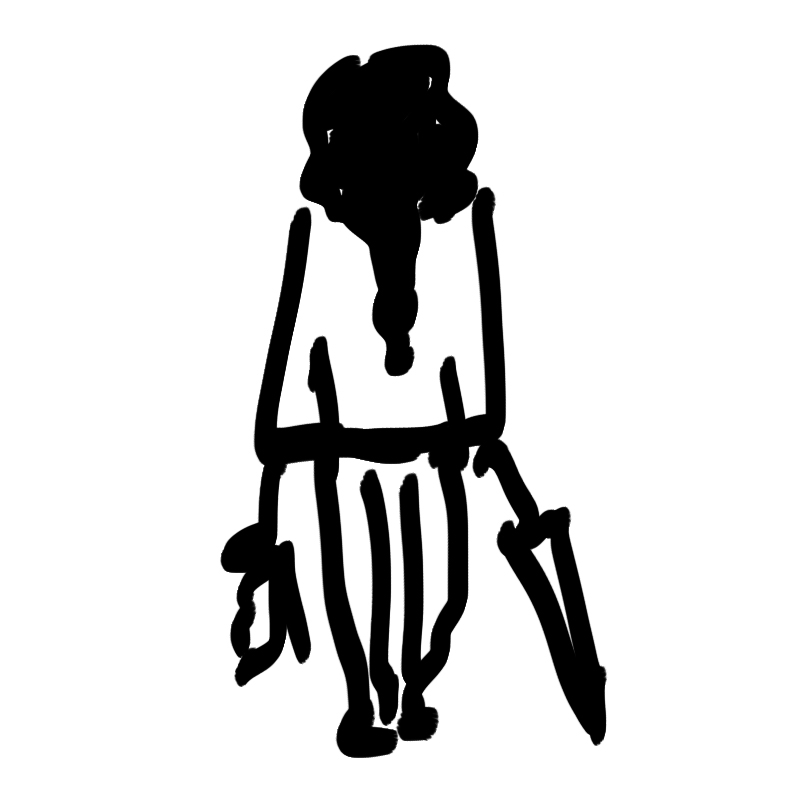
During a neighbor’s medical emergency, their 6‑year‑old daughter was in shock. With some paper and pens, she was invited to either “draw how you feel” or “draw something for your father.”
She scribbled a bit
Then drew a simple family card: mother, father, daughter
No straight lines, nothing “perfect” — but the drawing said everything
In 20–25 minutes, she moved from frozen and anxious to calm and present again. The drawing helped her accept what was happening and express it safely. That’s the quiet power of visual expression.
kids absorb not just what we teach, but what we model. And systems often nudge them into boxes we might need to consciously unbox.
Handwriting as rehab and brain support
Another story was about a mother recovering from a serious accident:
Her hands shake, her speed is slower, and there’s some brain fog
She’s now using daily handwriting as fine motor practice
And pairing listening + writing (e.g., pausing a YouTube talk to write down what she heard) to help with memory and focus
A simple pen-and-paper routine becomes both physical therapy and cognitive training.
The conversation also drifted toward how we capture and connect all this creativity and learning.
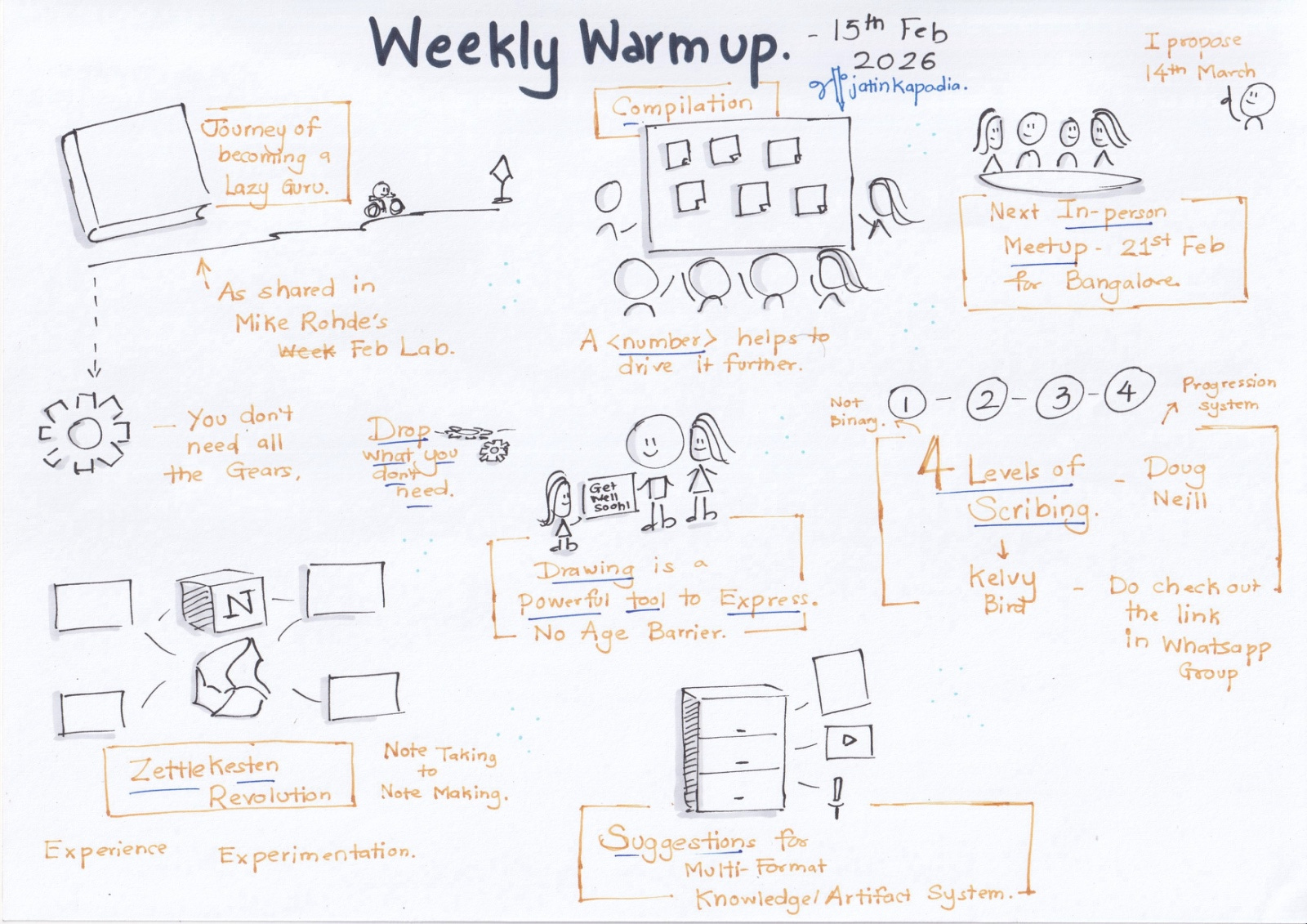
Jatin talked about Doug Neil’s take on Kelvy Bird’s four levels of scribing:
Mirror – Hear the word “book,” draw a book
Interpret – Draw what the idea means, not just what it is
Relate – Connect ideas, show relationships between concepts
Reveal Essence – Capture the core message or feeling in one integrated visual
Many of us feel we hover between levels 2 and 3, with level 1 as a reliable default and level 4 as an aspirational practice. It’s a useful lens to notice how we’re drawing, not just what we’re drawing.
Different people are experimenting with different stacks:
Obsidian
Great for linked thinking and personal knowledge bases
Steeper learning curve
Free syncing hack if you’re in the Apple ecosystem: store your vault in iCloud and open it from multiple devices (with a bit of care to avoid sync conflicts)
Notion
Easy cloud workspace
Good for mixed content and collaboration
Some concerns raised about past small data glitches → reminder to keep backups
Google ecosystem
Simple and robust for homeschooling-style documentation:
Docs (now with collapsible tabs)
Drive for audio/video
Slides/Sheets as needed
Pairs nicely with newer AI tools like NotebookLM to create study guides from your own material
Tom Gates series – kids’ books that are basically sketchnotes as storytelling: doodles, playful typography, and visual structure throughout
The Little Prince – a classic that, in spirit, matches our February theme: minimal lines, maximum meaning
If you’ve fallen off your atomic sketch habit, this is your nudge:
Do one today.
Keep it rough, keep it short, keep it yours.
That’s all I have for today.
If you like content of this newsletter please click that like button and share it in your network. Help me spread the word about this amazing note taking skill.
Join TheSketchnoters Community
Happy Sketchnoting.
No posts
Comments
Nothing yet. Say the first thing.
Sign in to join the conversation.