
Our March came and went quickly, with exciting travel for both Leo and me. I started in Spain for Forma, Madrid Design Festival’s new fair for collectible design, I recapped it more extensively in our recent TDR article “What Makes a Great Design Press Tour?”
What it comes down to is this: Madrid is a fantastic city, elegant, walkable, and with great food (what more could you ask for), and the design ecosystem there is expanding in a very interesting way, both sophisticated and experimental. Forma is tapping into this growing market.
As that was happening, Leo was filming a $21,950,000 duplex penthouse designed by Sebastian Zuchowicki in NYC. I watched the video, it’s amazing. Check it out here.
So back to our travel — after three days in Madrid, I flew directly to Paris to meet Leo, who flew in from NYC. We made a quick and productive stop at Matter & Shape, then spent a lot of time walking and talking, working through the next phase of our other company, The Design Release. After ten years of presenting design exhibitions and events, we’re finally moving into 2.0: with a new website and user backend launching April 1 (give or take!). If you want to stay in the know, you can follow along on our TDR Substack.
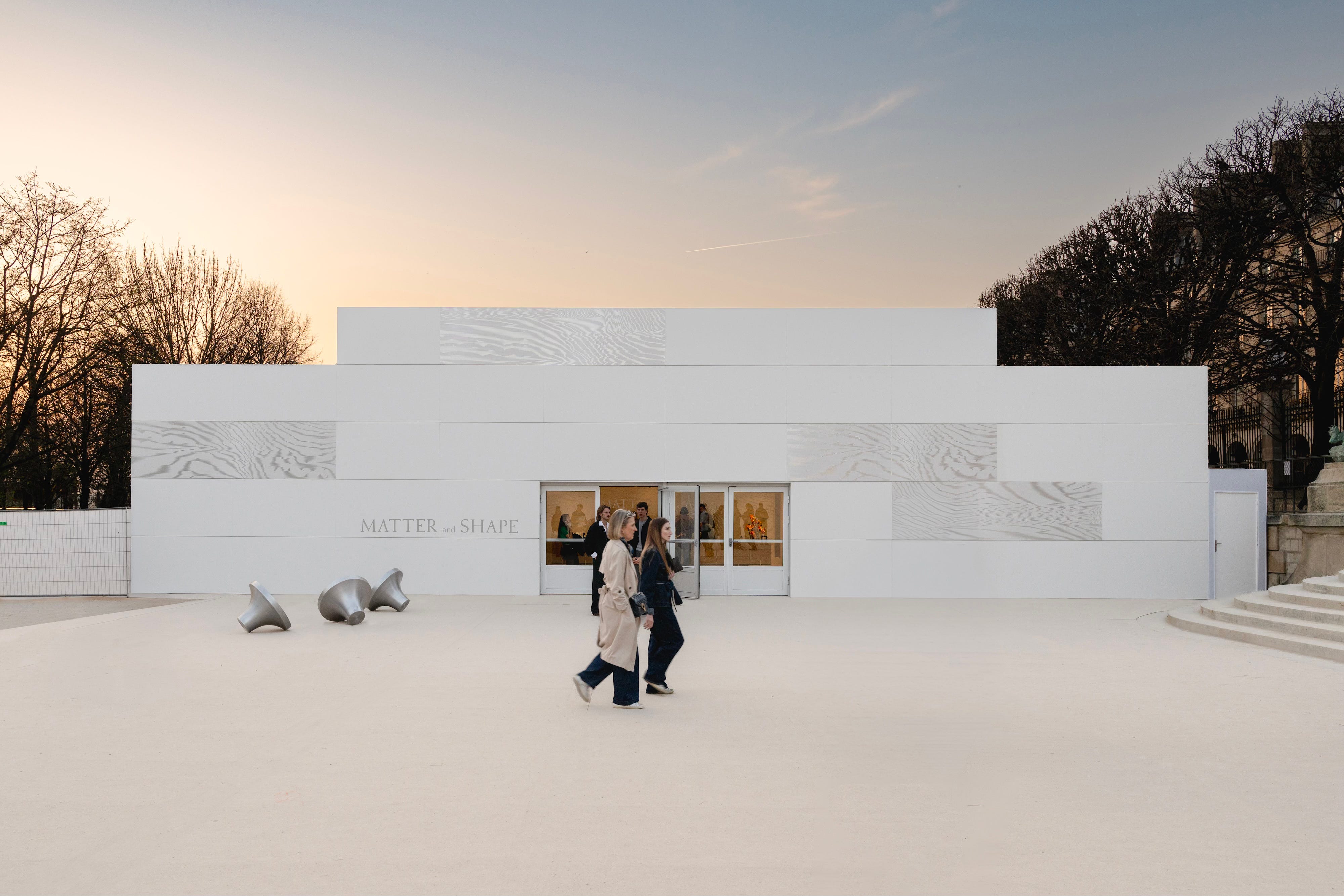
Now back to Matter & Shape. For those who don’t know, it’s a newer trade show in Paris that takes place during Fashion Week, organized by a company that has been running fashion trade shows for over 30 years, so they know what they’re doing. High production value, strong exhibitors. There were lots of interesting brands straddling the line between mass production and artistic fabrication, and I liked that they omitted logos for a more uniform look. The product was varied but clearly curated, with a lot to discover.
Here were some of Leo and my favorite booths:
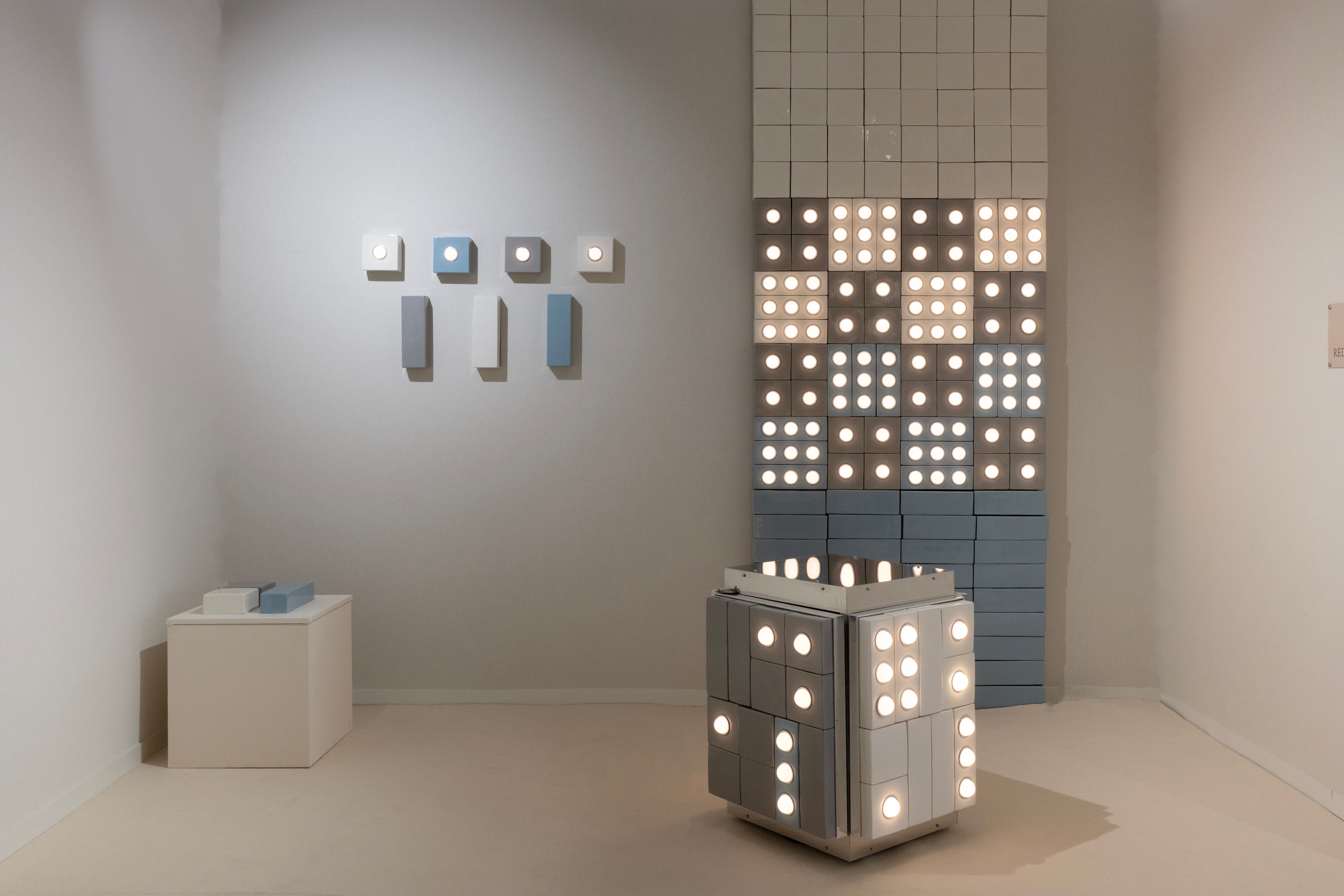
Designed by RedDuo for LEUCOS, Glowtile is a modular lighting system that reinterprets the tile as an architectural element. It features glazed ceramic modules for wall or ceiling installation. All booth photograby by Mickaël Llorca
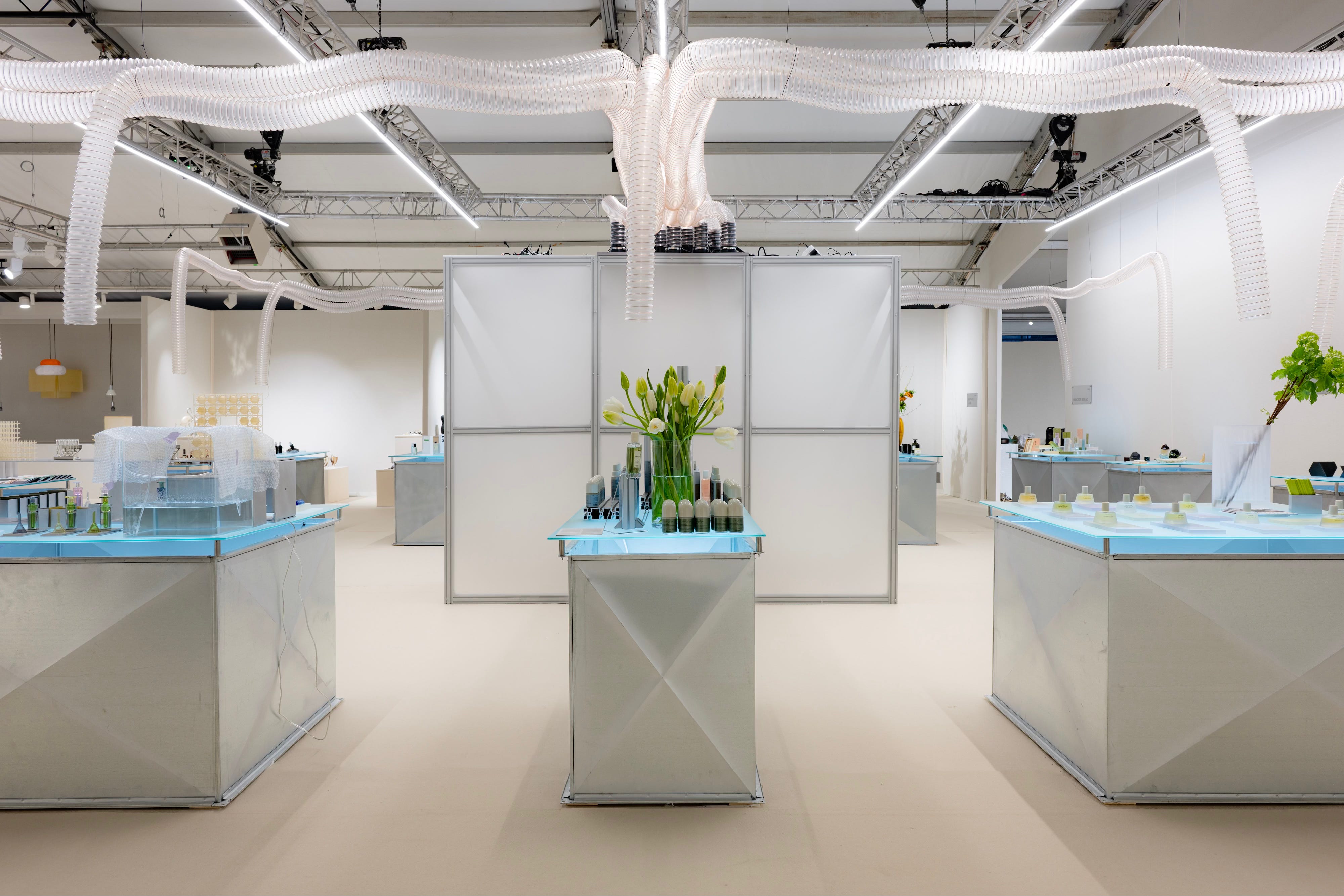
An installation of emerging perfume brands presented by the fragrance platform Olfactory Signals gave a visual break between all the furniture on view. Such a great idea. Here I discovered the all-natural perfume brand Abel, and became obsessed with their Cobalt Amber fragrance. Turns out Leo has been collabing with them for months! Small world.
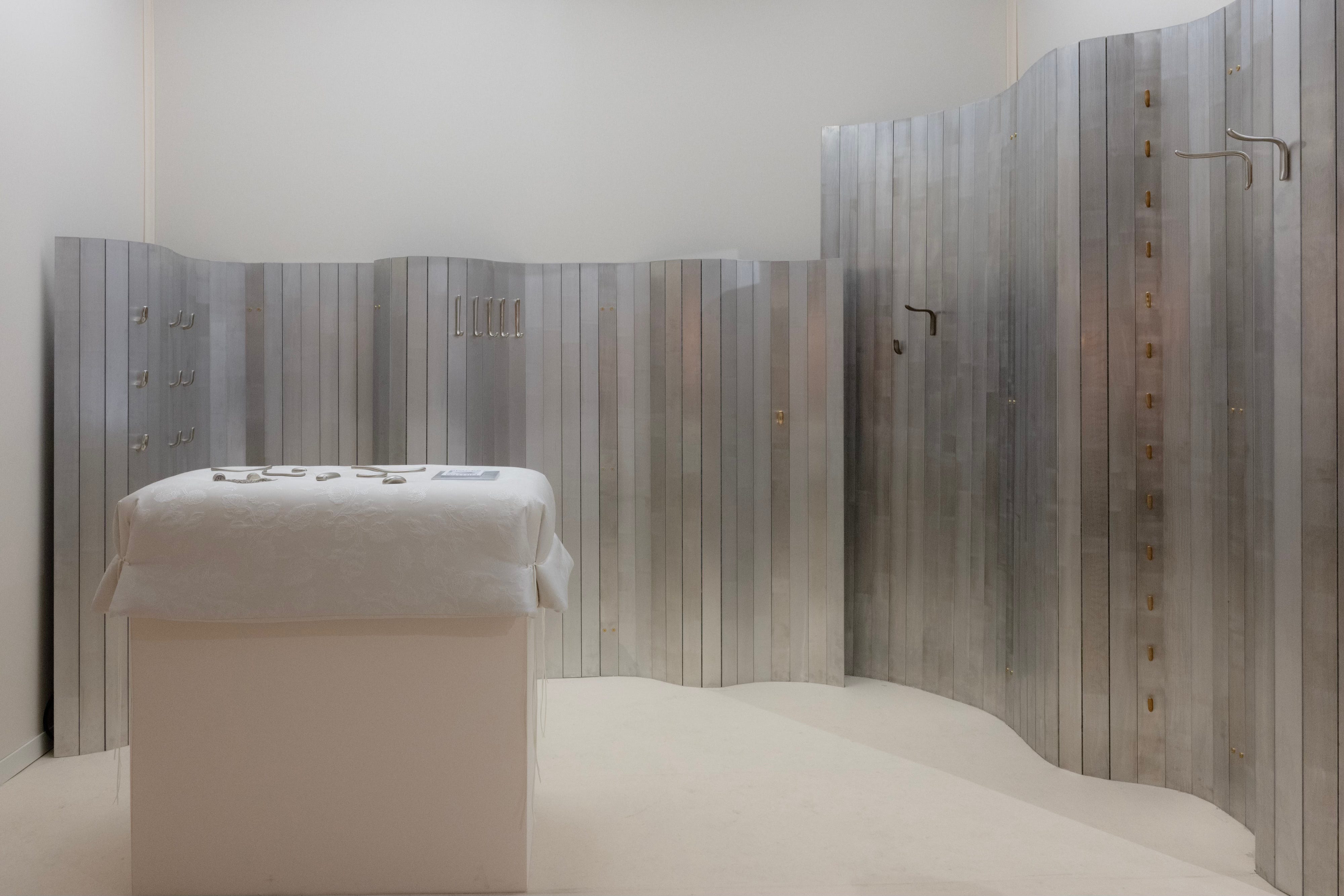
Great to run into our friends Spaces Within. We loved their creative booth design using aluminum panels. If you want to see more of their hardware, we sell it on Leibal’s shop here.
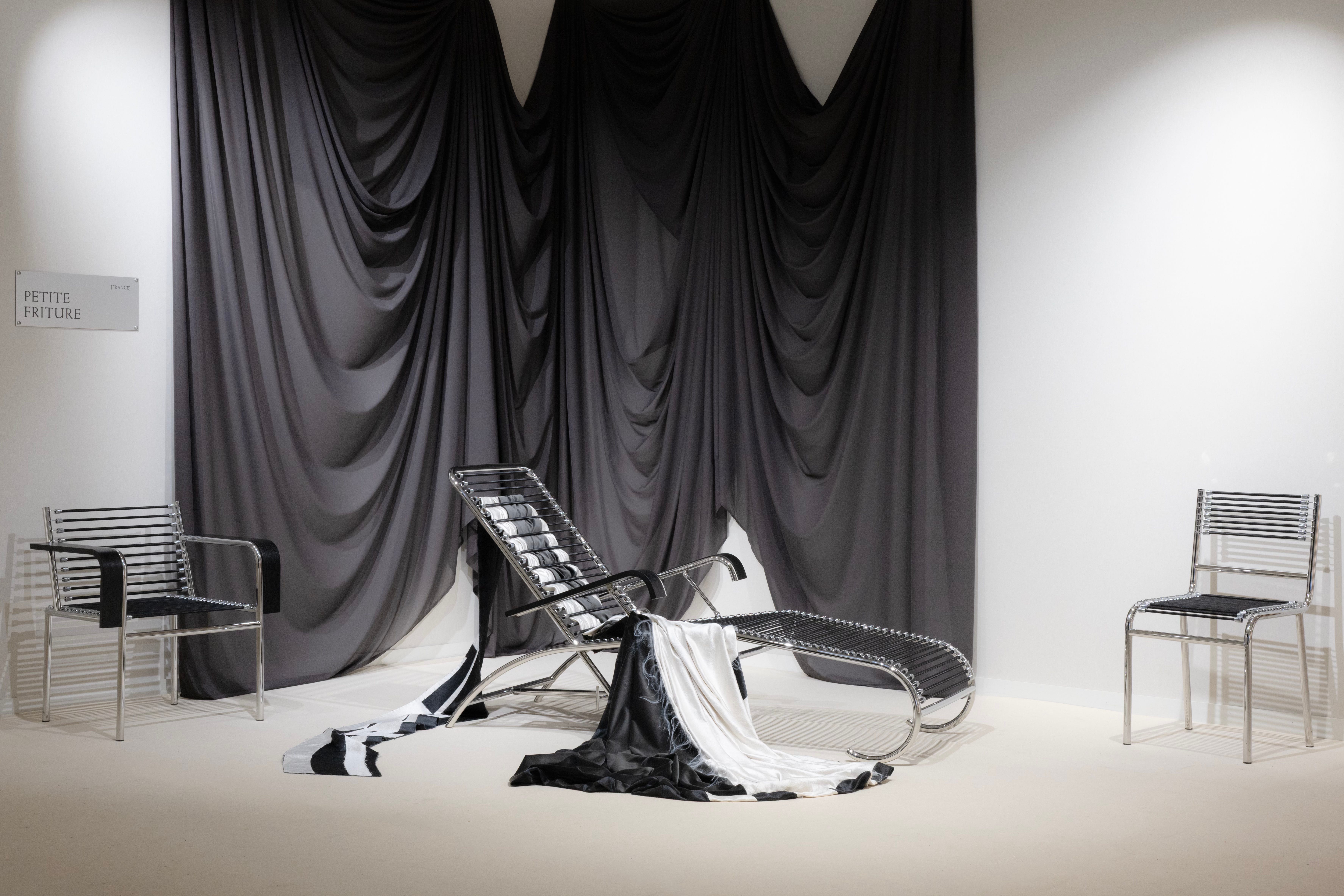
And Petite Friture relaunched René Herbst’s SANDOWS collection into conversation with textile artist Grace Atkinson.
We look forward to visiting next year and seeing how the show continues to develop.
To continue our series of interviewing designers who will be presenting work in Leibal’s booth at ICFF this coming May, we sat down with Thomas Yang to discuss inherited craft techniques, material and memory, and how objects become artifacts of the home.
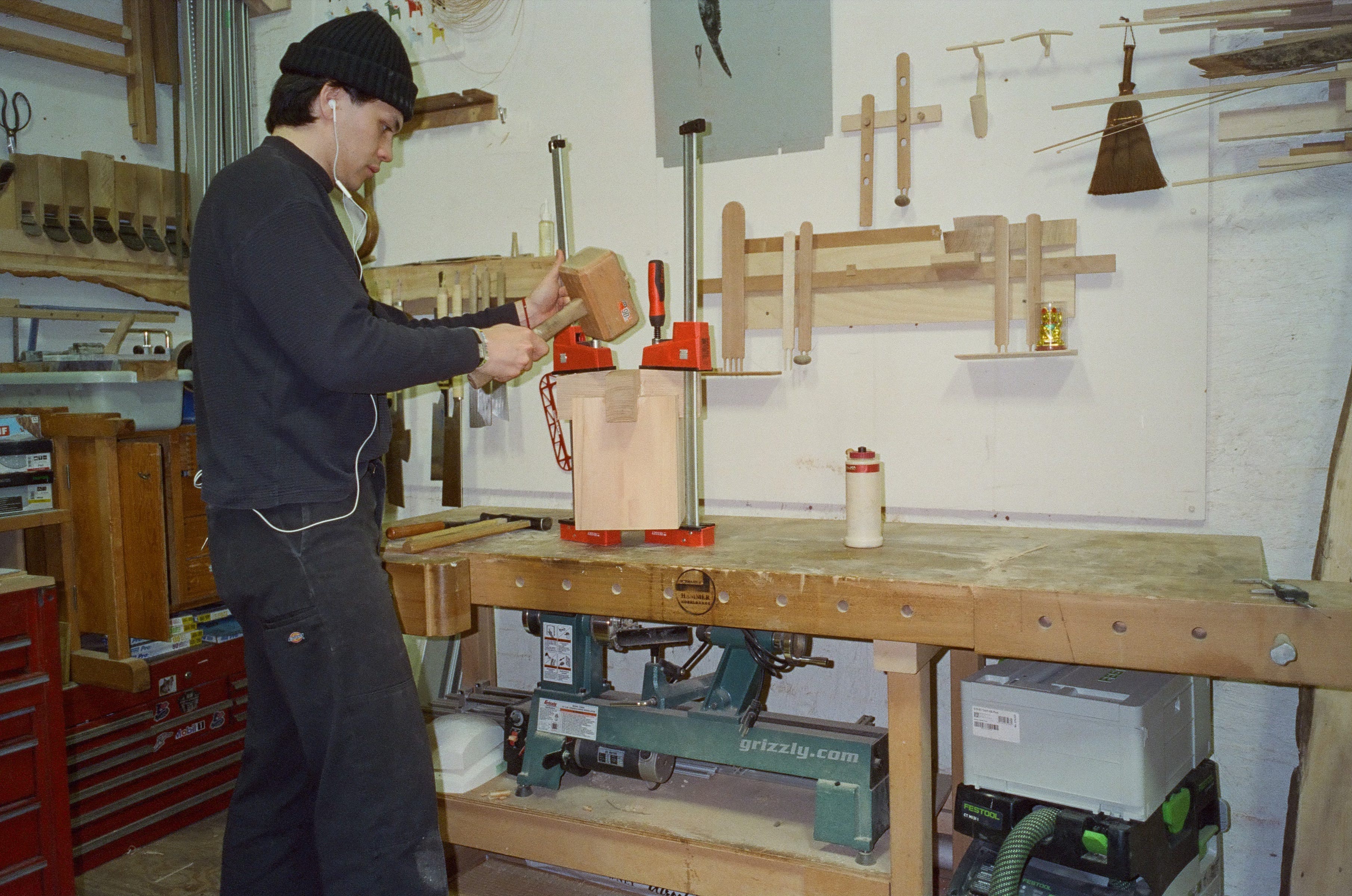
Your work sits somewhere between craft and design, and is very grounded in material. When you begin a new piece, are you usually starting from a material, a memory, or an idea about use?
I never formally studied craft, but I deeply respect it. I studied industrial design and didn’t align with its mentality of material consideration as a means to an end. I try to slow down the design process through material intention, investigating what it would look like to domesticate the industrial design process. In doing so, I look to a combination of memory and material, because memory can take many forms. Some come as images of objects, mechanisms, or details I’ve encountered in the past, like the dark wooden chairs in my Nonna’s home in Northern Italy, or the elevator buttons in the Taiwanese apartment my father grew up in. Other memories have no image, but arrive as feelings or moments of curiosity that surface during the creative process.
With a memory, I attempt to pair it with a material. The medium of memory in objects is material. I work with living materials because they, too, have memories. They have lived lives, been shaped by their environment, and their form is directly relational to their material history — from how a tree grows to how a stone is shaped by a stream. They age and change, and we age and change.


You describe your objects as “artifacts of the home.” What transforms an everyday object into something that carries that kind of presence?
I would be honored if one day my objects become artifacts of the home. It’s something I’m always in pursuit of but never feel entitled to achieve. I think an artifact of a home is directly dependent on time, as is beauty. It is a result of ritual. A copper pot used to cook polenta, passed down from my grandmother’s mother, is an artifact because of the qualities that withstanding time has imbued upon it. The same is true for the wooden chopsticks used by my Ama. These are tools of everyday use. I don’t think objects can be made to become artifacts, but when created with material intention and honest craft — when they are able to stand the test of time — they will naturally become beautifully ordinary, artifacts of the home.
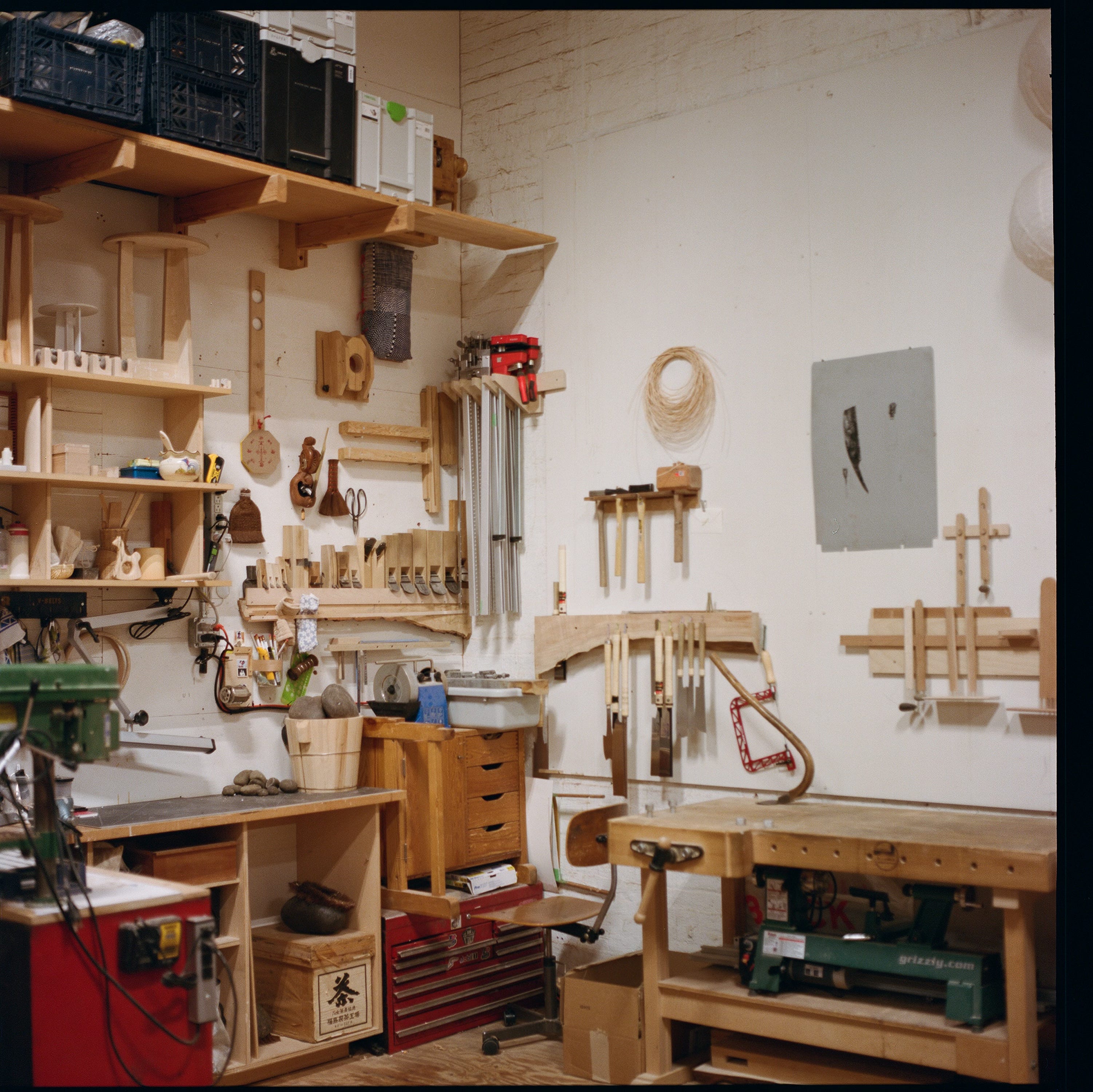
Your background spans Taiwanese and Northern Italian cultures, both of which have strong craft traditions. How do those histories show up in the way you make or think about objects today?
My inherited craft techniques come from my East Asian, Taiwanese side, and are present through the tools I use. Growing up, I watched my grandfather repair everyday items around the home, and my father carve objects. My understanding of craft comes from its tools: learning how to sharpen a chisel or cut a straight line with a handsaw taught me how to see objects come together. That working knowledge comes from both cultures and informs how I see the world of objects. Understanding how they are constructed, and the consideration behind them, shapes my practice.
I have, to date, drawn less from the Northern Italian side of my craft heritage, which tends more toward folk objects. It’s something I’m genuinely interested in exploring, and the next collection I’m working on will give me the opportunity to do exactly that.
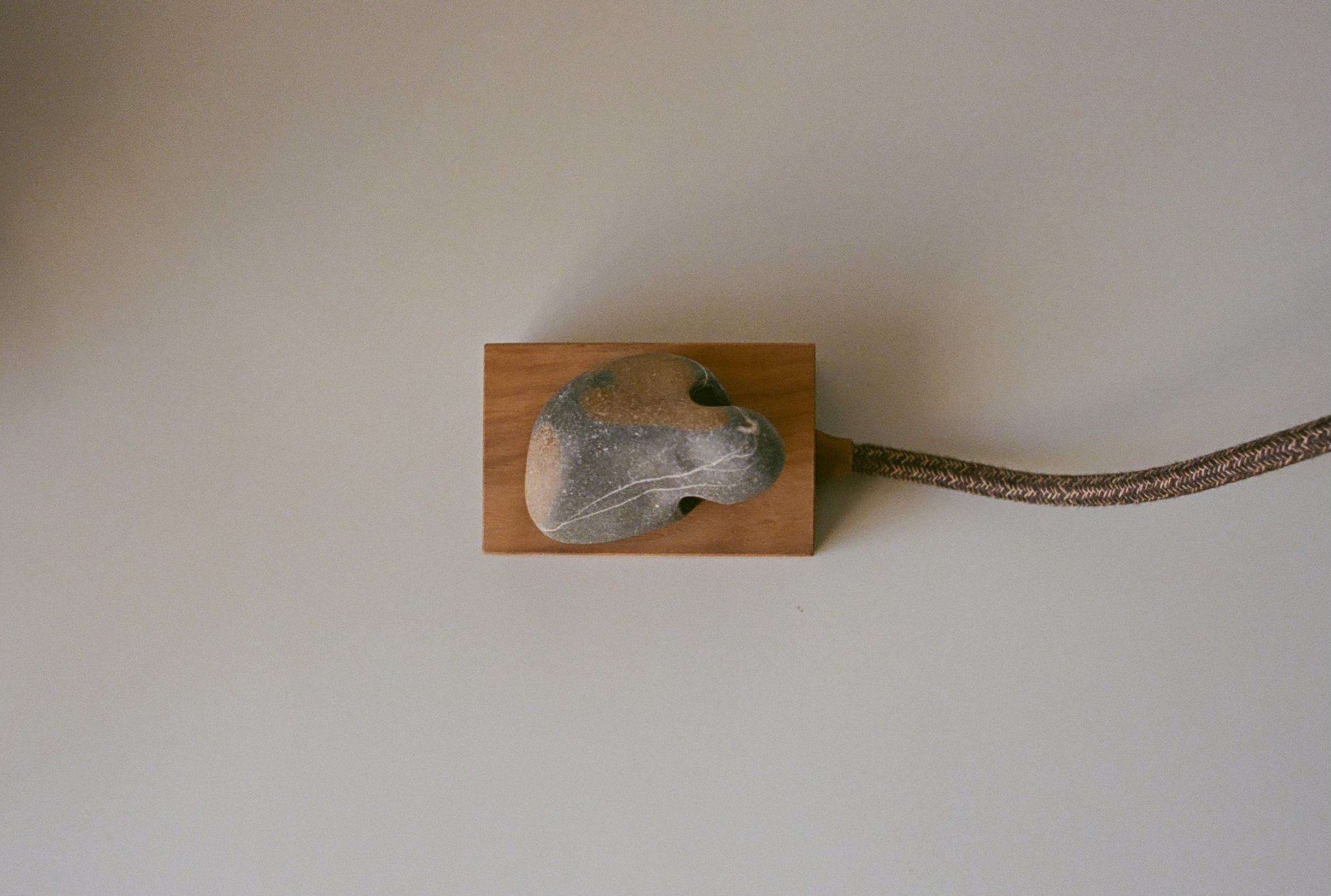
What kinds of conversations or reactions do you hope your work sparks when people encounter it in person?
I hope that the objects I make lead people to wonder about the process — through the material and the craft. I hope they ask where a material comes from, and what it asks of the living environment to exist as it does in front of them. About the craft: how pieces come together, what joinery or fasteners are being used, what techniques they culturally belong to, and what they ask of the maker.
I hope to make empathetic objects — ones made with intention and meant to be cherished — that spark curiosity about how objects and our constructed environment come together. I hope that each object can speak beyond its form, to what has come before, and to how it might shape the conversation going forward. To spark a curiosity that extends beyond the object itself, like asking how a grain of sand becomes the composition of a pane of glass, how a tree becomes a chair, or how a stone becomes a sheet of metal. How earth, water, and fire become a beautiful bowl or cup. Through this curiosity about process, I hope to foster a lasting empathy for the living environment that shaped it.
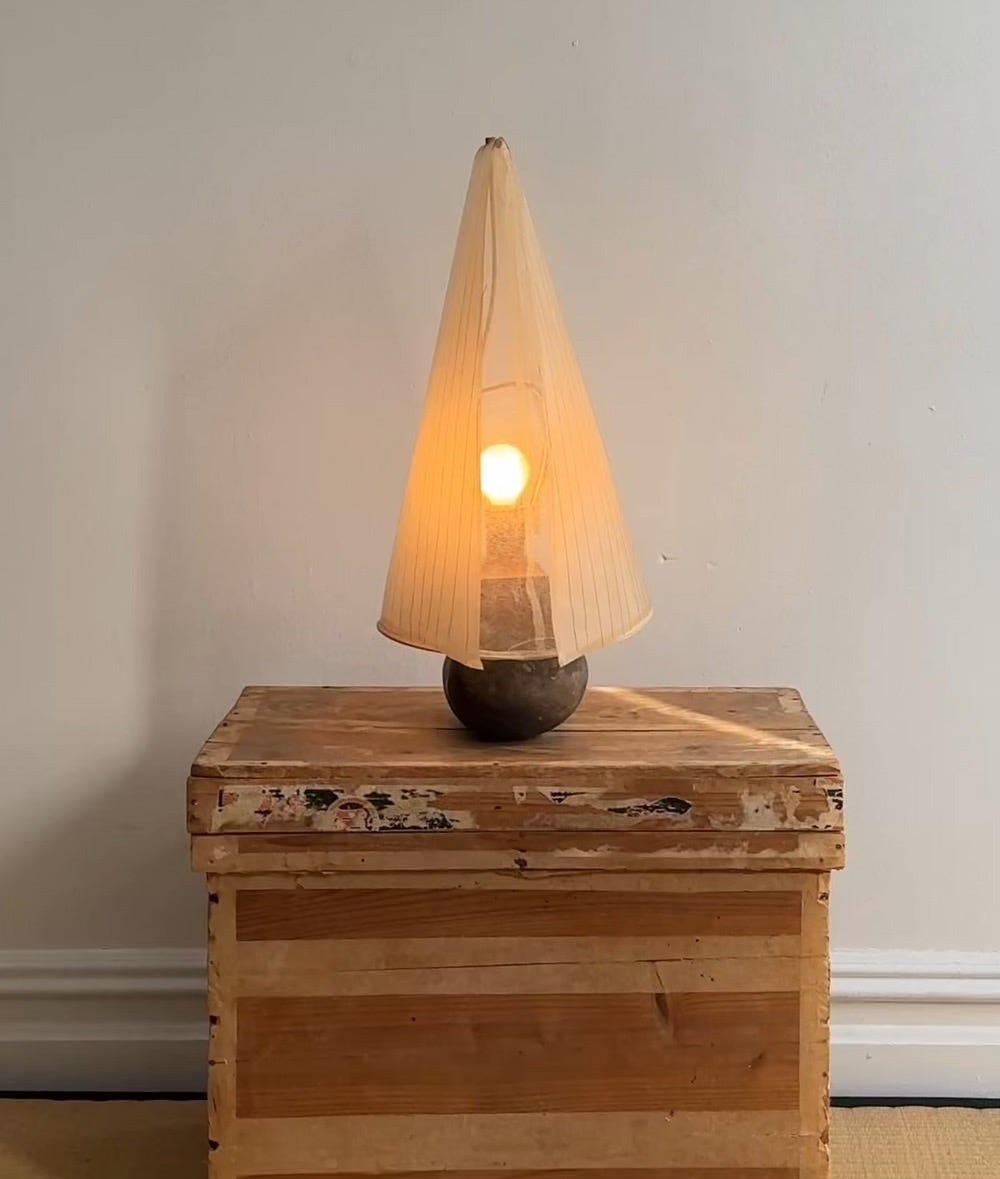
Thomas Yang will be presenting work through Leibal’s curated booth at ICFF. We look forward to sharing more of his collection in our store soon, and seeing where his continuing conversation with material and memory takes him.
Thank you for reading! Next month we will continue our designer feature with two more studios that we are very excited to present, as well as more news from behind the scenes here at Leibal.
See you soon,
Julia and Leo
No posts
Comments
Nothing yet. Say the first thing.
Sign in to join the conversation.