
It’s Julia here, live from Milan. I arrived a few days early for Design Week, to ease in and get some work done before the madness begins. Leo and I had a big month with all the projects we accidentally said yes to while simultaneously launching the new web and mobile site for The Design Release — a project we co-founded 10 years ago.
So no, this won’t be another Milan round-up because you’ve seen enough of those, but if you are curious to know which events I’ll be visiting, you can see my picks on our instagram here. As for the entire design week selections, check out TDR’s calendar, where you can select the events you want to see, save them to your profile, add to your calendar, and map/route. We hope it comes in handy.
As we were working on the launch, Leo was in London, where we did some major catching up. While there, he had the opportunity to film the penthouse of London’s newest development, Canada Water. The penthouse had views from Canary Wharf to the City of London. The up-and-coming neighborhood featured a ton of green space and walking paths. You can watch his YouTube video here, highly recommend!
So instead of coming to Milan, Leo went on some press visits to Vienna, Punta Cana, and Belgium. Below, he gives us a quick rundown of his favorite museums in Vienna.
Keep reading for more.
As we prepare for our ICFF/ Look Book presentation in May, we have been spotlighting the designers we’ll be showcasing in Leibal’s booth. So far as interviews exploring process, ethos, and materiality.
This month, we have a special feature with Kebei Li, the founder of Onibi, a New York–based lighting design studio. We’ll be presenting Onibi’s first design, the kinetic light called Ramulus.
I had a chat with Kebei in preparation for what I thought would be an interview, but I found his first-person account much more interesting. He is a rational designer, with a background in technical products, inspired by post-war Italian design.
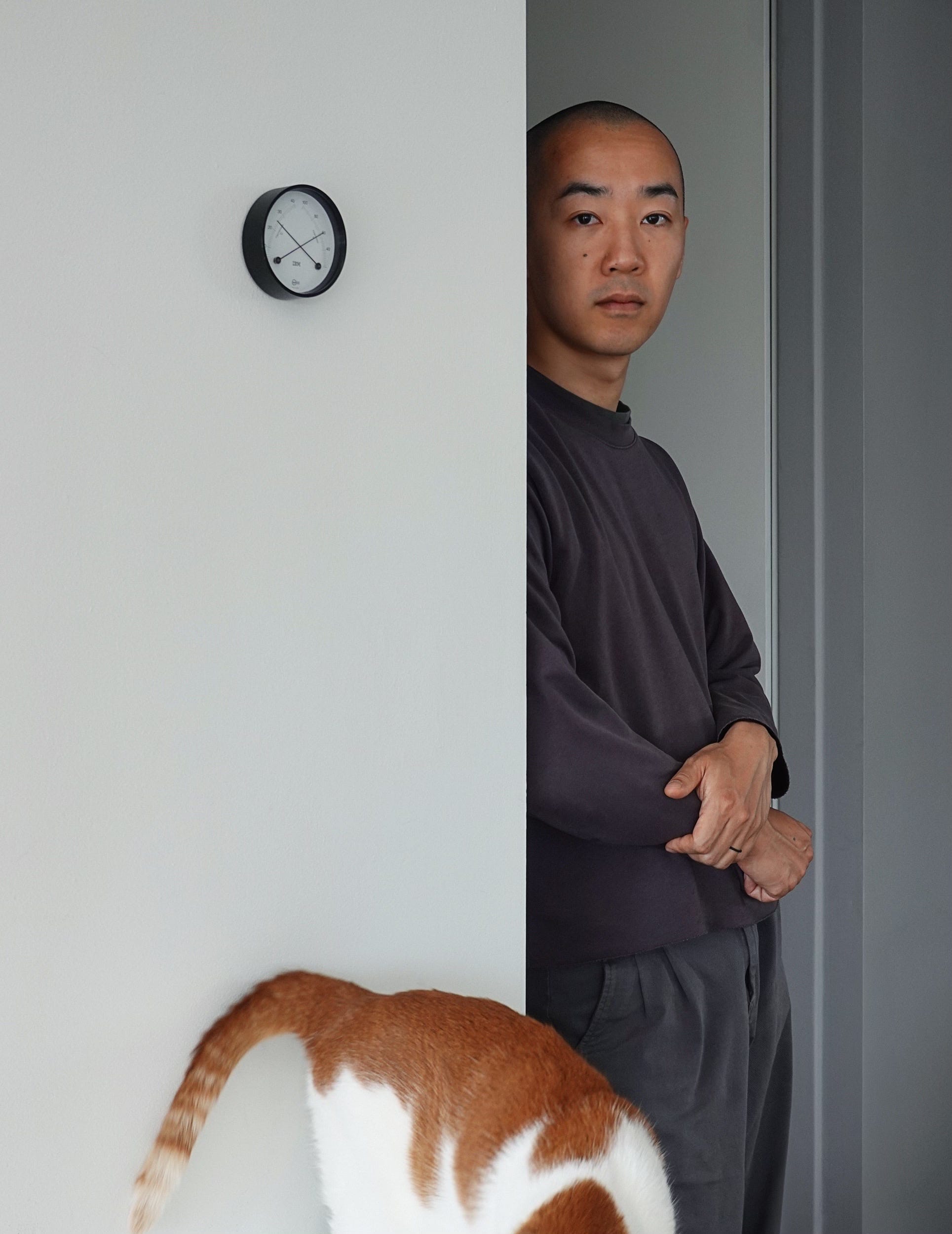
Kebei Li’s approach has been shaped by an early interest in the physicality of objects. Growing up in China, he described himself as a “maker-type kid,” building models from a young age and developing a sensitivity to how things are made.
He defines his design practice as engaging materiality and manufacture, rituals of spectatorship, and technical constraints as generative conditions. It operates between traditional sensibilities of industry and consumer culture, informed by both hand processes and engineered systems.
Kebei holds a BFA in Industrial Design from the Rhode Island School of Design, a program that emphasized hands-on making over digital tools. During that time, his understanding of design culture was shaped first by a professor’s introduction to the work of Dieter Rams, and later by a discovery of postwar Italian design, which led him to figures such as Achille Castiglioni, Enzo Mari, Richard Sapper, and Rodolfo Bonetto - designers who became early heroes.
We spoke with Kebei about the experiences that shaped his approach to design. Below, his story in his own words:
“Rituals of spectatorship” is how I describe the way objects are viewed and shaped by context. In product design, almost any object can be treated as sculpture depending on how it is presented. In a museum, for example, design objects can take on the role of art because of the way you engage with them.
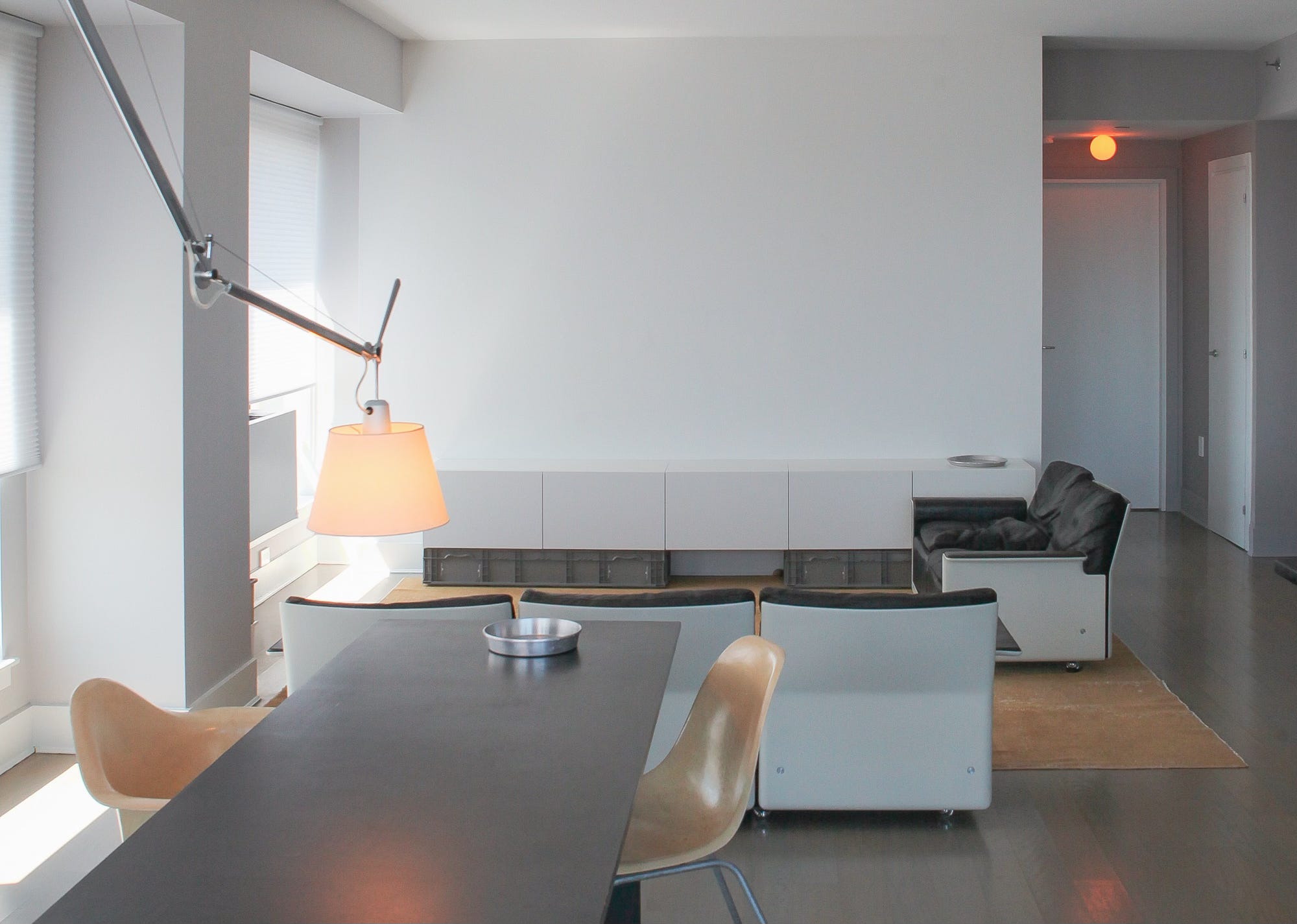
I’m interested in how functional objects in the home can take on that dual role. When they are not in use, they can still offer aesthetic value through their presence. When they are in use, they fulfill their intended function. Designing for both conditions is a central idea in my work.
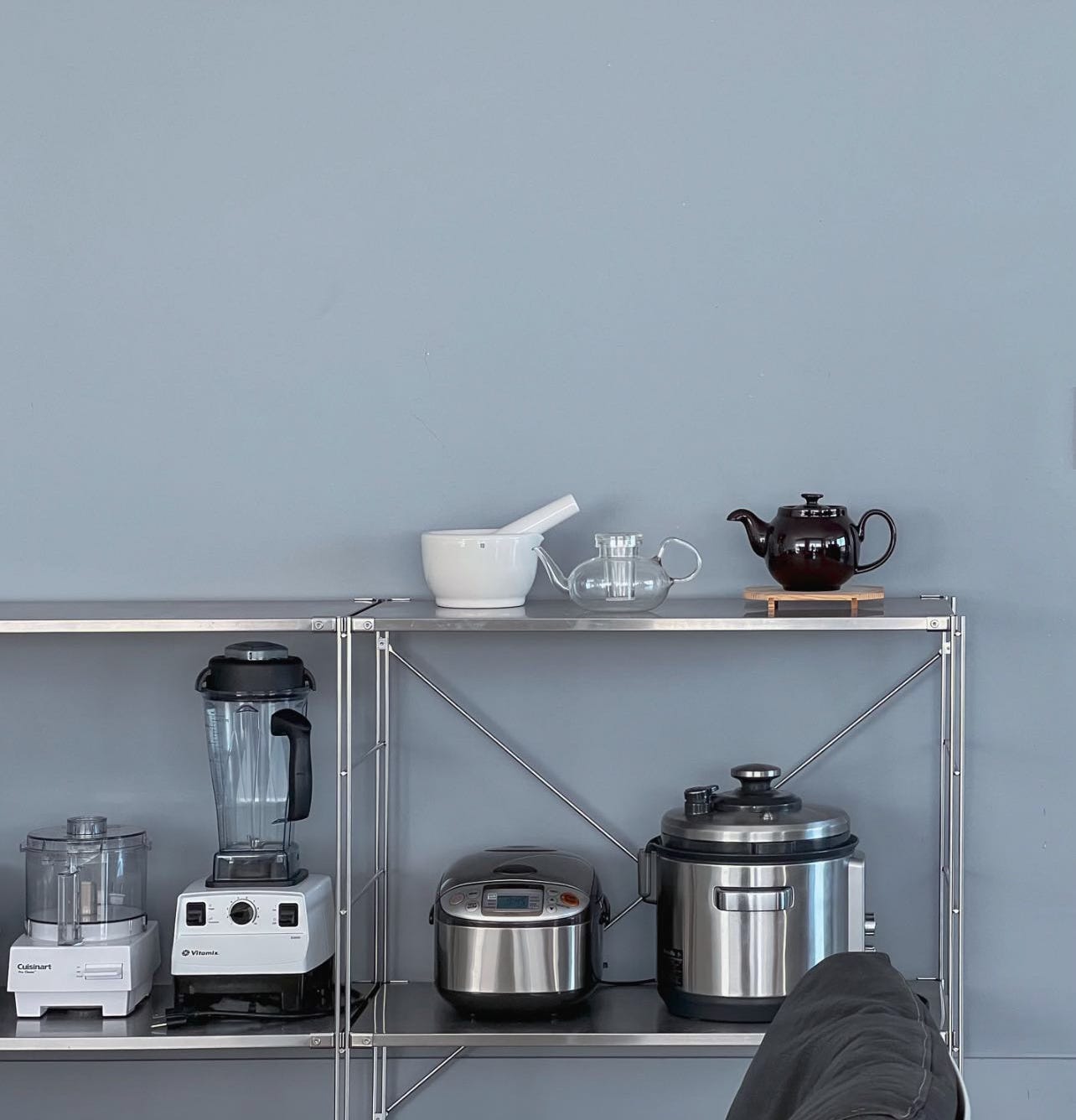
After graduating from RISD, I moved to the Bay Area and worked at a design agency. The work was interesting, and I was involved in large-scale, complex technical projects, including work connected to Google and medical products. But at the same time, you are helping realize other people’s vision. As a junior person, I had not really seen the decision-making process, and I had very limited agency over the work. That was a little discouraging.
I felt like I needed some space and time to think about what I wanted to do. I started asking whether there were better ways to design and create more freely, and what skills I needed to become more self-sufficient. That led me to consider master’s programs, especially ones that combined technology and creative disciplines. I wanted a connection to the arts, but also a deeper understanding of how things are made.
At the same time, I was thinking about designers like Sapper and Bonetto. One trait they shared was that they worked alone and maintained a strong sense of authorship. They were front-to-end experts in their own vertical. They might not produce a large volume of work, but there is a concentration of knowledge and perspective that makes their work distinct. That kind of self-sufficient practice was something I was very drawn to.
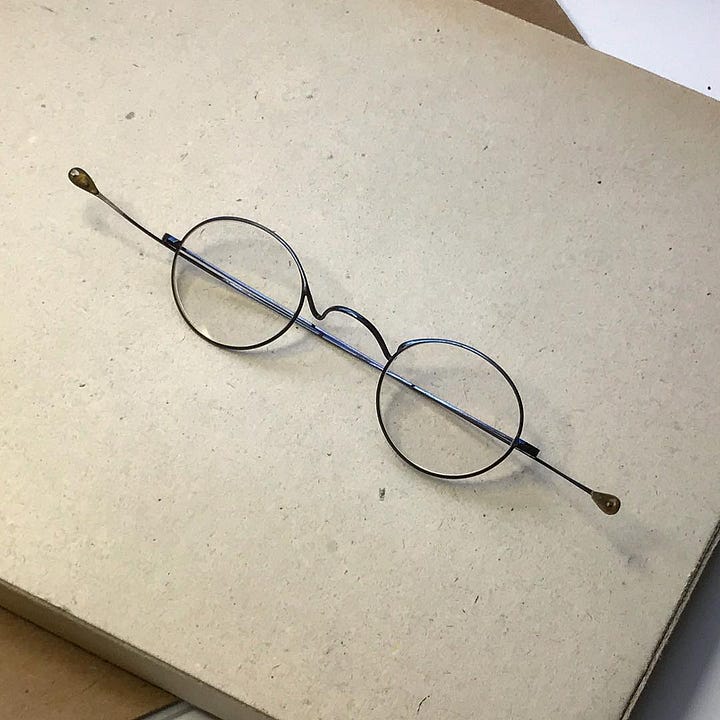
At Stanford, I thought I might find clarity, but I was still figuring things out. For a period of time, I became very focused on antique eyewear. I was collecting and restoring pieces, studying them systematically, and learning from retired eye doctors to understand how they were made. I was also selling to retailers in Japan. It was a serious pursuit, but it came from the same underlying interest in living with objects and understanding them through use and study.
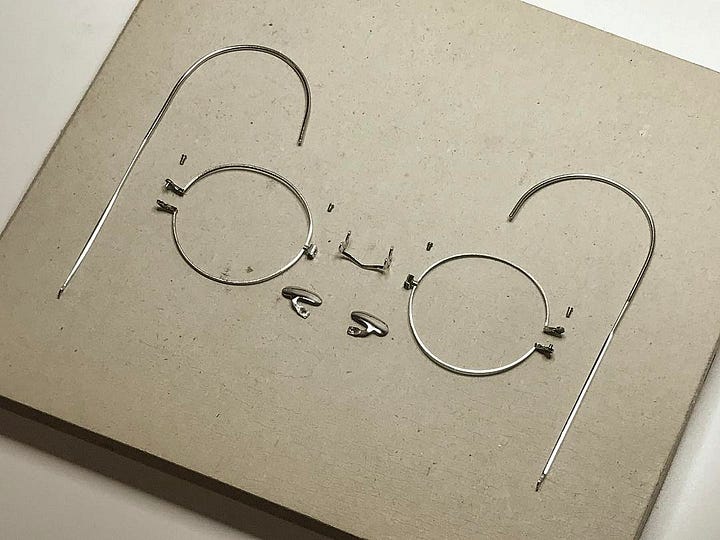
After Stanford, I was not planning to get a job, but a friend submitted my work to Frog Design without telling me. I ended up interviewing and joined the company.
Frog has a strong legacy, but by the time I joined, it had become a much larger organization with a complex structure. Industrial design had less influence within the broader business. We were still working on a range of projects, but the role of design felt more limited.
I stayed for five years and was eventually promoted to principal, leading projects across different sectors. At the same time, I maintained a studio in Bushwick, where I was prototyping and developing ideas independently. I always knew I wanted to build something of my own.
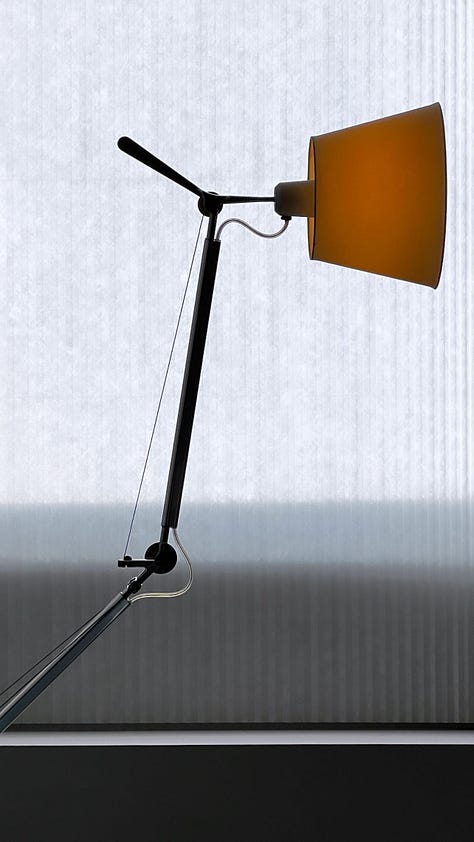
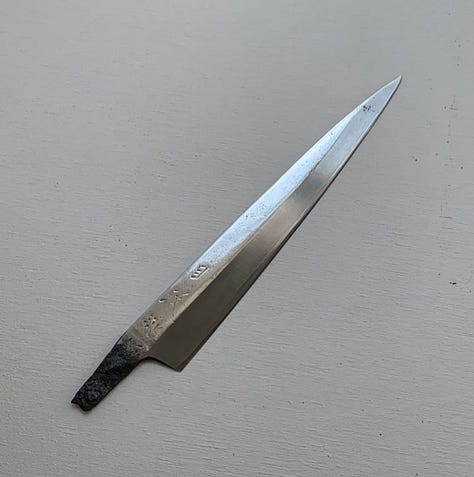
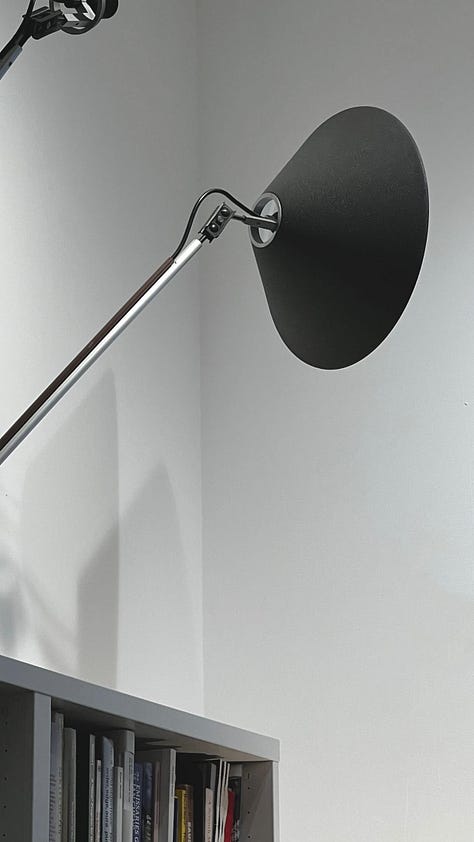
At the beginning of last year, I left to focus fully on Onibi. The idea is to build a broader range of products within classic categories, but approached in a way that is technologically and materially considered.
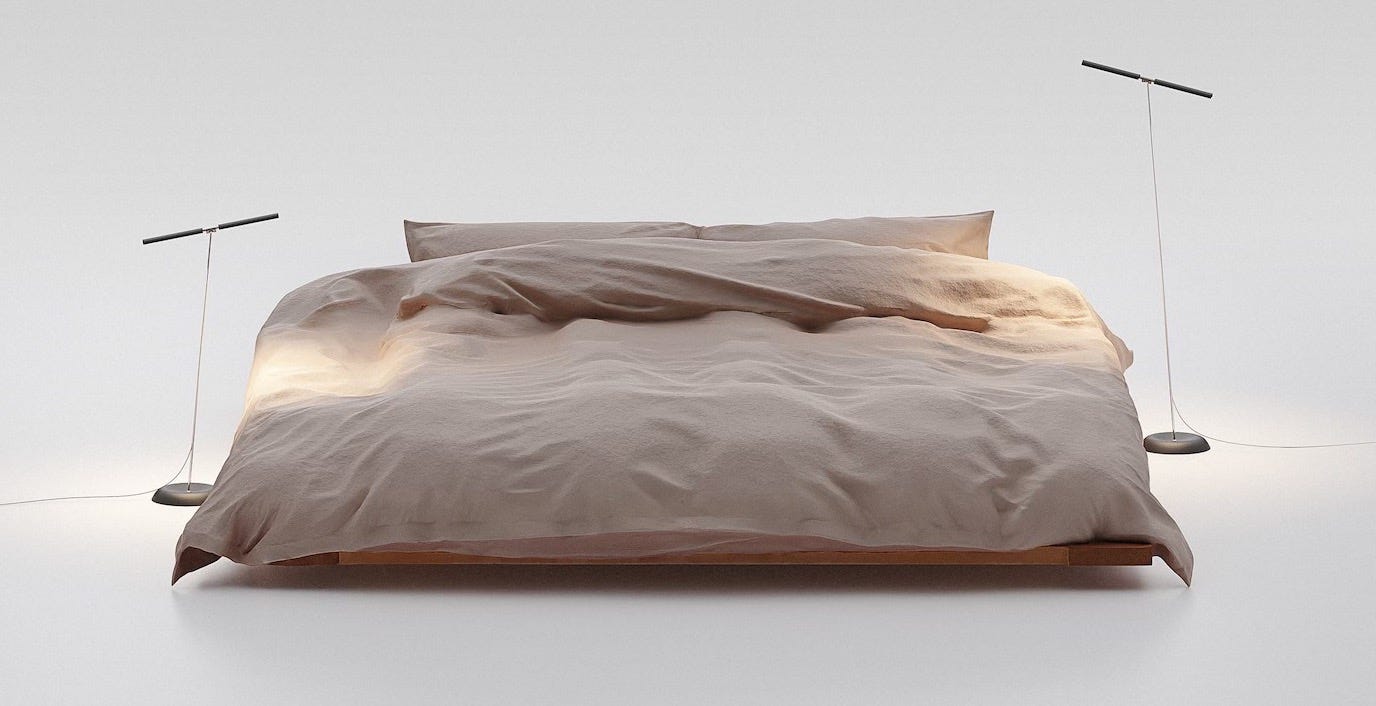
I am also interested in maintaining a small, self-sufficient practice — a one-person operation that can still produce complex work. It is not always easy, but it connects back to the model of working I was drawn to early on.
I do have a lot of books. Some are visual references, and others inform how I think about objects and manufacture. One that had a strong influence on me is The System of Objects by Jean Baudrillard, which looks at how objects and interiors shape how we live and relate to each other.
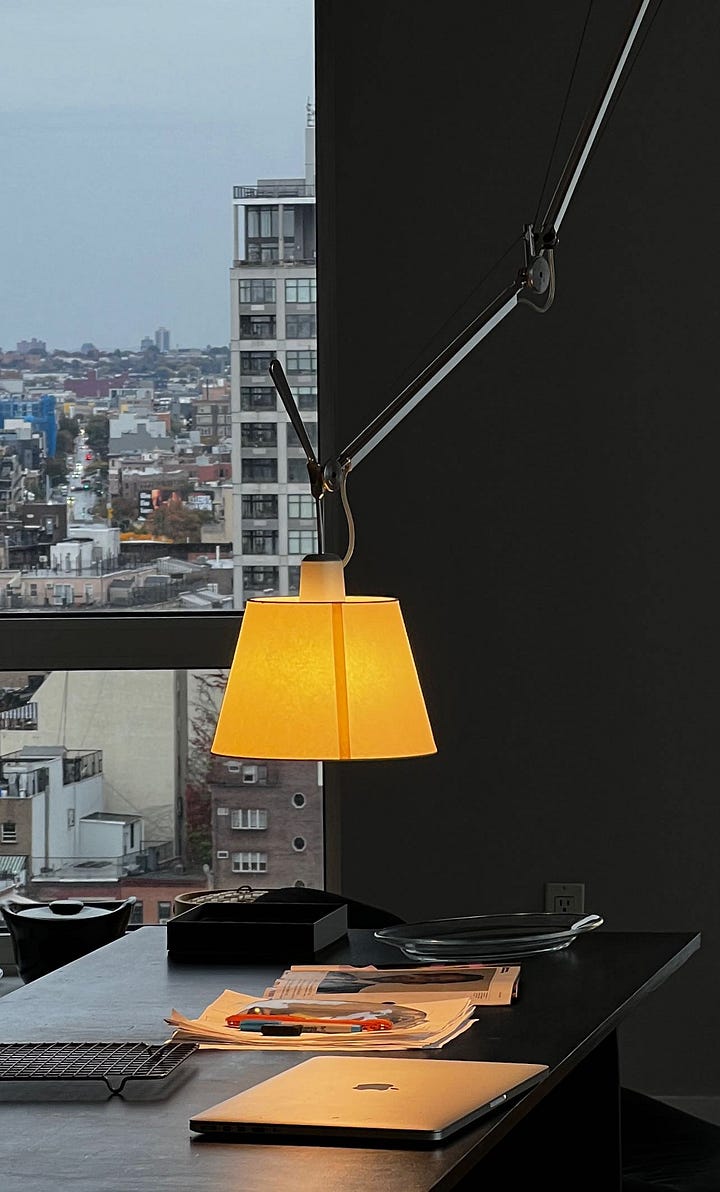
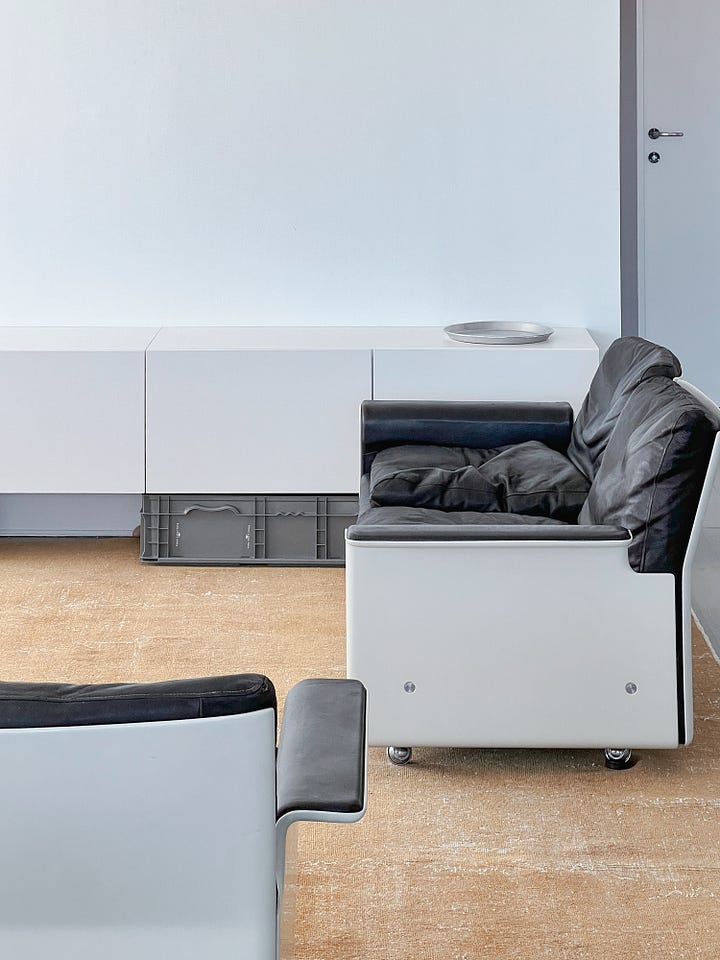
I also own many works by the designers I mentioned earlier, and I like living with them and using them. Wear and damage are part of their life. For example, we have a Vitsoe 620 couch that our cats have completely destroyed, but I think that is fine. These objects are meant to be used, and they can always be repaired.
I also own a lot of lighting, especially by Richard Sapper and Enzo Mari. Ingo Maurer is another important reference for me.
Onibi will present lighting for the first time as part of Leibal’s booth in the Look Book section at ICFF, on view May 17–19 at the Javits Center in New York. Register here.
I took a short trip to Vienna to visit the new Miiro Spittelberg hotel, the same brand as Miiro Templeton, a hotel I recommend often for those traveling to London.
Gloomier days in Vienna called for ample museum time, the highlights being Leopold Museum, with my favorite work there being Robert Russ’ Mill in South Tyrol.
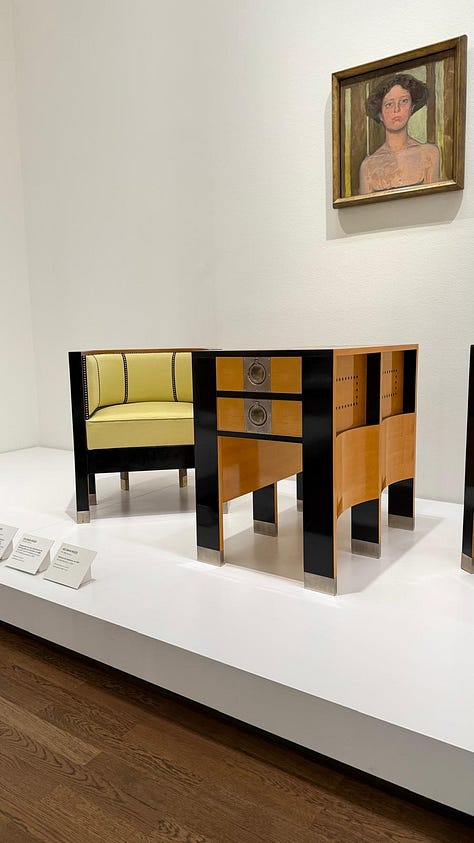
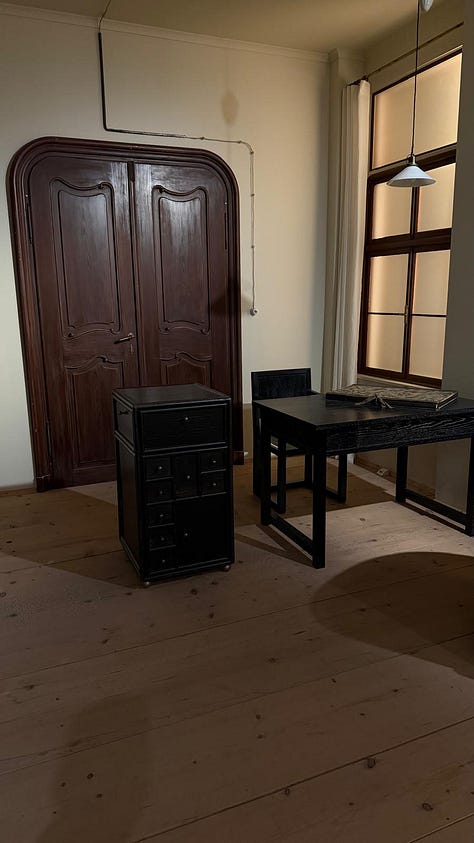
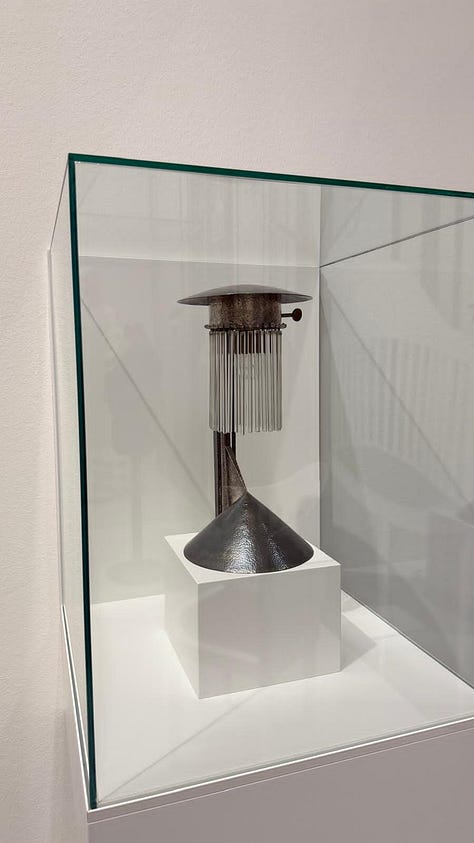
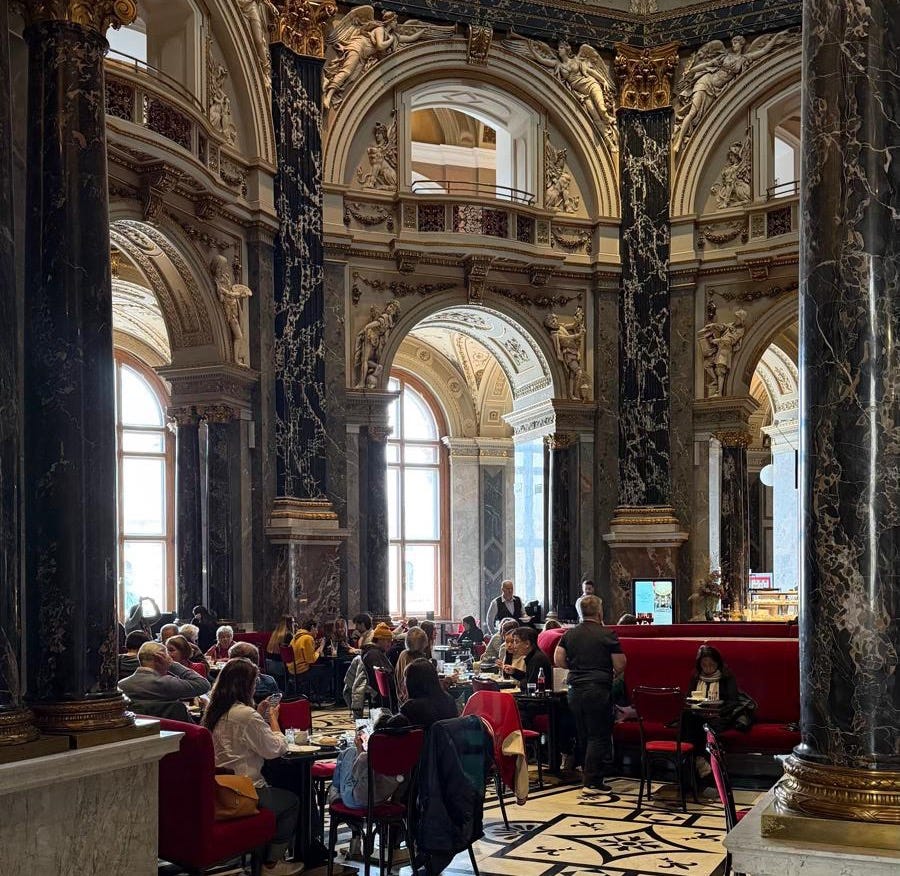
One of my favorite museums there is the Kunsthistorisches Museum Wien, of which there is a beautiful cafe located in the center of the second floor of the museum.
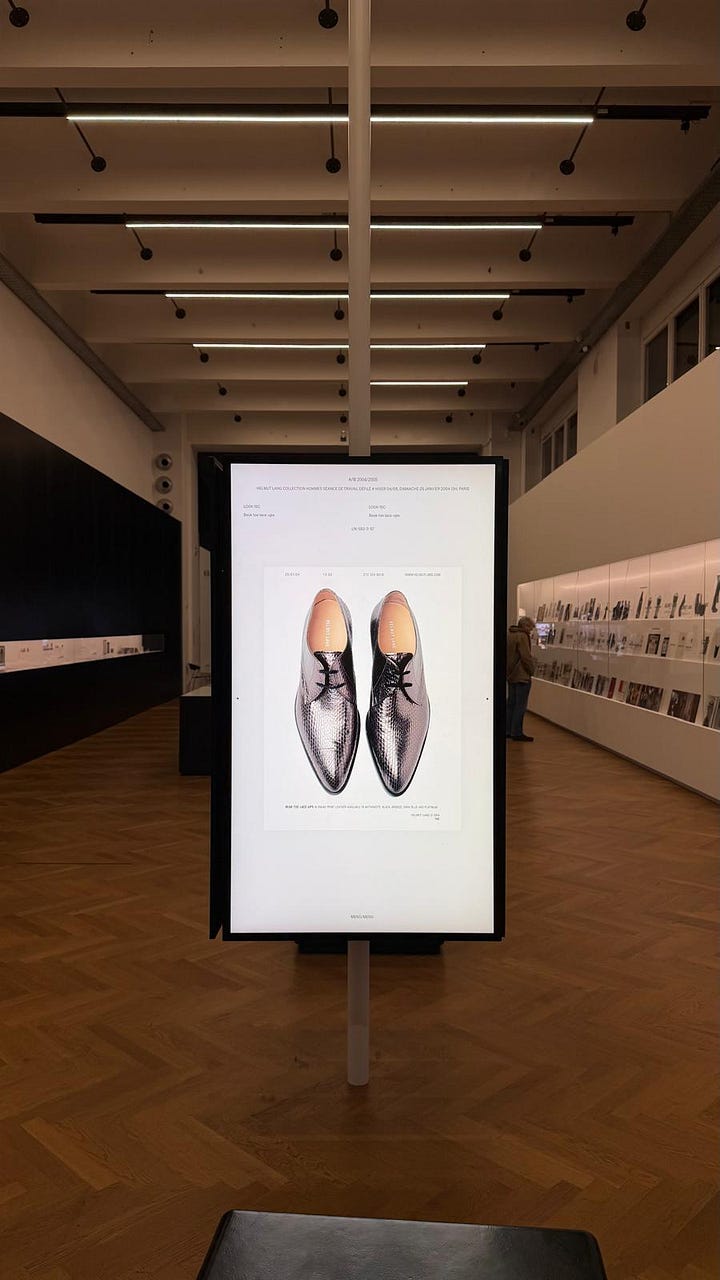
Lastly I went to MAK, which had a beautiful exhibition for Helmut Lang’s body of work.
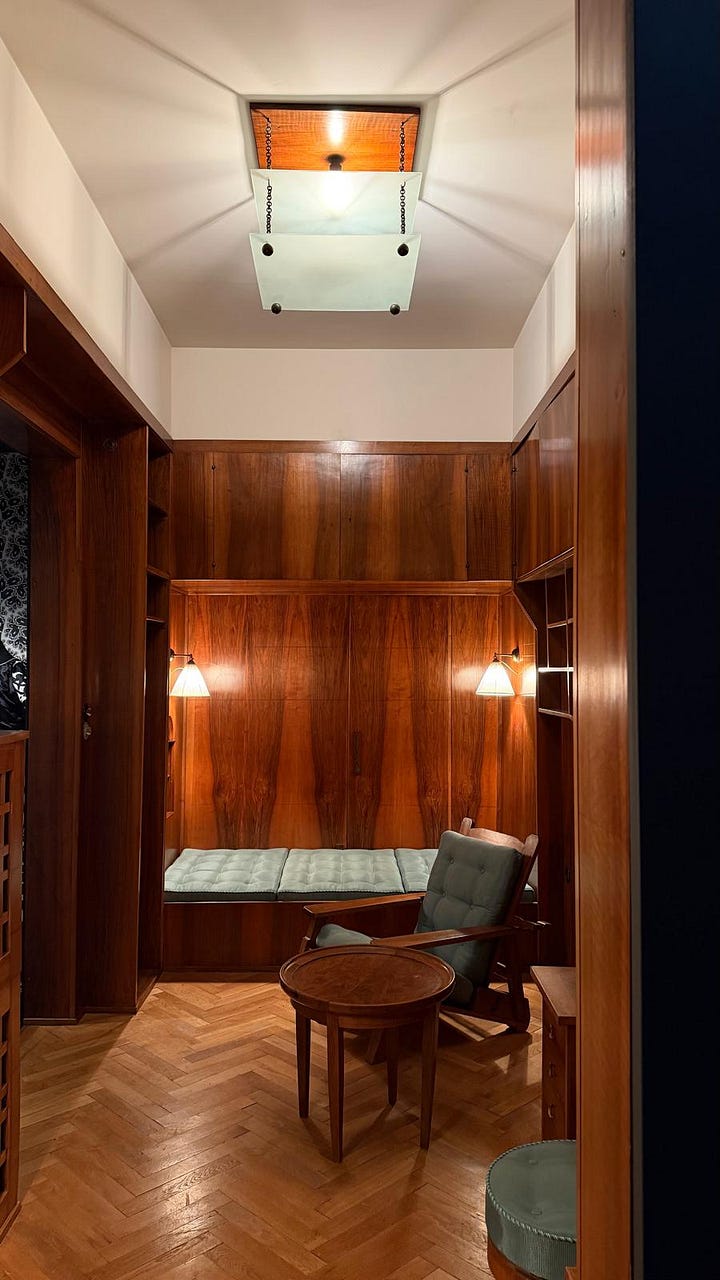
After Vienna, I was back in NYC for a day before heading off to the Dominican Republic to visit the St Regis Punta Cana. More on that soon.
Thank you for reading! We’ll be back soon.
No posts
Comments
Nothing yet. Say the first thing.
Sign in to join the conversation.